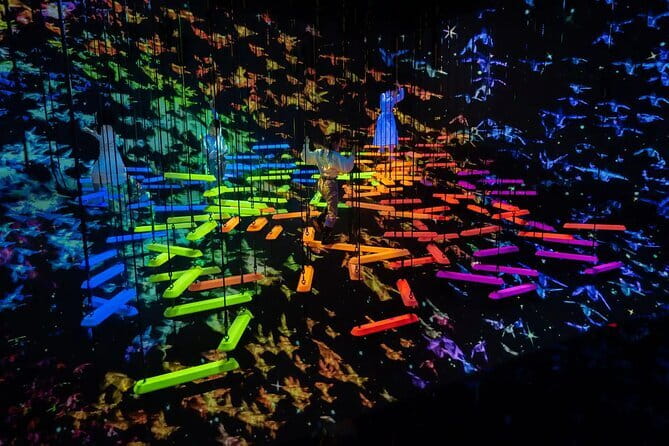
Reviewed · TOKYO TOURS
Experience TeamLab Planets in Tokyo
Tokyo’s teamLab Planets asks you to leave your shoes behind and become part of the artwork. You walk through shallow water, stand inside a galaxy of lights, and enter a flower room where real blooms rise and lower as you move. This is art you physically enter, not a museum of framed objects.
I like the strong variety, from the cool water room to the glowing crystal space, and I like that the ticket covers the main exhibits rather than charging extra inside. The photos can be remarkable, too. The catch is that the experience may feel more like a playful sensory attraction than serious traditional art, and the carefully edited online images can set expectations too high.
In This Review
- Key points
- What teamLab Planets Tokyo is really selling
- Start by removing your shoes
- The Water Area turns your feet into part of the picture
- The Infinite Crystal Universe creates the big photo moment
- The Floating Flower Garden adds scent and real texture
- A changing floor keeps the visit playful
- Light and mirror rooms stretch the sense of space
- Four hours is useful if you take your time
- Getting there and handling the booking
- Who will enjoy this most
- How much value do you get?
- Practical advice before you go
- Should you book teamLab Planets Tokyo?
- FAQ
- How long does teamLab Planets Tokyo take?
- What is included with the ticket?
- Do I need to remove my shoes?
- Will I get wet?
- What should I wear?
- Is teamLab Planets near public transportation?
- Can most people participate?
- Can I take photographs?
- Can I cancel or change my booking?
Key points
- Barefoot water walk: Expect wet feet and lower legs, plus uneven surfaces that require care.
- Reactive light rooms: The Infinite Crystal Universe surrounds you with LED lights that change with your actions.
- Real flowers overhead: The Floating Flower Garden uses fragrant flowers that move with your presence.
- Four-hour visit: The attraction is designed as a substantial half-day stop, not a quick photo call.
- Locker included: You can store shoes and personal belongings before entering.
- Mixed artistic appeal: Families and playful adults may have a wonderful time, while traditional art lovers may find it thin.
What teamLab Planets Tokyo is really selling
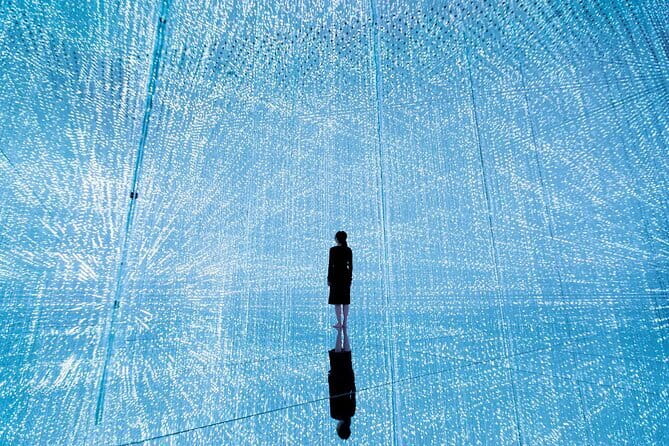
teamLab Planets is less a museum in the usual sense than a series of rooms built around sensation. Light, sound, water, mirrors, flowers, and movement do the work normally handled by paint or sculpture.
I find the best way to approach it is with the mindset of entering a stage set. You are not standing outside the artwork, studying it from a safe distance. You walk through it, touch its effects with your feet and body, and sometimes alter what you see.
That approach explains the split in opinion. If you want quiet galleries, historical context, and objects with a clear story, this may not satisfy you. If you want a playful place where your surroundings respond to you, it offers something unusual.
The visit takes about four hours, although the exact pace depends on how long you spend taking photos and testing each room. A pre-booked ticket provides entry and includes the listed installations. The supplied price is shown as $0.00, which should not be treated as a normal admission price. Confirm the actual amount at booking, since the information provided does not give a standard paid fare.
A few more Tokyo bookings worth comparing
- Mt Fuji and Hakone 1-Day Bus Tour Return by Bullet Train
★ 5.0 · 26,383 reviews - 1-Day Tokyo Bus Tour
★ 5.0 · 14,250 reviews - Tokyo: TOKYO SKYTREE® Admission ticket
★ 4.5 · 11,192 reviews
Start by removing your shoes
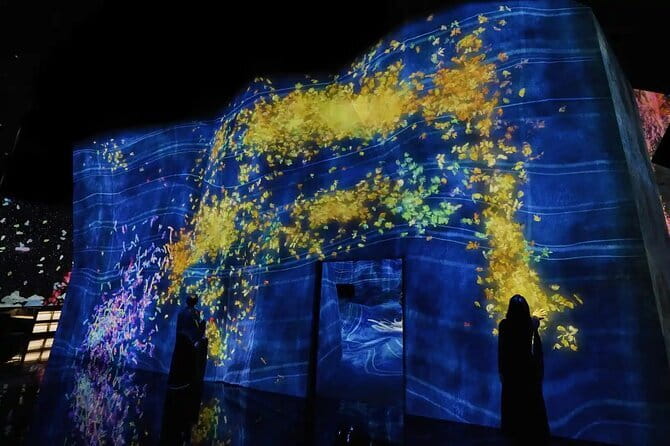
The physical setup matters from the first few minutes. Shoes and personal belongings go into a locker, and you continue barefoot. This is not a minor detail. You should wear clothing that can be rolled up to the knees because the water area can leave your feet and shins wet.
The floors are not all flat and predictable. Some surfaces are uneven, so you need reasonable balance and mobility. I would not make this my first choice for anyone who is uncomfortable walking barefoot, dislikes wet feet, or needs highly stable flooring.
The locker is included, which makes the changeover simpler. Still, keep your belongings tidy and wear practical clothes. A long skirt, trousers that cannot be rolled up, or anything precious around water could make the visit less comfortable.
The barefoot rule also changes the mood. It feels less formal than a conventional gallery, and that suits the playful character of the art. You are prepared to participate rather than simply look.
The Water Area turns your feet into part of the picture
The Water Area is likely to be one of the most memorable rooms because it makes a simple walk feel responsive. You move through shallow water while projected koi fish react to your movements. The effect joins your body to a digital scene without requiring you to operate a complicated control panel.
Bring your attention to the floor and your footing, not only to the projection above. The wet surface and uneven areas mean you should walk steadily. If you are visiting with children, this is the place where excitement can quickly turn into splashing and slipping, so a little supervision helps.
I like this room because the physical sensation gives the art a clear purpose. You are not merely watching a koi animation on a wall. Your movement helps shape the encounter.
The limitation is equally clear. If you expect a polished exhibition with a calm, contemplative pace, the water room may feel like a play facility. That is not necessarily a flaw, but it tells you what kind of afternoon you are buying.
The Infinite Crystal Universe creates the big photo moment
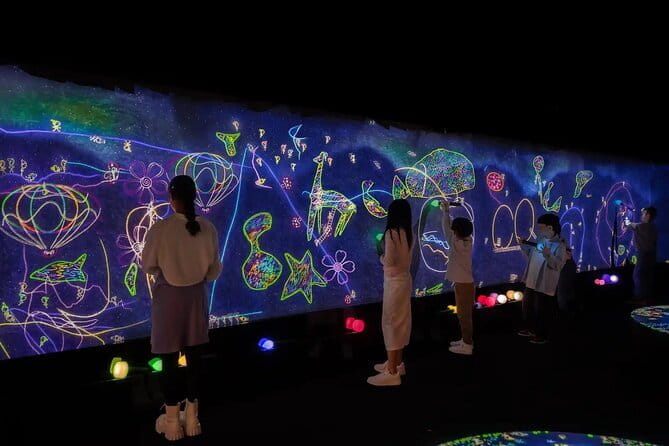
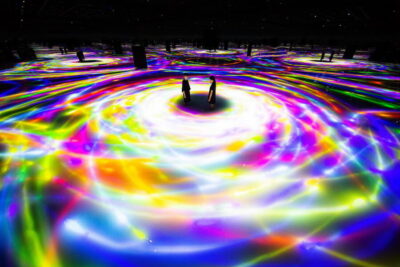
The Infinite Crystal Universe surrounds you with countless LED lights arranged to suggest a galaxy. The room relies on repetition, darkness, reflections, and changing patterns to produce a sense of endless space.
According to the experience details, you can control patterns through an app. That adds a small element of agency, although the appeal is still largely visual. I would give yourself time to look beyond the first impressive photograph. Let your eyes adjust, notice how the lights recede, and watch the room change around you.
This is one of the strongest areas for photographs, but it is also where online images can create trouble. A camera often intensifies color and contrast. Crowding, timing, and your own position in the room can make the real scene feel less dramatic than the image that persuaded you to book.
You should still bring a camera or phone if you enjoy taking pictures. Just treat the photographs as a record of the experience, not a guarantee that every corner will look like a perfectly edited travel post.
Same corner of Tokyo, a completely different plan:
- Tokyo: teamLab Planets TOKYO Digital Art Museum Entry Ticket
★ 4.6 · 9,779 reviews - Mt Fuji & Hakone Cruise, Drum Show Bullet Train 1 Day from Tokyo
★ 4.0 · 7,413 reviews - Tokyo: Sumo Show Experience with Chicken Hot Pot and a Photo
★ 4.8 · 6,678 reviews - Tokyo: Shinjuku Food Tour (13 Dishes at 4 Local Eateries)
★ 5.0 · 6,603 reviews
The Floating Flower Garden adds scent and real texture
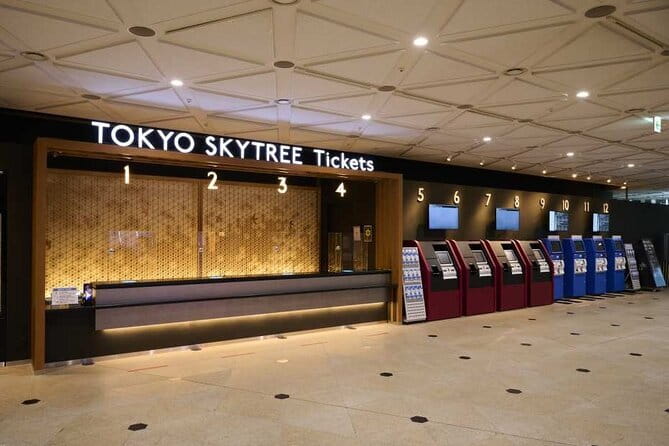
The Floating Flower Garden is different from the LED rooms because it uses real, fragrant flowers. The flowers move in harmony with your presence, creating a room that responds to people in a softer, more organic way.
This is the installation I would seek out if you want a break from flashing lights. The scent and physical presence of the flowers give the space more texture than a purely digital projection. You are still looking at a carefully arranged art environment, but the flowers make it feel less like a screen-based attraction.
The room may not match every promotional photograph. The condition of living flowers can vary, and one critical account described suspended flowers as looking dead. That reaction points to a real risk: the room’s effect depends partly on how the flowers look on the day you visit and on your own expectations.
If you approach it as a moving floral installation rather than a traditional garden, it makes more sense. Pay attention to the way the flowers shift as you move, not only to whether every bloom looks perfect.
A changing floor keeps the visit playful

The Transforming Space uses a bouncy, interactive floor. Your movement helps reshape the space, so the room feels less like a fixed sculpture and more like a surface in motion.
This will appeal to anyone who enjoys hands-on attractions. I can see why families and adults willing to act like children for a while may spend a good deal of time here. It gives you something to do, rather than asking you to stand still and admire an effect.
The same quality may frustrate people looking for serious visual art. Bouncy flooring, reactive effects, and playful movement can make the attraction seem closer to an art-based play space. Decide in advance if that sounds refreshing or childish to you.
Take care with your footing, especially after the water area. The visit asks for balance and awareness in several rooms, so comfortable clothes and sensible movement matter more than dressing for a formal museum.
Light and mirror rooms stretch the sense of space
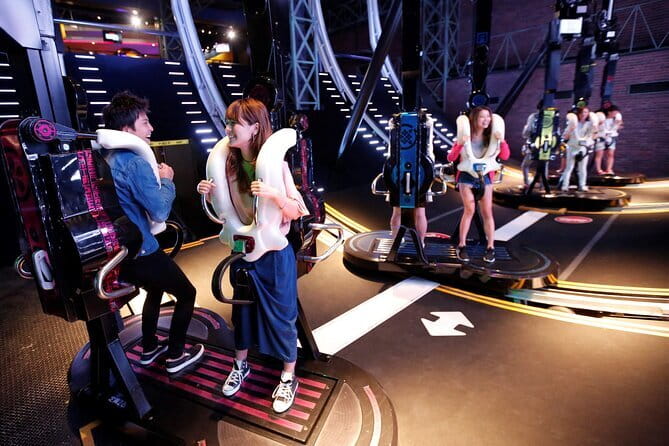
The light and mirror rooms use reflections and glowing installations to create a surreal setting. Mirrors can make a small room seem endless, while repeated points of light give the impression of distance where there may be very little.
These rooms work best when you slow down. A quick walk from one photo point to the next misses the way reflections alter your sense of direction and scale. I would look for changes in the room as other people move through it, since the presence of people becomes part of the visual scene.
The drawback is that the effect is familiar if you have already visited other digital light attractions. teamLab Planets depends on presentation, scale, and your willingness to participate. It may feel fresh in person, but it is not guaranteed to seem entirely new to someone who has seen many mirror and LED installations.
Still, the combination of light, mirrors, water, flowers, and movement gives the visit enough variation to avoid becoming one long repeated effect.
Four hours is useful if you take your time
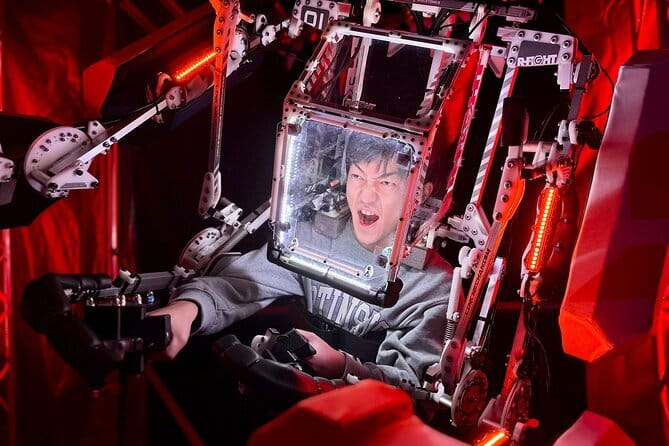
The estimated duration is about four hours. That is a generous allowance for a single attraction, but it makes sense if you want to photograph the rooms, move carefully, and let each installation develop.
You should not assume that four hours means four hours of constant action. Some of that time may involve entering rooms, changing pace, taking pictures, and allowing your eyes to adjust to darkness and light. The value depends on how much you enjoy lingering.
For me, the length is a benefit if this is planned as a half-day activity in Tokyo. It gives you a substantial indoor stop and avoids the rushed feeling of trying to squeeze the attraction between several distant sights.
It can be a drawback if you want a short, efficient visit. The attraction is not designed as a quick look at a few objects. If your Tokyo schedule is packed, decide if this type of sensory art deserves several hours.
Getting there and handling the booking
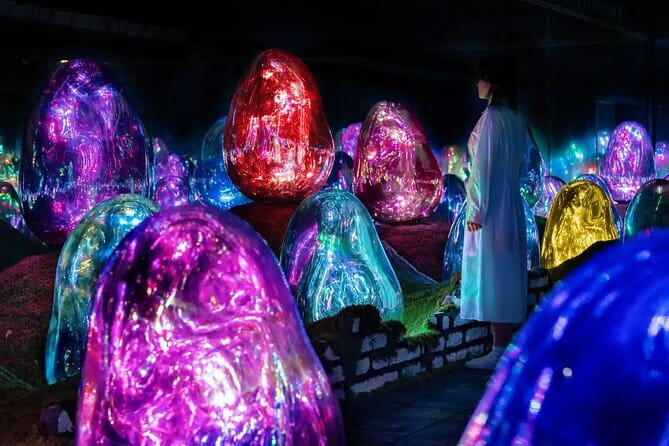
The attraction is near public transportation, so you do not need a private vehicle or an air-conditioned tour bus. The ticket is for admission rather than a guided sightseeing circuit, and no guide names are provided.
A pre-booked entry is useful because it removes the need to arrange admission after reaching the attraction. Your confirmation is normally issued at booking. If you book within two days of the visit, confirmation may arrive within 48 hours and remains subject to availability.
Pay close attention to your assigned start time. One booking time was shifted from 9:00 to 9:30 even though the opening time had not changed, with notice sent by email. Check your messages before setting out, and do not rely only on the time you first selected.
The experience is non-refundable and cannot be changed once booked. That makes date and time checks especially important. Since the displayed price is $0.00 but no actual fare is supplied, I would also verify the final price before paying.
Who will enjoy this most
I would recommend teamLab Planets to you if you like photography, interactive technology, unusual interiors, and attractions that encourage you to play. It is particularly suitable for a family outing or a relaxed afternoon with friends.
Solo visitors can enjoy it too, although some rooms are most fun when you are willing to experiment rather than simply observe. If you prefer to take your time with photographs, going alone may even make it easier to follow your own pace.
Couples may appreciate the strange, dreamlike setting, while older children can enjoy the water, lights, and moving spaces. Most people can participate, but you need enough balance and mobility for uneven surfaces and shallow water.
I would be more cautious if you describe yourself as a serious art lover who wants traditional technique, clear interpretation, or historical depth. One low rating called the experience over-hyped and better suited to young children. That is a fair warning, even if other people find the same playfulness liberating.
How much value do you get?
The ticket includes admission to all the listed areas and a locker for shoes and personal belongings. That is helpful because the main appeal lies in the change of mood from room to room. You are not paying for a single light display and then discovering that the rest costs extra.
The value is strongest when you enjoy the full sensory range: water on your feet, changing LEDs, moving flowers, bouncy flooring, mirrors, and photo opportunities. Four hours gives the ticket weight as a half-day activity.
The value is weaker if you are likely to judge the visit by one photograph or if you want a conventional art collection. Some of the visual effects can seem simple once you understand the trick, and the online pictures may appear more intense than the real rooms.
Because the supplied price does not state a normal admission amount, I cannot give a reliable price-per-hour judgment. Use the final booking total as your guide. Compare it with other Tokyo attractions by asking how much time you will spend and how much you value active participation.
Practical advice before you go
Wear clothes that let you roll trousers or other lower garments to the knees. Expect to remove socks and shoes, and expect your feet and shins to get wet.
Keep your balance in mind. Several surfaces are uneven, and the visit is not a simple flat-floor museum walk. Move slowly when the surface changes, especially in the water area and after leaving it.
Bring your phone if photos matter to you, but do not let the camera replace the experience. The rooms are built around movement and changing light, so spend some time looking without immediately framing a shot.
Check your email before leaving for the attraction, especially if your booking is close to the visit date. The start time may be adjusted, and the booking cannot be changed or refunded.
Plan the visit as a focused half-day rather than a quick stop. You will get more from it if you are not watching the clock.
Should you book teamLab Planets Tokyo?
Book it if you want a playful, physical art experience and you are happy to get barefoot, get slightly wet, and pose for photographs. The water room, crystal lights, and flower garden offer enough variety to make the visit feel like more than one repeating trick.
Think twice if you want serious gallery art, a quiet museum visit, or guaranteed picture-perfect flowers. The installation is personal and highly dependent on your expectations. Go ready to participate, not to inspect a collection of masterpieces, and you are more likely to find the afternoon worthwhile.
FAQ
How long does teamLab Planets Tokyo take?
The experience lasts approximately four hours.
What is included with the ticket?
Admission to teamLab Planets Tokyo and a locker for storing shoes and personal belongings are included.
Do I need to remove my shoes?
Yes. You need to remove your shoes and socks before entering the barefoot areas.
Will I get wet?
Yes. The Water Area involves walking through shallow water, and your feet and shins may get wet.
What should I wear?
Wear comfortable clothing that can be rolled up to your knees.
Is teamLab Planets near public transportation?
Yes. The attraction is near public transportation.
Can most people participate?
Yes. Most people can participate, but uneven surfaces, water, and the need for balance or mobility are important considerations.
Can I take photographs?
Yes. The experience includes many opportunities for photographs, including the crystal lights, mirror rooms, flowers, and other glowing installations.
Can I cancel or change my booking?
No. The experience is non-refundable and cannot be changed for any reason.
New on our Tokyo list
- Sumi-e Experience in a relaxing green tea shop in Tokyo★ 5.0 · 3 reviews
- Tokyo : Kamikaze Street Drift Ride★ 5.0 · 3 reviews
- Private Zen Meditation in English in Shinjuku, Tokyo★ 5.0 · 3 reviews
- Onsen Spa in Tokyo and Asakusa Bar Hopping with Local Guide★ 5.0 · 3 reviews
- Easy for everyone! Now you can play handmade mini shamisen and show off to everyone! Musical instruments, sweets and live music★ 5.0 · 3 reviews
- Tokyo: Private Tsukiji Street Food & Sake with Local Guide★ 5.0 · 3 reviews
- Mt Fuji Exploration Tour with Free Japanese Kusa Mochi from Tokyo★ 4.5 · 3 reviews
- Tokyo Tsukiji Fish Market Walking and Exploring Hidden Gems Tour★ 5.0 · 3 reviews
Tokyo Tours, compared.

Mt Fuji and Hakone 1-Day Bus Tour Return by Bullet Train
Read our review →
teamLab Planets TOKYO Digital Art Museum Entry Ticket
Read our review →
Mt Fuji & Hakone Cruise, Drum Show Bullet Train 1 Day from Tokyo
Read our review →
Sumo Show Experience with Chicken Hot Pot and a Photo
Read our review →
Shinjuku Food Tour (13 Dishes at 4 Local Eateries)
Read our review →