
Reviewed · TOKYO PHOTOSHOOTS
Explore Unique Tokyo Streets / Learn with a Pro Photographer
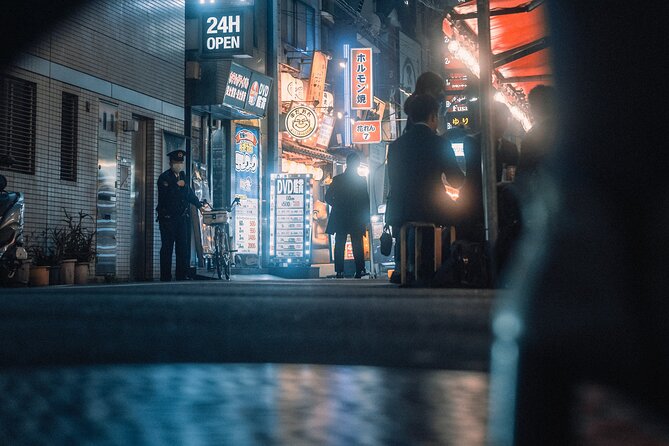
Tokyo after dark gives you far more than neon signs. With professional photographer Deniz Demir, you’ll walk through Yurakucho and Shinbashi, two central districts where office life, narrow streets, restaurants, train tracks, and passing commuters create useful subjects for street photography.
I like the six-person maximum, which gives Deniz room to look at your camera settings and photos. I also like the practical mix of basics and creative ideas, from lenses and exposure to framing, prisms, and LED lights. The main consideration is price: at $128.09 per person for about two hours, this makes the most sense if you want real instruction, not just an evening walk with a camera.
In This Review
- Key points at a glance
- Tokyo after dark, taught one photo at a time
- Starting around Shimbashi Station
- Photographing Yurakucho’s tight city scenes
- Shinbashi after work, especially on weekdays
- From camera settings to stronger visual choices
- Why the six-person limit matters
- Should you bring a tripod?
- Is $128.09 a fair price for two hours?
- Who will get the most from this photo walk?
- The final call: book it for instruction, not sightseeing
- FAQ
- Where does the Tokyo photography tour start?
- Where does the activity end?
- How long does the experience last?
- What areas does the tour explore?
- Who leads the photography experience?
- How many people can join the tour?
- What photography subjects are covered?
- Can the guide bring a tripod?
- Can I cancel for a full refund?
Key points at a glance
- Photograph Yurakucho and Shinbashi after dark: These central Tokyo areas provide changing light, tight streets, office crowds, and plenty of chances to practice.
- Learn directly from Deniz Demir: The guide is a professional photographer who has lived in Japan since 2015 and runs a large Meetup group for creatives.
- Small group, up to six people: You get more room for personal advice than on a standard city tour.
- Study both camera technique and street vision: Lessons cover settings, lenses, gear, framing, and what to look for before you press the shutter.
- Weekday evenings can show salaryman culture: The timing may bring you closer to Tokyo’s after-work rhythm.
- Tripod support is available if wanted: Deniz can bring a tripod, which may help with night photography and slower shutter speeds.
Tokyo after dark, taught one photo at a time
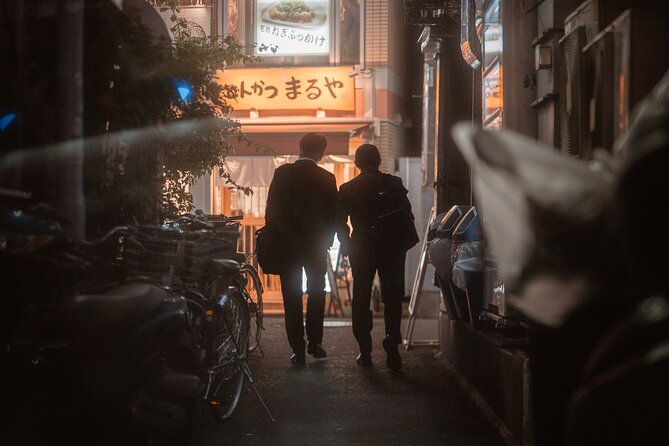
This is a photography lesson wrapped inside a short Tokyo walk. You meet Deniz at Shimbashi Station, at 2 Chome-17 Shinbashi, Minato City, and finish back at the same meeting point after about two hours.
That return-to-start setup is useful. Shimbashi is easy to reach by public transportation, and you do not need to arrange a second pickup across the city. Still, this is a walking activity, so you should be comfortable being on your feet and moving through city streets for the full session.
The focus is not on checking off famous sights. Instead, Deniz brings you to parts of Yurakucho and Shinbashi that he has photographed for years. The value lies in seeing familiar Tokyo from a different angle, then learning how to turn an ordinary street scene into a stronger image.
That distinction matters. If you want a guide to explain major landmarks, temples, or Tokyo history, this is not the right choice. If you want to understand why one composition works better than another, the format is much more useful.
More Tokyo photo sessions:
- Tokyo Ryogoku Sumo Morning Practice + Photo Shoot with Wrestlers
★ 4.5 · 277 reviews - Tokyo by Night Photography Tour (Private Option Available)
★ 5.0 · 151 reviews - Tokyo Sumo Morning Practice Tour w/ Ring-Side Seat + Photo Shoot
★ 5.0 · 93 reviews
Starting around Shimbashi Station
Shimbashi is a fitting place to begin. It is a major transport area, but it also has the close-in city texture that works well for street photography. The tour description points to Yurakucho and Shimbashi rather than a fixed list of monuments, so the exact sequence can vary with the evening option and the conditions on the ground.
You can expect Deniz to use the opening part of the session to discuss your equipment and goals. The planned topics include camera settings, lenses, and other gear. That gives you a chance to bring up a specific problem, such as uncertainty about shutter speed, difficulty focusing at night, or not knowing which lens best suits street scenes.
The small group size is especially important here. With no more than six people, Deniz can offer individual guidance instead of giving a general talk and moving on. If you arrive with a camera you barely understand, this may be more useful than a large photo walk where everyone receives the same advice.
A useful caution: the information does not promise a private tour. Six people is still a group, and each person will have some time with the guide. If you need a full one-to-one lesson, ask about private arrangements before booking.
Photographing Yurakucho’s tight city scenes
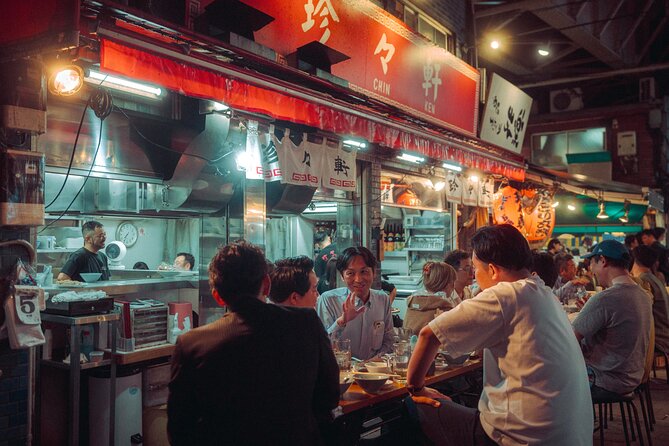
From Shimbashi, the experience explores Yurakucho. This area is known in the tour description for its distinctive streets and viewpoints, not for a formal sightseeing route.
For you, that means the lesson is likely to focus on reading the scene in front of you. Tokyo often gives photographers layers to work with: people, signs, lights, shop fronts, rail infrastructure, and narrow passages. The important lesson is not simply to point your camera at the brightest sign. It is to notice how lines, reflections, gaps, and movement fit together.
Deniz plans to cover framing and what to look for in your surroundings. Those are skills that travel well after this evening ends. You can use them in any city, even when the light is poor or the subject seems unremarkable.
The guide also discusses street-shooting philosophies. That suggests a broader conversation about how you approach people and public spaces, not just technical camera controls. You may come away with a clearer idea of when to wait, when to move, and how to build a picture from the elements already around you.
The drawback is that night photography can be demanding. Dark streets and bright signs can confuse automatic settings, and the best image may require several attempts. The two-hour duration is enough to practice, but it is not enough to master every setting or technique.
Shinbashi after work, especially on weekdays
The Shinbashi portion brings a different mood. On weekday evening tours, the experience includes a look at Japan’s salaryman culture as people leave work and move through the area.
This is one of the more distinctive parts of the session. You are not just photographing architecture or illuminated signs. You are working in a living city at a time when office workers, restaurants, stations, and after-work routines shape the streets.
The timing also makes the tour less predictable than a standard sightseeing walk. Light changes, people move quickly, and a promising scene may last only a few seconds. That gives Deniz a chance to explain how to respond instead of waiting for perfect conditions.
You should also think about personal comfort and public photography. The tour description says you will learn about salaryman culture up close as you take photos, but it does not provide a detailed policy on photographing identifiable people. If that matters to you, ask Deniz for guidance at the start. A professional street photographer can help you approach the subject with care, but the supplied details do not promise a formal portrait session or permission from people in every frame.
For photographers who want only quiet scenes, weekday Shinbashi may feel busy. For anyone hoping to see the city’s working rhythm, that is part of the appeal.
A few more Tokyo bookings worth comparing
- Mt Fuji and Hakone 1-Day Bus Tour Return by Bullet Train
★ 5.0 · 26,383 reviews - 1-Day Tokyo Bus Tour
★ 5.0 · 14,250 reviews - Tokyo: TOKYO SKYTREE® Admission ticket
★ 4.5 · 11,192 reviews - Tokyo: teamLab Planets TOKYO Digital Art Museum Entry Ticket
★ 4.6 · 9,779 reviews
From camera settings to stronger visual choices
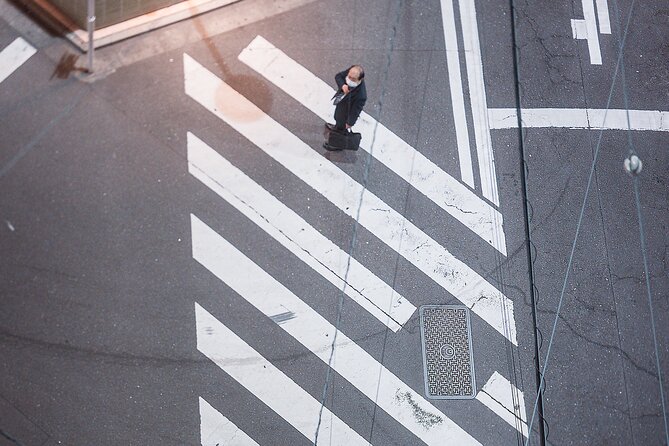
The instruction begins with practical camera matters. Deniz can discuss settings, lenses, and gear, including LED lights and prisms. This is helpful if you own a camera but still rely on automatic modes or feel unsure about how equipment changes the image.
One account from David gives a useful picture of the lesson’s value. He found out what he knew and what he did not know about his own equipment, learned several points he had not considered, tested the advice during the walk, and came away with good photos. That is the right expectation: you should be ready to practice, not sit through a lecture.
The tour also reaches more advanced subjects:
- How to decide what deserves your attention in a busy street
- How framing can remove distractions
- How to use objects in the environment as part of the composition
- How street photography can move beyond ordinary record shots
- How creative tools such as prisms and LED lights may change the result
These points make the experience more than a basic settings class. Deniz wants you to think about the photograph before and after you take it. The technical lesson helps you control the camera, while the street-photography discussion helps you decide what kind of image you want.
Still, do not expect a complete photography course in two hours. You will get an introduction to several subjects, plus time to test them. The benefit will be greatest if you choose one or two skills to work on rather than trying to master every idea at once.
Why the six-person limit matters
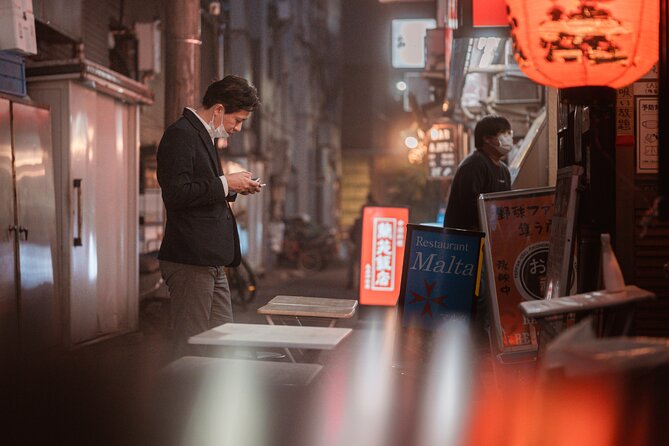
A maximum of six people is one of the strongest features here. Photography instruction works best when the guide can see your screen, ask what you were trying to do, and offer a specific correction.
In a large group, you might hear useful advice but fail to apply it before the scene changes. With six or fewer people, you have a better chance to receive comments that fit your camera, lens, and level of experience.
The small group also changes the social feel. Deniz runs one of the larger Meetup groups for creatives in Tokyo and describes connecting people as a major passion. That background may suit you if you enjoy meeting other photographers and comparing approaches during the walk.
I would not book this expecting a silent private lesson. You will be sharing the guide’s attention, and the group’s pace may influence how long you spend at each spot. The payoff is a more social photo walk with personal input, rather than a fully customized workshop.
Should you bring a tripod?
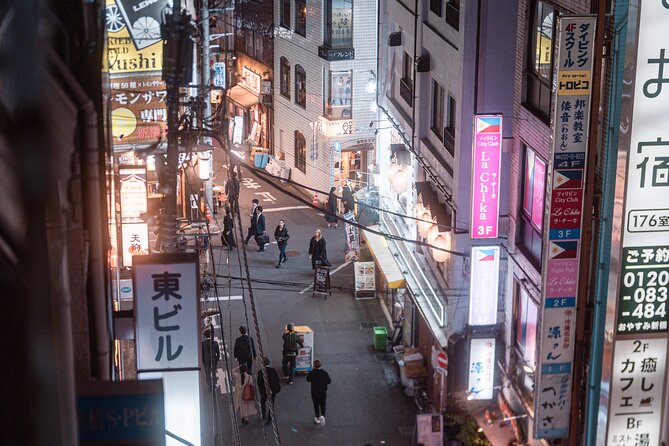
Deniz can bring a tripod if you want one. That is a useful option for night photography, especially if you are interested in slower shutter speeds or want to keep the camera steady while working in low light.
But you should not assume a tripod is required. The experience also covers street shooting, which often favors a light, mobile setup. Carrying extra gear through city streets can slow you down, so tell Deniz in advance if you want tripod support and bring only equipment you can manage comfortably.
The same principle applies to LED lights, prisms, and other creative tools. The tour welcomes discussion of them, but the supplied details do not say that every item is included for every participant. If you want to build the session around a particular accessory, confirm what Deniz will provide before you arrive.
Is $128.09 a fair price for two hours?
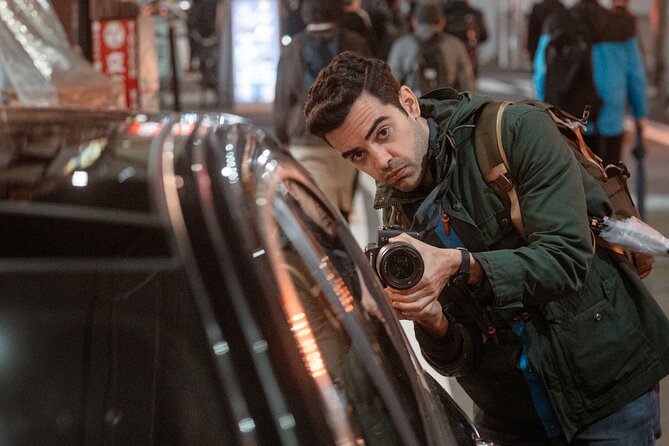
At $128.09 per person, the cost is high for a two-hour walk if you judge it as sightseeing alone. You are paying for a small group, a professional photographer, personal instruction, and access to places Deniz has studied through years of photography.
The value improves if you already own a camera and want to use it better. A single useful correction about exposure, focus, lens choice, or framing can affect every photo you take afterward. The session may also save you from buying gear you do not need, since Deniz can help you understand your existing equipment.
It is less good value if you simply want attractive Tokyo photos without learning how to make them. You may prefer a regular evening city tour or a self-guided walk in that case.
Group discounts are available, which may make the price easier to justify for two or more people who want to learn together. The group cap remains six, so discounts do not turn the experience into a crowded outing.
The activity is booked, on average, 16 days ahead. That is a useful planning clue if your Tokyo schedule is fixed. You should reserve early enough to secure your preferred evening option, especially if you want a weekday session or have a particular camera question for Deniz.
Who will get the most from this photo walk?
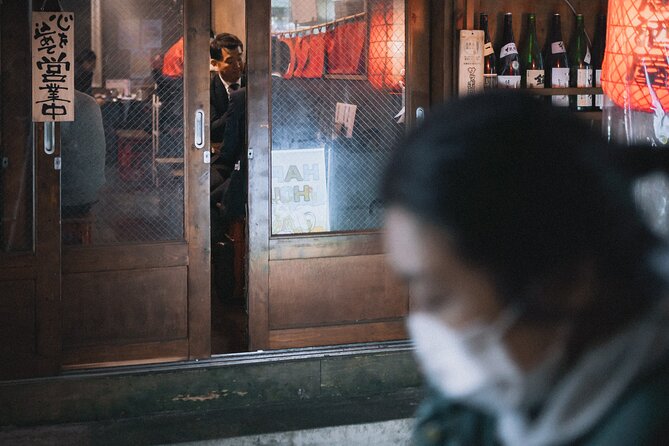
I would recommend this experience most strongly to:
- Photographers who own a camera but are unsure about settings or lenses
- People who want practical feedback while making pictures
- Visitors who prefer local street scenes to famous sights
- Intermediate photographers seeking better framing and visual judgment
- Creative people who enjoy a small social group
- Anyone interested in photographing Tokyo after work on a weekday
Beginners can take part, since basic settings and gear are included. You will get more from the evening if you bring a clear question and are willing to change settings, try a new viewpoint, and show Deniz what you are attempting.
Advanced photographers may also enjoy the discussion of street-shooting ideas and creative tools. The limitation is depth. If you already teach photography or work professionally, the introductory material may feel familiar, and two hours may not offer enough time for a major creative project.
You should have moderate physical fitness. Service animals are allowed, and the meeting point is near public transportation. Confirmation is provided at booking, and free cancellation is available if you cancel at least 24 hours before the start time. Changes or cancellations inside that window are not accepted for a refund.
The final call: book it for instruction, not sightseeing
Book this tour if you want to make better night photographs and appreciate direct advice from a working professional. Deniz Demir offers a thoughtful blend of camera technique, creative gear, street-photography ideas, and access to Yurakucho and Shinbashi scenes that you may not find on your own.
The 4.9 rating from 19 reviews and 100 percent recommendation point to a strong experience, while the four-star account provides a fair reminder: you will need to practice and ask questions to get the full benefit.
Skip it if you want a broad introduction to Tokyo sights, a private portrait shoot, or a cheap evening walk. At $128.09, the price is best justified by the small group and the chance to leave with a better grasp of your own camera. For the right photographer, that lesson can be worth much more than a few extra snapshots.
FAQ
Where does the Tokyo photography tour start?
It starts at Shimbashi Station, at 2 Chome-17 Shinbashi, Minato City, Tokyo 105-0004, Japan.
Where does the activity end?
The tour ends back at the meeting point.
How long does the experience last?
The experience lasts approximately two hours.
What areas does the tour explore?
The tour explores the Yurakucho and Shinbashi areas of Tokyo.
Who leads the photography experience?
The experience is led by Deniz Demir, a professional photographer who has lived in Japan since 2015.
How many people can join the tour?
The maximum group size is six people.
What photography subjects are covered?
The session covers camera settings, lenses, gear, LED lights, prisms, street-shooting philosophies, framing, and how to use your surroundings in a photograph.
Can the guide bring a tripod?
Yes. Deniz can bring a tripod if you would like one.
Can I cancel for a full refund?
Yes, if you cancel at least 24 hours before the experience start time. Cancellations or changes made less than 24 hours before the start time are not refunded or accepted.
New on our Tokyo list
- Sumi-e Experience in a relaxing green tea shop in Tokyo★ 5.0 · 3 reviews
- Tokyo : Kamikaze Street Drift Ride★ 5.0 · 3 reviews
- Private Zen Meditation in English in Shinjuku, Tokyo★ 5.0 · 3 reviews
- Onsen Spa in Tokyo and Asakusa Bar Hopping with Local Guide★ 5.0 · 3 reviews
- Easy for everyone! Now you can play handmade mini shamisen and show off to everyone! Musical instruments, sweets and live music★ 5.0 · 3 reviews
- Tokyo: Private Tsukiji Street Food & Sake with Local Guide★ 5.0 · 3 reviews
- Mt Fuji Exploration Tour with Free Japanese Kusa Mochi from Tokyo★ 4.5 · 3 reviews
- Tokyo Tsukiji Fish Market Walking and Exploring Hidden Gems Tour★ 5.0 · 3 reviews
Tokyo Photoshoots, compared.
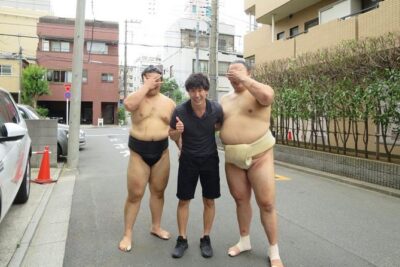
Tokyo Ryogoku Sumo Morning Practice + Photo Shoot with Wrestlers
Read our review →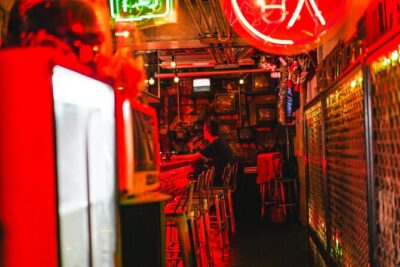
Tokyo by Night Photography Tour (Private Option Available)
Read our review →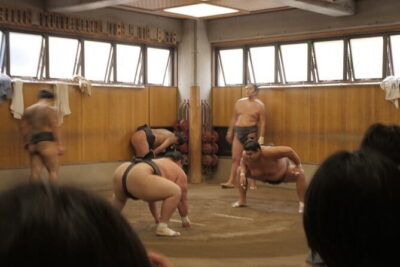
Tokyo Sumo Morning Practice Tour w/ Ring-Side Seat + Photo Shoot
Read our review →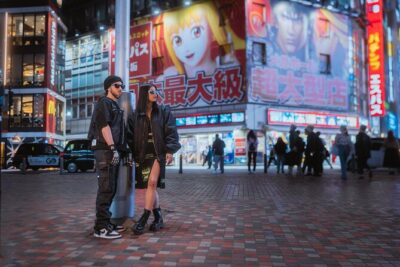
Tour with Pro Tokyo Photographer and take Edgy Unique Portraits
Read our review →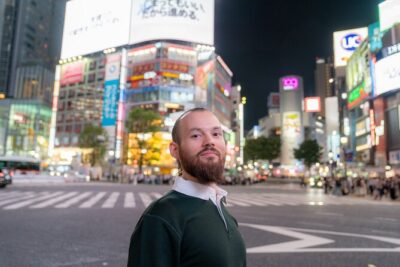
Tokyo Portrait Tour with a Professional Photographer
Read our review →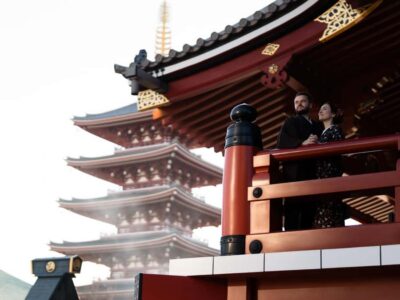
Tokyo Asakusa: Miu Kimono Rental and Optional Photoshoot
Read our review →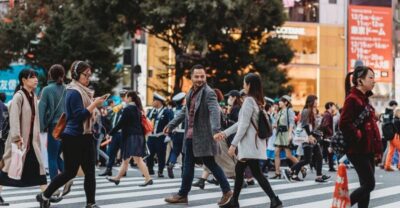
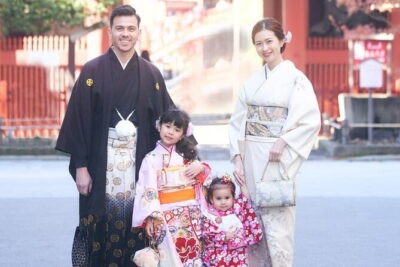
Tokyo Authentic Kimono Rental in Asakusa with Photography Option
Read our review →Browse the lists this tour appears in