Reviewed · TOKYO TOURS
Japan Classic 10 Day – One Life Adventures
Japan Classic 10 Day packs Japan’s biggest hits into one brisk journey, then adds memorable local touches: sushi making in Tokyo, a traditional stay in Hakone, sake in Takayama, a kendo class in Kyoto, and karaoke in Osaka. You move from neon streets to mountain towns and temple paths without having to plan every train.
I especially like the Tokyo-to-Osaka route, which avoids backtracking, and the mix of famous sights with less expected stops such as Daitoku-ji, a quiet Kyoto temple complex, and a rowboat ride in Arashiyama. The food focus is another strong point, from sushi and yakitori to nabe, Hida beef, and Osaka street food.
The catch is simple: this is a fast, active backpacking tour. You will walk a lot, change hotels, use public transport, and often start early to beat the crowds. The $6,629 price also requires careful thought, since flights, insurance, transfers, and several meals are extra.
In This Review
- Key points to know before booking
- Tokyo begins with temples, neon, and a useful orientation
- Tokyo food and city views fill the busiest day
- Hakone trades city speed for mountain air
- Takayama adds mountain scenery and sake
- Kyoto brings temples, geisha districts, and quiet corners
- Arashiyama and Osaka finish with monkeys, boats, and karaoke
- What the $6,629 price really covers
- Who will enjoy this 10-day Japan tour?
- Should you book Japan Classic 10 Day?
- FAQ
- Where does the Japan Classic 10 Day tour start?
- Where does the tour finish?
- Does the tour include airport transfers?
- Is international airfare included?
- How physically demanding is the experience?
- How large can the group be?
- Which meals are included?
Key points to know before booking
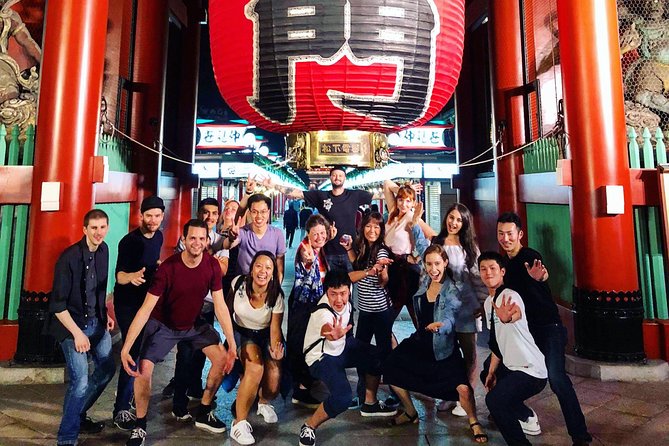
- Tokyo to Osaka in 10 days: You see Japan’s main cities without retracing your steps.
- A food-led experience: Sushi making, sake tasting, Hida beef, nabe, yakitori, and Osaka food are built into the trip.
- Early starts matter: Fushimi Inari and Arashiyama are scheduled early to reduce crowd levels.
- Real variety in accommodation: Expect city hostels or hotels, plus a traditional guesthouse in Hakone.
- Active group travel: The maximum group size is 22, with plenty of walking and frequent train journeys.
- Guides shape the experience: Ashleigh has been praised for energy, humor, cultural guidance, and organization on some Japan departures, while George has also led Japan tours.
Tokyo begins with temples, neon, and a useful orientation
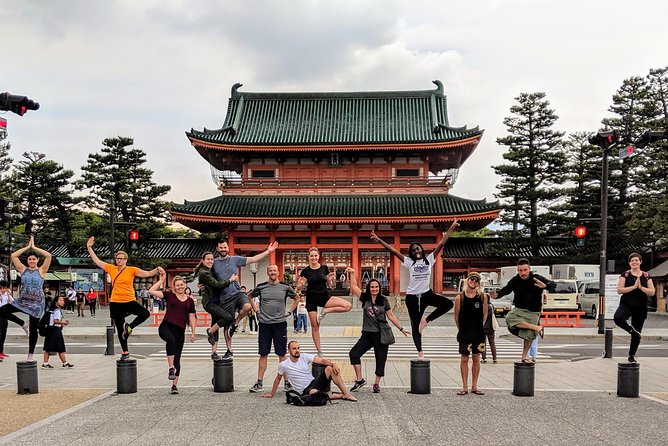
Your first evening gets to the heart of Tokyo quickly. After meeting the group over Japanese food, you visit Senso-ji in Asakusa, the city’s oldest and most important Buddhist temple complex. The bright red Kaminarimon gate and long approach give you a first taste of traditional Japan, though evening crowds can still be heavy.
Day two starts with an orientation covering basic customs and simple Japanese phrases. That is a small but useful touch. Japan is easy to navigate once you understand a few habits, such as quiet train etiquette, queueing, and respectful behavior at shrines. You are not expected to become fluent, but a few phrases make daily encounters friendlier.
Harajuku brings a sharp change of mood. The area is linked with Japanese youth fashion and pop culture, so you get a look at a more playful side of Tokyo. From there, the group walks through Yoyogi Park to Meiji Jingu, a peaceful Shinto shrine set among trees.
The contrast is the point. Within a short stretch, you move from fashion shops and busy streets to a broad shrine approach where the pace slows. You should pay attention to the ritual details, including how people approach the shrine, bow, and make offerings.
The afternoon belongs to Akihabara, Tokyo’s electric town. Expect neon signs, electronics, games, anime, and unusual shops. Three hours gives you time to wander, but it can also feel long if Japanese pop culture is not your interest. The guide helps here, since the district is less about one major sight and more about choosing what catches your eye.
A few more Tokyo bookings worth comparing
- Mt Fuji and Hakone 1-Day Bus Tour Return by Bullet Train
★ 5.0 · 26,383 reviews - 1-Day Tokyo Bus Tour
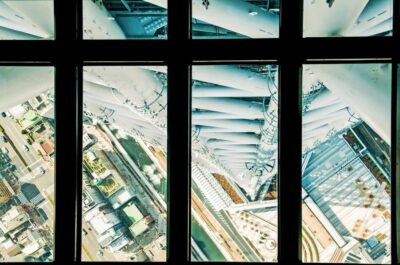
★ 5.0 · 14,250 reviews - Tokyo: TOKYO SKYTREE® Admission ticket
★ 4.5 · 11,192 reviews
Tokyo food and city views fill the busiest day
Day three is one of the tour’s strongest city days. At Tsukiji, you explore the outer market area and then take part in a sushi-making class. Tsukiji is no longer Tokyo’s main wholesale fish market, but it remains a useful place to see specialty food shops and sample the city’s seafood culture.
The class gives the market visit a practical purpose. You do not just look at Japanese food, you learn how to roll sushi and prepare teriyaki. Lunch is included, though you should expect to pay for snacks or extra purchases if something at the market tempts you.
After a short break, you head to the Tokyo Metropolitan Government Building observation decks in Shinjuku. These free decks provide broad views across the city and are a smart inclusion for a paid tour because you get a major Tokyo panorama without another admission charge.
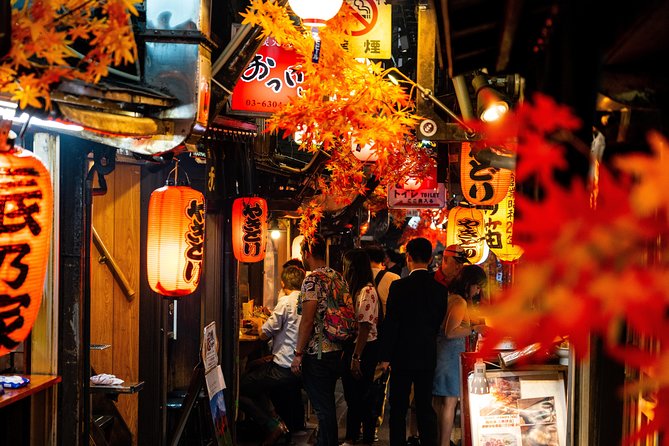
Dinner is more informal at Omoide Yokocho, the narrow alley once widely known by the crude nickname Piss Alley. Small food stalls and yakitori grills create a very different setting from the polished observation deck. Space is tight, and the stop is designed for a quick meal rather than a long, relaxed dinner.
You finish at Shibuya Crossing, one of Tokyo’s most recognizable scenes. It is fun, photogenic, and crowded, but the value lies in seeing how the crossing works as part of everyday city life. This is a full day, so comfortable shoes are not optional.
Hakone trades city speed for mountain air
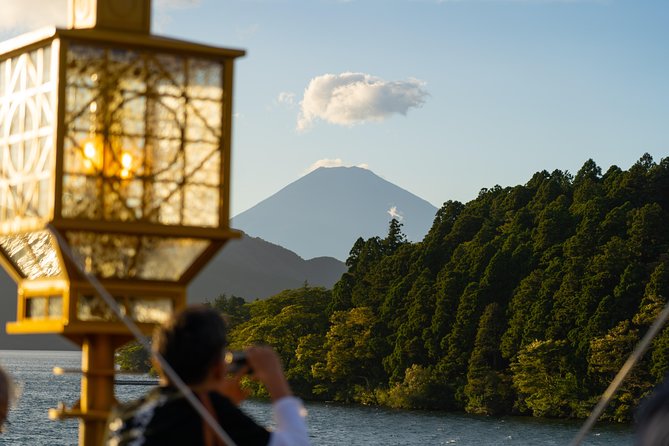
Day four takes you out of Tokyo by Romance Car toward Hakone, a mountainous resort area known for hot springs, views, and access to Mt Fuji. You stay in a guesthouse in the mountains, giving the trip a welcome change from city accommodation.
The Hakone Ropeway is an attraction in its own right. The cable cars pass over the volcanic area around Owakudani, with wide views across the surrounding mountains. Conditions can affect visibility, and Mt Fuji is never guaranteed, but the route remains worthwhile even when clouds cover the peak.
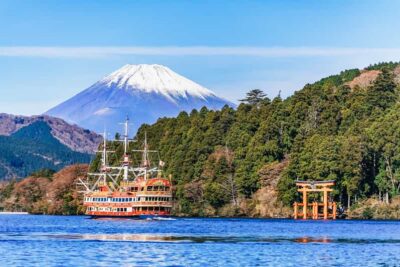
The cruise across Lake Ashi uses a themed pirate ship. It is touristy, but it also gives you a different view of Hakone and, on a clear day, a chance to see Mt Fuji. Keep your expectations sensible: Fuji views depend heavily on weather, especially in a region known for cloud cover.
Dinner is nabe at the traditional guesthouse. This hot-pot meal fits the setting and makes the Hakone overnight feel more than a simple stop between cities. The tradeoff is that traditional accommodation can be less familiar than a standard hotel, so pack light and stay flexible.
Takayama adds mountain scenery and sake
Day five is a major transport day. You take a bullet train to Nagoya, then continue by scenic train toward Takayama through mountain country. Japan’s rail network makes this kind of route possible, but you should expect luggage handling, station changes, and a long day on the move.
Takayama gives the tour a useful regional counterpoint to Tokyo and Kyoto. Its old town has traditional wooden buildings and a calmer feel, while its location in the mountains gives the trip a change of scenery after several urban days.
The afternoon includes sake tasting at Harada Sake Brewery. Sake is closely tied to local water, rice, and brewing methods, so this stop adds cultural context to the food theme. You can also try Hida beef, a local specialty that may be one of the more expensive meals you choose during the trip.
The overnight setting is part of the appeal. The tour describes a traditional stay, which can offer a more distinctly Japanese experience than a chain hotel. It may also mean simpler facilities and different sleeping arrangements, so this tour is best for people who value character over predictability.
Day six starts at the Miyagawa Morning Market. A guide-led walk through the old town and along the river helps you notice details you could easily miss on your own. The market is a good place to see local produce and small food items, though the included schedule leaves limited time for an extended shopping stop.
You then return by train to Nagoya and continue to Kyoto by bullet train. By this point, the pace becomes clear: the tour gives you access to many places, but you are rarely staying long enough to settle into one.
Same corner of Tokyo, a completely different plan:
- Tokyo: teamLab Planets TOKYO Digital Art Museum Entry Ticket
★ 4.6 · 9,779 reviews - Mt Fuji & Hakone Cruise, Drum Show Bullet Train 1 Day from Tokyo
★ 4.0 · 7,413 reviews - Tokyo: Sumo Show Experience with Chicken Hot Pot and a Photo
★ 4.8 · 6,678 reviews - Tokyo: Shinjuku Food Tour (13 Dishes at 4 Local Eateries)
★ 5.0 · 6,603 reviews
Kyoto brings temples, geisha districts, and quiet corners
The evening arrival in Kyoto includes a walk through Gion, the city’s famous geisha district. Stone lanes, traditional wooden buildings, and tea-house fronts give Gion a strong sense of place. You may see geisha or maiko, but treat any encounter respectfully and do not block lanes or approach people for photographs.
Day seven begins early at Fushimi Inari-taisha. This is one of the smartest timing choices on the trip. The shrine’s long corridors of red torii gates become crowded later in the day, while an early visit gives you a better chance to walk at a calmer pace.
The path climbs into wooded hills, so this is not a flat sightseeing stop. You do not need to complete every section of the mountain route to enjoy it, but sturdy shoes and water will help.
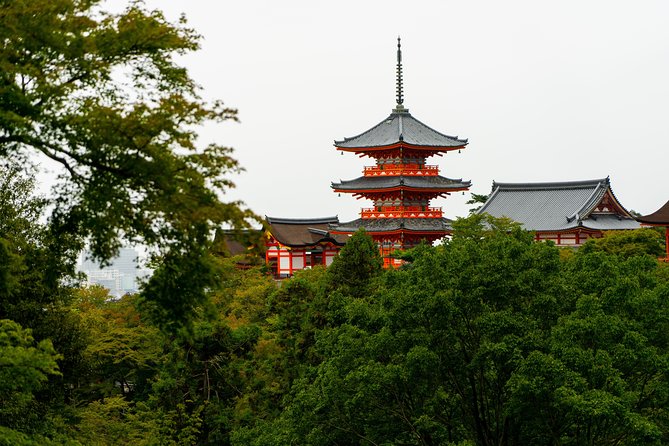
Kiyomizu-dera follows. The wooden temple complex sits high above the eastern side of Kyoto and provides fine city views along with one of the city’s best-known religious sites. You get time to explore, then return to the hostel for breakfast and some free time.
That pause matters. The schedule is demanding, and a chance to freshen up or rest can make the later Kyoto days more enjoyable. Still, the overall pattern remains active, with early starts and plenty of walking on slopes and temple approaches.
Day eight covers two very different temples. Kinkaku-ji, the Golden Pavilion, is highly polished and instantly recognizable, with its gold exterior reflected in the surrounding pond. It is beautiful, but the visit is mostly about viewing and photographing the pavilion from the set path.
Daitoku-ji offers a quieter contrast. This temple complex includes a Zen garden and fewer of the headline crowds associated with Kinkaku-ji. I like this pairing because it shows two sides of Kyoto: the famous image and the slower, more contemplative setting.
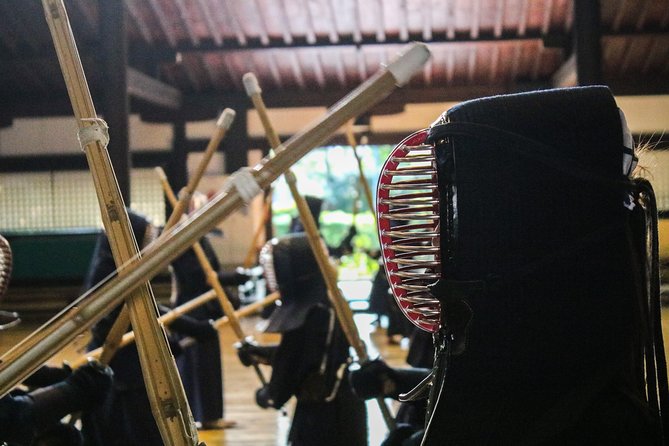
The afternoon kendo class adds a hands-on cultural activity. The session takes place at the Kyoto Budo Center, described as a historic dojo setting, and is taught by a Bushido instructor said to be descended from a samurai warrior. You learn about the discipline and respect tied to the martial art before taking part yourself.
This is not simply another photo stop. It gives you a physical way to connect with an important Japanese tradition. Expect several hours of structured activity, so it can feel tiring after a morning of temples.
Arashiyama and Osaka finish with monkeys, boats, and karaoke
Day nine starts early in Arashiyama. The Bamboo Forest is one of Kyoto’s most photographed sights, and arriving before the main crowds is essential if you want to appreciate the tall bamboo paths rather than simply follow a packed stream of people.
Monkey Park Iwatayama requires a climb. The reward is a chance to see Japanese macaques and look back across the area, but this is another stop where fitness matters. The tour does not present it as a flat, easy walk.
After descending, you take a private rowboat through the Arashiyama valleys. The 30-minute ride is short, but it changes the pace and lets you see the area from the river. It is a pleasant counterpoint to the morning climb and crowded bamboo path.
Then you take the train to Osaka. Dotonbori supplies a noisy, colorful finish, with bright signs, food stalls, and the canal-side atmosphere that has earned Osaka its reputation as Japan’s kitchen. A guided food outing is useful here because the district offers many choices, and the group can focus on local specialties without spending the evening deciding where to go.
The final activity is karaoke. It is less about Japanese heritage than group bonding, but that is precisely why it works at the end of a social tour. You have spent nine days sharing trains, meals, rooms, and early starts. A relaxed final night gives the group a chance to celebrate before saying goodbye.
What the $6,629 price really covers
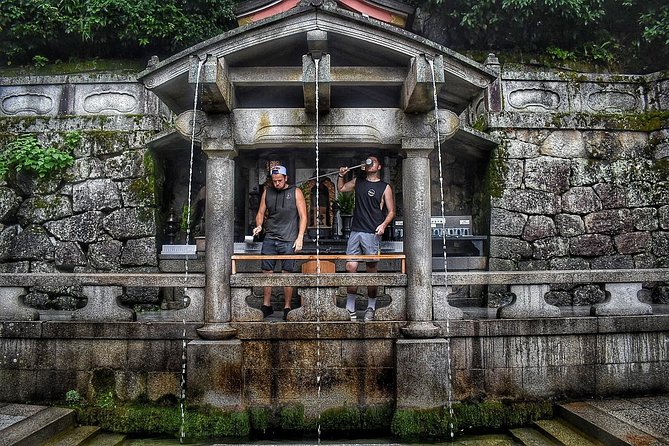
At $6,629, this is a major purchase. Its value depends on how much planning and transport support you want. The price includes four breakfasts, three dinners, and one lunch, along with listed activities such as the ropeway, Lake Ashi cruise, sushi class, sake tasting, temple visits, kendo class, rowboat ride, and Osaka food experience.
It also covers the structure of moving from Tokyo to Osaka, including complex rail travel through Nagoya and Takayama. If you tried to arrange all of those trains, accommodation changes, activities, and local transport yourself, the planning would take time even if the final cost varied.
The included meals are not enough to cover every day, and international flights, insurance, arrival and departure transfers, tips, and pre-tour or post-tour accommodation are extra. Budget for those costs before deciding that the headline price fits.
The tour ends at accommodation in Osaka, not at the airport. Detailed directions are provided, and bullet trains back to Tokyo can be arranged for an additional cost. If you fly from Tokyo, that extra journey affects both your budget and your final day.
Who will enjoy this 10-day Japan tour?
You are a good match if you want a social trip, prefer a guide to handle complicated transport, and would rather see many major sights than spend several nights in each place. Solo visitors may find the group format especially helpful, since meals, activities, and evening outings create easy chances to meet people.
You should be comfortable walking for long periods, climbing temple paths, carrying luggage between stations, and starting early. The maximum group size is 22, large enough to create energy but also large enough to slow down movement through stations and narrow streets.
Past Japan departures have been especially praised for strong group leaders. Ashleigh has been singled out for energy, kindness, humor, organization, and cultural guidance, while George has also received praise for keeping people comfortable and on track. Guide assignments can vary, so treat those names as examples rather than a guarantee for your departure.
This is not the best choice if you want a slow food trip, independent afternoons, luxury hotels, or a carefully controlled schedule. It is also a poor fit if you dislike hostels, shared group routines, or long train days.
Should you book Japan Classic 10 Day?
Book it if you want a tightly planned first look at Japan, especially if sushi, temples, rail travel, traditional stays, and group evenings all appeal to you. The route is well chosen, the experiences go beyond simple sightseeing, and the Tokyo to Osaka direction makes efficient use of your time.
Think twice if the price leaves little room for extra meals, flights, insurance, and transfers, or if you need more rest between major sights. The tour gives you a lot, but it asks you to keep moving.
Before paying, confirm the current accommodation arrangements, your guide, and exactly what is included for your departure. Pack light, bring supportive shoes, and plan to arrive ready for a busy ten days. If that sounds exciting rather than exhausting, this tour offers a strong introduction to Japan’s cities, mountains, food, and traditions.
FAQ
Where does the Japan Classic 10 Day tour start?
The tour starts in Tokyo, Japan.
Where does the tour finish?
It finishes at the accommodation in Osaka.
Does the tour include airport transfers?
No. Arrival and departure transfers are not included. Detailed instructions for reaching the airport are provided, and bullet trains back to Tokyo can be arranged at an additional cost.
Is international airfare included?
No. International flights are not included in the tour price.
How physically demanding is the experience?
You should have a moderate level of physical fitness. The tour is active and fast-paced, with a lot of walking, train travel, temple paths, and a climb at Monkey Park Iwatayama.
How large can the group be?
The maximum group size is 22 people.
Which meals are included?
The package includes breakfast on four occasions, three dinners, and one lunch. Other meals are not listed as included.
New on our Tokyo list
- From Tokyo: Mount Fuji & Hakone Full Day Private Tour★ 4.9 · 25 reviews
- Tokyo Spectacular View Day-Cruise in 90 Minutes★ 5.0 · 25 reviews
- Real Tokyo Runner Club : Daikoku Car Meet Night Tour with JDM Car★ 5.0 · 25 reviews
- 2.5 Hour-Guided Cycle Tour in the Central Tokyo★ 5.0 · 25 reviews
- Ramen Making from Scratch +Akihabara Tour –Cooking Class★ 5.0 · 25 reviews
- [Self-Drive] Tokyo & Daikoku Custom Car Driving Tour★ 4.9 · 25 reviews
- Tokyo: 2-Hour Night Bike Tour of the City’s Hidden Gems★ 4.9 · 25 reviews
- Samurai themed Entertainment show in Shinjuku★ 4.5 · 25 reviews
Tokyo Tours, compared.
Mt Fuji and Hakone 1-Day Bus Tour Return by Bullet Train
Read our review →

teamLab Planets TOKYO Digital Art Museum Entry Ticket
Read our review →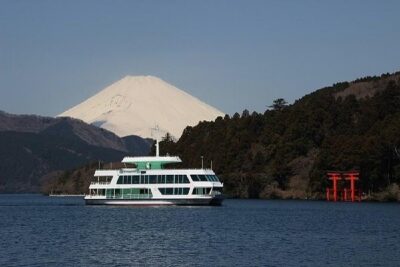
Mt Fuji & Hakone Cruise, Drum Show Bullet Train 1 Day from Tokyo
Read our review →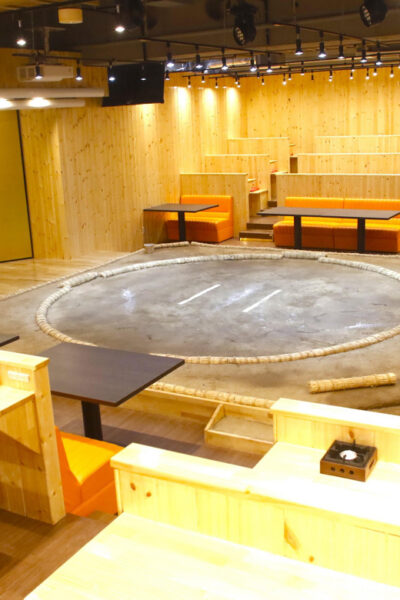
Sumo Show Experience with Chicken Hot Pot and a Photo
Read our review →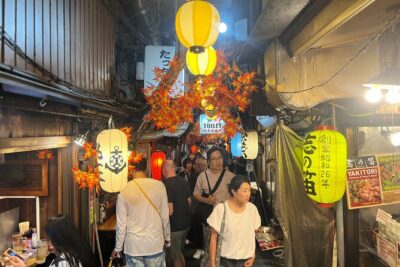
Shinjuku Food Tour (13 Dishes at 4 Local Eateries)
Read our review →