Reviewed · TOKYO TOURS
Japanese Traditional Entertainment Experience in Tokyo
Tokyo’s ozashiki party gives you a rare chance to sit with geisha, watch traditional dance and shamisen, and take part in a social Japanese performance rather than simply viewing a stage show. The setting near Fukagawa Hachiman adds an old Edo flavor, with kimono dress and a temple-ground walk at night.
I like the choice of three price levels, especially the UME option for a lighter taste of the evening and the MATSU option for a full meal with a drink. I also like the friendly, hands-on feel: the hosts explain the tea ceremony, discuss Japanese customs, and bring strangers together for a shared party. The main drawback is the short 30-minute duration, which may feel rushed if you want a long meal or extended conversation.
In This Review
- Key points to know before booking
- A short Tokyo evening with an old Edo flavor
- Arriving at Fukagawa Hachiman Zashiki
- Putting on a kimono and becoming an Edo townsman
- The geisha parlor performance
- Tea, sweets, and the three course choices
- What the $74 price really buys you
- Who will enjoy this most
- Timing, cancellation, and useful planning notes
- The strongest part of the experience
- Should you book this Tokyo ozashiki experience?
- FAQ
- Where does the Japanese traditional entertainment experience take place?
- How long does the experience last?
- What languages are available?
- Is transportation to the venue included?
- What happens during the experience?
- What is included with the UME course?
- What is included with the TAKE and MATSU courses?
- Can I cancel for a full refund?
Key points to know before booking
- Geisha entertainment in a parlor setting: Expect dance, shamisen music, conversation, and an introduction to ozashiki customs.
- Three courses suit different budgets: UME includes sweets and matcha, TAKE adds a Fukagawa meal set, and MATSU includes kaiseki cuisine with Fukagawa Meshi plus a drink.
- Kimono and Edo-town atmosphere: You can dress in traditional clothing and walk around the temple grounds at night as an Edo townsman.
- English support is available: The host or greeter speaks Japanese and English, making cultural explanations easier to follow.
- The venue is in Tomioka: Fukagawa Odori Hachiman Zashiki is at 1-22-8 Tomioka, Koto-ku, Tokyo.
- A 30-minute cultural sampler: It works well as a compact evening activity, but the meal courses may make the schedule feel tight.
A short Tokyo evening with an old Edo flavor
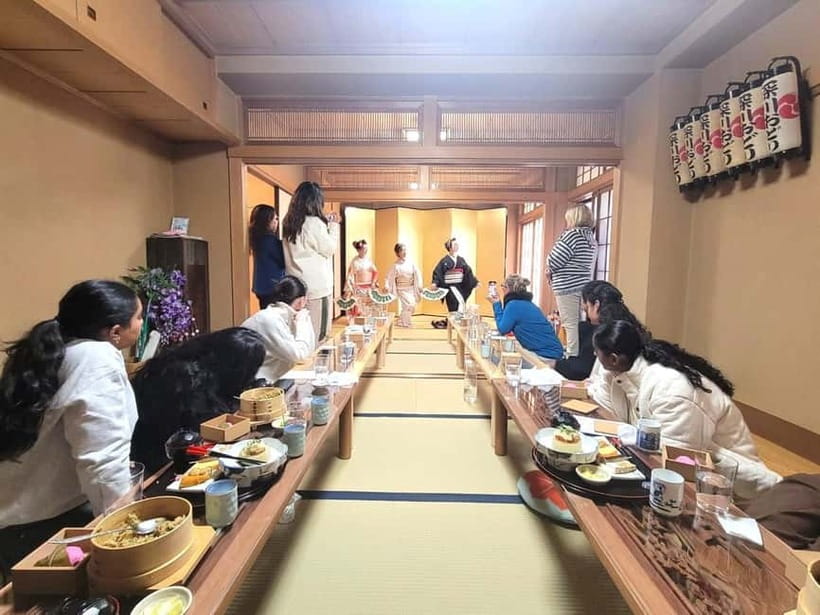
This experience is built around the Japanese ozashiki party, a traditional parlor gathering connected with geisha entertainment. You are not only watching a dance performance from a distant seat. You are placed in a social setting where food, tea, music, conversation, and manners share the same small stage.
The evening also uses a period-style idea. After putting on a kimono, you can walk through the temple grounds at night as an Edo townsman. That detail gives the event a sense of play. You get a visual introduction to old Tokyo before sitting down for the parlor portion.
I would think of this as a cultural sampler, not a full night at a restaurant. The advertised duration is 30 minutes, so you should expect a compact program. The food included depends on the course you choose, and the MATSU course may feel especially ambitious within such a short time.
A few more Tokyo bookings worth comparing
- Mt Fuji and Hakone 1-Day Bus Tour Return by Bullet Train
★ 5.0 · 26,383 reviews - 1-Day Tokyo Bus Tour
★ 5.0 · 14,250 reviews - Tokyo: TOKYO SKYTREE® Admission ticket
★ 4.5 · 11,192 reviews
Arriving at Fukagawa Hachiman Zashiki
The venue is Fukagawa Odori Hachiman Zashiki, at 1-22-8 Tomioka in Tokyo’s Koto-ku. Its Japanese address is 東京都江東区富岡1-22-8 深川おどり八幡座敷. You will need to arrange your own transportation to the venue.
The Tomioka setting matters because the activity is tied to Fukagawa, an area associated here with an Edo-period atmosphere and temple-ground setting. The experience does not ask you to spend hours crossing Tokyo. It gives you a concentrated cultural stop in one location.
English and Japanese hosts or greeters are available. That is useful because the value of this activity depends on understanding what you are seeing. Dance and music can be enjoyed without translation, but explanations about the tea ceremony, geisha customs, and the meaning of the gathering make the program much more rewarding.
Putting on a kimono and becoming an Edo townsman
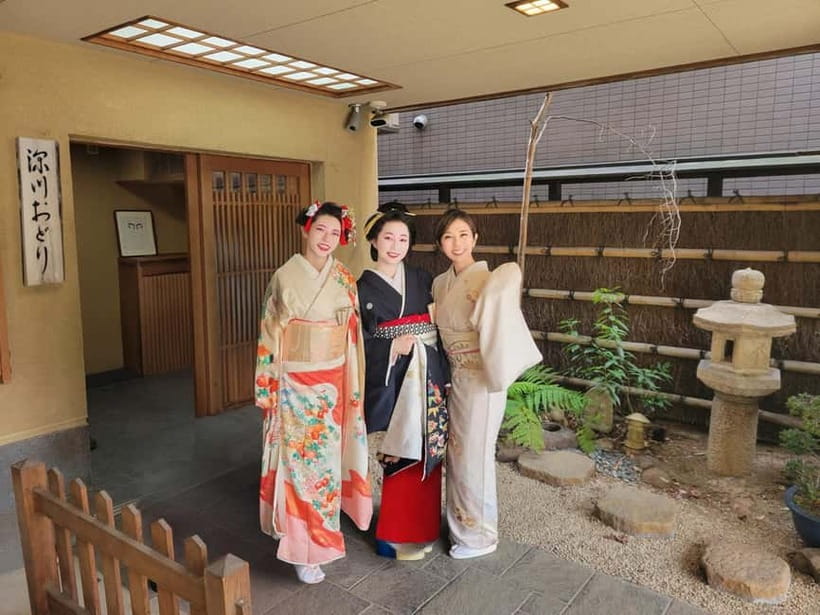
The first memorable element is the kimono transformation. You are prepared in traditional clothing and then invited to walk around the temple grounds at night in the role of an Edo townsman.
This is more than a costume photograph, although photographs may be part of the appeal. It changes how you enter the activity. Instead of arriving as a spectator at a modern Tokyo show, you begin with a small piece of historical role-play.
The supplied information does not give a fixed dressing time, detailed costume list, or information about changing facilities. For that reason, I would not plan your evening around an extended makeover session. Think of the kimono as part of the atmosphere and program rather than a separate fashion appointment.
There is also an optional period-drama-style short movie filmed by a professional cameraman. It is not included in the standard price, so you should treat it as an extra rather than part of the main experience.
The geisha parlor performance
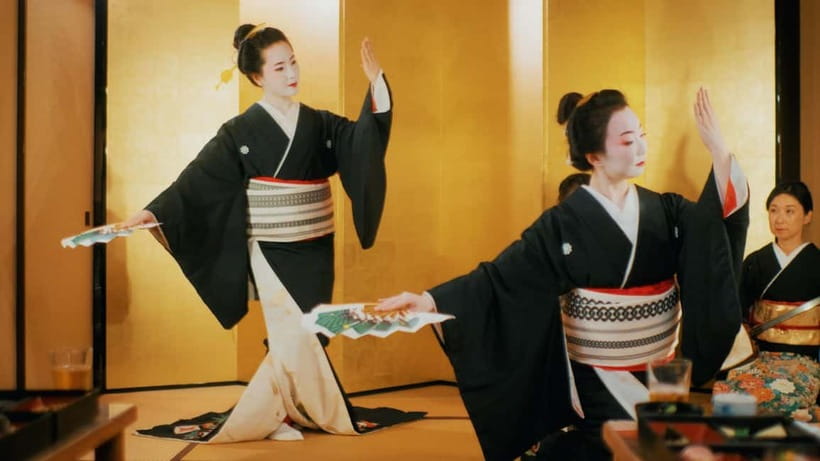
The heart of the activity is the parlor experience with a geisha. Traditional dancing and shamisen music form the main entertainment, while the hosts introduce aspects of Japanese ceremony and culture.
The shamisen is a three-stringed Japanese instrument with a sharp, distinct sound. In a small parlor setting, it helps create a very different mood from a large theater performance. The dance gives you the visual side of the tradition, with formal movement and carefully presented costumes.
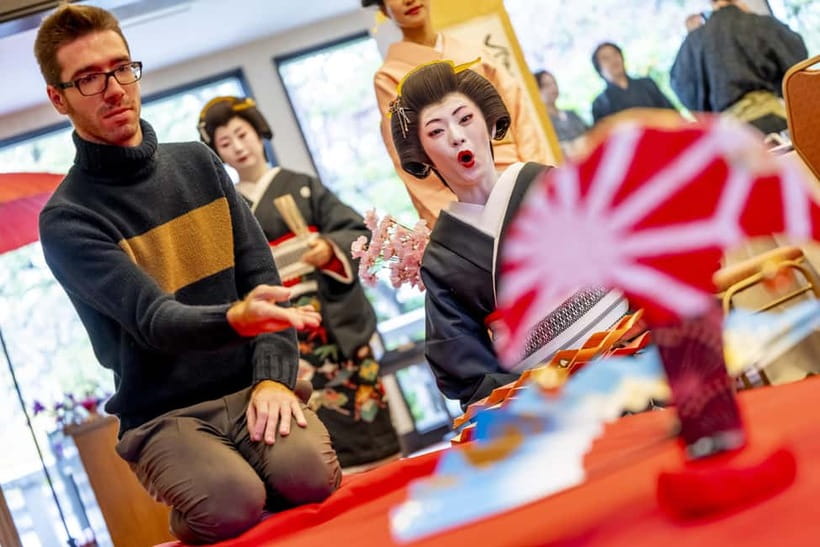
The atmosphere is described as a large Japanese party where people who do not know one another gather and have fun together. That is important. You should not expect a silent cultural demonstration. The format encourages shared enjoyment, and the hosts may help explain how the gathering works.
A particularly useful part of the experience is the chance to ask about culture and history. English support makes this possible for visitors who cannot speak Japanese. The hosts have been praised for being elegant, gracious, professional, and hospitable, so the tone appears to be welcoming rather than stiff.
The event may suit you if you want a respectful introduction to geisha entertainment without arranging a private dinner. It may not suit you if you want a long, quiet performance with no social element. The party format is part of the point.
Same corner of Tokyo, a completely different plan:
- Tokyo: teamLab Planets TOKYO Digital Art Museum Entry Ticket
★ 4.6 · 9,779 reviews - Mt Fuji & Hakone Cruise, Drum Show Bullet Train 1 Day from Tokyo
★ 4.0 · 7,413 reviews - Tokyo: Sumo Show Experience with Chicken Hot Pot and a Photo
★ 4.8 · 6,678 reviews - Tokyo: Shinjuku Food Tour (13 Dishes at 4 Local Eateries)
★ 5.0 · 6,603 reviews
Tea, sweets, and the three course choices
Your course determines how much food and drink you receive. The UME course includes Japanese sweets and matcha. This is the simplest option and likely the easiest choice if your main interest is the geisha entertainment, music, and cultural setting.
The TAKE course adds a Fukagawa Meal Set and includes the ozashiki geisha entertainment experience. Fukagawa is known in the activity’s presentation for its local rice and shellfish dish, Fukagawa Meshi, so this course gives you a stronger connection to the area’s food culture.
The MATSU course includes kaiseki cuisine with Fukagawa Meshi and a drink. Kaiseki usually means a carefully arranged Japanese meal with several refined elements, though the exact dishes and serving size are not specified here. You should select this course for the fullest food program, not simply because it has the highest price.
The tea ceremony explanation is one of the most useful cultural parts of the experience. Matcha and sweets are not just refreshments. They give the host a chance to explain formal Japanese hospitality and the small gestures that shape a tea gathering.
One practical point deserves attention: one detailed account describes the meal as delicious organic food and says you should be prepared for a full meal. That makes the MATSU course sound substantial, yet the listed duration remains 30 minutes. I would confirm the exact timing and course format when booking, especially if you have another reservation soon afterward.
What the $74 price really buys you
The listed price is $74 per person. That includes admission and the performance, as well as a souvenir. The food and drink depend on your selected course.
For the UME course, the value rests mainly in the cultural program: kimono dress, the Edo-style walk, geisha entertainment, traditional dance, shamisen, sweets, matcha, and the souvenir. That is a reasonable fit if you want a short and distinctive activity rather than a full dinner.
The TAKE course makes more sense if local food matters to you. You receive the Fukagawa Meal Set in addition to the core entertainment. The MATSU course gives you the broadest package with kaiseki cuisine, Fukagawa Meshi, and a drink.
I would compare the course prices carefully before booking because the base price is presented as $74 per person, while the inclusions change by tier. The supplied details do not state the separate cost of each course. Do not assume that the highest meal option is included in the headline price.
The souvenir adds a small keepsake, but I would not use it as the main reason to book. The real value is the access to a geisha parlor format, the performance, and the guided cultural explanation.
Who will enjoy this most
I would recommend this activity to first-time visitors who want something distinctly Japanese but have limited time. It combines clothing, food, music, dance, tea, and a historic setting without requiring a full day.
It also suits couples, small groups, and solo visitors who enjoy social events. The shared-party setup means you are expected to take part in a communal atmosphere rather than keep entirely to yourself.
Families may appreciate the colorful clothing and performance, but the information provided does not specify age limits or child pricing. Check those details before booking.
Food-focused visitors should look closely at the course choice. UME is the lightest option. TAKE offers a Fukagawa Meal Set. MATSU is the best match for someone who wants kaiseki cuisine and a drink, though the short schedule should be kept in mind.
I would be more cautious if you are seeking a long geisha dinner, a private meeting, or a detailed historical tour. The activity offers an introduction and entertainment program, not a full evening of formal dining.
Timing, cancellation, and useful planning notes
The stated duration is 30 minutes, with starting times based on availability. That makes this easy to fit into a Tokyo itinerary, but it also means you should arrive ready to begin. Transportation is not included, and the venue address should be saved in both English and Japanese.
Cancellation is free up to seven days in advance for a full refund. If your Tokyo plans are still uncertain, that deadline gives you some useful flexibility, but it is not a last-minute cancellation policy.
The host or greeter speaks Japanese and English. No individual guide names are provided, so you should book based on the language support and format rather than expecting a named presenter.
The optional professional filming is separate from the included experience. Ask about its price and timing if the period-drama short movie appeals to you.
The strongest part of the experience
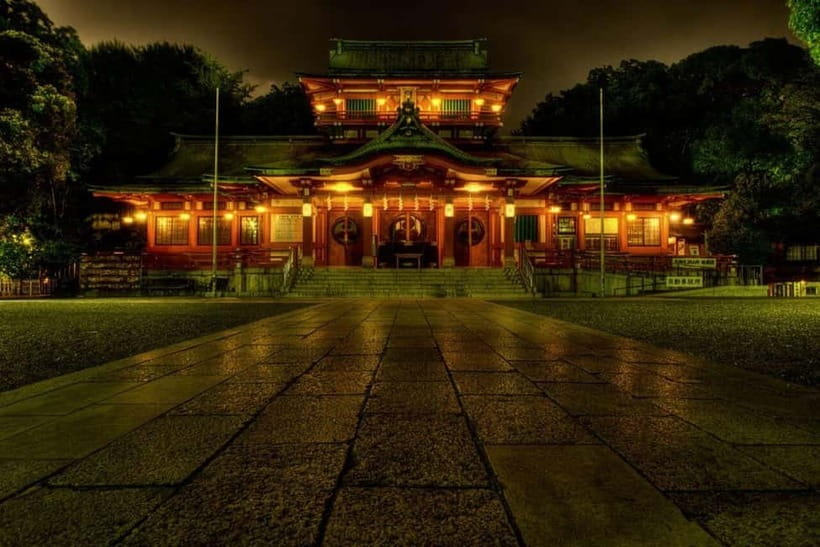
The most praised quality is the hospitality. The hosts are described as gracious, elegant, professional, and especially welcoming. That matters in a cultural activity where a cold or overly formal presentation could leave you feeling like an outsider.
The explanations of the tea ceremony also add real value. You are given a way to understand the gestures and customs, not just a performance to watch. Traditional dances and shamisen provide the visual and musical highlight, while conversation allows you to connect the program with Japanese history and daily culture.
The food receives strong praise as well. If you choose TAKE or MATSU, plan on food being part of the main event rather than a token snack. The MATSU course is the clearest choice if you want the most complete culinary version.
Should you book this Tokyo ozashiki experience?
Book it if you want a short, polished introduction to geisha entertainment, Japanese tea culture, traditional dance, and local food. The English support, kimono element, temple-ground walk, and friendly party format make it approachable for visitors who have never attended an ozashiki gathering.
Choose UME if entertainment and atmosphere matter most. Choose TAKE if you want a local meal set. Choose MATSU if you want kaiseki cuisine with Fukagawa Meshi and a drink.
Skip it if you need a long dinner, private attention, or a detailed tour with plenty of time between activities. At 30 minutes, this is best treated as a compact cultural appointment. For the right visitor, that is its strength: you get a memorable taste of old-style Tokyo without giving up an entire evening.
FAQ
Where does the Japanese traditional entertainment experience take place?
It takes place at Fukagawa Odori Hachiman Zashiki, 1-22-8 Tomioka, Koto-ku, Tokyo. The Japanese address is 東京都江東区富岡1-22-8 深川おどり八幡座敷.
How long does the experience last?
The stated duration is 30 minutes. Starting times depend on availability.
What languages are available?
The hosts or greeters speak Japanese and English. The activity information also lists Japanese and English as its available languages.
Is transportation to the venue included?
No. Transportation to Fukagawa Odori Hachiman Zashiki is not included.
What happens during the experience?
You can put on a kimono, walk around the temple grounds at night as an Edo townsman, join a geisha parlor experience, enjoy traditional dance and shamisen music, and take part in an ozashiki-style Japanese party.
What is included with the UME course?
The UME course includes admission, the performance, a souvenir, Japanese sweets, and matcha.
What is included with the TAKE and MATSU courses?
The TAKE course includes the ozashiki geisha entertainment experience and a Fukagawa Meal Set. The MATSU course includes the ozashiki geisha entertainment experience, kaiseki cuisine with Fukagawa Meshi, and a drink.
Can I cancel for a full refund?
Yes. You can cancel up to seven days in advance for a full refund.
New on our Tokyo list
- Sumi-e Experience in a relaxing green tea shop in Tokyo★ 5.0 · 3 reviews
- Tokyo : Kamikaze Street Drift Ride★ 5.0 · 3 reviews
- Private Zen Meditation in English in Shinjuku, Tokyo★ 5.0 · 3 reviews
- Onsen Spa in Tokyo and Asakusa Bar Hopping with Local Guide★ 5.0 · 3 reviews
- Easy for everyone! Now you can play handmade mini shamisen and show off to everyone! Musical instruments, sweets and live music★ 5.0 · 3 reviews
- Tokyo: Private Tsukiji Street Food & Sake with Local Guide★ 5.0 · 3 reviews
- Mt Fuji Exploration Tour with Free Japanese Kusa Mochi from Tokyo★ 4.5 · 3 reviews
- Tokyo Tsukiji Fish Market Walking and Exploring Hidden Gems Tour★ 5.0 · 3 reviews
Tokyo Tours, compared.
Mt Fuji and Hakone 1-Day Bus Tour Return by Bullet Train
Read our review →

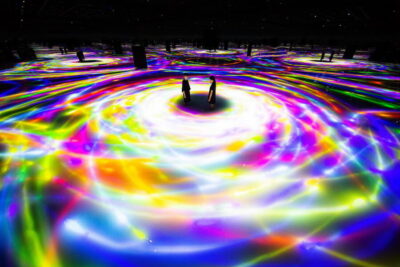
teamLab Planets TOKYO Digital Art Museum Entry Ticket
Read our review →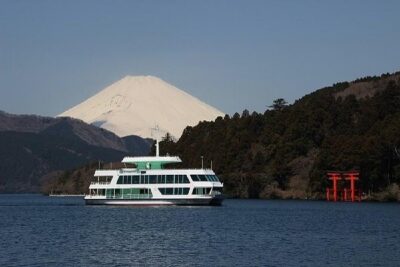
Mt Fuji & Hakone Cruise, Drum Show Bullet Train 1 Day from Tokyo
Read our review →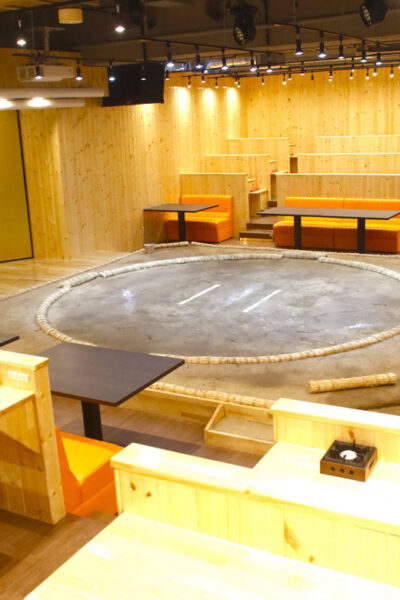
Sumo Show Experience with Chicken Hot Pot and a Photo
Read our review →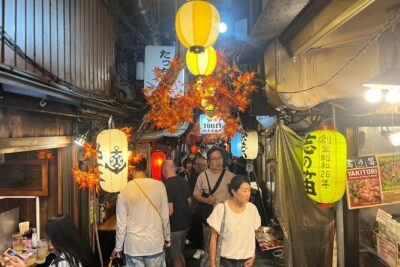
Shinjuku Food Tour (13 Dishes at 4 Local Eateries)
Read our review →