
Reviewed · NIKKO TOURS
Nikko Private Tour from Tokyo with Licensed Guide and Vehicle
Nikko packs grand shrines, mountain roads, waterfalls, and quiet forest walks into one long day from Tokyo. The best feature here is the ability to choose just three or four stops instead of rushing through every sight on the menu. You can focus on Tokugawa history, high-country nature, or a sensible mix of both.
I like the door-to-door pickup from Tokyo’s 23 wards, and I like having a private vehicle for the winding climb toward Lake Chuzenji. Guides such as Yoshi, Karen, Yumi, Ikuko, and Koba have shaped days around individual interests. The main concern is price: at $1,418.77 for up to four people, this is a costly day unless your group values comfort and personal attention.
In This Review
- Key points to know before booking
- Why Nikko makes a strong day trip from Tokyo
- Building the right three or four stops
- Toshogu Shrine, Nikko’s grand centerpiece
- Rinnoji, Taiyuin, and Futarasan
- Shinkyo Bridge and Kanmangafuchi Abyss
- Kegon Falls and Lake Chuzenji
- Irohazaka, Senjogahara, and Akechidaira
- Additional stops for a slower, more varied day
- What the private vehicle changes
- The guide can make or break the day
- Timing, meals, fees, and family details
- Who should book this Nikko tour?
- Should you book it?
- FAQ
- How long does the Nikko private tour last?
- How many people can join the private tour?
- Where does pickup take place?
- How many Nikko sights are included?
- Is an English-speaking guide included?
- Are entrance fees included?
- Is lunch included?
- Can I cancel for a full refund?
Key points to know before booking
- Choose three or four sights: The long list is a menu, not a promise that you will visit all 15 locations.
- Expect about 10 hours: Pickup, mountain driving, sightseeing, meals, and the return to Tokyo all fit into one full day.
- Private vehicle included: This removes the need to manage trains, buses, and mountain connections on your own.
- Best cultural stops: Toshogu Shrine, Rinnoji Temple, Taiyuin Mausoleum, and Futarasan Shrine give Nikko its historic heart.
- Best nature stops: Kegon Falls, Lake Chuzenji, Irohazaka, Senjogahara, and Akechidaira bring the mountain setting into the day.
- Budget for extras: Entrance fees, lunch, and personal expenses are not included.
Why Nikko makes a strong day trip from Tokyo
Nikko is not simply a collection of pretty temples. It is a meeting point of Tokugawa power, Buddhist and Shinto worship, and rugged mountain scenery. The lower town contains the major shrines and temples, while the road climbs through hairpin bends toward Lake Chuzenji and the waterfalls above town.
That change in scenery is the reason a private vehicle helps. You can begin among carved gates and sacred bridges, then reach high country without changing trains or waiting for a bus. You also have a better chance of seeing both sides of Nikko in one day, though your guide will need to keep the schedule moving.
The tour begins with pickup anywhere in Tokyo’s 23 wards. The vehicle and licensed local English-speaking guide travel with your group, so you do not share the day with strangers. The driver may not be the English-speaking member of the team, but the guide handles communication and sightseeing.
A 4.7 rating from 15 reviews and a 93 percent recommendation rate suggest a strong overall record, with one important warning: the experience depends heavily on the guide assigned to you and on how clearly you set your priorities before departure.
More Private Tours in Nikko
- Nikko Full-Day Private Tour with Government-Licensed Guide
★ 5.0 · 259 reviews - From Tokyo: Nikko World Heritage Site Private Full-Day Trip
★ 4.9 · 243 reviews - Tokyo: Nikko World Heritage Private Day Trip Hotel Pick-up
★ 4.8 · 145 reviews
Building the right three or four stops
The supplied sightseeing list includes 15 possible locations, but the tour includes a customizable selection of three or four sites. That distinction matters. Even with a private car, Nikko covers a wide area, and a 10-hour day can disappear quickly once you add traffic, mountain roads, walking, meals, and entrance lines.
For a first visit, I would choose Toshogu Shrine, Kegon Falls, Lake Chuzenji, and either Rinnoji Temple or Kanmangafuchi Abyss. This gives you Nikko’s main historical site, its signature waterfall, the mountain setting, and one additional stop with a different feel.
If nature matters most, choose Kegon Falls, Lake Chuzenji, Irohazaka, and Senjogahara. If you prefer architecture and history, choose Toshogu, Rinnoji, Taiyuin, and Futarasan. Ask your guide to help balance the route before the day begins, rather than trying to squeeze every famous name into the schedule.
The short time labels attached to several stops should not be read as fixed sightseeing limits. They are brief planning estimates, and your actual time will depend on the route and your chosen sites.
Toshogu Shrine, Nikko’s grand centerpiece
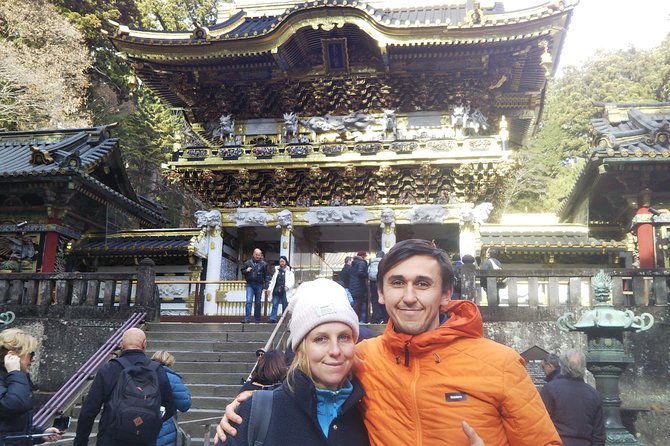
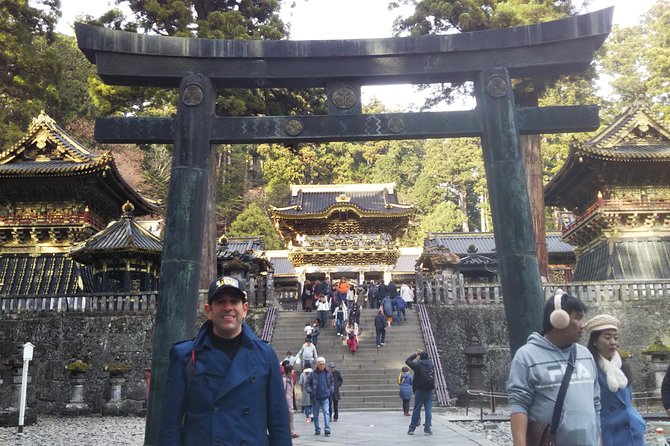
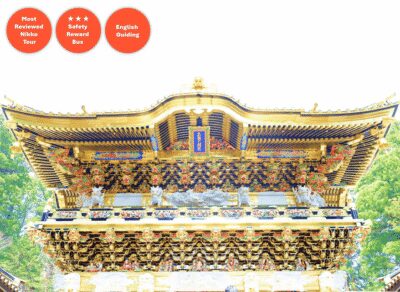
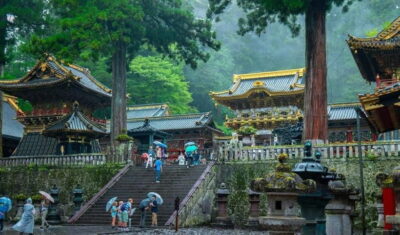
Toshogu is the stop that explains Nikko’s fame. It is the final resting place of Tokugawa Ieyasu, founder of the Tokugawa shogunate, the military government that ruled Japan for centuries. The complex is known for lavish decoration, carefully arranged gates, and a scale that feels very different from the quieter mountain temples nearby.
A guide adds real value here. Without context, Toshogu can become a procession of carved animals, painted surfaces, and unfamiliar names. With explanation, you can understand why Ieyasu was honored in this way and how the surrounding religious sites connect to his mausoleum.
The entry fee is not included, and the listed guide entry fees are covered only for sights included under the tour’s What to Expect details. Confirm the exact cost and coverage when you book. Toshogu is also one of the places where your group may need more than a quick half-hour if you want to examine the buildings properly.
Rinnoji, Taiyuin, and Futarasan
Rinnoji Temple gives you a quieter Buddhist counterpoint to Toshogu. Founded by Shodo Shonin, the monk who introduced Buddhism to Nikko in the eighth century, it is considered Nikko’s most important temple. The Sanbutsudo, or Three Buddha Hall, is the main building listed for the visit.
Taiyuin is the mausoleum of Tokugawa Iemitsu, Ieyasu’s grandson and the third Tokugawa shogun. Its layout and architectural style echo Toshogu, but the mood is often more restrained. If you have already seen Toshogu, Taiyuin helps you compare how two Tokugawa memorial sites use gates, courtyards, and religious design.
Futarasan Shrine is older and less lavish than its neighbor. It was founded in 782 by Shodo Shonin and is tied to Nikko’s mountain worship. Visiting Futarasan after Toshogu can help you see the contrast between early sacred tradition and later shogunal display.
These three sites are close to Toshogu, making them efficient choices for a culture-focused day. Entrance fees are not included, so a four-stop shrine-and-temple plan can add a noticeable amount to the advertised price.
More Nikko day trips:
- Nikko: Kegon Falls, Lake Chuzenji & Toshogu Temple
★ 4.6 · 1,577 reviews - Tokyo: Nikko Toshogu Shrine and Kegon Waterfall Tour
★ 4.5 · 1,266 reviews - Nikko: Edo Wonderland Edomura Cultural Theme Park Ticket
★ 4.3 · 205 reviews - From Tokyo: Nikko World Heritage Sight Full Day Private Tour
★ 4.9 · 127 reviews
Shinkyo Bridge and Kanmangafuchi Abyss
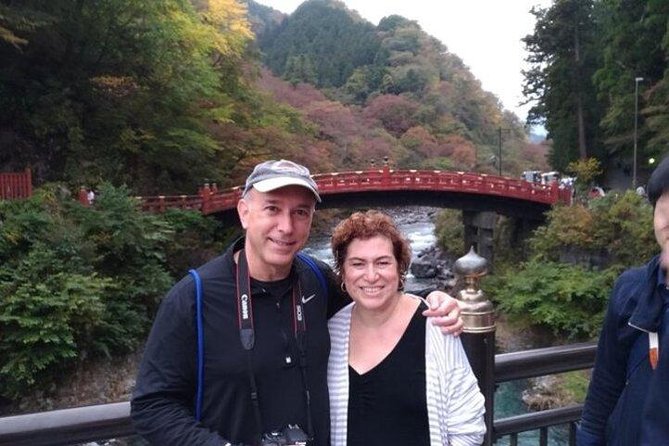
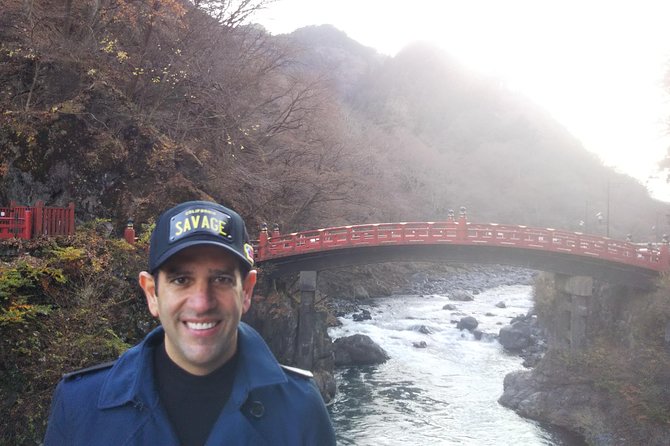
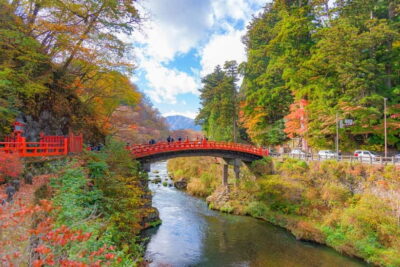
Shinkyo Bridge is one of Nikko’s best-known images. The red bridge marks the entrance to the shrine and temple district and belongs technically to Futarasan Shrine. It is free to view from the surrounding area, although crossing or special access may involve separate arrangements not specified here.
Kanmangafuchi Abyss offers a completely different experience. A volcanic eruption from nearby Mount Nantai formed this short gorge, which now has a pleasant riverside walking trail. It is only a few hundred meters long, so it works well for a private tour that needs a calm walk between major monuments.
I especially like this pairing for visitors who want more than grand buildings. Shinkyo gives you a quick, iconic photo stop, while Kanmangafuchi slows the day down. The gorge is not a full mountain hike, but you should still wear comfortable shoes if you plan to walk the riverside path.
Kegon Falls and Lake Chuzenji
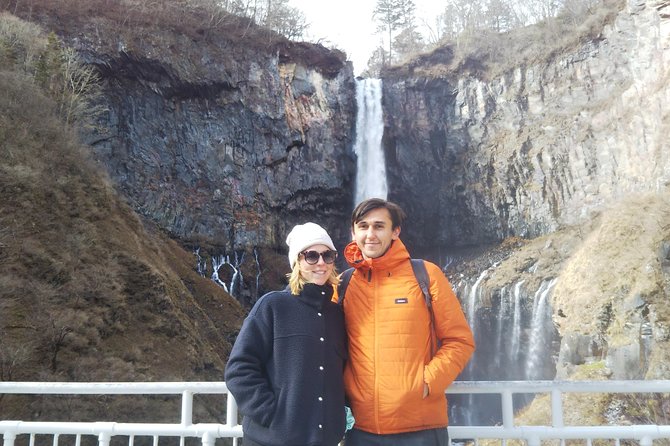
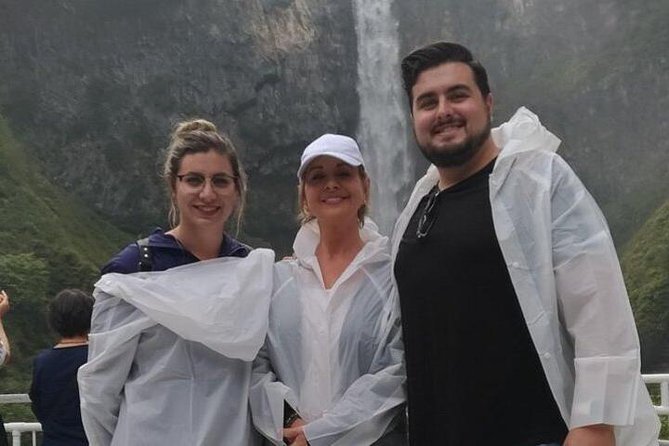
Kegon Falls is Nikko’s most famous waterfall. Water from Lake Chuzenji drops 97 meters onto the rocks below, creating the dramatic scene that many people associate with the highlands. A special lift takes you to a lower viewing area, but the lift admission is not included.
The waterfall can look very different in changing weather. One successful winter visit in early April included snow in Nikko, which made the scenery striking but made the mountain driving difficult. The driver had prepared winter tires, and the road around Irohazaka became a serious part of the day. That is a useful reminder that a private vehicle improves flexibility, but it cannot remove weather risks.
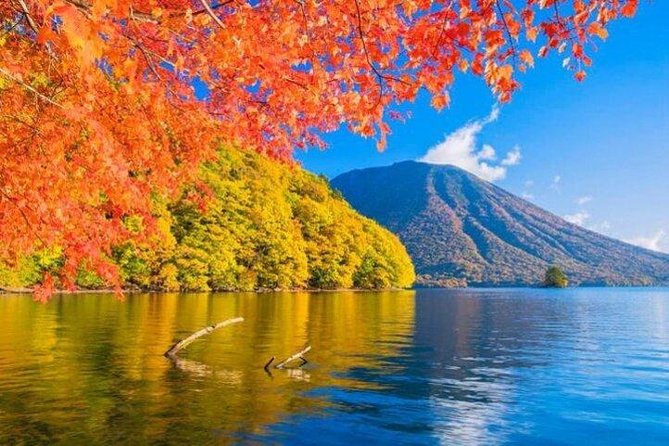
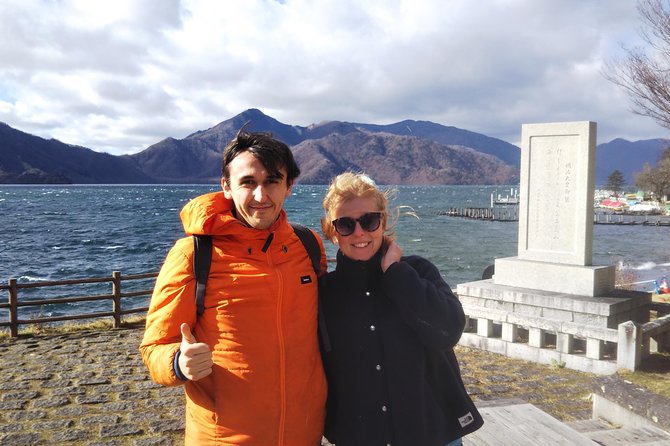
Lake Chuzenji is the source of Kegon Falls and the largest lake in Tochigi Prefecture. It is surrounded by about 25 kilometers of mountain scenery and was once a summer retreat for foreign residents in the late nineteenth and early twentieth centuries. The area’s old villas give the lake a historical layer beyond the view itself.
I would treat Kegon Falls and Lake Chuzenji as one natural pair. They are close enough to combine, and the lake helps you understand where the waterfall begins. Keep time for weather and road conditions, especially in winter or early spring.
Irohazaka, Senjogahara, and Akechidaira
Irohazaka is the famous pair of winding roads connecting lower Nikko with the higher mountain area. The route is a sightseeing experience in its own right, with sharp bends and changing views. It has also appeared in the anime Initial D, which may appeal to fans of Japanese car culture.
If you are prone to motion sickness, tell your guide and driver before climbing. The road is winding by nature, and poor weather can make it feel more demanding. One snowy trip required winter tires and involved difficult turns, so this is not a route to treat casually in bad conditions.
Senjogahara is a highland field whose name means battlefield. Local legend says the gods of Mount Nantai and Mount Akagi fought over the neighboring lakes. The area is best for a short nature stop or walk, not for a hurried photo from the car.
Akechidaira Plateau offers sweeping views of Irohazaka, Lake Chuzenji, Kegon Falls, and the surrounding mountains. The ropeway is closed for maintenance from January 16, 2026, through August 31, 2027. You may still visit the observation area, but do not book this stop expecting the ropeway ride during that period.
Additional stops for a slower, more varied day
Tamozawa Imperial Villa combines Edo-period and early modern Meiji architecture across 106 rooms. The villa was built in Nikko in 1899 using parts of a residence from Tokyo. It is a good choice if you want to see how imperial life differed from the religious and military worlds of Toshogu.
Nikko Botanical Garden is owned and maintained by the University of Tokyo and operates as a branch of Koishikawa Botanical Garden. It offers a quieter, plant-focused break from temples and roads. Admission is not included.
Kirifuri Waterfall is a 75-meter, two-tiered waterfall northeast of the main temple area. It can add another nature stop without sending you all the way to Lake Chuzenji, though you should avoid choosing too many separate waterfalls in one day.
The Kanaya Hotel History House was the predecessor to the celebrated Kanaya Hotel. It gives you a glimpse of Nikko’s early foreign-resort era and can pair well with Lake Chuzenji if you want architecture, not only mountain views.
These choices are best for repeat visitors or for people with a clear interest in imperial buildings, gardens, or local resort history. For a first visit, I would not sacrifice Toshogu or Kegon Falls to fit them in.
What the private vehicle changes
Public transport can get you to Nikko, but this tour removes several layers of planning. You do not need to work out the best combination of Tokyo trains, local buses, and highland connections. Pickup is offered from anywhere in the 23 wards, which is especially useful if your hotel is not near a convenient station.
The vehicle also lets your guide adjust the order of stops. In clear weather, the highlands may be worth prioritizing. In poor weather, you might spend more time around the temples and town instead. That flexibility is one of the strongest reasons to pay for a private day.
The tradeoff is cost. At $1,418.77 per group of up to four, the price is about $355 per person if four people share it, before entrance fees, lunch, and other personal expenses. For two people, the per-person cost is much higher. Compared with a group excursion or independent rail trip, this is not the budget choice.
You are paying for a guide, a dedicated vehicle, Tokyo pickup, and the ability to shape the day. If those features save you stress and allow you to see both the shrine district and the mountains, the price may make sense. If you are comfortable using public transport and choosing only one part of Nikko, another option may offer better value.
The guide can make or break the day
The strongest experiences here come from the human side of the tour. Yoshi has been praised for making each beautiful site more meaningful, even on a day with dense cloud at the higher elevations. Karen has organized both a half-day focus on nature and shrines and a cultural route including Toshogu, Rinnoji, Kanmangafuchi Abyss, Shinkyo Bridge, and Tamozawa Villa.
Yumi has shaped tours around guests’ interests and has guided visitors through winter Nikko. Ikuko has combined temples, local food, stories, and small anecdotes into a welcoming day. Koba has been paired with a driver for a smooth visit to both the shrines and mountain scenery.
These details point to a practical booking tip: state your priorities clearly. Tell the agency if you want architecture, nature, local food, short walks, or the highland route. The private format is most valuable when the guide has useful direction from you.
One critical comment raised concern about the cost and English communication. The agency clarified that the guide, not the driver, is responsible for English. If precise spoken English is essential, ask about the assigned guide before the trip and make sure your expectations are understood.
Timing, meals, fees, and family details
The tour lasts approximately 10 hours. That sounds generous, but Tokyo pickup and return use part of the day, and Nikko’s mountain roads can take time. A full route with temples and highland scenery may feel busy, especially if you add lunch and several paid entrances.
Lunch is not included. Your guide can help you decide when to eat, but no specific restaurant or meal is promised in the supplied details. Personal expenses are also separate.
Most people can participate, and service animals are allowed. Only a limited number of car seats and booster seats are available, and rear-facing seats are not available. Contact the provider directly if you need child seating.
Free cancellation is available up to 24 hours before the local start time for a full refund. Changes or cancellations inside that window are not accepted and are not refunded.
Who should book this Nikko tour?
Book it if you are a group of up to four that values a private car, hotel pickup, and a guide who can adjust the day. It suits first-time visitors who want both Toshogu and the mountain scenery without managing transport.
It also fits families and older visitors who prefer fewer transfers, provided you confirm car-seat needs and understand that some stops involve walking. A private vehicle is particularly useful when weather changes your plans or when you want to avoid a rigid group timetable.
Think twice if price is your main concern. Entrance fees and lunch come extra, and a two-person group will pay a high per-person rate. Independent transport may be better if you want only the shrine district or only Lake Chuzenji.
Should you book it?
I would book this tour for four people who want a full Nikko day with personal guidance and a flexible route. Before paying, decide on your top three or four stops, ask who your English-speaking guide will be, and confirm which admission costs are covered.
For the best balance, choose Toshogu, one nearby temple or shrine, Kegon Falls, and Lake Chuzenji. Add Kanmangafuchi Abyss instead of another major site if you want a short riverside walk. If the weather is poor, keep the plan closer to town and do not force the highland route.
FAQ
How long does the Nikko private tour last?
The tour lasts approximately 10 hours, including pickup from Tokyo and the return journey.
How many people can join the private tour?
The price covers one private group of up to four people. Multiple tour groups cannot be combined.
Where does pickup take place?
Pickup is offered anywhere within Tokyo’s 23 wards.
How many Nikko sights are included?
The tour includes a customizable choice of three or four sites from the listed Nikko attractions. It does not include all 15 locations in one day.
Is an English-speaking guide included?
Yes. A licensed local English-speaking guide is included. The driver is not required to speak English.
Are entrance fees included?
Entrance fees are not generally included. Guide entry fees are covered only for sights listed under the tour’s What to Expect details, so confirm the exact coverage before booking.
Is lunch included?
No. Lunch and other personal expenses are separate.
Can I cancel for a full refund?
Yes, if you cancel at least 24 hours before the experience start time. Cancellations or changes made less than 24 hours before the start are not refunded or accepted.
New on our Tokyo list
- Sumi-e Experience in a relaxing green tea shop in Tokyo★ 5.0 · 3 reviews
- Tokyo : Kamikaze Street Drift Ride★ 5.0 · 3 reviews
- Private Zen Meditation in English in Shinjuku, Tokyo★ 5.0 · 3 reviews
- Onsen Spa in Tokyo and Asakusa Bar Hopping with Local Guide★ 5.0 · 3 reviews
- Easy for everyone! Now you can play handmade mini shamisen and show off to everyone! Musical instruments, sweets and live music★ 5.0 · 3 reviews
- Tokyo: Private Tsukiji Street Food & Sake with Local Guide★ 5.0 · 3 reviews
- Mt Fuji Exploration Tour with Free Japanese Kusa Mochi from Tokyo★ 4.5 · 3 reviews
- Tokyo Tsukiji Fish Market Walking and Exploring Hidden Gems Tour★ 5.0 · 3 reviews
Nikko Tours, compared.
Nikko Toshogu Shrine and Kegon Waterfall Tour
Read our review →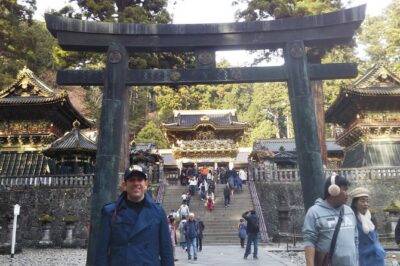
Nikko Full-Day Private Tour with Government-Licensed Guide
Read our review →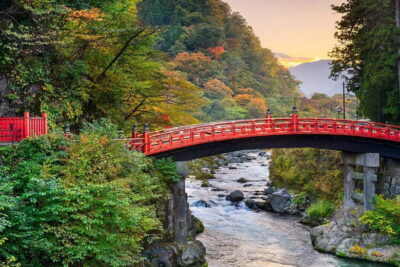
Edo Wonderland Edomura Cultural Theme Park Ticket
Read our review →
Browse the lists this tour appears in