Reviewed · FULL-DAY
Private Full-Day Tour of Tokyo with Hotel Pickup
Tokyo makes more sense when someone helps you read the city as you move through it. This private eight-hour tour uses local trains, a short taxi ride, and plenty of walking to connect the Imperial Palace, sumo country, temple rituals, and Akihabara in one full day.
I like the private format because you can ask questions without holding up a group, and the guide can adjust the route when your interests become clear. I also like the practical help with Tokyo’s train system. One guest covered more than eight miles, so bring serious walking shoes. The main drawback is that the $246.43 per-person price is a lot for a city day if you are traveling alone or as a couple.
In This Review
- Key points at a glance
- A useful first day in Tokyo
- The Imperial Palace Outer Gardens
- Fukagawa Fudodo and the Goma fire ritual
- Ryogoku, where sumo shapes the neighborhood
- Akihabara, Tokyo’s pop-culture counterpoint
- Why the train ride is part of the experience
- What $246.43 per person buys you
- Who should book this private Tokyo day
- Practical details before you reserve
- Should you book it?
- FAQ
- What time does the tour begin?
- How long does the tour last?
- Is hotel pickup offered?
- Is this a private tour?
- Which places are included in the planned route?
- Is public transportation included?
- Are food and drinks included?
- What should I wear to Fukagawa Fudodo?
- What happens if the weather is poor?
Key points at a glance
- A private route you can adjust: Follow the planned stops or ask to spend more time on Tokyo’s traditional or modern side.
- Local trains are part of the lesson: Your guide meets you at your hotel and helps you handle public transport with confidence.
- Fukagawa Fudodo offers a real ceremony: Goma fire rituals take place several times a day, giving the temple visit a memorable focus.
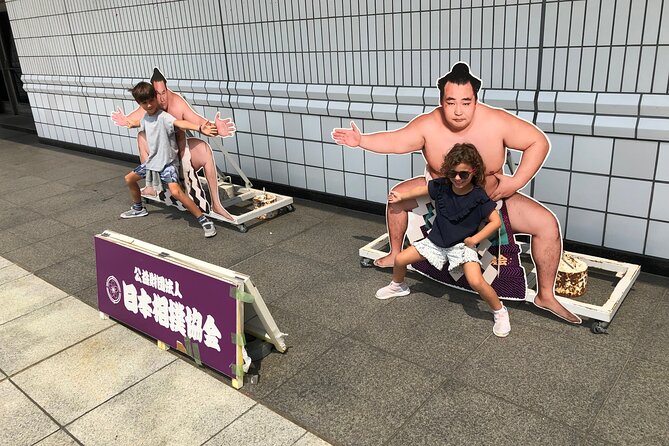
- Ryogoku puts sumo culture in context: See the area around the Kokugikan arena, chanko restaurants, sumo stables, and related sites.
- Akihabara serves a different Tokyo: Electronics, anime, maid cafes, and character figures bring the city’s pop culture into the day.
- Plan for a long walk: The tour lasts about eight hours, with heat, humidity, and changing train stations adding to the physical effort.
A useful first day in Tokyo
I see this tour as a strong choice for a first or second day in Tokyo, especially if the city’s train network feels intimidating. Your guide meets you at your hotel at 9:00 a.m., then helps you get around by public transport rather than keeping you inside a private vehicle.
That matters. Tokyo’s trains are often the fastest way to move, but station corridors, transfers, ticketing, and exits can confuse anyone. You get a practical lesson in how the city works while reaching several very different districts.
The day is private, so only your group takes part. That gives you room to ask about customs, food, religion, sumo, anime, or daily life. It also gives the guide some freedom to adjust the plan. The listed route includes four major stops, but the day has enough time for transport between them and for changes based on your interests.
The strongest guide experience described for this tour came from Naofumi Kamabe. His role included explaining local sights, helping with trains, taking the group to markets and Tokyo Skytree, and getting everyone back to the hotel. Those extra stops are not guaranteed, but they show why a private day can work better than a fixed group schedule.
A few more Tokyo bookings worth comparing
- From Tokyo: Mount Fuji Full-Day Sightseeing Trip
★ 4.5 · 4,970 reviews - Mount Fuji Full-Day Private Tour from Tokyo (Customizable)
★ 4.9 · 1,470 reviews - Tokyo Private Full-Day Tour by Car or Van
★ 5.0 · 684 reviews
The Imperial Palace Outer Gardens
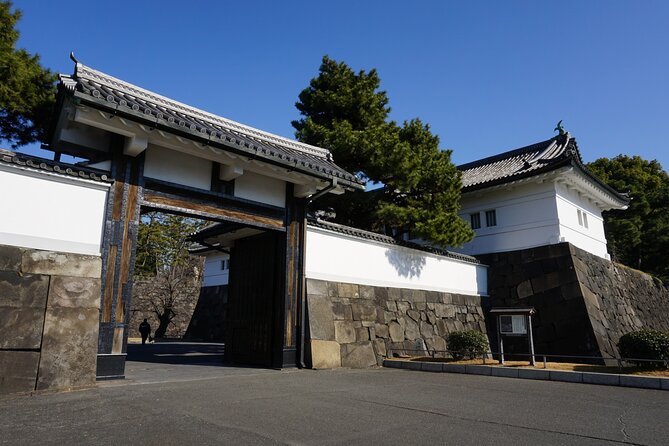
The Imperial Palace occupies the former site of Edo Castle, the castle at the heart of old Tokyo. The imperial family lives within the palace grounds, while this tour visits the Outer Gardens, an area that gives you a look at the palace setting without treating the residence itself as a standard sightseeing attraction.
You have about an hour here. Admission is free, which keeps the tour cost focused on the guide’s time and transportation rather than entrance tickets.
I like this as an opening stop because it introduces Tokyo through power, ceremony, and geography. Your guide can help connect the present-day palace to the city that grew around Edo Castle. That kind of explanation is more useful than simply walking through an attractive public garden and taking photos.
Do not expect a long palace interior visit. The experience centers on the Outer Gardens, so it is best for context and a calm start rather than a major indoor attraction. If your main goal is to enter royal buildings, this stop may feel limited.
The hour also gives your guide a chance to learn what you want from the day. You may discover that you prefer old Tokyo, religious customs, food, or pop culture. Since the tour is customizable, that early conversation can shape the rest of the route.
Fukagawa Fudodo and the Goma fire ritual
Fukagawa Fudodo is the most distinctive stop on the route. The temple holds Goma fire rituals several times a day, during which wooden sticks are burned in a ceremony connected with Fudōmyō-ō, a Buddhist figure associated here with force and protection.
You have about an hour at the temple, including time to see the ritual and look around afterward. The ceremony gives the visit a clear purpose. You are not simply entering a religious building and trying to guess what is happening. You can watch a practice that remains part of the temple’s regular life.
This is the place where respectful clothing matters most. Sleeveless tops and shorts are not permitted because it is an active place of worship. Bring a shawl or light cover-up if your clothing may not meet that standard.
I would treat this stop with a little more care than a quick photo break. Ask your guide what the fire represents, how the wooden sticks are used, and what behavior is appropriate inside the temple. The supplied tour details do not promise a particular blessing or participation, so you should expect observation and explanation rather than a guaranteed personal ritual.
The temple stop also adds balance to the day. The Imperial Palace shows civic and imperial Tokyo. Fukagawa Fudodo gives you a closer look at religious practice. Akihabara later brings you into a very different part of Japanese culture.
Ryogoku, where sumo shapes the neighborhood
Ryogoku is Tokyo’s sumo district, and the tour allows about 90 minutes here. The area includes the Kokugikan sumo arena, chanko nabe restaurants, sumo stables, and other facilities tied to the sport.
The value is not just seeing an arena from outside. Sumo has its own food, training culture, language, ceremony, and neighborhood connections. A guide can explain those links as you walk, which makes the district more readable than it would be from a map.
Chanko nabe is the stew associated with sumo wrestlers, and the local restaurants give the area a food angle as well as a sports angle. Food is not included in the tour, so any meal or snack here costs extra. Still, the neighborhood offers a good chance to ask your guide what to order or how the food fits into sumo life.
Timing is worth keeping in mind. The tour data does not promise a sumo tournament, a stable visit, or access inside the Kokugikan. You should see Ryogoku as a district tour, not as a guaranteed behind-the-scenes sumo experience.
Ninety minutes is enough to get a feel for the area, but it can pass quickly if you want a meal or several detailed stops. If sumo is your main interest, tell the guide early. The private setup may allow more focus, though the exact changes depend on the day and any extra transport costs.
Same corner of Tokyo, a completely different plan:
- Mt Fuji and Hakone 1-Day Bus Tour Return by Bullet Train
★ 5.0 · 26,383 reviews - 1-Day Tokyo Bus Tour
★ 5.0 · 14,250 reviews - Tokyo: TOKYO SKYTREE® Admission ticket
★ 4.5 · 11,192 reviews - Tokyo: teamLab Planets TOKYO Digital Art Museum Entry Ticket
★ 4.6 · 9,779 reviews
Akihabara, Tokyo’s pop-culture counterpoint
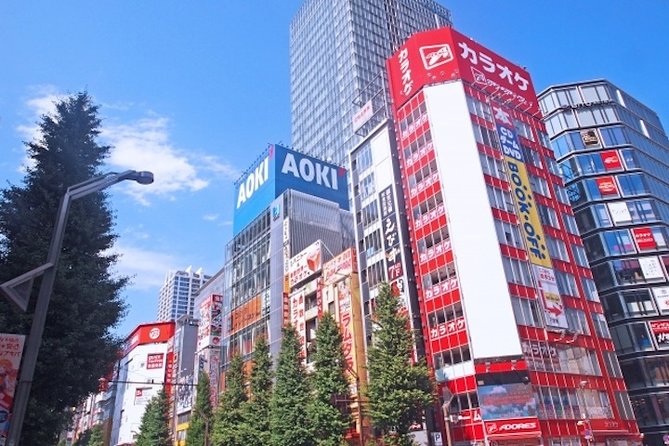
Akihabara brings the day into modern Tokyo. The district is known for electronics shops and otaku culture, including anime, maid cafes, and character figures.
This stop lasts about 90 minutes. It is a useful contrast after the palace, temple, and sumo district. Tokyo is not one single cultural experience, and Akihabara shows how technology, collecting, entertainment, and fan communities shape another part of the city.
I would use your guide here as a translator of context, not just a person who points out shops. If you are unfamiliar with anime or character goods, ask what you are seeing and why the district matters. If you already enjoy that culture, tell the guide what interests you so the time does not get swallowed by random browsing.
Shopping is not included, and the tour does not include food or drinks. You are free to spend money in the district, but the $246.43 tour price should not be treated as a shopping budget.
The listed stop is broad, covering electronics and several parts of otaku culture. That means the experience can suit a mixed group with different interests, but it may feel too general if you want a specialist anime shopping tour. Use the private format to narrow the focus.
Why the train ride is part of the experience
Public transportation is included, along with one short taxi ride. If you customize the route, you may need to pay additional transportation costs, so ask about that before changing the plan.
I see the train travel as one of the tour’s most useful features. Tokyo is easier to understand when you learn how neighborhoods connect. You also avoid spending the whole day looking out of a vehicle window while a driver handles everything for you.
The guide helps you navigate the trains with ease, according to the details available for this experience. That can save time and reduce stress, especially if you are still learning station signs and transfer patterns.
The tradeoff is physical effort. You will walk through stations, streets, temple grounds, and districts, then spend much of the day on your feet. One account of the tour reached more than eight miles, which is a helpful warning even though your exact distance may differ.
Wear comfortable shoes with real support. In summer, Tokyo can be very hot and humid, so choose loose, breathable clothing. Carry sun protection and a water bottle. These are simple choices, but they can decide whether the final hours feel enjoyable or exhausting.
What $246.43 per person buys you
At $246.43 per person, this tour is not a bargain sightseeing shuttle. You are paying for a private guide, hotel pickup, an eight-hour day, public transportation, and the ability to shape the experience around your group.
The value improves when you are traveling with several people and can use the group discount. It also improves if you are new to Tokyo, nervous about trains, or keen to ask many questions about Japanese culture. A private guide can save you from losing time at stations and can explain details you would likely miss alone.
The value is weaker if you want only a list of famous photo stops. Several attractions have free admission, and food, drinks, and extra entrance fees are not included. You could visit some of these areas independently for less money if you are comfortable planning routes and researching cultural sites.
I would compare the price with the cost of your time. A first day spent getting lost, missing a train connection, or failing to understand what you are seeing has its own cost. If the guide helps you learn the city well enough to explore on your own afterward, the expense may pay off beyond this one day.
Because only three ratings are available, I would not treat the perfect score as a full statistical picture. Still, the praise consistently points to the same practical strengths: clear explanations, personal cultural insight, flexible routing, and confident train guidance. Those are the parts that matter most here.
Who should book this private Tokyo day
I would recommend it most strongly to first-time Tokyo visitors, families, and small groups with mixed interests. One person can care about temples, another about sumo, and someone else about anime. A private guide can connect those interests in one day.
It also suits people who want cultural explanation rather than a rapid checklist. The fire ritual at Fukagawa Fudodo, the sumo setting in Ryogoku, and the former castle site at the Imperial Palace all benefit from background.
This is less suitable if you dislike walking or want a relaxed, slow-paced day. Eight hours of trains, station corridors, streets, and sightseeing can be demanding. It is also not ideal for anyone seeking guaranteed access to the palace interior, a sumo stable, a tournament, or a particular shop.
The tour is private and most people can participate, but the walking demands should guide your decision. If you need a low-effort day, a shorter private tour with fewer districts may be a better match.
Practical details before you reserve
You receive confirmation when you book, and the meeting time is 9:00 a.m. Pickup is offered at your hotel. The tour is near public transportation by design, so expect the day to begin moving through Tokyo rather than riding in a dedicated vehicle.
Bring clothing suitable for a temple visit. A light cover-up is a smart addition if you plan to wear short sleeves or shorts elsewhere in the city.
The tour requires good weather. If poor weather causes cancellation, you are offered another date or a full refund. You can cancel for a full refund up to 24 hours before the start time, but cancellations or changes made inside that window are not accepted and are not refunded.
The experience is provided by Honey J Corporation. Since the route can be customized, it is sensible to state your top interest at the start: traditional religion, sumo, electronics, anime, markets, or a broad introduction to Tokyo.
Should you book it?
Book this tour if you want a private cultural orientation to Tokyo, especially one that teaches you how to use the trains while moving between very different districts. The best reasons are the guide’s explanations, the flexibility, and the chance to see a temple fire ritual and sumo neighborhood in the same day.
Skip it if your budget is tight, you already know Tokyo’s rail system, or you prefer to explore at your own slow pace. The price is substantial, and meals, drinks, shopping, and added admissions remain your responsibility.
For the right group, this is less about checking off four stops than learning how Tokyo fits together. Tell the guide what you care about, wear good shoes, and let the day make room for the parts of the city you would otherwise miss.
FAQ
What time does the tour begin?
The tour starts at 9:00 a.m.
How long does the tour last?
The experience lasts approximately eight hours.
Is hotel pickup offered?
Yes. You meet your private guide at your hotel before using public transportation.
Is this a private tour?
Yes. Only your group participates.
Which places are included in the planned route?
The planned stops are the Imperial Palace Outer Gardens, Fukagawa Fudodo, Ryogoku, and Akihabara.
Is public transportation included?
Yes. Public transportation and one short taxi ride are included. Customized routes may require additional transportation costs.
Are food and drinks included?
No. Food and drinks are not included.
What should I wear to Fukagawa Fudodo?
Sleeveless tops and shorts are not permitted at the temple. Bring a shawl or light cover-up if needed, and wear comfortable shoes for the walking.
What happens if the weather is poor?
The experience requires good weather. If it is canceled because of poor weather, you are offered a different date or a full refund.
New on our Tokyo list
- Sumi-e Experience in a relaxing green tea shop in Tokyo★ 5.0 · 3 reviews
- Tokyo : Kamikaze Street Drift Ride★ 5.0 · 3 reviews
- Private Zen Meditation in English in Shinjuku, Tokyo★ 5.0 · 3 reviews
- Onsen Spa in Tokyo and Asakusa Bar Hopping with Local Guide★ 5.0 · 3 reviews
- Easy for everyone! Now you can play handmade mini shamisen and show off to everyone! Musical instruments, sweets and live music★ 5.0 · 3 reviews
- Tokyo: Private Tsukiji Street Food & Sake with Local Guide★ 5.0 · 3 reviews
- Mt Fuji Exploration Tour with Free Japanese Kusa Mochi from Tokyo★ 4.5 · 3 reviews
- Tokyo Tsukiji Fish Market Walking and Exploring Hidden Gems Tour★ 5.0 · 3 reviews
Full-Day, compared.

Mount Fuji Full-Day Private Tour from Tokyo (Customizable)
Read our review →
Mt. Fuji, Hakone Full-Day Private Tour with English Driver Guide
Read our review →
Nikko Full-Day Private Tour with Government-Licensed Guide
Read our review →