
Reviewed · WALKING TOURS
Tokyo Castle & Imperial PalaceーShogun Walking Tour
The most revealing part of this Tokyo Imperial Palace walking tour is learning that today’s quiet gardens and stone walls once formed Edo Castle, Japan’s largest castle. Your guide connects the moats, gates, watchtower, and ruins to the samurai government that kept Japan at peace for roughly 260 years.
I like the small group of up to 10, which makes it easier to ask questions and hear the guide outdoors. I also like the balance between history and scenery: you get castle defenses and shogun stories, then koi ponds, seasonal trees, and the calm Ninomaru Garden. The main drawback is that this is an outdoor walk in English only, and the tour focuses on palace grounds rather than a full visit inside the Imperial Palace buildings.
In This Review
- Key points at a glance
- What this Imperial Palace walk is really about
- Meeting at Wadakura Fountain Park
- Sakurada Tatsumi Yagura: the first castle clue
- Ote-Mon Gate and the art of keeping people out
- The Imperial Palace grounds and the long imperial story
- Ninomaru Garden: the quieter side of the route
- Edo Castle ruins and the missing palace
- Imperial Palace East Gardens: history with room to breathe
- How much walking and outdoor time to expect
- Is $23 a fair price?
- Who will enjoy this tour most?
- My call: book it for context, not palace access
- FAQ
- How long is the Tokyo Castle and Imperial Palace Shogun Walking Tour?
- What language is the tour conducted in?
- How large is the tour group?
- Where is the meeting point?
- What places are included?
- Can I take photographs?
- Are there security rules at the Imperial Palace?
- Is the tour wheelchair accessible?
- Can I cancel the booking?
Key points at a glance
- Edo Castle hidden in modern Tokyo: See moats, gates, stone walls, a watchtower, and castle ruins that reveal the former scale of the stronghold.
- A useful samurai and shogun primer: Learn how Edo Castle supported the military government and the long peaceful period of the Tokugawa era.
- Small groups capped at 10: The size suits questions, conversation, and a relaxed pace.
- Gardens with imperial connections: Walk through Ninomaru Garden and the Imperial Palace East Gardens, with special koi and trees from across Japan.
- Strong guide reports: Anju, Fuma, Yuka, Tomo, Keiko, Kosei, and others are praised for clear explanations, friendly manner, and good pacing.
- Good value at $23: You pay for context and interpretation, not simply entry to a garden.
What this Imperial Palace walk is really about
The title promises a castle and shogun tour, but the experience is more subtle than a visit to a preserved fortress. Edo Castle no longer survives as a complete castle complex. Instead, its scale and power appear in fragments: a defensive moat, a massive gate, a watchtower, stone foundations, carefully placed routes, and broad open grounds.
That is exactly where a guide helps. Without context, a wall can look like just another old wall. A guide can explain how the defenses were layered, why the gates were arranged as they were, and how the site once functioned as the political center of samurai Japan.
The tour also moves from the Edo period to the present Imperial Palace. Japan’s imperial system is presented as a tradition lasting 2,600 years, while Edo Castle represents the later age when shoguns held practical political power. Those are different strands of Japanese history, and the walk gives you a way to place them together.
I would not book this expecting palace rooms, royal apartments, or a long indoor museum visit. You are mainly walking outside through grounds, gardens, and surviving structures. That makes it a fine choice for a first look at Tokyo’s past, provided you enjoy learning through places rather than displays.
More walking routes in Tokyo:
- Tokyo Tsukiji Fish Market Food and Culture Walking Tour
★ 5.0 · 3,184 reviews - Tokyo: Imperial Palace and Shogun Historical Walking Tour
★ 5.0 · 2,251 reviews - Tokyo: Shinjuku Local Bar and Izakaya Guided Walking Tour
★ 4.9 · 1,794 reviews
Meeting at Wadakura Fountain Park
The meeting point is in front of Starbucks Coffee Kōkyo Gaien Wadakura Fountain Park Store at 3-1 Kōkyo Gaien, Chiyoda City, Tokyo. Look for a guide holding a sign marked Local Guide Stars.
This is a practical starting place because the tour begins and ends at the same location. Still, give yourself enough time to find the correct Starbucks and guide. The store’s Japanese name is スターバックス コーヒー 皇居外苑 和田倉噴水公園店, which can help if you are checking a map or asking for directions.
The tour lasts two hours. Since the route includes several stops and a large share of the time is outdoors, wear comfortable shoes and dress for the day’s weather. Bring water in warm weather and protection from sun or rain as needed. Photography is encouraged, so a phone or camera is worthwhile.
One practical rule matters at the entrance: there is a security check for the Imperial Palace grounds. Do not bring knives or alcohol. This is easy to overlook when you are packing for a full day in Tokyo, but it can slow your entry or create an awkward problem.
Sakurada Tatsumi Yagura: the first castle clue
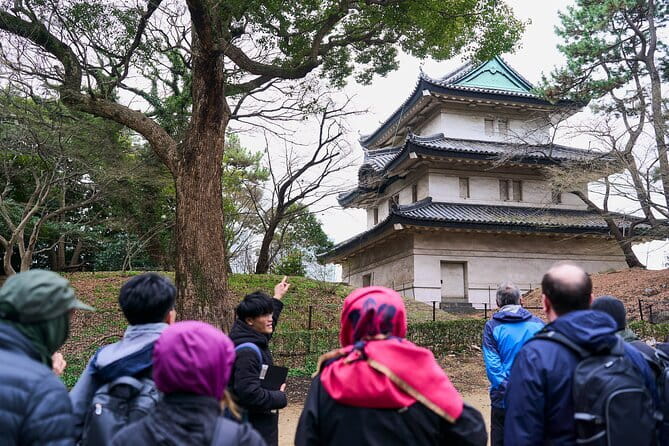
The first stop is Sakurada Tatsumi Yagura, a watchtower that serves as an early visual introduction to Edo Castle. The stop lasts about five minutes, so think of it as a focused photo and orientation point rather than a long lecture.
A yagura was part of the castle’s defensive system. Here, your guide begins showing you how surviving structures fit into a much larger fortress. The useful question is not simply what the tower looks like, but what it allowed the castle to control and protect.
This is also where the modern city begins to fade into the background. Tokyo’s office towers and broad avenues are close by, yet the imperial grounds create a surprisingly quiet setting. You get a quick sense of the contrast that shapes the whole walk: a huge modern capital built around the remains of a samurai stronghold.
Ote-Mon Gate and the art of keeping people out
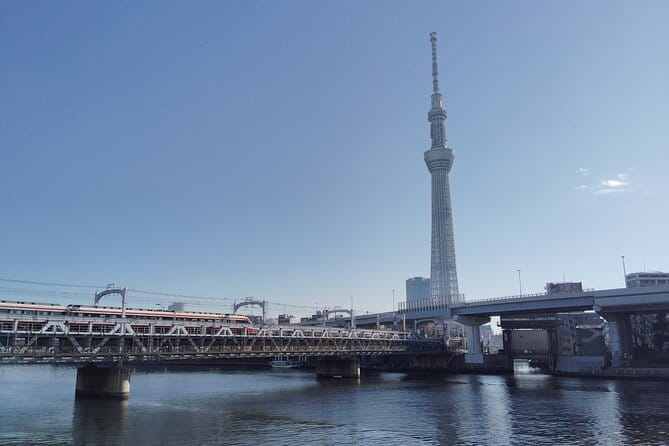
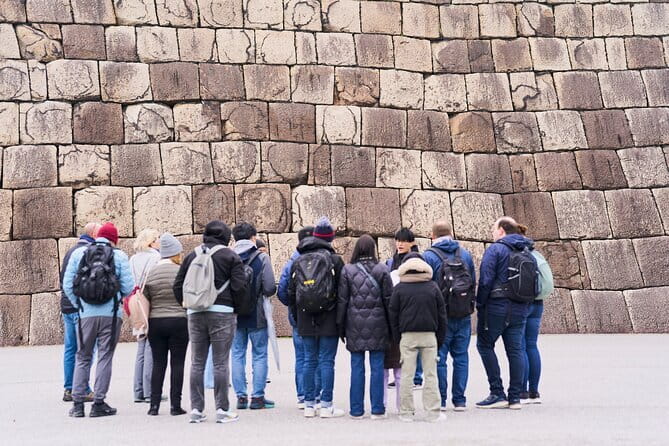
Ote-Mon Gate receives about 15 minutes, making it one of the more substantial stops. This was a key entrance to Edo Castle, and it gives the guide room to explain how the castle’s defenses worked.
The best part here is the practical side of military design. Gates were not just openings in a wall. Their position, approach, turns, and surrounding defenses could make entry slow and dangerous. The castle was designed to be extremely difficult to penetrate, and the guide’s explanation helps you read those features rather than simply photograph them.
Several reviews of the tour praise guides for explaining details that are easy to miss. Xin Yan, for example, was singled out for describing how the defenses were built in layers. That kind of explanation is the real reason to choose a guided walk instead of wandering alone.
The stop may also appeal to anyone coming to Tokyo after watching a samurai drama. It gives you a grounded setting for understanding the shogun’s world, without pretending that a surviving gate can recreate the whole era.
A few more Tokyo bookings worth comparing
- Mt Fuji and Hakone 1-Day Bus Tour Return by Bullet Train
★ 5.0 · 26,383 reviews - 1-Day Tokyo Bus Tour
★ 5.0 · 14,250 reviews - Tokyo: TOKYO SKYTREE® Admission ticket
★ 4.5 · 11,192 reviews - Tokyo: teamLab Planets TOKYO Digital Art Museum Entry Ticket
★ 4.6 · 9,779 reviews
The Imperial Palace grounds and the long imperial story
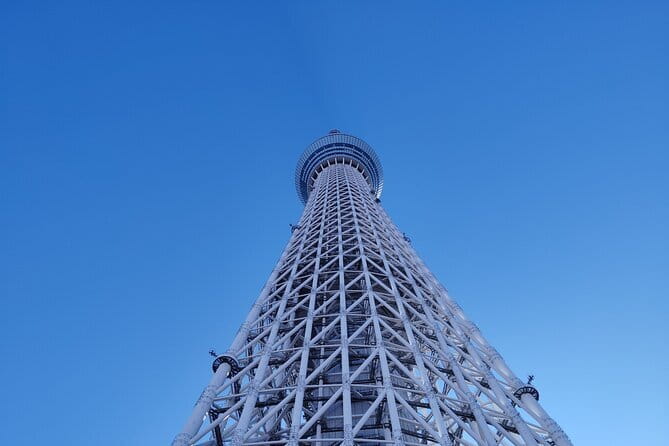
The walk then reaches the Tokyo Imperial Palace area for roughly 20 minutes. The grounds are associated with Japan’s emperor today, while the same broad site was once Edo Castle, the base of the shogun’s government.
That shift in function is the central historical story. The tour asks how Japan’s imperial system survived across centuries, including a period when shoguns held the country’s military and political authority. You are not just seeing an old castle site. You are considering how institutions change while preserving links to the past.
A guide can also help separate the emperor and the shogun, two roles that are often blurred in popular accounts. The emperor represents the long imperial tradition, while the shogun was the military ruler during the Edo period. The grounds give you a physical place to discuss how those roles developed and later changed.
Do keep your expectations realistic. The tour does not promise access to all palace interiors, and the Imperial Palace is not presented as a standard royal residence tour. The value lies in the grounds, the surviving evidence, and the explanation connecting them to Japan’s past and present.
Ninomaru Garden: the quieter side of the route
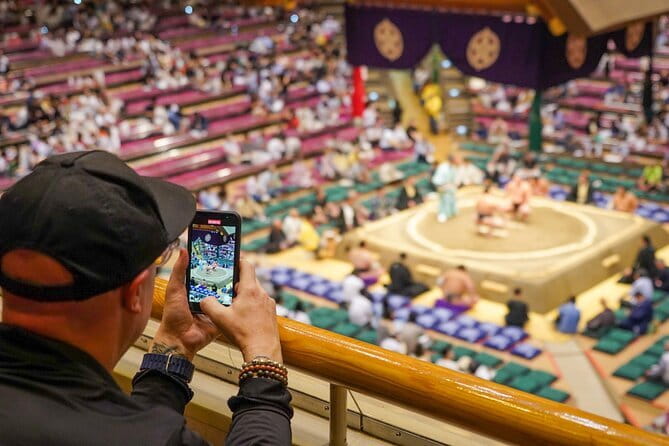
Ninomaru Garden gets about 15 minutes. After the heavier stonework and military themes, this is where the walk becomes calmer and more visual.
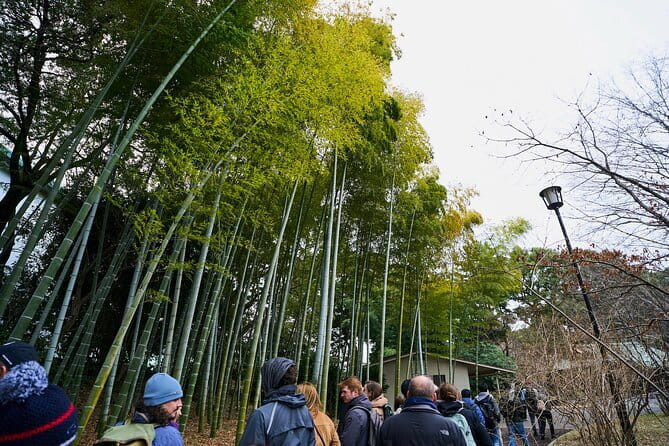
The garden is carefully maintained, with seasonal plant life and traditional design. You may see special koi and trees representing different parts of Japan. The details give the tour a welcome change of pace and help show that castle life was not only about walls, weapons, and authority.
I like this stop for another reason: it makes the site feel lived in. A castle complex was a political machine, but it also included gardens, ceremony, status, and daily routines. The garden adds a human and artistic side to the story.
This is a good place for photographs, though your guide’s talk may continue while you look around. The group size helps here. With no more than 10 people, it is easier to pause briefly, take a picture, and rejoin the discussion without losing your place.
Edo Castle ruins and the missing palace

The Edo Castle ruins stop lasts about 10 minutes. What remains cannot match the size or spectacle of the original castle, but the absence is part of the lesson.
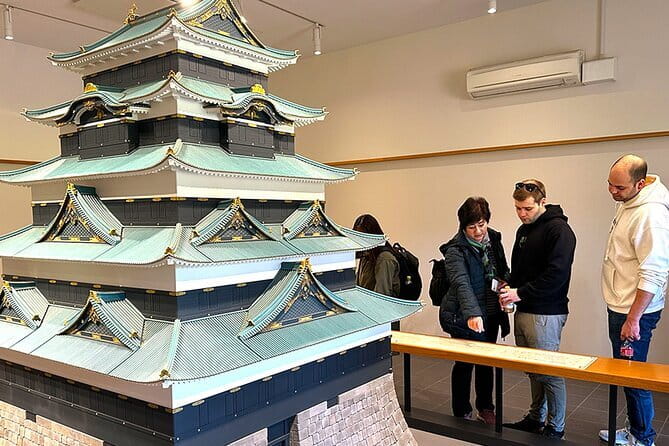
Your guide explains how massive Edo Castle once was and helps you imagine the arrangement of its buildings and defenses. A miniature structure of the former palace is included in the experience, giving you a visual aid that the bare ruins cannot provide on their own.
This is likely the point where the tour’s title makes the most sense. You are walking through the hidden world of Edo Castle, but the hidden quality comes from reading traces rather than entering a fully restored fortress. If you want dramatic towers and intact interiors, this may feel modest. If you enjoy reconstructing the past from evidence, it is much more rewarding.
The castle also matters to the story of the Edo period’s peace. The tour explains how this stronghold supported a samurai order that lasted for about 260 years. You get a better feel for the system when you understand the place that helped maintain it.
Imperial Palace East Gardens: history with room to breathe
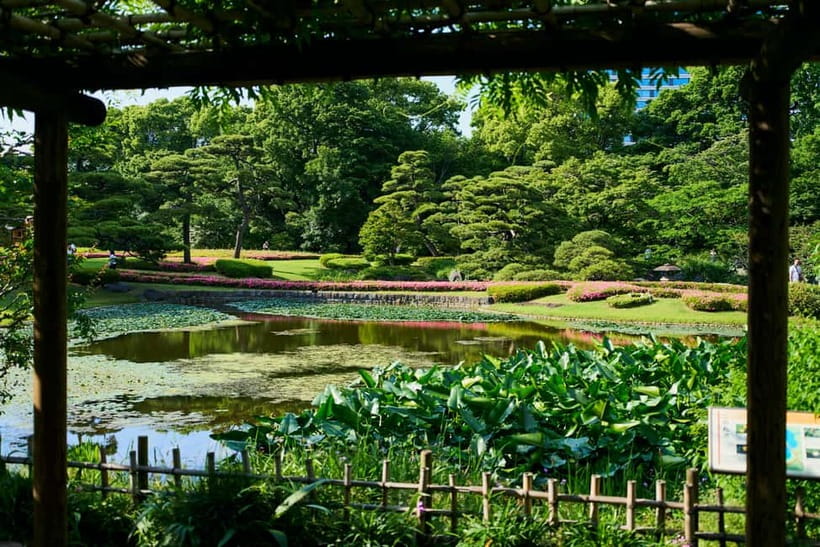
The final major stop is the Imperial Palace East Gardens, with about 20 minutes set aside for the visit. This is the longest garden segment and one of the most pleasant parts of the route.
Here, you can expect a mix of old stonework, open views, trees, garden paths, and water features. The special koi are an unusual detail, and the variety of trees from across Japan gives the garden more interest than a quick photo stop.
The East Gardens also provide a useful ending. You begin with military architecture and the hard edge of castle defenses, then finish among planted spaces and quiet scenery. The contrast makes Tokyo’s history feel less like a list of dates and more like a series of changes in how the same place was used.
Several guides receive especially warm praise for keeping the pace comfortable. Anju is repeatedly described as clear, patient, and enthusiastic. Fuma is praised for fun facts and a strong sense of place. Yuka, Tomo, Keiko, Kosei, Ai, Koyo, Kazuki, Mai, Nana, and Xin Yan are also named for clear explanations, friendly conversation, and good interaction.
Guide assignments can change, of course. Still, the pattern is useful: this experience depends heavily on the person leading it, and the available feedback points to a team that treats questions and conversation as part of the walk.
How much walking and outdoor time to expect
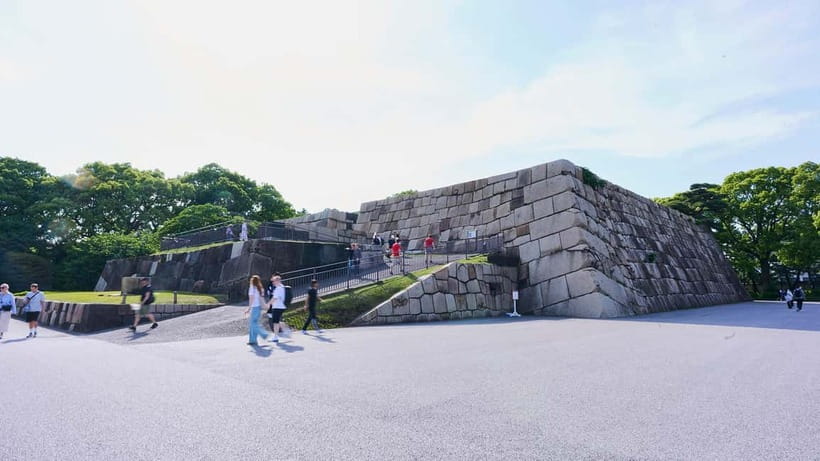
The route is spread across several sections of the Imperial Palace grounds. You will walk between the watchtower, gate, palace grounds, garden areas, ruins, and East Gardens before returning to the Starbucks meeting point.
The supplied timing adds up to about 85 minutes at named stops, leaving the rest of the two hours for walking, transitions, explanations, and photo pauses. That means you should expect a steady outdoor stroll rather than a stationary history talk.
A wheelchair can be used within the Imperial Palace grounds, but there are slopes and places where you may need to walk or go down on foot. Anyone with mobility concerns should consider this detail before booking and ask the operator about the exact route for the selected time.
The route is likely easiest in comfortable weather. In rain, heat, or cold, the same open grounds can feel much less forgiving. I would avoid treating this as a last-minute filler activity if the forecast is poor, even though free cancellation is available up to 24 hours in advance.
Is $23 a fair price?
At $23 per person, this is an inexpensive guided experience by Tokyo standards. The palace grounds and East Gardens may not require a costly admission ticket, so you are not paying mainly for an entrance fee. You are paying for an English-speaking guide, a planned route, historical interpretation, and the chance to ask questions in a small group.
That distinction matters. If you are happy reading signs and looking up castle history on your phone, you can see some of the same outdoor sights independently. But the ruins and defensive structures are much easier to understand when someone points out what you would otherwise walk past.
The price becomes stronger for first-time visitors, people with a serious interest in samurai history, and anyone who wants a clear introduction to the imperial family and Tokyo’s development. It is less compelling if you want a private tour, access to palace interiors, or a long visit at each garden.
The reserve-now-and-pay-later option can help if your schedule is still moving. You can also cancel up to 24 hours before the activity for a full refund, which gives you some room to watch the weather.
Who will enjoy this tour most?
I would recommend it to:
- History-minded first-time visitors who want a simple way into the Edo period.
- Fans of samurai stories who want real locations and historical context rather than only fictional drama.
- Culture-focused visitors who want to connect the imperial system, shogunate, gardens, and modern Tokyo.
- Photographers who enjoy gates, stone walls, seasonal gardens, koi, and broad palace views.
- Solo visitors and couples who like meeting a small international group while keeping the outing organized.
- Families with older children who can manage an outdoor walk and enjoy stories about castles and rulers.
I would look elsewhere if you need Japanese-language support, indoor shelter, guaranteed access to palace rooms, or a very slow pace with minimal walking. The tour is conducted in English only, and the outdoor setting is central to the experience.
My call: book it for context, not palace access
Book this tour if you want the Imperial Palace grounds to make sense. The best moments come when a guide turns a gate, moat, garden, or ruined foundation into evidence of how Edo Castle worked and how Japan moved from shogun rule to the modern imperial era.
The strongest reasons to go are the small group, the reasonable price, and the repeated praise for guides such as Anju, Fuma, Yuka, and Tomo. Just remember what you are buying: a thoughtful outdoor history walk, not an indoor palace tour. Wear good shoes, check the weather, leave knives and alcohol behind, and meet at the Wadakura Fountain Park Starbucks with time to spare.
FAQ
How long is the Tokyo Castle and Imperial Palace Shogun Walking Tour?
The tour lasts two hours, including walking between the main stops and time for guided explanations and photographs.
What language is the tour conducted in?
The tour is conducted in English only. Japanese language support is not available.
How large is the tour group?
The group is limited to 10 participants.
Where is the meeting point?
Meet in front of Starbucks Coffee Kōkyo Gaien Wadakura Fountain Park Store at 3-1 Kōkyo Gaien, Chiyoda City, Tokyo. The guide will hold a Local Guide Stars sign.
What places are included?
The route includes Sakurada Tatsumi Yagura, Ote-Mon Gate, the Tokyo Imperial Palace grounds, Ninomaru Garden, Edo Castle ruins, and the Imperial Palace East Gardens.
Can I take photographs?
Yes. Photography is encouraged throughout the scenic parts of the tour.
Are there security rules at the Imperial Palace?
Yes. There is a security check when entering the grounds. Knives and alcohol are not permitted.
Is the tour wheelchair accessible?
Wheelchairs are available and can be used within the Imperial Palace grounds. Some slopes and sections may require walking or going down on foot.
Can I cancel the booking?
You can cancel up to 24 hours in advance for a full refund. A reserve-now-and-pay-later option is also available.
New on our Tokyo list
- From Tokyo: Mount Fuji & Hakone Full Day Private Tour★ 4.9 · 25 reviews
- Tokyo Spectacular View Day-Cruise in 90 Minutes★ 5.0 · 25 reviews
- Real Tokyo Runner Club : Daikoku Car Meet Night Tour with JDM Car★ 5.0 · 25 reviews
- 2.5 Hour-Guided Cycle Tour in the Central Tokyo★ 5.0 · 25 reviews
- Ramen Making from Scratch +Akihabara Tour –Cooking Class★ 5.0 · 25 reviews
- [Self-Drive] Tokyo & Daikoku Custom Car Driving Tour★ 4.9 · 25 reviews
- Tokyo: 2-Hour Night Bike Tour of the City’s Hidden Gems★ 4.9 · 25 reviews
- Buddha, Bamboo & Zen – Bespoke Kamakura Private Walking Tours★ 5.0 · 25 reviews
Walking Tours, compared.

Tokyo Tsukiji Fish Market Food and Culture Walking Tour
Read our review →
Imperial Palace and Shogun Historical Walking Tour
Read our review →
Shinjuku Local Bar and Izakaya Guided Walking Tour
Read our review →
Asakusa Walking Tour with Sensoji Temple Visit
Read our review →

Browse the lists this tour appears in