
Reviewed · TSUKIJI & TOYOSU MARKET TOURS
Tokyo Tsukiji Fish Market Food and Culture Walking Tour
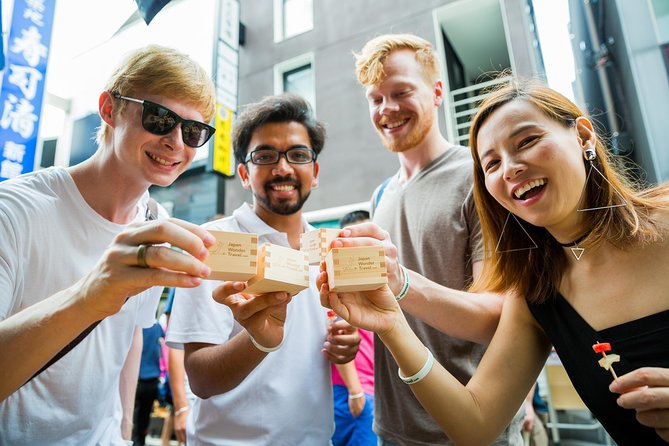
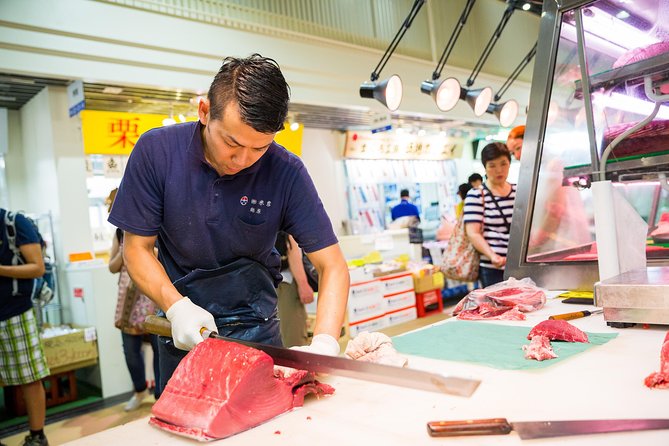
Tsukiji is at its best when you can stop staring at the signs and start tasting what the market sells. This three-hour walk takes you through the outer Tsukiji market, where fishmongers, snack sellers, kitchen shops, and small restaurants crowd the lanes. You may see uni packed in neat boxes, pufferfish in tanks, and vendors cutting huge tuna.
I like two things right away. First, a guide helps you make sense of a place that can feel like a maze, pointing out foods you might skip on your own. Second, the tastings cover more than sushi, with dashi soup, green tea, fish cakes, Japanese omelette, Wagyu beef, fruit, and a final sushi meal or seafood bowl. The catch is that the food can feel like a series of samples rather than a full feast, so do not arrive expecting a long restaurant lunch.
In This Review
- Key points to know before you book
- Tsukiji today, and what this tour really covers
- Meeting at Tsukiji Honganji Temple
- The first 90 minutes in Tsukiji Jogai Market
- Food stops beyond sushi
- The old market area and kitchen shops
- Tsukiji Uogashi and the changing wholesale market
- The final sushi or seafood bowl
- Guides make or break this morning
- Who should book this Tsukiji tour?
- Should you book the Tsukiji food walk?
- FAQ
- How long does the Tsukiji food tour last?
- Where does the tour begin?
- Where does the tour end?
- Is lunch included?
- What food can I expect to taste?
- Can I join if I do not eat fish?
- Can the tour accommodate vegetarian, halal, gluten-free, or allergy-related diets?
- What should I wear?
- What happens if I arrive late?
- Is the Tsukiji Uogashi market open every day?
Key points to know before you book
- The tour visits Tsukiji’s outer market: You explore the retail and food stalls, not the former wholesale market and tuna auction site.
- The tasting list is broad: Expect snacks and small portions of seafood, Wagyu, fruit, tea, and a final sushi or seafood bowl.
- A local guide makes the difference: Guides such as Kiyo, Naz, Shoko, Masa, and Yuki have led visitors through food stalls, customs, and market history.
- The market is busiest early in the day: Crowds, waiting, and narrow lanes can affect the pace of the walk.
- Closed days change the menu: The Uogashi wholesale section is closed Wednesdays, Sundays, and some holidays, and certain tastings will not be available then.
- You need to eat fish: Vegetarian, halal, gluten-free, and allergy-related requests cannot be accommodated.
Tsukiji today, and what this tour really covers
Many people still picture Tsukiji as Tokyo’s giant wholesale fish market. That picture is out of date. The wholesale operation moved elsewhere, but the outer Tsukiji Market remains a busy food district filled with seafood sellers, prepared foods, cooking tools, and places to eat.
That distinction matters. You will not get a tour of the old wholesale auction floor. You will walk through the outer market and pass Tsukiji Uogashi, a smaller wholesale area with many kinds of fresh fish. On certain days, this gives you a closer look at the market trade, but it is not the full former wholesale complex.
I think this tour works best if you see Tsukiji as a living food neighborhood rather than a museum. People still come here to buy seafood and ingredients. Michelin-starred chefs may be shopping nearby, but the appeal is less about celebrity spotting and more about seeing how Japanese food moves from stall to kitchen.
The tour costs $99.49 per person. That is a serious price for three hours, so the value rests on three things: how much food you receive, how well your guide explains the market, and how much you would struggle to find the same stops alone. If you already know Tsukiji well and mainly want to eat one meal, you can spend less by wandering independently. If this is your first visit, the guide, cultural background, and access to several tastings make the price easier to justify.
More market mornings in Tokyo:
- Tokyo: Tsukiji Fish Market Food and Walking tour
★ 5.0 · 1,724 reviews - Tokyo: Tsukiji Fish Market Guided Walking Tour
★ 4.9 · 1,397 reviews - Tokyo Sushi Making Class in Tsukiji with Professional Chef
★ 5.0 · 1,177 reviews
Meeting at Tsukiji Honganji Temple
The meeting point is the main gate of Tsukiji Honganji Temple, at 3-chōme-15-1 Tsukiji. Go to the front side of the temple, not the back side. The directions warn that Google Maps can send you to the wrong entrance, so allow extra time to get your bearings.
The temple is a useful starting point rather than a random corner. It gives you a calm place to meet before entering the crowded market, and the building itself adds a cultural note to the morning. One guide may explain the unusual architecture and the story behind it before the food walk begins.
The group can be as large as 20 people, though some departures may be much smaller. A small group is a real advantage here. It is easier to hear the guide, stay together in narrow lanes, pause at shops, and ask for help choosing ingredients to take home.
The tour leaves at the scheduled time. The guide cannot wait for late arrivals, and a late start does not mean a longer tour. Wear comfortable walking shoes. This is not a long-distance hike, but you will spend much of the three hours on your feet.
The first 90 minutes in Tsukiji Jogai Market
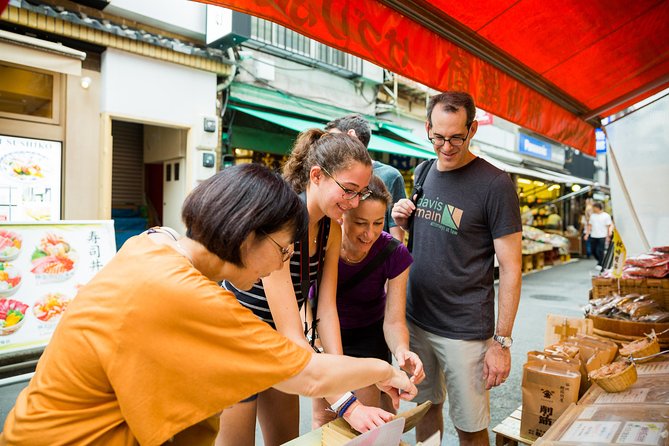
The main part of the walk takes place in Tsukiji Jogai Market, the outer market. This is where the tour earns its keep. You move through stalls selling fish, shellfish, seaweed, seasonings, snacks, and kitchen goods while the guide explains what you are seeing and how the market developed over its roughly 80-year history.
The market can be confusing if you are visiting for the first time. Signs may not be easy to read, products may be unfamiliar, and the best food stops are not always obvious from the street. A guide can explain the difference between items, tell you how ingredients are used, and steer you toward foods you may not have noticed.
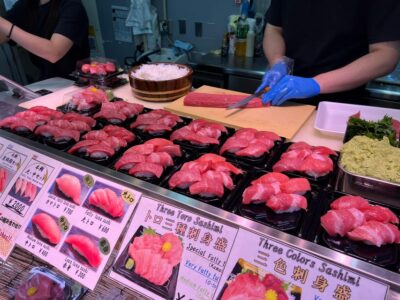
Expect plenty of visual detail. You might see boxes of sea urchin, large tuna being cut, and pufferfish in tanks. These are not guaranteed sights, since the market changes by day and season, but they show why the area is more interesting than a standard food court.
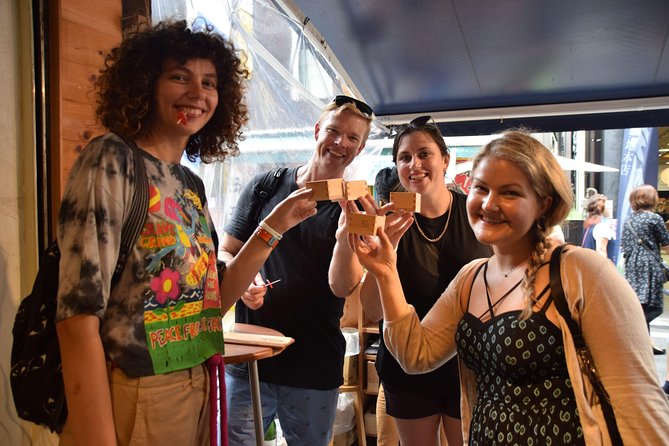
The early tastings can include dashi soup and green tea. Dashi is a basic Japanese stock, often made with ingredients such as dried fish or seaweed, and it gives you a useful introduction to the savory flavor found in many Japanese dishes. Green tea offers a simple pause between market stops.
Other tastings may include fish cake, Japanese omelette, seasonal fruit, and small portions of seafood. Several people have particularly enjoyed tuna, squid, eel, tempura, and Wagyu beef skewers. The exact selection can change with availability, and market hours matter.
This is also the section where you may have time to shop. A guide can help you choose spices, seafood products, kitchen tools, or other items to take home. One useful feature of a small group is flexibility. If the pace allows, you may get a few minutes to browse instead of simply following the crowd.
Do not confuse shopping time with a free morning in the market. The tour has a fixed schedule, and the guide needs to keep the group moving. If you have a long shopping list, return later on your own.
Food stops beyond sushi
The best part of the tasting plan is its range. You are not simply handed one piece of sushi and sent on your way. The stops can introduce you to salty, savory, sweet, grilled, raw, and cooked foods.
Wagyu beef skewers provide a change from seafood. Fish cakes show how Japanese cooks turn seafood into a different texture. Japanese omelette adds a soft, lightly sweet bite, while fruit reflects the seasonal side of Japanese food shopping. Dashi and tea help connect the snacks to everyday cooking.
Still, portions are not always predictable. Some people may find the combined snacks and final meal filling, while others may want more food. I would eat a light breakfast before the tour, not a large one and not nothing at all. You want room for the tastings, but you also do not want to spend the first hour waiting for lunch while hungry.
If you cannot eat fish, this is not the right experience. The tour does not accommodate vegetarian, halal, gluten-free, or allergy-related requests. That is not a small footnote here. Seafood is central to the route, and substitutions are not promised.
The minimum drinking age is 20. If you are under 20, another drink is offered instead, but the tour is still built around food rather than drinking.
A few more Tokyo bookings worth comparing
- Tsukiji Fish Market Guided Tour and Sushi Making with Pro Chef
★ 5.0 · 775 reviews - Tokyo: Tsukiji Fish Market Food and Culture Walking Tour
★ 4.7 · 757 reviews - Tsukiji Fish Market: Street Food & Culture Walking Tour
★ 5.0 · 669 reviews - Tsukiji Fish Market Small-Group Food Walking Tour
★ 5.0 · 621 reviews
The old market area and kitchen shops
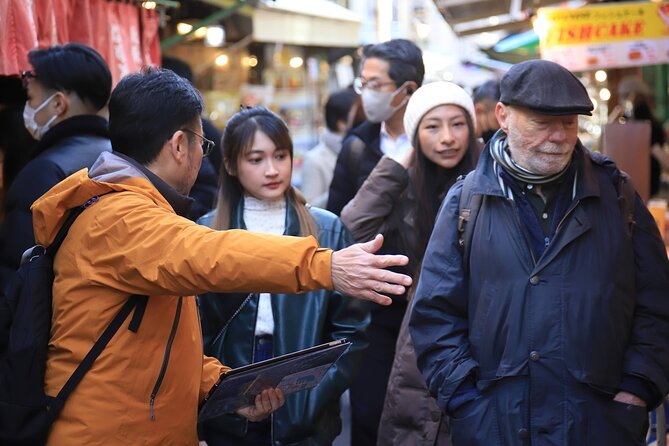
The itinerary includes time in the old Tsukiji market area and may stop at a kitchen-tool shop. This adds a useful local angle. Tsukiji is not only about eating fish on the spot. It is also a place to see the tools, knives, dishes, ingredients, and seasonings used in Japanese kitchens.
You may not be shopping for a professional knife or a stack of ceramic bowls, but these stores help explain the market’s role in food culture. A guide can point out items that look ordinary to you but are common in Japanese cooking.
This part can feel slower than the tasting stops, especially if the guide spends time explaining products or the group waits for an opening at a shop. That is one reason to decide what you want from the tour. If you want nonstop eating, the shopping and background sections may test your patience. If you want context, they make the food more meaningful.
Several guides have been praised for explaining how they use market ingredients at home and for helping with purchases. That kind of advice is more useful than a quick list of shop names because it tells you what you can realistically use after returning home.
Tsukiji Uogashi and the changing wholesale market
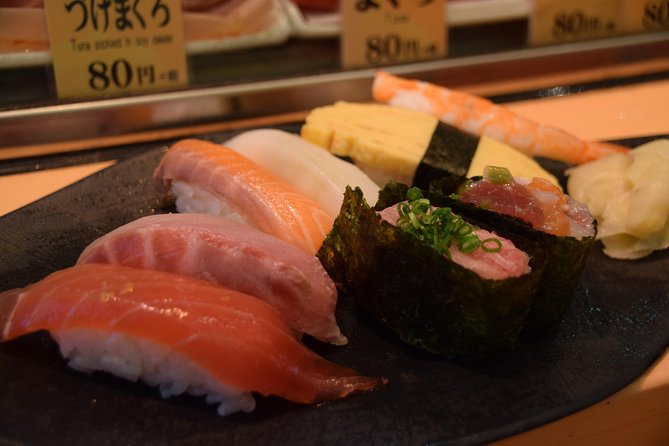
The walk also passes Tsukiji Uogashi, a smaller wholesale market where you can see many kinds of fresh fish. This is the closest part of the route to the wholesale side of Tsukiji, but expectations need to stay realistic.
The Uogashi market is closed Wednesdays, Sundays, holidays, and other market closure days. When it is closed, parts of the tasting plan also change. Japanese omelette, fish cake, and fruit may not be served because the relevant shops are shut.
This is one of the most important details to check before booking. If you have only one morning in Tokyo and the Uogashi section is central to your plans, avoid a closed day. The tour still offers other parts of Tsukiji, but you will not receive the same route or food selection.
The market is also a working place, not a stage set for visitors. Keep close to the guide, stay aware of carts and other shoppers, and do not block narrow walkways while taking pictures. A guide helps with navigation, but you still need to pay attention.
The final sushi or seafood bowl
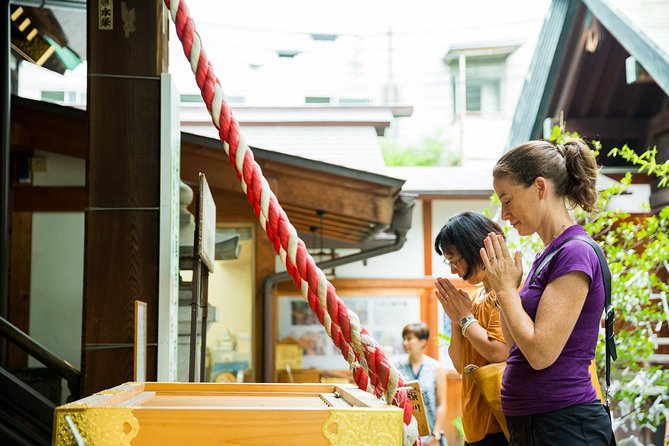
The tour usually ends with a meal of sushi or a seafood bowl. Depending on the day and time, you receive one or the other. This final stop gives the morning a clear finish and should be more substantial than the earlier samples.
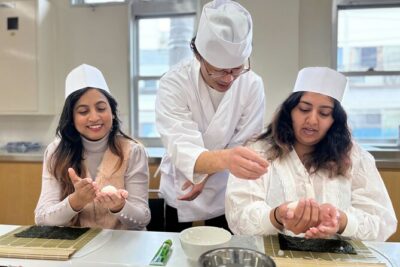
Some guides arrange a sushi preparation demonstration, including a look at fish being cut, and may help you make your own sushi. Other food stops can include sashimi or a carefully prepared fish meal. The exact restaurant and dish are not fixed in the information provided, so do not book expecting one guaranteed restaurant or a specific fish.
The final meal is also where opinions can split. Some people find it fresh and memorable, especially after learning what they saw in the stalls. Others may feel the restaurant stop is more tourist-oriented or that there was not enough choice. You should think of it as part of a set group experience, not a restaurant reservation you can customize freely.
If the planned restaurant suddenly closes or cannot provide the meal, an alternative is offered. That protects the basic structure of the tour, but it cannot guarantee the same menu or setting.
Guides make or break this morning
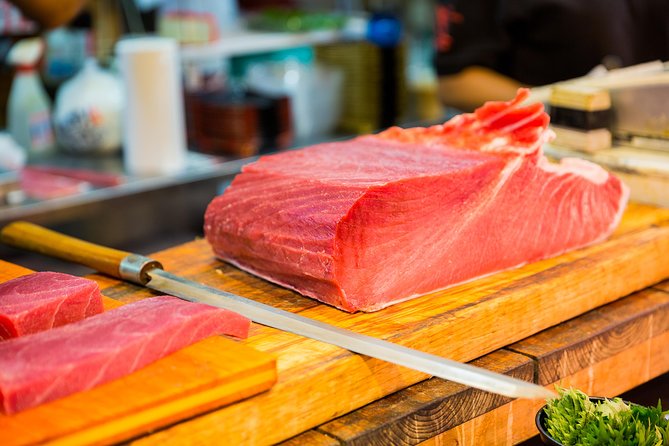
The route is useful, but the guide shapes the experience. Strong guides explain food without turning the walk into a lecture. They also know when to pause, how to handle the crowds, and which unfamiliar item is worth trying.
Guides named in past experiences include Kiyo, Naz, Miky, Kayoko, Joy, Mieko, Yuki, Shoko, Sean, Take, Nick, Yuko, and Masa. Their reported strengths vary from market history and cooking advice to humor, clear English, patience, and good knowledge of local food stops. You cannot choose a particular guide unless the operator confirms one, but the range gives you a sense of the intended style.
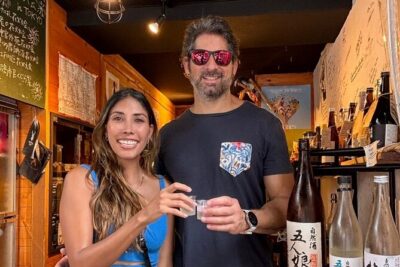
A good guide can also respond to your interests. You may want to try sake, find a kitchen shop, understand a spice, or learn how an ingredient is used. Small groups make these questions easier.
The experience is not perfect every time. A less energetic guide, long waits, or unclear explanations can make the same route feel slow. If the guide seems inexperienced, the market itself still offers plenty to see, but the tour’s $99.49 price becomes harder to defend.
Who should book this Tsukiji tour?
I would recommend it to a first-time visitor who wants a guided introduction to Japanese food and does not know where to start. It suits you especially well if you enjoy trying unfamiliar seafood, want help navigating crowded lanes, and value explanations about customs and ingredients.
It is also a good choice for a mixed group. A confident food lover can try squid, eel, tuna, fish cakes, and Wagyu, while a less experienced eater can sample at a measured pace. One person who had never eaten sushi before found the eel and other samples approachable, though that should not be taken as a promise that every dish will suit every palate.
The tour is less suitable if you want the old wholesale fish market, the tuna auction, or a private dining experience. It is also a poor fit for anyone with dietary restrictions listed above, anyone who cannot eat fish, or anyone who dislikes walking and standing.
Book it early if the date matters to you. The tour has been booked more than 20 times in a recent week and can hold up to 20 people. Free cancellation is available until 24 hours before the start time. After that, changes and refunds are not accepted.
Should you book the Tsukiji food walk?
Book this tour if you want a guided food introduction, not simply a meal. Its strongest features are the range of tastings, the chance to see working market stalls, and the help of a local guide in a place that can be hard to read on your own.
Skip it if you are happy to explore independently, need firm dietary accommodations, or mainly want the former wholesale market. For the best match, choose a day when Tsukiji Uogashi is open, arrive early at the front gate of the temple, wear walking shoes, and eat a light breakfast first.
FAQ
How long does the Tsukiji food tour last?
The tour lasts approximately three hours.
Where does the tour begin?
You meet your guide at the main gate of Tsukiji Honganji Temple, at 3-chōme-15-1 Tsukiji, Chuo City, Tokyo.
Where does the tour end?
The activity ends back at the meeting point.
Is lunch included?
Yes. Lunch and snacks are included. The final meal is either sushi or a seafood bowl, depending on the day and time.
What food can I expect to taste?
Possible tastings include dashi soup, green tea, Wagyu beef skewers, fish cakes, Japanese omelette, seasonal fruit, sushi, and a seafood bowl. The exact selection can vary.
Can I join if I do not eat fish?
No. Fish is a central part of the tour, and people who cannot eat fish cannot join.
Can the tour accommodate vegetarian, halal, gluten-free, or allergy-related diets?
No. These dietary requests cannot be accommodated.
What should I wear?
Wear comfortable walking shoes because the experience is mainly a walking tour.
What happens if I arrive late?
The tour leaves at the scheduled start time and cannot wait for late arrivals. A late arrival does not extend the tour, and same-day late arrivals are not eligible for a refund.
Is the Tsukiji Uogashi market open every day?
No. Tsukiji Uogashi is closed on Wednesdays, Sundays, holidays, and other market closure days. On those days, some tastings, including Japanese omelette, fish cake, and fruit, may not be available.
More Walking Tours in Tokyo
- Tokyo: Imperial Palace and Shogun Historical Walking Tour
★ 5.0 · 2,251 reviews - Tokyo: Shinjuku Local Bar and Izakaya Guided Walking Tour
★ 4.9 · 1,794 reviews - Tokyo: Asakusa Walking Tour with Sensoji Temple Visit
★ 4.8 · 1,583 reviews - Tokyo Castle & Imperial PalaceーShogun Walking Tour
★ 4.7 · 1,068 reviews
More Shopping Tours in Tokyo
- Tokyo: Tsukiji Fish Market Sushi Making Class with Pro Chef
★ 4.9 · 506 reviews - Tokyo Food Tour Taste Fresh Delights at Tsukiji Market
★ 5.0 · 429 reviews - Tokyo Tsukiji Fish Market Tour and Sushi Making Lesson
★ 5.0 · 390 reviews - Tsukiji Fish Market: Street Food & Culture Walking Tour
★ 4.8 · 259 reviews
New on our Tokyo list
- From Tokyo: Mount Fuji & Hakone Full Day Private Tour★ 4.9 · 25 reviews
- Tokyo Spectacular View Day-Cruise in 90 Minutes★ 5.0 · 25 reviews
- Real Tokyo Runner Club : Daikoku Car Meet Night Tour with JDM Car★ 5.0 · 25 reviews
- 2.5 Hour-Guided Cycle Tour in the Central Tokyo★ 5.0 · 25 reviews
- Ramen Making from Scratch +Akihabara Tour –Cooking Class★ 5.0 · 25 reviews
- [Self-Drive] Tokyo & Daikoku Custom Car Driving Tour★ 4.9 · 25 reviews
- Tokyo: 2-Hour Night Bike Tour of the City’s Hidden Gems★ 4.9 · 25 reviews
- Samurai themed Entertainment show in Shinjuku★ 4.5 · 25 reviews
Tsukiji & Toyosu Market Tours, compared.
Tokyo Sushi Making Class in Tsukiji with Professional Chef
Read our review →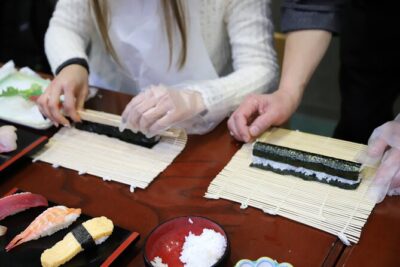
Tsukiji Fish Market Guided Tour and Sushi Making with Pro Chef
Read our review →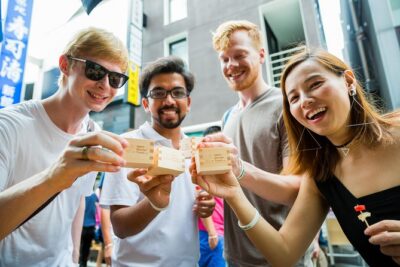
Tsukiji Fish Market Food and Culture Walking Tour
Read our review →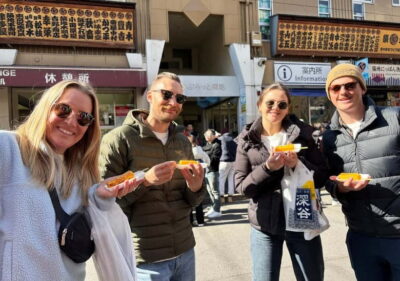
Tsukiji Fish Market: Street Food & Culture Walking Tour
Read our review →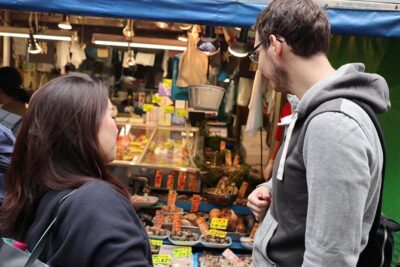
Tsukiji Fish Market Small-Group Food Walking Tour
Read our review →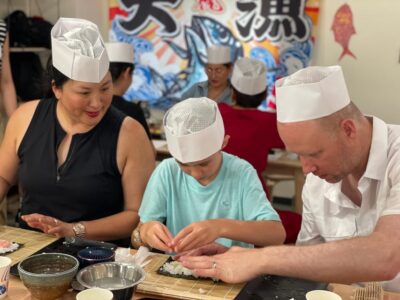
Tsukiji Fish Market Sushi Making Class with Pro Chef
Read our review →Browse the lists this tour appears in