
Reviewed · TSUKIJI & TOYOSU MARKET TOURS
Tokyo: Tsukiji Fish Market Guided Walking Tour
Tsukiji is best understood with your appetite switched on. This two-hour walk takes you from the carved stone and quiet interior of Tsukiji Hongwanji into the narrow lanes of the Outer Market, where seafood, dried goods, sweets, beef, and cooking ingredients crowd the stalls.
I like two things here. First, a local guide helps you choose food instead of leaving you to guess at unfamiliar signs and packed lanes. Second, the food is optional, so you can spend only what suits you and avoid ingredients that do not work for your diet. The main catch is simple: food costs extra, and some portions can be pricey, so bring enough cash.
In This Review
- Key points to know before you book
- Why Tsukiji works better with a guide
- Meeting at Tsukiji Station
- Tsukiji Hongwanji: a calm opening to the food district
- Entering the Outer Market
- How the optional food stops work
- What the guide adds to the market
- A market lesson, not just a tasting route
- Timing, crowds, and comfort
- Is $22 a good value?
- Who should take this Tsukiji walk?
- My booking advice
- Should you book the Tsukiji Fish Market tour?
- FAQ
- Where does the tour meet?
- How long does the tour last?
- Is the tour conducted in English?
- How large is the group?
- Is food included in the tour price?
- Should I bring cash?
- Are there admission fees for the market and temple?
- Can I cancel the booking?
Key points to know before you book
- A temple visit gives the market context: The tour begins at Tsukiji Hongwanji, with time for its carvings, interior, and place in local religious life.
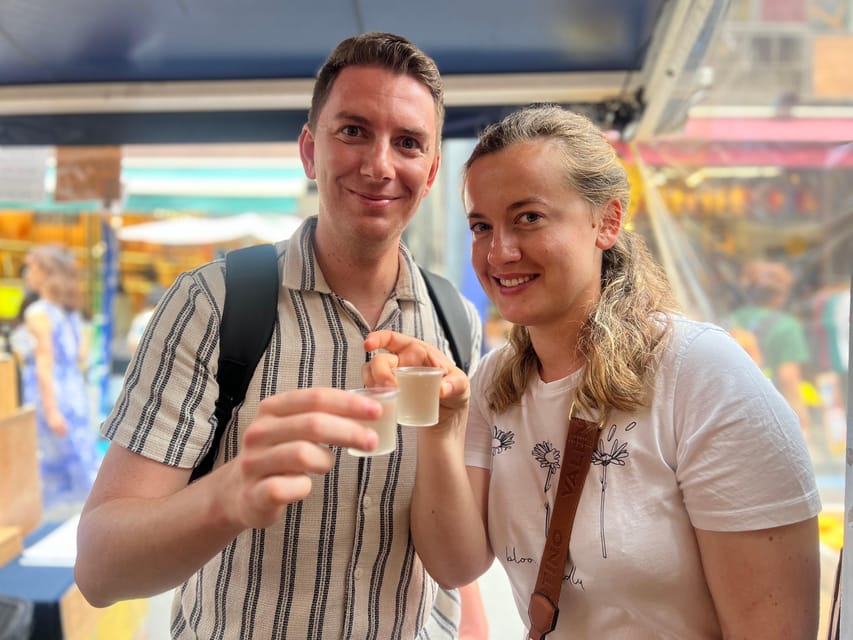
- You can choose your own tastings: Try seafood, wagyu beef, tamago, eel, sweets, or other foods without being tied to a fixed menu.
- Guides make the market easier to handle: Jim, Rie, Yayoi, Sayaka, Haydn, Minori, and others have led guests through stalls and helped with ordering.
- The group is limited to 10 people: That matters in narrow market lanes, where a large crowd would be awkward.
- Bring cash: Food and drinks are not included, and cash is specifically required for the tour.
- It is a short, focused introduction: Two hours gives you a useful first look, but not an unhurried survey of every corner.
Why Tsukiji works better with a guide
Tsukiji’s Outer Market is not one neat hall with a simple route. It is a district of small shops and food stalls selling seafood, vegetables, dried ingredients, sweets, spices, and kitchen goods. For a first-time visitor, the sheer number of choices can slow you down before you have tasted anything.
That is where this tour earns its keep. Your guide points out what each ingredient is used for, explains local food customs, and takes you to selected stalls rather than sending you into the maze alone. Several guides also help you order and handle payments, which is useful when menus are unfamiliar.
The guide lineup changes. Names associated with this experience include Jim, Rie, Yayoi, Sayaka, Haydn, Minori, Nicolas, Shino, Miko, Kiwa, Joe, and others. The strongest pattern is clear: the guides are expected to explain both food and culture, not just point at seafood.
I especially like that the tour does not force every person to eat the same things. You decide what appeals to you at each stop. That makes the walk more practical for families, mixed groups, cautious eaters, and anyone dealing with food preferences.
More market mornings in Tokyo:
- Tokyo Tsukiji Fish Market Food and Culture Walking Tour
★ 5.0 · 3,184 reviews - Tokyo: Tsukiji Fish Market Food and Walking tour
★ 5.0 · 1,724 reviews - Tokyo Sushi Making Class in Tsukiji with Professional Chef
★ 5.0 · 1,177 reviews
Meeting at Tsukiji Station
You meet your guide outside the Starbucks in front of Tsukiji Station. The guide waits near the bench, so look for the person holding or wearing the tour identification rather than wandering into the café.
This is a sensible meeting place because it is easy to identify and close to the first stop. There are two stated starting options at the same Starbucks location, so check your booking details for the exact meeting time and point.
The tour lasts about two hours. Starting times vary, so you need to check availability when booking. The group limit is 10 people, small enough for a guide to answer questions and keep the group moving through tight lanes.
Wear shoes suited to walking. The route includes about five minutes on foot to the temple and another five minutes to the market, followed by extended walking and standing around stalls. There is no separate admission fee for the market or temple, but your food budget is separate.
Tsukiji Hongwanji: a calm opening to the food district
The first stop is Tsukiji Hongwanji, a striking temple with detailed carvings and a quiet interior. You get about 15 minutes of guided sightseeing here before moving toward the market.
This opening is more useful than it may seem. Without it, Tsukiji can look like a food stop and nothing more. The temple gives you an early introduction to Japanese religious culture and helps explain why the surrounding district has more to offer than seafood samples.
Guides have explained the temple’s history, traditions, and religious setting in clear terms. One guide has also included nearby temples and shrines when time allowed, though the listed route specifically names Tsukiji Hongwanji. Treat those extra nearby sights as possible additions, not guaranteed stops.
The temple also creates a helpful change of pace. You begin in a place where you can look up at carvings and take in the interior before facing the noise and movement of the market. If you are mainly interested in eating, this may feel like a short delay. I think it improves the tour by giving the food a cultural setting.
Entering the Outer Market
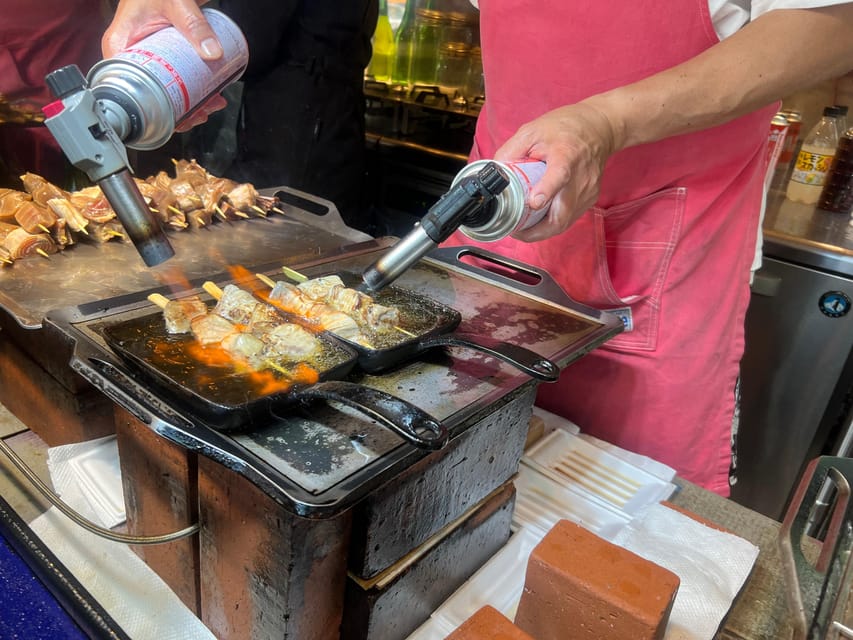
After roughly five minutes on foot, you reach Tsukiji Outer Market. About 50 minutes are assigned to a guided market visit, followed by another 50-minute market segment. In practice, this means the food district receives most of your two hours.
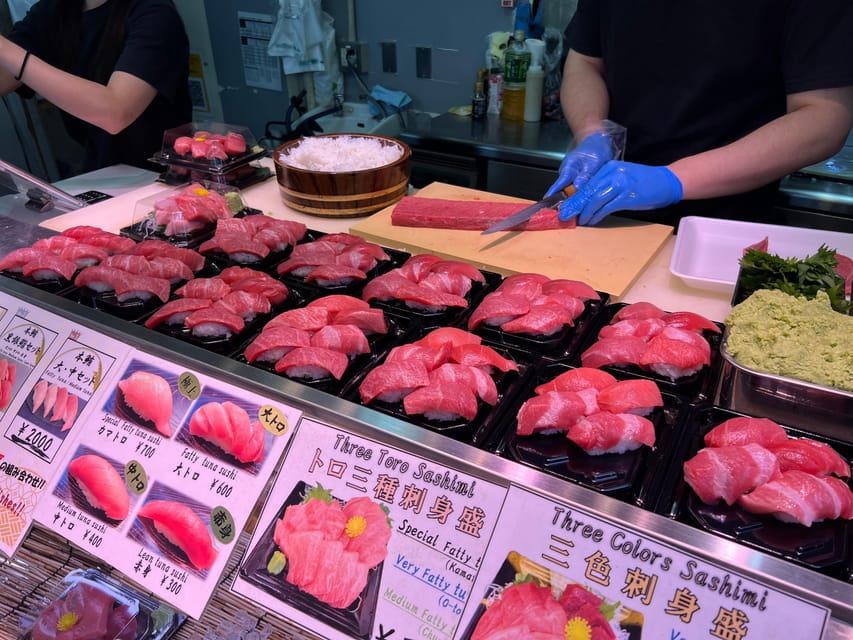
The Outer Market is where the tour becomes hands-on. Stalls display fresh seafood, vegetables, dried fish, shrimp, scallops, nuts, sweets, and other ingredients used in Japanese cooking. You may also see prepared foods and small portions suited to eating as you walk or pause nearby.
Your guide explains what the ingredients are, how they fit into Japanese meals, and why certain products matter. That background changes the experience from simple browsing into a lesson in how Japanese cooking is built around quality, seasonality, and careful preparation.
The exact stops depend on the guide and the day. Foods mentioned during the tour include:
- Tamago, or Japanese rolled egg
- Sushi and fatty tuna
- Oysters and sea urchin
- Wagyu beef skewers
- Eel, including fried eel
- Sashimi
- Sweets, nuts, and other snacks
- Matcha and sake recommendations
- Dried fish, shrimp, and scallops
Not every item is promised. The useful point is the range. You are not limited to raw fish, which makes this a better choice for a group with different tastes. One food-shy participant still found enough non-seafood options to try beef and sweets, while another person who does not usually enjoy seafood liked the chance to sample sea urchin and whale sashimi.
A few more Tokyo bookings worth comparing
- Tsukiji Fish Market Guided Tour and Sushi Making with Pro Chef
★ 5.0 · 775 reviews - Tokyo: Tsukiji Fish Market Food and Culture Walking Tour
★ 4.7 · 757 reviews - Tsukiji Fish Market: Street Food & Culture Walking Tour
★ 5.0 · 669 reviews - Tsukiji Fish Market Small-Group Food Walking Tour
★ 5.0 · 621 reviews
How the optional food stops work
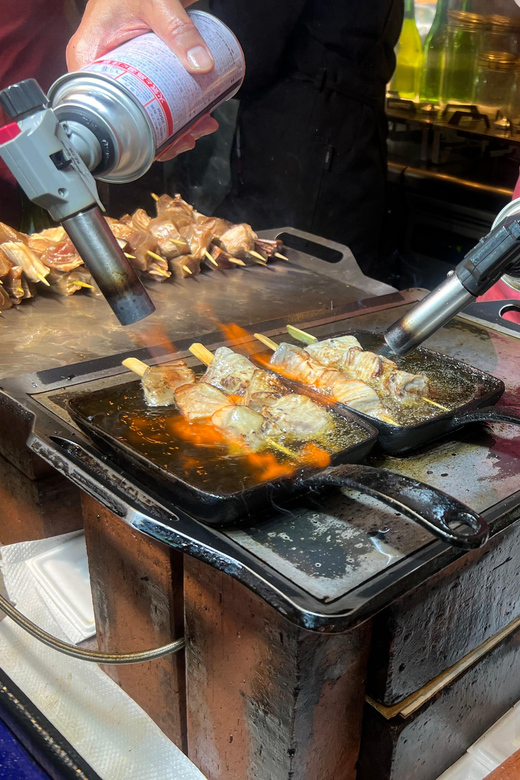
Food is not included in the $22 tour price. At each stall, you order and pay for what you want. This is one of the best features of the arrangement because you control both your spending and your choices.
It also means you should not mistake the tour price for the total cost of the morning. Some tasters are inexpensive, while premium seafood and wagyu can add up quickly. A guest specifically described some items as costly, so ask the guide about prices before ordering if you are watching your budget.
The small-group format makes sharing easier. You might order a few small portions with other people, allowing you to sample more without buying a full serving of everything. Still, do not assume that every food is a free sample. Most food you choose is your responsibility to pay for.
There may also be complimentary samples from stalls. Those are a pleasant extra, but they should not be treated as the main meal. Bring cash, as requested in the practical information. The tour does not include drinks, either.
I like the freedom to skip anything that seems too raw, too unfamiliar, or unsuitable for an allergy. You should tell your guide about allergies and preferences before ordering, then confirm ingredients at each stall. The flexible format helps, but it does not turn the tour into a guaranteed allergy-free menu.
What the guide adds to the market
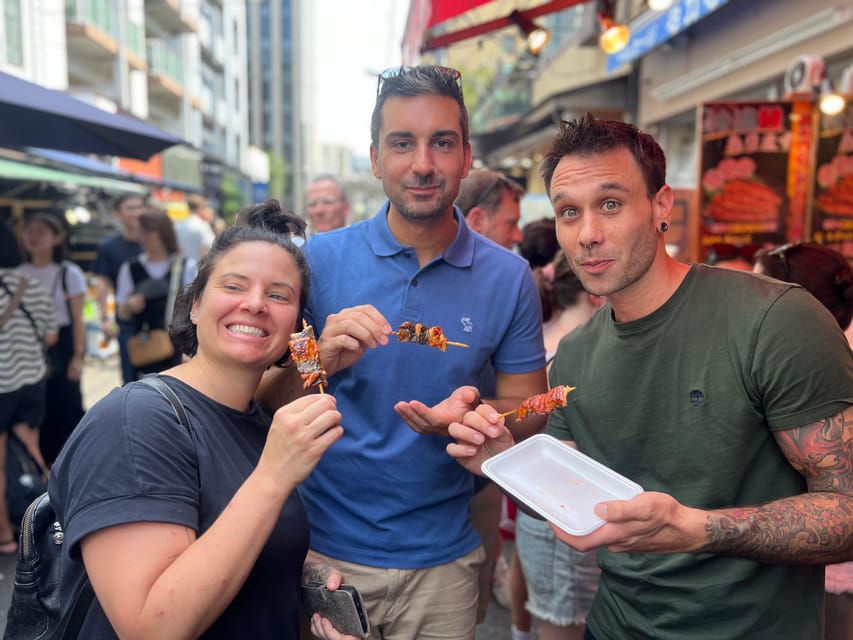
A guide’s greatest value here is judgment. You could walk through the market alone, but you would have to decide which stalls deserve your limited time, what to order, and how to pay. A guide can direct you to favored stops and explain what you are seeing while the market is moving around you.
Jim has been praised for his explanations of food, history, culture, and local people. Rie has taken groups to seafood, wagyu, tuna, and nearby cultural sights, while Yayoi has focused on a broad selection including tamago, oysters, sushi, wagyu, and sweets. Sayaka has helped groups move through crowded lanes and order at different stalls.
Haydn has been noted for explaining both the temple and the market in detail, as well as helping people avoid poor choices and find complimentary samples. Nicolas has guided people through fruit stands, dried goods, sweets, wagyu, and eel. Minori’s style has been described as energetic, with attention to snacks and desserts.
These names are useful when reading your confirmation, but you may receive a different guide. The experience is not built around one individual. It depends on the guide assigned that day, the market conditions, and the group’s interests.
The most important thing is that the guide speaks English and can explain Japanese food culture in that language. You are not simply following a flag through the market. You are getting help with decisions that are hard to make quickly on your own.
A market lesson, not just a tasting route

Tsukiji is famous for seafood, but the tour gives you a broader view of Japanese food. Dried fish, shellfish, vegetables, spices, fruit, sweets, and seasonings all matter. These products show how much of Japanese cooking depends on ingredients that may look ordinary until someone explains their use.
The historical talk also gives the district meaning. Tsukiji has been a major part of Tokyo’s food scene for more than 80 years. The current experience centers on the Outer Market, so you should not expect a full working fish-auction tour. This is a walking and tasting visit through the public market area, with the temple included.
One particularly useful feature is the advice you can carry into the rest of your Tokyo stay. Guides have offered suggestions for sushi, Kobe beef, matcha, sake, and other local foods. If you take the tour early in your trip, you can use those ideas later.
A sake stop may be included as a recommendation or tasting point, but it is not guaranteed by the formal description. One participant particularly enjoyed learning the ritual around drinking sake. Think of such moments as guide-dependent extras.
Timing, crowds, and comfort
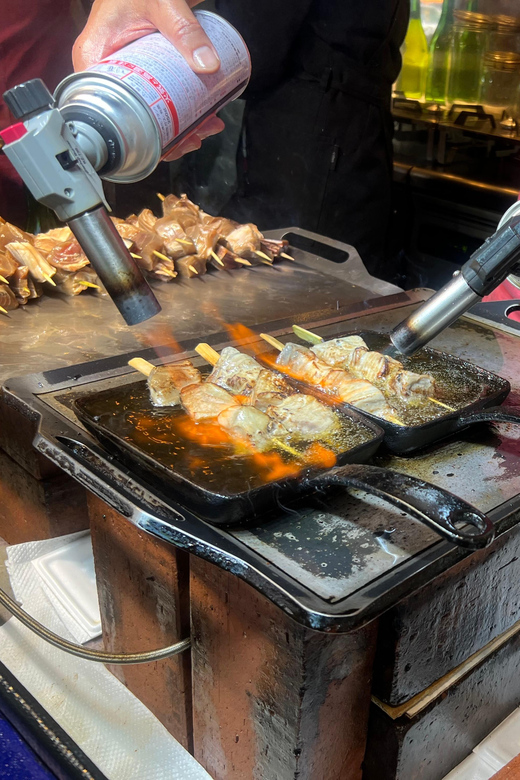
Two hours is enough for a strong introduction, but it is not enough to browse every stall slowly. The market can be crowded even on a weekday morning. Your guide’s job is partly traffic control, helping the group stay together and reach a few worthwhile stops without losing the whole morning to one queue.
The pace can feel active because the route packs a temple and a large market area into a short time. Several guides have been praised for fitting a lot into those two hours. If you want long meals, careful shopping, or extensive photography, plan to return to the market after the tour.
Photos taken during the tour are included. That is a nice touch when you are busy handling food, watching the group, or trying to keep your hands free. It should not replace your own photos, but it means you may receive images from moments when you were not ready to take out your phone.
Cash is essential. You should also keep your belongings under control in crowded lanes and avoid blocking shop entrances while eating or taking pictures. The market is a place of business, not only a sightseeing set, so follow the guide’s advice about where to stand.
Is $22 a good value?
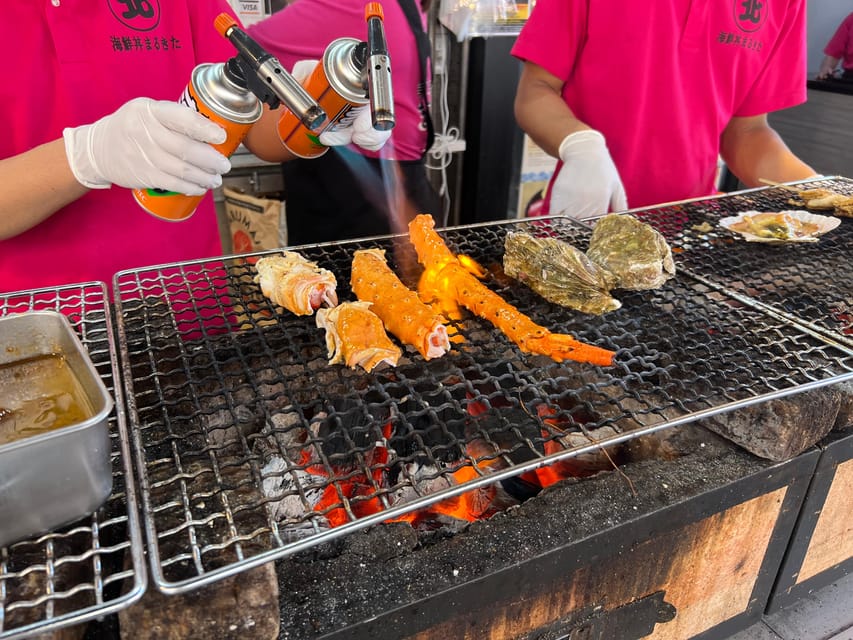
At $22 per person, this is a modestly priced guided introduction to one of Tokyo’s best-known food districts. The price includes the English-speaking walking guide, photos, and entry to Tsukiji Fish Market and Hongwanji Temple, with no separate admission fee listed for either.
The value comes from the guidance rather than from included food. You are paying for route planning, explanations, help with ordering, and access to a small group rather than a food package. That can save you from spending money on random items that do not suit your taste.
Your final bill depends on your appetite. You could keep the food spending controlled by choosing only a few samples, or spend considerably more on premium seafood, wagyu, and other specialties. I would budget separately for tastings and decide in advance how adventurous and generous you want to be.
The tour is a particularly good deal for first-time visitors who feel unsure about market etiquette or Japanese ingredients. It is less compelling for someone who already knows Tsukiji well and prefers to explore alone at a slow pace.
Free cancellation up to 24 hours before the start and the option to reserve now and pay later make the booking less rigid. The tour’s duration and starting time still need to fit your schedule, so check availability before building your morning around it.
Who should take this Tsukiji walk?
I would choose this for first-time Tokyo visitors, food-focused couples, small families, and anyone who wants a gentle introduction to Japanese ingredients. It also suits people who are curious but cautious, since you can try small amounts rather than commit to a fixed tasting menu.
It works well for mixed groups. Seafood fans can look for tuna, oysters, sea urchin, sashimi, and eel, while others can choose wagyu, tamago, sweets, nuts, or other non-fish foods. You can make individual choices at each stall.
The tour is also useful if you want culture with your breakfast. The temple visit and explanations about food traditions prevent the morning from becoming a quick succession of snacks.
I would think twice if you need a fully prepaid meal, dislike walking and standing, or want a quiet market with no crowds. I would also avoid booking it as your only Tsukiji visit if you hope to shop for many ingredients or take your time at every stall.
My booking advice
If possible, schedule this near the start of your Tokyo stay. The food suggestions can shape later meals, and the guide can help you understand products you will see elsewhere in Japan.
Bring cash, arrive at the Starbucks by Tsukiji Station with time to find the bench, and eat lightly beforehand. You do not need to order every item, but you will get more from the tour if you leave room for several small tastings.
Tell the guide what you will and will not eat. The flexible ordering system is a real advantage, and clear communication lets you use it properly. Keep some budget for one premium taste if that appeals to you, but do not feel pressured to buy everything.
Should you book the Tsukiji Fish Market tour?
Book it if you want an efficient, friendly introduction to Tsukiji rather than a free-form wander. The strongest reasons are the small group, the English explanations, the choice of optional foods, and the guide’s help in finding stalls you could easily miss.
Skip it if you already know the Outer Market, prefer to set your own pace, or want food included in the headline price. For most first-time visitors, though, $22 is a fair fee for turning a confusing two-hour walk into a clearer lesson in Tokyo’s food culture. Just bring cash and remember that the tastings are extra.
FAQ
Where does the tour meet?
You meet your English-speaking guide at the Starbucks Coffee in front of Tsukiji Station. The guide will be standing near the bench outside the Starbucks.
How long does the tour last?
The tour lasts two hours. Check availability for the exact starting times.
Is the tour conducted in English?
Yes. The tour has a live English-speaking guide.
How large is the group?
It is a small-group tour limited to 10 participants.
Is food included in the tour price?
No. Food and drinks are not included. You choose and pay for any food you order at the market stalls.
Should I bring cash?
Yes. Cash is listed as something to bring, and you should have it available for optional food purchases.
Are there admission fees for the market and temple?
Entry to Tsukiji Fish Market and Tsukiji Hongwanji Temple is included, and the stated entry fees are free.
Can I cancel the booking?
You can cancel up to 24 hours in advance for a full refund. The reserve-now, pay-later option also lets you hold a place without paying immediately.
More Walking Tours in Tokyo
- Tokyo: Imperial Palace and Shogun Historical Walking Tour
★ 5.0 · 2,251 reviews - Tokyo: Shinjuku Local Bar and Izakaya Guided Walking Tour
★ 4.9 · 1,794 reviews - Tokyo: Asakusa Walking Tour with Sensoji Temple Visit
★ 4.8 · 1,583 reviews - Tokyo Castle & Imperial PalaceーShogun Walking Tour
★ 4.7 · 1,068 reviews
More Shopping Tours in Tokyo
- Tokyo: Tsukiji Fish Market Sushi Making Class with Pro Chef
★ 4.9 · 506 reviews - Tokyo Food Tour Taste Fresh Delights at Tsukiji Market
★ 5.0 · 429 reviews - Tokyo Tsukiji Fish Market Tour and Sushi Making Lesson
★ 5.0 · 390 reviews - Tsukiji Fish Market: Street Food & Culture Walking Tour
★ 4.8 · 259 reviews
New on our Tokyo list
- From Tokyo: Mount Fuji & Hakone Full Day Private Tour★ 4.9 · 25 reviews
- Tokyo Spectacular View Day-Cruise in 90 Minutes★ 5.0 · 25 reviews
- Real Tokyo Runner Club : Daikoku Car Meet Night Tour with JDM Car★ 5.0 · 25 reviews
- 2.5 Hour-Guided Cycle Tour in the Central Tokyo★ 5.0 · 25 reviews
- Ramen Making from Scratch +Akihabara Tour –Cooking Class★ 5.0 · 25 reviews
- [Self-Drive] Tokyo & Daikoku Custom Car Driving Tour★ 4.9 · 25 reviews
- Tokyo: 2-Hour Night Bike Tour of the City’s Hidden Gems★ 4.9 · 25 reviews
- Tokyo: Mt. Fuji, Owakudani, Hakone Shrine, & Open-Air Museum★ 4.7 · 25 reviews
Tsukiji & Toyosu Market Tours, compared.
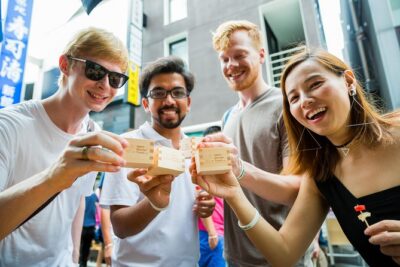
Tokyo Tsukiji Fish Market Food and Culture Walking Tour
Read our review →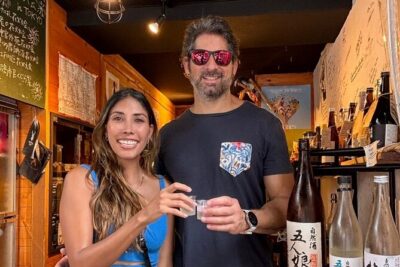
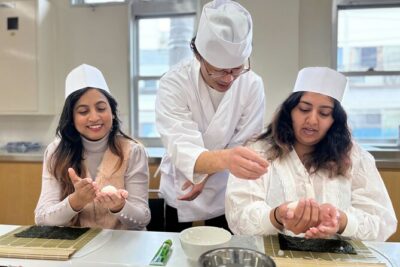
Tokyo Sushi Making Class in Tsukiji with Professional Chef
Read our review →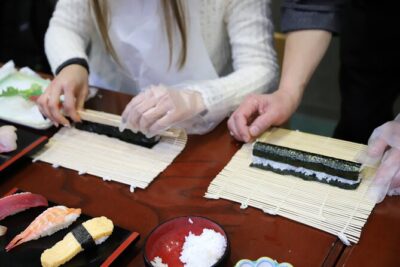
Tsukiji Fish Market Guided Tour and Sushi Making with Pro Chef
Read our review →Tsukiji Fish Market Food and Culture Walking Tour
Read our review →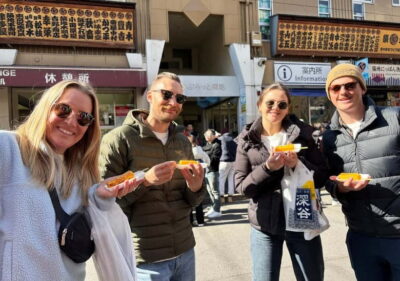
Tsukiji Fish Market: Street Food & Culture Walking Tour
Read our review →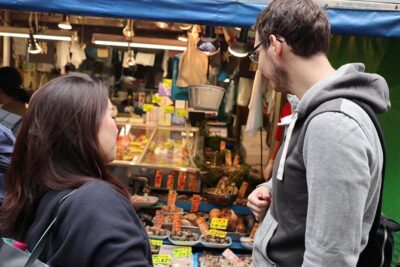
Tsukiji Fish Market Small-Group Food Walking Tour
Read our review →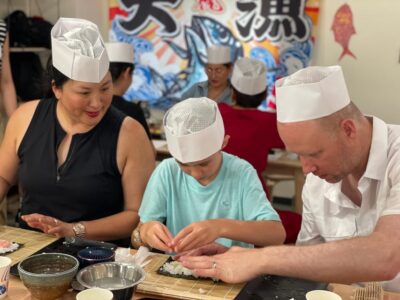
Tsukiji Fish Market Sushi Making Class with Pro Chef
Read our review →Browse the lists this tour appears in