
Reviewed · SAMURAI & NINJA EXPERIENCES
Best Samurai Experience in Tokyo
The best part of this Tokyo samurai experience is that you do not just pose in borrowed armor. You learn a short set of sword movements, then use them in a choreographed battle with music and sound effects. The setting is made to resemble an Edo-period dojo, with armor, swords, and spears on display.
I like the mix of costume, instruction, and performance. I also like the small group size, capped at 10 people, and the fact that staff help take photos and videos, even for solo visitors. The main drawback is the short length: at about one hour, this is a lively introduction rather than a serious martial arts lesson.
In This Review
- Key points to know before booking
- Entering the Edo-style dojo in Shinjuku
- Choosing a kimono and hakama
- Learning to handle the Japanese sword
- Turning practice into a chambara scene
- Photos and video are part of the experience
- Why the one-hour format can work well
- The family appeal, from young children to adults
- Is $65 a fair price?
- Who should book this samurai activity?
- Booking, arrival, and cancellation details
- Should you book Samurai Theater Tokyo?
- FAQ
- Where does the samurai experience take place?
- How long does the experience last?
- What does the $65 price include?
- Is transportation included?
- What will I learn during the session?
- Can I take photos and videos?
- Can solo visitors participate?
- What is the cancellation policy?
Key points to know before booking
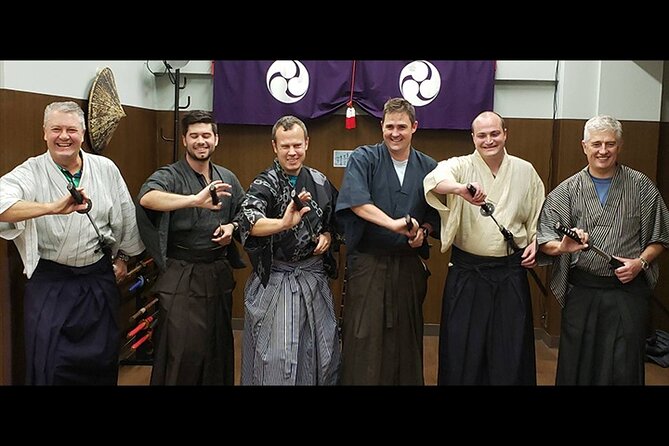
- Choose your own kimono and hakama: The costume is part of the activity, not just a quick photo prop.
- Learn practical beginner movements: Instruction covers drawing, holding, swinging, and retracting a Japanese sword.
- Finish with a choreographed fight: You practice a simple chambara scene, then perform it with music.
- Photographs and video are allowed: Staff can help record your performance on your phone.
- Small groups keep the session personal: The maximum group size is 10 people.
- Families and solo visitors fit well: Children, adults, and people arriving alone can take part.
Entering the Edo-style dojo in Shinjuku
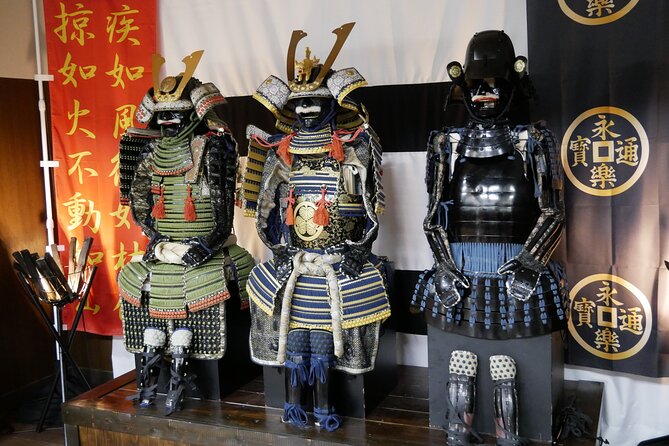
Samurai Theater Tokyo is at 40 Yokoteramachi in Shinjuku City. The venue is close to public transportation, but it is not presented as a large, modern attraction on a main street. The entrance is reached along smaller side roads, so keep an eye out for the flag that points you toward the venue.
Inside, the room is designed to feel like a dojo from roughly 400 years ago. Armor, swords, spears, and other weapons are displayed around the space. That setting gives the activity more character than a plain studio with a few costumes on a rack.
I would allow a little extra time to find the entrance, especially if you are arriving close to the start time. The activity lasts only about an hour, and you will get more from it if you arrive calm rather than rushing through unfamiliar lanes.
The venue is also a museum-like space, so you have something to look at while the session gets organized. Still, this is primarily a hands-on performance activity. Do not book it expecting a long museum tour or an extended lecture on samurai history.
More samurai and ninja sessions:
- Tokyo: Samurai Ninja Museum Guided tour and Experience
★ 4.6 · 1,010 reviews - Tokyo: Samurai Sword & Archery Class from Samurai Descendant
★ 5.0 · 603 reviews - Ninja Experience (Family Friendly) at Samurai Ninja Museum TOKYO
★ 5.0 · 441 reviews
Choosing a kimono and hakama
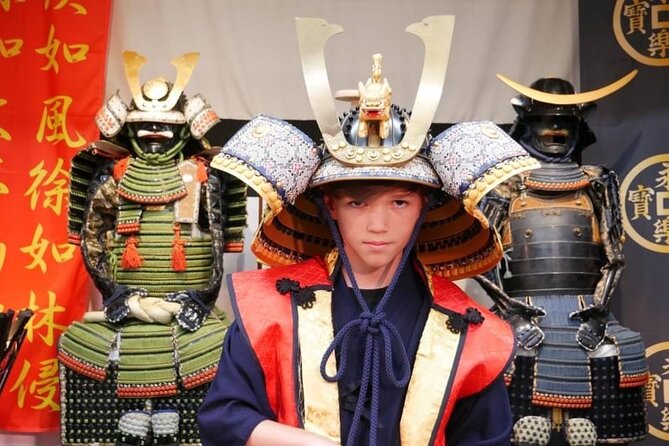
The first major part of the experience is choosing traditional clothing. You select a kimono and hakama, then change into the samurai costume with help from the staff.
This step matters because it gives the session a clear sense of occasion. You are not simply holding a sword in street clothes. The formal clothing changes your posture and makes the later photos feel more like a small theatrical production.
The outfit is also reported as comfortable once worn, which is useful if you are bringing children or planning to take part with older family members. The experience has worked well for families with children as young as six, and the staff are described as patient with younger participants.
Do not expect a historically exact wardrobe consultation. The useful choice here is picking a look you like for the performance and photographs. If your group wants matching or carefully researched costumes, this short activity probably will not meet that goal. For a fun introduction, though, the clothing does a lot of work.
The costume period also helps separate this experience from a standard photo session. You will be dressed, taught basic movements, and given a chance to perform. That sequence makes the clothing feel like part of the activity rather than the entire point.
Learning to handle the Japanese sword
After changing, the instructor introduces basic sword handling. The session covers how to draw the sword, how to hold it, how to swing it, and how to return it to its sheath.
You are not expected to arrive with martial arts experience. The instruction is designed for beginners, and the pace can be adjusted for different ages and abilities. Staff explain the movements step by step, then give you time to practice before adding the staged fight.
This is one of the strongest parts of the experience. The sword work gives the costume a purpose, and the teaching gives you something concrete to remember afterward. You are not just told that the sword is important. You are shown how a basic movement looks and then asked to repeat it.
The lesson is still brief. You will learn a handful of basic moves rather than a complete sword-fighting system. One description puts the number at about five basic movements, followed by practice of the performance sequence. That is enough to feel involved, but not enough to make you proficient.
Safety is also part of the instruction. You learn the basic handling and movement needed for the choreographed routine. The activity is meant to be playful and controlled, not a free-form sword fight. Listen carefully, keep your attention on the instructor, and treat the sword as a prop with clear rules.
The teachers are described as professional instructors who have appeared in major Japanese dramas and films. That background suits the format: this is as much about stage movement and presentation as it is about traditional technique. Expect clear demonstrations and an energetic performance style.
Turning practice into a chambara scene
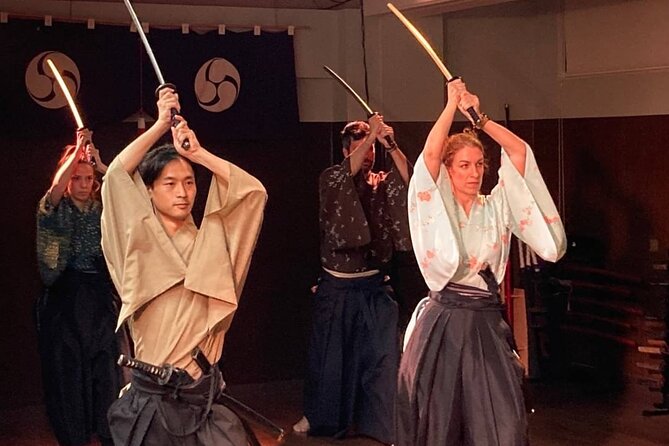
Once you know the basic movements, you practice a simple chambara, or Japanese sword-fight scene. The choreography gives you a safe structure to follow, so you do not need to invent your own combat routine.
This is where the one-hour format makes sense. The session moves from costume to instruction to performance without spending too long on any single step. You get enough repetition to remember the sequence, then put it together while the staff guide you.
The final battle is designed for fun rather than realism. Music and sound effects help create the mood, and the session includes a playful sequence in which you try to defeat the bad guys. The dramatic framing gives children something easy to understand, while adults can enjoy the theatrical silliness.
I like this approach because it removes pressure. You do not have to perform a difficult routine or display athletic skill. You simply follow the taught movements and play your part. If someone forgets a step, the instructors can help keep the scene moving.
The performance also creates a natural ending. Instead of leaving after a costume photograph, you finish with something you have learned and practiced. That makes the experience more memorable and gives you a clear video to take home.
A few more Tokyo bookings worth comparing
- Mt Fuji and Hakone 1-Day Bus Tour Return by Bullet Train
★ 5.0 · 26,383 reviews - 1-Day Tokyo Bus Tour
★ 5.0 · 14,250 reviews - Tokyo: TOKYO SKYTREE® Admission ticket
★ 4.5 · 11,192 reviews - Tokyo: teamLab Planets TOKYO Digital Art Museum Entry Ticket
★ 4.6 · 9,779 reviews
Photos and video are part of the experience
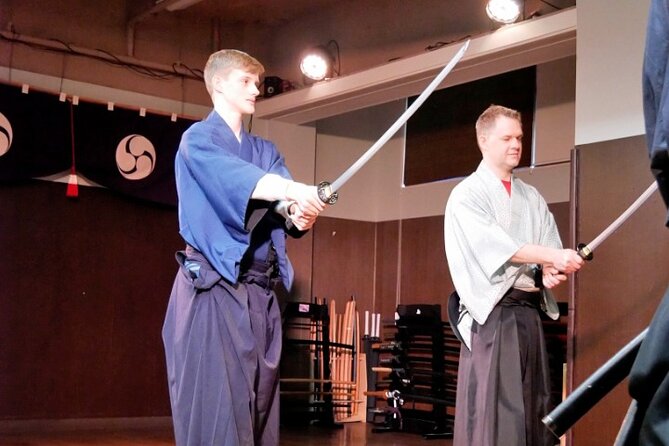
Photography and video recording are allowed inside the venue. You can use your smartphone to capture the costume, the sword lesson, and the final performance.
Staff are willing to take photos and videos for you. This is particularly helpful if you are visiting alone. A solo participant does not have to choose between joining the activity and having no record of it.
For families, the photo element is practical. Parents can take pictures of their children in costume, then record the choreographed scene. Staff have also been praised for helping with photos throughout the activity, rather than leaving everyone to manage their phones while trying to follow instructions.
Bring a phone with enough storage and battery for the session. That is simple advice, but it matters when the performance is the main souvenir. You may also want to decide in advance whether you prefer posed photos, action shots, or a full recording of the final routine.
The photos will not replace the experience itself, but they add real value to the $65 price. You receive a visual memory of the costume and performance, not just a brief lesson that disappears as soon as you leave.
Why the one-hour format can work well
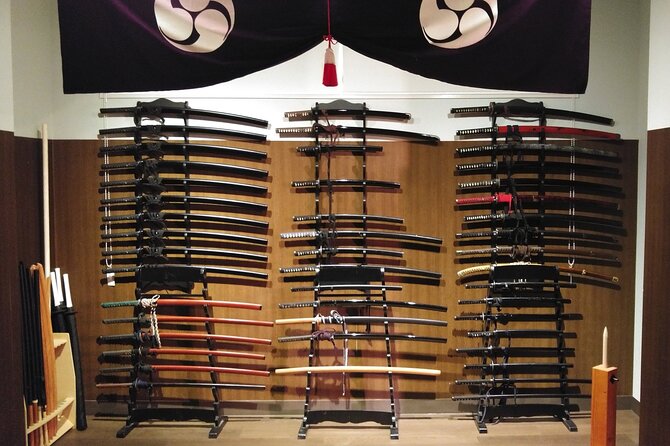
At about one hour, this is easy to fit into a Tokyo day. You could schedule it between sightseeing in Shinjuku, use it as a family activity, or place it on a day when you want something more interactive than another shrine or museum.
The short duration is also a limitation. If you are hoping to study samurai history, compare different sword styles, or spend a long time examining armor, you will want another activity as well. The displayed weapons and armor provide atmosphere, but the core program is costume, basic sword instruction, and a staged battle.
For many people, that balance is exactly right. A one-hour activity asks less of your schedule and keeps the energy high. Children are less likely to lose interest, and adults can try something unusual without committing half a day.
The maximum group size is 10 people. That is small enough for instructors to watch the movements and help people who need extra guidance. It also means the experience may feel more like a shared class than a private photo shoot.
A private booking is not included in the supplied details, so you should not assume you will have the room to yourself. If you want a private family session, check the booking terms before paying.
The family appeal, from young children to adults
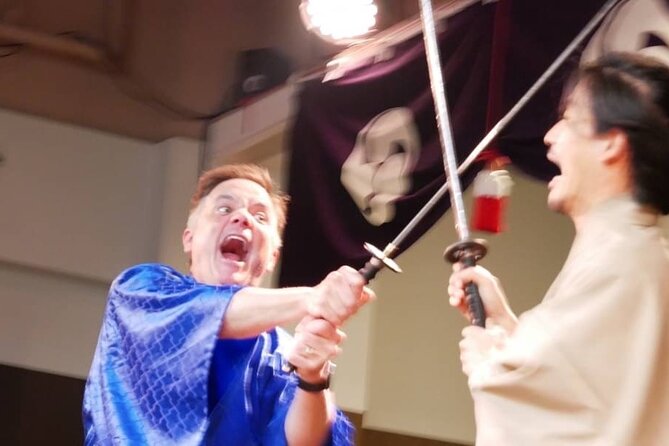
This activity is a strong choice for families. Children can dress up, learn simple movements, take part in a battle, and receive a small gift at the end according to the experience details shared by the provider.
The staff’s patient manner is important here. Sword choreography can sound intimidating, but the teaching is beginner-friendly and structured. A six-year-old can enjoy the costume and simple actions, while teenagers and adults may take more interest in the technique and performance.
The activity also works for mixed-age groups. A family does not need to find separate entertainment for children and adults. Everyone learns the same basic sequence, then performs together.
There is still a practical point for parents: the activity involves sword movements, so children must listen and follow instructions. The experience is not a free-play area. If your child cannot stay focused for a short, guided class, the costume and performance may be less enjoyable.
For older children and teenagers, the dramatic finish is a bonus. They can record the scene, pose with the instructors, and leave with something more distinctive than a standard sightseeing photograph.
Is $65 a fair price?
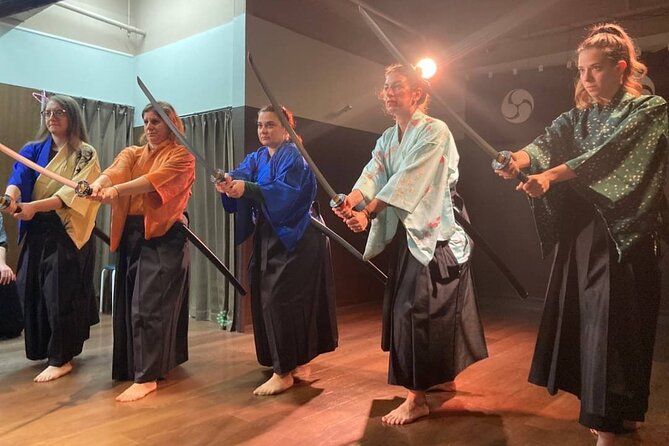
The listed price is $65 per person. That is not the cheapest hour you can spend in Tokyo, but the price includes the costume, instruction, professional guide or instructor, and all fees and taxes.
The value comes from combining several separate activities in one visit. A costume rental and photo session alone would give you an image. A sword class alone might lack the theatrical setting. Here, you get the dojo-style venue, clothing, guided practice, performance, and help with photos.
The price makes the most sense if you plan to take part fully. If you only want to wear a kimono for five minutes and pose, you may find it expensive. If you enjoy learning a routine and want a short activity that the whole family can share, the package is easier to justify.
The group limit of 10 also supports the price. You are not being sent through a huge assembly line. Instructors can keep an eye on the group and help with the movements, photos, and timing.
You should also note that private transportation is not included. You make your own way to the Shinjuku meeting point and return there when the activity ends. Since the venue is near public transportation, this is manageable, but include the local transport cost in your day’s budget.
Who should book this samurai activity?
I would recommend it most strongly to:
- Families looking for a shared activity in Tokyo
- First-time visitors who want a hands-on introduction to samurai culture
- Solo visitors who want staff-assisted photos and video
- Adults who enjoy theatrical activities and costume experiences
- Anyone interested in Japanese film and stage sword performance
- Visitors with only one free hour
It is less suitable for someone seeking a serious martial arts course. You will learn basic handling and a short routine, not advanced sword technique. It is also not the right choice if your priority is a long, detailed museum visit.
The experience works best if you approach it as a guided samurai performance class. That means accepting a little playacting, following the choreography, and enjoying the chance to look dramatic for the camera.
Booking, arrival, and cancellation details
A mobile ticket is provided, and confirmation is received at the time of booking. Same-day reservations may be possible, though I would not depend on last-minute availability if this is important to your schedule.
The activity starts and ends at Samurai Theater Tokyo, 40 Yokoteramachi, Shinjuku City, Tokyo 162-0831, Japan. Since the entrance can be along smaller side roads, use the venue flag to help locate it and avoid arriving at the last second.
Most people can participate, and the maximum group size is 10. The available information does not specify detailed accessibility arrangements, so contact the provider directly if you have mobility, balance, or costume-related concerns.
You can cancel for a full refund up to 24 hours before the start time. Cancellations or changes made less than 24 hours before the scheduled start are not accepted for a refund. Cutoff times follow Tokyo local time, so check the clock carefully if your plans change.
Should you book Samurai Theater Tokyo?
Book this if you want a lively, photo-friendly activity that lets you wear traditional clothing, learn basic sword movements, and perform a short scene in a period-style setting. It is especially good for families, solo visitors, and anyone who wants an easy one-hour break from conventional sightseeing.
Skip it if you want a long historical lecture, advanced sword training, or a quiet museum visit. For everyone else, $65 buys more than a costume photograph. You get a guided lesson, a small-group performance, staff help with recording, and a memorable taste of samurai theater in Tokyo.
FAQ
Where does the samurai experience take place?
The activity takes place at Samurai Theater Tokyo, located at 40 Yokoteramachi, Shinjuku City, Tokyo 162-0831, Japan.
How long does the experience last?
The experience lasts approximately one hour.
What does the $65 price include?
The price includes all fees and taxes, a professional guide or instructor, and samurai costumes.
Is transportation included?
No. Private transportation is not included. You make your own way to the meeting point, and the activity ends back there.
What will I learn during the session?
You will learn how to draw a sword, hold it, swing it, and retract it. You will then practice a simple choreographed chambara sword fight.
Can I take photos and videos?
Yes. Photography and video recording are allowed inside the museum-like venue. You can use your smartphone, and staff can help take photos and videos.
Can solo visitors participate?
Yes. One person can join the tour, and staff can help solo participants record photos and video.
What is the cancellation policy?
You can cancel at least 24 hours before the start time for a full refund. Cancellations or changes made less than 24 hours before the start time are not accepted for a refund.
New on our Tokyo list
- From Tokyo: Mount Fuji & Hakone Full Day Private Tour★ 4.9 · 25 reviews
- Tokyo Spectacular View Day-Cruise in 90 Minutes★ 5.0 · 25 reviews
- Real Tokyo Runner Club : Daikoku Car Meet Night Tour with JDM Car★ 5.0 · 25 reviews
- 2.5 Hour-Guided Cycle Tour in the Central Tokyo★ 5.0 · 25 reviews
- Ramen Making from Scratch +Akihabara Tour –Cooking Class★ 5.0 · 25 reviews
- [Self-Drive] Tokyo & Daikoku Custom Car Driving Tour★ 4.9 · 25 reviews
- Tokyo: 2-Hour Night Bike Tour of the City’s Hidden Gems★ 4.9 · 25 reviews
- Samurai themed Entertainment show in Shinjuku★ 4.5 · 25 reviews
Samurai & Ninja Experiences, compared.
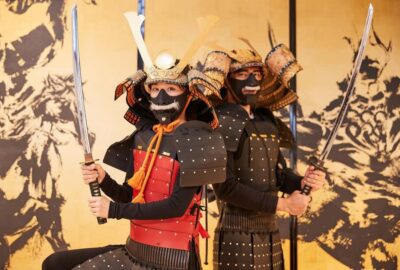
Samurai Ninja Museum Guided tour and Experience
Read our review →
Samurai Sword & Archery Class from Samurai Descendant
Read our review →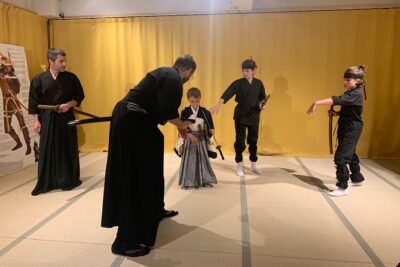
Ninja Experience (Family Friendly) at Samurai Ninja Museum TOKYO
Read our review →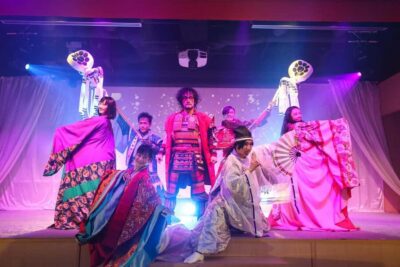
Samurai Entertainment Night Show in Kanda Shrine
Read our review →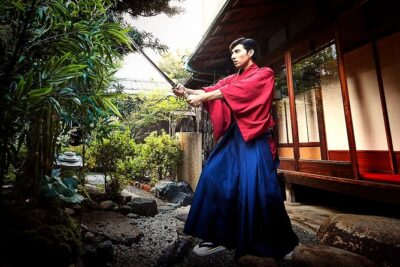
Tokyo Sword Experience – includes Museum Ticket/Ninja Experience
Read our review →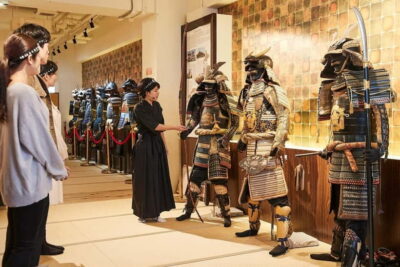
Samurai Ninja Museum Asakusa: Samurai Sword Lesson & Tour
Read our review →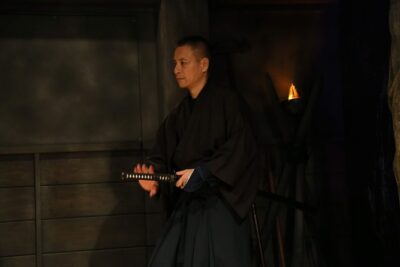
Ninja Samurai 2-hour hands-on lesson by Japanese master in Tokyo
Read our review →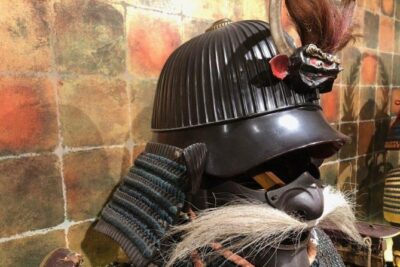
Samurai Sword Experience (Family Friendly)at SAMURAI MUSEUM TOKYO
Read our review →Browse the lists this tour appears in