
Reviewed · TOKYO PHOTOSHOOTS
Shibuya and Shinjuku Photography Experience
Tokyo after dark is best understood on foot, camera ready, with a guide who knows where the city’s bright public face gives way to old alleys and late-night streets. This two-hour walk with Kenji takes you from Hachiko and Shibuya Scramble Crossing to Shinjuku’s Omoide Yokocho and Godzilla Road, with posed portraits and city scenes along the way.
I like the small maximum of four people, which gives Kenji room to help with poses and frame shots without turning the evening into a group production. I also like the practical result: 25 to 50 color-graded photos per person, a real benefit for solo visitors who want more than blurry selfies.
The main drawback is the tight schedule. You cover two major districts in about two hours, and the ¥170 train ride from Shibuya to Shinjuku costs extra. You must also arrive on time, since more than five minutes late means you cannot join or reschedule.
In This Review
- Key details to know before you book
- Why this Tokyo photo walk works after dark
- Hachiko and the first steps into Shibuya
- Shibuya Scramble Crossing in motion
- Center-gai and Shibuya’s youth scene
- Miyashita Park’s modern city contrast
- The short train ride to Shinjuku
- The unnamed station-side alley
- Omoide Yokocho and old-school Shinjuku
- Godzilla Road and the edge of Kabukicho
- What Kenji adds to the evening
- Who should book this experience?
- Practical value, timing, and weather
- Should you book the Shibuya and Shinjuku photo walk?
- FAQ
- Where does the photography experience start?
- What time does the tour begin?
- How long does the experience last?
- Is the train from Shibuya to Shinjuku included?
- How many people can join the experience?
- What is included in the price?
- Where does the tour finish?
Key details to know before you book
- Start at Hachiko at 8 pm: Meet beside Shibuya Station at the famous statue, not at a hotel or central meeting office.
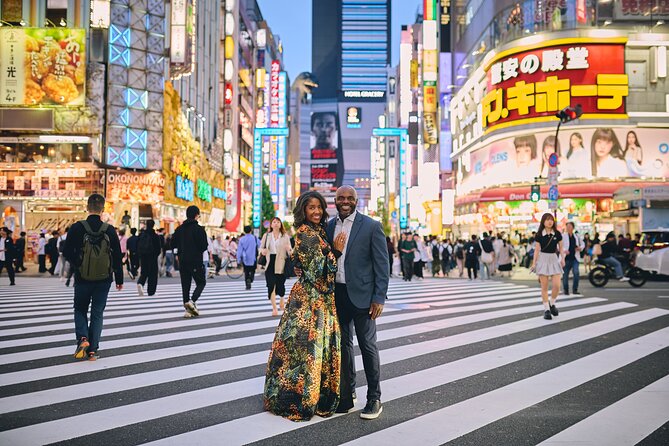
- Photograph Tokyo’s famous crossing: Shibuya Scramble gives you the classic moving-city shot, though the stop is short.
- Walk through two different Tokyos: Shibuya brings youth culture and modern design, while Shinjuku adds smoky food alleys and neon entertainment streets.
- Receive 25 to 50 edited images: Kenji provides color-graded photos, making this especially useful for solo visitors.
- Pay ¥170 for the train separately: The short ride from Shibuya to Shinjuku is not part of the tour price.
- Expect a very small group: The experience accepts no more than four people, helping keep the photo session personal.
Why this Tokyo photo walk works after dark
At $62.13 per person, this experience is not simply a guided neighborhood stroll. You are paying for a photographer, local orientation, a compact route through two famous districts, and a set of finished images you can keep.
That matters most if you are traveling alone. Getting a decent portrait in Tokyo can mean balancing your phone on a ledge, asking a stranger, or settling for a quick snapshot. Kenji can help you pose and can keep the session moving while you explore.
The small group limit also changes the feel of the evening. With no more than four people, you should have a better chance to ask questions, stop for a second angle, or request help with a pose. This is not a large photo class where everyone waits for a turn.
Still, the price makes the most sense if you value the photographs. If you only want a basic introduction to Shibuya and Shinjuku, you can walk these neighborhoods on your own for free, apart from the train fare. The tour’s extra value is the finished photo collection and Kenji’s help turning busy streets into usable pictures.
The tour runs for about two hours, beginning at 8 pm. That timing is useful. Shibuya and Shinjuku are built for evening energy, and the route focuses on streets that look more dramatic once signs, shopfronts, and building lights take over.
More Tokyo photo sessions:
- Tokyo Ryogoku Sumo Morning Practice + Photo Shoot with Wrestlers
★ 4.5 · 277 reviews - Tokyo by Night Photography Tour (Private Option Available)
★ 5.0 · 151 reviews - Tokyo Sumo Morning Practice Tour w/ Ring-Side Seat + Photo Shoot
★ 5.0 · 93 reviews
Hachiko and the first steps into Shibuya
The meeting point is the Hachiko Statue, at 2 Chome-1 Dogenzaka beside Shibuya Station. Hachiko is one of Japan’s best-known symbols of loyalty, with a story that has appeared in books and films, including a Hollywood version.
This is a sensible place to begin because it is easy to identify, but you should not treat the statue as a quiet photo stop. The area around Shibuya Station is busy, and the meeting point can feel crowded. Arrive early enough to find the statue and locate Kenji before the 8 pm start.
The planned stop lasts about five minutes. That is enough for a quick portrait or a photograph with the statue, but not a long history talk. The real photo work begins almost at once as you move toward the crossing.
Shibuya Scramble Crossing in motion
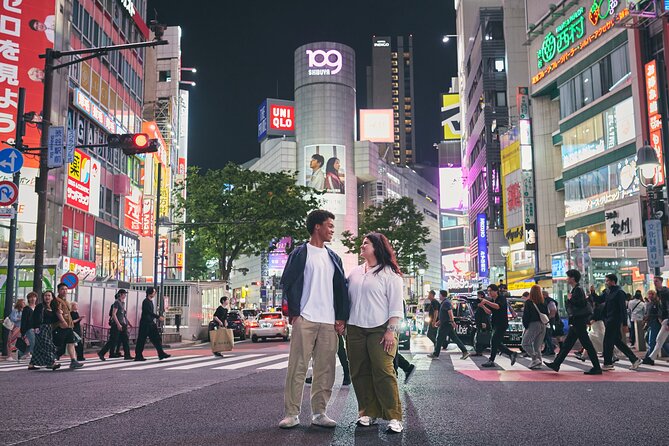
Shibuya Crossing is the visual centerpiece of the first half. When the signal changes, people move across the intersection from several directions, producing the famous wall of motion that defines modern Tokyo for many visitors.
You will have about 20 minutes here. That should give Kenji time to work with changing light and traffic patterns, but it is still a short stop. Do not expect a long session from one fixed viewpoint. The appeal is variety: people crossing, bright signs, traffic waiting, and the layered city scene around the intersection.
For your own photos, listen closely to Kenji’s instructions. A busy crossing can swallow your subject in seconds, and the strongest image may come from a simple pose with the city moving behind you. You do not need to be an experienced model. One of the useful details from the experience is that Kenji helps with poses and shows you what to do.
The crossing is also a place where expectations matter. You will not get an empty, perfectly controlled street. The crowds are the subject. If you want polished portraits with a calm background, this stop may feel hectic. If you want a picture that clearly says Tokyo, it delivers.
Center-gai and Shibuya’s youth scene
From the crossing, the route continues into Shibuya Center-gai. This narrow street is lined with shops, restaurants, arcades, and bars, and it gives you a closer look at the district’s youth culture than the broad crossing does.
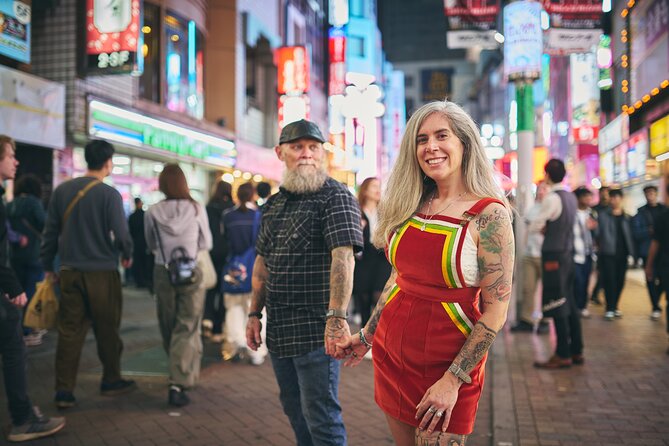
The stop lasts about 20 minutes, enough time to photograph signs, storefronts, pedestrians, and the tight street view. Center-gai is useful for color and detail. Instead of one huge city picture, you get smaller frames: a glowing sign, a crowded entrance, or the contrast between old street-level businesses and tall buildings overhead.
I like this part of the route because it adds texture to the evening. Shibuya is often reduced to the crossing, but Center-gai shows how people actually use the district. It is also a good place for Kenji to make portraits feel less formal. You can pose against the changing street rather than stopping in an obvious photo location.
The drawback is that this is a working shopping and nightlife street, not a closed photo set. You will need to stay aware of foot traffic and follow Kenji’s directions. That is part of the experience, but it may not suit you if you prefer a slow, quiet photography walk.
More Shibuya plans:
- Official Street Go-Kart in Shibuya
★ 5.0 · 3,435 reviews - Tokyo: Street Kart Experience in Shibuya
★ 4.9 · 1,484 reviews - Shibuya Meltdown Nightlife Tour: All-You-Can-Drink Bar Hopping
★ 5.0 · 1,058 reviews - Shibuya Official Street Go-Kart in Shibuya Annex
★ 5.0 · 972 reviews
Miyashita Park’s modern city contrast
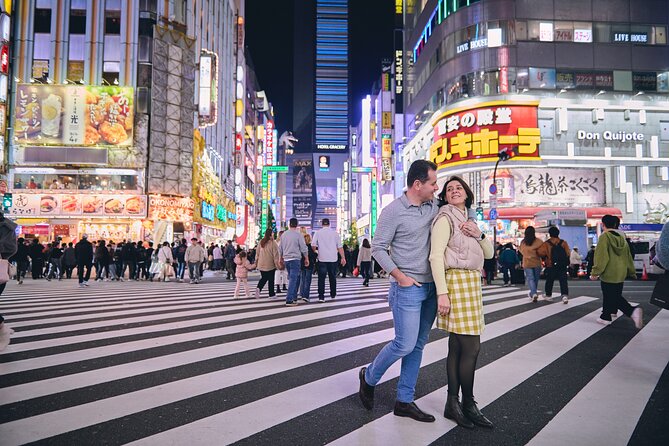
Miyashita Park offers a change of pace. The modern urban space includes greenery, a skate park, cafes, and a shopping complex, combining open areas with the hard edges of central Tokyo.
The planned visit is around 20 minutes. This gives the photo session a different backdrop from Center-gai. Instead of narrow signs and packed sidewalks, you may find cleaner lines, open views, and a blend of recreation and city design.
That contrast is valuable. A good Tokyo photo set should not make every image look alike, and Miyashita Park can provide a more relaxed visual break. It also gives you a chance to vary your poses and clothing angles without relying only on neon signs.
Because the tour is short, do not expect a long exploration of every part of the park. The stop is designed as one section of a larger route, not a full visit to the complex. You will get a taste of its style before moving toward the train and Shinjuku.
The short train ride to Shinjuku
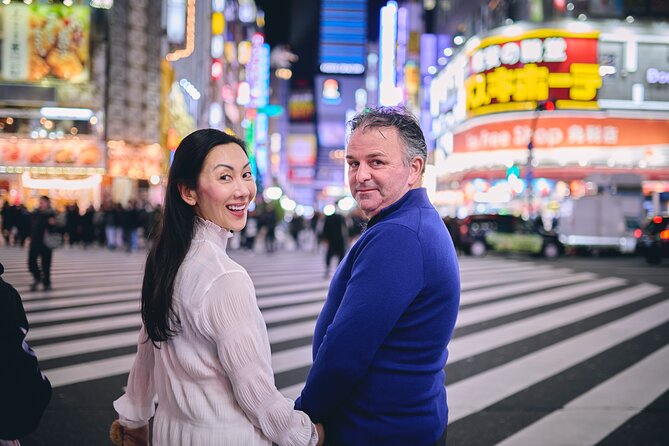
The route from Shibuya to Shinjuku includes a train ride costing ¥170 per person. This fee is not included in the tour price, so keep a little money ready and allow for the fact that the group must board and leave together.
The train transfer is a small but important part of the evening. You are not walking the entire distance between the districts, which makes it possible to cover both areas in only two hours. The trade-off is less time for lingering in Shibuya and a schedule that needs to run cleanly.
If you are prone to arriving late, pay close attention to the meeting time. The tour begins at 8 pm, and the policy is strict: more than five minutes late means you cannot join, receive a refund, or reschedule. The best plan is to reach Hachiko before the start, not rush in at the last moment.
The unnamed station-side alley
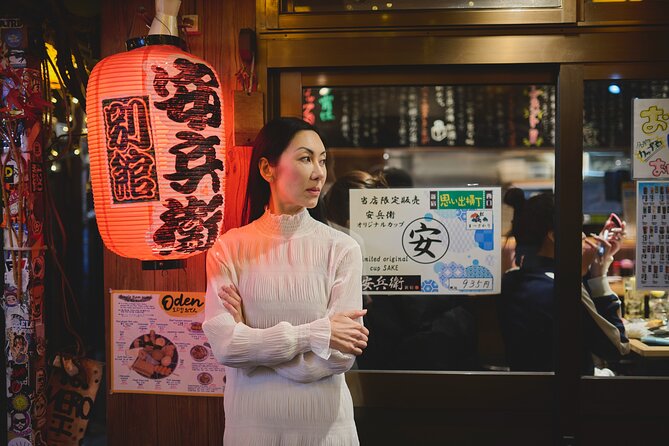
Before Omoide Yokocho, the route includes a narrow alley beside Shibuya Station lined with tiny old-style bars and izakayas. This is a nostalgic look at postwar Tokyo, with compact storefronts and a very different feel from the large commercial streets nearby.
The alley is a useful reminder that Tokyo is not only giant screens and polished shopping centers. Small food and drink places can survive close to the station, creating a more intimate street scene. For photography, the tight passage and older design offer a contrast to the broad crossing and modern Miyashita Park.
The stop is not given a separate time estimate, so you should think of it as part of the walking route rather than a long session. Kenji’s local guidance is helpful here because a narrow alley can be easy to miss if you are exploring alone.
Omoide Yokocho and old-school Shinjuku
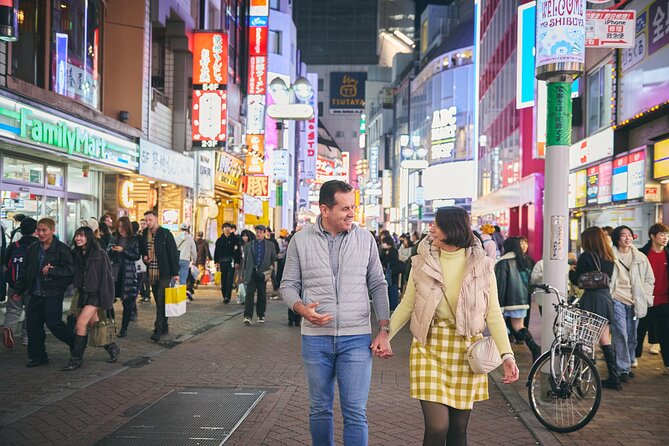
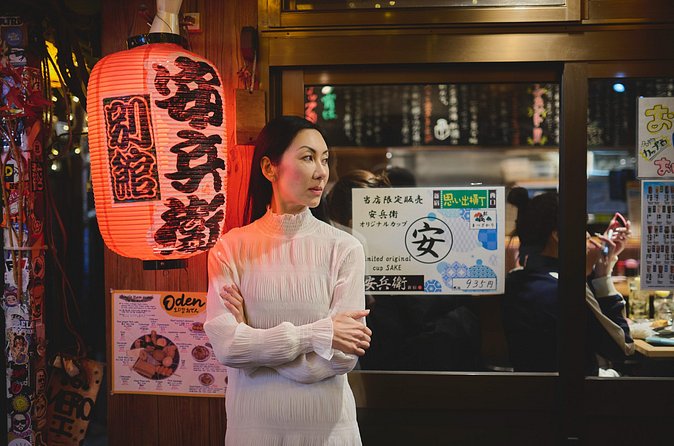
Omoide Yokocho means Memory Lane, and the name fits its character. The alley is known for smoky yakitori stalls, cramped bars, and a worn look that feels far removed from sleek shopping districts.
You have about 20 minutes here. That is enough to capture the close quarters, food stalls, small signs, and warm light, though it may not be enough for a full meal. If you want to eat, ask Kenji for direction, but do not assume dining is part of the tour. The included bottled water is practical, while food and drinks are not listed as included.
This is one of the strongest stops for atmosphere. The rough edges are the point. You get a glimpse of older nightlife in a safe, compact setting, and the narrow alley gives portraits a more intimate background than Shibuya’s giant intersection.
Be respectful with your camera around food stalls and doorways. The space is cramped, and people are there to eat and work. Kenji’s presence should help you judge where to stand and when to move.
Godzilla Road and the edge of Kabukicho
The final stop is Godzilla Road, at the entrance to Kabukicho in Shinjuku. Kabukicho is known as a major entertainment and red-light district, often called Sleepless Town. Neon signs, nightlife businesses, and the area’s famous Godzilla theme give the finish a strong sense of place.
The stop lasts about 20 minutes. It is a fitting finale because the route ends with the biggest shift in mood: from Shibuya’s shopping and youth streets to Shinjuku’s late-night entertainment zone.
You finish at the entrance to Kabukicho, not at a hotel or back at Shibuya Station. That is useful if you plan to continue your night in Shinjuku, but you should plan your own way onward. The experience does not include a return transfer.
Godzilla Road is also a practical endpoint for the photographs. It offers bright signs and a recognizable Tokyo setting, while the Kabukicho entrance gives you a clear sense of where the neighborhood begins. If you are uncomfortable around nightlife districts, remember that the route ends at the entrance rather than promising a longer exploration of every part of Kabukicho.
What Kenji adds to the evening
Kenji is the English-speaking guide and photographer. His role is more than pointing out locations. He helps solo visitors feel at ease, offers advice on poses, and shares city background during the walk.
That combination is important. A photographer can produce nice images but leave you unsure what to do with your hands. A guide can explain a neighborhood but fail to give you useful portraits. Here, the two jobs are combined in a compact format.
You should expect a friendly, practical approach rather than a formal classroom. The group size of up to four keeps the session personal, and the photos are color graded before they are delivered. The stated result is 25 to 50 images per person, a broad range that depends on the pace and conditions of the evening.
The experience has a perfect five-star rating from five published ratings, but that is a small sample. I would treat it as encouraging evidence about Kenji’s manner and photo quality, not as a guarantee that every image will match your personal taste.
Who should book this experience?
I would recommend this walk most strongly to:
- Solo visitors who want proper photos of themselves in Tokyo
- Couples or friends who want edited night portraits
- First-time visitors seeking a quick orientation to Shibuya and Shinjuku
- People who enjoy street photography but want help finding strong settings
- Night owls who prefer Tokyo after dark to daytime sightseeing
It may be less suitable if you want a long food tour, a detailed historical walk, or lots of time at each stop. The route has a firm pace and covers several locations. You also need to be comfortable walking through crowded commercial streets and a major nightlife district.
The activity is near public transportation, and most people can participate. No special photography equipment is specified, so you should not assume that professional camera gear is supplied. The central product is the guided photo session and the edited images.
Practical value, timing, and weather
The $62.13 price is reasonable if you would otherwise pay for a portrait session or struggle to get good pictures alone. It is less compelling if you already have a companion who takes strong photos and you mainly want neighborhood information.
The walk depends on good weather. If poor weather causes a cancellation, you are offered another date or a full refund. You can also cancel for a full refund up to 24 hours before the local start time. Changes or cancellations inside that window are not accepted, so check your evening plans carefully.
Bring comfortable shoes and keep your schedule clear around 8 pm. The tour lasts about two hours, but the strict start policy means you should not squeeze it between a late dinner and another timed booking.
Should you book the Shibuya and Shinjuku photo walk?
Book it if you want a compact night portrait session with real Tokyo settings, especially if you are traveling alone. Kenji’s help with poses, the maximum group size of four, and the promised 25 to 50 color-graded photos give the $62.13 fee a clear purpose.
Skip it if you prefer to explore at your own pace, want a full meal-focused tour, or dislike strict meeting times. The route is quick, the ¥170 train fare is extra, and the evening ends at Kabukicho rather than returning you to your starting point.
For the right visitor, this is a smart way to leave Tokyo with more than memories. You get the crossing, the alleys, the neon, and a set of finished photographs that can show you in the middle of it all.
FAQ
Where does the photography experience start?
It starts at the Hachiko Statue, at 2 Chome-1 Dogenzaka, Shibuya, Tokyo 150-0043, Japan.
What time does the tour begin?
The start time is 8 pm.
How long does the experience last?
The photography walk lasts approximately two hours.
Is the train from Shibuya to Shinjuku included?
No. The train costs ¥170 per person and is paid separately.
How many people can join the experience?
The maximum group size is four travelers.
What is included in the price?
The experience includes bottled water, an English-speaking guide and photographer, and 25 to 50 color-graded photos per person.
Where does the tour finish?
It finishes at the entrance to Kabukicho on Godzilla Road in Shinjuku.
More Shinjuku Nights and Walks
- Tokyo: Shinjuku Food Tour (13 Dishes at 4 Local Eateries)
★ 5.0 · 6,603 reviews - Tokyo Bar Hopping Tour in Shinjuku (All-You-Can-Drink + Dinner)
★ 5.0 · 3,587 reviews - Tokyo: Shinjuku Food Tour (15 Dishes and 4 Eateries)
★ 4.9 · 2,033 reviews - Best of Shinjuku: Izakaya Food Tour (4 Stops, 14+ Tastings)
★ 5.0 · 1,863 reviews
New on our Tokyo list
- Sumi-e Experience in a relaxing green tea shop in Tokyo★ 5.0 · 3 reviews
- Tokyo : Kamikaze Street Drift Ride★ 5.0 · 3 reviews
- Private Zen Meditation in English in Shinjuku, Tokyo★ 5.0 · 3 reviews
- Onsen Spa in Tokyo and Asakusa Bar Hopping with Local Guide★ 5.0 · 3 reviews
- Easy for everyone! Now you can play handmade mini shamisen and show off to everyone! Musical instruments, sweets and live music★ 5.0 · 3 reviews
- Tokyo: Private Tsukiji Street Food & Sake with Local Guide★ 5.0 · 3 reviews
- Mt Fuji Exploration Tour with Free Japanese Kusa Mochi from Tokyo★ 4.5 · 3 reviews
- Tokyo Tsukiji Fish Market Walking and Exploring Hidden Gems Tour★ 5.0 · 3 reviews
Tokyo Photoshoots, compared.
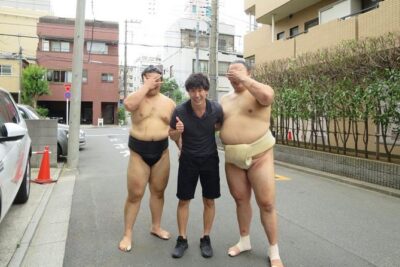
Tokyo Ryogoku Sumo Morning Practice + Photo Shoot with Wrestlers
Read our review →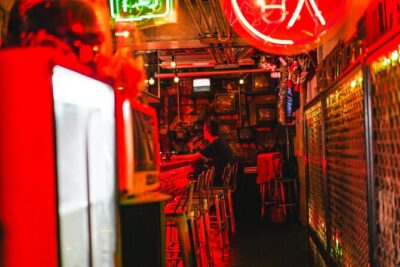
Tokyo by Night Photography Tour (Private Option Available)
Read our review →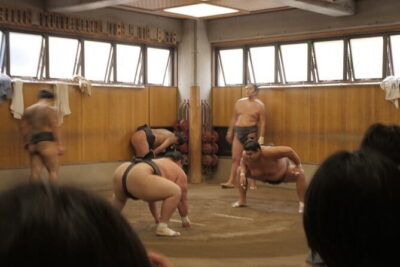
Tokyo Sumo Morning Practice Tour w/ Ring-Side Seat + Photo Shoot
Read our review →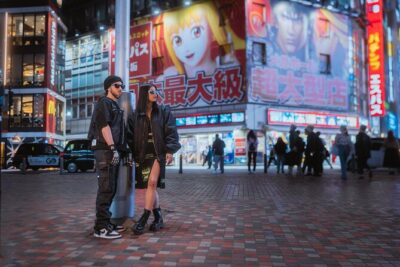
Tour with Pro Tokyo Photographer and take Edgy Unique Portraits
Read our review →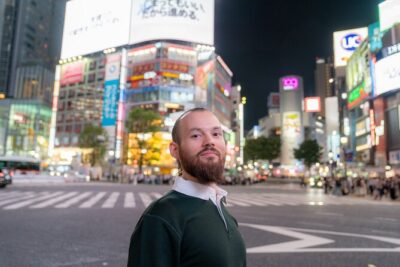
Tokyo Portrait Tour with a Professional Photographer
Read our review →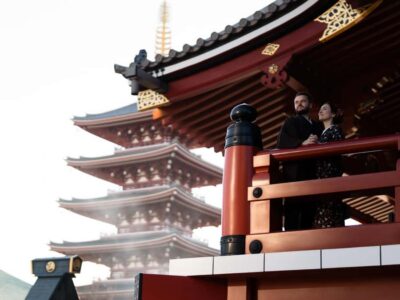
Tokyo Asakusa: Miu Kimono Rental and Optional Photoshoot
Read our review →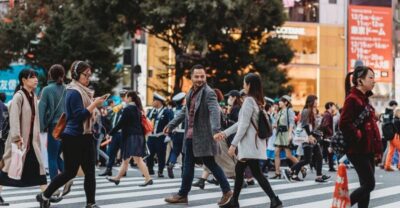
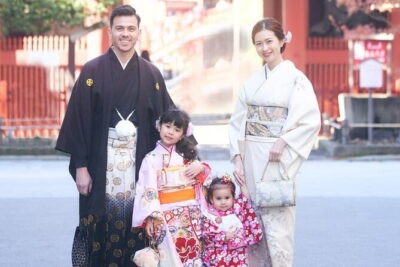
Tokyo Authentic Kimono Rental in Asakusa with Photography Option
Read our review →Browse the lists this tour appears in