Reviewed · FULL-DAY
Tokyo: Full-Day Japanese Garden Private Guided Tour
Tokyo’s best gardens are scattered across the city, and this private tour turns that sprawl into a workable day. You can pair the Imperial Palace gardens with Meiji-Jingu and Shinjuku Gyoen, or ask your guide to focus on quieter places such as Rikugien, Kiyosumi Teien, or Happo-en. The route is yours to shape, which makes this more personal than a fixed sightseeing circuit.
I like the one-to-one guidance and the chance to adjust the pace. Guides such as Yoshi, Hiro, Tachi, Kumi, and Yoko have been praised for planning ahead, explaining transport, and matching the day to each guest’s interests. The main drawback is simple: Tokyo is huge, so a poorly planned route can burn precious hours on trains. One unhappy guest spent much of the day in transit and found two gardens disappointing, so your garden choices matter.
In This Review
- Key points at a glance
- Why a private garden day works in Tokyo
- Starting at the Imperial Palace gardens
- Meiji-Jingu and a quiet teahouse garden
- Shinjuku Gyoen’s three garden styles
- Choosing a quieter garden instead
- Walking, trains, taxis, and the cost of flexibility
- What the guides add to the day
- Accessibility, weather, and the pace of the day
- Who should book this private Tokyo tour?
- Should you book it?
- FAQ
- How long does the Tokyo garden tour last?
- Is the tour private?
- Which languages are available?
- Can I choose the gardens?
- Which gardens can I visit?
- Is hotel pickup included?
- Are transportation costs included?
- Are food and entrance fees included?
- Does the tour operate in bad weather?
Key points at a glance
- Private six-hour format: You get a guide for your own group, not a shared walking party.
- A flexible garden menu: Choose from Imperial Palace gardens, Shinjuku Gyoen, Hama Rikyu, Rikugien, Ueno Park, and several smaller sites.
- Good local help: Your guide can explain Japanese garden design, shrine customs, transport, food, and nearby sights.
- Walking is central: Public transport or a taxi can be arranged, but fares are extra and the day may involve a lot of walking.
- Best for custom plans: The tour works well for first-time Tokyo visitors, garden fans, families, and anyone wanting a slower or more focused day.
- Rain or shine: Bring suitable clothing and shoes, since the experience runs in all weather.
Why a private garden day works in Tokyo
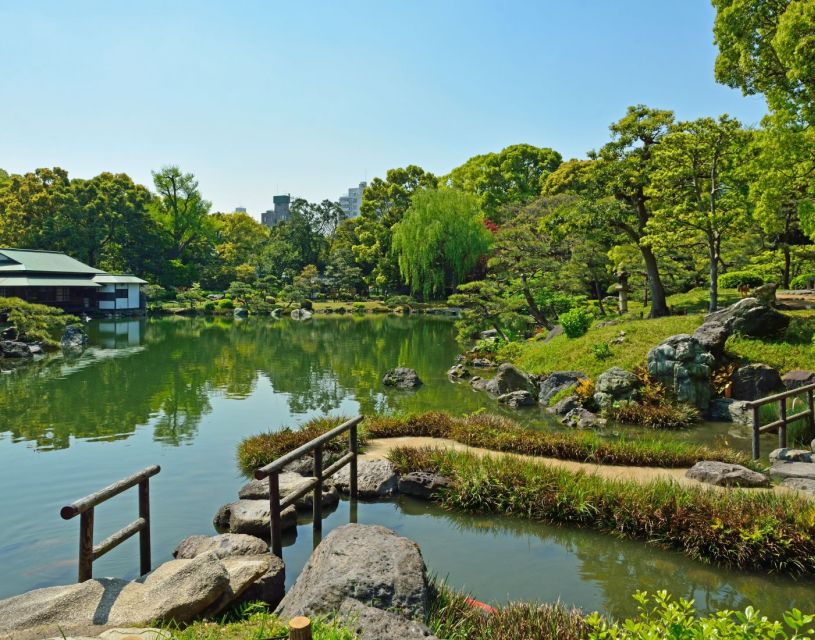
Tokyo’s gardens do not form one tidy district. They are spread between palace grounds, shrine precincts, former estates, public parks, and museum properties. On your own, you can see two or three in a day, but you must work out opening times, train changes, walking routes, and which gardens fit together.
A private guide gives you a human planning service as much as a sightseeing walk. You meet at your hotel or another agreed point, then shape the day around your interests. You might want formal design and seasonal flowers, quiet ponds and tea houses, or a mix of gardens with shrines and city neighborhoods.
That flexibility is the tour’s greatest strength. Yoshi, for example, adjusted timing to match the pace and priorities of his group, while Hiro arranged an efficient route during peak cherry blossom season. The guide can also suggest restaurants, explain transport, and point you toward other Tokyo sights after the tour ends.
The tradeoff is that this is not a polished, fixed presentation with guaranteed stops. Your final plan depends on the conversation with your guide and the practical conditions on the day. If you want a specific garden, say so early and ask your guide to check that it is open.
A few more Tokyo bookings worth comparing
- From Tokyo: Mount Fuji Full-Day Sightseeing Trip
★ 4.5 · 4,970 reviews - Mount Fuji Full-Day Private Tour from Tokyo (Customizable)
★ 4.9 · 1,470 reviews - Tokyo Private Full-Day Tour by Car or Van
★ 5.0 · 684 reviews
Starting at the Imperial Palace gardens
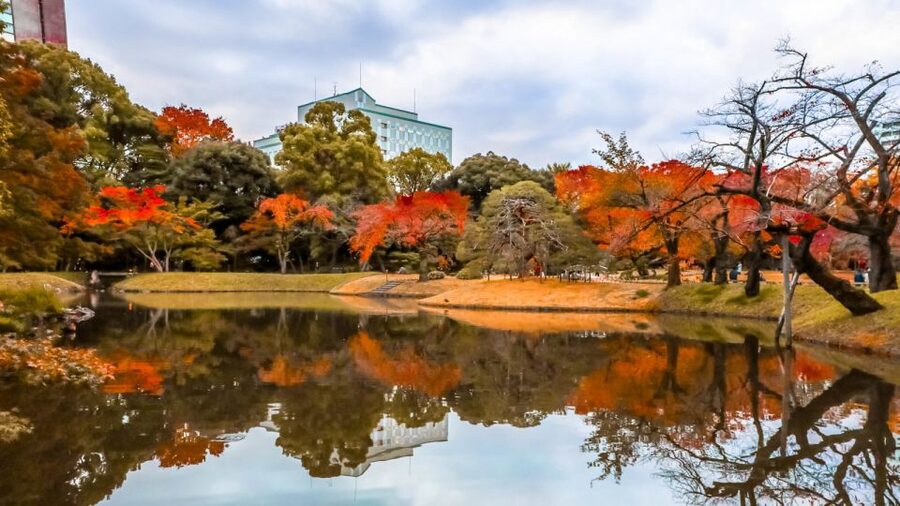
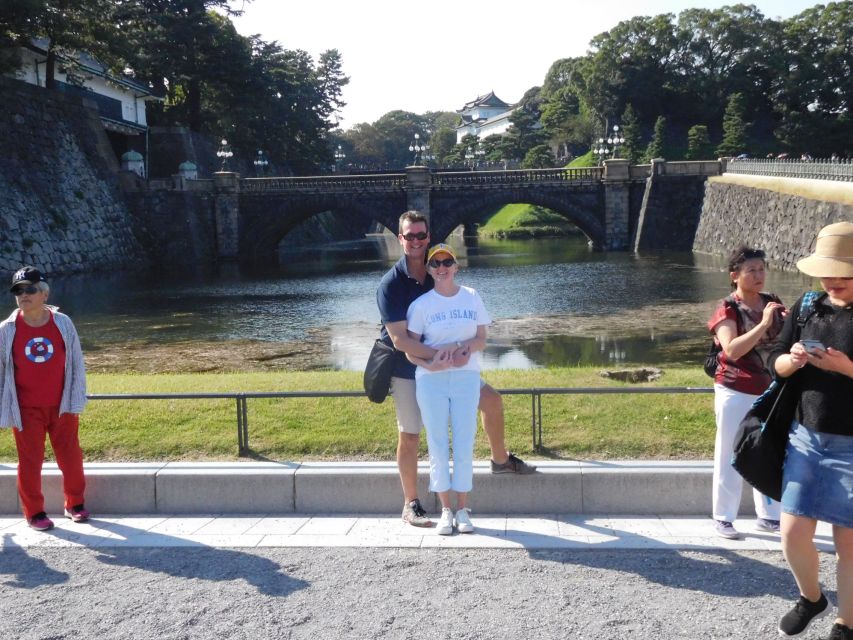
A common first stop is the garden area connected with the Imperial Palace. It offers a graceful introduction to Japanese garden design, with carefully arranged trees, open lawns, stone features, and water. The setting feels formal and spacious, a useful contrast to Tokyo’s crowded streets.
This stop suits you if you want a classic first look at a traditional Japanese garden. Your guide can help you notice the choices that are easy to miss when you simply walk past them: the placement of trees, the balance between open and enclosed areas, and the way views are framed.
Do not expect a single, compact attraction that you can cross off in half an hour. Palace grounds can involve substantial walking, and the exact route depends on which sections are open and included in your plan. Ask about the specific garden area before setting your expectations.
The Imperial Palace gardens also make a sensible starting point because they place you near central Tokyo transport. That matters on a six-hour schedule, when an efficient beginning leaves more time for a second or third garden.
Meiji-Jingu and a quiet teahouse garden
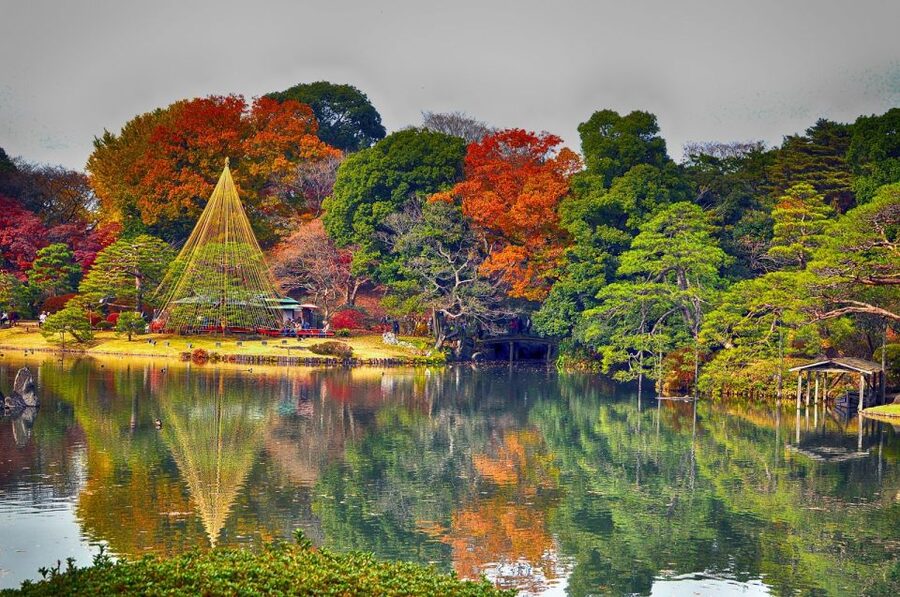
Pairing Meiji-Jingu with garden visits gives the day more variety. Meiji-Jingu is a major Shinto shrine set among trees, and it provides cultural context beyond plants, ponds, and clipped shrubs. Your guide can explain the role of the shrine and help you approach the site with the right manners.
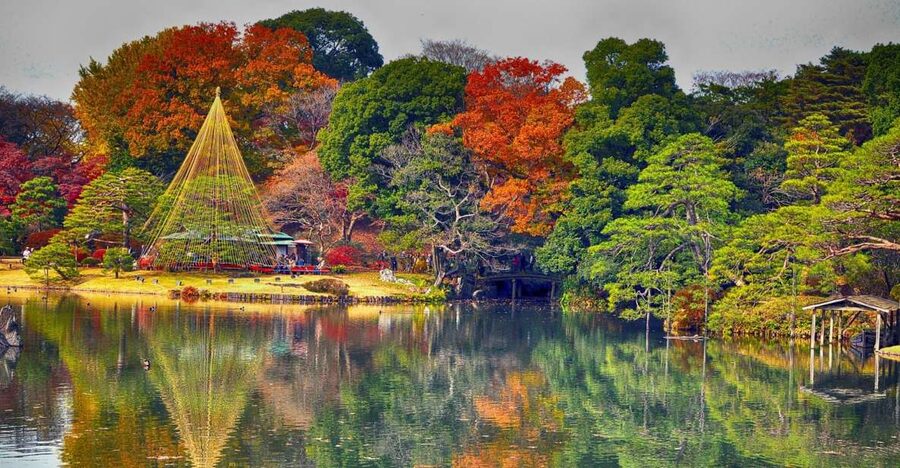
After the shrine, a quieter garden with a pond and charming teahouse can change the mood completely. This type of stop is useful if you want a break from Tokyo’s major sights and prefer a smaller place where the design feels intimate.
The exact garden is not fixed, so you should discuss what you mean by quiet, traditional, formal, or seasonal. Tokyo has gardens with very different characters. Some are broad public parks, while others are compact former estates or museum grounds.
Lunch in Harajuku fits naturally after Meiji-Jingu. You are not locked into a set restaurant or meal, and the area offers many food choices. Food is not included, so you pay directly for lunch, but the freedom is helpful if someone in your group needs a quick meal, a vegetarian option, or a longer sit-down break.
Shinjuku Gyoen’s three garden styles
Shinjuku Gyoen is often the strongest all-round stop because it gives you several styles in one large park. A typical Japanese garden includes ponds, bridges, planted banks, and carefully framed views. A formal French garden uses rows, symmetry, and masses of roses. An English-style garden feels more open and relaxed.
That variety makes Shinjuku Gyoen a smart choice for first-time visitors who are not sure which kind of garden they prefer. You can compare the styles without spending another hour crossing the city. Your guide can also explain how each area creates a different mood and why the planting is arranged as it is.
The park’s size is both its appeal and its challenge. You will see more here than at a small estate garden, but you will also walk farther. During cherry blossom season, the grounds can be crowded. Hiro’s route planning was especially useful at that time, taking his group to the best sakura areas more efficiently than they expected to manage alone.
Season affects the experience. Spring brings blossom crowds, while other months offer different flowers and foliage. The tour runs rain or shine, so check the forecast and wear shoes that can handle several hours on foot.
Same corner of Tokyo, a completely different plan:
- Mt Fuji and Hakone 1-Day Bus Tour Return by Bullet Train
★ 5.0 · 26,383 reviews - 1-Day Tokyo Bus Tour
★ 5.0 · 14,250 reviews - Tokyo: TOKYO SKYTREE® Admission ticket
★ 4.5 · 11,192 reviews - Tokyo: teamLab Planets TOKYO Digital Art Museum Entry Ticket
★ 4.6 · 9,779 reviews
Choosing a quieter garden instead
You are not required to follow the sample route. Your guide can recommend another garden from a broad list:
- Koishikawa Korakuen Garden: A historic-style garden with ponds and carefully composed views.
- Hama Rikyu Gardens: A former estate garden with water and a strong contrast between old garden design and modern Tokyo.
- Rikugien Garden: A refined garden suited to visitors who want a calm, traditional setting.
- Kiyosumi Teien Garden: A pond-centered garden known for its walking route and visual pauses.
- Former Shiba Rikyu Gardens: A compact option that can fit a central Tokyo plan.
- Koishikawa Botanical Garden: A good choice if plant collections interest you more than formal garden scenes.
- Ueno Park: Useful if you want to combine garden time with museums or other attractions.
- Yoyogi Park: A broad urban park that feels less formal than a classic Japanese garden.
- Nezu Museum: A museum and garden pairing for anyone who wants art and garden design together.
- Happo-en Garden: A smaller garden option with a teahouse and pond atmosphere.
These choices are not interchangeable. A garden fan may prefer Rikugien or Koishikawa Korakuen. Someone who wants a break from formal design may favor Yoyogi Park. If you want art as well as plants, Nezu Museum changes the shape of the day.
Because entrance fees are not included, ask your guide which stops carry a charge and how much time each one deserves. The tour price covers the guide, not every admission.
Walking, trains, taxis, and the cost of flexibility
The advertised price is $151 per person for six hours. For a private group, that can be fair value if you want individual attention and help organizing a complicated day. A solo visitor or couple pays more per person than someone in a larger private group, but you gain control over pace, interests, and meal timing.
Transport costs are separate. The tour is primarily a walking experience, with public transport or a taxi available if you wish. Train fares and taxi charges are extra, as are entrance fees and food.
This is where the route needs discipline. Three gardens on opposite sides of Tokyo may sound ambitious, but train transfers and station walks can consume a large part of six hours. I would rather see two excellent gardens with time to notice them than race through three or four.
Tell your guide your top priority before the day begins. If it is Japanese garden design, choose a route with gardens close together. If it is cherry blossom, ask for the best seasonal locations and a plan that limits backtracking. If you want shrines, food, and gardens, accept that you may see fewer garden sites.
Pickup is on foot from your accommodation if it is within a reasonable distance. Your guide can also meet you at a requested train station. The guide is expected in the hotel lobby or station 10 minutes before the scheduled pickup time, so have your phone available for messages and confirm the meeting point in advance.
What the guides add to the day
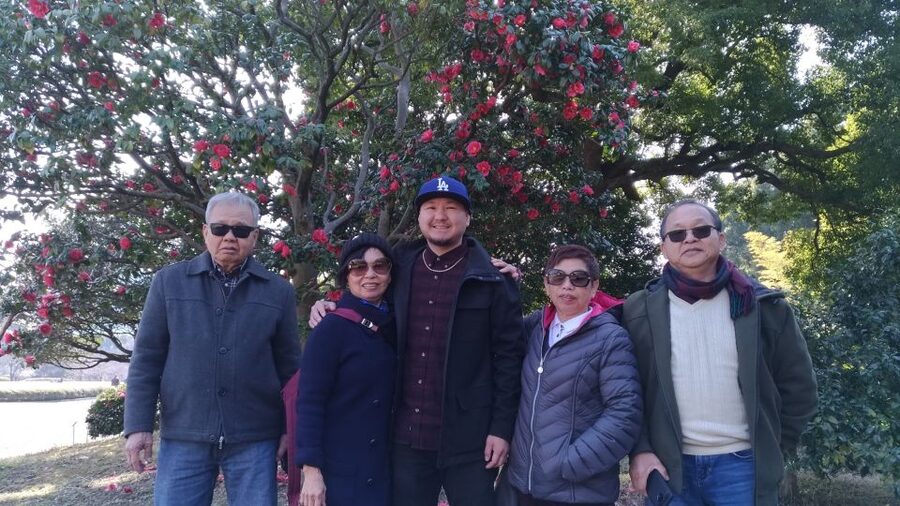
The guide’s role is not only to lead you from gate to gate. A good guide explains what you are seeing, adjusts the order of stops, and keeps the day practical. Yoshi has been especially good at communication before the tour, learning what his group wanted and sharing advice about restaurants and transport. Hiro was praised for prompt hotel pickup and strong route knowledge, while Tachi was valued for making the day highly customizable.
Kumi took a group to a favorite restaurant as part of a garden-focused day, showing how the experience can include local food choices as well as scenery. Yoko also shaped the day around what her group hoped to see and learn.
Guide quality can vary, as it does with any private service, and the available guide is not guaranteed until the local partner confirms the booking. Most guides make contact within seven days. If no guide has accepted, you may receive updates while the partner continues searching up to 24 hours before the start.
That confirmation point is important. Do not treat the booking as fully settled until you hear from the guide or local team. If a guide cannot be found, the partner will contact you. The stated cancellation terms are strict because the activity is non-refundable, but a cancellation 24 hours before the start carries no fee if the guide has not been secured.
Accessibility, weather, and the pace of the day
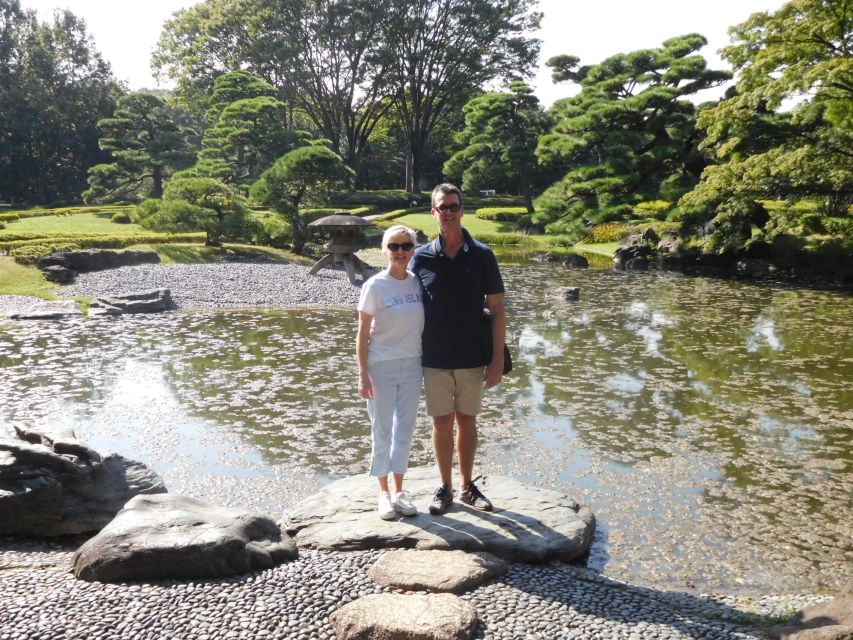
The activity is listed as wheelchair accessible, but gardens differ in paths, slopes, gravel, bridges, and surface quality. Tell the guide about mobility needs before the tour so the route can be adjusted. The private format makes changes easier than they would be in a large group.
Six hours can feel long, especially when several gardens are involved. Build in lunch and short pauses rather than treating every minute as sightseeing time. You can also ask for fewer stops and a slower pace.
The experience operates in rain or shine. A rainy garden can be beautiful, but wet paths and long walks are less comfortable. Bring weather protection and sensible shoes. Since transport is not automatically included, keep some flexibility in the budget for a taxi if conditions make walking unpleasant.
Who should book this private Tokyo tour?
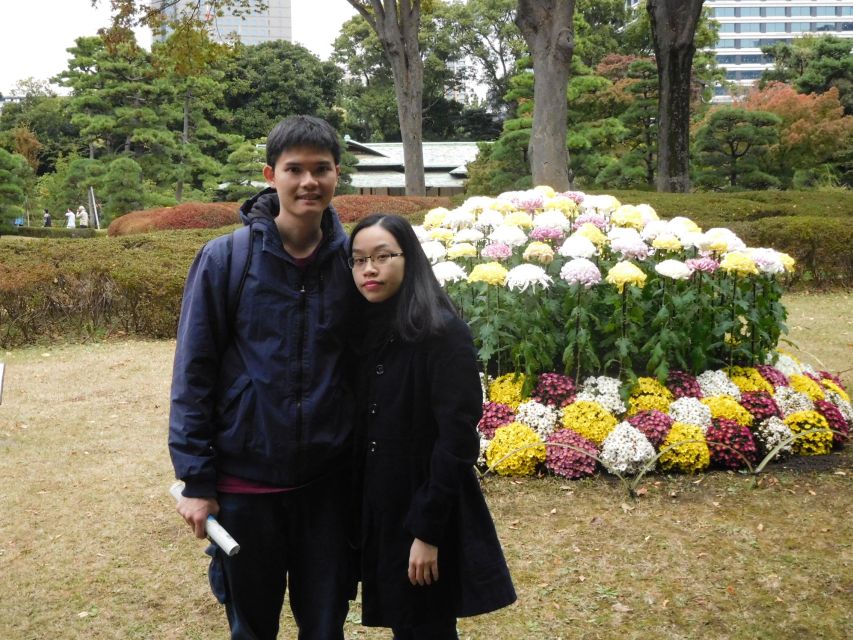
I would recommend it to a first-time Tokyo visitor who wants help making sense of the city’s garden choices. It also suits repeat visitors who already know the major sights and want a more focused day built around plants, ponds, shrines, and traditional design.
Families may appreciate the private pace, especially if children need breaks or the group wants to stop for an unplanned meal. Couples and small groups can use the guide to build a route around photography, seasonal flowers, architecture, or food.
You should think twice if you want a fixed itinerary with guaranteed entry to every advertised garden. You should also be cautious if you dislike public transport, long walks, or paying separately for admissions and fares. A self-guided day may cost less, but it will require you to handle the route and cultural explanations yourself.
Should you book it?
Book this tour if personal planning and local guidance matter more to you than a low base price. The best use of the six hours is a focused route with two or three well-chosen stops, not a race across Tokyo.
Before confirming, tell the guide your favorite garden style, walking limits, food needs, and must-see locations. Ask how the gardens fit together and what extra costs to expect. If the plan is clear, this private day can give you a calm, thoughtful look at Tokyo’s gardens that is hard to assemble on the fly.
FAQ
How long does the Tokyo garden tour last?
The private tour lasts six hours.
Is the tour private?
Yes. All bookings are private, and the tour is arranged for your own group.
Which languages are available?
The tour is offered with a live guide in English or Japanese.
Can I choose the gardens?
Yes. The experience can be personalized, and you can choose gardens based on your interests or let your guide plan the route.
Which gardens can I visit?
Possible choices include the Imperial Palace gardens, Shinjuku Gyoen, Meiji-Jingu, Koishikawa Korakuen, Hama Rikyu, Yoyogi Park, Rikugien, Ueno Park, Koishikawa Botanical Garden, Kiyosumi Teien, Former Shiba Rikyu Gardens, Nezu Museum, and Happo-en Garden.
Is hotel pickup included?
Pickup on foot is included if your accommodation is within a reasonable distance. You can also request a meeting at a train station.
Are transportation costs included?
No. Public transportation and taxi costs during the tour are extra. Transportation can be arranged according to your wishes.
Are food and entrance fees included?
No. You pay separately for food, drinks, and entrance fees.
Does the tour operate in bad weather?
Yes. The experience runs rain or shine.
New on our Tokyo list
- Sumi-e Experience in a relaxing green tea shop in Tokyo★ 5.0 · 3 reviews
- Tokyo : Kamikaze Street Drift Ride★ 5.0 · 3 reviews
- Private Zen Meditation in English in Shinjuku, Tokyo★ 5.0 · 3 reviews
- Onsen Spa in Tokyo and Asakusa Bar Hopping with Local Guide★ 5.0 · 3 reviews
- Easy for everyone! Now you can play handmade mini shamisen and show off to everyone! Musical instruments, sweets and live music★ 5.0 · 3 reviews
- Mt Fuji Exploration Tour with Free Japanese Kusa Mochi from Tokyo★ 4.5 · 3 reviews
- Tokyo Tsukiji Fish Market Walking and Exploring Hidden Gems Tour★ 5.0 · 3 reviews
- Tokyo: Private Tsukiji Street Food & Sake with Local Guide★ 5.0 · 3 reviews
Full-Day, compared.

Mount Fuji Full-Day Private Tour from Tokyo (Customizable)
Read our review →
Mt. Fuji, Hakone Full-Day Private Tour with English Driver Guide
Read our review →
Nikko Full-Day Private Tour with Government-Licensed Guide
Read our review →