Reviewed · FULL-DAY
Tokyo full day private tour with Guide
Tokyo is a huge city, and this private tour tries to take in nearly all of its headline sights in one long day. You can start with Tsukiji’s food streets, move through old Asakusa, pause at the Imperial Palace, then cross town to Meiji Shrine, Shibuya, Odaiba, and Tokyo’s famous towers. A private car saves time on transfers and gives you room to adjust the plan.
I like the door-to-door pickup and the choice of luxury vehicles, especially for families or small groups carrying luggage. I also like the freedom to shape the day instead of following a fixed bus route. The main caution is important: the published schedule is crowded, and one rating describes a pleasant chauffeur who provided transport but little actual guiding. Confirm the guide service before paying.
In This Review
- Key points at a glance
- A big Tokyo day, with a small-group feel
- Tsukiji food streets: a useful first stop
- Sensō-ji and Asakusa: Tokyo’s old center
- The Imperial Palace and East Gardens
- Meiji Shrine: quiet woods in the city
- Shibuya Crossing: Tokyo in motion
- Odaiba and Tokyo Bay
- Tokyo Skytree and Tokyo Tower
- What the private vehicle adds
- Driver-guide or true guided tour?
- Comfort, timing, and accessibility
- Who should book it?
- Should you book this Tokyo tour?
- FAQ
- How long does the private Tokyo tour last?
- What destinations are included?
- Is hotel pickup and drop-off included?
- What kind of vehicle is used?
- Which languages are available?
- Are Tokyo Skytree and Tokyo Tower admission tickets included?
- Can the itinerary be changed?
Key points at a glance
- Tsukiji comes early: You have about an hour to explore food stalls, shops, and small eateries in Tokyo’s famous food district.
- A private car links far-flung sights: Hotel pickup, fuel, highway taxes, and drop-off are included.
- The route is adjustable: You can request changes, though the number of listed stops makes a full day very tight.
- Luxury vehicles are offered: Transport may be by Toyota Vellfire, Toyota Crown, or Land Cruiser.
- The guide question matters: English, Hindi, Japanese, Urdu, Punjabi, Spanish, Vietnamese, and Bengali are listed, but the guide’s name is not supplied.
- The rating is mixed: The overall score is 3.6 from eight ratings, with strong praise for a smooth day and a serious complaint about limited explanations.
A big Tokyo day, with a small-group feel
At $329 per group of up to two people, this is not priced like a basic shared sightseeing bus. It is a private service with a vehicle, driver, hotel pickup, and a route that can be adjusted to your interests. For two people, the cost works out to $164.50 each before any extras such as food or paid observation decks.
The value depends on what you want from the day. If your priority is seeing many famous places without learning Tokyo’s train system, the car is useful. If you want long temple visits, careful neighborhood walks, or a specialist guide at every stop, the packed schedule may disappoint.
The published details call the experience both nine hours and approximately ten hours. The stop list also repeats Sensō-ji Temple and adds enough one-hour visits to make the timing difficult. Ask for a precise pickup time, route, and stop plan before you go.
A few more Tokyo bookings worth comparing
- From Tokyo: Mount Fuji Full-Day Sightseeing Trip
★ 4.5 · 4,970 reviews - Mount Fuji Full-Day Private Tour from Tokyo (Customizable)
★ 4.9 · 1,470 reviews - Tokyo Private Full-Day Tour by Car or Van
★ 5.0 · 684 reviews
Tsukiji food streets: a useful first stop
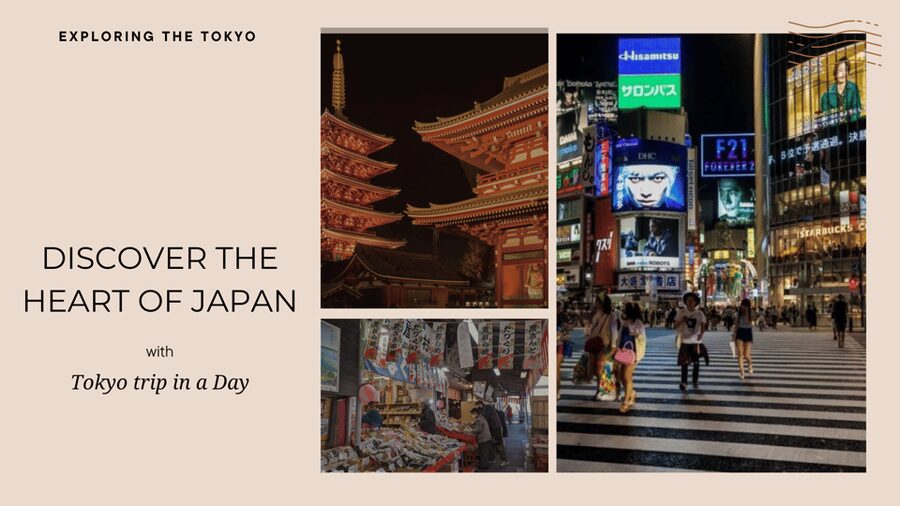
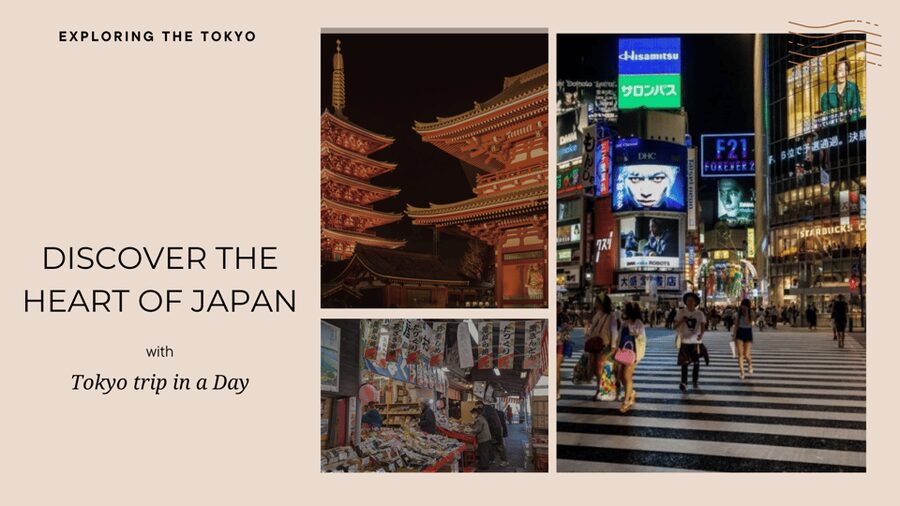
Tsukiji is now best known for its outer market, where narrow streets hold food shops, restaurants, and stores selling ingredients and kitchen goods. The area is connected with traditional Japanese cooking, but it also reflects newer food trends.
You have about one hour here. That is enough for a quick look and perhaps a meal or snack, but not enough for every shop, food activity, and fish-cutting lesson described in the general tour material. Those activities are presented as possibilities, not guaranteed inclusions.
I would use this stop to focus your appetite. You can look for prepared food, browse specialist shops, and ask your guide about what you are seeing. Bottled water, coffee, and tea are included, which is handy at the start of a long day, but your own market purchases are not listed as included.
Sensō-ji and Asakusa: Tokyo’s old center
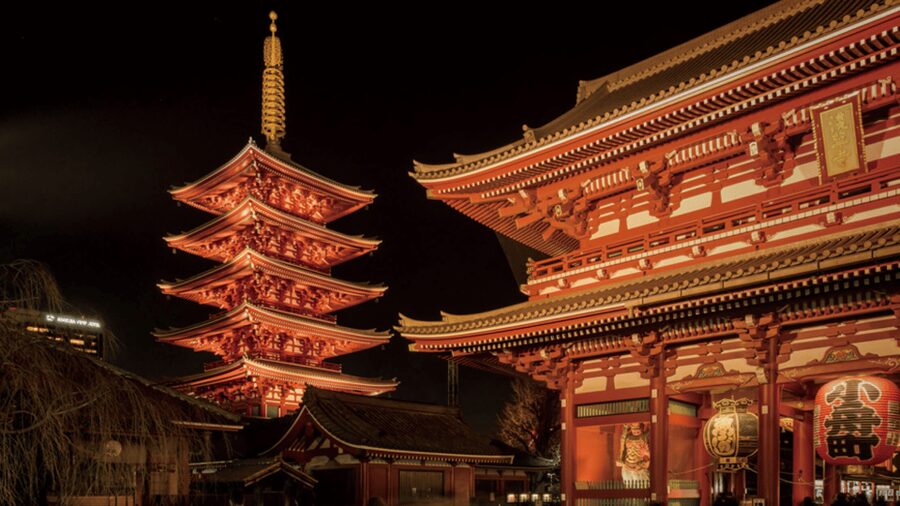
Sensō-ji is devoted to Kannon, the Buddhist figure associated with mercy, and it is one of Tokyo’s oldest temples. Its gates, statues, worship spaces, gardens, and traditional market streets give you a clear change of pace from the modern city.
The schedule lists Sensō-ji twice, once for 105 minutes and again for an hour. This may be a duplication rather than two separate visits. Confirm it, because the difference affects how much time you will have elsewhere.
A guided visit should explain the meaning of the temple buildings and how to behave around the worship areas. That is where the quality of the guide matters most. One low rating describes a driver who pointed out where to walk but offered no useful explanation of the temple or its dates. If cultural context is important to you, ask directly if the chauffeur will leave the vehicle and guide you on foot.
The Imperial Palace and East Gardens
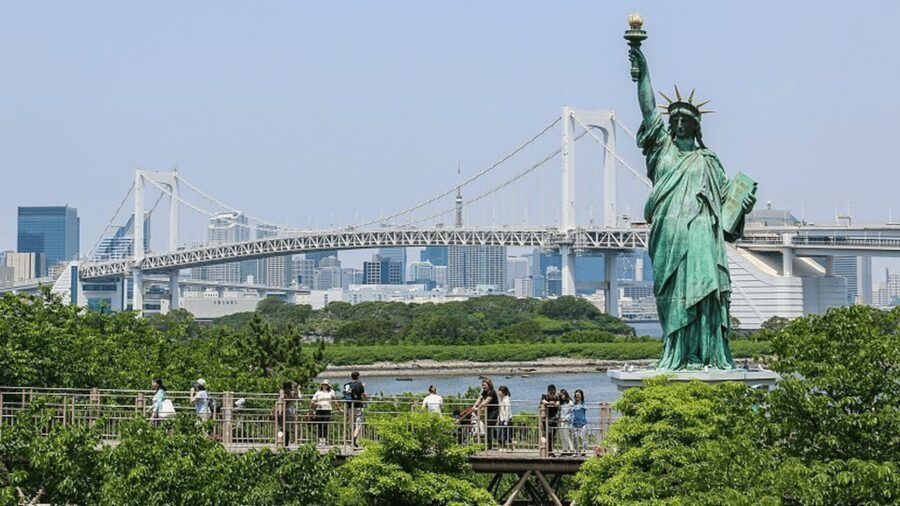
The Imperial Palace has served as the formal home of Japan’s emperors since 1868. The palace complex itself has restricted areas, while the East Gardens are open to the public. You are scheduled for one hour at the palace and another hour at the East Gardens.
This is a sensible pairing if you want a short introduction to Japan’s imperial center. The East Gardens give you more room to walk and see the grounds, while the main palace area is more about location, ceremony, and the role of the imperial household.
Do not expect two hours of nonstop palace interiors. The supplied information specifically identifies the East Gardens as accessible to the public, so much of your visit will be outdoors. Comfortable shoes matter, particularly if you also walk around Asakusa, Meiji Shrine, and Odaiba.
Same corner of Tokyo, a completely different plan:
- Mt Fuji and Hakone 1-Day Bus Tour Return by Bullet Train
★ 5.0 · 26,383 reviews - 1-Day Tokyo Bus Tour
★ 5.0 · 14,250 reviews - Tokyo: TOKYO SKYTREE® Admission ticket
★ 4.5 · 11,192 reviews - Tokyo: teamLab Planets TOKYO Digital Art Museum Entry Ticket
★ 4.6 · 9,779 reviews
Meiji Shrine: quiet woods in the city
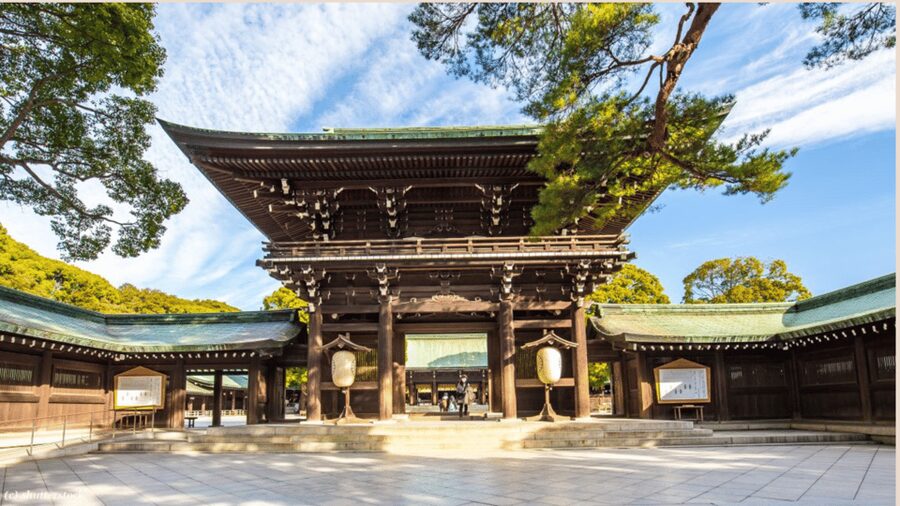
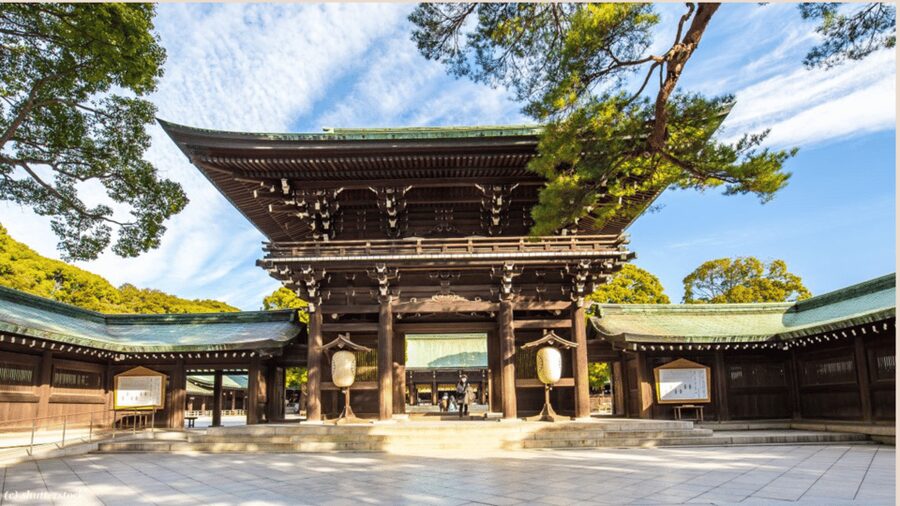
Meiji Shrine sits in a 70-hectare forest in central Tokyo. Its setting is the attraction: after the traffic and screens of the city, you enter a broad, wooded shrine district dedicated to Emperor Meiji and Empress Shoken.
The shrine was founded in 1920 to honor their role in Japan’s modernization. The one-hour visit gives you time to walk through the grounds and see the shrine setting without rushing through in a few minutes.
Opening hours change with the seasons, so your starting time matters. The operator says the shrine is open daily, but it does not provide a single fixed opening hour. Your chauffeur should confirm the day’s order if the route needs to change.
Shibuya Crossing: Tokyo in motion
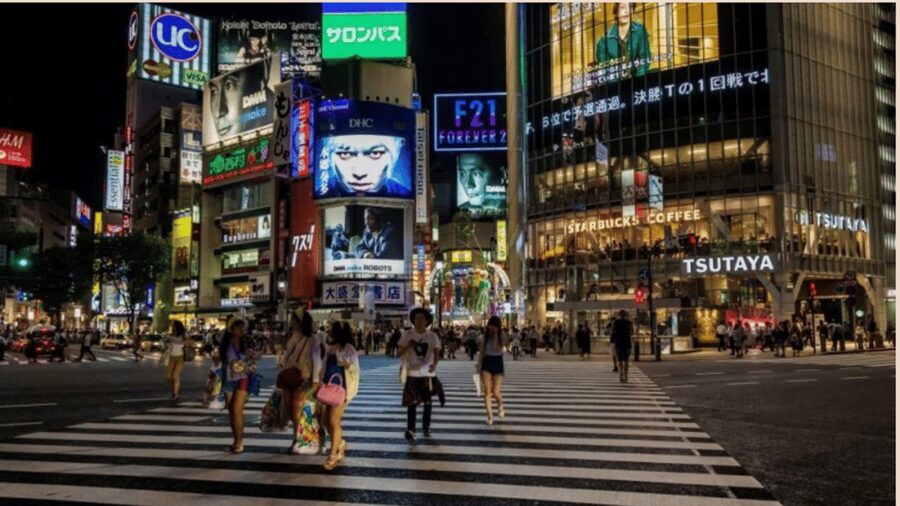
Shibuya Crossing is the quick visual hit on this route. When the signals change, people move across the broad junction from several directions, surrounded by large screens, signs, and high-rise buildings. It is a place to see Tokyo’s modern energy rather than a site with a long visit inside.
You have one hour with a guided visit. That gives you time to view the crossing, walk around the station area, and take photographs. The tour does not specify a particular viewing building or ticketed viewpoint, so ask where the guide plans to take you.
This is also a good test of the private-tour format. A useful guide can explain the district and help you find the best public vantage point. A driver who only drops you off may leave you to work out the area alone.
Odaiba and Tokyo Bay
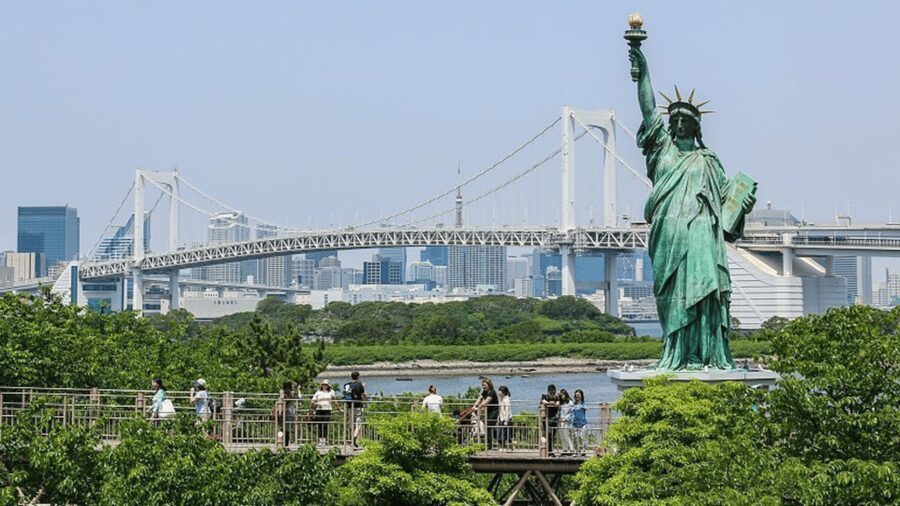
Odaiba is a man-made island in Tokyo Bay used for shopping and leisure. Its artificial fort islands date to the late Edo period, when Tokyo’s defenses were strengthened against possible attacks from the sea.
The two-hour stop is the longest on the route. That makes sense because Odaiba is spread out and offers more than one type of visit. You can use the time for shopping, a walk, views across the bay, or a slower break from the rapid pace of the morning.
The exact activities are not specified, so this is one of the stops where customization is especially useful. Tell the operator if you want shopping time, sightseeing, or a meal. Do not assume admission to attractions or purchases are included, since only transport, listed visits, fuel, highway taxes, and refreshments are stated as included.
Tokyo Skytree and Tokyo Tower
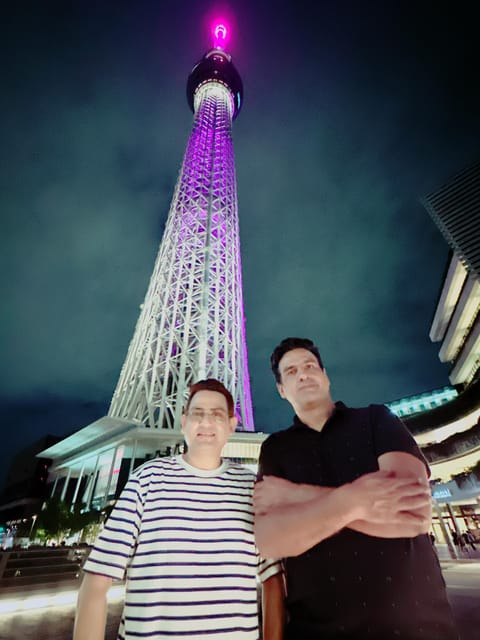
Tokyo Skytree reaches 634 meters and opened in 2012 as a communications and broadcasting tower. Its public observation areas are the Tembo Deck and Tembo Galleria, with the Galleria arranged over two levels and linked by a curved ramp.
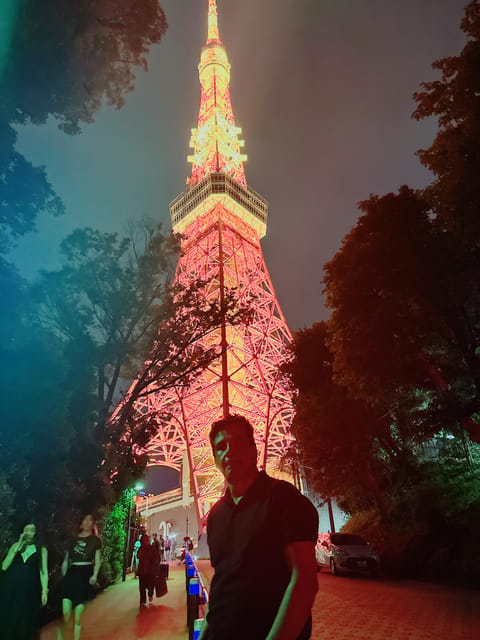
Tokyo Tower offers a different visual symbol of the city. The schedule allows one hour at Skytree and one hour at Tokyo Tower, but it does not say that observation-deck admission is included. Ask about tickets before the day begins.
Visiting both towers can be fun, but it uses a lot of time. You are paying for two separate city views while also trying to cover seven or more other destinations. If you prefer a deeper experience, I would consider choosing one tower and giving the saved hour to Asakusa, Meiji Shrine, or Odaiba.
What the private vehicle adds
The private vehicle is the clearest practical reason to choose this tour. Tokyo’s major sights are spread across different districts, and a driver can take you from Tsukiji to Asakusa, the palace area, Shibuya, and Odaiba without repeated station changes.
Air conditioning, hotel pickup and drop-off, fuel, and highway taxes are included. The listed vehicles are the Toyota Vellfire, Toyota Crown, and Land Cruiser. These are described as luxury transport, but the exact vehicle depends on availability, so confirm your vehicle if that matters to you.
The tour is for a private group, with the advertised price covering up to two people. The details do not state the price for larger groups, so ask for the total before booking if you have more than two people.
Driver-guide or true guided tour?
This is the point I would settle before booking. The activity is sold with an experienced English-speaking chauffeur, and a live guide is listed in eight languages. Yet no guide name is provided, and one two-star account describes a driver who stayed with the car and gave directions rather than explanations.
That complaint does not prove every booking works the same way. The strongest ratings praise an excellent guide and a day where everything went well. Still, the difference between a chauffeur and a walking guide is large.
Send these questions in writing:
- Will the guide enter each attraction with you?
- Will the guide explain the history and religious meaning of the temples?
- Is the person driving also the guide?
- Are admission tickets included at Tokyo Skytree and Tokyo Tower?
- Which language will be used for the full day?
- How many stops can realistically fit into nine or ten hours?
A clear answer will tell you much about what to expect.
Comfort, timing, and accessibility
The tour is listed as wheelchair accessible, which is useful for anyone who needs private transport between districts. The supplied details do not explain the vehicle’s exact wheelchair setup or how much assistance is available at each attraction, so confirm those points in advance.
The experience is not suitable for people over 95. That is a firm restriction in the booking information. The tour also involves walking at markets, temples, shrine grounds, gardens, and urban crossings, so your group should be comfortable with repeated short walks.
Free cancellation is available up to 24 hours before the start time, and you can reserve now and pay later. Those policies help if your Tokyo plans are still shifting, but they do not solve the central scheduling issue. The route needs a realistic plan.
Who should book it?
I would consider this tour if you have one open day in Tokyo, want private hotel transfers, and care more about seeing major landmarks than spending half a day at one temple or neighborhood. Families, first-time visitors, and small groups who prefer a car may find the arrangement convenient.
I would be more cautious if your main goal is expert cultural interpretation. In that case, the guide’s role needs to be confirmed in writing. You may also prefer a shorter route with fewer stops and more time on foot.
Should you book this Tokyo tour?
Book it if the private vehicle and flexible route are worth the $329 group price to you. The best version of this day gives you a comfortable way to connect Tokyo’s food district, old temple quarter, imperial grounds, shrine forest, bayfront, crossing, and towers.
Do not book without clarifying the guide service, entrance fees, duplicate Sensō-ji listing, and realistic duration. The rating of 3.6 from eight ratings reflects that split: the day can be smooth and enjoyable, but a chauffeur who only provides transfers is not the same as a guide who helps you understand Tokyo.
FAQ
How long does the private Tokyo tour last?
The activity is described as nine hours, while the included services also call it approximately ten hours. Check the available starting times and confirm the exact duration with the operator.
What destinations are included?
The route includes Tsukiji Fish Market, Sensō-ji Temple, Tokyo Imperial Palace, Meiji Shrine, Odaiba, Imperial Palace East Gardens, Shibuya Crossing, Tokyo Skytree, and Tokyo Tower. Sensō-ji appears twice in the supplied schedule.
Is hotel pickup and drop-off included?
Yes. Pickup and drop-off in Tokyo are included, along with a private vehicle and driver.
What kind of vehicle is used?
The listed luxury vehicles are the Toyota Vellfire, Toyota Crown, and Land Cruiser. Confirm which vehicle is available for your booking.
Which languages are available?
Live guiding is listed in English, Hindi, Japanese, Urdu, Punjabi, Spanish, Vietnamese, and Bengali.
Are Tokyo Skytree and Tokyo Tower admission tickets included?
The included services list visits to both towers but do not state that observation-deck admission is included. Ask the operator to confirm ticket coverage.
Can the itinerary be changed?
Yes. Flexible itinerary customization is included. Because the schedule contains many stops, ask the operator to create a realistic route for your preferred sights.
New on our Tokyo list
- Sumi-e Experience in a relaxing green tea shop in Tokyo★ 5.0 · 3 reviews
- Tokyo : Kamikaze Street Drift Ride★ 5.0 · 3 reviews
- Private Zen Meditation in English in Shinjuku, Tokyo★ 5.0 · 3 reviews
- Onsen Spa in Tokyo and Asakusa Bar Hopping with Local Guide★ 5.0 · 3 reviews
- Easy for everyone! Now you can play handmade mini shamisen and show off to everyone! Musical instruments, sweets and live music★ 5.0 · 3 reviews
- Tokyo Tsukiji Fish Market Walking and Exploring Hidden Gems Tour★ 5.0 · 3 reviews
- Tokyo: Private Tsukiji Street Food & Sake with Local Guide★ 5.0 · 3 reviews
- Mt Fuji Exploration Tour with Free Japanese Kusa Mochi from Tokyo★ 4.5 · 3 reviews
Full-Day, compared.

Mount Fuji Full-Day Private Tour from Tokyo (Customizable)
Read our review →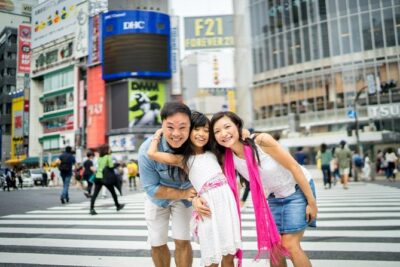
Mt. Fuji, Hakone Full-Day Private Tour with English Driver Guide
Read our review →
Nikko Full-Day Private Tour with Government-Licensed Guide
Read our review →