Reviewed · TOURS
Tokyo: Horse Racing Tour with Local Fan
Japanese horse racing gives you a side of Tokyo that most visitors never see. Instead of another packed shopping street or tower observatory, you spend time at a real racecourse, surrounded by local fans, horses, betting slips, food stalls, and the sudden roar of a crowd as the gates open.
I like two things right away: Eito makes the Japanese betting system understandable, and the event feels like a real local outing rather than a staged cultural show. You can also buy beer, sake, cocktails, karaage, yakitori, and other Japanese snacks as the races unfold.
The main thing to consider is that food, drinks, bets, and train fares cost extra. You also need cash in Japanese yen, and the racecourse changes with the date. This is a better fit for curious adults who enjoy live sport and a little risk than for anyone seeking a quiet sightseeing afternoon.
In This Review
- Key points at a glance
- Why Japanese horse racing feels different
- Meeting Eito and getting inside
- Choosing the right racecourse for your date
- Learning the Japanese betting system
- Watching the races from reserved seating
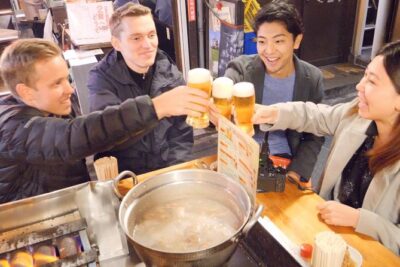
- Food, sake, cocktails, and racecourse snacks
- What the $60 price really covers
- Who will enjoy this most
- Practical advice before you book
- Should you book the Tokyo horse racing tour?
- FAQ
- What racecourse does the tour visit?
- Is the guide available in English?
- Is admission included?
- Do I need to know anything about horse racing?
- Are food and drinks included?
- Are betting costs included?
- Can I cancel the booking?
Key points at a glance
- The venue changes by day: Weekend dates usually use Tokyo Racecourse or Nakayama Racecourse, while weekday dates use Oi or Kawasaki Racecourse.
- Eito guides you through the system: He explains horses, jockeys, betting choices, and the race process in clear English.
- You receive the admission ticket in person: Your GetYourGuide voucher alone does not permit entry.
- Reserved seating is provided when available: The guide meets you at the designated point and gives you the seat ticket.
- Betting is part of the activity, not an included extra: Bring yen and decide your own spending limit.
- Japanese food and drinks add to the day: Buy what you want at the racecourse, from street food to drinks and seasonal snacks.
Why Japanese horse racing feels different
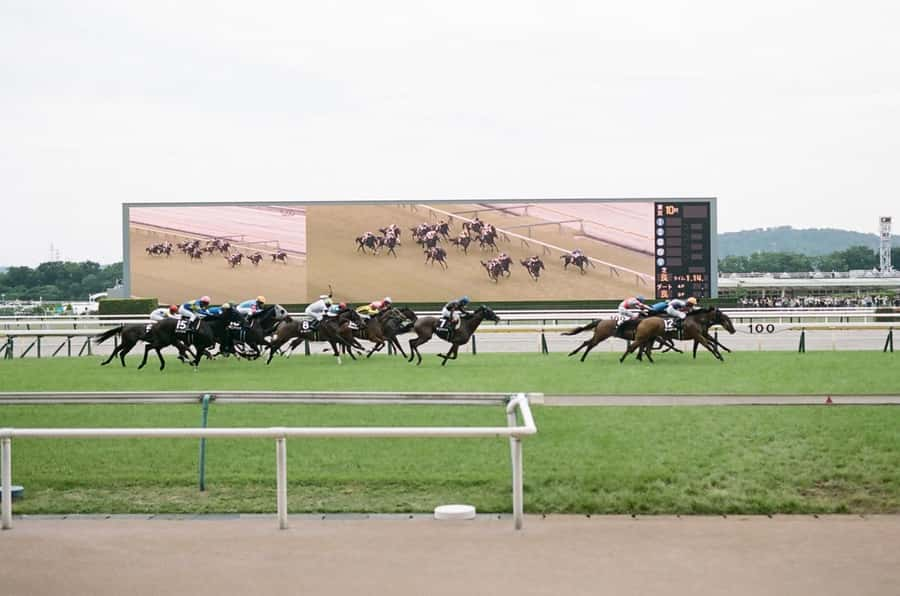
Horse racing in Japan is not simply a few minutes of action followed by a long wait. The racecourse is a social place where people study the form, compare horses, make small bets, eat, drink, and talk through the next race.
For you, the appeal is cultural as much as sporting. The signs and machines are mainly in Japanese, and the betting choices can be confusing even if you already understand racing elsewhere. An English-speaking local changes the whole experience. You can ask questions at the exact moment they matter, then follow the action with a better sense of what you are watching.
The racecourses also offer a useful contrast with central Tokyo. You are not being led from one famous photo stop to another. You are taking part in a pastime enjoyed by millions of Japanese people, in a setting most short-term visitors skip.
I especially like that this tour does not assume you already know racing. Complete beginners can learn the basics, while regular racegoers can compare Japanese racing with systems in places such as New Zealand, Australia, and Hong Kong.
A few more Tokyo bookings worth comparing
- Horse Racing Tour with Local Fans in Tokyo Racecourse
★ 5.0 · 8 reviews - Horse Racing Tour with Local Fans in Tokyo, Oi Racecourse
★ 5.0 · 5 reviews
Meeting Eito and getting inside
Your guide meets you at the designated meeting point while holding a sign with your name. You should send a text when you arrive. The meeting details matter here because the voucher on your phone is not the actual admission ticket.
Eito provides the reserved seat ticket in person and accompanies you into the racecourse. Entry is only possible when you are with the guide, so do not head off on your own expecting to scan the voucher at the gate.
This arrangement is practical, not just friendly. Japanese racecourses can be hard to navigate if you cannot read the signs or understand the ticketing machines. Eito also helps with the train journey to Tokyo Racecourse, according to the tour information from past outings, which is useful when you are unfamiliar with the route and local station system.
No group size is specified, so you should not book this expecting a private outing unless that is confirmed separately. The guide is available throughout the event, which gives you a chance to ask questions as the day develops.
Choosing the right racecourse for your date
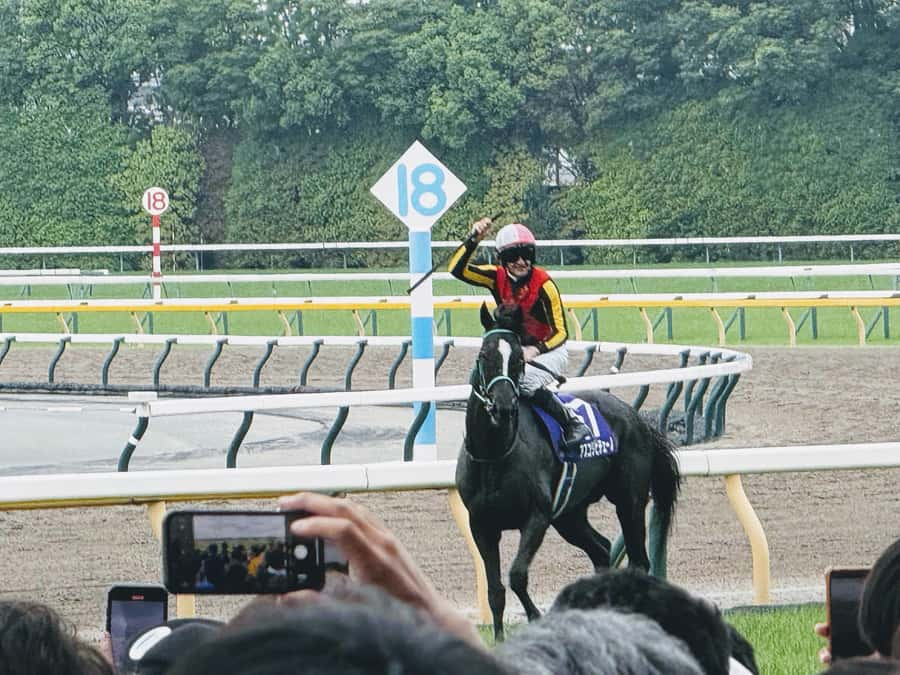
The venue is not fixed. That is one of the most important details to check before you pay.
On weekends, the tour typically visits one of two major venues:
- Tokyo Racecourse
- Nakayama Racecourse
On weekdays, the usual choices are:
- Oi Racecourse
- Kawasaki Racecourse
The exact racecourse appears when you select a date. This can affect your train route, meeting point, atmosphere, and the feel of the day, so check the booking page carefully before committing.
Do not assume every date offers the same sort of outing. The information describes weekday and weekend venues separately, and one past account refers to an evening of racing. Your start time and setting may therefore vary with the race schedule. Treat the selected date as part of the product, not a minor detail.
The changing venue is also a plus. It means the tour follows the local racing calendar instead of sending every booking to the same place regardless of the event. The tradeoff is that you need to pay attention to the details.
Learning the Japanese betting system
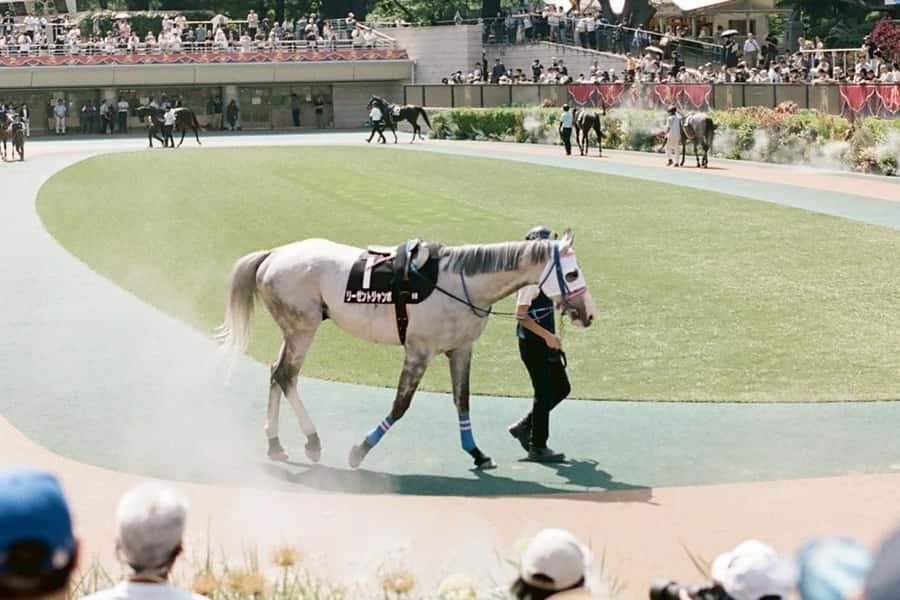
The first challenge is understanding how to place a bet. Japanese racecourses generally explain the process in Japanese, so the machines and forms can be a wall for English speakers.
Eito breaks down the choices in plain English. He can explain the basic rules, betting options, horses, and jockeys, then help you make your selection. Several parts of the experience depend on this assistance. Without it, you might watch an exciting race but miss the fun of taking part.
I recommend starting with a small amount, especially if you are new to racing. The tour price does not include betting, and every yen you wager is your own expense. Think of a bet as the cost of adding a little suspense, not as a way to fund the rest of your Japan trip.
You may come close to winning more than once, but there is no promise of a payout. The sensible plan is to set a cash limit before the first race and treat any winnings as luck. Bring enough yen for the bets you plan to make, food, and drinks, since the tour specifically asks you to bring cash.
You do not need to arrive as a racing expert. The guide can explain what you are seeing, from the horses and jockeys to the betting process. If you already attend races at home, you may enjoy comparing the Japanese system with the tracks you know.
Same corner of Tokyo, a completely different plan:
- Mt Fuji and Hakone 1-Day Bus Tour Return by Bullet Train
★ 5.0 · 26,383 reviews - 1-Day Tokyo Bus Tour
★ 5.0 · 14,250 reviews - Tokyo: TOKYO SKYTREE® Admission ticket
★ 4.5 · 11,192 reviews - Tokyo: teamLab Planets TOKYO Digital Art Museum Entry Ticket
★ 4.6 · 9,779 reviews
Watching the races from reserved seating
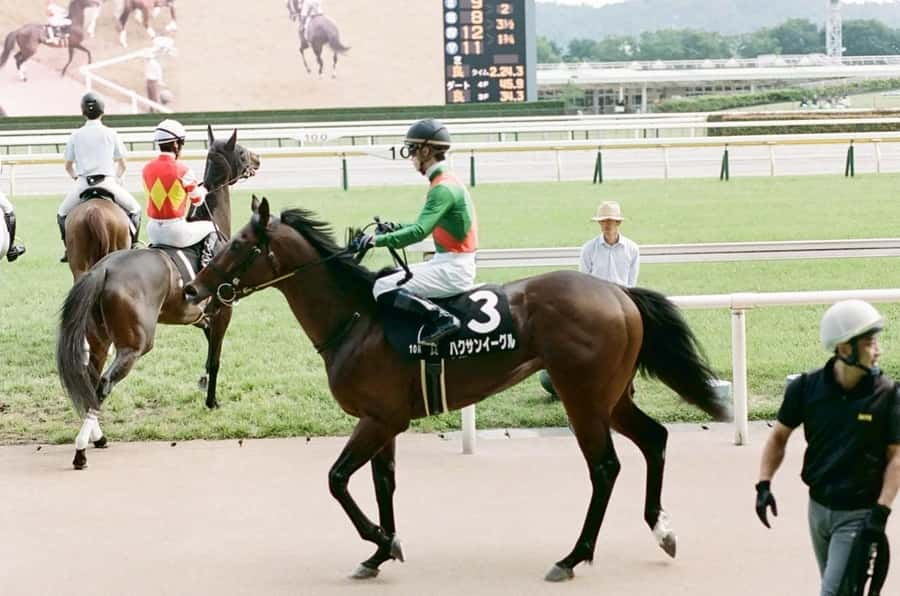
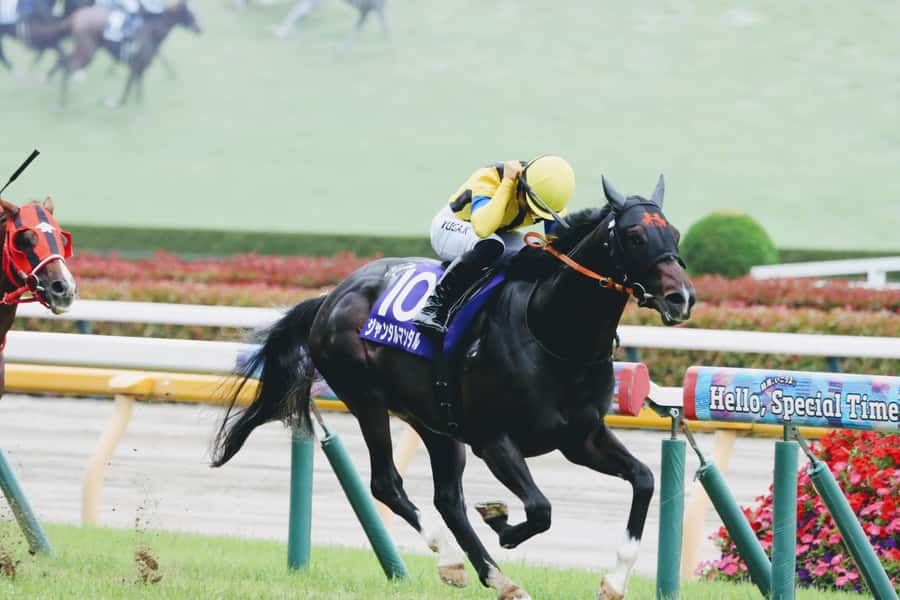
The races are the heart of the outing. You watch live horses and jockeys, follow the buildup, place a bet, and then see the result arrive at speed.
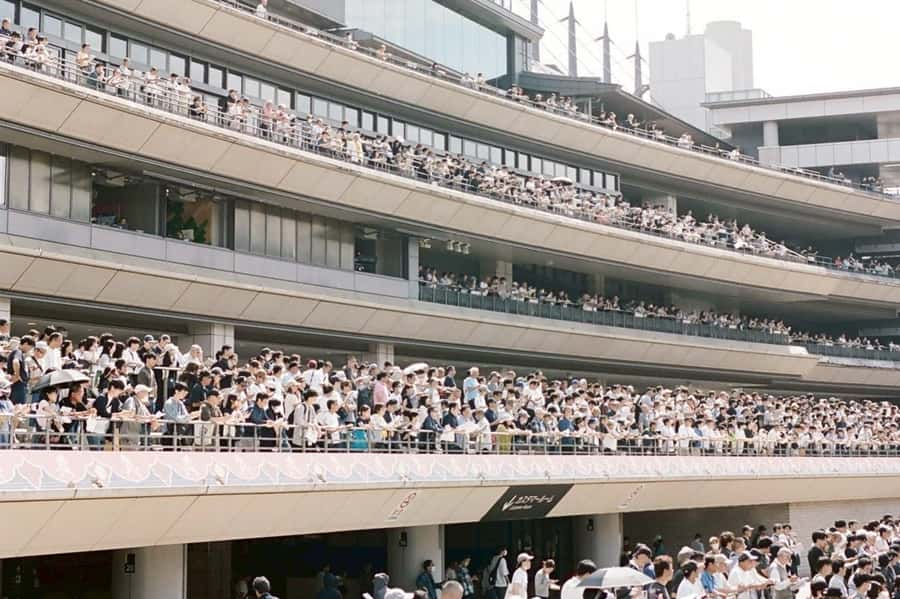
Reserved seating is provided when available, with the guide handing you the seat ticket. A seat gives you a base between races and makes it easier to follow the day without constantly searching for a place to stand. Since seating availability can vary, the wording matters: you should expect reserved seating when it is available rather than assume a guaranteed premium seat at every venue and date.
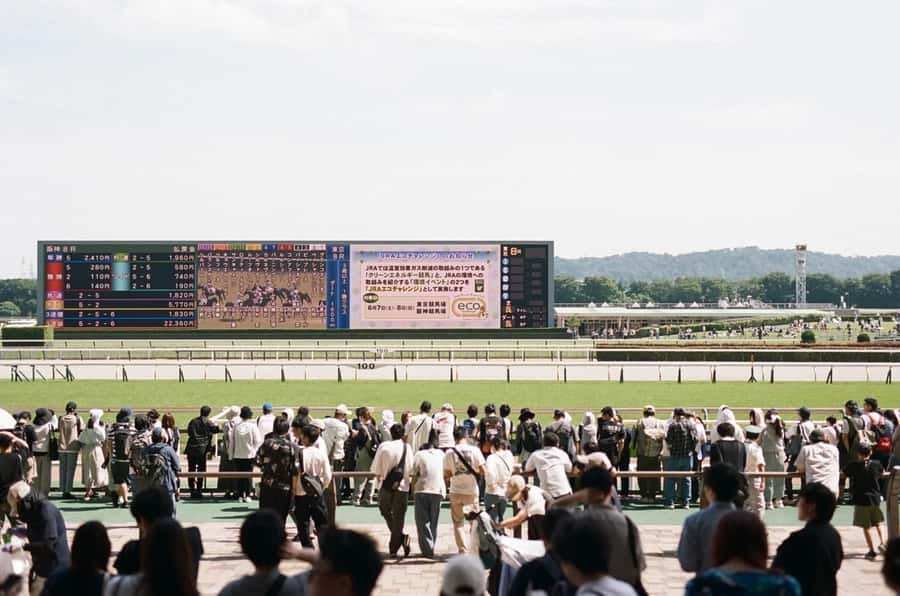
The atmosphere is a big part of the value. The crowd reacts quickly, and a race can shift from calm concentration to loud cheering in seconds. You are not just looking at horses from a distance. You are watching a live sporting event with people who understand the rituals and rhythms of the course.
The racing may feel intense if your usual experience is a quiet day at the track. One regular racegoer compared the scale and energy favorably with major racing venues in Australia and Hong Kong. That is a strong indication that this is not a token stop for people who already know the sport.
Food, sake, cocktails, and racecourse snacks
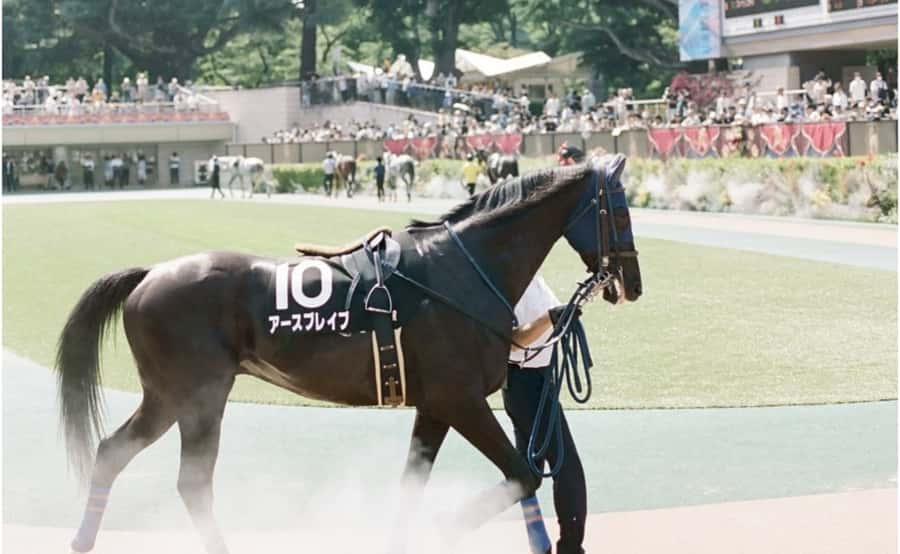
Food and drinks are not included, which gives you control over how much you spend. You can buy your own meal at the racecourse, and the choices described include crispy karaage, yakitori, seasonal items, gourmet Japanese snacks, sake, beer, and local cocktails.
This is one of the tour’s most enjoyable cultural details. Racecourse food is part of the outing, not a break from it. You can grab a snack between races, return to your seat, and keep watching instead of stopping for a formal restaurant meal.
I would budget separately for food and drinks rather than assume the $60 covers them. The same applies to betting and trains. Your total cost depends on how much you eat, drink, wager, and spend getting to the meeting point.
Alcohol can make the atmosphere more festive, but it is not required. You can enjoy the races without drinking, and buying only one snack or drink keeps the outing within a tighter budget. The tour lets you choose rather than building a fixed meal into the price.
What the $60 price really covers
At $60 per person, the value rests mainly in the guide and access, not in included food or gambling money.
You are paying for:
- An English-speaking guide throughout the event
- An explanation of Japanese horse racing rules
- Help with the betting process
- Admission to the racecourse
- Assistance with the local ticketing and course layout
- A reserved seat ticket when available
For someone who reads Japanese and already understands the betting system, the price may feel less essential. You could potentially attend a racecourse independently and pay only the entrance fee, train fare, food, and bets.
For most English-speaking visitors, though, the guide solves several problems at once. You do not have to decode every machine by yourself, guess which ticket to buy, or spend the day wondering what the crowd is reacting to. You also gain a local companion who can explain the customs as they happen.
That makes the price easier to justify than a standard admission-only outing. The value is strongest for first-time visitors to Japanese racing and for experienced racegoers who want to compare a different racing culture without losing hours to trial and error.
Who will enjoy this most
This tour suits you if you like live sport, local customs, and activities with a bit of uncertainty. You do not need to gamble heavily, or at all, but you should be comfortable with betting being part of the setting.
It is also a good choice if you have already seen the major Tokyo sights and want something less familiar. The event gives you a reason to leave the usual central neighborhoods and spend time in a place built around a genuine Japanese pastime.
I would particularly recommend it to:
- First-time racegoers who want simple English explanations
- Experienced horse-racing fans curious about Japan
- Solo visitors who would rather have a local guide for a niche activity
- Couples and friends looking for an unusual half-day-style outing
- Food-minded visitors who enjoy casual Japanese snacks with live sport
It is less suitable if you dislike crowds, betting culture, or changing plans. It is also not the right pick if you want every expense covered in advance. Food, drinks, bets, and transport remain yours to pay.
Practical advice before you book
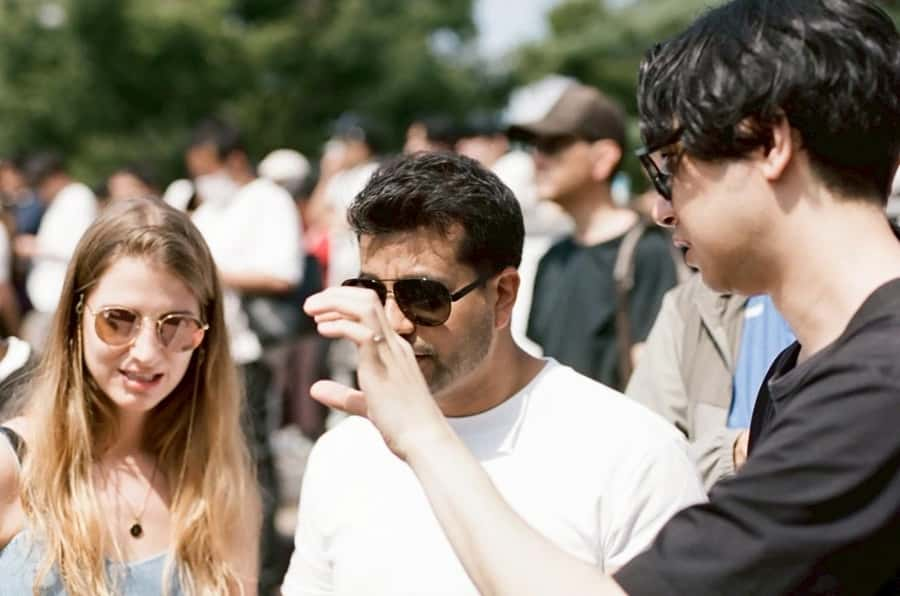
Check the racecourse shown for your chosen date. Tokyo Racecourse, Nakayama, Oi, and Kawasaki are different venues, and the meeting point will depend on the selected location.
Bring cash in Japanese yen. You need it for betting, and you may also want it for food and drinks. Do not rely on the voucher as your entry ticket. You must meet the guide and receive the admission ticket from him.
Wear something comfortable for an event that may involve walking through a large racecourse and moving between meeting, seating, betting, and food areas. The supplied information does not state a dress code or accessibility details, so ask the provider if either point matters for you.
The experience is offered in English. Eito has been praised for clear explanations and a friendly manner, with particular attention to betting, horses, jockeys, and train navigation. That personal help is the reason to choose this tour instead of simply visiting a racecourse alone.
Cancellation is available without charge up to 24 hours before the activity, and a reserve-now, pay-later option is offered. Those policies help if your Tokyo schedule is still moving around, but they do not remove the need to check the date-specific venue.
Should you book the Tokyo horse racing tour?
Book it if you want a genuinely local Tokyo activity and like the idea of learning by doing. At $60, it is a fair deal for English guidance, admission, betting help, and a reserved seat when available, especially when the Japanese ticketing system would otherwise leave you guessing.
The strongest reason to go is Eito’s role. He is not simply leading you to the gate. He explains how the races work, helps you place bets, discusses jockeys and horses, and makes it easier to chat and enjoy the event.
Skip it if gambling settings make you uncomfortable, if you need a fixed all-inclusive price, or if you only have time for Tokyo’s central sights. For everyone else, this is a lively and unusual way to spend part of a day, with enough local flavor to stay memorable long after the final race.
FAQ
What racecourse does the tour visit?
The venue depends on the date. Weekend tours typically visit Tokyo Racecourse or Nakayama Racecourse. Weekday tours typically visit Oi or Kawasaki Racecourse. The exact venue is shown when you select a date.
Is the guide available in English?
Yes. The tour includes an English-speaking guide throughout the event. Eito explains the racing rules, betting process, horses, and jockeys in English.
Is admission included?
Yes. Admission is included, but your GetYourGuide voucher is not the admission ticket. The guide meets you at the designated location and gives you the racecourse ticket in person.
Do I need to know anything about horse racing?
No. The guide explains the rules and betting choices for beginners. Experienced racegoers can also use the guide to understand the Japanese system.
Are food and drinks included?
No. You can buy your own food and drinks at the racecourse. Options described include karaage, yakitori, seasonal snacks, sake, beer, and local cocktails.
Are betting costs included?
No. You pay for your own bets. Bring cash in Japanese yen and decide how much you want to spend.
Can I cancel the booking?
Yes. You can cancel up to 24 hours in advance for a full refund. A reserve-now, pay-later option is also available.
New on our Tokyo list
- Sumi-e Experience in a relaxing green tea shop in Tokyo★ 5.0 · 3 reviews
- Tokyo : Kamikaze Street Drift Ride★ 5.0 · 3 reviews
- Private Zen Meditation in English in Shinjuku, Tokyo★ 5.0 · 3 reviews
- Onsen Spa in Tokyo and Asakusa Bar Hopping with Local Guide★ 5.0 · 3 reviews
- Easy for everyone! Now you can play handmade mini shamisen and show off to everyone! Musical instruments, sweets and live music★ 5.0 · 3 reviews
- Tokyo: Private Tsukiji Street Food & Sake with Local Guide★ 5.0 · 3 reviews
- Mt Fuji Exploration Tour with Free Japanese Kusa Mochi from Tokyo★ 4.5 · 3 reviews
- Tokyo Tsukiji Fish Market Walking and Exploring Hidden Gems Tour★ 5.0 · 3 reviews
Tours, compared.
Mt Fuji and Hakone 1-Day Bus Tour Return by Bullet Train
Read our review →
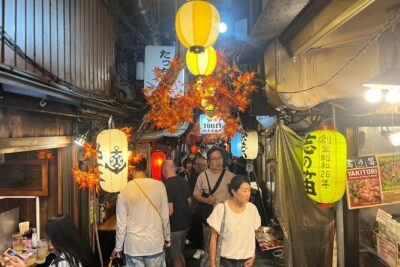
Shinjuku Food Tour (13 Dishes at 4 Local Eateries)
Read our review →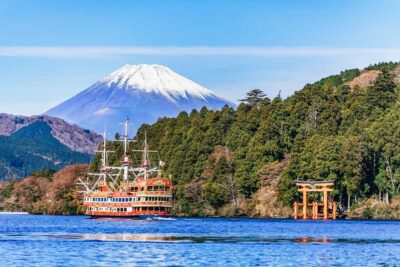
Tokyo Mt Fuji 5th St & Hakone Cruise Bus Tour w/Bullet Train
Read our review →
Flagship 2-Hours Official Street Go-Kart Tour – Tokyo Bay Shop
Read our review →
Mt. Fuji Tour, Hakone Ropeway, Owakudani, Lake Ashi
Read our review →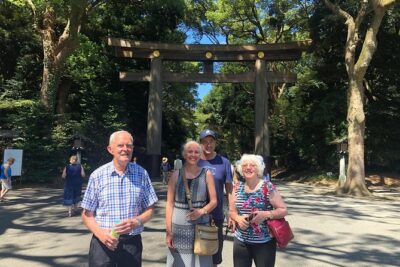
Tokyo 6hr Private Tour with Government-Licensed Guide
Read our review →