
Reviewed · PRIVATE CAR WITH DRIVER
Tokyo Made Easy | Private Chauffeur Day Adventure | Car and Guide
Tokyo is a huge city, and this private day trip tackles its greatest hits without asking you to decode a rail map every hour. With a car, chauffeur, and guide, you can move from the food stalls of Tsukiji to the neon energy of Akihabara, then on to temples, shrines, waterfront views, and Shibuya Crossing.
I like two things right away: the tour is private for your group of up to seven, and the schedule can bend around your interests and energy. Daniel, the guide and driver named in the experience details, is praised for being punctual, polite, flexible, and good at explaining the history of the places you visit. The drawback is simple: ten stops in nine or ten hours makes this a broad first look, not a slow, in-depth visit.
In This Review
- Key points to know before booking
- A private way to get your Tokyo bearings
- Tsukiji starts the day with Tokyo’s food culture
- Senso-ji brings you into old Asakusa
- Tokyo Station offers a sharp change of mood
- Akihabara puts anime and electronics on the schedule
- Edo Castle ruins add a quiet break
- Odaiba gives you Tokyo Bay views
- Harajuku and Meiji Jingu show two sides of youth and tradition
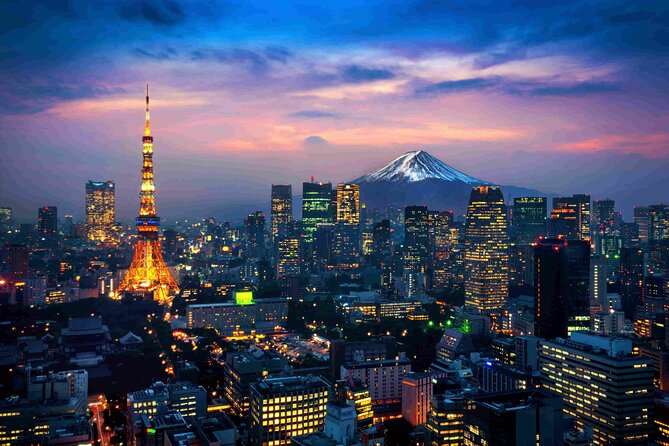
- Tokyo Tower supplies the classic city view
- Shinjuku and Shibuya finish with wide views and city energy
- What the timing tells you about the day
- Who gets the best value from $349
- Should you book Tokyo Made Easy?
- FAQ
- How much does the private Tokyo tour cost?
- How long does the tour last?
- Is hotel or other pickup offered?
- Is this a private tour?
- Is Tokyo Tower admission included?
- Can I cancel for a full refund?
- Can a child seat be provided?
Key points to know before booking
- Private car for up to seven people: You avoid crowded trains and keep the day focused on your own group.
- Daniel can adjust the pace: The day is designed to respond to your interests, age, and energy rather than follow a rigid group schedule.
- Tokyo’s old and new sides meet: Tsukiji, Senso-ji, Meiji Jingu, and the Imperial Palace grounds share the day with Akihabara, Odaiba, and Shibuya.
- Most admissions are free: The listed stops do not charge admission, although Tokyo Tower’s observation area is not included.
- A full day with little navigation work: Pickup is offered, and the tour lasts about 9 to 10 hours.
- Best for a first Tokyo overview: You see many famous districts quickly, but you will need another visit for a slower look at any one area.
A private way to get your Tokyo bearings
At $349 per group, this experience can be good value when you divide the cost among several people. A group of seven pays about $50 per person before any extra admission costs, while a couple pays considerably more per person. The real value is not just the vehicle. It is the time saved, the private setting, and the chance to have one person handle the route while you look out the window.
That matters in Tokyo. The city’s sights are spread across several districts, and changing trains can eat up more of the day than you expect. A private car does not remove traffic, but it cuts down on station walks, platform changes, and the constant work of deciding what comes next.
I would think of this as a city sampler with a personal guide, rather than a classic walking tour. You will stop at many places, get a feel for each one, and hear context along the way. At some stops, especially the shrine and garden visits, 45 minutes may feel short. The reward is range.
Daniel receives especially strong praise for making the day pleasant and flexible. He is described as professional and punctual, while also adjusting the plan to suit the group. One family appreciated his attention to age and comfort, and another found that he kept the day entertaining while explaining the key sights. That combination is useful in Tokyo, where a practical guide can make the difference between a smooth day and a tiring one.
A few more Tokyo bookings worth comparing
- Tokyo Private Sightseeing Tour by Car- English speaking chauffeur
★ 5.0 · 1,004 reviews - Tokyo Private Tour by Vehicle with English-Speaking Chauffeur
★ 5.0 · 504 reviews - Mt FUJI Day Tour with Private Car and English Speaking Guide
★ 5.0 · 433 reviews
Tsukiji starts the day with Tokyo’s food culture
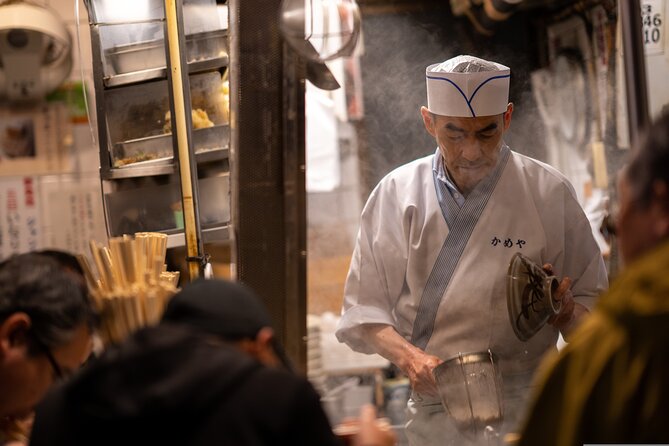
The first stop is Tsukiji Fish Market, with about 45 minutes to look around. The famous inner wholesale market moved to Toyosu in 2018, but Tsukiji’s outer market remains a well-known place for food shops and casual eating.
This stop gives the day an immediate taste of Tokyo’s food culture. You can expect a compact area filled with seafood shops and other food-related businesses, though the experience is not the old wholesale-market spectacle many people picture from television. That distinction matters. If you are coming specifically to see the former auction floor, this visit will not provide it.
The 45-minute timing is sensible for a quick introduction. It gives you a chance to walk, look, and perhaps buy a snack without using up the morning. Since the market stop has no admission fee, your main extra cost here would be anything you choose to eat or purchase.
Senso-ji brings you into old Asakusa
From food culture, the day moves to Senso-ji in Asakusa. This is Tokyo’s oldest and most significant Buddhist temple, founded according to tradition in 645 to house a golden image of Kannon. You have about an hour here, enough time to take in the approach, temple buildings, and surrounding district.
Senso-ji is one of the most useful stops for understanding Tokyo before the skyscrapers. The temple grounds connect religious tradition with everyday city life, and Asakusa gives you a strong sense of the older side of the capital. The tour includes the temple grounds without an admission charge.
An hour can work well if you want the main sights and some explanation from Daniel. If you prefer quiet contemplation, photography, or a long look at every detail, you may wish the schedule allowed more time. That is the tradeoff throughout this day: you get a wide view of Tokyo, but the stops are measured rather than leisurely.
Tokyo Station offers a sharp change of mood
Tokyo Station appears in the route between the early historic stops and the modern districts. The station is known for its red-brick western facade in Marunouchi and its modern Yaesu side to the east. Opened in 1914, it is both a major transport hub and an architectural landmark.
This is a useful photo and orientation stop, especially if you have not yet seen the contrast between Tokyo’s older European-influenced civic architecture and its modern business center. The information provided does not give a separate time length for Tokyo Station, so the exact amount of time will depend on the day’s pacing.
That flexibility can be helpful. If the group is moving well, you can take a quick look and continue. If the station facade matters to you, ask Daniel to make it a clear part of the day rather than treating it as a passing drive-by.
Same corner of Tokyo, a completely different plan:
- Mt Fuji and Hakone 1-Day Bus Tour Return by Bullet Train
★ 5.0 · 26,383 reviews - 1-Day Tokyo Bus Tour
★ 5.0 · 14,250 reviews - Tokyo: TOKYO SKYTREE® Admission ticket
★ 4.5 · 11,192 reviews - Tokyo: teamLab Planets TOKYO Digital Art Museum Entry Ticket
★ 4.6 · 9,779 reviews
Akihabara puts anime and electronics on the schedule
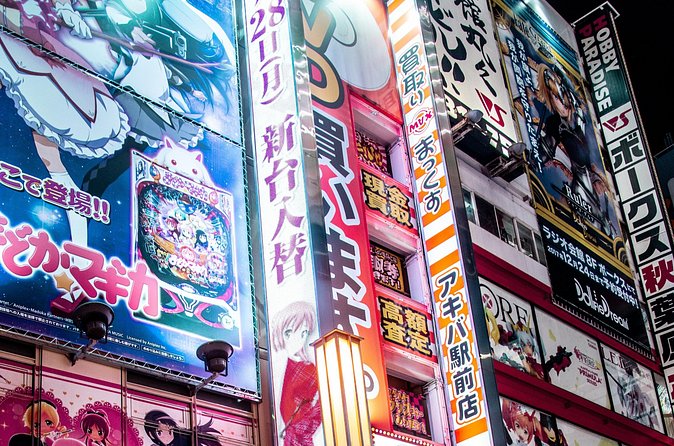
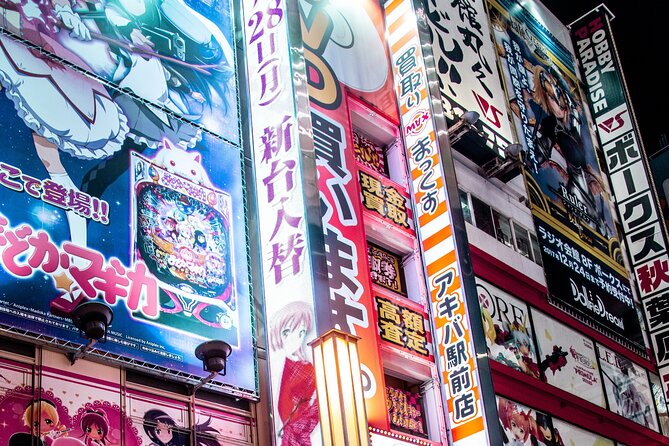
Akihabara gets about an hour. Known as Akiba, this central district is the heart of Japan’s otaku culture and a major shopping area for electronics. It is also a strong counterpoint to Senso-ji, showing how Tokyo’s identity shifts from temple traditions to games, anime, manga, and technology.
One hour is enough to sample the district and understand its character. It is not enough for a serious shopping expedition, especially if you are hunting for specific electronics or collectibles. I would use this stop to explore the main streets, note the shops that interest you, and return another time if Akihabara becomes a priority.
The car is particularly useful here because you do not have to carry purchases through several train connections right away. Still, the tour is not presented as a dedicated shopping trip, so keep your expectations centered on seeing the district rather than spending the whole afternoon in stores.
Edo Castle ruins add a quiet break
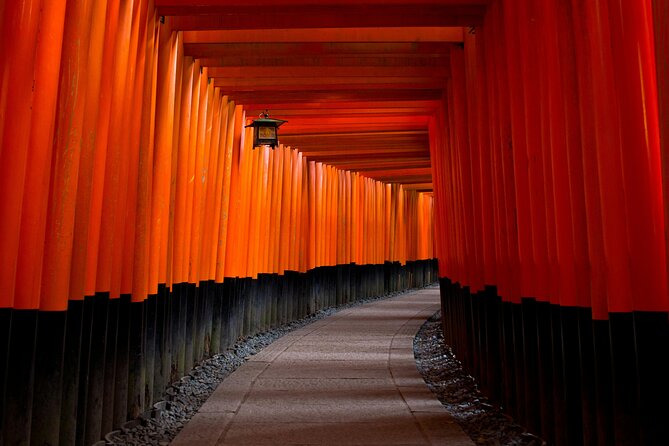
The East Gardens of the Imperial Palace occupy the grounds of the former Edo Castle, once the seat of the Tokugawa shoguns who ruled Japan from 1603 to 1867. You have about 45 minutes to walk through this public garden and see the remaining castle features.
This stop brings political and military history into a day that could otherwise feel like a string of famous photo locations. The old castle grounds help explain how Tokyo grew from Edo, the shogun’s capital, into modern Japan’s national center.
The garden is also a useful pause between busy districts. Forty-five minutes will not allow a long garden walk, but it can give you fresh air and a quieter setting. Check the pace with Daniel if walking is difficult, since the overall day includes several stops where you will be on your feet.
Odaiba gives you Tokyo Bay views
Odaiba is a man-made island in Tokyo Bay, first developed as a group of defensive forts in the 1850s and later rebuilt as a modern entertainment and shopping district. The tour allows about an hour here.
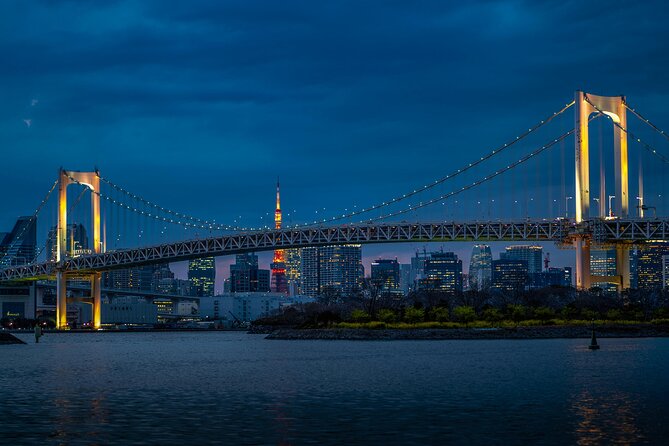
This is where Tokyo’s future-facing image takes over. You can expect broad waterfront views, including the Rainbow Bridge, and the well-known replica of the Statue of Liberty. The contrast with Senso-ji and the Imperial Palace grounds is the point. Odaiba shows Tokyo as a city that keeps rebuilding and reimagining its edges.
The one-hour stop gives you enough time to see the main views without making the day drag. If the bay scenery is high on your list, this is one place where the private car adds real value, since Odaiba is separate from the central historic districts. The exact photo opportunities and time at each view will depend on traffic and the group’s interests.
Harajuku and Meiji Jingu show two sides of youth and tradition
Harajuku receives about 45 minutes. The district is famous for youth fashion, kawaii culture, and its role in shaping Tokyo’s global image. It is a quick stop, so think of it as a first look at the area rather than a full shopping session.
Harajuku is best understood alongside Meiji Jingu, which follows with another 45 minutes. The shrine is dedicated to the deified spirits of Emperor Meiji and Empress Shoken and was established in 1920. Together, these stops create one of the day’s best contrasts: fashion and youth culture on one side, a major Shinto shrine and forested grounds on the other.
I like this pairing because it shows how Tokyo does not separate its old and new identities neatly. They sit next to each other. The short timing is the weak point. If you want to browse shops in Harajuku and take a slow walk at Meiji Jingu, you will probably need to choose one priority or arrange more time.
Tokyo Tower supplies the classic city view
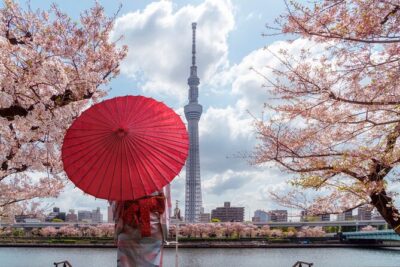
Tokyo Tower is a 333-meter red-and-white steel landmark completed in 1958. It was modeled after the Eiffel Tower and serves as both a broadcast structure and a lasting symbol of the city.
The tour gives you about 30 minutes here, which suggests a quick photo stop or exterior visit. Admission to the tower is not included, so you should allow for an extra ticket if you want to go up. The provided details do not state the ticket price or confirm that the schedule includes time for the observation decks, so ask before booking if an upper-level visit is important to you.
Thirty minutes is enough to appreciate the tower from outside, especially when the day already includes another observation deck. If you want a full Tokyo Tower experience, this private tour may feel too rushed.
Shinjuku and Shibuya finish with wide views and city energy
The Tokyo Metropolitan Government Building in Shinjuku offers free access to twin observation decks at 202 meters above the city. The tour allows about 45 minutes, making this one of the better chances to get a broad view of Tokyo without paying an observation fee.
The height gives you a useful sense of the city’s scale. On a clear day, you might find the view especially rewarding, though visibility naturally depends on conditions. Since entry is free, this stop is a strong value addition and balances the separate cost of Tokyo Tower.
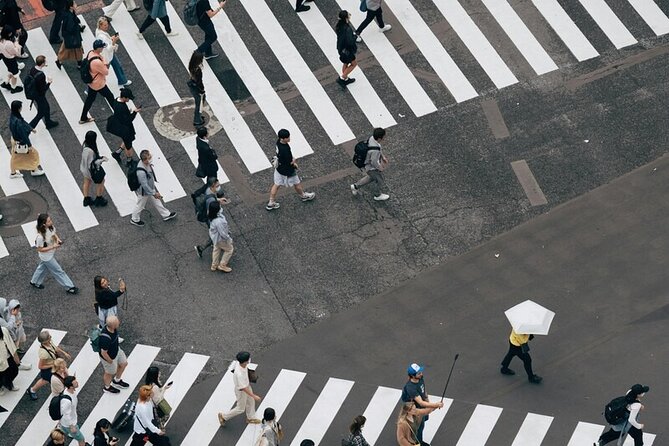
The final stop is Shibuya Crossing, with about 30 minutes. The intersection outside Shibuya Station is famous for its scramble crossing, where large waves of pedestrians move in several directions at once. You can watch from street level and take in one of Tokyo’s most recognizable scenes.
Half an hour is enough to see the crossing in action, but it is not enough for a full exploration of Shibuya. If you want shopping, cafés, or a longer look at the surrounding streets, you will need to return independently. Ending here gives the day a lively finish, but it also means you should be ready for crowds and plenty of standing.
What the timing tells you about the day
The route covers ten major Tokyo sights in roughly nine to ten hours. That is an ambitious plan, and traffic can affect how long you actually spend at each stop. The private vehicle helps with transfers, but it cannot make Tokyo’s roads empty.
I would book this for a first visit, a short stay, or a port stop when you want to see the city’s major areas in one day. It also suits families and older adults who may find a full day of train transfers tiring. One direct account describes Daniel adjusting the experience with the group’s age in mind, which is exactly the kind of flexibility that can matter on a long sightseeing day.
It is less suited to you if your main goal is slow photography, serious shopping, long meals, or detailed museum time. This is a highlights tour. You will see more places, but you will spend less time at each one.
Who gets the best value from $349
The group price works best when several people share the car. For seven people, the basic cost is about $50 each. For four people, it is about $87 each, and for two people, about $175 each. Those figures do not include anything you buy during the day or admission to Tokyo Tower.
That makes the tour easiest to justify for a family, a group of friends, or anyone who places a high value on comfort and time. You are paying for private transport, a driver-guide, pickup, and a route that links districts spread across Tokyo. You are not paying for a long stay at each sight or a deep specialist tour of one neighborhood.
The free admission at most stops helps. Senso-ji, the East Gardens, Meiji Jingu, and the Tokyo Metropolitan Government Building observation decks all add substance without adding entrance fees. Tokyo Tower is the clear exception, so budget for that separately if you want to go inside.
Confirmation is sent within 48 hours, subject to availability. You can request a child seat, service animals are allowed, and most people can participate. Free cancellation is available up to 24 hours before the local start time, which gives you a reasonable safety margin when plans change.
Should you book Tokyo Made Easy?
Book it if you want one private day that connects many sides of Tokyo without managing the trains yourself. The combination of Daniel’s flexible guiding, a car for up to seven people, free admission at most stops, and a wide range of neighborhoods makes it a practical first-day choice.
Do not book it expecting a slow cultural walk or a full visit inside every attraction. The schedule is tight, Tokyo traffic can interfere with timing, and Tokyo Tower admission is extra. For a first overview, a family day, or a group that values comfort, $349 can be a fair price. For a couple focused on one or two districts, public transport and self-guided visits may offer better value.
FAQ
How much does the private Tokyo tour cost?
The experience costs $349 per group, with up to seven people included.
How long does the tour last?
The tour lasts approximately 9 to 10 hours.
Is hotel or other pickup offered?
Yes. Pickup is offered as part of the experience.
Is this a private tour?
Yes. Only your group participates, with a maximum group size of seven people.
Is Tokyo Tower admission included?
No. Admission to Tokyo Tower is not included. The other listed stops show free admission, including the Tokyo Metropolitan Government Building observation decks.
Can I cancel for a full refund?
Yes, if you cancel at least 24 hours before the experience start time. Cancellations made less than 24 hours before the start time are not refunded.
Can a child seat be provided?
Yes. A child seat can be provided on request. Service animals are also allowed, and most people can participate.
New on our Tokyo list
- Sumi-e Experience in a relaxing green tea shop in Tokyo★ 5.0 · 3 reviews
- Tokyo : Kamikaze Street Drift Ride★ 5.0 · 3 reviews
- Private Zen Meditation in English in Shinjuku, Tokyo★ 5.0 · 3 reviews
- Onsen Spa in Tokyo and Asakusa Bar Hopping with Local Guide★ 5.0 · 3 reviews
- Easy for everyone! Now you can play handmade mini shamisen and show off to everyone! Musical instruments, sweets and live music★ 5.0 · 3 reviews
- Tokyo: Private Tsukiji Street Food & Sake with Local Guide★ 5.0 · 3 reviews
- Mt Fuji Exploration Tour with Free Japanese Kusa Mochi from Tokyo★ 4.5 · 3 reviews
- Tokyo Tsukiji Fish Market Walking and Exploring Hidden Gems Tour★ 5.0 · 3 reviews
Private Car with Driver, compared.
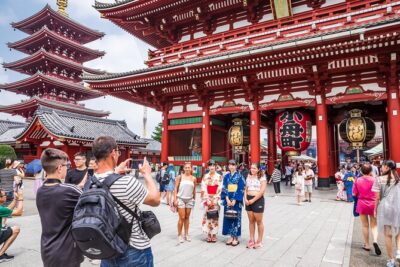
Tokyo Private Sightseeing Tour by Car- English speaking chauffeur
Read our review →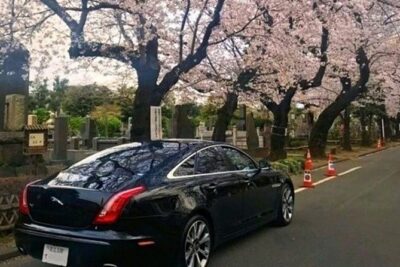
Tokyo Private Tour by Vehicle with English-Speaking Chauffeur
Read our review →Mt FUJI Day Tour with Private Car and English Speaking Guide
Read our review →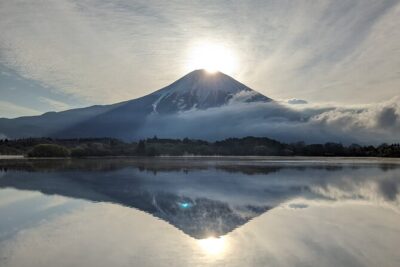
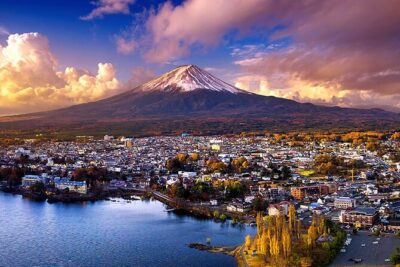
Tokyo Private Customizable Tour with English Speaking Chauffeur
Read our review →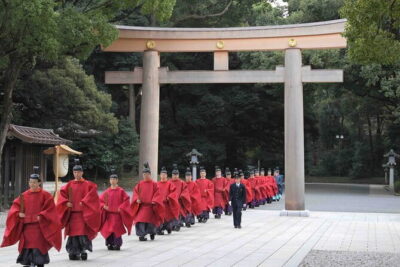
Browse the lists this tour appears in