
Reviewed · MT FUJI AREA TOURS
Private Car Tour to Mt. Fuji Lake Kawaguchiko or Hakone
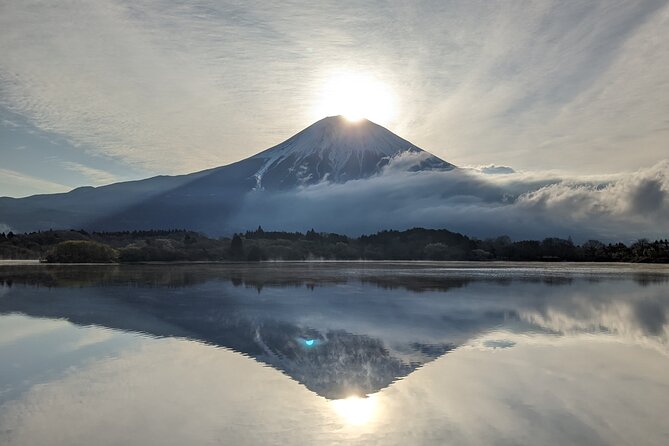
Mt. Fuji is the star here, but the best part is the freedom to chase clear views before clouds roll in. I like the private minivan and the chance to choose only four to six sites, instead of racing through every stop on a fixed coach itinerary. I also like the local guides, including Ken, Tomomi, Hiroko, Bob, and Taiji, who have been praised for clear explanations and warm, attentive service.
The catch is the price: $1,286.89 per group, up to eight people, is a serious outlay for a day trip. Traffic back to Tokyo can also stretch the day badly, and Mt. Fuji may hide behind clouds even when the weather looks promising.
In This Review
- Key points to know before booking
- A private way to see Mt. Fuji from Tokyo
- The best Fuji plan: four to six carefully chosen stops
- Kawaguchiko gives you the classic lake-and-mountain day
- Oshino Hakkai and the Fuji foothills
- Aokigahara, lava caves, and a different side of Fuji
- Hakone works best as its own private route
- What the private service does well
- Price, inclusions, and the value question
- Practical advice for choosing your day
- Should you book this Fuji or Hakone tour?
- FAQ
- How long does the private Mt. Fuji or Hakone tour last?
- How many people can join the private tour?
- Can I visit every stop listed in one day?
- Is the Mt. Fuji Fifth Station included?
- Are entrance fees and lunch included?
- What happens if the weather blocks the view of Mt. Fuji?
Key points to know before booking
- Choose your route: Focus on the Fuji Five Lakes and Kawaguchiko, or build a Hakone day around volcanic valleys, hot springs, ropeways, and Lake Ashi.
- Pick four to six stops: The long menu is not a promise to visit every site. A sensible plan matters more than collecting checkmarks.
- Private pickup saves effort: Your group is collected and returned by air-conditioned minivan from your hotel or accommodation.
- A strong guide team: English, French, Spanish, Chinese, and Korean professional guides are available. Ken, Tomomi, Hiroko, Bob, Taiji, and others have led similar days.
- Weather shapes the day: Clear skies can produce famous Fuji photographs. Clouds can cover the summit, and the tour does not refund a day simply because views are poor.
- Best value for groups: Eight people can share the fixed group cost, while a couple pays much more per person for the same vehicle and service.
A private way to see Mt. Fuji from Tokyo
This is not one fixed sightseeing route. It is a private day built around your interests, with a guide and driver adjusting the order when weather, traffic, or your energy level calls for it.
That flexibility matters around Mt. Fuji. The mountain can be visible in the morning and hidden by cloud an hour later. A good guide may move a lake or shrine stop earlier, then save museums, food, or indoor sights for later.
Your day lasts about 10 to 11 hours. Pickup and drop-off are included, along with round-trip transportation in an air-conditioned minivan and one bottled water per person. The vehicle is a practical comfort after a long day of walking, especially for families, older adults, or a group carrying shopping bags and camera gear.
You should contact the agency after booking and discuss your priorities. The supplied stop list is broad, so you need to name the places that matter most. Trying to include a shrine, ropeway, cave, museum, waterfall, sake brewery, and lake cruise in one day would leave you watching the clock rather than enjoying Japan.
More Private Tours in Hakone
- Private Tour to Mt. Fuji and Hakone (Fully Licenced Operator)
★ 5.0 · 1,910 reviews - Mt. Fuji & Hakone Private Day Tour with English-Speaking Driver
★ 4.5 · 824 reviews - Mt. Fuji, Hakone Full-Day Private Tour with English Driver Guide
★ 4.5 · 458 reviews
The best Fuji plan: four to six carefully chosen stops
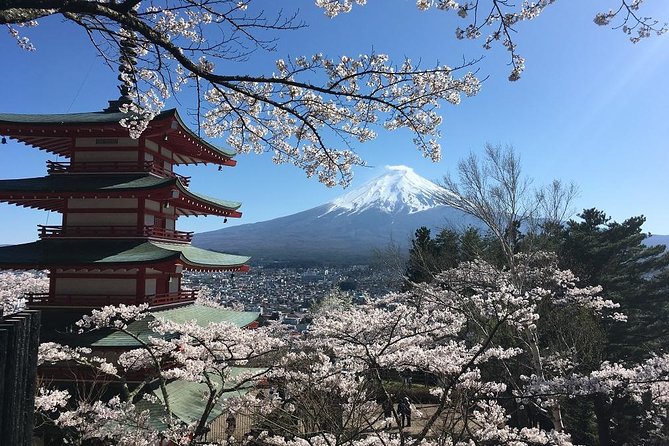
For a first visit, I would build the day around a small cluster of stops rather than attempt the entire Fuji region. Arakura Fuji Sengen Shrine and Chureito Pagoda make the classic opening, though they are really part of the same visit.
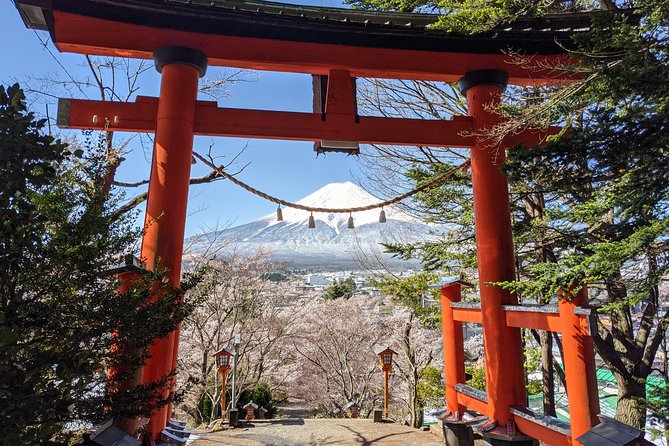
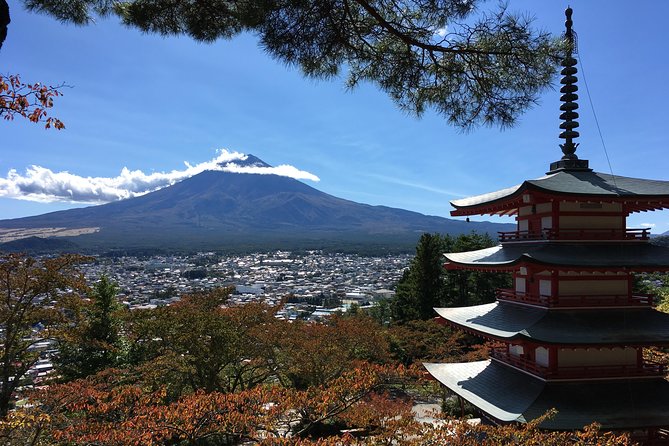
At the shrine, you see a site connected with the fire goddess and Mt. Fuji worship. Chureito Pagoda is reached within the shrine and park area, where the five-story pagoda frames the mountain in the famous photograph. The climb and viewing area can be busy, and the time needed depends on walking pace, but this is the stop most closely tied to the image many people have in mind before coming to Japan.
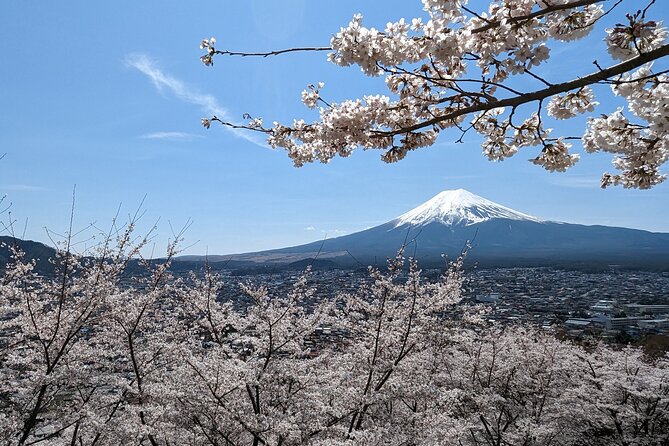
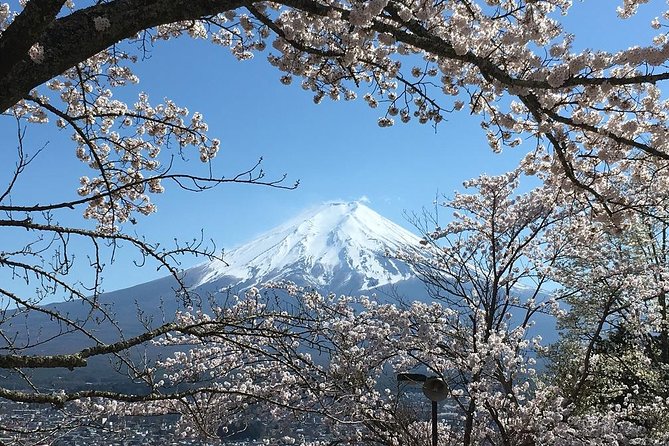
Arakurayama Sengen Park gives you room to take in the wider view. Spring blossoms and autumn colors can add drama, but no season guarantees a clear summit. Build in time for the steps, photographs, and a quiet look around instead of treating this as a quick roadside stop.
The Fujisan World Heritage Center is a useful cultural pause. A video explains the mountain and the rituals connected with the area, giving you context that a photo stop cannot provide. It is especially helpful if you want to understand why Fuji is more than a scenic peak.
Kitaguchi Hongu Fuji Sengen Jinja is another major shrine on the northern side of the mountain. It is linked with the traditional route used by climbers beginning an ascent, and it is part of the Fujisan Cultural Site recognized by UNESCO. This is a better choice for visitors who enjoy religious sites and old pilgrimage traditions than for anyone focused only on quick views.
Kawaguchiko gives you the classic lake-and-mountain day
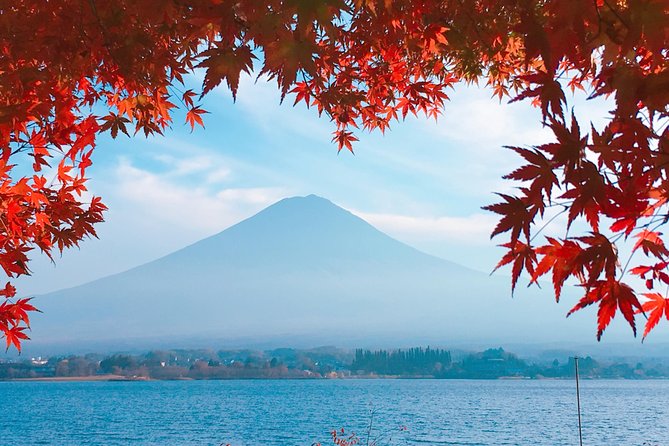
Lake Kawaguchiko is the most visited of the Fuji Five Lakes and offers many possible viewpoints. The water, mountain, and changing light give your guide several chances to find a good photo, but the actual view depends on cloud cover.
Oishi Park is a sensible choice in spring, summer, or autumn. More than 90 kinds of flowers appear across the seasons, and lavender is a major draw. Fuji Oishi Hana Terrace adds regional crafts, souvenirs, fruit-based ice cream, and sorbets. It is a pleasant place for a snack and a little shopping, though it has a more commercial feel than a shrine or village.
The Mt. Fuji Panoramic Ropeway climbs to 1,075 meters in about three minutes. From above Lake Kawaguchiko, you can look toward Fuji, the lake, and Fuji Yoshida city. The ride itself is brief, and queues can lengthen the stop considerably, so ask your guide about the wait before committing valuable time.
Saiko Iyashi no Sato Nemba offers a more traditional setting. Old houses with thatched roofs have been restored as craft and cultural spaces, and local artists work in the village. You can arrange kimono or samurai armor rental in advance. Admission is not included, so confirm the current cost before choosing it.
The Kawaguchiko Music Forest Museum is aimed at people who enjoy unusual collections. It features European-style buildings, gardens, and automatic musical instruments more than a century old. It can be a good indoor alternative when Fuji disappears, but admission is extra and the European design makes it less representative of everyday Japanese village life.
Oshino Hakkai and the Fuji foothills
Oshino Hakkai is a group of eight ponds formed by snowmelt from Mt. Fuji. The ponds are part of the Fujisan Cultural Site, and the village setting adds food stalls and small shops.
I would choose this for a first Fuji day if you want a mix of water, local snacks, and traditional scenery. It can feel crowded, and the visit is more compact than a full nature walk, but it gives you a clear sense of how the mountain shapes the local area.
Nearby Oshino Shinobi no Sato offers ninja performances and costume rental for children and adults. This is a playful choice for families, though admission is extra and adults seeking quiet cultural sites may prefer a shrine or museum.
Ide Sake Brewery is a particularly useful choice for adults interested in local food and drink. It is the only sake brewery in Kawaguchiko city using Mt. Fuji snowmelt water, and tastings are available from 3 p.m. for 1,500 yen with advance reservation. A guided brewery visit takes about 90 minutes, while a tasting alone takes about 20 minutes. The late start means it fits better into an afternoon itinerary.
The area also offers fruit picking, strawberry eating, and winery visits. Yamanashi is known for strawberries, cherries, peaches, grapes, and Shine Muscat grapes. Fruit activities require reservations, and winery visits should be arranged ahead of time. These options can make the day feel more local, but adding them on top of several major sights will create a rushed schedule.
More Private Tours in the Mt Fuji Area
- Mount Fuji Full-Day Private Tour from Tokyo (Customizable)
★ 4.9 · 1,470 reviews - Mt Fuji Private Tour with English Speaking Driver
★ 5.0 · 861 reviews - From Tokyo: Mount Fuji Full-Day Customizable Private Tour
★ 4.8 · 451 reviews - Mt FUJI Day Tour with Private Car and English Speaking Guide
★ 5.0 · 433 reviews
Aokigahara, lava caves, and a different side of Fuji
Aokigahara Jukai is the famous forest at the base of Fuji, formed over volcanic ground. The tour offers access to several caves, including Narusawa Ice Cave, Fugaku Wind Cave, and Saiko Bat Cave.
These are short but active visits. Narusawa and Fugaku generally take 15 to 30 minutes each, while Saiko Bat Cave can take 20 to 45 minutes. The surfaces may be uneven, and the caves are not simply photo stops, so wear shoes with a firm grip.
The caves give you a physical sense of Fuji’s volcanic past. Narusawa Ice Cave and Fugaku Wind Cave are especially useful additions when the summit is hidden. Saiko Bat Cave is the largest of the three options listed and is associated with bats that hibernate there.
Do not attempt all three unless cave exploration is your main goal. One cave paired with a lake, shrine, or village will usually make a more varied day.
Hakone works best as its own private route
Hakone is not a small add-on to a Fuji Five Lakes itinerary. It lies in a different direction and offers enough for a full day. If you choose Hakone, build the schedule around two or three major sights rather than trying to combine it with every Kawaguchiko stop.
The Hakone Ropeway is the headline ride. It reaches about 1,350 meters and provides the area’s best aerial viewpoints toward Mt. Fuji when conditions are clear. It also takes you over Owakudani, a volcanic valley where you can see signs of ongoing volcanic activity and try the famous black eggs, said locally to add seven years to your life.
Owakudani can be smoky, dramatic, and weather dependent. If volcanic gases or weather affect operations, the schedule may change. The ropeway is not included in the tour price, so budget separately for admission.
Hakone Shrine is known for its red torii gate on Lake Ashi and dates back about 1,260 years. The approach can involve walking and waiting for photographs at popular spots. Kuzuryu Shrine Shingu is another option for visitors drawn to religious places and local legend.
A Lake Ashi sightseeing cruise is an easy way to rest after the ropeway and shrine. You can choose the famous pirate-style ship or a regular sightseeing boat. The pirate ship is visually memorable, while the regular vessel may suit you better if you want to avoid the biggest crowds. Cruise admission is extra.
Onshi Hakone Park, once an imperial family garden, offers maintained paths, seasonal flowers, and views toward Fuji and Lake Ashi on clear days. It is a good choice for a slower walk, especially in spring or autumn.
The Hakone Open-Air Museum is one of the strongest choices for families and art fans. Sculptures by Japanese and Western artists are spread through an outdoor setting, and photography is allowed. Admission is not included, and you should allow 45 to 90 minutes.
Other Hakone-area options include the Hakone Sekisho checkpoint and museum, Odawara Castle, the Mishima Skywalk, and several art museums. Odawara Castle focuses on samurai and ninja life, with armor and swords in its museum. Hakone Sekisho explains travel control and samurai duties during the Tokugawa period.
The Mishima Skywalk is Japan’s longest suspended pedestrian bridge, with a view toward Fuji on clear days. It is about 15 minutes from Hakone by the stated itinerary, but activities and admission cost extra. The art museums are best reserved for a group with a clear interest in Japanese, Oriental, glass, or contemporary art.
What the private service does well
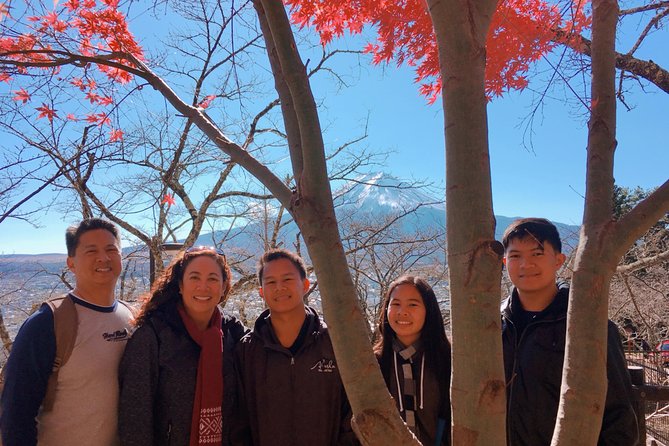
The human side of the tour is its main strength. Guides such as Ken and Tomomi have been praised for fluent English, preparation, and practical suggestions. Hiroko has led family days with a warm, professional manner, while Bob and Taiji are known for lively conversation and broad explanations about Japan.
You should not book this expecting a silent chauffeur. The guide is there to explain shrines, local customs, geography, and food, and to help adjust the day. One especially useful feature is communication before departure, when you can discuss interests, diet, walking limits, or a special request.
The driver matters just as much. Tokyo to Fuji or Hakone involves long stretches on busy roads, and traffic can be severe during holidays. A clean minivan and a careful driver make a real difference, but no private vehicle can remove congestion. One reported return drive took almost four hours, so avoid booking an evening activity in Tokyo that cannot be changed.
Families and mixed-age groups gain the most from the format. A large family has used the service for a group of eight that included a child and older parents, with a pace adjusted so nobody was worn out. A private vehicle also makes it easier to carry snacks, coats, and purchases.
Price, inclusions, and the value question
At $1,286.89 per group of up to eight, the economics change sharply with group size. Eight people pay about $161 per person before admissions, food, and gratuity. Four people pay about $322 each, and a couple pays about $643 each.
That makes this poor value for two people who are happy using public transportation and following a standard route. It can be fair value for a family or group of six to eight that wants hotel pickup, a private vehicle, an interpreter, and control over the pace.
The price includes the vehicle, driver, guide, hotel pickup and drop-off, and one bottle of water per person. It does not include lunch, other drinks, museum or attraction tickets, hot springs, the Mt. Fuji Fifth Station toll, or gratuity. A 5 to 20 percent tip is suggested.
The Fifth Station is an important cost and timing detail. It sits at about 2,300 meters and is the highest point accessible by car on the mountain. The toll is 2,100 yen, paid on the spot. Access is closed from July to mid-September during the climbing season and also during winter, so do not build your entire day around it.
Practical advice for choosing your day
Start with your top priority. If the famous Fuji photograph matters most, choose Arakurayama, Chureito, and one or two Kawaguchiko viewpoints. If culture matters more, pair a shrine with the World Heritage Center, Saiko Iyashi no Sato, or Oshino Hakkai.
For families, Oishi Park, Oshino Shinobi no Sato, the ropeway, and the Open-Air Museum offer variety. For adults, the sake brewery, winery, fruit visit, and a lake cruise may be better picks. For active visitors, Aokigahara’s caves or a cycling request around Lake Yamanaka can work, but ask for a realistic route. One family found a 14-kilometer electric-bike ride longer than expected.
Plan for the weather without expecting a refund for a disappointing view. The tour can change or be canceled because of weather or traffic, and a canceled outing may be moved to another date or fully refunded. But if the tour operates and cloud blocks Fuji, the stated policy does not provide a refund simply because the summit cannot be seen.
Hot spring visits require special care. Men’s and women’s tubs are separate, bathing suits and towels are not permitted inside, and tattoos or body paint are prohibited at the facility. Check these rules before selecting an onsen stop.
Service animals are allowed, and most people can participate. Still, tell the agency about dietary needs when booking. Vegetarian food can be arranged, but lunch itself is not included.
Should you book this Fuji or Hakone tour?
Book it if you are a group that values time, comfort, personal guidance, and flexibility more than the lowest possible price. It is especially useful for eight-person families, older relatives, visitors with limited Japan experience, and anyone who wants to adjust the day around cloud cover.
Choose Mt. Fuji and Kawaguchiko for shrine visits, classic photographs, flower parks, villages, caves, sake, and the Five Lakes. Choose Hakone for the ropeway, Owakudani, Lake Ashi, the shrine gate, museums, and a slower mountain resort day.
I would not book it for a small budget-conscious pair, or if you expect every one of the 30 listed attractions in one day. Send your guide a short priority list, reserve special activities in advance, and leave room for traffic and weather. Done that way, this private tour offers a practical and personal break from Tokyo, with enough local detail to make the mountain feel like more than a backdrop.
FAQ
How long does the private Mt. Fuji or Hakone tour last?
The tour lasts approximately 10 to 11 hours, including pickup and drop-off from Tokyo accommodations.
How many people can join the private tour?
The price covers one private group of up to eight people. Only your group participates.
Can I visit every stop listed in one day?
No. The listed places are options, and you should select around four to six sites. You can ask the guide for advice after booking.
Is the Mt. Fuji Fifth Station included?
No. The Fifth Station is not included in the price. When access is open, the toll is 2,100 yen and must be paid on the spot. Access is closed from July to mid-September and during winter.
Are entrance fees and lunch included?
No. Food, drinks, lunch, museum tickets, cruise fees, ropeway tickets, hot spring fees, and similar costs are separate. One bottled water per person is included.
What happens if the weather blocks the view of Mt. Fuji?
The tour may change or be canceled because of weather or traffic. If the activity is canceled because of poor weather, you can receive a different date or a full refund. If the tour operates but clouds hide some sights, it will not be canceled or refunded for that reason.
More Private Car with Driver in Tokyo
- Tokyo Private Sightseeing Tour by Car- English speaking chauffeur
★ 5.0 · 1,004 reviews - Tokyo Private Tour by Vehicle with English-Speaking Chauffeur
★ 5.0 · 504 reviews - Mt Fuji Exclusive Tour with Private Car English Guide
★ 5.0 · 116 reviews - Tokyo Private Customizable Tour with English Speaking Chauffeur
★ 5.0 · 92 reviews
New on our Tokyo list
- From Tokyo: Mount Fuji & Hakone Full Day Private Tour★ 4.9 · 25 reviews
- Tokyo Spectacular View Day-Cruise in 90 Minutes★ 5.0 · 25 reviews
- Real Tokyo Runner Club : Daikoku Car Meet Night Tour with JDM Car★ 5.0 · 25 reviews
- 2.5 Hour-Guided Cycle Tour in the Central Tokyo★ 5.0 · 25 reviews
- Ramen Making from Scratch +Akihabara Tour –Cooking Class★ 5.0 · 25 reviews
- [Self-Drive] Tokyo & Daikoku Custom Car Driving Tour★ 4.9 · 25 reviews
- Tokyo: 2-Hour Night Bike Tour of the City’s Hidden Gems★ 4.9 · 25 reviews
- Buddha, Bamboo & Zen – Bespoke Kamakura Private Walking Tours★ 5.0 · 25 reviews
Mt Fuji Area Tours, compared.
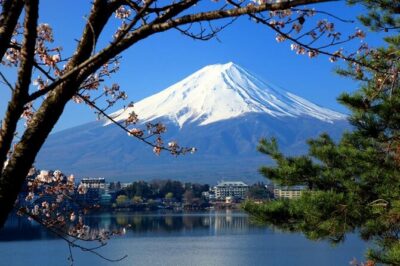
Mt Fuji and Hakone 1-Day Bus Tour Return by Bullet Train
Read our review →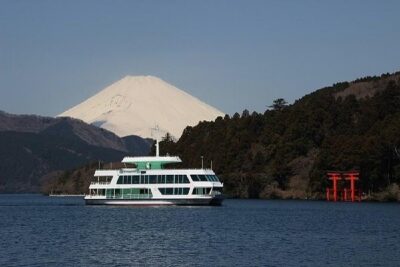
Mt Fuji & Hakone Cruise, Drum Show Bullet Train 1 Day from Tokyo
Read our review →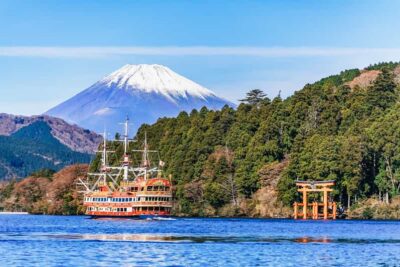
Tokyo Mt Fuji 5th St & Hakone Cruise Bus Tour w/Bullet Train
Read our review →
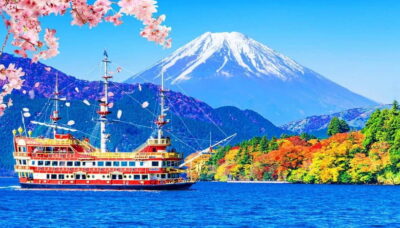
Mt. Fuji Tour, Hakone Ropeway, Owakudani, Lake Ashi
Read our review →
Mt.Fuji,Kawaguchiko Oishi Park,Arakurayama Sengen Park
Read our review →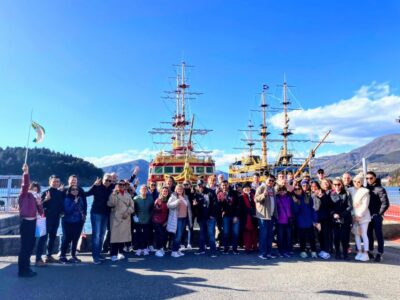
Mt. Fuji 5th Station & Hakone Cruise 1-Day Bus Tour
Read our review →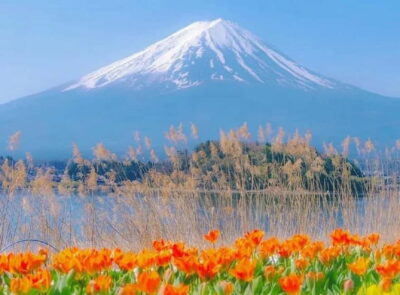
Mt Fuji Top 5 Spots Day Tour: Arakurayama Park,Oshino Hakkai
Read our review →Browse the lists this tour appears in