Reviewed · TOKYO TOURS
Urban Geometry with Laurence Bouchard
Tokyo can look like a collection of signs, towers, wires, glass, and concrete. This four-hour workshop teaches you to arrange those pieces into photographs, using lines, shadows, and reflections instead of chasing the usual postcard views.
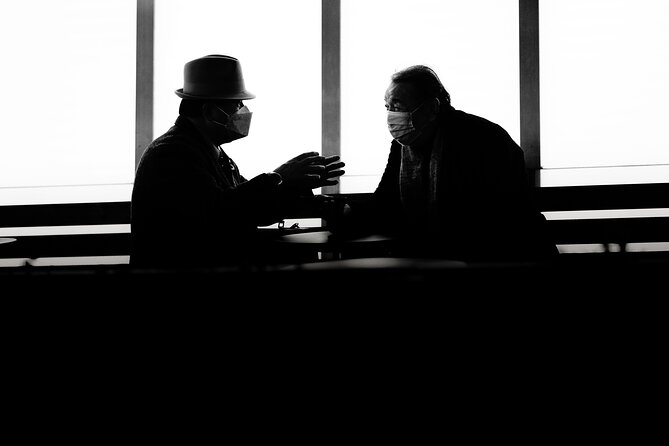
I like the small maximum of six people, which gives Laurence Bouchard room to review your images and offer useful, personal advice. I also like the hands-on approach, including moments when he models as a passerby so you can practice framing a subject in a quiet spot.
The main consideration is pace. You will move between Ebisu, Roppongi, and Yurakucho, so comfortable shoes and a charged phone or camera matter. You will also need to manage your own metro fare, and a Suica or Pasmo card makes that easier.
In This Review
- Key Points to Know Before You Book
- Why This Tokyo Photography Workshop Works
- Ebisu Garden Place Starts the Morning
- Roppongi Adds Less Obvious Angles
- Glass and Shadow at the National Art Center
- Tokyo International Forum Reveals Hidden Depths
- What the Feedback Adds to the Workshop
- High Contrast and Black-and-White Choices
- The Route, Timing, and Physical Demands
- Is the $130.31 Price Good Value?
- Who Will Get the Most From It?
- Should You Book Urban Geometry with Laurence Bouchard?
- FAQ
- Where does the workshop begin?
- What time does the experience start?
- How long does the workshop last?
- Where does the workshop finish?
- Which Tokyo locations are included?
- Who leads the photography workshop?
- How many people can join?
- What should I bring?
- Is the workshop near public transportation?
- Can I cancel for a full refund?
Key Points to Know Before You Book
- Start with geometric shadows at Ebisu Garden Place: The workshop opens with trellis patterns and changing light, a strong introduction to graphic composition.
- Work with both architecture and people: Laurence may step into the frame as a passerby when a scene needs a human subject.
- Use Tokyo’s public spaces as a classroom: The National Art Center and Tokyo International Forum provide glass, steel, reflections, and bold structure.
- Get feedback on your own equipment: Guidance is tailored to your camera and skill level rather than limited to general photography tips.
- Expect a compact group: The activity accepts no more than six participants, making direct instruction possible.
- Plan for a full morning on foot: The experience begins at 9:00 am in Ebisu and ends back at the starting point after about four hours.
Why This Tokyo Photography Workshop Works
The strength of this experience is its way of changing your attention. You are not simply taken to attractive places and told to take pictures. You are asked to notice how a canopy cuts sunlight into shapes, how a glass wall reflects movement, or how a lone figure gives scale to a large building.
That shift is useful far beyond Tokyo. Once you begin looking for repeated lines, sharp contrast, and clean framing, an ordinary station, office block, or alley can become a workable subject. I like that the workshop focuses on techniques you can use in any city, not on collecting a fixed set of Tokyo shots.
Laurence Bouchard works directly with your camera and current ability. That matters if you are carrying a phone, a compact camera, or more advanced equipment and do not want a lesson aimed at somebody else’s setup. The supplied details do not specify a particular camera requirement, so you can use the equipment you already know.
The tone is practical. You can expect help with timing, light, framing, and the choice to shoot in high contrast or black and white. Laurence also reviews your work during the session, so you are not left guessing whether a composition is working.
A few more Tokyo bookings worth comparing
- Mt Fuji and Hakone 1-Day Bus Tour Return by Bullet Train
★ 5.0 · 26,383 reviews - 1-Day Tokyo Bus Tour
★ 5.0 · 14,250 reviews - Tokyo: TOKYO SKYTREE® Admission ticket
★ 4.5 · 11,192 reviews
Ebisu Garden Place Starts the Morning
The meeting point is at 4-chōme-2-6 Ebisu, Shibuya, Tokyo 150-0013, with a 9:00 am start. The first stop is Ebisu Garden Place, where a large trellised canopy throws patterned shadows across the open space.
This is an effective opening location because the subject is simple but not flat. The canopy gives you repeating lines, blocks of shade, and strong changes between light and dark. You can work on keeping the frame tidy, deciding where the pattern should begin and end, and waiting for a person or other detail to break the repetition.
The morning timing also helps the workshop’s visual purpose. The experience is built around available light, so shadows are part of the lesson rather than a problem to remove. You will learn to watch how the light shapes the scene and to make a choice about contrast.
For a beginner, this first stop offers a clear exercise. Look for one strong shape, avoid filling the frame with too much information, and wait for the right alignment. For a more experienced photographer, it becomes a chance to refine timing and reduce a busy urban setting to a few clean forms.
Do not expect a long architectural tour of Ebisu. The value here is photographic rather than historical. You are using the place as a controlled starting point before the group moves into more varied settings.
Roppongi Adds Less Obvious Angles
The next part takes you to Roppongi for several less obvious spots. The exact locations are not specified, which means the stop is guided by what Laurence finds useful on the day rather than by a fixed list of famous sights.
That flexibility fits the workshop’s purpose. You are looking for patterns and relationships, not checking off monuments. Roppongi can supply the sort of urban details that are easy to pass without noticing, and Laurence’s role is to point out how an angle, shadow, or passing figure might turn into a photograph.
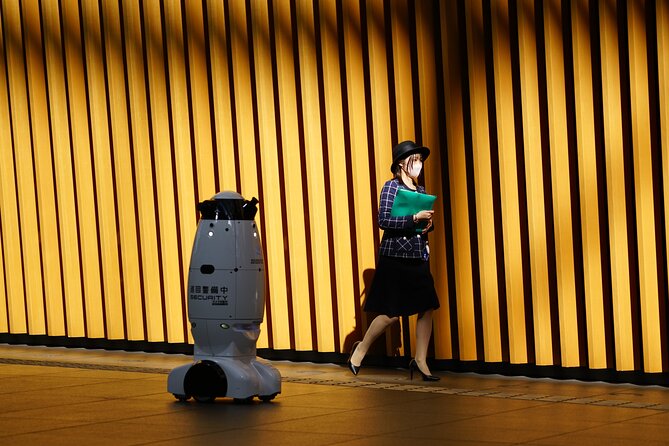
This is also where the human element becomes useful. One piece of feedback describes Laurence standing in as a passerby when no subject was available. That small act tells you what kind of instruction to expect: practical help in making the image work, not just a verbal explanation from the sidewalk.
If you prefer a standard sightseeing route, this section may feel less satisfying. You will not be promised a famous viewpoint or a set of landmark photographs. If you want to train your eye, though, the lack of a postcard agenda is a strength.
Glass and Shadow at the National Art Center
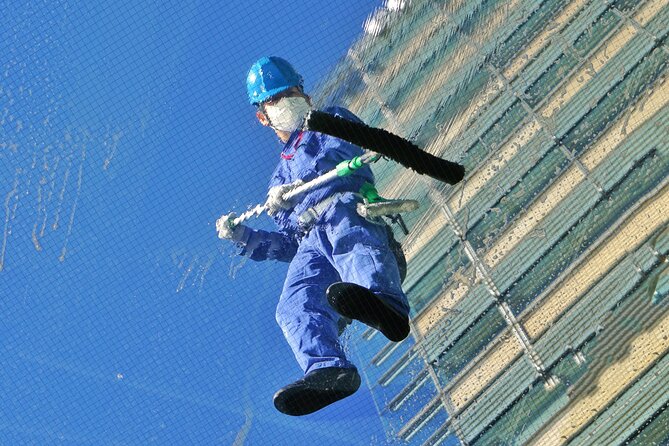
In Roppongi, the workshop continues into the National Art Center, Tokyo. The building’s massive glass facade provides a very different subject from Ebisu’s canopy.
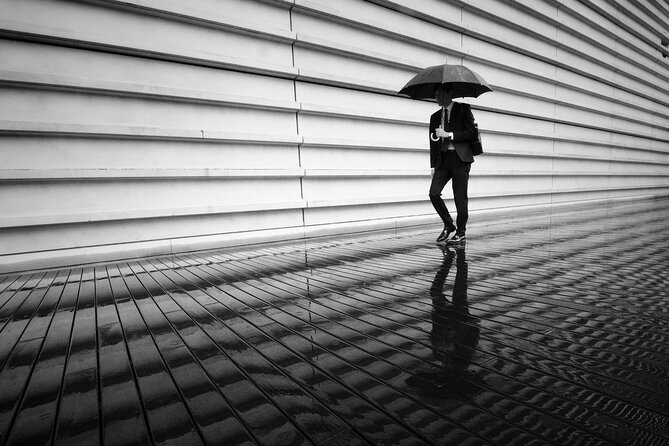
Glass gives you several ways to build a frame. You can work with reflections, overlapping shapes, and the contrast between the structure and the people moving around it. The shadows cast by the facade add another layer, letting you compare direct lines with softer or changing forms.
This stop should appeal to photographers who enjoy architecture but do not want their pictures to become simple building records. The goal is to isolate a detail, compress several planes into one image, or use a person to show the size of the space.
The National Art Center also gives the group an impressive interior setting without requiring a special museum-focused visit. The supplied details do not say that an exhibition visit or admission is part of the experience, so you should treat the building as the photographic setting rather than assume a full gallery tour.
Laurence’s guidance is especially useful here because glass can easily create clutter. He can help you decide where to stand, what to leave out, and when a reflection strengthens the image instead of confusing it. These are choices that transfer well to train stations, shopping centers, airports, and modern buildings at home.
Same corner of Tokyo, a completely different plan:
- Tokyo: teamLab Planets TOKYO Digital Art Museum Entry Ticket
★ 4.6 · 9,779 reviews - Mt Fuji & Hakone Cruise, Drum Show Bullet Train 1 Day from Tokyo
★ 4.0 · 7,413 reviews - Tokyo: Sumo Show Experience with Chicken Hot Pot and a Photo
★ 4.8 · 6,678 reviews - Tokyo: Shinjuku Food Tour (13 Dishes at 4 Local Eateries)
★ 5.0 · 6,603 reviews
Tokyo International Forum Reveals Hidden Depths
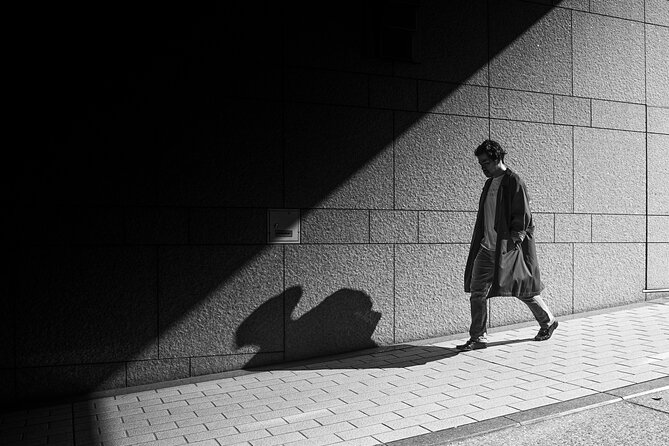
The final major setting is Tokyo International Forum in Yurakucho. The workshop focuses on the building’s less obvious interior and structural spaces, described as its hidden depths.
This is a fitting finish because the forum offers a strong change of scale. After working with a canopy, street scenes, and a glass facade, you can turn your attention to large structural forms and dramatic interior geometry.
The building is particularly useful for studying perspective. Repeating supports, long lines, and broad areas of glass can pull your eye through the frame. You can practice placing a subject at the end of a line, balancing one dark section against a brighter area, or using black and white to make the structure feel more graphic.
The word hidden here should be understood in a photographic sense, not as a guarantee of secret access. The available information does not promise private areas or special entry. You will explore the public setting with Laurence and look for angles that many people pass without photographing.
Yurakucho is the last stop, but the activity ends back at the original meeting point. Since the route involves several parts of Tokyo, you should keep enough energy for the return and avoid scheduling a tight appointment immediately afterward.
What the Feedback Adds to the Workshop
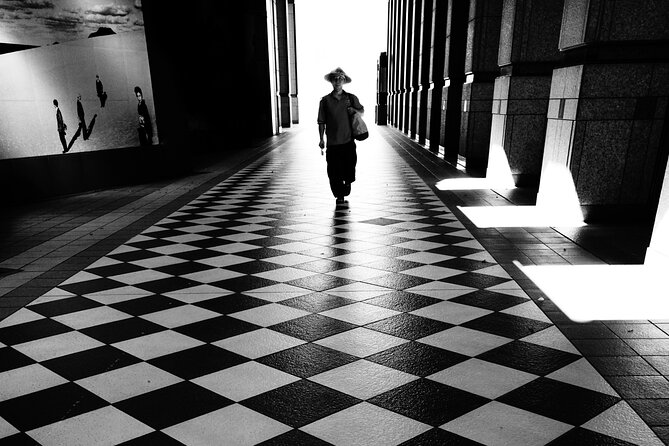
A photography walk can easily become a guide pointing at subjects while everyone works alone. This experience appears to avoid that problem through direct review and small-group instruction.
Laurence explains the idea behind a scene, then helps you test it with your own camera. He may also model the sort of passerby placement that gives an architectural image a sense of scale. That is useful because many urban photographs fail not from poor camera settings, but from weak positioning or an unclear subject.
The small group size is important. With no more than six participants, you have a better chance of asking questions and receiving comments on your images. It does not guarantee constant one-to-one teaching, but it is much more personal than a large photo walk.
The workshop is also suitable for different skill levels because the feedback is tailored. A beginner can work on basic framing and observation. Someone with more experience can concentrate on editing the frame, controlling contrast, and making stronger choices about black and white.
You should bring questions. If you have trouble with reflections, focus, exposure, or composing around people, ask Laurence to address that problem in the setting where it occurs. The value comes from applying the advice immediately.
High Contrast and Black-and-White Choices
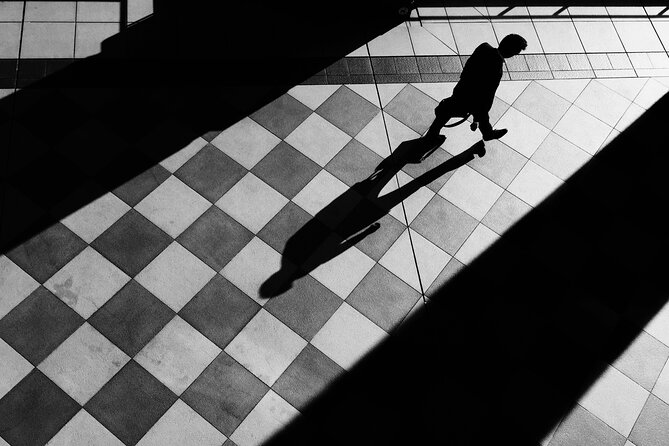
The emphasis on high-contrast and black-and-white shooting is not just a style preference. Tokyo’s built environment provides plenty of hard edges, bright surfaces, shadowed corners, and repeated forms that can become clearer when color is removed.
Black and white can also help you judge a photograph more honestly. Without bright signs or strong colors competing for attention, you must rely on shape, light, texture, and placement. That makes this a useful workshop if your photographs often contain too much information.
You do not need to approach every image in black and white. The point is to learn how that treatment changes the way you see. Laurence can help you decide when contrast gives a scene strength and when it simply removes useful detail.
A phone camera can handle much of this work, though the experience is not built around a particular device. Charge your phone or camera fully before you arrive. Four hours of shooting, reviewing images, and moving between locations is a poor time to discover a low battery.
The Route, Timing, and Physical Demands
The activity lasts about four hours and begins at 9:00 am. It starts in Ebisu, continues to Roppongi and the National Art Center, then finishes around Yurakucho and Tokyo International Forum before returning to the meeting point.
Because public transportation is part of the route, a Suica or Pasmo card is recommended if possible. The information does not state the exact transport cost or number of rides, so keep your metro fare separate from the tour price.
Comfortable shoes are essential. The route includes several locations and an active photography session, which means you will spend the morning walking, stopping, standing, and repositioning. You will also want clothing that lets you move easily while carrying your camera or phone.
The group is near public transportation, and most people can participate. No special accessibility details are provided, so you should contact the provider before booking if you need specific assistance with mobility, equipment, or transport.
Is the $130.31 Price Good Value?
The price is $130.31 per person. That is more than a casual sightseeing walk, but the comparison is not quite fair. You are paying for a four-hour session with a professional photographer, direct instruction, image feedback, and a carefully chosen sequence of visual settings.
The value is strongest if you want to improve. If your main goal is simply to see Ebisu, Roppongi, and Yurakucho, you can visit these areas without booking a workshop. If you want to return home with better ways to photograph cities, the personal feedback makes the cost easier to justify.
The maximum of six people also supports the price. A small group gives Laurence time to look at your work and respond to your questions. The experience would be less appealing at the same price with a large crowd, but the limited capacity helps keep it focused.
You should also factor in metro fares, since the workshop moves between areas. The listing does not state that food, drinks, or camera equipment are included, so plan to bring what you need and manage those costs separately.
The activity is often booked about 36 days ahead. That does not mean you must reserve exactly that early, but it suggests you should not leave it until the final morning of your Tokyo stay if this is a priority.
Who Will Get the Most From It?
I would choose this workshop if you already enjoy taking pictures but feel your urban images lack structure. It is also a good fit if you want a guide to help you see Tokyo away from the standard sightseeing route.
Beginners should find the clear subjects at Ebisu and the National Art Center manageable. You will have something concrete to photograph, then receive advice you can apply right away.
More advanced photographers may appreciate the emphasis on editing and visual decisions rather than basic tourist information. The route offers enough changes in light, scale, and material to keep the morning useful.
This is less suitable if you want a relaxed walk with long stops for sightseeing, a traditional Tokyo history tour, or a guaranteed list of famous photo locations. It is a working photography session. You will be expected to watch, frame, shoot, and adjust.
Free cancellation is available if you cancel at least 24 hours before the 9:00 am start time. Cancellations or changes made inside that window are not accepted for a refund, so keep the local cut-off time in mind.
Should You Book Urban Geometry with Laurence Bouchard?
Book it if you want Tokyo to sharpen your photography, not simply fill your camera roll. The strongest reasons are Laurence’s hands-on feedback, the small group, and the variety of geometric settings from Ebisu shadows to the glass and structure of Tokyo International Forum.
Bring a fully charged device, comfortable shoes, and a Suica or Pasmo card if you have one. Go in ready to experiment with contrast, reflections, and black and white, and you should come away with more than a few attractive frames. You should also come away seeing city streets differently.
FAQ
Where does the workshop begin?
It begins at 4-chōme-2-6 Ebisu, Shibuya, Tokyo 150-0013, Japan.
What time does the experience start?
The start time is 9:00 am.
How long does the workshop last?
The experience lasts approximately four hours.
Where does the workshop finish?
The activity ends back at the meeting point.
Which Tokyo locations are included?
The route includes Ebisu Garden Place, Roppongi, the National Art Center, Tokyo, Tokyo International Forum, and Yurakucho.
Who leads the photography workshop?
The workshop is led by photographer Laurence Bouchard.
How many people can join?
The activity has a maximum group size of six participants.
What should I bring?
You should bring a phone or camera with a 100 percent charge, comfortable shoes, and a Suica or Pasmo card for the metro if possible.
Is the workshop near public transportation?
Yes. The activity is near public transportation and moves between several Tokyo areas.
Can I cancel for a full refund?
Yes, if you cancel at least 24 hours before the experience start time. Cancellations or changes made less than 24 hours before the start are not accepted for a refund.
New on our Tokyo list
- Sumi-e Experience in a relaxing green tea shop in Tokyo★ 5.0 · 3 reviews
- Tokyo : Kamikaze Street Drift Ride★ 5.0 · 3 reviews
- Private Zen Meditation in English in Shinjuku, Tokyo★ 5.0 · 3 reviews
- Onsen Spa in Tokyo and Asakusa Bar Hopping with Local Guide★ 5.0 · 3 reviews
- Easy for everyone! Now you can play handmade mini shamisen and show off to everyone! Musical instruments, sweets and live music★ 5.0 · 3 reviews
- Tokyo: Private Tsukiji Street Food & Sake with Local Guide★ 5.0 · 3 reviews
- Mt Fuji Exploration Tour with Free Japanese Kusa Mochi from Tokyo★ 4.5 · 3 reviews
- Tokyo Tsukiji Fish Market Walking and Exploring Hidden Gems Tour★ 5.0 · 3 reviews
Tokyo Tours, compared.
Mt Fuji and Hakone 1-Day Bus Tour Return by Bullet Train
Read our review →
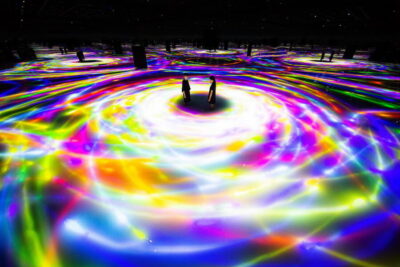
teamLab Planets TOKYO Digital Art Museum Entry Ticket
Read our review →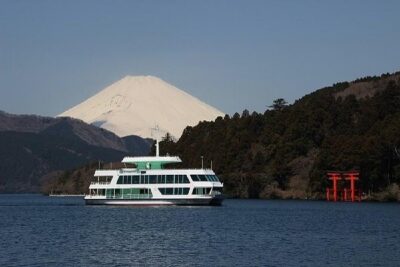
Mt Fuji & Hakone Cruise, Drum Show Bullet Train 1 Day from Tokyo
Read our review →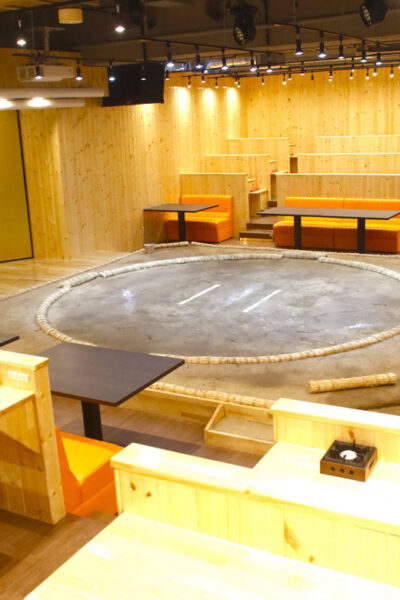
Sumo Show Experience with Chicken Hot Pot and a Photo
Read our review →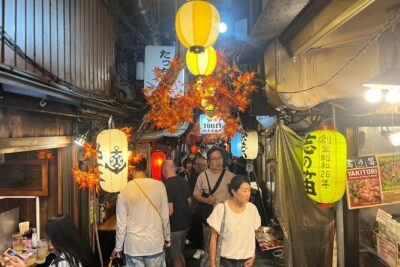
Shinjuku Food Tour (13 Dishes at 4 Local Eateries)
Read our review →