
Reviewed · YANAKA & OLD TOKYO WALKS
Small Town in the Big City: Tasting Tokyo’s Kichijoji
Kichijoji gives you a useful answer to a common Tokyo question: where can I eat well without spending the day crossing the city? This six-hour walk stays in one neighborhood, moving from a department-store food hall to sushi, street snacks, old-school yakitori, and a three-generation senbei shop.
I like the small group size, capped at six people, because food stops work better when there is room to ask questions and watch the preparation. I also like the range: sushi, yakitori, octopus balls, sweets, and rice crackers show several sides of everyday Japanese eating.
The main drawback is the price, $195 per person. That is a serious lunch budget, even with food and drinks included, and the tour requires good weather. You are paying for a guided, tightly planned introduction to Kichijoji, not simply for a meal.
In This Review
- Key points to know before booking
- Why Kichijoji makes a smart food-tour base
- Starting with sushi in a Tokyo department-store food hall
- Walking the shotengai and tasting everyday snacks
- Meeting three generations of a senbei-making family
- Inokashira Onshi Park and the pace of the afternoon
- What the $195 price really covers
- The guide can make or break this experience
- Who should book this Kichijoji food walk
- My call: a focused food day with real local texture
- FAQ
- Where does the Kichijoji food tour begin?
- Where does the activity end?
- How long does the tour last?
- How many people can join?
- What food and drinks are included?
- Is private transportation included?
- Can I cancel for a full refund?
Key points to know before booking
- Kichijoji is the focus: You spend the day learning one Tokyo neighborhood rather than racing between famous sights.
- Food begins in a depachika: The tour opens in a Japanese department-store food hall, with sushi, pickles, fruit, and snack aisles.
- The tasting list is broad: Expect coffee or tea, bottled water, lunch, yakitori, octopus balls, sushi, and senbei.
- Phoebe has earned special praise: Her patient, enthusiastic style is a useful asset for anyone new to Japanese food.
- The group is limited to six: This is a far more personal format than a large bus or street-food crowd.
- You return to Kichijoji Station: The tour starts and ends at the same meeting point, with no private transport supplied.
Why Kichijoji makes a smart food-tour base
Tokyo is so large that a first-time food search can become a guessing game. Kichijoji solves part of that problem by giving you a single neighborhood with enough variety for a full afternoon. The tour treats the area as a living dining room, not just a backdrop for a list of famous dishes.
That matters because Japanese food culture changes from place to place. A department-store food hall shows polished presentation and high standards. A shotengai, or covered shopping street, shows the practical side of local shopping. A family senbei maker adds a much older, more personal scale.
You begin at Kichijoji Station, at 2 Chome-1 Kichijoji Minamicho in Musashino, Tokyo. The exact station meeting point is useful in a city where large stations can have several exits and long underground walks. The activity ends back at the same meeting point, so you do not need to arrange a separate pickup or figure out a new neighborhood afterward.
Kichijoji also gives the tour a natural rhythm. Food comes first, but the walk includes shopping streets and the area around Inokashira Onshi Park. The result is not a restaurant crawl alone. You get a look at where people buy daily food, how snacks are presented, and how traditional products fit into modern Tokyo.
More old-Tokyo backstreet walks:
- The Old Quarter of Tokyo – Yanaka Walking Tour
★ 4.5 · 590 reviews - Yanaka Walking Tour: Historic and Traditional District of Tokyo
★ 5.0 · 530 reviews - Tokyo: Old Quarter Yanaka Walking Tour
★ 4.8 · 406 reviews
Starting with sushi in a Tokyo department-store food hall
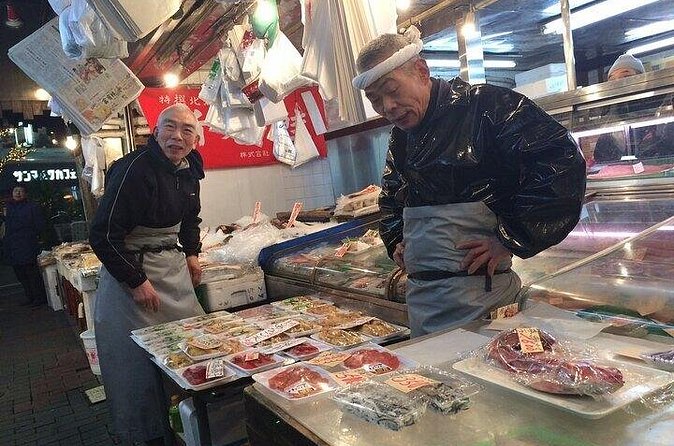
The first major stop is a depachika, the food floor found beneath or inside a Japanese department store. This is one of the best places in Tokyo to see how seriously food is treated. The displays can include carefully prepared dishes, prized pickles, expensive fruit, sweets, and packaged snacks that range from refined to wonderfully ordinary.
The tour moves through several sections before reaching a sushi bar favored by local diners. That sequence is useful. You see the ingredients and prepared foods before sitting down to taste one of Japan’s best-known foods. The stop can also help you understand that a depachika is not simply a supermarket. It is part market, part specialty food hall, and part showcase for presentation.
The fruit and pickles are not throwaway details. Japanese pickles are a basic part of meals, and fruit can be treated as a special gift rather than a routine snack. The food hall’s selection of Japanese junk food adds a lighter touch. You are not being asked to admire only formal cuisine. The tour makes room for the snacks people actually enjoy.
The sushi portion is likely to be the most familiar stop for many people, but the setting gives it extra value. You are not being taken only to a place chosen for tourists. The emphasis is on a sushi bar that local people prefer, which helps connect the meal to the neighborhood.
Walking the shotengai and tasting everyday snacks
From the food hall, the route heads along Kichijoji’s shotengai shopping street. Here, the experience shifts from department-store polish to the daily business of a Japanese neighborhood. You can expect shops serving practical needs, food sellers, and the steady movement of people shopping for home.
This is where the tour explains the basics of Japanese cuisine through small tastings. Instead of asking you to remember a long lecture, the food gives the explanation a purpose. You learn about familiar ingredients and customs while trying them in a local setting.
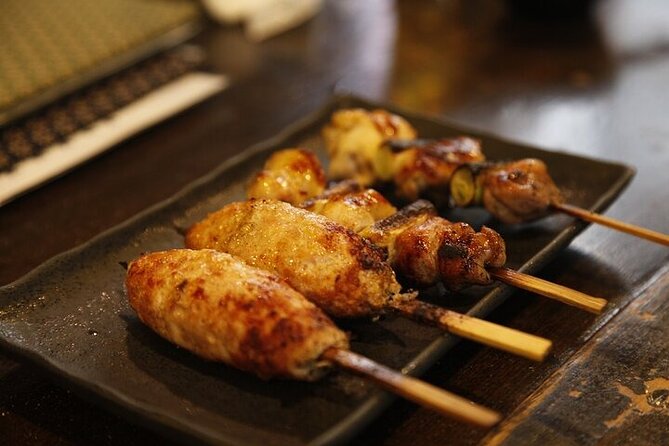
Yakitori is one of the key stops. These skewers are grilled and served street-side, giving you a direct look at a simple food that depends on careful cooking. The format is casual, quick, and easy to understand, even if Japanese menus can feel difficult at first.
Octopus balls are another tasting. Known in Japan as takoyaki, they offer a different texture and preparation from sushi or grilled chicken. Having both on the same route is one of the tour’s strengths. You are not left with the idea that Japanese food means only raw fish and rice.
The shotengai portion also gives you time to notice how food fits into ordinary life. You may find that the most useful moments are not the biggest tastings, but the short explanations about what people buy, how foods are served, and why a neighborhood shop matters.
Meeting three generations of a senbei-making family
The most distinctive stop is a family-owned artisanal senbei maker run across three generations. Senbei are Japanese rice crackers, but that plain description does not tell you much about their range or their place in local food culture.
A family shop gives this tasting a human scale. Instead of seeing rice crackers as anonymous packaged snacks, you connect them with a business that has passed its methods and identity from one generation to the next. That is the sort of detail that makes a food walk worthwhile.
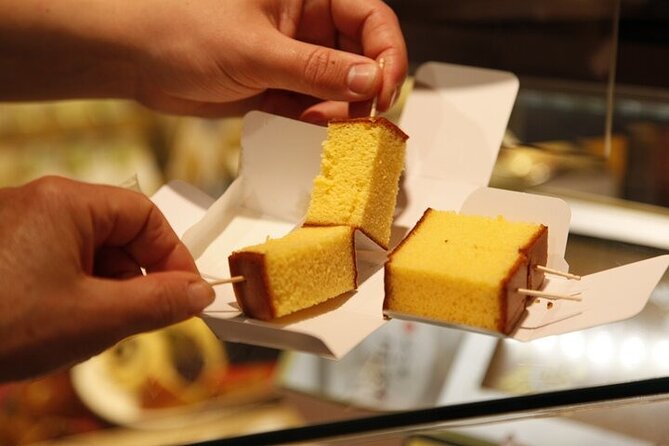
The tour includes an original rice cracker that has been singled out as especially memorable, along with other distinctive senbei. You should expect this stop to feel different from the sushi bar or food hall. The appeal is not only taste. It is the chance to see how a traditional product survives inside a modern Tokyo neighborhood.
This stop may also be a highlight for shoppers. Senbei are easier to carry than many fresh foods, and a family-made product can make a more meaningful souvenir than a generic snack. The supplied information does not promise shopping time or specific packaging, so think of buying something as a possibility, not a guaranteed part of the program.
A few more Tokyo bookings worth comparing
- Mt Fuji and Hakone 1-Day Bus Tour Return by Bullet Train
★ 5.0 · 26,383 reviews - 1-Day Tokyo Bus Tour
★ 5.0 · 14,250 reviews - Tokyo: TOKYO SKYTREE® Admission ticket
★ 4.5 · 11,192 reviews - Tokyo: teamLab Planets TOKYO Digital Art Museum Entry Ticket
★ 4.6 · 9,779 reviews
Inokashira Onshi Park and the pace of the afternoon
Inokashira Onshi Park is named as a stop on the route, placing the food walk in a setting with more breathing room than the shopping streets. The supplied details focus most closely on the tastings and neighborhood food culture, so you should not book this expecting a separate sightseeing program centered on the park.
Still, its inclusion helps shape the day. A six-hour activity needs pauses between tastings, and a park setting can make the change from food hall to shopping street feel less abrupt. You will want comfortable shoes and enough room in your schedule for a walking tour rather than a seated meal.
The overall duration is approximately six hours, while the itinerary lists about four hours for the main stop. That difference may reflect meeting, walking, tasting, and transition time. I would allow the full six hours and avoid scheduling a tight afternoon appointment afterward.
No private transportation is included. That is not much of a problem here because the tour is built around walking within Kichijoji, but it does mean you handle your own route to the station. The start and finish at the same place make the arrangement simple.
What the $195 price really covers
At $195 per person, this is not a bargain food tour. You need to decide if the guided access and neighborhood focus are worth more than buying snacks on your own.
The price includes lunch, snacks, coffee or tea, and bottled water. That gives the fee real food value, though the exact amount and number of tastings are not specified. You should not assume that every item is served as a full portion or that you are receiving a restaurant-style lunch at each stop.
The larger part of the price pays for structure. A guide takes you through a department-store food hall, a local sushi stop, the shotengai, street-side food sellers, and a three-generation senbei business. Without help, you could visit some of these places, but you might not know what to order, what you are seeing, or how the foods fit together.
A small group also changes the value. With no more than six people, the guide can usually keep the pace personal and explain unfamiliar foods without turning the outing into a public speech. Phoebe is specifically praised for patience and enthusiasm, qualities that matter when you are asking basic questions or trying foods outside your comfort zone.
I would call the price fair for someone who values interpretation, included food, and a carefully planned route. I would call it expensive for someone who mainly wants to eat as much as possible for the least money. If your priority is a cheap lunch, use Kichijoji on your own. If your priority is understanding what you are eating, the fee makes more sense.
The guide can make or break this experience
The strongest personal detail available is the praise for Phoebe. Her style is described as patient and enthusiastic, with a clear passion for the foods and businesses on the route. That combination is especially useful in Japan, where a visitor can feel unsure about ordering, etiquette, or unfamiliar textures.
A guide also helps you move past the obvious choices. Sushi and yakitori are easy to recognize, but pickles, senbei, Japanese snack foods, and department-store specialties need context. The best parts of this tour are likely to come when Phoebe explains why a product matters, how a family business works, or what local shoppers are selecting.
The provider is Culinary Backstreets Walks. Since guide assignments can change, Phoebe should be treated as an example of the guiding style rather than a guaranteed name for every departure. If having her specifically matters to you, confirm that before booking.
Who should book this Kichijoji food walk
I would recommend this tour to you if you want a neighborhood-based introduction to Japanese food. It suits first visits to Tokyo, especially if the city feels too large to tackle one restaurant or district at a time.
It is also a strong choice for curious eaters who want more than sushi. The route covers a useful spread of tastes and settings: raw fish, grilled skewers, octopus balls, rice crackers, department-store foods, and local shopping streets.
The tour may work well for people who prefer a smaller social group. Six or fewer is enough for conversation without the impersonal feel of a large tour. Most people can participate, and the activity is near public transportation.
I would think twice if you dislike walking, need a very predictable meal, or have serious dietary restrictions that are not addressed in the supplied details. The tour is built around tasting a variety of foods, and no specific dietary accommodation is promised.
Book ahead if your Tokyo dates are fixed. The experience is booked an average of 83 days in advance, which suggests that popular departure dates can fill early. You get free cancellation if you cancel at least 24 hours before the start time, but changes or cancellations inside that window are not refunded.
The tour also requires good weather and a minimum number of participants. If weather or numbers force a cancellation, you are offered another date or experience, or a full refund.
My call: a focused food day with real local texture
This Kichijoji tour is worth booking if you want to understand a corner of Tokyo through food rather than collect famous restaurant names. The best elements are its variety, its six-person maximum, the local sushi stop, and the unusual chance to meet a three-generation senbei-making family.
The $195 cost is the clear question mark. You pay more than you would for an independent lunch, but you also get several tastings, drinks, guidance, and a route that would take planning to reproduce. I would choose it early in a Tokyo visit, when the food explanations can help you order with more confidence for the rest of your trip.
If you want a low-cost meal or a major sightseeing tour, skip it. If you want a patient guide, a compact neighborhood, and a full afternoon of Japanese food beyond the usual sushi clichés, this is a strong choice.
FAQ
Where does the Kichijoji food tour begin?
It begins at Kichijōji Station, at 2 Chome-1 Kichijoji Minamicho, Musashino, Tokyo 180-0003, Japan.
Where does the activity end?
The tour ends back at the meeting point at Kichijōji Station.
How long does the tour last?
The experience lasts approximately six hours. One itinerary section lists about four hours for the main neighborhood portion, so you should allow the full six-hour schedule.
How many people can join?
The activity has a maximum of six participants.
What food and drinks are included?
Lunch, snacks, coffee or tea, and bottled water are included. The route also features sushi, yakitori, octopus balls, and senbei.
Is private transportation included?
No. Private transportation is not included. The tour begins and ends near public transportation at Kichijōji Station.
Can I cancel for a full refund?
Yes, if you cancel at least 24 hours before the experience start time. Cancellations or changes made less than 24 hours before the start are not refunded. Weather or minimum-participant cancellations may result in another date or a full refund.
New on our Tokyo list
- From Tokyo: Mount Fuji & Hakone Full Day Private Tour★ 4.9 · 25 reviews
- Tokyo Spectacular View Day-Cruise in 90 Minutes★ 5.0 · 25 reviews
- Real Tokyo Runner Club : Daikoku Car Meet Night Tour with JDM Car★ 5.0 · 25 reviews
- 2.5 Hour-Guided Cycle Tour in the Central Tokyo★ 5.0 · 25 reviews
- Ramen Making from Scratch +Akihabara Tour –Cooking Class★ 5.0 · 25 reviews
- [Self-Drive] Tokyo & Daikoku Custom Car Driving Tour★ 4.9 · 25 reviews
- Tokyo: 2-Hour Night Bike Tour of the City’s Hidden Gems★ 4.9 · 25 reviews
- Samurai themed Entertainment show in Shinjuku★ 4.5 · 25 reviews
Yanaka & Old Tokyo Walks, compared.
Yanaka Walking Tour: Historic and Traditional District of Tokyo
Read our review →
Stroll in Old traditional culture towns~Yanaka & Nezu
Read our review →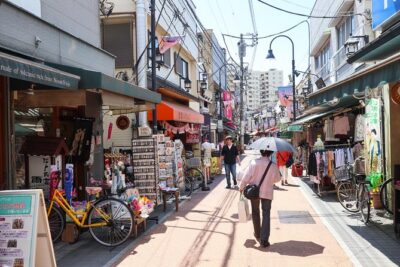
Yanaka Historical Walking Tour in Tokyo’s Old Town
Read our review →
Private Home Cooking in Yanaka – Local Flavors in a Warm Setting
Read our review →
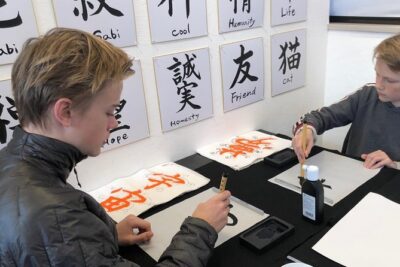
Let’s experience calligraphy in YANAKA, Taito-ku, TOKYO !!
Read our review →Browse the lists this tour appears in