
Reviewed · CITY TOURS
Tokyo: Private City Highlights Tour with Local Guide
Tokyo: Private City Highlights Tour with Local Guide
The best feature of this Tokyo tour is its freedom. You do not follow a fixed route with a busload of strangers. You tell your guide what matters to you, and the day can link grand sights such as Senso-ji Temple and the Imperial Palace with food stops, gardens, shopping streets, or quieter neighborhoods.
I like two things especially. First, the guide can make Tokyo’s complicated rail system part of the lesson, not an obstacle. Second, the nationally licensed guides bring useful background on religion, history, food, and everyday life. Guides including Fumiko, Kenji, Atsushi, and Yumi have been praised for careful planning and warm, flexible help.
The catch is simple: this is a walking day, not a private-car tour. Trains, taxis, and long stretches on foot are included in the rhythm, while your transport, lunch, and entrance fees cost extra. In summer, the walking can be tiring, so plan a sensible route rather than trying to collect every sight.
In This Review
- Key points at a glance
- Why a private Tokyo tour can save your first day
- Asakusa and Senso-ji: Tokyo’s traditional opening act
- Imperial Palace gardens: space, power, and a quiet pause
- Tsukiji Market: food, timing, and a practical lunch stop
- Meiji Jingu and Harajuku: forest calm beside youth culture
- Shinjuku, Golden Gai, and the modern city
- Akihabara, Nezu, and the value of choosing less
- What the guides add to the day
- Getting around: useful instruction, not private transport
- Is $106 per person good value?
- Timing, comfort, and accessibility
- Should you book the Tokyo City Highlights Tour?
- FAQ
- How long does the Tokyo private city tour last?
- Which sights can I request?
- Is the itinerary fixed?
- Is hotel pickup included?
- Are transportation costs included?
- Is lunch included?
- Are entrance fees included?
- What languages are available?
- Can I cancel the tour?
Key points at a glance
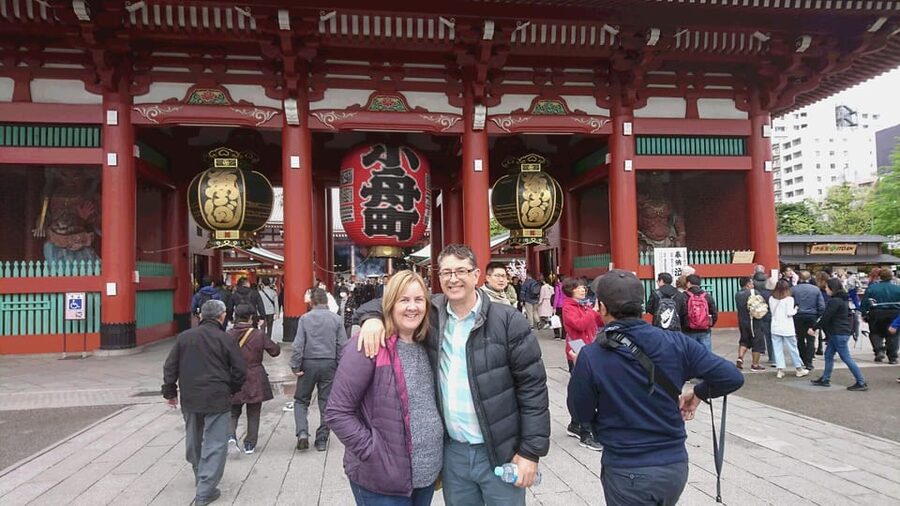
- Choose your own Tokyo: Pick from Asakusa, Tsukiji, Meiji Jingu, Harajuku, Shinjuku, Akihabara, gardens, and more.
- Learn the metro as you go: Guides can show you how to use Tokyo’s trains and help you move between districts.
- Meet at your hotel: Pickup and drop-off are included, though the actual tour uses public transport, taxis, and walking.
- Expect real local context: Guides explain customs such as shrine visits, goshuin stamps, foliage viewing, and daily Japanese life.
- Plan for four to eight hours: A shorter tour works for a first look; eight hours allows a wider cross-section of Tokyo.
- Pay attention to extras: The $106 price covers the guide, but not your transport, food, or admission fees.
Why a private Tokyo tour can save your first day
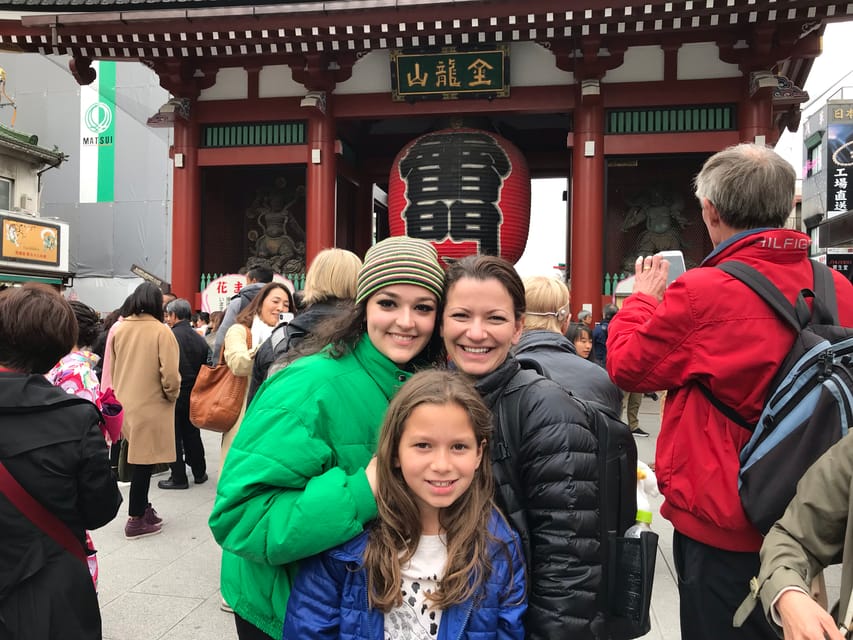
Tokyo is not hard because the sights are difficult to find. It is hard because the city is huge, the rail network is dense, and each district feels like a separate town. A private guide gives you a human map.
You meet at your hotel and discuss the day. That matters more than it may sound. A family with children may need shade and breaks. A food-focused visitor may want Tsukiji and local eating suggestions. A first-time visitor may prefer the classic sequence of Asakusa, the Imperial Palace, Meiji Jingu, and Shibuya.
The flexible format also lets you adjust the pace. Four hours is enough for a useful introduction. Six hours gives you room for several major areas. Eight hours can cover a lot, but it will still be an active day, especially when station corridors and transfers are counted.
I would book this early in a Tokyo stay. A guide can explain how to read the transport system, how to behave at shrines, and how different districts fit together. Afterward, you can explore more confidently on your own.
A few more Tokyo bookings worth comparing
- Mt Fuji and Hakone 1-Day Bus Tour Return by Bullet Train
★ 5.0 · 26,383 reviews - 1-Day Tokyo Bus Tour
★ 5.0 · 14,250 reviews - Tokyo: TOKYO SKYTREE® Admission ticket
★ 4.5 · 11,192 reviews
Asakusa and Senso-ji: Tokyo’s traditional opening act
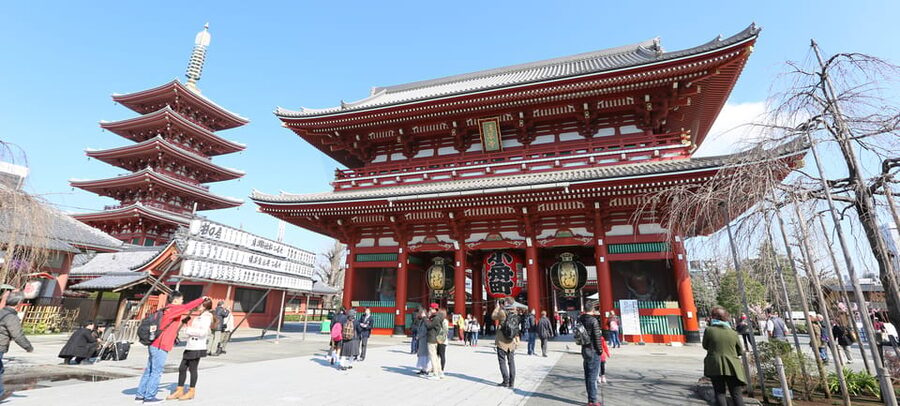
Asakusa is a natural first stop if you want old Tokyo. The focus is Senso-ji, the famous Buddhist temple, reached through the Nakamise shopping street. This gives you a clear introduction to temple architecture, religious customs, and the way a major sacred site functions alongside shops and city traffic.
A guide adds value here by explaining what you are seeing rather than leaving you with a quick photograph and a name. You can ask about temple traditions, how to act respectfully, and the difference between Buddhist and Shinto places.
Allow time for the approach, not only the main hall. The shopping street is part of the experience, and some tours include nearby streets or local areas. The trade-off is that Asakusa can be crowded, so your guide’s timing and route choices matter.
If you have already spent several days in Tokyo, ask for a less familiar angle. One guide took a visitor interested in cooking to Kappabashi, the kitchenware district. That kind of adjustment is where a private tour earns its keep.
Imperial Palace gardens: space, power, and a quiet pause
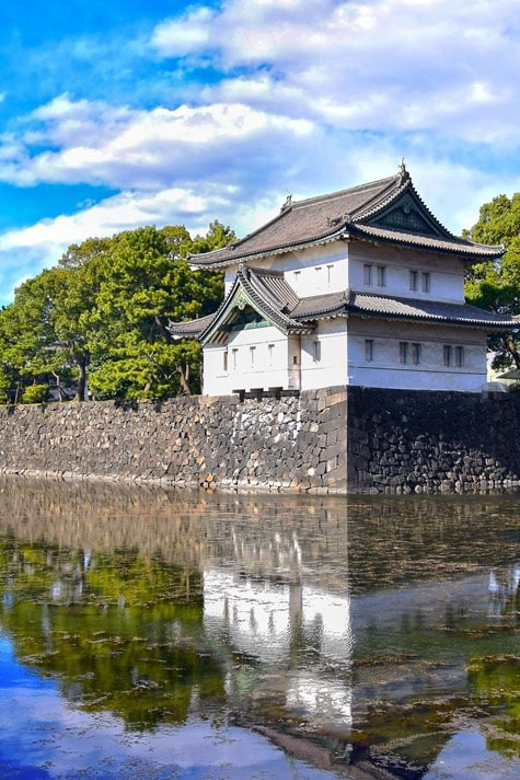
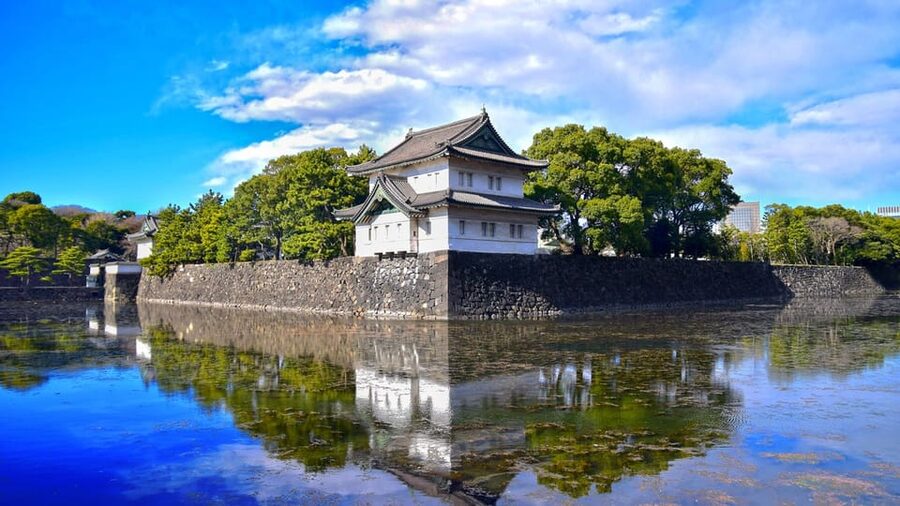
The Imperial Palace area offers a sharp change from Asakusa. Depending on the agreed route and opening conditions, you might walk through the Outer Garden or visit the East Gardens. These broad grounds provide a welcome break from Tokyo’s tight streets and train stations.
The palace is not simply a photo stop. A guide can explain the role of the imperial family, the history connected with the grounds, and seasonal customs such as foliage viewing. Access can vary by area and date, so do not assume that every part of the palace compound will be open.
The gardens also make a useful pacing stop. After the noise and activity of Asakusa, a slower walk can keep the day from becoming a race. Visitors interested in plants, old stonework, ponds, or Japanese garden design may want to give this area more time.
Remember that entrance charges, if required, are not included. Your guide can help you understand the route, but you pay your own admission and transport costs.
Tsukiji Market: food, timing, and a practical lunch stop
Tsukiji is one of the strongest choices for anyone who wants food woven into the sightseeing. The market area offers a chance to look at Japanese ingredients, small food shops, and the everyday side of Tokyo’s culinary culture.
This is also a good place to ask your guide for help with lunch. The meal is not included, but a guide can help you choose a place that works for your group. One guide directed a family toward a ramen experience that suited a teenager, while another helped a mixed group find a lunch setting with several food choices.
Do not confuse a visit to Tsukiji with a private fish auction tour. The supplied plan identifies Tsukiji Fish Market as a possible stop, but it does not promise a specific market activity or meal. Treat it as a food and street visit, with your guide helping you make sense of what is available that day.
Same corner of Tokyo, a completely different plan:
- Tokyo: teamLab Planets TOKYO Digital Art Museum Entry Ticket
★ 4.6 · 9,779 reviews - Mt Fuji & Hakone Cruise, Drum Show Bullet Train 1 Day from Tokyo
★ 4.0 · 7,413 reviews - Tokyo: Sumo Show Experience with Chicken Hot Pot and a Photo
★ 4.8 · 6,678 reviews - Tokyo: Shinjuku Food Tour (13 Dishes at 4 Local Eateries)
★ 5.0 · 6,603 reviews
Meiji Jingu and Harajuku: forest calm beside youth culture
The Meiji Jingu Shrine is one of the most useful stops for understanding the contrast at the heart of Tokyo. Its approach passes through a large forested setting, while Harajuku and Takeshita Street nearby are associated with youth fashion, novelty shops, and kawaii culture.
That pairing works well. You can move from a quiet shrine setting to a lively shopping street without spending half the day crossing the city. A guide can explain Shinto customs, show you how to approach the shrine respectfully, and then provide context for the modern side of Harajuku.
Takeshita Street may be a highlight for teenagers and shoppers, but it is not a must for everyone. If you dislike crowded retail streets, use your private format to substitute Nezu, a garden, or another cultural stop. The itinerary is meant to reflect your interests, not force every famous name onto one exhausting route.
The Meiji Jingu forest also offers some relief in hot weather, though you should still expect substantial walking. A summer guide such as Tako or Sam may adjust the day with shade and cool stops, but comfortable shoes and water remain your responsibility.
Shinjuku, Golden Gai, and the modern city
Shinjuku gives you Tokyo at a different scale. It is a useful place to see the city’s high-energy commercial side, large stations, entertainment streets, and dense urban life. Shinjuku Golden Gai, with its tiny bars and narrow lanes, can add a more intimate feel, though the exact experience depends on timing and your interests.
The area can also be busy and confusing. A guide helps you avoid wasting time finding the right exit or walking in circles around the station. One of the tour’s practical strengths is this kind of navigation, especially when you are still learning the city.
You may also request Shinjuku Gyoen National Garden. It provides another change of pace, with open grounds and garden scenery. Since the tour lasts four to eight hours, you should not expect a detailed visit to every district on the list. Ask your guide to rank the stops before the day begins.
Akihabara, Nezu, and the value of choosing less
Akihabara is the clear choice for anime, manga, electronics, and pop culture. It suits visitors with a specific interest, but it may not be the best use of time for someone making a first visit focused on temples, gardens, and food.
Nezu offers a different mood, with older streets and shrine areas. A food-and-culture itinerary once included Nezu Shrine and several smaller shrines along with coffee and local food stops. That shows why you should describe your interests in detail rather than simply asking to see the best of Tokyo.
Private touring works best when you make choices. You cannot realistically explore Asakusa, the palace, Tsukiji, Harajuku, Meiji Jingu, Akihabara, Nezu, Shinjuku, and every garden in depth during one day. A good guide can help you choose three or four linked areas and avoid an itinerary that looks impressive on paper but feels rushed in person.
What the guides add to the day
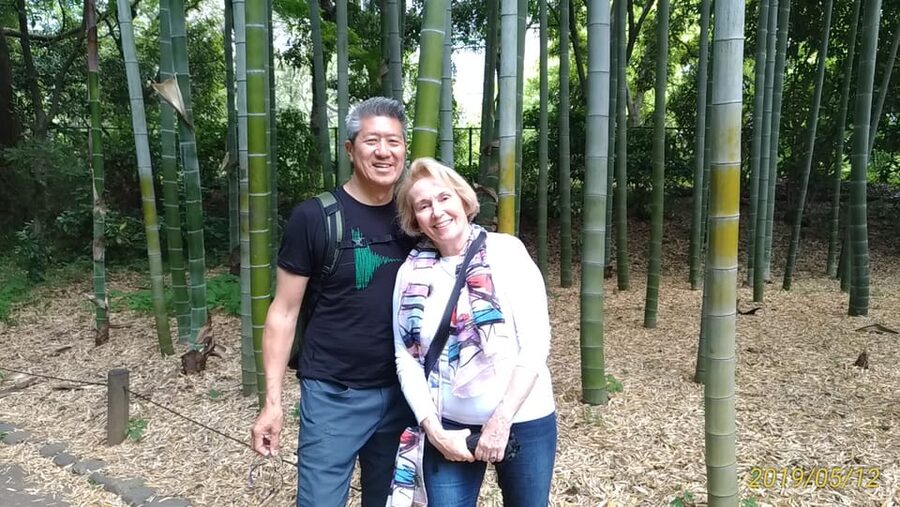
The guide quality is central to this experience. The certification is issued by the Japanese government and requires a strong command of Japanese culture and history. That does not mean every guide has the same personality or specialty, so communication before the tour is important.
Several guides have been especially praised for planning ahead. Steve contacted a family before arrival, discussed their wishes, and later helped them understand the train network. Kazuo kept in touch weeks ahead and adjusted the plan, including meal ideas and a change to the final destination.
The best use of your guide is not a nonstop lecture. It is asking practical questions at the right places. Why do people bow here? What is the correct shrine routine? How does a goshuin book work? Which rail line should you use tomorrow? Kenji introduced a visitor to goshuin stamps, which became a favorite souvenir activity.
Guides have also helped with family needs. Yumi kept an 11-year-old engaged while showing a family major sights and daily life. Lance adjusted stops for two young children and found a ramen lunch. This is a good sign for families, but the walking warning still matters.
English and Japanese are available. English ability will vary by guide, so tell the provider your language needs and discuss your wishes when the guide contacts you.
Getting around: useful instruction, not private transport
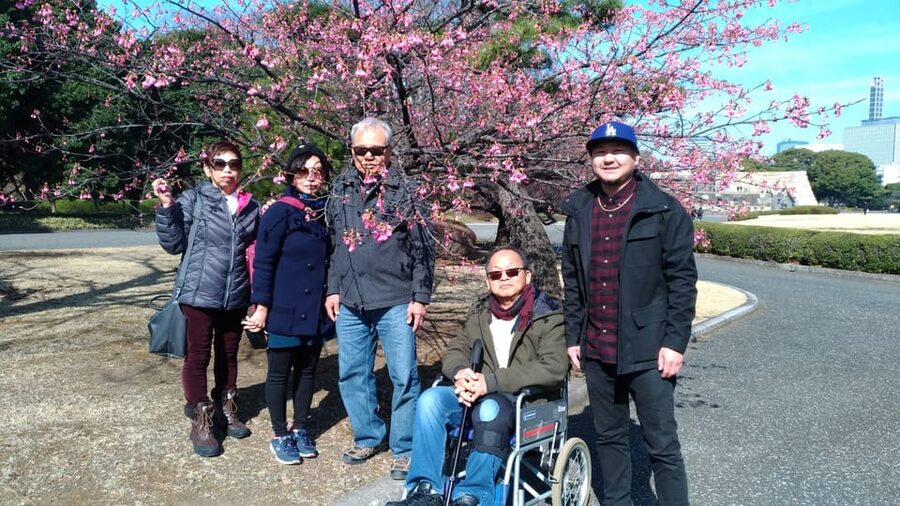
This is advertised as a walking day tour, and that description is important. You may walk between nearby sites, then use public trains or a local taxi for longer transfers. A private vehicle is not included.
Your guide can teach you how to use the metro, read routes, and manage transfers. For a first day in Tokyo, that lesson may be as valuable as the sightseeing. Several itineraries used the train system to cover multiple districts efficiently, and guides helped visitors continue using it alone after the tour.
Transportation costs are extra. The exact amount depends on your route, so discuss it after you decide what you want to see. Carry Japanese yen for these costs, and remember that lunch and any personal spending are separate too.
The meeting point is your hotel, but pickup happens on foot. If you are staying in Yokohama, the train ride to Tokyo is about 30 minutes, with the transfer time and transport cost still part of your planning.
Is $106 per person good value?
At $106 per person, this is not the cheapest way to look at Tokyo. You still pay your own fares, food, and entrance fees. If you only want a guide to one temple, a group tour may cost less.
The value appears when you use the private format well. A guide can save time in stations, tailor the day to your family, answer questions as they arise, and show you how to continue independently. That combination is useful on a first visit, especially if Tokyo feels overwhelming.
The price also becomes easier to justify for a small private group. You are not paying for a fixed bus route or spending time on stops that do not interest you. A six-hour plan built around your priorities can be more useful than a longer standard tour.
Ask yourself what you want from the day. If you want background, orientation, food advice, and help with transport, the price can be fair. If you are comfortable planning rail routes and reading about each sight yourself, you may prefer to spend the money on meals or admissions.
Timing, comfort, and accessibility
The tour can last from four to eight hours, with starting times based on availability. Four hours is a sensible choice if you want an introduction without wearing yourself out. Six hours offers a strong middle ground. Eight hours suits people who want a full day and can maintain a steady walking pace.
The experience is wheelchair accessible, but the route should be discussed carefully in advance because it uses public transport and walking. Station transfers, street crossings, crowds, and the distance between platforms can affect comfort.
Families should be direct about breaks, shade, and children’s interests. The format allows changes, and guides have adjusted routes for heat and young children. Still, flexible does not mean effortless. Wear shoes you trust and avoid overloading the itinerary.
Cancellation is free up to 24 hours before the start, and you can reserve now and pay later. The booking is not fully confirmed until the guide contacts you, usually within seven days. If no guide is available, the provider will contact you.
Should you book the Tokyo City Highlights Tour?
I would book this tour for a first day in Tokyo, especially if you want several major sights without spending your opening morning fighting the metro map. It also suits families, visitors with a strong food or culture interest, and anyone who prefers a private pace.
I would not book it expecting a chauffeured sightseeing day or a complete tour of every district. Transport, lunch, admission, and personal expenses are extra, and the walking is real.
To get the best result, send your guide a short priority list before arrival. Choose your top three sights, name any must-have food or shopping stops, explain mobility needs, and say how much walking your group can manage. Do that, and $106 buys more than sightseeing: it gives you a practical start in Tokyo and a guide to the city’s customs, routes, and rhythm.
FAQ
How long does the Tokyo private city tour last?
The tour lasts between four and eight hours. Starting times depend on availability.
Which sights can I request?
Possible stops include Asakusa, the Imperial Palace, Shinjuku Gyoen National Garden, Tsukiji Fish Market, Meiji Jingu Shrine, Akihabara, Hama Rikyu Gardens, Harajuku, Takeshita Street, Nezu, and Shinjuku Golden Gai.
Is the itinerary fixed?
No. The tour is private and customizable. You choose the places you most want to see, and the guide plans a route around your preferences.
Is hotel pickup included?
Yes. Hotel pickup and drop-off are included. The guide meets you at your hotel, but the tour itself uses walking, public transportation, and local taxis rather than a private vehicle.
Are transportation costs included?
No. Your train fares and taxi costs are separate. The exact transport cost depends on the route, and you should carry Japanese yen.
Is lunch included?
No. Lunch is not included. You pay for your own meal and personal expenses.
Are entrance fees included?
No. Any entrance fees for you are separate from the tour price.
What languages are available?
The tour offers live guides in English and Japanese. The guides hold Japan’s nationally licensed Tour Guide-Interpreter certification.
Can I cancel the tour?
Yes. You can cancel up to 24 hours before the start time for a full refund. You can also reserve now and pay later.
New on our Tokyo list
- From Tokyo: Mount Fuji & Hakone Full Day Private Tour★ 4.9 · 25 reviews
- Tokyo Spectacular View Day-Cruise in 90 Minutes★ 5.0 · 25 reviews
- Real Tokyo Runner Club : Daikoku Car Meet Night Tour with JDM Car★ 5.0 · 25 reviews
- 2.5 Hour-Guided Cycle Tour in the Central Tokyo★ 5.0 · 25 reviews
- [Self-Drive] Tokyo & Daikoku Custom Car Driving Tour★ 4.9 · 25 reviews
- Tokyo: 2-Hour Night Bike Tour of the City’s Hidden Gems★ 4.9 · 25 reviews
- Ramen Making from Scratch +Akihabara Tour –Cooking Class★ 5.0 · 25 reviews
- Samurai themed Entertainment show in Shinjuku★ 4.5 · 25 reviews
City Tours, compared.

Asakusa, Skytree & Akhihabara Go-Kart City Experience
Read our review →
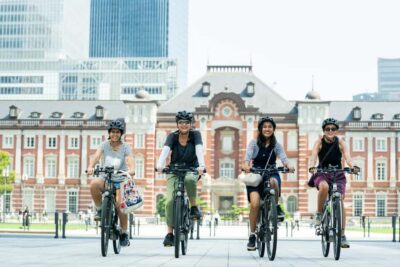
3-hour Guided E-Bike Tour of the City’s Hidden Gems
Read our review →
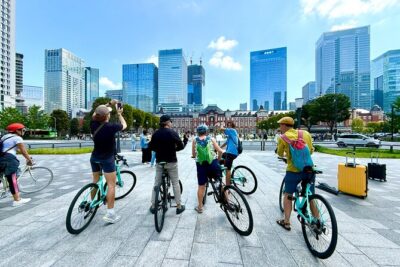
3-Hour Bike/E-Bike Tour of the City’s Highlights
Read our review →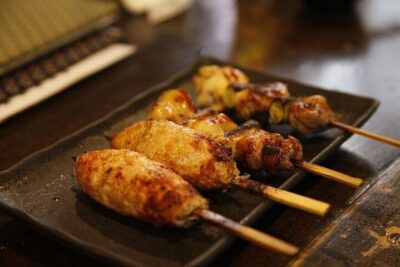
Small Town in the Big City: Tasting Tokyo’s Kichijoji
Read our review →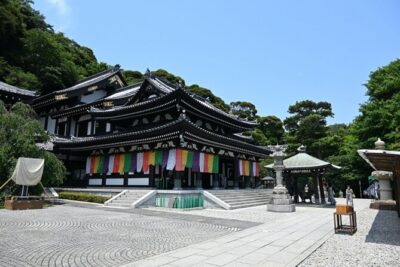
Browse the lists this tour appears in