Reviewed · TOURS
Day Tour from Tokyo : Experience Kawagoe and Edo Japan
Kawagoe gives you a compact taste of old Japan without sending you far from Tokyo. In one six-hour outing, you can walk through Kitain Temple, browse sweet-potato treats in the old warehouse district, and enter the preserved rooms of a former castle.
I like the well-balanced route, which mixes temples, shopping, food, shrines, and castle history. I also like the personal guiding style reported for Beth, who helped with station directions, adjusted the day to suit individual interests, and recommended everything from eel restaurants to useful travel apps.
The main drawback is the walking. You will move between several sites, use trains, and spend much of the day on your feet. The tour is not suitable for wheelchair users or people with mobility impairments, and train fares plus lunch are extra.
In This Review
- Key points to know before you book
- Why Kawagoe works as a Tokyo day trip
- Kitain Temple and the Edo Castle connection
- Kurazukuri streets, the bell tower, and lunch
- Fishing for fortune at Kawagoe Hikawa Shrine
- Walking the halls of Honmaru Palace
- The final hour and optional Kawagoe museums
- What the $135 price really buys you
- Walking, timing, and who should choose this tour
- Should you book the Kawagoe day tour?
- FAQ
- Where does the tour begin?
- How do I find the meeting point in Ikebukuro Station?
- How long does the tour last?
- Is the tour conducted in English?
- How long does the train journey to Kawagoe take?
- What admissions are included?
- Are train fares included in the price?
- Is lunch included?
- Is the tour suitable for wheelchair users?
- Can I cancel for a full refund?
Key points to know before you book
- Kitain Temple includes Edo Castle remains: Part of the temple’s main hall was built with structures from the original Edo Castle in Tokyo.
- Kawagoe’s Kurazukuri district is the heart of the day: Clay-walled warehouses, old shops, food stalls, and the famous Toki no Kane bell tower fill the route.
- You can fish for your fortune: At Kawagoe Hikawa Shrine, the fortune-telling experience uses a distinctive fishing theme.
- Honmaru Palace lets you walk through castle rooms: The preserved halls offer a close look at the spaces once used by the ruling samurai class.
- Guide Beth brings practical help: Her reported strengths include station assistance, flexible pacing, historical context, restaurant suggestions, and transport advice.
- The $135 price covers guiding and admissions, not transport or food: That makes the tour most useful if you want structure and context rather than the cheapest possible trip.
Why Kawagoe works as a Tokyo day trip
Kawagoe sits in Saitama Prefecture, yet it remains easy to reach from central Tokyo. The train ride from Ikebukuro takes about 30 minutes, while journeys from Shinjuku or Shibuya take about an hour. That short trip changes the feel of the day without demanding a major travel commitment.
Kawagoe is often compared with a small Kyoto, though that comparison needs a little care. You will not find Kyoto’s scale or long list of grand attractions here. What you do get is a compact old town where temples, shrines, former merchant buildings, local sweets, and castle remains fit into one manageable route.
I think this is the tour’s main appeal. Tokyo can be exciting but tiring, with bright signs, dense crowds, and constant train connections. Kawagoe offers a slower day built around traditional buildings and local streets. It is also a sensible stop if you are traveling onward toward Nagano, since the outing can help you use your time between destinations.
The day begins at 9 a.m. inside Ikebukuro Station, outside the blue Tobu entrance gate. Finding the correct meeting point matters. Look for the Tobu Line signs marked TJ, follow the signs toward Central Gate 1, pass Tantan on your left and Uniqlo on your right, then exit through the green JR gates. The blue Tobu gate should be directly ahead.
That sounds fussy, but large Japanese stations can be confusing. Give yourself time to reach the meeting point. A guide such as Beth can help you get on the right train and avoid starting the day stressed.
A few more Tokyo bookings worth comparing
- Mt Fuji and Hakone 1-Day Bus Tour Return by Bullet Train
★ 5.0 · 26,383 reviews - 1-Day Tokyo Bus Tour
★ 5.0 · 14,250 reviews - Tokyo: TOKYO SKYTREE® Admission ticket
★ 4.5 · 11,192 reviews
Kitain Temple and the Edo Castle connection
Your first major stop is Kitain Temple, reached after a train ride of about 55 minutes. The temple visit lasts around 50 minutes and includes a guided explanation, followed by time to look around and take photographs.
Kitain is important for more than its religious role. Part of the main hall was constructed from buildings connected with the original Edo Castle in Tokyo. That gives you a rare physical link to a place that no longer survives in its original form. As you walk through the grounds, you are not simply looking at an old temple. You are seeing pieces of the castle complex where the shogun once lived and worked.
The temple is also known for its 540 Rakan statues. These carved figures give the site a more intimate and unusual character than a standard temple visit. You can spend time studying their different expressions and poses rather than rushing through a single main hall.
The included admission is useful here because the temple is one of the day’s central historical stops. A guide adds value by connecting the buildings to Edo-period power and explaining why material from the Tokyo castle ended up in Kawagoe.
After Kitain, you walk for about 15 minutes toward the old town. This is a modest distance, but it sets the pattern for the rest of the outing: short transfers, steady walking, and several stops close enough to form a coherent route.
Kurazukuri streets, the bell tower, and lunch
The old town is the busiest part of the tour in terms of things to see and do. You spend roughly two hours and 20 minutes here for a guided walk, lunch, and free time. That longer block is welcome because Kawagoe’s appeal comes from details along the street, not from one single sight.
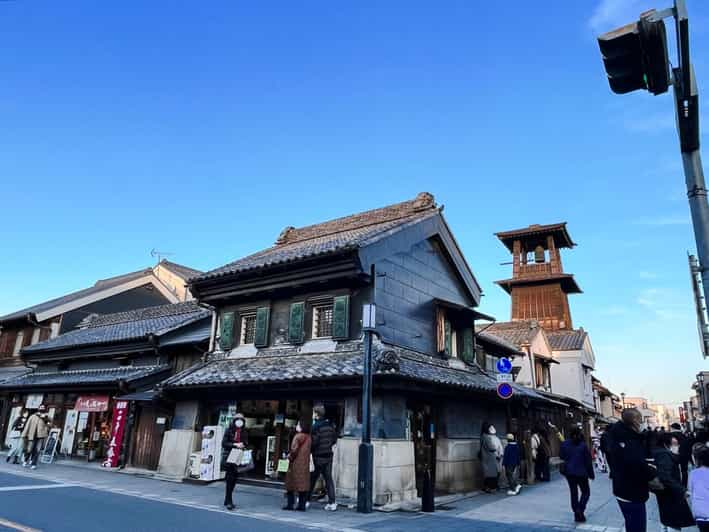
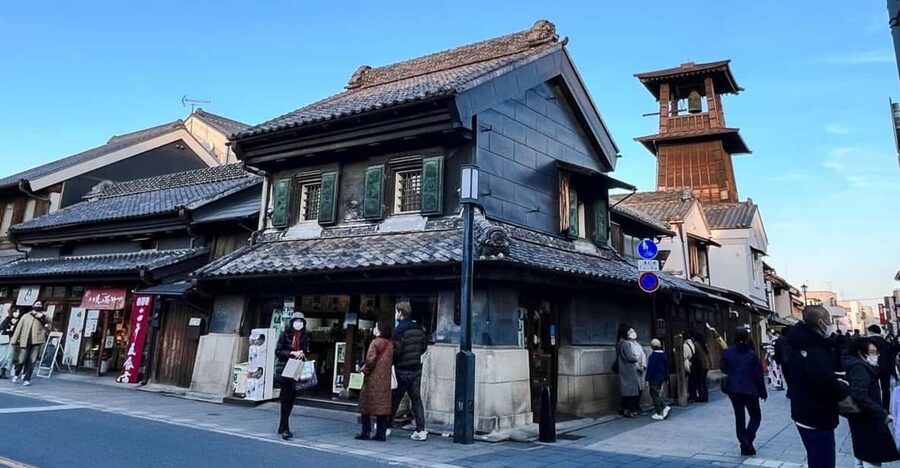
The Kurazukuri buildings are the signature. These traditional clay-walled warehouses were designed to protect goods from fire, and their dark, sturdy exteriors give the street a distinctive look. You will see former merchant buildings, local shops, food stalls, and side streets that make the town feel different from modern Tokyo.
The Toki no Kane bell tower is another key landmark. Its name means Bell of Time, and it has become one of Kawagoe’s best-known symbols. Your guide can place it in the wider story of the old commercial town, where merchants, craftsmen, and local businesses shaped daily life.
Kawagoe’s food is a major part of this stop. The town is especially known for sweet potatoes, so look for sweet-potato pie and other sweets built around that local specialty. A small treat is an easy way to sample the town without committing to a full meal.
Lunch is not included, which gives you choice but also requires a little planning. You might choose street food, a sit-down café, or a traditional restaurant. One especially useful recommendation from Beth was a quaint old restaurant serving eel. If eel appeals to you, this is the sort of local suggestion that can make the free time more rewarding.
A local coffee shop also came in handy for a break during the day. That detail matters because the schedule is active. You are not forced to spend every minute chasing another sight. If you need to sit down, your guide can help you make a sensible pause while still keeping the group on schedule.
You also pass an old sake brewery and have time to browse local crafts and souvenirs. The balance works well: part guided history lesson, part open-ended shopping time. I would not treat the free period as a chance to cover every museum in Kawagoe. Instead, use it to eat, photograph the buildings, and choose a few shops that interest you.
Fishing for fortune at Kawagoe Hikawa Shrine
The route continues to Kawagoe Hikawa Shrine, with about 45 minutes for a guided visit. This shrine adds a lighter, more playful note after the warehouse streets.
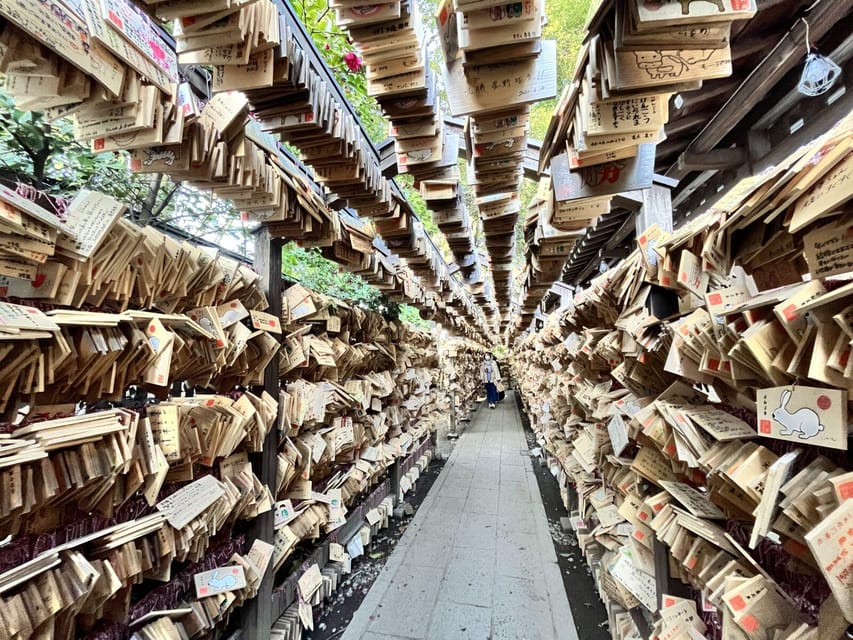
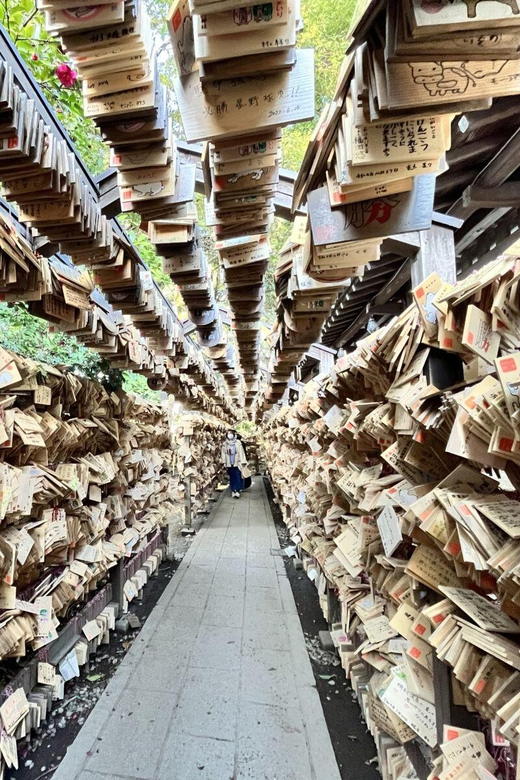
One of the shrine’s memorable features is the chance to fish for your fortune. The fortune is presented through a fishing-style activity, giving you something more hands-on than simply pulling a paper slip from a box. It is a small experience, but it is also a good example of how Japanese religious sites can combine tradition with local charm.
Your guide can explain the shrine’s cultural role and help you understand what you are seeing. That context is useful, especially if you are visiting Japan for the first time and are still learning how Shinto shrines differ from Buddhist temples.
The stop also breaks up the historical material. The day has a lot of information about castles, shoguns, architecture, and merchant life. Hikawa Shrine gives you time for photographs and a simple personal ritual, rather than another formal museum-style visit.
Same corner of Tokyo, a completely different plan:
- Tokyo: teamLab Planets TOKYO Digital Art Museum Entry Ticket
★ 4.6 · 9,779 reviews - Mt Fuji & Hakone Cruise, Drum Show Bullet Train 1 Day from Tokyo
★ 4.0 · 7,413 reviews - Tokyo: Sumo Show Experience with Chicken Hot Pot and a Photo
★ 4.8 · 6,678 reviews - Tokyo: Shinjuku Food Tour (13 Dishes at 4 Local Eateries)
★ 5.0 · 6,603 reviews
Walking the halls of Honmaru Palace
The final major attraction is Kawagoe Castle Honmaru Palace. The visit lasts around 45 minutes and includes admission and a guided tour.
Kawagoe’s castle was a flatland castle, and the surviving palace structure is valued for its preserved rooms and corridors. Here, you can walk through the halls and imagine the officials and samurai who once used them. The experience is less about dramatic fortifications and more about interiors, floor plans, and the controlled atmosphere of a ruling household.
This is an important distinction. You are not visiting a complete castle with towers and defensive walls. You are seeing the remaining palace rooms, which offer a quieter look at how authority worked inside an Edo-period residence.
A free castle stamp makes a pleasant souvenir. Japan’s stamp culture is one of those small travel pleasures that gives you a physical reminder without adding much cost or luggage.
The palace also gives the day a clear historical arc. At Kitain, you see buildings connected to the original Edo Castle. In the old town, you learn about merchants and everyday commerce. At Honmaru Palace, you return to the political world of the shogun and samurai. The three settings help you understand Edo Japan from different angles.
The final hour and optional Kawagoe museums
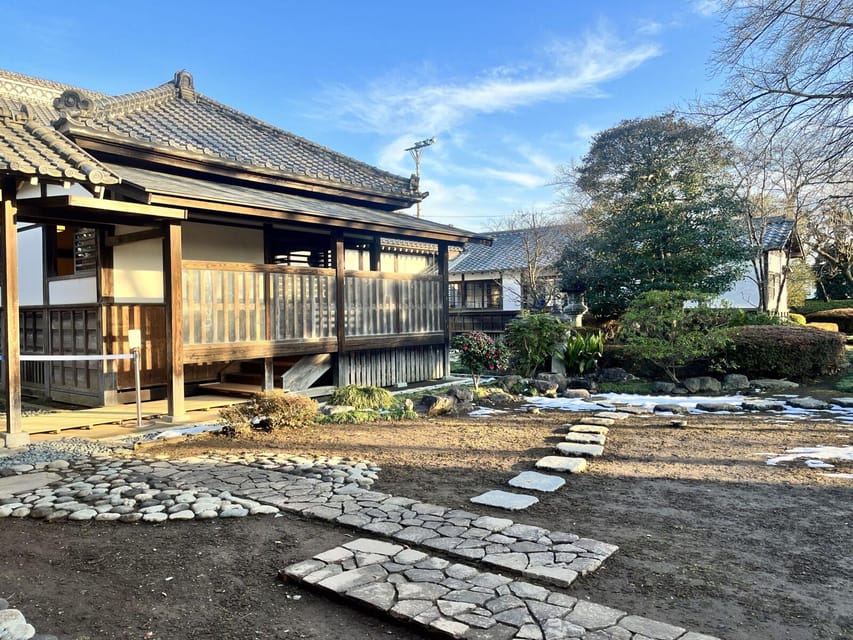
After Honmaru Palace, the group returns to the Kurazukuri district for about an hour of guided time and free exploration. You can use this period for final photographs, another snack, a craft purchase, or a last look at a street you passed earlier.
There are also two additional attractions in the area that are not part of the covered route: Kawagoe City Museum and Kawagoe Matsuri Museum. The tour does not promise time or admission for them, so treat them as optional ideas rather than essential stops.
The Kawagoe Matsuri Museum is particularly relevant if you want more local context after seeing the old town. The city’s festival tradition is an important part of Kawagoe’s identity, while the city museum can help fill in the broader story. If you are determined to visit either one, ask your guide early in the day how much free time may be available.
The tour ends with a walk to Kawagoeshi Station and a train ride of about 45 minutes back to the original meeting area. The day lasts about six hours overall, but the exact rhythm depends on walking pace, lunch, and how much time you spend browsing.
What the $135 price really buys you
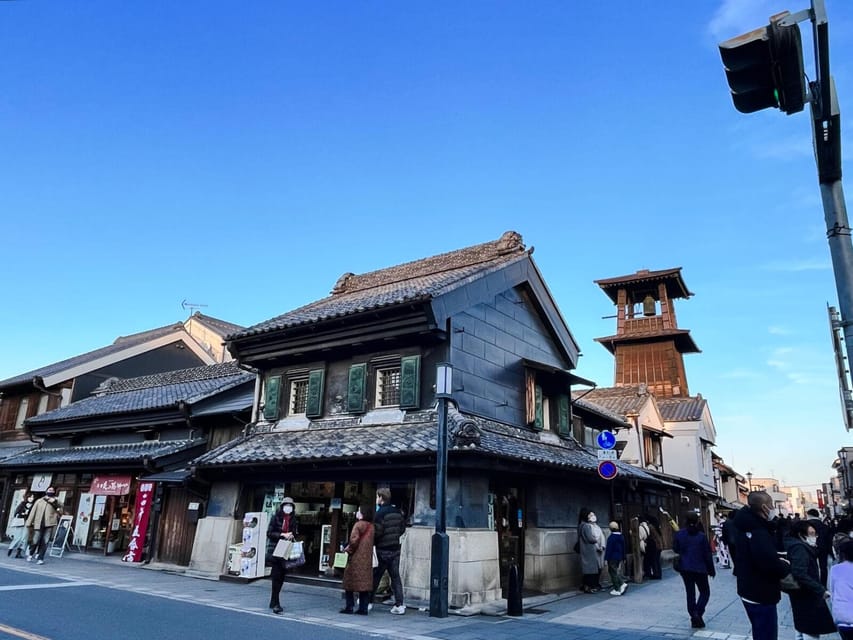
At $135 per person, this is not the lowest-cost way to visit Kawagoe. You still pay for trains before and after the tour, local train transport during the day, and food and drinks. If you are comfortable navigating Japanese stations and reading about the sights on your own, an independent visit will cost less.
The value comes from the combination of admissions, route planning, and live English guidance. Kitain Temple admission and Honmaru Palace admission are included. More important, you do not need to work out how to connect the temple, old town, shrine, and palace in the most sensible order.
The guide’s contribution can also go beyond dates and names. Beth helped with station directions, explained the historical and cultural meaning of the sites, offered restaurant advice, and shared travel apps and transport options. That kind of practical help is worth more to a first-time visitor than a script recited at each stop.
I would see this as a good value for someone who wants a guided cultural day outside Tokyo, especially when time is limited. I would not choose it solely to save money. The price makes sense when you want someone else to handle the structure and help you notice what you might otherwise walk past.
Walking, timing, and who should choose this tour
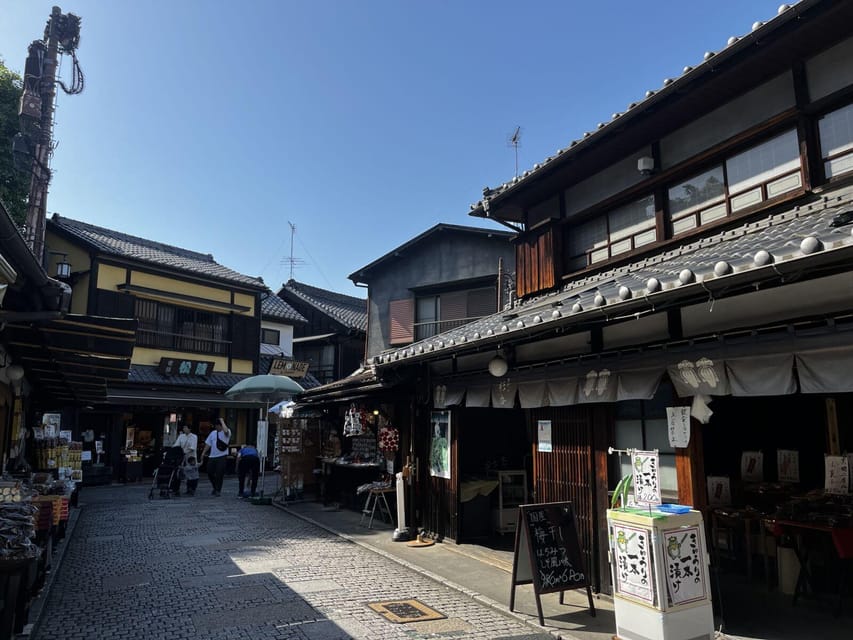
You should expect a full day of movement. The itinerary includes train rides, a 15-minute walk between major stops, old-town strolling, temple grounds, shrine paths, and palace interiors. The total duration is six hours, so comfortable shoes matter.
The activity is not suitable for people with mobility impairments or wheelchair users. No group-size information is provided, so you should confirm that point before booking if the size of the group affects your decision.
This outing suits you best if you enjoy:
- Edo-period history and traditional architecture
- Guided explanations in English
- Local snacks, crafts, and old shopping streets
- A mix of structured touring and free time
- Short train trips outside central Tokyo
It may be less suitable if you want a slow café day, a fully private itinerary, or a tour with no extra costs after booking. The lunch period is flexible, but your food and transport budget need to cover the additions.
The free cancellation policy allows cancellation up to 24 hours in advance for a full refund, and you can reserve now and pay later. Those terms help if your Tokyo schedule is still shifting.
Should you book the Kawagoe day tour?
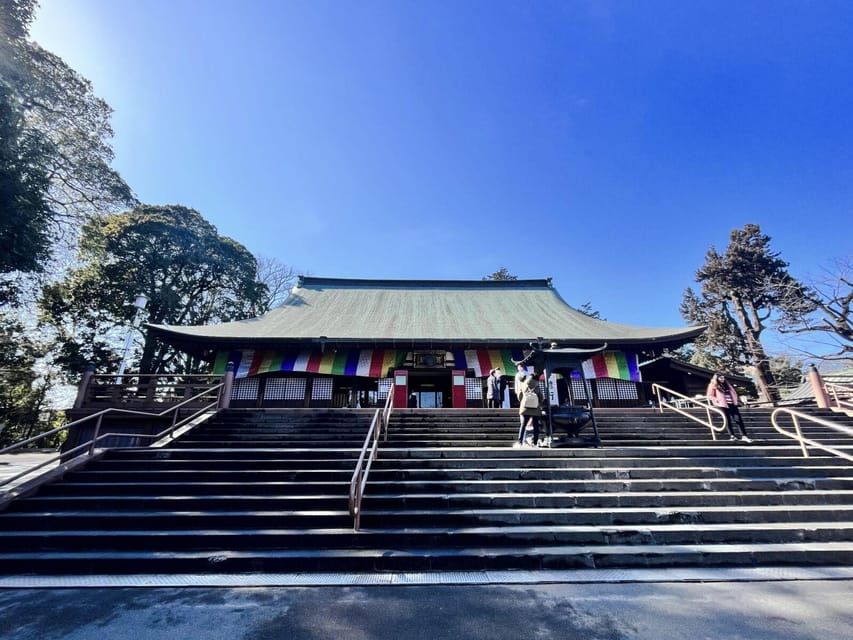
Book it if you want an easy, guided break from Tokyo that covers several sides of Kawagoe in one morning and afternoon. The strongest reasons are the Edo Castle connection at Kitain, the preserved merchant buildings, the unusual fortune-fishing activity at Hikawa Shrine, and the chance to walk through Honmaru Palace.
I would especially recommend it if station navigation makes you uneasy or if you want historical context rather than a quick photo stop. Beth’s flexible approach is a useful advantage if you have a particular interest in original architecture, local food, or Edo history.
Skip it if your priority is the lowest possible price, a wheelchair-accessible route, or complete control over how long you spend at each site. For everyone else, Kawagoe offers a practical and rewarding change of pace, with enough structure to make the day easy and enough free time to keep it personal.
FAQ
Where does the tour begin?
It begins at 9 a.m. inside Ikebukuro Station, outside the blue Tobu entrance gate.
How do I find the meeting point in Ikebukuro Station?
Follow signs for the Tobu Line, marked TJ in a blue square, and continue toward Central Gate 1. Pass Tantan on your left and Uniqlo on your right, then go through the green JR ticket gates. The blue Tobu entrance gate is directly ahead.
How long does the tour last?
The tour lasts six hours.
Is the tour conducted in English?
Yes. It includes a live English-speaking guide.
How long does the train journey to Kawagoe take?
The listed train journey to Kawagoe takes about 55 minutes. The return train journey takes about 45 minutes.
What admissions are included?
Admission to Kitain Temple and Kawagoe Castle Honmaru Palace is included.
Are train fares included in the price?
No. Trains and transport before and after the tour are not included.
Is lunch included?
No. Food and drinks are not included. You have lunch and free time in the Kurazukuri warehouse district.
Is the tour suitable for wheelchair users?
No. The activity is not suitable for wheelchair users or people with mobility impairments.
Can I cancel for a full refund?
Yes. You can cancel up to 24 hours in advance for a full refund. You can also reserve now and pay later.
New on our Tokyo list
- Tokyo : Kamikaze Street Drift Ride★ 5.0 · 3 reviews
- Private Zen Meditation in English in Shinjuku, Tokyo★ 5.0 · 3 reviews
- Sumi-e Experience in a relaxing green tea shop in Tokyo★ 5.0 · 3 reviews
- Onsen Spa in Tokyo and Asakusa Bar Hopping with Local Guide★ 5.0 · 3 reviews
- Easy for everyone! Now you can play handmade mini shamisen and show off to everyone! Musical instruments, sweets and live music★ 5.0 · 3 reviews
- Tokyo: Private Tsukiji Street Food & Sake with Local Guide★ 5.0 · 3 reviews
- Mt Fuji Exploration Tour with Free Japanese Kusa Mochi from Tokyo★ 4.5 · 3 reviews
- Tokyo Tsukiji Fish Market Walking and Exploring Hidden Gems Tour★ 5.0 · 3 reviews
Tours, compared.
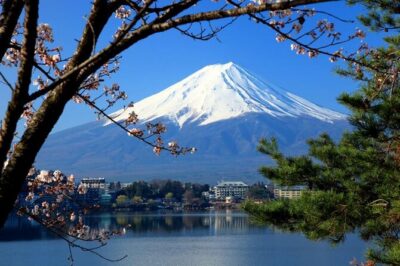
Mt Fuji and Hakone 1-Day Bus Tour Return by Bullet Train
Read our review →
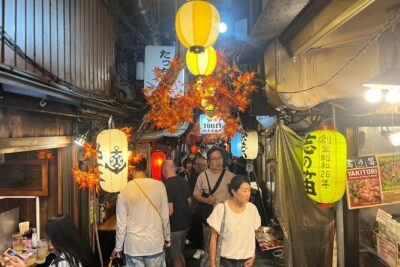
Shinjuku Food Tour (13 Dishes at 4 Local Eateries)
Read our review →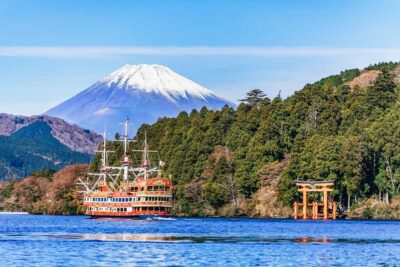
Tokyo Mt Fuji 5th St & Hakone Cruise Bus Tour w/Bullet Train
Read our review →
Flagship 2-Hours Official Street Go-Kart Tour – Tokyo Bay Shop
Read our review →
Mt. Fuji Tour, Hakone Ropeway, Owakudani, Lake Ashi
Read our review →
Tokyo 6hr Private Tour with Government-Licensed Guide
Read our review →