
Reviewed · BREWERIES
Discover Japanese Coffee Brewing Experience at Tokyo
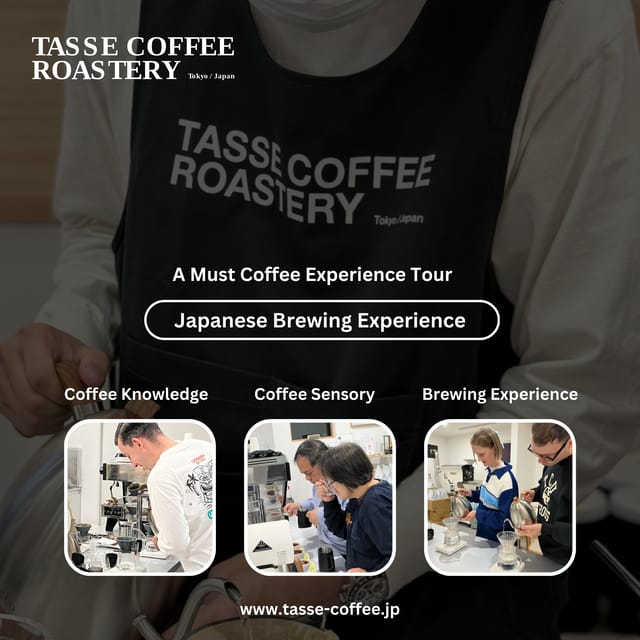
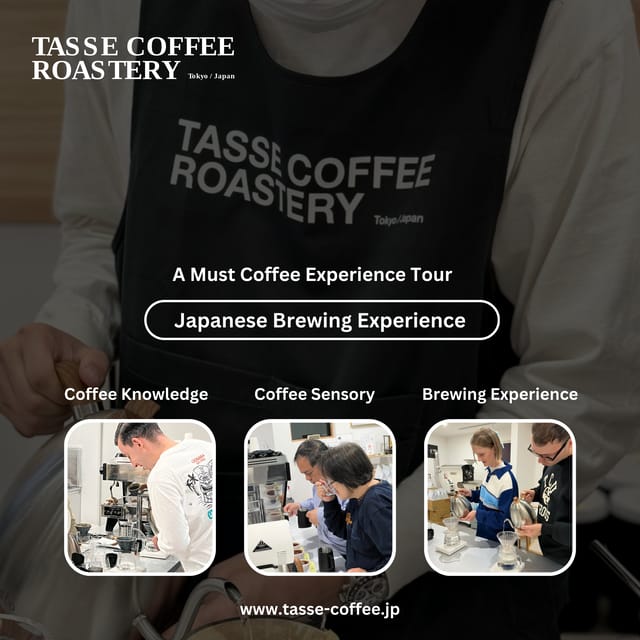
Japanese coffee brewing is far more than pouring hot water over ground beans. In this two-hour workshop at Tasse Coffee Roastery, you’ll compare three methods: siphon, the theatrical glass brewer; Kyūsu, a Japanese teapot adapted for coffee; and hand drip, the careful everyday favorite. The session also covers beans, roasting, aromas, acidity, body, and aftertaste.
I like the hands-on format, since you do more than watch a barista work. I also like the tasting comparisons, which help you understand why the same bean can taste different from one brewer to the next. The main consideration is the price: at $116 per person, this is a serious coffee purchase, not a casual café stop.
In This Review
- Key points to know
- Why Tokyo coffee deserves two focused hours
- Starting with beans, roasting, and the farm-to-cup path
- Cupping makes coffee language easier to understand
- The siphon method brings theater to the table
- Kyūsu turns a Japanese teapot toward coffee
- Hand drip is the most practical skill to take home
- What the private format changes
- Is $116 a fair price for two hours?
- Who will get the most from this coffee class?
- Practical details before you book
- Should you book the Tasse Coffee Roastery workshop?
- FAQ
- Where does the coffee brewing experience take place?
- How long does the workshop last?
- What brewing methods will I learn?
- Is the workshop available in English?
- Is this a private experience?
- What is included in the price?
- Can children take part?
- Is the coffee tasting kit included?
- Can I cancel for a refund?
Key points to know
- Three brewing methods in one session: Practice siphon, Kyūsu, and hand-drip coffee rather than focusing on only one technique.
- A guided cupping session: Learn to identify aroma, acidity, body, and aftertaste across several coffees.
- Private-group setting: The format allows the instructors to give more direct help during brewing practice.
- English or Japanese instruction: You can choose the language that suits your group.
- A calm roastery setting: Natural wooden tones create a quiet place for tasting and careful instruction.
- Best for serious coffee fans: The session is limited to people aged 16 and older and suits visitors who want technique, not just a caffeine break.
Why Tokyo coffee deserves two focused hours
Japan’s coffee culture has its own character. This workshop gives you a practical introduction instead of reducing the subject to a quick drink and a few facts. You begin with coffee’s place in Japan, then move into bean types, roast levels, and the path from farm to cup.
That opening matters because brewing starts before the kettle. Bean variety and roasting affect sweetness, bitterness, acidity, aroma, and body. Once you understand those basics, the later tasting becomes much easier to follow.
I like this structure because it gives your cup some context. You are not simply told that one coffee tastes fruity or another feels heavier. You learn the terms that help you explain what you are tasting and why the difference may be there.
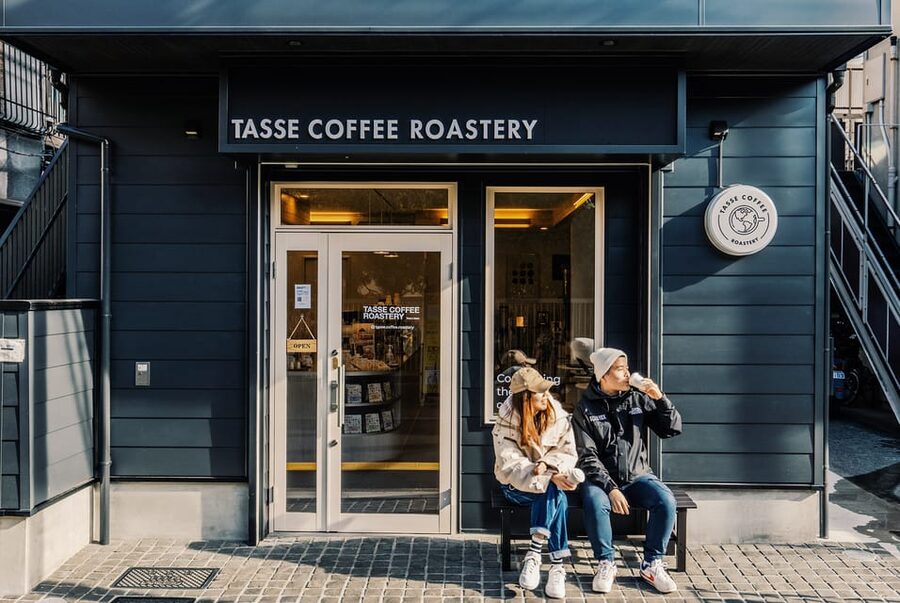
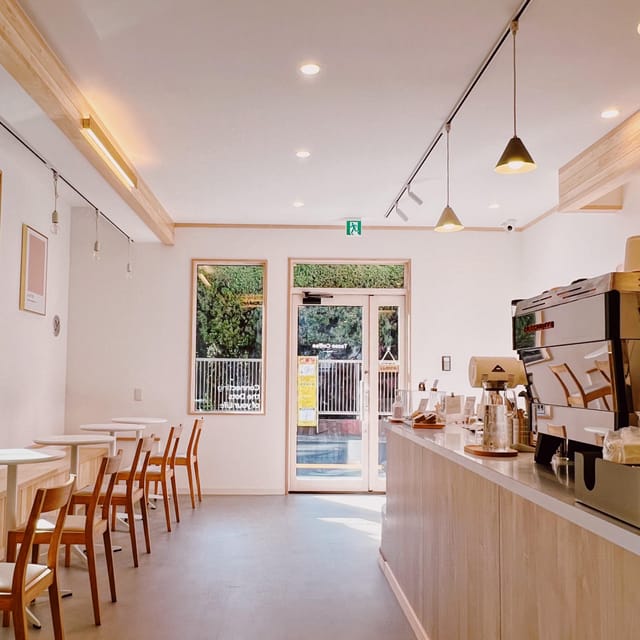
The setting also supports the subject. Tasse Coffee Roastery uses soothing natural wooden tones, creating a quiet environment for concentration. Coffee tasting requires attention, and a calm room is more useful than a noisy café when you are trying to notice a faint aroma or compare the finish of two brews.
A few more Tokyo bookings worth comparing
- Discover Japanese Politics Over a Coffee in Tokyo
★ 5.0 · 11 reviews - Tokyo’s Neighborhood Digs: Coffee, Records & Vintage Vibes
★ 4.8 · 3 reviews - Best of Downtown Tokyo: Nature, Coffee, & Japanese Sweets Tasting
★ 5.0 · 3 reviews
Starting with beans, roasting, and the farm-to-cup path
The first part covers basic coffee knowledge. You learn about different beans and roasts, as well as the stages that carry coffee from a farm to your cup. The course does not present brewing as a magic trick. It shows how the raw material and the roast shape the result before preparation even begins.
For you, this is most useful if coffee vocabulary still feels vague. Terms such as acidity and body can sound like specialist language, but the workshop puts them to work during tasting. You will have a reference point for later comparisons instead of guessing what the instructor means.
The session also includes guidance on coffee selection. That can help you make better choices after returning home, especially if you normally buy coffee by appearance, origin, or roast label alone. You will have a clearer sense of how those choices may affect the cup.
The pace is likely brisk. Two hours must cover coffee basics, cupping, three brewing methods, practice, and tasting comparisons. You should expect a focused class rather than a long lecture on every part of coffee production.
Cupping makes coffee language easier to understand
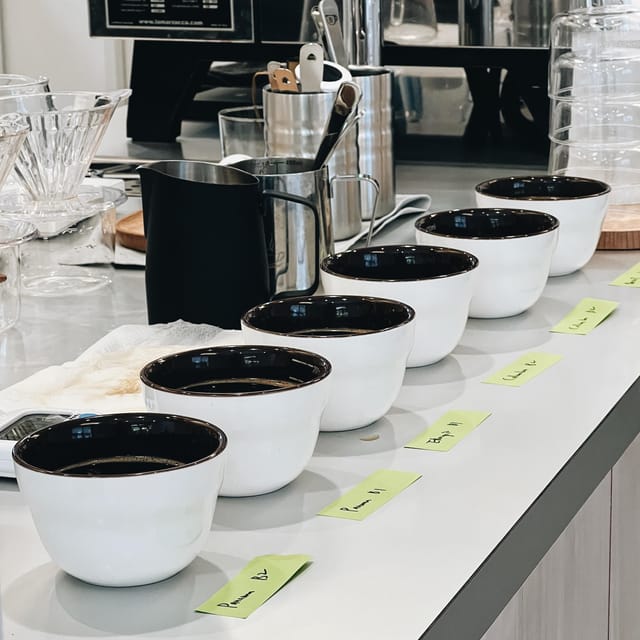
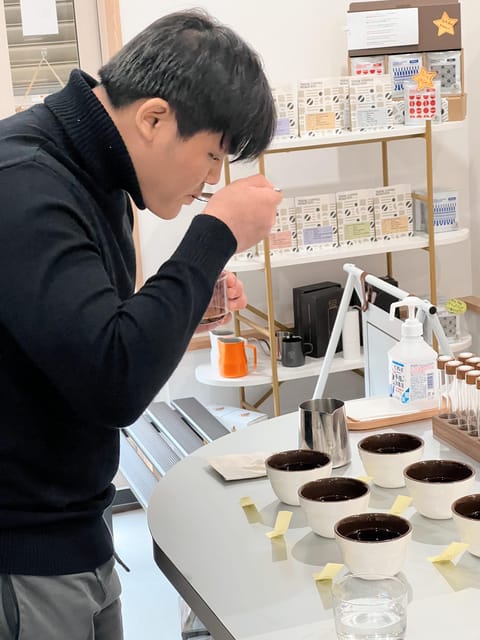
The cupping exercise is one of the most useful parts of the experience. You taste coffee in a structured way and learn to notice aroma, acidity, body, and aftertaste. This gives you a method for comparing coffees instead of relying on a simple like or dislike.
Cupping also helps separate the coffee itself from the brewing method. When you later taste siphon, Kyūsu, and hand-drip brews, you can ask two questions: what comes from the bean, and what comes from the technique? That is a much better lesson than declaring one method the winner.
The tasting includes several coffee blends from Tokyo, along with premium beans used during the workshop. Since the session includes beverage samples and different brews, you will have repeated chances to compare flavor profiles.
A useful tip is to slow down here. Smell before tasting, take small sips, and pay attention to how the coffee changes after swallowing. You do not need a trained palate. You only need to notice contrasts and use the vocabulary provided by the instructor.
The siphon method brings theater to the table
Siphon brewing is the most visually engaging method in the class. It uses a glass brewer and controlled heat to move water between chambers, creating a preparation that looks part science demonstration and part café ritual.
The workshop explains the history of siphon brewing in Japan, then shows how the equipment works before you practice. This is valuable because siphon coffee can appear complicated at first. Seeing the sequence clearly makes the process less intimidating.
The method can also change your idea of what coffee brewing feels like. Hand drip is quiet and measured. Siphon has movement, timing, and visible changes in the brewer. The result is not only a drink, but also a preparation method that rewards close attention.
There is a practical limitation. Siphon brewing requires more equipment and care than a simple dripper. If your goal is to brew coffee quickly in a small kitchen, this may be less useful as a daily method. If you enjoy coffee gear and careful preparation, it may be the session’s most memorable section.
Same corner of Tokyo, a completely different plan:
- Mt Fuji and Hakone 1-Day Bus Tour Return by Bullet Train
★ 5.0 · 26,383 reviews - 1-Day Tokyo Bus Tour
★ 5.0 · 14,250 reviews - Tokyo: TOKYO SKYTREE® Admission ticket
★ 4.5 · 11,192 reviews - Tokyo: teamLab Planets TOKYO Digital Art Museum Entry Ticket
★ 4.6 · 9,779 reviews
Kyūsu turns a Japanese teapot toward coffee
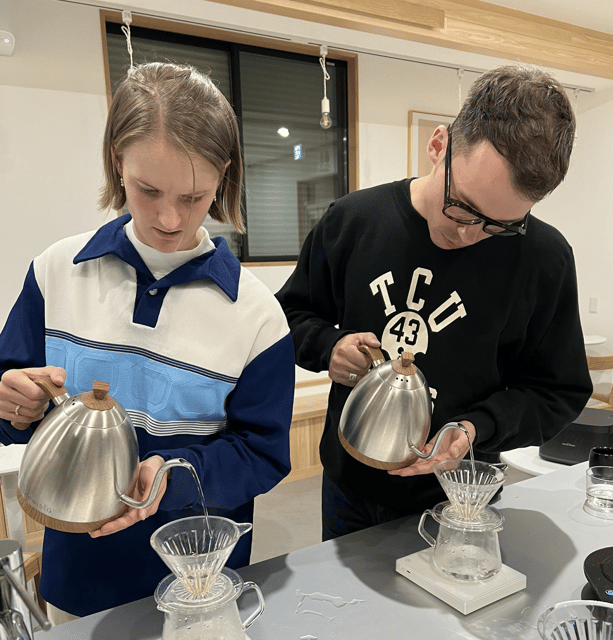
The Kyūsu method uses a traditional Japanese teapot in an unusual way. Instead of tea, you use the pot to prepare coffee, learning how the shape and technique affect the brew.
This is a particularly distinctive part of the workshop because it connects coffee with an object better known for Japanese tea. You get a practical look at how a familiar piece of tableware can serve a different drink.
The instructor covers techniques for brewing coffee in a Kyūsu, then compares the taste with coffee made by other methods. That comparison is the key point. The pot is not included simply because it looks Japanese. You learn what it does to the cup and how its result differs from the siphon or hand drip.
The Kyūsu method may appeal most to you if you enjoy Japanese design, tea culture, or brewing tools with a strong sense of place. It may be less useful if you want the easiest possible setup at home, since the workshop does not present it as a standard shortcut.
Hand drip is the most practical skill to take home
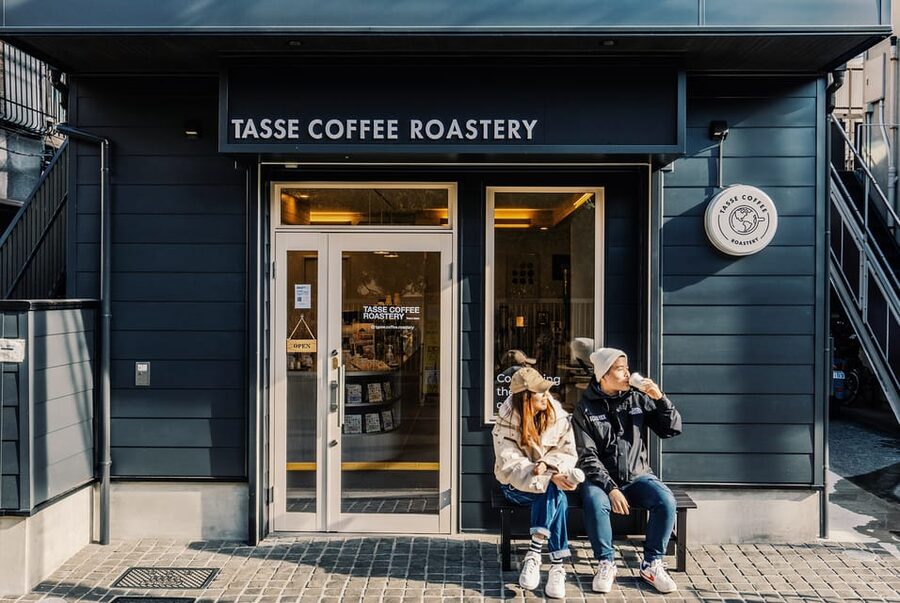
Hand-drip coffee is probably the easiest method to continue after the class. You learn how water temperature and pouring technique affect the final cup, then practice the method yourself.
This section gives you the most direct control over brewing. Pour too quickly, and the coffee may not extract as expected. Pour unevenly, and some grounds may receive more water than others. The class lets you connect those actions with taste while the result is still in front of you.
I especially like that the hand-drip lesson is paired with tasting comparisons. You are not asked to memorize a set of instructions and hope they work later. You can taste the effect of technique and begin to understand what you prefer.
A verified booking from Belgium described learning about coffee processing, different kinds of coffee, tasting, and hand-drip preparation through hands-on practice. That combination is a good indication of the workshop’s practical focus. Another participant from Japan appreciated being able to study the subject in English, which may be useful if you live in Japan but want English-language instruction.
What the private format changes
This is a private-group experience, with a limited number of participants and direct instruction from experienced coffee professionals. The exact group size is not provided, so I would not assume a specific student-to-instructor ratio. Still, private format generally matters here because brewing practice needs room for questions and correction.
You are not only watching demonstrations. You handle equipment, taste several brews, and work through the steps with guidance. A private class can make it easier to ask basic questions without feeling rushed or self-conscious.
Instruction is available in English and Japanese. That makes the activity suitable for an international group or for Japanese residents who want to learn coffee terms and techniques in English.
The age limit is 16 and older. This is not set up as a family activity for young children, and the careful equipment and tasting format make the age rule important to note when planning your day.
Is $116 a fair price for two hours?
At $116 per person, the workshop costs considerably more than a coffee tasting at a café. The value comes from the combination of private instruction, premium beans, equipment use, several brewing methods, tasting comparisons, and a structured lesson on coffee culture.
If you only want to drink good coffee, this is too expensive. Tokyo offers many simpler ways to do that. If you want to understand how coffee changes with technique and plan to use the skills at home, the price becomes easier to justify.
You also avoid buying three separate brewing setups just to compare them briefly. The workshop supplies the necessary equipment, so you can test siphon, Kyūsu, and hand drip before deciding which method interests you.
An optional coffee tasting kit is available for purchase. It is not included in the stated price, so treat it as an extra rather than part of the package. The kit could be useful if you want to continue tasting after the workshop, but you do not need to buy it to take part.
The experience has a 4.9 rating from eight reviews, with repeated praise for the useful exercises, clear information, and friendly tutors. One participant planned to return, while another simply described learning a great deal. Those comments fit the workshop’s main strength: it gives you plenty to do during a short session.
Who will get the most from this coffee class?
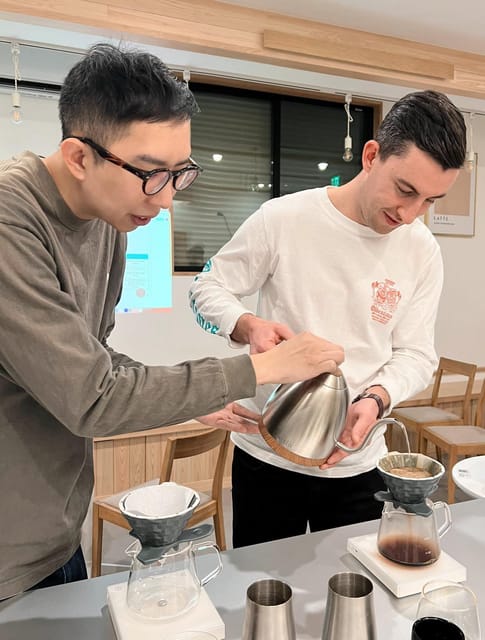
I would recommend this for coffee drinkers who want more than café hopping. It suits you if you enjoy brewing tools, tasting notes, Japanese food and drink traditions, or learning a skill you can continue at home.
It also works well for a private pair or small group with different levels of coffee experience. Beginners can learn the basic terms and methods, while more experienced drinkers can compare brewing styles and ask more technical questions.
The class may be a good choice for people who have already visited Tokyo’s famous sights and want an indoor activity with a strong local connection. It offers a change of pace from temples, shopping streets, and observation decks without requiring a full day.
I would be more cautious if your schedule is packed or if you are not especially interested in coffee. Two hours is not a huge commitment, but the price is high for an activity built around one drink. The session also excludes anyone under 16.
Practical details before you book
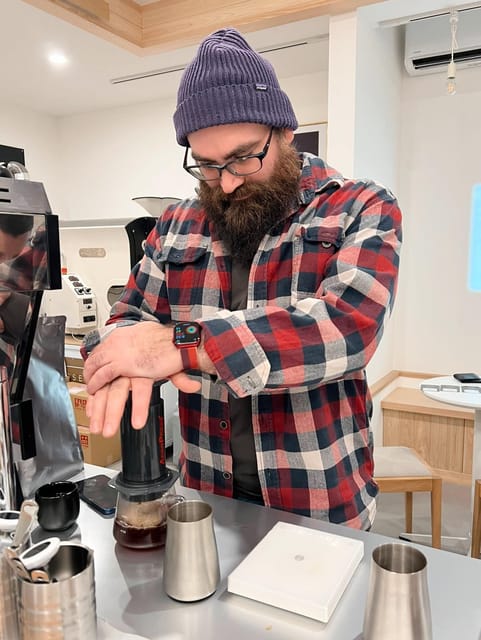
The workshop lasts two hours, with starting times available according to the booking schedule. The venue is Tasse Coffee Roastery in Tokyo, described as being in the heart of the city. Specific transport directions are not provided, so check the meeting details carefully before setting out.
Instruction is offered in English or Japanese, and the group is private. All brewing and tasting equipment, coffee beans, beverage samples, and fees and taxes are included.
You can cancel up to 24 hours before the activity for a full refund, and the reserve-now, pay-later option keeps your plans flexible. Those terms are helpful in Tokyo, where weather, transport delays, and changing sightseeing plans can affect a tightly arranged day.
Should you book the Tasse Coffee Roastery workshop?
Book it if you want a practical lesson in Japanese coffee culture and you like the idea of comparing siphon, Kyūsu, and hand drip in one sitting. The cupping exercise, private format, and hands-on practice give the class more substance than a standard tasting.
Skip it if your priority is a cheap cup, a quick stop, or a family activity for younger children. At $116, this is best treated as a specialist experience. For coffee fans, it offers a focused look at technique, flavor, and Japanese brewing traditions in a calm Tokyo setting.
FAQ
Where does the coffee brewing experience take place?
The workshop takes place at Tasse Coffee Roastery in Tokyo, in the heart of the city.
How long does the workshop last?
The experience lasts two hours.
What brewing methods will I learn?
You will learn siphon brewing, the Kyūsu Japanese teapot method for coffee, and hand-drip brewing.
Is the workshop available in English?
Yes. Instruction is available in English and Japanese.
Is this a private experience?
Yes. The activity is offered as a private group experience with a limited number of participants.
What is included in the price?
The price includes expert instruction, coffee knowledge lessons, a cupping session, hands-on brewing practice, necessary equipment, premium coffee beans, tasting comparisons, beverage samples, and all fees and taxes.
Can children take part?
No. The experience is not suitable for children under 16.
Is the coffee tasting kit included?
No. An exclusive coffee tasting kit is available to purchase separately as an optional extra.
Can I cancel for a refund?
Yes. You can cancel up to 24 hours in advance for a full refund. You can also reserve now and pay later.
New on our Tokyo list
- Tokyo : Kamikaze Street Drift Ride★ 5.0 · 3 reviews
- Private Zen Meditation in English in Shinjuku, Tokyo★ 5.0 · 3 reviews
- Sumi-e Experience in a relaxing green tea shop in Tokyo★ 5.0 · 3 reviews
- Onsen Spa in Tokyo and Asakusa Bar Hopping with Local Guide★ 5.0 · 3 reviews
- Easy for everyone! Now you can play handmade mini shamisen and show off to everyone! Musical instruments, sweets and live music★ 5.0 · 3 reviews
- Tokyo: Private Tsukiji Street Food & Sake with Local Guide★ 5.0 · 3 reviews
- Mt Fuji Exploration Tour with Free Japanese Kusa Mochi from Tokyo★ 4.5 · 3 reviews
- Tokyo Tsukiji Fish Market Walking and Exploring Hidden Gems Tour★ 5.0 · 3 reviews
Breweries, compared.
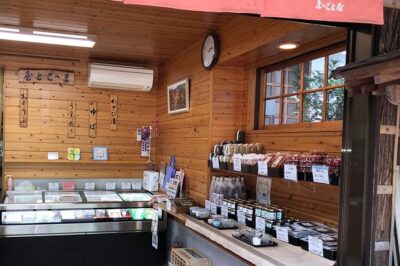
Private Tour: Tokyo’s Oldest Sake Brewery and Riverside Walk
Read our review →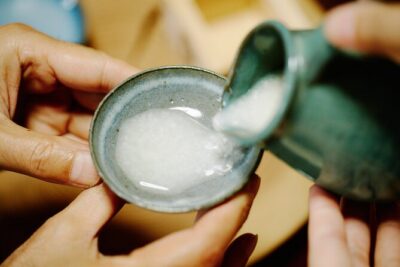
Unique Brewery Tour and One-of-a-Kind Sake Tasting Near Tokyo
Read our review →
Cultural Sake Brewery Private Tour & Unlimited Tasting Near Tokyo
Read our review →Browse the lists this tour appears in