
Reviewed · SAKE & WHISKY TASTINGS
Unique Brewery Tour and One-of-a-Kind Sake Tasting Near Tokyo
Hanno’s Yamane Brewery makes doburoku, an unfiltered sake that continues fermenting after bottling. It is hard to store and rarely found in restaurants, so this three-and-a-half-hour outing offers a real look at a drink most Tokyo visitors never encounter. I like the use of local wood barrels and the small group limit of eight, which keeps the visit personal.
I also like the strong sense of place. The sake uses local materials, the tasting cups are made from limited Hanno soil, and the brewery occupies a repurposed convenience store. The main consideration is cost: at $100.43 per person, you are paying for a specialist experience, not a quick tasting. Lunch and bus fares are extra.
In This Review
- Key points at a glance
- Why Hanno’s doburoku is worth your time
- Meeting at Hannō Station at 1 p.m.
- A brewery inside a former convenience store
- Local timber, water, and natural fermentation
- Three sake tastings with Hanno-soil cups
- What the 3 hours 30 minutes includes
- Is $100.43 a fair price?
- Who should book this experience?
- Practical booking advice for Hanno
- Should you book Yamane Brewery?
- FAQ
- Where does the tour begin?
- What time does the experience start?
- How long does the tour last?
- How many people can join the tour?
- What kind of sake will I taste?
- Are alcoholic drinks included?
- Are snacks included?
- Is lunch included?
- Are transportation costs included?
- Can I cancel for a full refund?
Key points at a glance
- Three types of rare doburoku: Taste sake made from unfiltered fermenting mash, a style that is difficult to store and uncommon in restaurants.
- Traditional Nishikawa timber barrels: Yamane Brewery uses local wooden barrels instead of the stainless steel tanks found at most breweries.
- A repurposed convenience store: The unusual setting reflects the brewery’s small-scale, practical approach to sustainability.
- Hanno-made tasting cups: Your sake is served in cups made from 100 percent local Hanno soil, a material no longer produced.
- Small group of eight or fewer: The format suits questions and conversation, with guides such as Fukunari explaining the craft and local connections.
- Easy side trip from Tokyo: Hanno is about an hour by train and works well with Chichibu, Kawagoe, or Moominvalley Park.
Why Hanno’s doburoku is worth your time
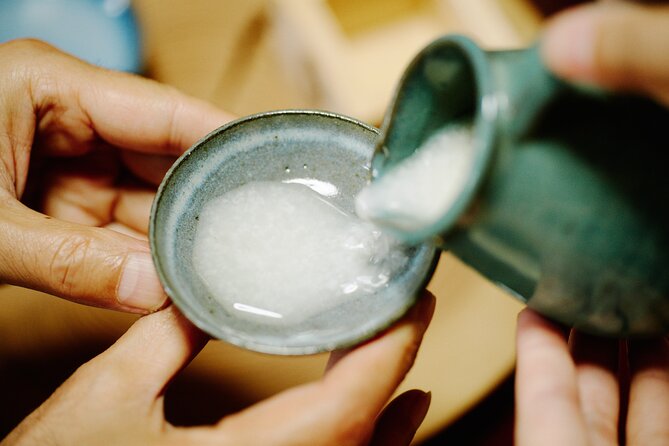
Most sake is pressed and filtered before it reaches the bottle. Doburoku takes a less polished route. The fermenting mash, called moromi, is bottled without the usual filtering, and fermentation continues. That leaves the drink cloudy and makes storage much harder.
For you, this means the tasting is not simply a chance to compare three bottles of ordinary sake. You are sampling a living, small-batch product whose character can change from one production season to the next. The exact sake available may vary. One batch praised during an earlier visit, Yamane no Minori, was no longer available in that season.
That changing supply is part of the point, but it also calls for sensible expectations. You should not book this hoping for a fixed menu or a familiar brand lineup. Book it because the brewery makes unusual sake in limited quantities and because the process matters as much as the drink.
Yamane’s approach is especially distinctive in Japan. The brewery uses wooden barrels made from local Nishikawa timber rather than relying only on modern stainless steel tanks. Wood allows natural microorganisms to take part in the brewing environment, while local water and timber add their own influence.
I would not treat this as a technical laboratory visit. It is closer to a small workshop where the owner’s methods, materials, and beliefs are tied together. The brewery’s founder is also described as a researcher with a strong interest in nature conservation, and that concern shapes the way local resources are used.
More sake and whisky sessions:
- Ramen and Sushi Cooking Class with Sake Pairing Set in Tokyo
★ 5.0 · 291 reviews - Sake Tasting Masterclass in Shinjuku (8+ Varieties with a Pro)
★ 5.0 · 271 reviews - Sake Omakase in Tokyo: Guided Tasting by Certified Sommeliers
★ 5.0 · 239 reviews
Meeting at Hannō Station at 1 p.m.
Your afternoon begins outside the ticket gate at Hannō Station. Look for the guide holding a tour placard. This is a useful meeting point because you do not need to search for a distant brewery on your own, and Hanno is connected to Tokyo by public transportation.
The guide gathers the group, gives a briefing, and leads everyone toward the bus. The station portion and bus ride take about 40 minutes in total. Transportation costs are not included in the tour price, so carry money or a suitable payment method for the fare.
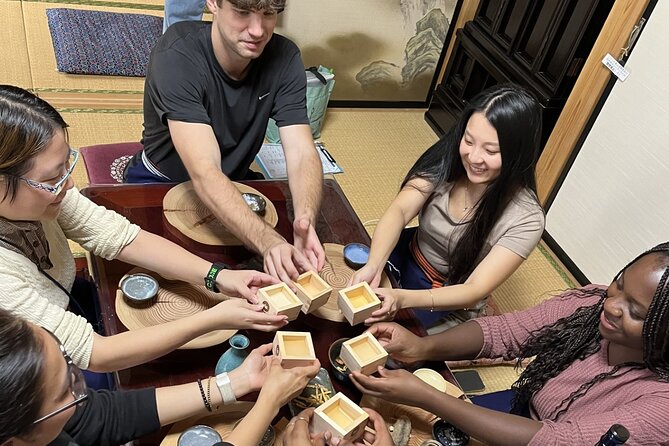
The group can have up to eight people. That limit is important here. A large coach group would not suit a one-person or small-scale brewery, while a compact group gives you a better chance to ask about the barrels, fermentation, cups, and local ingredients.
Guides have been praised for explaining the process clearly and for handling questions in English. Fukunari, also called Fuku-san in some accounts, is associated with the warm hosting style of the experience. The brewery owner, Mr. Wakabayashi, is described as deeply involved in the craft and in the area’s natural resources.
The tour begins at 1 p.m. and returns around lunchtime, according to the published schedule. That timing is worth checking carefully when planning your day. It may sound counterintuitive to finish around lunch after a 1 p.m. start, so confirm the exact date and schedule when booking.
A brewery inside a former convenience store
The brewery itself is one of the experience’s most memorable details. Yamane Brewery operates from a converted convenience store, a modest setting that tells you what kind of operation this is. You will not find a grand industrial complex or a polished visitor center.
Instead, expect a working space linked closely to the owner and the local community. The brewery’s compact scale helps explain why the sake is made in small batches and why some varieties may disappear once a season ends. It also makes the visit feel less like a standard commercial tasting.
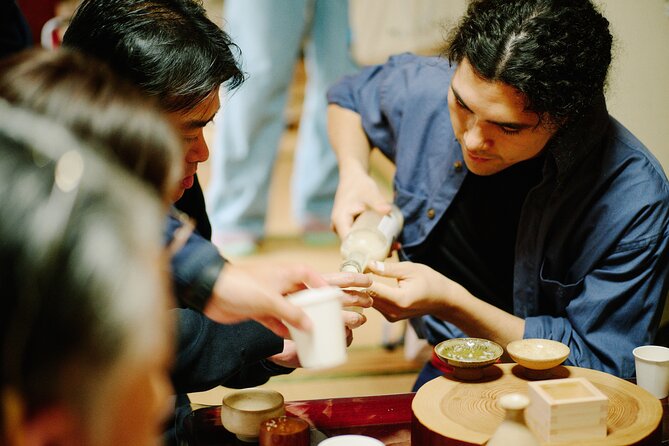
The tour first takes you to the home of the head of a traditional Japanese house. The house is described as full of character and history, and it provides the setting for the brewing explanation and tasting. This part gives the experience a domestic, personal quality that a modern tasting room would not provide.
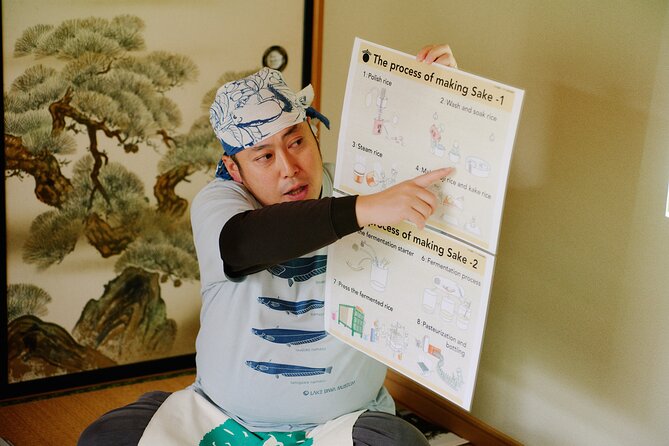
You will learn how Yamane’s process differs from conventional sake production. The exact technical presentation can depend on the guide and the day, but the central themes are clear: unfiltered doburoku, wooden fermentation barrels, local resources, and careful small-batch production.
That matters because sake can seem mysterious if you only encounter it in a restaurant glass. Here, you can connect the drink to the tools and materials used to make it. The visit also introduces you to the people behind the brewery, rather than treating the sake as a product with no human story.
Local timber, water, and natural fermentation
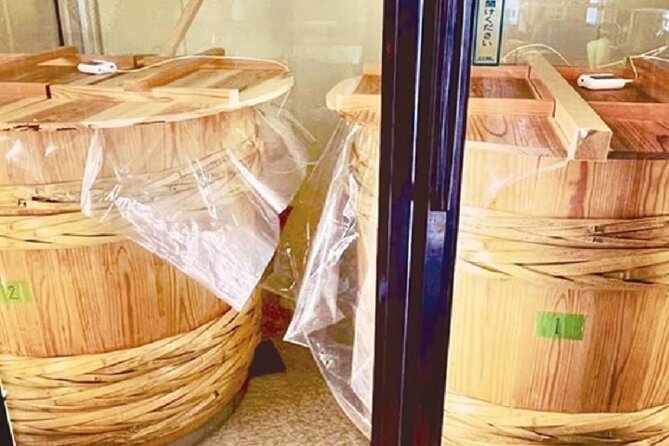
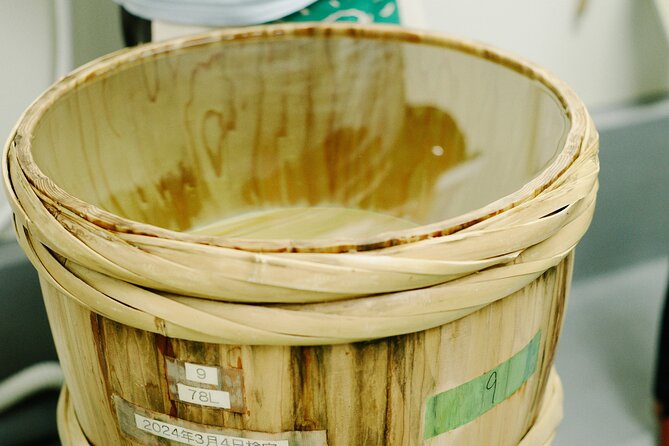
The wooden barrels are the technical heart of the visit. Yamane uses barrels made from Nishikawa timber, a local wood associated with the Hanno area. Most breweries use stainless steel because it is easy to clean and offers tight control. Wood is more demanding, but it can support natural microorganisms and influence the finished sake.
That choice may create subtle differences between batches. The local water and the wood both become part of the brewery’s character, so the sake reflects more than a recipe. You are tasting the result of a particular place and method.
The reviews supplied for this experience repeatedly point to the owner’s commitment to quality over quantity. That idea fits the brewery’s size. A one-person or very small operation cannot produce endless bottles, and the use of traditional tools requires patience and care.
You may also hear about the bag-hanging method, another traditional technique associated with the brewery. Rather than presenting sake making as a factory process, the tour shows how older methods can still be used by a modern small business.
I like this balance. The brewery is not pretending that technology does not exist. It is making a deliberate choice to preserve methods and materials that are less efficient but more closely connected to the local area.
The nature-conservation angle adds another layer. Several accounts connect the sake to animal protection, local materials, and wider work in the natural sciences. The information provided does not spell out every conservation project, so you should think of this as an introduction to the brewery’s values, not a full environmental program tour.
A few more Tokyo bookings worth comparing
- Tokyo Bar Hopping Tour in Shinjuku (All-You-Can-Drink + Dinner)
★ 5.0 · 3,587 reviews - Best of Shinjuku: Izakaya Food Tour (4 Stops, 14+ Tastings)
★ 5.0 · 1,863 reviews - Tokyo: Shinjuku Local Bar and Izakaya Guided Walking Tour
★ 4.9 · 1,794 reviews - Shibuya Meltdown Nightlife Tour: All-You-Can-Drink Bar Hopping
★ 5.0 · 1,058 reviews
Three sake tastings with Hanno-soil cups
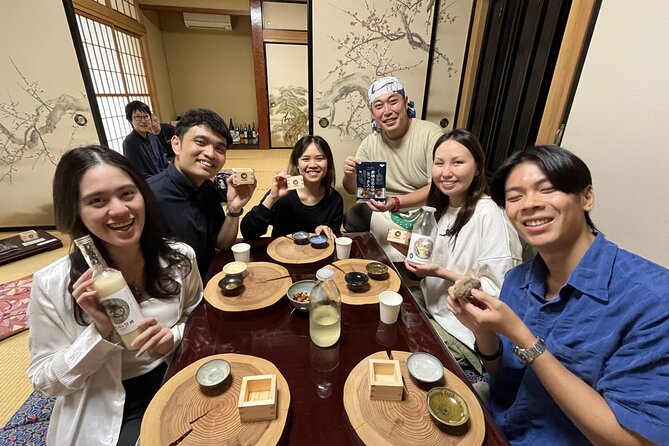
The tasting includes three types of Japanese sake and a selection of snacks. The point is not just to drink three samples. You can compare the way each sake expresses the brewery’s method, including differences in sweetness, texture, aroma, and finish.
The unfiltered style may look or feel different from the clear sake served in many restaurants. You might find a cloudy appearance, more body, or a softer texture from the remaining mash. The exact flavors depend on what is being made and available on the day.
The tasting cups are almost as interesting as the sake. They are made from 100 percent Hanno soil, a material no longer produced and available only in limited quantities. This gives you another direct connection to the town’s materials.
The use of these cups also makes the tasting more than a series of samples poured into generic glassware. The vessel is part of the local story. You can ask how the cup’s material affects the presentation, though the supplied details do not claim that it changes the flavor.
Snacks, or tsumami, are included. They give you something to eat while tasting and help make the session feel like a complete cultural experience rather than alcohol served on its own. Lunch is not included, so do not confuse the tasting snacks with a meal.
Drink responsibly. Even a short tasting can involve several alcoholic samples, and you will still need to ride the bus back to Hannō Station. The group format makes the tasting social, but the focus remains on understanding the sake rather than drinking as much as possible.
What the 3 hours 30 minutes includes
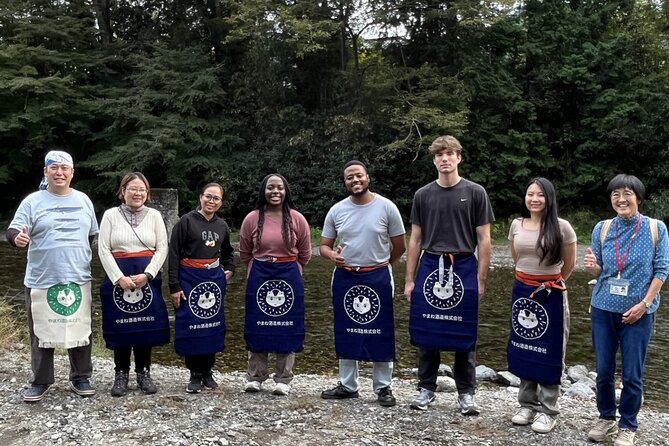
The full activity lasts about three hours and 30 minutes. The schedule breaks down roughly as follows:
- About 40 minutes for meeting at Hannō Station, the briefing, and the bus journey to the brewery
- About two hours and 20 minutes at Yamane Brewery, including the house visit, brewing explanation, and tasting
- About 30 minutes for the return bus ride to Hannō Station
This is a good length for a focused half-day. You have enough time to understand the process without committing your entire day to a distant factory visit. At the same time, the brewery portion is long enough for questions, tasting, and conversation.
The schedule may suit you if you want a slower local experience after several days in central Tokyo. It is less suitable if you prefer to move quickly between many attractions. The bus transfers also mean you should not expect to come and go independently during the organized portion.
At the end, you return to Hannō Station with the guide. You are free to choose a local restaurant for lunch, and the guide can recommend places in the area. The tour does not include the meal, so budget separately.
Is $100.43 a fair price?
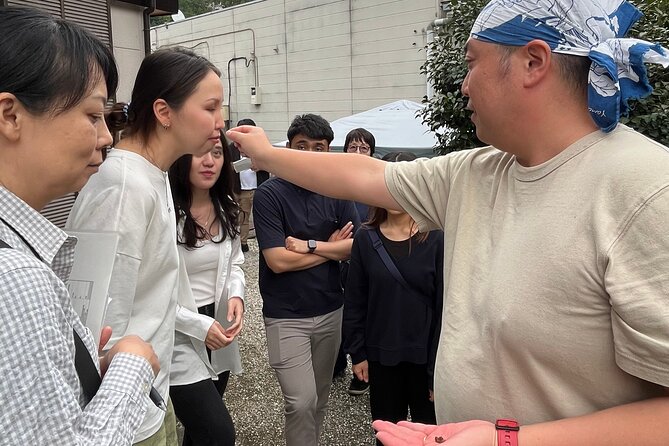
At $100.43 per person, this is not a budget sake tasting. The value depends on what you want from the day.
If you only want to taste sake, the price is hard to justify. You could likely find less expensive tastings elsewhere, although this experience’s exact local doburoku may not be available in ordinary restaurants.
If you want access to a small brewery, an explanation of traditional methods, three tastings, local snacks, unusual cups, and guided transportation from Hannō Station, the price makes more sense. You are paying for a limited-capacity cultural experience rather than a retail sample flight.
Group discounts may improve the cost for some bookings. The maximum group size is eight, which helps keep the experience personal but also limits how many people can share the fixed operating costs.
The biggest value lies in access. Doburoku is difficult to store and rarely served in restaurants. Yamane makes it in small quantities, so the opportunity to taste it at the source is the reason to choose this outing.
Who should book this experience?
I would recommend it to sake drinkers who want to understand how a particular style is made. It is also a good fit if you care about local materials, traditional production, and small businesses more than polished attractions.
You do not need to be a sake expert. The guide explains the basics, and the small group makes it easier to ask simple questions. If you know little about fermentation, the visit can give you a useful starting point.
The tour also suits repeat visitors to Tokyo. Hanno is about an hour by train, and you can pair the outing with nearby Chichibu, Kawagoe, or Moominvalley Park, depending on your schedule.
I would hesitate to recommend it if you dislike alcohol, want a full meal included, or expect a large modern brewery with a predictable product list. It may also frustrate you if you need a highly flexible schedule, since the group travels together by bus and the start time is fixed at 1 p.m.
Most people can participate, and the meeting point is near public transportation. The maximum group size is eight, but the supplied information does not give detailed accessibility specifications, so ask the provider about any particular mobility needs before booking.
Practical booking advice for Hanno
Bring a little extra money for the bus and lunch. Neither private transportation nor lunch is included in the $100.43 price, while the sake and snacks are included.
Arrive at Hannō Station with enough time to find the guide outside the ticket gate. Look for the tour placard rather than heading directly to the brewery.
The activity confirms at booking and offers free cancellation up to 24 hours before the start time. Canceling or changing the booking within 24 hours is not accepted for a refund. The tour also requires a minimum number of participants, so if the provider cancels because that number is not reached, you are offered another date or experience, or a full refund.
Should you book Yamane Brewery?
Book it if you want a small, personal introduction to a rare sake style and care about how local wood, water, soil, and people shape a drink. The wooden Nishikawa barrels, ongoing doburoku fermentation, repurposed convenience-store brewery, and limited Hanno-soil cups give this outing details you will not get from a standard city tasting.
Skip it if your priority is a cheap drink, a substantial lunch, or a flexible independent visit. For the right audience, though, this is a worthwhile half-day from Tokyo, especially when combined with other Hanno-area sights.
FAQ
Where does the tour begin?
The tour begins at Hannō Station in Hanno, Saitama, Japan. Meet the guide outside the ticket gate and look for the person holding a tour placard.
What time does the experience start?
The listed start time is 1 p.m.
How long does the tour last?
The experience lasts approximately three hours and 30 minutes.
How many people can join the tour?
The activity has a maximum of eight participants.
What kind of sake will I taste?
You will taste three types of Japanese sake, including the brewery’s special small-batch style. The experience focuses on doburoku, an unfiltered sake made by bottling the fermenting mash.
Are alcoholic drinks included?
Yes. The tour includes a tasting of Japanese sake.
Are snacks included?
Yes. A selection of snacks is included with the tasting.
Is lunch included?
No. Lunch is not included. After returning to Hannō Station, you can choose a local restaurant, including places recommended by the guide.
Are transportation costs included?
No. Private transportation and transportation costs are not included in the tour price. The group rides the bus between Hannō Station and the brewery.
Can I cancel for a full refund?
Yes. You can cancel at least 24 hours before the experience start time for a full refund. Cancellations or changes made less than 24 hours before the start time are not accepted for a refund.
More Breweries in Tokyo
- Private Tour: Tokyo’s Oldest Sake Brewery and Riverside Walk
★ 5.0 · 25 reviews - Discover Japanese Coffee Brewing Experience at Tokyo
★ 4.9 · 8 reviews - Tokyo: Toshimaya Sake Brewery Tour with Sake Tasting
★ 5.0 · 6 reviews - Cultural Sake Brewery Private Tour & Unlimited Tasting Near Tokyo
★ 5.0 · 4 reviews
New on our Tokyo list
- Tokyo : Kamikaze Street Drift Ride★ 5.0 · 3 reviews
- Private Zen Meditation in English in Shinjuku, Tokyo★ 5.0 · 3 reviews
- Sumi-e Experience in a relaxing green tea shop in Tokyo★ 5.0 · 3 reviews
- Onsen Spa in Tokyo and Asakusa Bar Hopping with Local Guide★ 5.0 · 3 reviews
- Easy for everyone! Now you can play handmade mini shamisen and show off to everyone! Musical instruments, sweets and live music★ 5.0 · 3 reviews
- Tokyo: Private Tsukiji Street Food & Sake with Local Guide★ 5.0 · 3 reviews
- Mt Fuji Exploration Tour with Free Japanese Kusa Mochi from Tokyo★ 4.5 · 3 reviews
- Tokyo Tsukiji Fish Market Walking and Exploring Hidden Gems Tour★ 5.0 · 3 reviews
Sake & Whisky Tastings, compared.
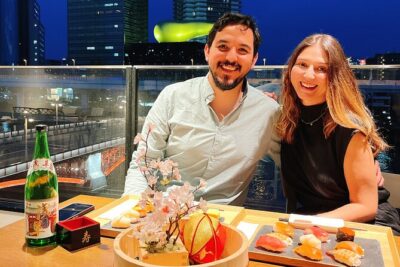
Ramen and Sushi Cooking Class with Sake Pairing Set in Tokyo
Read our review →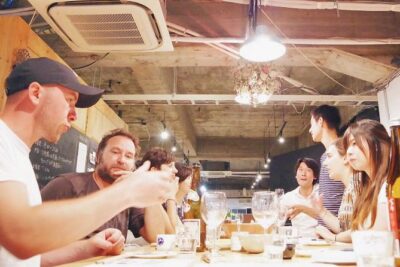
Sake Tasting Masterclass in Shinjuku (8+ Varieties with a Pro)
Read our review →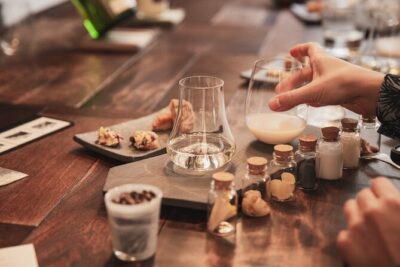
Sake Omakase in Tokyo: Guided Tasting by Certified Sommeliers
Read our review →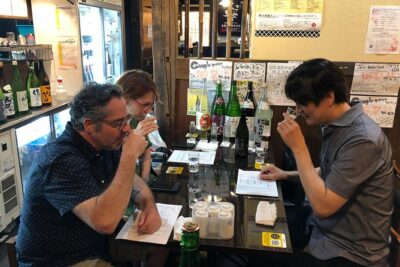
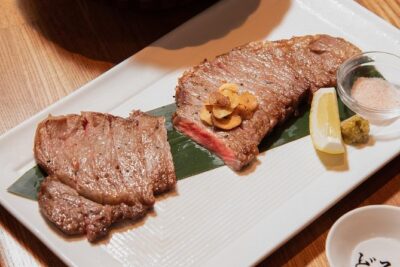
Wagyu & Sake Pairing in Shinjuku – Steak, Shabu-Shabu & More
Read our review →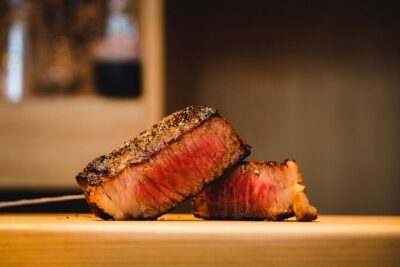
Tokyo Wagyu & Sake Pairing Tasting Experience with Local Flavors
Read our review →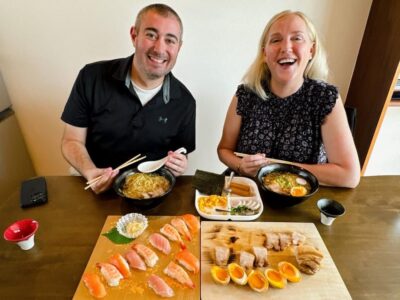
Sushi and Ramen Cooking Class with Sake Pairing Set
Read our review →
Tsukiji: Outer Market Walking Tour & Sake Tasting Experience
Read our review →Browse the lists this tour appears in