
Reviewed · SAKE & WHISKY TASTINGS
Cultural Sake Brewery Private Tour & Unlimited Tasting Near Tokyo
The unusual part comes first: this private visit centers on sake made in traditional wooden barrels, a method now rarely used. You will tour Yamane Brewery in Hanno, meet brewer Fuku-san, and taste three special varieties that are not sold through the usual market.
I like the small private format, which lets you ask questions instead of being swept along with a large crowd. I also like the setting: sake, local snacks, Hanno ware, and a talk with the Toji, or master brewer, in a traditional Japanese house. The main drawback is practical: Hanno is outside central Tokyo, and private transportation is not included.
In This Review
- Key points to know before booking
- Why wooden-barrel sake changes the experience
- Arriving at Yamane Brewery in Hanno
- A welcome drink and the brewery story
- Seeing the barrels and learning how they are cared for
- The 40-minute tasting: three rare sake varieties
- Local snacks, Hanno ware, and wooden-barrel soy sauce
- Talking with the Toji in a traditional Japanese house
- What the $105 price really covers
- Who will enjoy this private Hanno experience
- Booking, timing, and cancellation details
- Should you book Yamane Brewery?
- FAQ
- Where is the sake brewery tour located?
- How long does the experience last?
- What time can the private tour begin?
- Is transportation included?
- Is this a private activity?
- What sake can I taste?
- What food and non-alcoholic items are included?
- What should I avoid before the visit?
Key points to know before booking
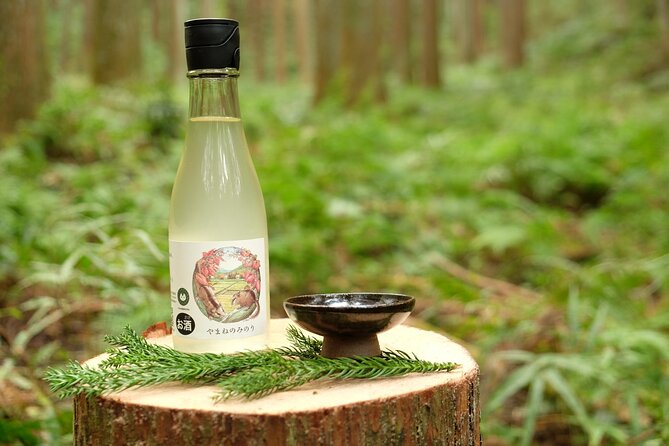
- Rare wooden-barrel sake: The tasting focuses on sake brewed in historic wooden barrels, including varieties made with honey, local tea, and germinated brown rice.
- Forty minutes of unlimited tasting: You can sample the featured sake during a dedicated tasting session, with water and local snacks provided.
- A private visit with brewer Fuku-san: Your group alone takes part, giving you room to ask about the brewery’s origins and brewing methods.
- More than a tasting: The visit includes a brewery tour, a wooden barrel care experience, and a talk in a traditional Japanese house.
- Hanno culture at the table: Sake is served with local snacks, including nuts seasoned with soy sauce made in wooden barrels, and presented with Hanno ware.
- A thoughtful keepsake: You receive a small souvenir made from Nishikawa wood, with a photo opportunity beside the barrels.
Why wooden-barrel sake changes the experience
Most modern sake is made with equipment designed for control and efficiency. Here, the focus is on the older practice of brewing in wooden barrels. That gives the visit a clear purpose: you are not simply tasting several bottles in a shop, you are learning why the vessel itself matters.
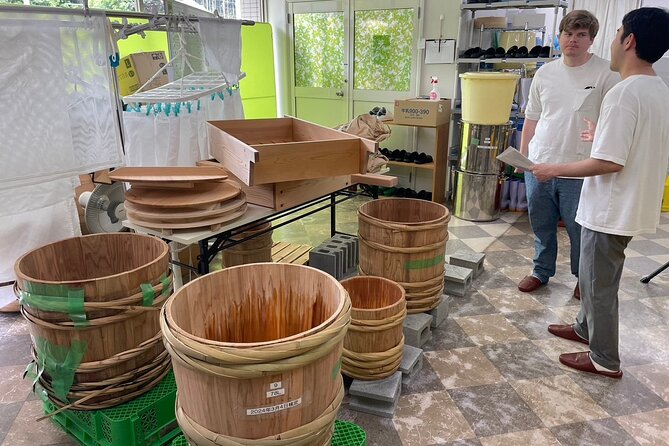
The barrels are part of the working story. You get to see them, hear about their care, and take part in a wooden barrel care experience. The supplied information does not promise that you will make sake yourself, so expect a hands-on look at barrel maintenance rather than a full brewing workshop.
That distinction matters. If you want a technical sake class where you mash rice or operate brewing equipment, this is not presented as that kind of program. If you want to understand the link between craft, materials, and flavor, the barrel focus gives the visit a strong thread from beginning to end.
The brewery’s handmade approach is also central. Each bottle is made by hand, and the conversation covers both the brewery’s origin and its philosophy. That makes the tour useful for a first-time sake drinker, but it should also hold the interest of someone who already knows the basic difference between sake types.
More sake and whisky sessions:
- Ramen and Sushi Cooking Class with Sake Pairing Set in Tokyo
★ 5.0 · 291 reviews - Sake Tasting Masterclass in Shinjuku (8+ Varieties with a Pro)
★ 5.0 · 271 reviews - Sake Omakase in Tokyo: Guided Tasting by Certified Sommeliers
★ 5.0 · 239 reviews
Arriving at Yamane Brewery in Hanno
The meeting point is Yamane Brewery, at 223 Akazawa, Hanno, Saitama 357-0128. The activity is described as being near public transportation, but private transportation is not included, so you need to plan your route to the brewery yourself.
This is a countryside visit rather than a quick stop in Tokyo proper. Set aside enough time for the journey to Hanno and avoid booking another fixed activity too soon afterward. The tour itself lasts about two hours, but the journey is separate and may be the larger part of your day depending on where you start.
The brewery can arrange a private start time between 10 a.m. and 5 p.m. You receive a message after booking to set the time, and replying promptly is important. The listed operating dates are weekdays from June 15 through June 26, 2026, so check that your preferred date falls within this period.
The private format is useful here. You are not trying to arrive for a single public departure with a large group. Instead, the brewery sets a time for your party. Still, do not treat the flexible window as an open invitation to arrive whenever you like. Wait for the confirmed start time.
A welcome drink and the brewery story
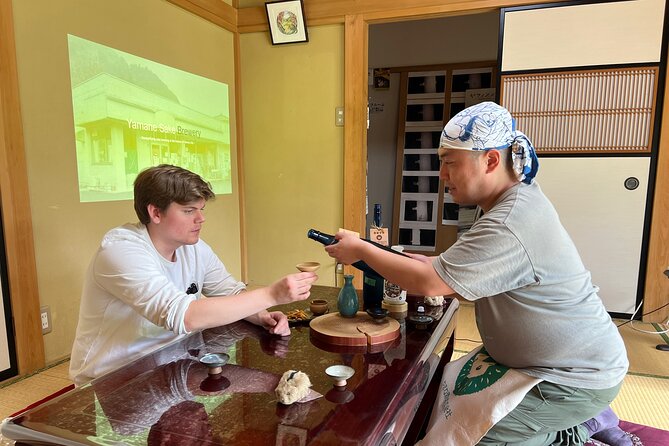
The visit begins with a welcome drink, then moves into an explanation of the brewing process. This gives you a way to taste before the more detailed discussion begins, while also setting up the difference between ordinary modern production and wooden-barrel brewing.
Fuku-san, the brewery owner, explains the brewery’s origin and the way its bottles are made by hand. The experience places a lot of value on direct conversation, so this is a good moment to ask practical questions about the sake in your glass. You can ask about the role of the barrel, the ingredients used in the unusual varieties, and how the brewery connects its work to Hanno.
The guide is not listed as speaking any particular language, so confirm communication details when you arrange your time if that matters to you. The tour description does promise a talk with a brewer, not a silent walk through production rooms.
I like this beginning because it gives the sake a human context. You are not asked to memorize a long list of brewing terms before tasting anything. Instead, the story of the brewery and its methods comes alongside the drink.
Seeing the barrels and learning how they are cared for
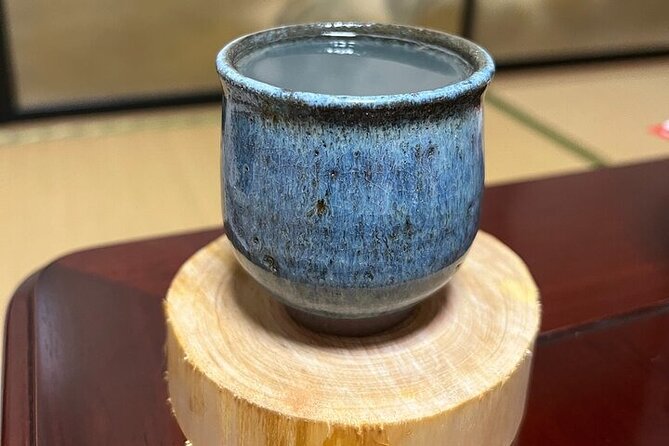
The brewery tour includes an explanation of sake production and a closer look at the wooden barrels. Their rarity is the main reason this tour has a different shape from a standard tasting.
The barrel care experience adds a useful practical detail. Wooden vessels need attention, and their use is tied to the brewery’s decision to preserve an older method. You learn that traditional production is not just about using an old object for atmosphere. It involves care, work, and a different relationship with the brewing process.
The tour ends with a chance to take a commemorative photo with the barrels. That sounds simple, but it gives the visit a clear visual memory. The barrels are the physical symbol of what you came to see, not just background scenery.
Expect the stop to be educational rather than theatrical. The available details do not promise a museum-style display or a long production demonstration. The value is in seeing the working setting, learning directly from the brewer, and connecting that information to the tasting that follows.
A few more Tokyo bookings worth comparing
- Tokyo Bar Hopping Tour in Shinjuku (All-You-Can-Drink + Dinner)
★ 5.0 · 3,587 reviews - Best of Shinjuku: Izakaya Food Tour (4 Stops, 14+ Tastings)
★ 5.0 · 1,863 reviews - Tokyo: Shinjuku Local Bar and Izakaya Guided Walking Tour
★ 4.9 · 1,794 reviews - Shibuya Meltdown Nightlife Tour: All-You-Can-Drink Bar Hopping
★ 5.0 · 1,058 reviews
The 40-minute tasting: three rare sake varieties
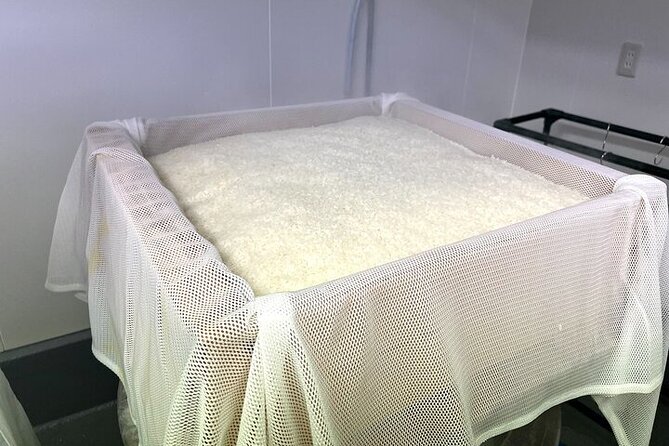
The main tasting lasts about 40 minutes and includes unlimited sampling of the featured wooden-barrel sake. The three named varieties are honey sake, local tea sake, and germinated brown rice sake.
These choices make the session more approachable than a lineup of similar dry sakes. Honey sake suggests a sweeter profile, while local tea sake points toward a flavor shaped by Hanno-area ingredients. Germinated brown rice sake offers another angle on grain and preparation. The exact sweetness, aroma, and alcohol level are not provided, so let the brewer guide you through the differences rather than trying to predict every glass.
The phrase unlimited tasting should be read sensibly. It means you can continue sampling during the 40-minute session, not that you should drink without limits. Sake is still alcohol, and the tour includes water for a reason. Eat the snacks, take your time, and use the short session to compare flavors rather than simply chase the next pour.
The rare varieties are available only through the tour and are not found in the market. That is a major part of the $105 price. You are paying for access to small-production sake, a private explanation, and a setting that cannot be recreated by buying a bottle at a department store.
If your main goal is to purchase widely available sake at the lowest price, this is not the best use of your money. If you value unusual tasting access and a direct connection with the maker, the cost becomes easier to justify.
Local snacks, Hanno ware, and wooden-barrel soy sauce
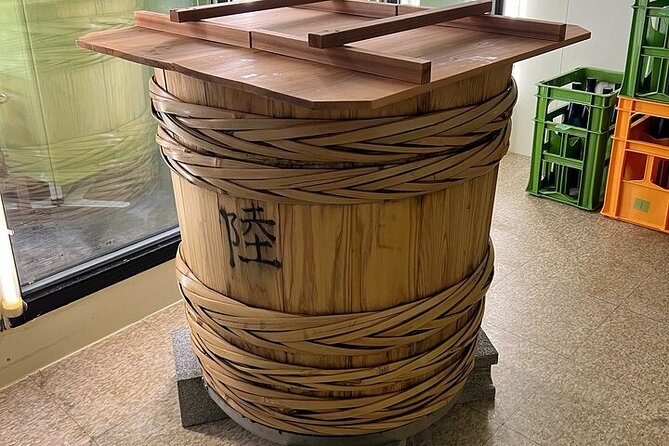
The tasting is served in a traditional Japanese setting using local Hanno ware. The tableware is not just decoration. It gives the tasting a stronger sense of place and keeps the focus on local craft.
Snacks are included, with nuts seasoned in soy sauce made locally in wooden barrels. That pairing is one of the more distinctive details of the experience. The soy sauce connects the food back to the barrel theme, while the nuts give you something solid to eat as you sample.
Food pairings can help you notice flavors that are hard to identify in a drink alone. A sweet element may seem different beside a savory nut, and the soy seasoning can bring out a new side of the sake. The specific snack selection may vary, but the tour promises local snacks for pairing.
You should not arrive expecting a full meal. The information describes snacks, not lunch or dinner. If you need substantial food, plan that separately, especially since the tasting includes alcohol.
There are also preparation rules worth taking seriously. Avoid perfume, strongly scented cosmetics, and hair products before the visit, since strong smells can interfere with sake tasting. You are also asked to avoid citrus fruit and fermented foods such as natto and kimchi the day before and the day of the tour. Those rules may seem fussy, but they protect your ability to notice delicate aromas.
Talking with the Toji in a traditional Japanese house
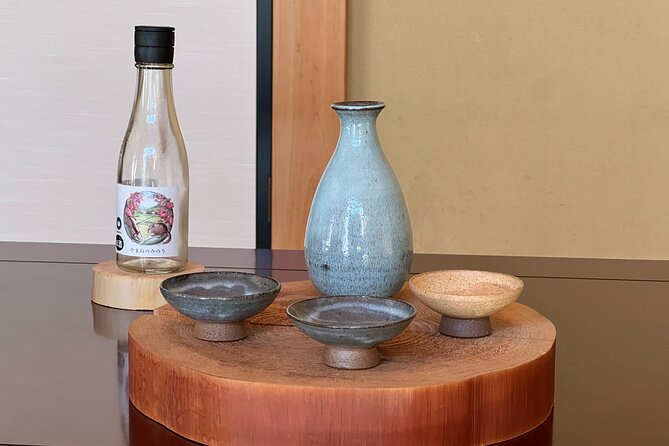
A conversation with the Toji, or master brewer, adds the cultural layer. The tour is not only about how sake is produced, but also about the choices and beliefs behind the brewery’s work.
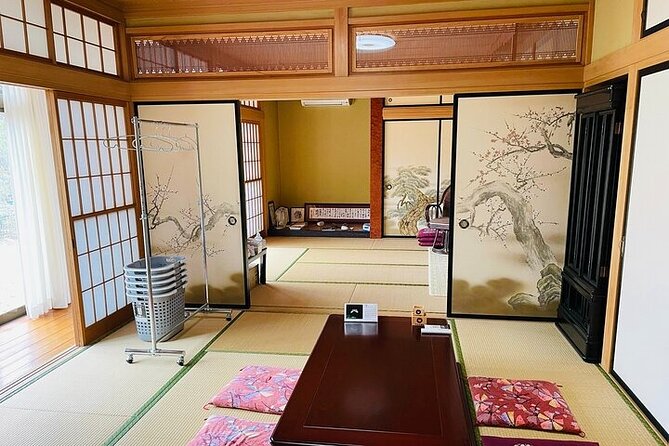
The talk takes place in a traditional Japanese house, which changes the mood from production space to cultural setting. You can expect discussion of sake culture, the brewery’s philosophy, and the connection between the drink and Hanno. The exact length of the talk is not specified, so the two-hour schedule should be viewed as an approximate total rather than a minute-by-minute program.
This part will appeal most to you if you enjoy meeting the person behind a local product. It is less suited to someone who wants a fast tasting with minimal explanation. The private format helps because your questions can shape the conversation.
The surrounding Hanno area also matters. The visit connects sake with local nature and local ingredients rather than treating the brewery as an isolated attraction. You may find that the countryside setting is as important to the experience as the tasting itself, though the tour does not promise a separate nature walk.
What the $105 price really covers
At $105 per person, this is not a bargain tasting in the narrow sense. The price includes alcohol, a guided brewery tour, the barrel care experience, the brewer conversation, local snacks, water, and a special gift.
The value comes from the combination. Three unusual sake varieties are available only through the tour, and you receive about 40 minutes of unlimited tasting rather than one token sample. You also get private access to the brewery and a direct conversation with the maker.
The souvenir is made from Nishikawa wood, linking your keepsake to the local area. It is a small but thoughtful finish, especially if you prefer useful or place-based mementos over generic merchandise.
I would judge the price favorably if you care about traditional production, regional food, and direct contact with a brewer. I would be more cautious if you are only mildly curious about sake or if reaching Hanno requires a costly private transfer. Since transportation is not included, add your own travel costs before deciding.
The small number of published ratings should also temper expectations about certainty. The available response has been very positive, especially on the friendly welcome, educational content, traditional methods, local character, and quality of the sake. That gives you a clear picture of its strengths, but not a long record covering every possible season or guide.
Who will enjoy this private Hanno experience
I would recommend this tour to:
- Sake drinkers who want varieties they cannot buy through the usual market.
- Visitors interested in traditional Japanese crafts and food production.
- Couples, families, or small groups who prefer a private visit.
- People willing to spend part of a day outside central Tokyo.
- Anyone who values conversation with a brewer more than a polished sightseeing show.
- Curious beginners who want a guided introduction with food, water, and clear cultural context.
You should think twice if you dislike alcohol, strongly scented settings, or food restrictions connected to tasting. You may also find the price hard to justify if your only goal is a standard sake flight or if you have no interest in the wooden-barrel method.
Most participants can take part, and the activity is near public transportation. No separate accessibility details are provided, so contact the provider if your group has specific mobility needs.
Booking, timing, and cancellation details
This is a private activity, so only your group takes part. Start times can be arranged between 10 a.m. and 5 p.m., but you need to respond to the provider’s message after booking to settle the schedule.
The activity returns to the brewery meeting point at the end. Remember that transportation to and from Yamane Brewery is your responsibility.
You can cancel for a full refund up to 24 hours before the scheduled start time. Cancellations or changes made less than 24 hours before the start are not accepted for a refund, and cut-off times use local Japanese time.
Should you book Yamane Brewery?
Book it if you want a focused, personal look at a rare sake tradition and are happy to make the trip to Hanno. The strongest reasons are the wooden-barrel brewing, the unusual honey, tea, and germinated brown rice varieties, and the chance to speak with Fuku-san and the Toji in a traditional setting.
Skip it if you want a centrally located Tokyo activity, a full meal, or a quick inexpensive drink tasting. For the right visitor, $105 buys much more than alcohol: it buys access to a small brewery’s methods, local pairings, and a sake experience built around place and craft.
FAQ
Where is the sake brewery tour located?
The tour begins and ends at Yamane Brewery, 223 Akazawa, Hanno, Saitama 357-0128, Japan.
How long does the experience last?
The activity lasts approximately two hours. The dedicated unlimited tasting session lasts about 40 minutes.
What time can the private tour begin?
A start time can be arranged between 10 a.m. and 5 p.m. The provider sends a message after booking to arrange the exact time.
Is transportation included?
No. Private transportation is not included. The brewery is described as being near public transportation.
Is this a private activity?
Yes. Only your group takes part in the activity.
What sake can I taste?
The tour includes rare wooden-barrel-brewed sake, including honey sake, local tea sake, and germinated brown rice sake. These varieties are available only through the tour and are not found in the market.
What food and non-alcoholic items are included?
Local snacks, including nuts paired with locally made wooden-barrel soy sauce, are included. Glass water is also provided.
What should I avoid before the visit?
Avoid perfume, strongly scented cosmetics, and hair styling products. You are also asked not to eat citrus fruits or fermented foods such as natto and kimchi the day before and the day of the visit.
More Breweries in Tokyo
- Private Tour: Tokyo’s Oldest Sake Brewery and Riverside Walk
★ 5.0 · 25 reviews - Unique Brewery Tour and One-of-a-Kind Sake Tasting Near Tokyo
★ 5.0 · 17 reviews - Discover Japanese Coffee Brewing Experience at Tokyo
★ 4.9 · 8 reviews - Tokyo: Toshimaya Sake Brewery Tour with Sake Tasting
★ 5.0 · 6 reviews
New on our Tokyo list
- Sumi-e Experience in a relaxing green tea shop in Tokyo★ 5.0 · 3 reviews
- Tokyo : Kamikaze Street Drift Ride★ 5.0 · 3 reviews
- Private Zen Meditation in English in Shinjuku, Tokyo★ 5.0 · 3 reviews
- Onsen Spa in Tokyo and Asakusa Bar Hopping with Local Guide★ 5.0 · 3 reviews
- Easy for everyone! Now you can play handmade mini shamisen and show off to everyone! Musical instruments, sweets and live music★ 5.0 · 3 reviews
- Tokyo: Private Tsukiji Street Food & Sake with Local Guide★ 5.0 · 3 reviews
- Mt Fuji Exploration Tour with Free Japanese Kusa Mochi from Tokyo★ 4.5 · 3 reviews
- Tokyo Tsukiji Fish Market Walking and Exploring Hidden Gems Tour★ 5.0 · 3 reviews
Sake & Whisky Tastings, compared.
Ramen and Sushi Cooking Class with Sake Pairing Set in Tokyo
Read our review →
Sake Tasting Masterclass in Shinjuku (8+ Varieties with a Pro)
Read our review →
Sake Omakase in Tokyo: Guided Tasting by Certified Sommeliers
Read our review →
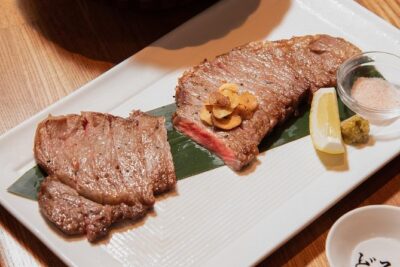
Wagyu & Sake Pairing in Shinjuku – Steak, Shabu-Shabu & More
Read our review →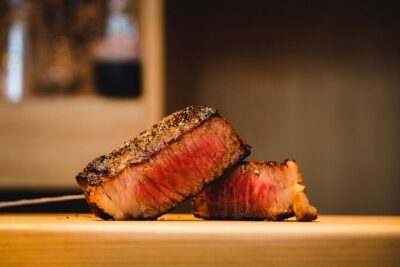
Tokyo Wagyu & Sake Pairing Tasting Experience with Local Flavors
Read our review →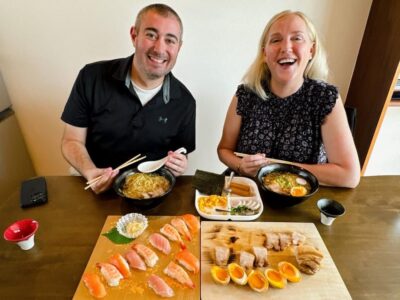
Sushi and Ramen Cooking Class with Sake Pairing Set
Read our review →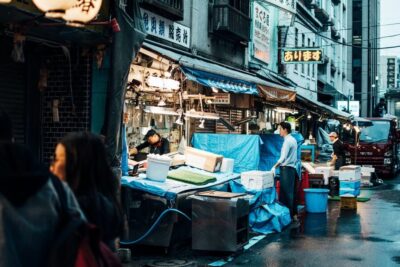
Tsukiji: Outer Market Walking Tour & Sake Tasting Experience
Read our review →Browse the lists this tour appears in