
Reviewed · YOKOHAMA TOURS
Full Day Tokyo Tour, From/To Tokyo,Yokohama, Narita, 2- 12 guests
Tokyo can feel like several cities stitched together, and this private full-day tour gives you a practical way to see its big contrasts in one go. You can begin from Tokyo, Yokohama, or Narita, set a start time that fits your schedule, and travel with your own driver-guide rather than lose time working out every train connection.
I especially like the flexible pickup and drop-off and the chance to adjust the day to your interests. One group used the guide to find Tokyo’s guitar street, while another made time for an authentic ramen stop. The drawback is simple: eight hours is not enough for leisurely visits at seven stops, and meals, drinks, and paid admissions cost extra.
In This Review
- Key points at a glance
- One day, seven Tokyo viewpoints
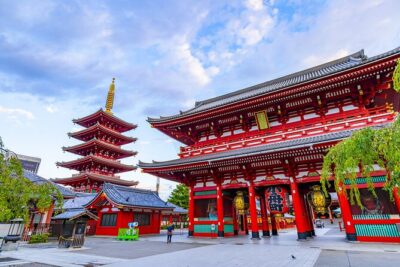
- Senso-ji, Tokyo’s colorful old-town welcome
- Meiji Jingu, a quiet change of pace
- Shibuya Crossing in a 30-minute snapshot
- The Imperial Palace and the timing question
- Takeshita Street and Harajuku’s fast fashion
- Tsukiji Jogai Market, with food on your own tab
- Ginza lunch and a polished final stop
- Why the private vehicle matters from Yokohama or Narita
- The guide’s role in shaping the day
- Price, inclusions, and the real value
- Who should book this Tokyo day tour?
- Should you book it?
- FAQ
- How long does the Tokyo tour last?
- How many people can join the private tour?
- Where can pickup and drop-off be arranged?
- Is there a fixed starting time?
- Are transportation and guide service included?
- Are meals and drinks included?
- What is the cancellation policy?
Key points at a glance
- Private transport for up to 12 people: The quoted price covers the group, not each passenger, which can make sense for a family or larger party.
- Pickup from Tokyo, Yokohama, or Narita: This is particularly useful at the end of a cruise or during a Yokohama stay.
- A strong first-day Tokyo route: Senso-ji, Meiji Shrine, Shibuya, the Imperial Palace, Harajuku, Tsukiji, and Ginza cover very different sides of the city.
- A guide who can adjust the plan: Reviews describe help with special interests, palace timing, food, and practical sightseeing choices.
- No admission tickets are built in: The listed stops are mainly free to enter, but your food, drinks, and any chargeable attractions are your responsibility.
- Allow for traffic and short visits: The listed stop times add up to about seven hours, leaving limited spare time inside an eight-hour day.
One day, seven Tokyo viewpoints
This route is built for people who want a broad introduction rather than one deep visit. You move from old Tokyo at Senso-ji to the quiet wooded approach of Meiji Jingu, then on to Shibuya’s famous crossing, the Imperial Palace area, Harajuku, Tsukiji, and Ginza.
That variety is the main reason to consider it. Tokyo does not have one single center that explains the whole city. Its character changes block by block, and this itinerary lets you compare temple streets, shrine grounds, fashion shops, office districts, food stalls, and polished department stores in one day.
The schedule also makes sense for a short stay. If you are in Japan for only a few days, you can cover the landmarks most people want to see without spending your evening planning routes. Still, you should approach the tour as a highlights day. Each stop gives you a taste, not a full exploration.
The company lists a price of $703.65 per group of up to 12. For one or two people, that is a sizable outlay. For a family or group of friends, the cost per person becomes more reasonable, especially since transportation and guide service are included. The price does not cover meals, drinks, or entrance fees if any apply.
More Yokohama outings:
- Authentic Sumo Experience in Tokyo: Enter the Sanctuary
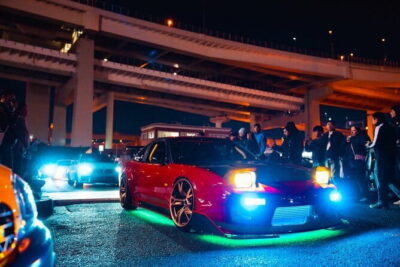
★ 5.0 · 603 reviews - EVO, WRX, Skyline – JDM Night Run to Daikoku Car Meet
★ 4.9 · 478 reviews - Tokyo: Best Price Daikoku Parking Area JDM Car Meet
★ 4.9 · 192 reviews
Senso-ji, Tokyo’s colorful old-town welcome
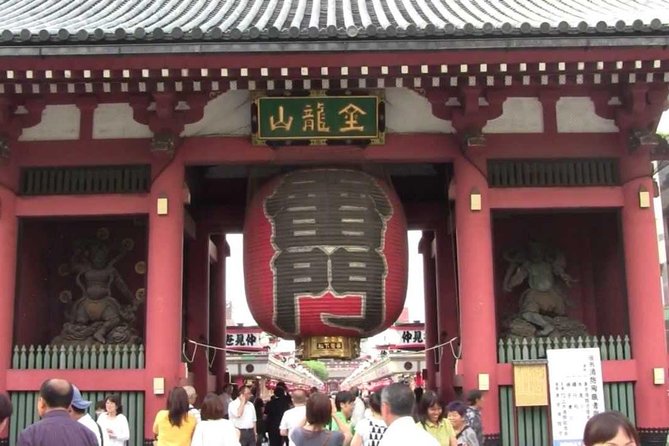
The day’s first listed stop is Senso-ji in Asakusa, with about 90 minutes set aside. This is one of Tokyo’s most recognizable Buddhist temples and one of the best places to begin if you want a strong sense of the city’s older side.
You approach through the temple gate and its famous shopping street, where the route toward the main hall is lined with traditional-style shops and food stalls. The setting is lively and visual, but the temple itself gives the visit weight. You can pause at the main grounds, look at the architecture, and watch everyday worship take place.
Ninety minutes is a useful amount of time here. It should allow you to walk through the approach, see the main temple buildings, and spend a few minutes browsing. If you stop for snacks or small gifts, the clock will move quickly.
I would ask your guide how much time to spend on the shopping street versus the temple grounds. If you already know Senso-ji is a priority, say so at the beginning. The private format gives you more room to make that choice than a fixed coach itinerary would.
Meiji Jingu, a quiet change of pace
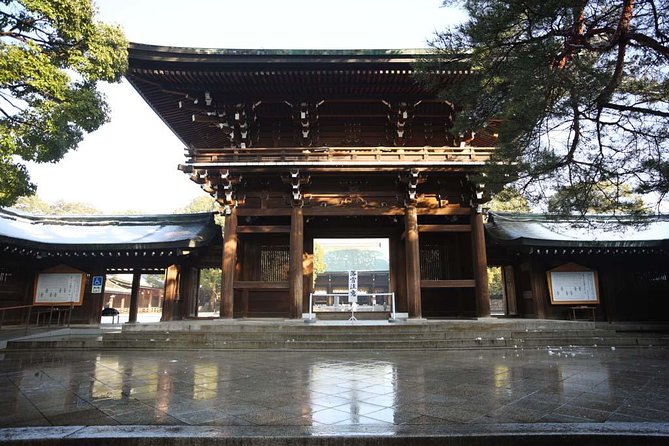
About an hour is planned for Meiji Jingu, a Shinto shrine beside Harajuku Station. The contrast with Asakusa is one of the best features of the day. After the temple’s urban approach, you enter a broad shrine setting associated with Emperor Meiji and Empress Shoken.
The visit is not only about the main shrine buildings. The approach and grounds are part of the experience, and the change in atmosphere helps you understand how Tokyo combines immense urban density with places set aside for ceremony and reflection.
An hour gives you enough time for a purposeful visit, though not for a slow wander through every path. You may find that the walking feels longer than expected, so comfortable shoes will help. This is also a place where respectful behavior matters. Follow the guide’s advice about shrine customs if you are unfamiliar with them.
The location near Harajuku makes the next stop efficient on paper. In real life, traffic and pedestrian crowds can affect the rhythm, which is one reason a driver-guide is useful on a packed day.
Shibuya Crossing in a 30-minute snapshot
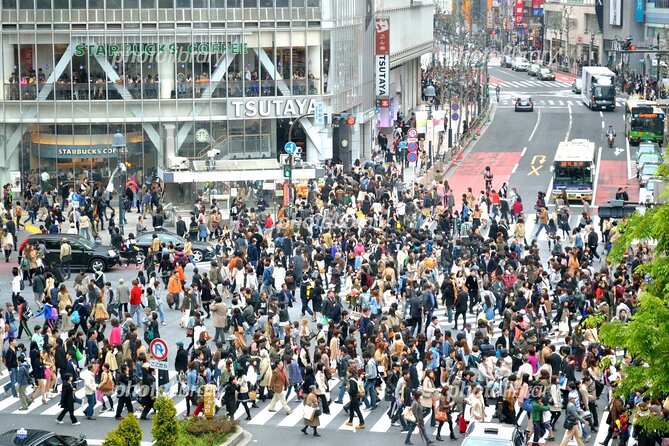
The half-hour stop at Shibuya is aimed at the famous crossing and the surrounding entertainment district. This is a quick photo and orientation stop, not a shopping session.
Shibuya Crossing is compelling because it turns ordinary city movement into a public spectacle. When the signals change, several streams of people move across the intersection at once. You can watch from street level or use the time to get a quick sense of the surrounding district, depending on the guide’s plan and the day’s conditions.
Thirty minutes is enough for a look, but it is not enough for a full visit to Shibuya’s shops, cafés, and side streets. If you want extensive shopping, tell the guide early and be ready to shorten another stop. The tour is trying to show you many districts, so every extra purchase or long coffee break has a cost in sightseeing time.
A few more Tokyo bookings worth comparing
- From Tokyo: Mount Fuji Full-Day Sightseeing Trip
★ 4.5 · 4,970 reviews - Mount Fuji Full-Day Private Tour from Tokyo (Customizable)
★ 4.9 · 1,470 reviews - Tokyo Private Full-Day Tour by Car or Van
★ 5.0 · 684 reviews - From Tokyo: Must-Visit Mount Fuji Highlight Full-Day Tour
★ 4.7 · 532 reviews
The Imperial Palace and the timing question
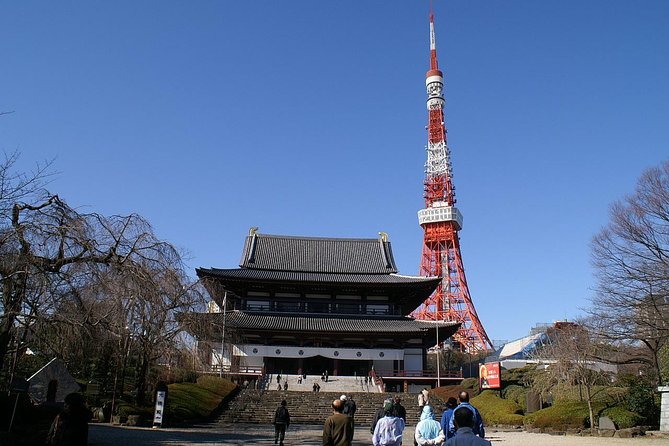
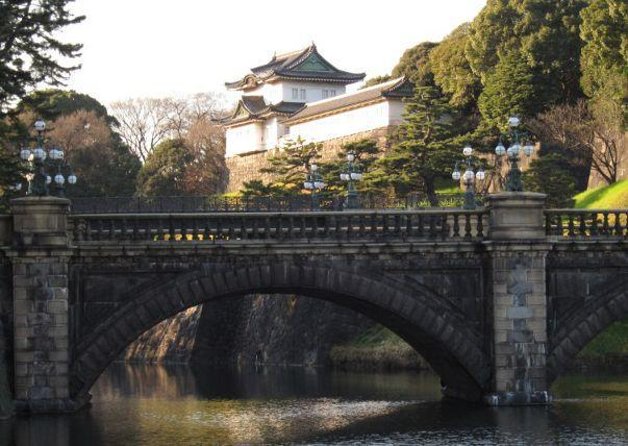
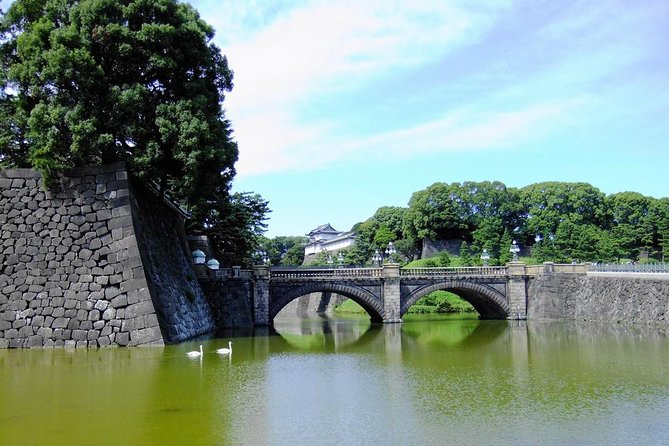
The Imperial Palace receives the longest scheduled visit, at about one hour and 45 minutes. The palace occupies the former site of Edo Castle and is surrounded by moats, large stone walls, and an extensive park area in central Tokyo.
The word palace can create the wrong expectation. You should not assume you will tour every interior building. The appeal here is the central setting, the surviving castle defenses, the formal grounds, and the sense of how the imperial site fits into modern Tokyo.
This stop has a practical wrinkle. One review specifically praised the guide for knowing that the palace was open and timing the Tokyo visit well. Access and opening conditions matter, so the guide’s local planning can save you a wasted walk or a poorly timed arrival. The tour data does not promise entry to every part of the palace, so ask what will be open on your date and what you will actually visit.
If the palace is especially important to you, place it near the top of your priorities. A longer scheduled stop gives you room to see the area properly, but the day’s traffic can still affect how much time remains.
Takeshita Street and Harajuku’s fast fashion
Takeshita Street gets 30 minutes. This 350-meter street across from Harajuku Station is known for youth fashion, trend-driven shops, and an energetic retail scene.
The stop works best as a quick walk. You can look at the shop fronts, sample the feel of Harajuku, and decide if this is a place where you want to return on your own. Thirty minutes is too short for serious shopping, especially if the street is crowded.
I like the inclusion because it prevents the tour from becoming only temples and government buildings. Tokyo’s fashion culture is part of its identity, and Takeshita Street gives you a compact introduction. The tradeoff is that a short, crowded retail stop may feel less rewarding if you are not interested in clothing, novelty shops, or youth culture.
Because Meiji Jingu and Takeshita Street are both in the Harajuku area, your guide can help you judge how to split your time. You may prefer a longer shrine visit, or you may want to browse the street and accept a quicker look elsewhere.
Tsukiji Jogai Market, with food on your own tab
The 45-minute visit to Tsukiji Jogai Market focuses on the outer market area. The former wholesale market, once famous for tuna auctions, moved to Toyosu in 2018. Tsukiji’s outer market remains associated with food shops and casual eating.
This distinction matters. Do not book the tour expecting to see the old wholesale auction floor. The stop is about the market district that visitors can browse, with food-related shops and places to eat.
Forty-five minutes is enough for a short look and perhaps a snack, but it is not a full market morning. The cost of food and drinks is not included, and the tour makes Ginza the lunch stop, so you may want to decide in advance if Tsukiji is for browsing or for a small bite.
The market can also be a good place to ask your guide for suggestions. One group valued a local ramen stop during the day, and another used the guide to locate a guitar street. Those details show why a private guide can be more useful than a standard sightseeing loop: you can add a personal interest when the schedule allows.
Ginza lunch and a polished final stop

Ginza is listed for lunch, with about an hour available. It is one of Tokyo’s best-known shopping and dining districts, and it provides a different finish from the older atmosphere of Asakusa or the casual energy of Takeshita Street.
Because lunch is not included, you pay directly for your meal. The advantage is choice. You can select a restaurant or food option that fits your budget and preferences, rather than accept a fixed group menu. The limitation is time. An hour must cover choosing a place, eating, and returning to the vehicle, so this is not the moment for a long formal meal.
I would clarify the lunch plan with the guide at the start of the day. If your group includes children, older family members, or people with specific dietary needs, the private format may make the meal easier to manage, but the provided information does not promise a particular restaurant or menu.
Why the private vehicle matters from Yokohama or Narita
This experience is especially practical if your base is outside central Tokyo. Pickup and drop-off points are described as flexible in Yokohama, and the tour also accepts arrangements from Tokyo and Narita. That can save you from making a separate train trip just to join a city tour.
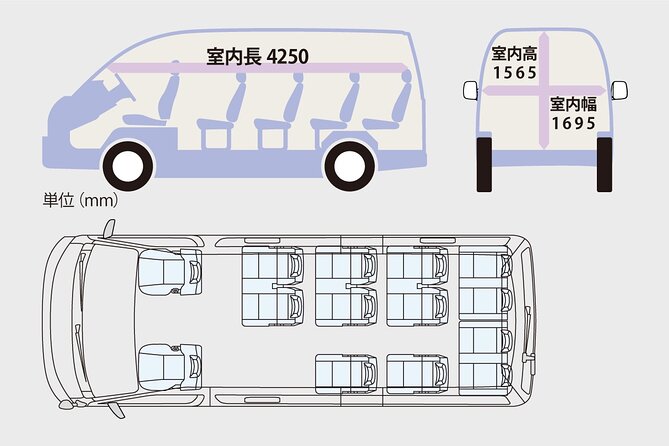
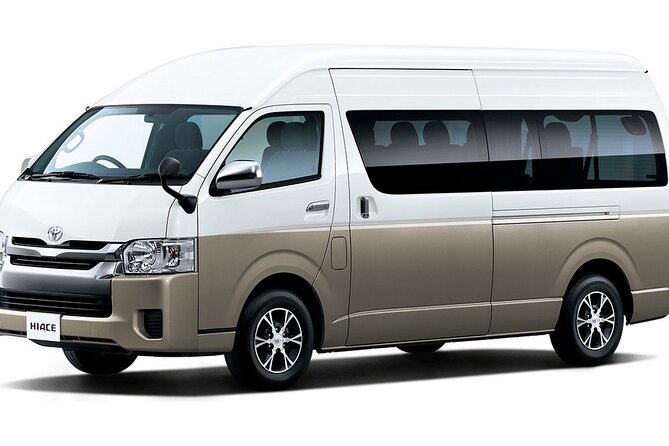
The arrangement also suits cruise passengers. One family booked it at the end of a cruise, and the driver, Take-san, was waiting when they disembarked. The vehicle accommodated the family and a comically large amount of luggage, according to the account of that day. That is a useful sign for cruise transfers, but you should still give the provider your luggage details when arranging the pickup.
The group limit is 12 people. The tour is private, so nobody outside your party joins the sightseeing. For a large family, a multigenerational group, or friends traveling together, that privacy can make the day calmer and the fixed group price more attractive.
The eight-hour duration includes the time needed to move between districts. Tokyo traffic can be slow, and the route covers a wide area. You should not read the listed stop times as a guarantee that every minute will be spent on foot at each sight.
The guide’s role in shaping the day
The provider identifies Takeshi Shishiba as its president and driver-guide. Individual experiences also refer to Take-san and Keka-san, so the person assigned to your group may vary.
The most useful part of the guide service is not simply pointing out famous buildings. It is the ability to react to your interests and to conditions on the day. A guide helped one group find a guitar street filled with vintage and new instruments, and another group enjoyed an authentic ramen stop. If you have a special request, mention it before pickup, not halfway through the afternoon.
Another group received help with Imperial Palace timing. That is the kind of small decision that can protect your limited sightseeing hours. The tour does not publish a fixed start time, so you can set a beginning that suits your schedule, but you should agree on the timing clearly before the day starts.
The accounts also praise communication before pickup and attentive service. One guide was waiting after disembarkation, which matters when you are carrying luggage and working against a ship or hotel schedule.
Price, inclusions, and the real value
At $703.65 per group of up to 12, this is not a budget city tour for a solo visitor. It becomes easier to justify when shared among several people. A group of four pays far less per person than a couple, and a group of eight or more may find the arrangement competitive with separate taxis, multiple train fares, and a paid guide.
Transportation expenses and guide service are included. That removes two common sources of uncertainty during a busy day. You do not need to buy separate tickets for each transfer, and you have one person helping coordinate the route.
Your own expenses remain important. Meals and drinks are extra, as are any admission fees that apply. The listed main stops have no admission ticket included, and several are free public areas, but you should keep money available for food and personal purchases.
The value is strongest if you care about convenience, private timing, and seeing many districts in one day. It is weaker if you prefer slow travel, extensive shopping, or a highly specialized history tour focused on one neighborhood.
Who should book this Tokyo day tour?
I would recommend it most to:
- Families who want a private vehicle and a flexible pace
- Groups staying in Yokohama who want a practical Tokyo day trip
- Cruise passengers who need pickup and drop-off coordination
- First-time visitors with only one open day
- Groups of several people who can share the fixed price
- Visitors who want to add a personal request, such as ramen or a guitar-focused stop
I would think twice if you are traveling alone on a tight budget, already know Tokyo well, or want to spend half a day in one museum or neighborhood. The route is broad by design. Its success depends on accepting short visits and letting the guide help you choose what matters most.
Should you book it?
Book this tour if your priority is seeing Tokyo’s major contrasts without handling a complicated transport plan. The flexible start, private vehicle, pickup options, and ability to adjust the day are meaningful advantages, especially from Yokohama or after a cruise.
Before paying, confirm the pickup point, luggage situation, guide assignment, palace access, and your top two priorities. I would also ask how lunch will fit into the schedule and which stop can be shortened if traffic steals time.
For a group of four or more, the price may offer solid convenience. For one or two people, compare it with public transport and smaller guided tours. If you want a broad first look at Tokyo and value having the day shaped around your group, this is a sensible choice.
FAQ
How long does the Tokyo tour last?
The tour lasts approximately eight hours.
How many people can join the private tour?
The private tour can include up to 12 people, and only your group participates.
Where can pickup and drop-off be arranged?
Pickup is offered from Tokyo, Yokohama, and Narita. The information specifically notes flexible pickup and drop-off points in Yokohama.
Is there a fixed starting time?
No. The tour does not have a fixed start time, so you can begin at a time that suits your schedule.
Are transportation and guide service included?
Yes. Transportation expenses and guide service expenses are included.
Are meals and drinks included?
No. Personal expenses such as meals and drinks are not included. Ginza is scheduled as the lunch stop.
What is the cancellation policy?
You can cancel at least 24 hours before the experience start time for a full refund. Cancellations or changes made less than 24 hours before the start time are not accepted for a refund. If poor weather causes the tour to be canceled, you will be offered another date or a full refund.
New on our Tokyo list
- Sumi-e Experience in a relaxing green tea shop in Tokyo★ 5.0 · 3 reviews
- Tokyo : Kamikaze Street Drift Ride★ 5.0 · 3 reviews
- Private Zen Meditation in English in Shinjuku, Tokyo★ 5.0 · 3 reviews
- Onsen Spa in Tokyo and Asakusa Bar Hopping with Local Guide★ 5.0 · 3 reviews
- Easy for everyone! Now you can play handmade mini shamisen and show off to everyone! Musical instruments, sweets and live music★ 5.0 · 3 reviews
- Tokyo: Private Tsukiji Street Food & Sake with Local Guide★ 5.0 · 3 reviews
- Mt Fuji Exploration Tour with Free Japanese Kusa Mochi from Tokyo★ 4.5 · 3 reviews
- Tokyo Tsukiji Fish Market Walking and Exploring Hidden Gems Tour★ 5.0 · 3 reviews
Yokohama Tours, compared.

Authentic Sumo Experience in Tokyo: Enter the Sanctuary
Read our review →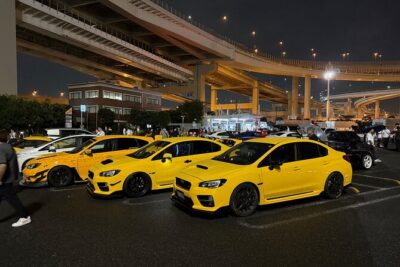
EVO, WRX, Skyline – JDM Night Run to Daikoku Car Meet
Read our review →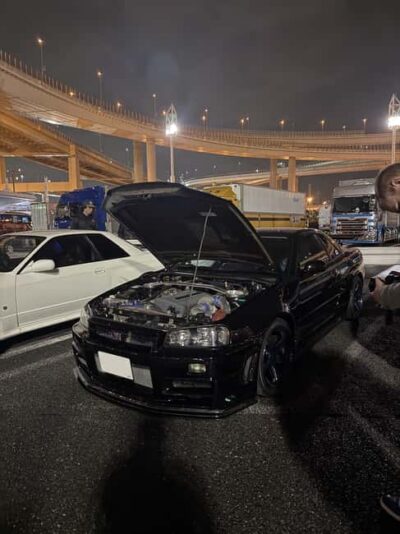
Tokyo 8hr Private Tour with Licensed Guide from Yokohama
Read our review →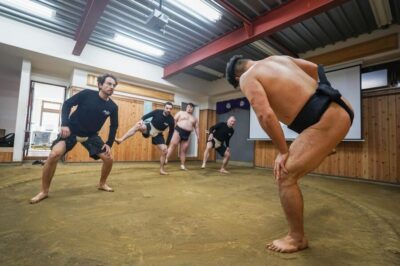
【Tokyo】JDM Daikoku Parking Area & Nissan Facility Tour
Read our review →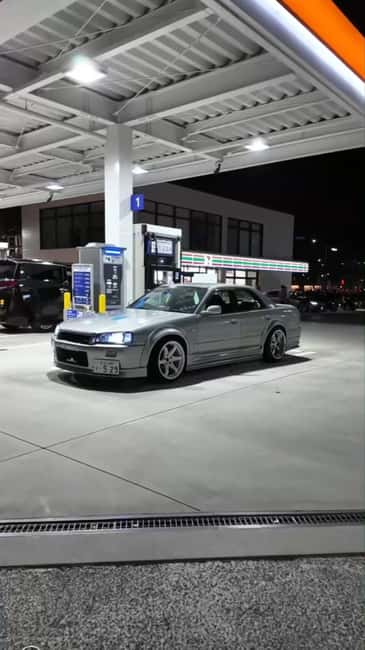
R34Skyline Daikoku PA Fast & Furious Private Experience
Read our review →Browse the lists this tour appears in