
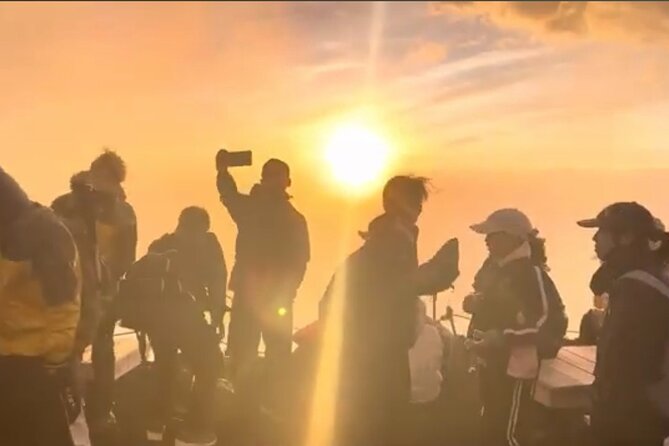
Reviewed · MT FUJI AREA TOURS
In 2026, 2-Day Mt. Fuji Climbing Tour with Mountain guide
Mt. Fuji is not a sightseeing stop you simply check off. This is a real two-day climb, with a long uphill push, thin air, crowded trails in peak season, and a very welcome bath after you come back down. The reward is a chance to see the Kanto plains from Japan’s highest mountain.
I like the all-in-one planning: transport from central Tokyo, meals, a mountain guide, and a rest facility after the descent. I also like the human touch from Shin, who has helped non-Japanese speakers and has been praised for careful support. The main concern is communication. The mountain guide speaks Japanese, and English instructions may be limited.
In This Review
- Key points to know
- What the $470 Mt. Fuji climb actually gives you
- Leaving Tokyo at 6:30 in the morning
- The Subaru Line 5th Station is your real starting point
- A steady uphill climb, not a technical mountaineering trip
- Dinner and the mountain hut pause
- Summit views depend on weather and your condition
- The descent is hard in a different way
- Communication is the biggest question for international visitors
- Who should book this Mt. Fuji experience?
- Booking and cancellation details to weigh carefully
- Should you book this climb?
- FAQ
- Where does the Mt. Fuji climbing tour start?
- Where does the tour finish?
- How long is the Mt. Fuji climbing tour?
- Is the tour suitable for beginners?
- Is a mountain guide included?
- Are meals included?
- Is bathing included after the climb?
- Is rental equipment available?
- Can I cancel the tour for a refund?
Key points to know
- A true two-day physical challenge: You need moderate fitness, but no mountaineering skills.
- Shin provides Tokyo-side support: The tour escort meets you at the Yoshida 5th Station, while the mountain guide handles the climb.
- Meals are included: You receive lunch after reaching the 5th Station and dinner at the mountain lodge, with lunch after the descent.
- The post-climb bath matters: A bathing stop and meal give you a proper chance to recover before returning to Tokyo.
- English support may be uneven: WhatsApp communication has been useful, but mountain instructions can be hard to follow if you do not speak Japanese.
- Weather still decides the outcome: Some climbers have not reached the summit, despite paying for the full tour.
What the $470 Mt. Fuji climb actually gives you
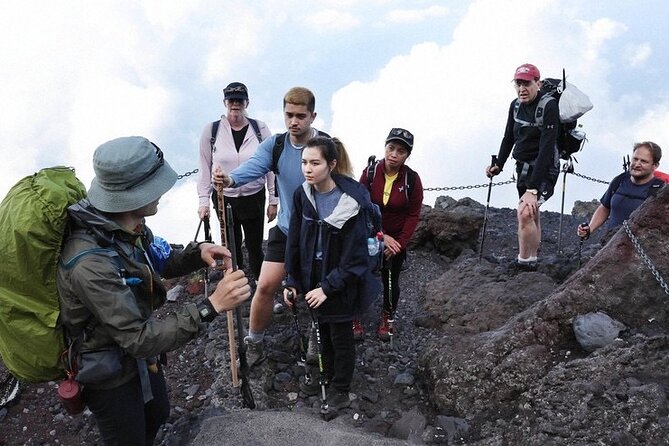
At $470 per person, this is not a cheap bus ride to a viewpoint. You are paying for a guided two-day mountain experience from Tokyo, with an air-conditioned vehicle, meals, mountain support, and recovery time after the hike.
I see the value in the logistics. Mt. Fuji requires careful timing, transport coordination, a mountain hut stop, food, and a plan for getting everyone back down. Handing those jobs to a tour company lets you focus on pacing and safety rather than sorting out every transfer yourself.
The price feels most reasonable if you want a structured climb and would rather not arrange the details alone. It is less attractive if you are an experienced hiker who already knows the route, speaks Japanese, and can organize transport and lodging without help.
The experience has a published rating of 3.7 from 10 ratings, which points to a mixed result rather than a guaranteed success. The strongest praise centers on the guides, meals, bath, and overall sense of achievement. The sharpest complaints concern poor organization, limited English, and one case in which an injured climber was left to arrange another mountain hut at a cost of 15,800 yen.
More Mt Fuji days from Tokyo:
- Mt Fuji and Hakone 1-Day Bus Tour Return by Bullet Train
★ 5.0 · 26,383 reviews - Mt Fuji & Hakone Cruise, Drum Show Bullet Train 1 Day from Tokyo
★ 4.0 · 7,413 reviews - Tokyo Mt Fuji 5th St & Hakone Cruise Bus Tour w/Bullet Train
★ 4.4 · 5,024 reviews
Leaving Tokyo at 6:30 in the morning
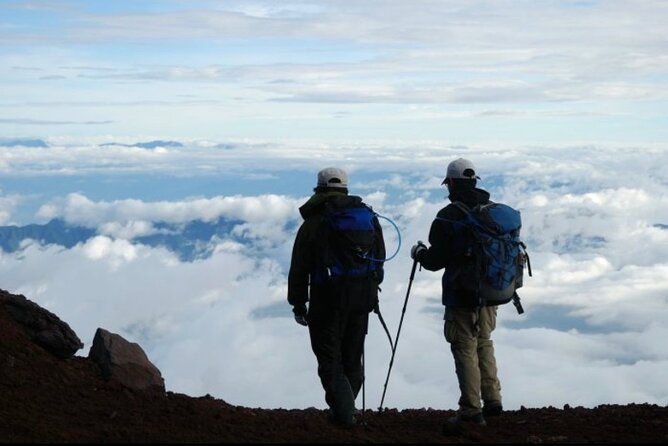
The day begins at Tochomae Station at 6:30 am, in the Shinjuku area. The tour ends near Shinjuku Station, so the start and finish are practical if you are staying in central Tokyo or near the west side of Shinjuku.
An air-conditioned vehicle handles the main transfers. That is useful because the climb itself demands enough energy. You do not want to begin the day after wrestling with several trains and buses while carrying mountain gear.
The group can reach a maximum of 49 people. That is a fairly large group for a mountain activity. It may mean a slower pace and more waiting, especially on a crowded trail, but it also gives you the structure of a planned outing rather than a solo climb.
Bring your booking confirmation and pay close attention to the meeting point. The start is at Tochomae Station, not simply anywhere in Shinjuku. The return point is listed near Shinjuku Station, so you should leave your evening schedule flexible after the descent.
The Subaru Line 5th Station is your real starting point
The tour reaches the Mt. Fuji Subaru Line 5th Station, where the climbing portion begins. You have about 1 hour and 30 minutes at this stop according to the planned itinerary, though the exact pace and timing can depend on the group and mountain conditions.
The 5th Station is important because it is the practical gateway to the Yoshida route. You are not walking from the foot of the mountain. Even so, the climb from here is demanding, and the high starting elevation means you should not treat the first hours as an easy warm-up.
Lunch is included after arriving at the 5th Station. That is a useful detail. Eat enough to begin the climb with fuel, but do not rush into a hard pace immediately afterward. The safest strategy is a steady rhythm with frequent breaks.
A tour escort is available at the 5th Station, and the mountain guide takes responsibility for the climb. Shin is the named tour provider and has received especially warm praise for helping non-Japanese speakers. The mountain guide is Japanese-speaking, so you should be ready for simple instructions, gestures, and help from the group if your Japanese is limited.
A steady uphill climb, not a technical mountaineering trip
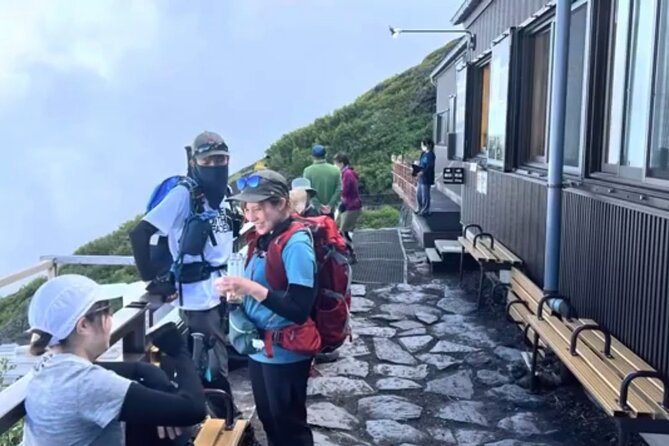
The tour describes the climb as moderately challenging. That does not mean easy. You need a moderate level of physical fitness, and the uphill hours can be tiring even if you exercise regularly.
You do not need mountaineering skills. This is a marked tourist climbing route rather than a technical rock climb. Still, you will face a sustained ascent, crowded sections during the climbing season, and the effects of altitude.
I would prepare for this as a mountain hike, not as a casual excursion. Wear suitable walking shoes, carry enough water, and use clothing that can handle changing conditions. The supplied information does not specify a required equipment list, but rental gear is available for an additional charge if needed.
The best feature of a guide here is pacing. Several people have found the climb manageable because there were regular breaks and a clear group rhythm. New hikers can follow the route more easily when someone else is setting the plan.
The weakness is that a group cannot promise the same experience for every body. If you are slow, become unwell, or suffer an injury, you need to tell the guide clearly and early. One serious complaint describes a climber being left behind after an injury and paying 15,800 yen for another mountain hut. That is not a minor issue. Ask before departure how the group handles withdrawal, injury, and separation.
A few more Tokyo bookings worth comparing
- Tokyo Private Guided 1/2-Day Walking Subway Tour English guide
★ 5.0 · 7 reviews - Hakone Private Two Day Tour from Tokyo with Overnight Stay in Ryokan
★ 5.0 · 5 reviews - Tokyo 2-Day Private Walking Tour with Licensed Guide
★ 5.0 · 4 reviews - 2 Days Tokyo ,Mount Fuji / Hakone Private Tour from Tokyo
★ 5.0 · 3 reviews
Dinner and the mountain hut pause
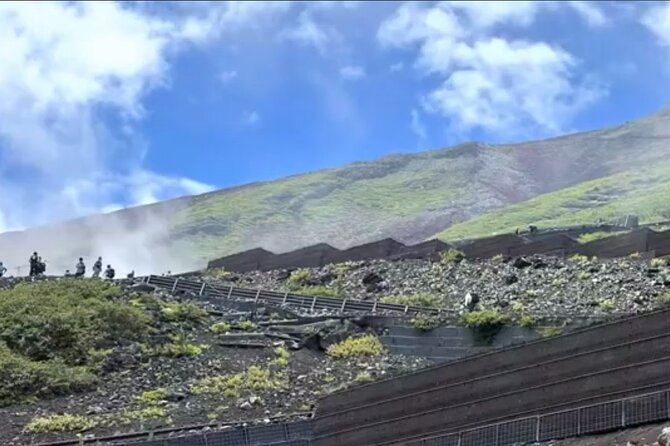
Dinner is provided at the mountain lodge during the overnight portion. Sleeping accommodations are part of the two-day mountain format, and one account describes them as good for a hut near the top of a volcano.
Do not expect comfort on the level of a Tokyo hotel. The value is in having a planned place to rest during a strenuous climb. A warm meal and a chance to lie down can make the difference between reaching the summit attempt in reasonable shape and starting the second push exhausted.
The overnight stop also changes the character of the outing. You are not racing up and down Mt. Fuji in one day. You have time to adjust to the climb, eat, rest, and continue with the mountain schedule.
Because English communication can be limited, listen carefully when the guide explains the night’s timing. WhatsApp messages have been useful for some participants before and during the trip, but digital messages cannot replace clear spoken instructions on a mountain. Keep your phone charged and make sure you understand where and when to regroup.
Summit views depend on weather and your condition
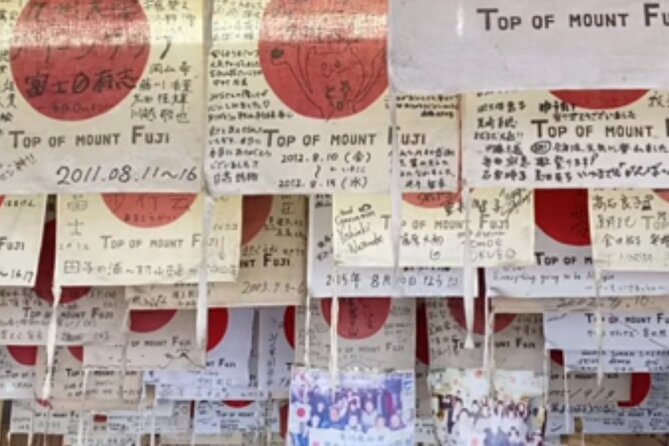
The goal is the summit, with views across the Kanto plains. On a clear day, this is the moment that makes the hard work worthwhile. You are high above Tokyo’s surrounding region, looking across a broad sweep of Japan from the top of its most famous peak.
The tour cannot control the weather. Cloud, wind, poor visibility, or unsafe trail conditions may stop the summit attempt. One disappointed climber rated the experience poorly because the summit was not reached, even while praising the guides, meals, bath, and sleeping arrangements.
That is a fair warning for anyone booking this. You are paying for the organized climb, not a guaranteed summit photograph. Your own fitness and the mountain’s conditions both matter.
The climb has also been described as crowded during holiday and peak climbing periods. Crowds can slow you down and reduce the quiet mountain feeling. On the other hand, a slower pace can help new hikers conserve energy. If you want the least crowded experience, the supplied information does not promise a quiet date, so you should ask the provider about seasonal timing before booking.
The descent is hard in a different way
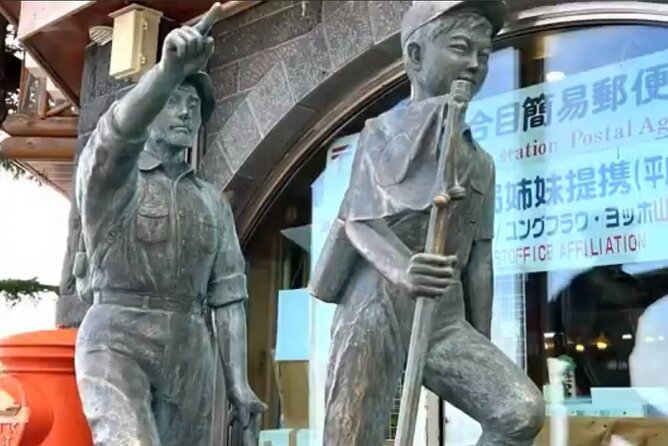
Going down Mt. Fuji is not simply the easy half. Your legs may already be tired, and loose or uneven sections can require care. The group format and regular stops are useful here, since tired hikers often need more time than they expect.
The itinerary gives you lunch after the descent. That meal is more than a convenience. After hours of uphill and downhill walking, you will want food before the transfer back toward Tokyo.
The bathing stop is one of the best practical features of the package. A bath at a rest facility gives you a chance to wash off the dust, relax tired muscles, and change before returning to the city. Several positive accounts place high value on the hot spring or bath, along with the meals.
You may also have time for additional shopping, as one birthday celebration account noted. This is not presented as a major scheduled attraction, so treat it as a possible extra rather than a promised shopping session.
Communication is the biggest question for international visitors
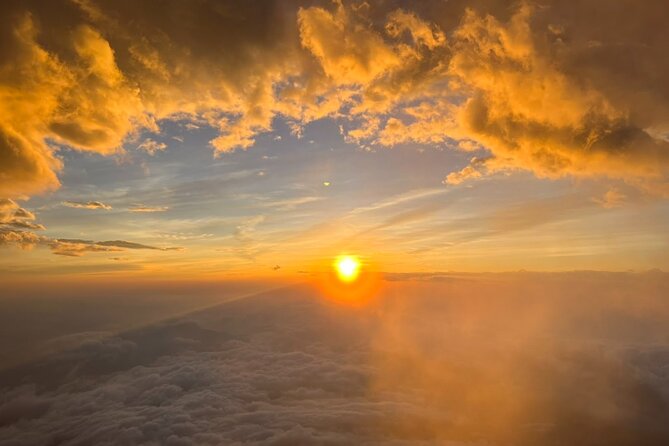
The tour can work well if you speak Japanese or are comfortable following basic instructions without much English explanation. It is a more uncertain choice if you need detailed English guidance at every stage.
The mountain guide is Japanese-speaking. The tour escort is available at the 5th Station, and Shin has been praised for helping non-Japanese participants. Still, one direct account says that English speakers had to rely on other people in the group to understand instructions and what was happening.
That makes this tour different from a fully English-led hiking experience. Before paying, ask the provider exactly what language Shin and the mountain guide use, how emergencies are handled, and how the group communicates during the climb.
This is also where the maximum group size matters. With up to 49 people, individual communication may not always be quick. Stay near the guide, confirm regrouping points, and do not assume that silence means you have understood the plan.
Who should book this Mt. Fuji experience?
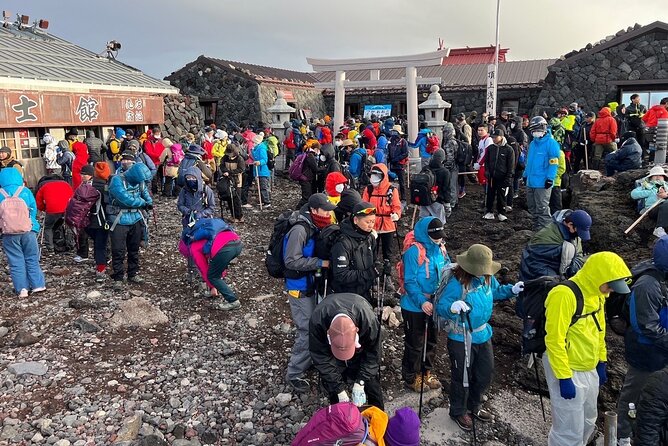
I would recommend it to an active visitor who wants Mt. Fuji but does not want to arrange the transport, meals, mountain hut, and return journey alone. It suits people with moderate fitness who accept that a two-day climb will be tiring.
It is also a good fit for families with older children or teenagers who can handle a sustained hike. One father and son reached the summit with guide support, showing how rewarding the trip can be when both climbers are prepared.
The tour may suit a milestone trip, too. A 60th birthday climber found the combination of mountain guides, meals, bath, and extra amenities worthwhile. That does not make the hike gentle, but it does show how the package can turn a hard physical goal into a well-supported occasion.
I would hesitate if you have a serious injury risk, very low fitness, or need guaranteed English explanations. I would also hesitate if a failed summit attempt would ruin the trip for you. Weather and mountain safety remain outside the company’s control.
Booking and cancellation details to weigh carefully
This activity is non-refundable and cannot be changed for any reason. That is a major financial point at $470, especially because weather can affect the summit attempt and the climb itself depends on your physical condition.
The experience is confirmed at booking, and you receive a mobile ticket. It operates near public transportation, with the early meeting point at Tochomae Station and the return near Shinjuku Station.
The tour is booked an average of 55 days in advance. That suggests you should not leave planning until the last minute if your dates are fixed. Before booking, check your fitness, clothing, footwear, weather expectations, and language needs rather than treating this as a normal Tokyo day trip.
Should you book this climb?
Book it if you want a serious Mt. Fuji challenge with transport, meals, a Japanese mountain guide, a lodge rest, and a bath waiting after the descent. The most valuable parts are the planning help, the guide support, and the chance to focus on climbing instead of arranging every moving piece.
Do not book it simply because the tour promises the summit. It cannot promise that, and English support may be limited. If you accept the physical challenge, prepare carefully, and confirm the communication arrangements with Shin before paying, this can be a memorable and practical way to climb Mt. Fuji from Tokyo.
FAQ
Where does the Mt. Fuji climbing tour start?
It starts at Tochomae Station, at 2-chōme-8-1 Nishishinjuku, Shinjuku City, Tokyo. The start time is 6:30 am.
Where does the tour finish?
The tour finishes near Shinjuku Station, at 3-chōme-38-1 Shinjuku, Shinjuku City, Tokyo.
How long is the Mt. Fuji climbing tour?
The experience lasts approximately two days.
Is the tour suitable for beginners?
You do not need mountaineering skills, but you should have a moderate level of physical fitness. The climb is described as moderately challenging.
Is a mountain guide included?
Yes. A Japanese-speaking mountain guide is included. A tour escort is also available at the Yoshida 5th Station.
Are meals included?
Yes. The package includes lunch after arriving at the 5th Station, dinner at the mountain lodge, and lunch after the descent.
Is bathing included after the climb?
Yes. Bathing at a rest facility after the descent is included.
Is rental equipment available?
Yes. Rental equipment is available if needed, but it costs extra.
Can I cancel the tour for a refund?
No. The experience is non-refundable and cannot be changed for any reason.
New on our Tokyo list
- Sumi-e Experience in a relaxing green tea shop in Tokyo★ 5.0 · 3 reviews
- Tokyo : Kamikaze Street Drift Ride★ 5.0 · 3 reviews
- Private Zen Meditation in English in Shinjuku, Tokyo★ 5.0 · 3 reviews
- Onsen Spa in Tokyo and Asakusa Bar Hopping with Local Guide★ 5.0 · 3 reviews
- Easy for everyone! Now you can play handmade mini shamisen and show off to everyone! Musical instruments, sweets and live music★ 5.0 · 3 reviews
- Tokyo: Private Tsukiji Street Food & Sake with Local Guide★ 5.0 · 3 reviews
- Mt Fuji Exploration Tour with Free Japanese Kusa Mochi from Tokyo★ 4.5 · 3 reviews
- Tokyo Tsukiji Fish Market Walking and Exploring Hidden Gems Tour★ 5.0 · 3 reviews
Mt Fuji Area Tours, compared.
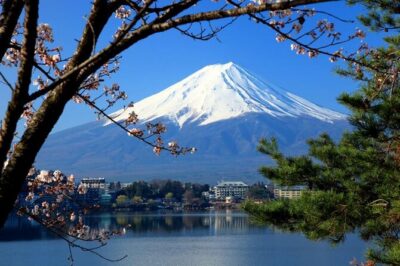
Mt Fuji and Hakone 1-Day Bus Tour Return by Bullet Train
Read our review →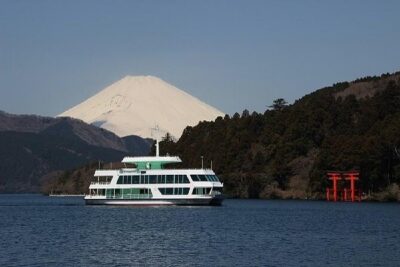
Mt Fuji & Hakone Cruise, Drum Show Bullet Train 1 Day from Tokyo
Read our review →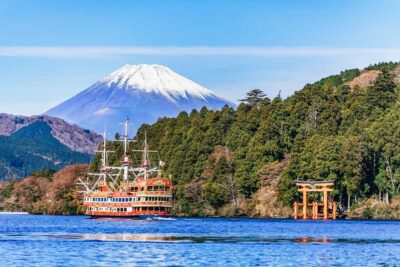
Tokyo Mt Fuji 5th St & Hakone Cruise Bus Tour w/Bullet Train
Read our review →
Mt. Fuji Tour, Hakone Ropeway, Owakudani, Lake Ashi
Read our review →
Mt.Fuji,Kawaguchiko Oishi Park,Arakurayama Sengen Park
Read our review →
Mt. Fuji 5th Station & Hakone Cruise 1-Day Bus Tour
Read our review →
Mt Fuji Top 5 Spots Day Tour: Arakurayama Park,Oshino Hakkai
Read our review →Browse the lists this tour appears in