
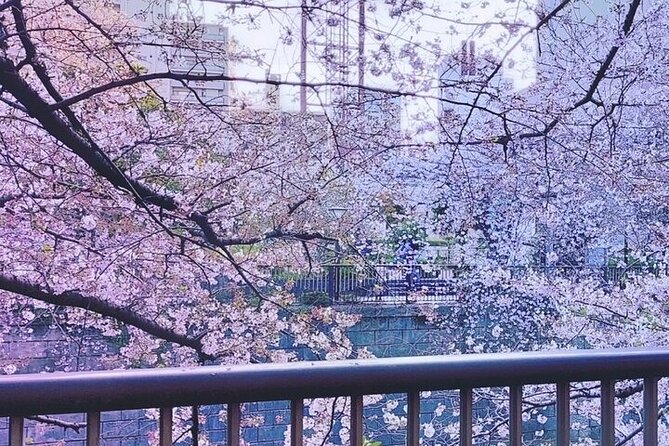
Reviewed · CHERRY BLOSSOM TOURS
Licensed Guide Tokyo Meguro Cherry Blossom Walking Tour
The best part of this 90-minute Tokyo walk is its mix of spring scenery and local history. You follow the Meguro River from Nakameguro, visit Daienji Temple, and finish at Gajoen, a striking old Tokyo dining and wedding complex. I like the compact route and the chance to see more than just the famous blossoms.
I also like the small private-group format and the English-speaking, national government-licensed guide. The main caution is meeting-point reliability: two recent bookings had trouble finding the guide or reaching the Starbucks location with map directions. Confirm the exact spot before you leave, and arrive early.
In This Review
- Key points
- A short route through Tokyo’s Meguro district
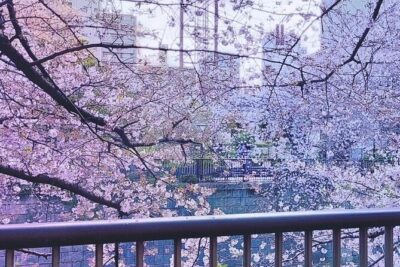
- Following the Meguro River during cherry blossom season
- Daienji Temple and the fire that changed Edo
- Gajoen, Tokyo’s early public wedding hall
- What the $22 price really buys you
- The meeting point deserves extra care
- What happens when the blossoms are not open
- Sorting out the extra highlights
- Who will get the most from this walk
- Should you book the Meguro Cherry Blossom Walking Tour?
- FAQ
- Where does the tour begin?
- Where does the tour finish?
- How long is the walking tour?
- What language does the guide speak?
- Is the guide licensed?
- Is this a private tour?
- When are the cherry blossoms usually in bloom?
- What sights are included on the route?
- What should I bring?
- Can I cancel for a full refund?
Key points
- Meguro River walk: About 45 minutes beside one of Tokyo’s best-known cherry blossom corridors.
- Daienji Temple: A small temple tied to the great Edo fire and later rebuilt as a memorial.
- Gajoen visit: See the former restaurant and Japan’s first general wedding hall, known for its lavish Showa-era interiors.
- Private English tour: A national government-licensed guide leads your group for 90 minutes.
- Season matters: The blossoms usually appear from late March to early April, but the tour still runs outside peak bloom.
- Clear value at $22: The price is low for a private guided walk, though it does not include meals, transport, or admission extras.
A short route through Tokyo’s Meguro district
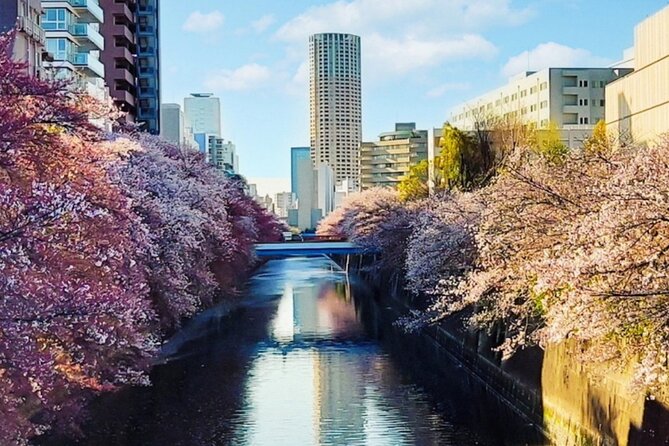
This tour gives you a tidy introduction to a corner of Tokyo that feels more local than the major sightseeing zones. You start at Starbucks Coffee inside or opposite the Naka-Meguro Tsutaya Books area, directly across from Nakameguro Station on the Hibiya Line.
From there, the walk follows the Meguro River toward Meguro Station. The route takes about 90 minutes in total, with roughly 45 minutes beside the river and about 30 minutes around Hotel Gajoen Tokyo. The remaining time covers the meeting, walking between sights, and farewells.
I like this structure because you do not spend half the tour changing trains or waiting for a coach. You get a simple point-to-point walk, then finish at JR Meguro Station, a useful place to continue your day.
The route is not a full Meguro neighborhood tour. It focuses on three main elements: blossoms, Daienji Temple, and Gajoen. That makes it a good choice if you want a short introduction rather than an entire afternoon of wandering.
More blossom-season plans:
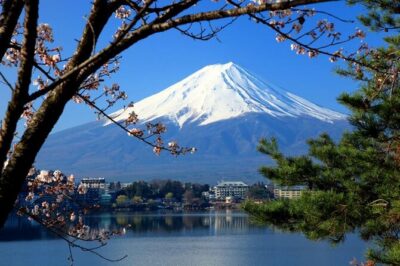
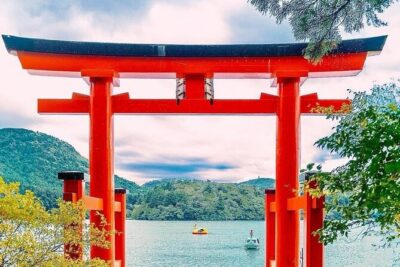
- Mt. Fuji, Cherry Blossom & Shiba Sakura Pvt. Day Tour
★ 5.0 · 326 reviews - Mt. Fuji & Hakone Cherry Blossom private One Day Tour
★ 4.5 · 35 reviews - Tokyo Cherry Blossoms blooming spots E-bike Tour, 3hrs
★ 5.0 · 27 reviews
Following the Meguro River during cherry blossom season
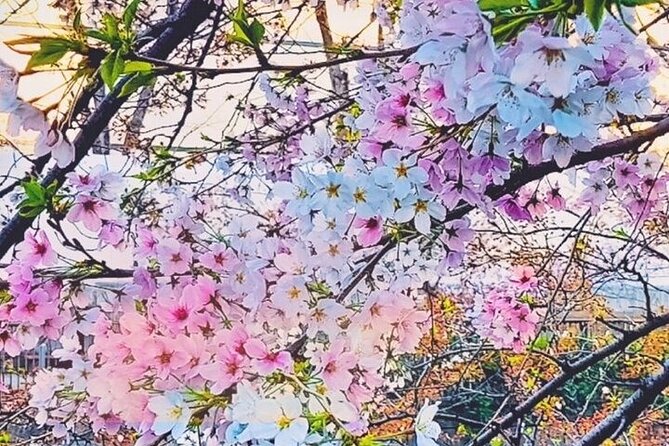
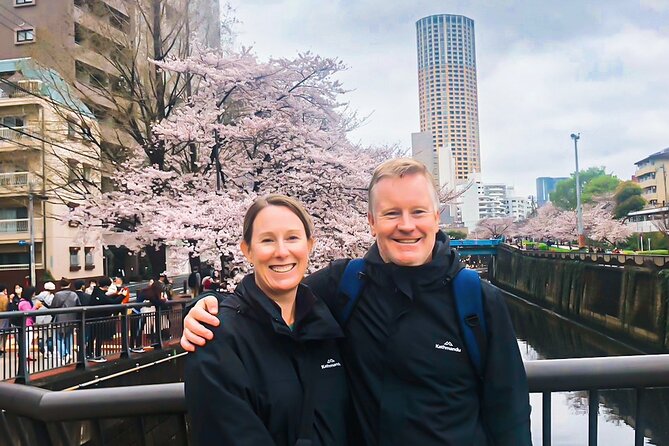
The river section is the main draw. Meguro River is one of Japan’s well-known cherry blossom spots, and the trees create the classic Tokyo spring scene when they are in bloom. The usual flowering period is late March to early April.
The timing is important. If you book this tour mainly for flowers, check the forecast and bloom reports before committing. A booking made on March 9, for example, is likely to be early for the usual season. Even near the end of March, weather can shift the dates.
The walk lasts around 45 minutes, so you have enough time to look, take photographs, and listen to the guide without spending the entire day on one riverbank. Still, do not expect a long flower-viewing excursion with extended stops. The description says scenic views and passing by, so the exact amount of stopping may depend on the guide and conditions.
Rain can also change the mood. One booking took place in driving rain, and the flowers had not opened. The group was taken to a traditional house instead. That shows some flexibility, but it also tells you to bring a rain layer if the forecast looks poor. The tour is outdoors for much of its route.
I would wear comfortable shoes, as requested, and avoid scheduling a tight restaurant reservation immediately afterward. The walk is short, but Tokyo station exits and riverside paths can take time to navigate.
Daienji Temple and the fire that changed Edo
After the river, the guide takes you to Daienji Temple. It is known as one of the seven luckiest temples connected with the Edo era, giving the stop a religious and historical angle that balances the seasonal scenery.
The temple also carries a darker story. In the middle of the 18th century, a fire began at Daienji and spread through Edo, turning much of the city into a sea of flames. The temple was not allowed to be rebuilt until the end of the Edo period.
When it was finally rebuilt, it served as a memorial to those who died in the Edo fire. That context makes the stop more meaningful than a quick photo break. You are looking at a religious site shaped by disaster, civic rules, and remembrance.
The tour does not promise a long temple lecture or a formal ceremony. Think of Daienji as a compact stop where the guide supplies context, then moves you onward. If you prefer major temple gates and large grounds, this may feel modest. If you enjoy the stories behind ordinary-looking city places, it is one of the route’s better moments.
Gajoen, Tokyo’s early public wedding hall
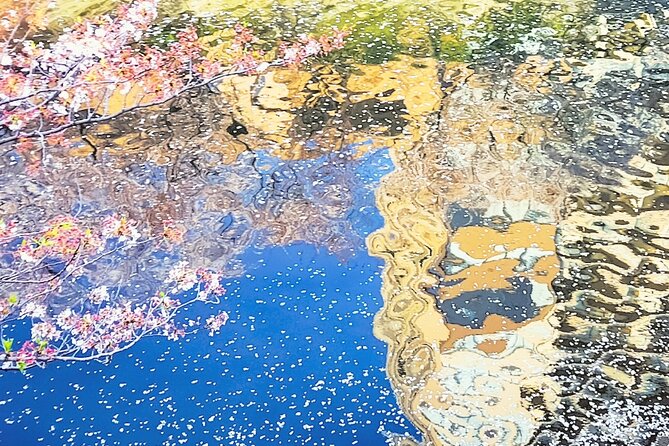
The final major stop is Hotel Gajoen Tokyo, also called Meguro Gajoen. The tour allows about 30 minutes here for a guided visit, photographs, and views as you pass through the complex.
Gajoen opened in 1931 as a restaurant named after Meguro. It served authentic Beijing cuisine and Japanese food, and it placed prices on its menu. That practical idea helped draw ordinary diners as well as politicians and wealthy patrons. In an era when fine dining could feel closed off to many people, visible prices made the restaurant more approachable.
Gajoen was also Japan’s first general wedding hall. Its interiors were so ornate that the complex earned the nickname Ryukyu Castle in Showa. The Tokyo Metropolitan Government later designated four of its seven banquet halls as tangible cultural properties on March 16, 2009.
Those details explain why this stop is worth your time. Gajoen is not simply a hotel photo stop. It reflects changing dining habits, wedding customs, and the grand decorative taste of early Showa Tokyo.
The tour description says the guide will provide a guided visit, but it does not specify which rooms or halls you can enter. Access may depend on the day’s operations. You should expect to see the complex and learn about its place in Tokyo’s history, not assume that every banquet room will be open.
More walking routes in Tokyo:
- Tokyo Tsukiji Fish Market Food and Culture Walking Tour
★ 5.0 · 3,184 reviews - Tokyo: Imperial Palace and Shogun Historical Walking Tour
★ 5.0 · 2,251 reviews - Tokyo: Shinjuku Local Bar and Izakaya Guided Walking Tour
★ 4.9 · 1,794 reviews - Tokyo: Tsukiji Fish Market Food and Walking tour
★ 5.0 · 1,724 reviews
What the $22 price really buys you
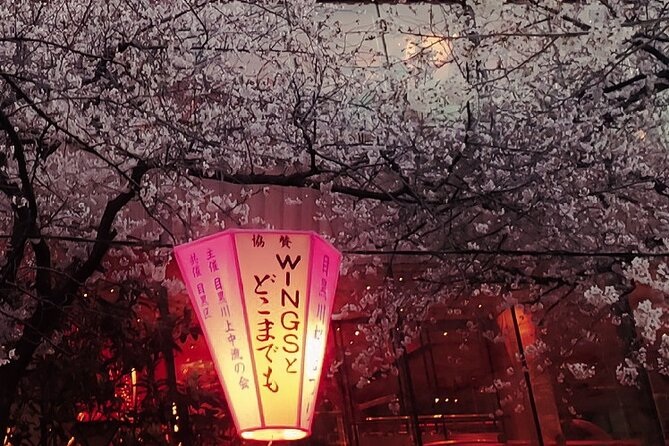
At $22 per person, this is an inexpensive guided walk for Tokyo. You receive a 90-minute walking tour, an English-speaking guide, and a private-group format. For someone who wants historical explanation instead of simply following a map, that is fair value.
The price is especially attractive if you are traveling with a small group. A private tour means the guide is assigned to your party rather than a large mixed crowd, according to the activity details. The supplied information does not state the maximum group size, so do not assume it means a one-to-one tour.
The fee does not list food, drinks, train fares, or special admissions. The route begins near Nakameguro Station and ends at JR Meguro Station, so you will need to arrange your own transport to the start and away from the finish. Since the walk itself is the product, bring your own water and weather protection.
I see the price as good for a focused orientation, especially during cherry blossom season. It is less compelling if you only want photographs and already know the area. The river is free to visit, and you can see much of the route without a guide. You are paying for the stories, the route planning, and the convenience of moving from Nakameguro to Meguro without working out every stop yourself.
The meeting point deserves extra care
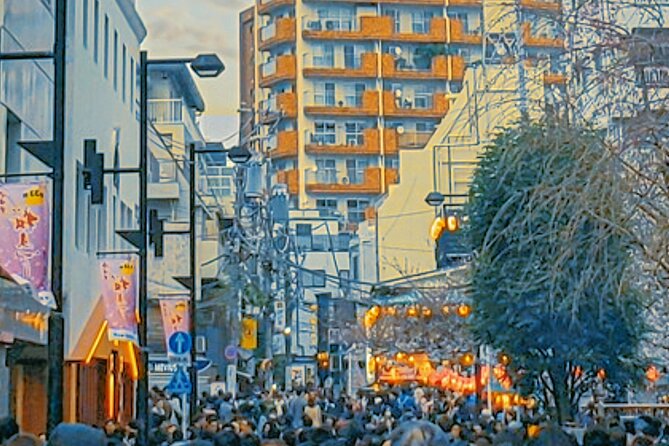
The official meeting point is Starbucks Coffee opposite Nakameguro Station, near Tsutaya Books. The guide should carry a company-logo brochure and a licensed guide certificate.
That sounds clear, yet the meeting point caused real problems for at least two bookings. One person arrived on time but could not find the guide or the expected sign. Another found that map directions did not lead directly to the meeting place and described the assistance as unhelpful.
I would treat this as the biggest practical weakness of the experience. Arrive early, use the coordinates 35.644621, 139.6993005, and compare the map pin with the Starbucks location before the day of the tour. Look for the guide’s company brochure and certificate rather than relying only on a banner.
You should also keep the provider’s contact details easy to reach before departure. This is not just general caution. Missing a short 90-minute tour can mean missing the entire experience, especially if you are leaving Tokyo that evening.
The cancellation terms are generous on paper: you can cancel up to 24 hours before the start for a full refund. You can also reserve and pay later. But one failed meeting produced a dispute over a refund, so do not treat the cancellation policy as protection against arriving at the wrong place or missing the guide.
What happens when the blossoms are not open

The tour works best when the trees are flowering, but it does not promise peak bloom. One March 30 booking took place in rain when the blossoms were not yet out. The group was taken to a traditional house instead, and the guide still provided a worthwhile outing.
That is a useful sign of flexibility, but it also sets a clear expectation. This is not a guaranteed cherry blossom spectacle. Nature decides the schedule, and the tour cannot change that.
If your priority is seeing fully open blossoms, check the seasonal forecast and choose a date in the normal late-March to early-April window. If your dates are fixed, book this as a Meguro history and sightseeing walk with cherry blossoms as a bonus, not the sole reason to go.
The weather matters too. The river section is outside, and heavy rain can make photography and walking less pleasant. Comfortable shoes are essential, and a compact umbrella or rain jacket is sensible when conditions look uncertain.
Sorting out the extra highlights
The experience information also mentions a bus tour around Shinjuku and a show featuring cartwheeling samurai, breakdancing ghosts, and taiko drums. Those sound like separate entertainment or sightseeing elements, but they do not match the detailed route provided here.
The stated meeting point is Nakameguro. The route goes to the Meguro River, Daienji Temple, and Gajoen, then finishes at Meguro Station. It does not describe a Shinjuku bus ride or a theatrical show as part of this 90-minute walk.
I would not book this activity expecting those additions. If they are important to you, ask the provider to confirm exactly what your booking includes before paying. The reliable core of the experience is the Meguro walking route.
Who will get the most from this walk
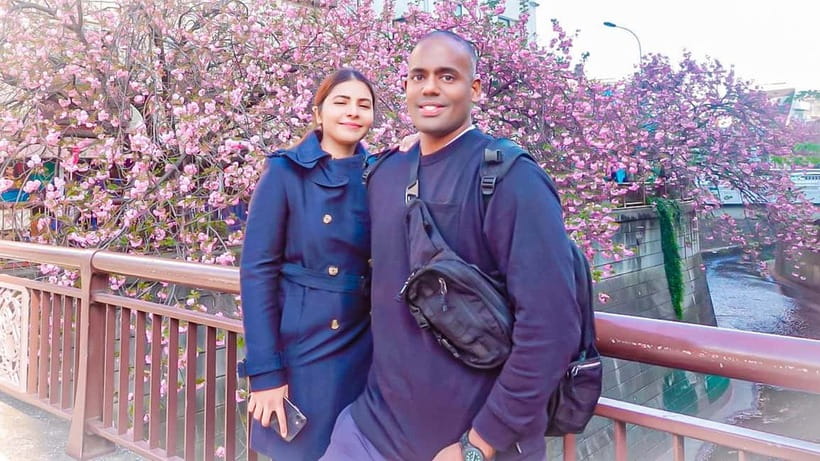
I would choose this tour if you want a short, guided introduction to Meguro and prefer local history to a checklist of major Tokyo landmarks. It suits first-time visitors who want help understanding what they are seeing, especially during cherry blossom season.
It also fits a free morning or afternoon. At 90 minutes, it leaves room for lunch, shopping, or another Tokyo sight afterward. Ending at JR Meguro Station makes it easy to continue, though your transport beyond that point is your responsibility.
The route may appeal to couples interested in Gajoen’s wedding history, photographers watching the spring bloom, and visitors who like small temples with a story. The private format is useful if you want to ask questions or keep the pace suited to your group.
I would hesitate if you need a fully guaranteed flower display, exact accessibility details, or a large, established operation with polished meeting procedures. The activity is not suitable for children under three, babies under one, people with altitude sickness, or people over 95, according to the stated restrictions. Those limits seem unusual for a flat city walk, so ask the provider if any condition applies to someone in your party.
The overall rating is 3.6 out of 5 from six reviews. The strongest praise centers on the pleasant guide and useful explanations. Jan from the United Kingdom gave the experience five stars and described the guide as pleasant and informed, even though the weather was poor and the blossoms were not open. That is the best case for the tour: a good guide can give the walk value when nature does not cooperate.
The weakest point is not the route itself. It is coordination at the start and the handling of missed meetings. Plan carefully and keep a backup plan for the rest of your day.
Should you book the Meguro Cherry Blossom Walking Tour?
Book it if you want an affordable, private 90-minute walk with an English-speaking licensed guide, and you value the story behind Daienji and Gajoen as much as the river views.
Book it during late March or early April if blossoms are your main goal, but check the forecast first. If the flowers are late or rain arrives, the experience becomes a neighborhood history walk rather than a full cherry blossom outing.
I would book this tour with one condition: confirm the Starbucks meeting point and do not expect the unrelated Shinjuku bus and stage-show highlights unless the provider clearly verifies them. With that understood, $22 is a sensible price for a compact route through one of Tokyo’s most photogenic and historically layered districts.
FAQ
Where does the tour begin?
It begins at Starbucks Coffee opposite Nakameguro Station, near Tsutaya Books, on the Tokyo Metro Hibiya Line.
Where does the tour finish?
The tour ends at JR Meguro Station.
How long is the walking tour?
The activity lasts 90 minutes.
What language does the guide speak?
The live guide speaks English.
Is the guide licensed?
Yes. The guide is described as a national government-licensed guide and should carry a licensed guide certificate.
Is this a private tour?
Yes. The activity is listed as a private group experience.
When are the cherry blossoms usually in bloom?
The usual season is from late March to early April.
What sights are included on the route?
The route includes the Meguro River, Daienji Temple, and Hotel Gajoen Tokyo. The river and Gajoen are also listed as scenic stops.
What should I bring?
Bring comfortable shoes. Weather protection is also sensible because much of the tour is outdoors, though this is not specifically listed as a required item.
Can I cancel for a full refund?
You can cancel up to 24 hours in advance for a full refund. The activity also offers a reserve-now, pay-later option.
New on our Tokyo list
- Sumi-e Experience in a relaxing green tea shop in Tokyo★ 5.0 · 3 reviews
- Tokyo : Kamikaze Street Drift Ride★ 5.0 · 3 reviews
- Private Zen Meditation in English in Shinjuku, Tokyo★ 5.0 · 3 reviews
- Onsen Spa in Tokyo and Asakusa Bar Hopping with Local Guide★ 5.0 · 3 reviews
- Easy for everyone! Now you can play handmade mini shamisen and show off to everyone! Musical instruments, sweets and live music★ 5.0 · 3 reviews
- Tokyo: Private Tsukiji Street Food & Sake with Local Guide★ 5.0 · 3 reviews
- Mt Fuji Exploration Tour with Free Japanese Kusa Mochi from Tokyo★ 4.5 · 3 reviews
- Tokyo Tsukiji Fish Market Walking and Exploring Hidden Gems Tour★ 5.0 · 3 reviews
Cherry Blossom Tours, compared.
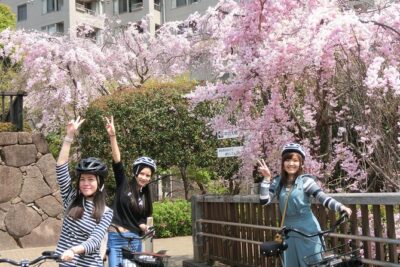
Tokyo Cherry Blossoms blooming spots E-bike Tour, 3hrs
Read our review →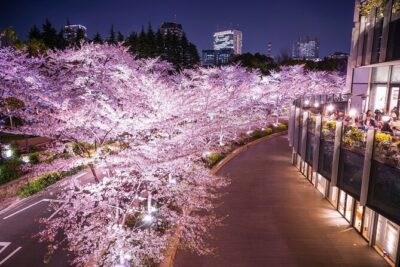
Licensed Guide Tokyo Meguro Cherry Blossom Walking Tour
Read our review →
Tokyo Limited-Date Cherry Blossom Route Cruise & Show & Meal
Read our review →
Evening Hanami (Cherry Blossom) Experience with a Local
Read our review →
Browse the lists this tour appears in