
Reviewed · MT FUJI AREA TOURS
Mount Fuji & Fuji Shibazakura Festival One Day Trip From Tokyo
Mount Fuji is the star, but the Fuji Shibazakura Festival gives this day its special color. When the pink moss phlox is blooming at Motosuko Resort, you can frame bright flower beds with Japan’s most famous mountain. The rest of the route adds a traditional village, lakeside parks, and two important Shinto sites.
I like the easy round-trip transport from Tokyo and the mix of nature, culture, and rural life. I also like the practical guiding style reported from Kishida, Agnes, and Taiyo, including clear meeting-point instructions and help with viewing spots, food, and bathrooms.
The tradeoff is time. You get a lot for one day, but several stops last only 15 to 30 minutes, and traffic near Mount Fuji can be rough. Bring your own lunch if you want to protect sightseeing time, and remember that two admission fees are extra.
In This Review
- Key points at a glance
- Why this Fuji day trip works
- The Fuji Shibazakura Festival puts flowers first
- Saiko Iyashi-no-Sato Nenba brings rural Japan into the day
- Lake Kawaguchi offers a short but important Fuji pause
- Oishi Park gives you the broad postcard view
- The Natural Living Center adds a red torii view
- Chureito Pagoda is the classic Fuji photograph
- Arakura Fuji Sengen Shrine closes the cultural loop
- Guides and group size shape the experience
- Food, timing, and what to carry
- Is $58.90 good value?
- Who should book this Mount Fuji tour?
- Should you book it?
- FAQ
- How long does the Mount Fuji and Fuji Shibazakura Festival tour last?
- What languages are available?
- Are the Fuji Shibazakura Festival and village tickets included?
- Is lunch included?
- Is Chureito Pagoda visited during Golden Week?
- What happens if I need to cancel?
Key points at a glance
- Pink shibazakura and Mount Fuji: Visit Motosuko Resort during the bloom period for the tour’s most distinctive photo setting.
- Seven stops in about 10 hours: The route covers flowers, a village, Lake Kawaguchi, Oishi Park, Chureito Pagoda, and a shrine.
- A restored rural village: Saiko Iyashi-no-Sato Nenba offers thatched buildings and a look at local life, but its ¥500 ticket is extra.
- Clear, hands-on guiding: Guides including Kishida, Agnes, and Taiyo have been praised for organized communication and useful local tips.
- A large group vehicle: The tour can carry up to 45 people, so expect a group outing rather than a private Fuji day.
- Golden Week changes: From May 1 to 7, the Chureito Pagoda and Arakura Fuji Sengen Shrine stops are canceled to reduce delays caused by traffic.
Why this Fuji day trip works
A Mount Fuji day trip from Tokyo can easily become a transport puzzle. Trains and buses connect the area, but reaching several viewpoints and cultural sites in one day takes planning, good timing, and luck with connections. This outing removes that work with an air-conditioned vehicle and a guide.
At $58.90 per person, the price is appealing for roughly 10 hours of transport and guided sightseeing. It is not the final cost, since the Fuji Shibazakura Festival admission is ¥1,200 and Saiko Iyashi-no-Sato Nenba costs ¥500. Lunch is also on your own. Still, even after adding those tickets, the package can make sense if you want several Fuji-area stops without arranging each transfer yourself.
The route is designed for range rather than leisure. You will see a flower festival, a lakeside view, a reconstructed village, a famous pagoda, and a shrine in one day. That gives you a broad first look at the region, though it also means you should expect brisk visits and plenty of time on the road.
More Mt Fuji days from Tokyo:
- Mt Fuji and Hakone 1-Day Bus Tour Return by Bullet Train
★ 5.0 · 26,383 reviews - Mt Fuji & Hakone Cruise, Drum Show Bullet Train 1 Day from Tokyo
★ 4.0 · 7,413 reviews - Tokyo Mt Fuji 5th St & Hakone Cruise Bus Tour w/Bullet Train
★ 4.4 · 5,024 reviews
The Fuji Shibazakura Festival puts flowers first
The day begins with the stop most tied to the tour’s title: the Fuji Shibazakura Festival at Motosuko Resort. Shibazakura means moss phlox, a low-growing flower that spreads across the ground in vivid pink and related shades. When the plants are in bloom, the flower fields create one of the clearest pairings of seasonal color and Mount Fuji.
You get about one hour here. That is enough to walk through the main viewing area and take photographs, but not enough for a slow garden visit. The mountain is weather-dependent, so the view can change quickly. A cloudy forecast does not always mean failure, but you should keep your expectations sensible. Mount Fuji may appear only briefly, or not at all.
This stop also has a narrow seasonal window. The festival is held when the shibazakura plants bloom, so check the expected flowering period before booking if the flowers are your main reason for going. If your priority is simply seeing Fuji country, the other stops still give the day value outside the peak flower period.
Admission costs ¥1,200 and is not included. That extra fee is easy to overlook when comparing prices, so add it to your budget. I would also keep your phone ready and avoid spending the full hour at the first photo point. The tour has many more views ahead.
Saiko Iyashi-no-Sato Nenba brings rural Japan into the day
The next stop, Saiko Iyashi-no-Sato Nenba, lasts about 50 minutes. This traditional Japanese village in Fujikawaguchiko Town was destroyed by a landslide during a 1966 typhoon and later restored. Its thatched buildings and mountain setting offer a very different experience from the modern streets of Tokyo.
I like this part of the route because it gives the day some human scale. Mount Fuji can become a series of distant photo backgrounds, but the village shows how homes, craft traditions, and local scenery fit together. The buildings also provide a strong setting for photographs, especially with Fuji visible behind them.
The village admission is ¥500 per person, extra. Fifty minutes is a useful amount of time for a first visit, though you will not have hours to explore every building. Treat it as a focused stop, not a full museum visit. Comfortable shoes help, since the value here comes from walking between the structures rather than staying aboard the coach.
Lake Kawaguchi offers a short but important Fuji pause
Lake Kawaguchi is the best-known of the Fuji Five Lakes and has the longest shoreline among them. Its main appeal is simple: on a clear, calm day, the water and Mount Fuji create the classic Japanese view you came to see.
The scheduled stop is only 20 minutes. That sounds brief, and it is. You will have time to get out, find a viewpoint, take photographs, and look across the water. You will not have time for a relaxed lakeside walk or a long café break.
That short visit still matters because the lake changes the scale of the mountain. At the flower festival, Fuji rises behind cultivated color. At Lake Kawaguchi, the mountain meets open water and a broad horizon. If clouds hide the peak, the lake remains pleasant, but the signature photograph may not happen.
More day trips out of Tokyo:
- 1-Day Tokyo Bus Tour
★ 5.0 · 14,250 reviews - Tokyo: DisneySea 1-Day Passport
★ 4.5 · 2,726 reviews - Tokyo Disneyland 1-Day Passport
★ 4.6 · 2,512 reviews - Tokyo: Mt. Fuji 5th Station & Hakone Cruise 1-Day Bus Tour
★ 4.2 · 2,381 reviews
Oishi Park gives you the broad postcard view
Oishi Park is one of the day’s most useful photo stops. From the lakeside promenade, you can look across flowers, Lake Kawaguchi, and Mount Fuji at once. Different flowers bloom through the year, so the exact colors depend on when you visit.
You get about 30 minutes here, enough to walk a short stretch and choose your angle. The park is more than a quick mountain lookout because the flowers and lake give the foreground some depth. It is also a good place to slow your pace for a few minutes before the next cluster of stops.
You should not confuse this with a long garden visit. The schedule favors a concentrated look. If your ideal day includes sitting beside the lake with a drink, this tour may feel rushed. If you want several strong viewpoints in one day, the short stop works well.
The Natural Living Center adds a red torii view
The Kawaguchiko Natural Living Center is a 15-minute stop, so it is best understood as a quick viewpoint rather than a major attraction. From the second floor, you can capture a distinctive image of a red torii gate with Mount Fuji behind it.
That composition gives you something different from the lake and flower scenes. The torii adds a clear symbol of Japanese religious culture, while Fuji provides the scale and backdrop. If you enjoy photography, this may be one of the day’s most efficient stops.
Fifteen minutes leaves little room for browsing or lingering. Listen carefully to the guide’s instructions about where to meet again. Clear communication is especially helpful on a tight route, and guides such as Kishida have been praised for making meeting points easy to follow.
Chureito Pagoda is the classic Fuji photograph
Chureito Pagoda at Arakurayama Sengen Park is likely the most familiar stop for people who have seen photographs of Mount Fuji in Japan. The five-story pagoda, Fujiyoshida City, and the mountain can appear together in one panoramic scene.
The visit lasts about 50 minutes, but reaching the main viewpoint involves stairs. The data provided for the tour does not give a step count or an accessibility grade, so you should be prepared for an uphill walk and allow time for the climb, photos, and return to the vehicle. This is not a stop to treat casually if stairs are difficult for you.
The reward is a layered view that combines architecture, city, and mountain. It is also one of the busiest and most sought-after photo settings on the route, so your time may pass quickly while you find a clear angle.
There is one important seasonal exception. During Golden Week, from May 1 to 7, the tour cancels Chureito Pagoda and the following Arakura Fuji Sengen Shrine visit because traffic around Mount Fuji is expected to be severe. The change is meant to preserve time for other attractions, but it means you should not book those dates expecting the full published route.
Arakura Fuji Sengen Shrine closes the cultural loop
Arakura Fuji Sengen Shrine receives about 15 minutes. It was built in 705 and has served as the guardian shrine of Arakura Village for more than 1,300 years. The shrine is associated with protection from bad luck and harmony, giving the stop a spiritual purpose beyond its photo value.
The visit is short, so you will not get an extended shrine experience. Still, it adds context to the pagoda and torii views. The route is not showing you scenery alone. It is also pointing to the religious traditions that have shaped how communities around Mount Fuji relate to the mountain.
As with Chureito Pagoda, this stop is canceled during Golden Week. If the pagoda and shrine are high on your list, avoid May 1 through 7 or confirm the current schedule before paying.
Guides and group size shape the experience
The tour is offered in English and Mandarin. Several guide names associated with especially strong service include Kishida, Agnes, and Taiyo. You should not assume a particular guide will lead your departure, but the useful qualities to look for are clear timekeeping, simple meeting-point directions, and practical help during a packed day.
Kishida has been noted for organized communication, including a WhatsApp group chat, and for sharing advice about viewpoints, food, and bathrooms. Agnes has been praised for keeping a full schedule moving while still giving people time at the stops. Taiyo has been described as helpful and pleasant. Those details matter more here than a long lecture because the route depends on everyone returning to the vehicle on time.
The maximum group size is 45 people. That is a sizable outing, and the experience will not feel private. On the other hand, a large air-conditioned vehicle makes the long transfers easier than piecing together several public connections. You will need to stay alert for instructions and accept that photo stops may be shared with many others.
Food, timing, and what to carry
Lunch is not included. One useful strategy is to bring something you already like, especially since the schedule is tight and food options may not be the highlight of your day. A packed meal can protect your sightseeing time, though you should follow the guide’s instructions about where and when to eat.
Wear shoes suited to walking and stairs. The village, parks, and shrine require time on foot, while Chureito Pagoda includes an uphill route to the viewpoint. Bring layers and keep weather protection handy, since the day is spent outdoors and Mount Fuji views depend heavily on conditions.
A mobile ticket makes the booking side simple, but the more important practical detail is communication. If you book separately from relatives or friends, tell the operator at least one day ahead so you have a better chance of being assigned to the same vehicle. Also tell the operator at booking if you have a stroller or large luggage.
Is $58.90 good value?
For $58.90, the tour gives you transport from Tokyo, a guide, and a long day across the Mount Fuji area. The itinerary includes seven stops, though the amount of actual sightseeing time is about three hours, with the rest taken up by travel and transitions. That is normal for a far-reaching day trip, but it helps to understand what you are buying.
Your extra required costs are the ¥1,200 festival ticket and ¥500 village ticket. Lunch is separate. The value is strongest for a first visit, for anyone uncomfortable navigating regional buses, or for anyone who wants the major viewpoints without renting a car.
The value is weaker if you prefer slow travel. You might enjoy a self-planned stay around Lake Kawaguchi more if you want long walks, relaxed meals, or repeated chances to wait for clear Fuji weather. This tour gives you breadth and convenience, not a quiet, unhurried day.
The experience has a 4.8 rating from 37 reviews, with 95 percent recommending it. More important than the number is the pattern behind the strong response: organized guides, comfortable transport, clear instructions, and a satisfying range of sights. The main caution is also consistent with the schedule: the day is packed.
Who should book this Mount Fuji tour?
I would choose this trip if you have limited time in Tokyo and want to see several sides of the Fuji area in one outing. It suits first-time visitors, photographers who want varied compositions, and people who value a guide and a coach over independent transport planning.
It also works for couples, families, and small groups who want a simple day outside the city. Most people can participate, but the stair climb at Chureito Pagoda and the walking portions deserve attention. Large luggage and strollers must be declared when booking.
I would think twice if your main goal is the Shibazakura Festival alone. The one-hour visit may feel short, and bloom conditions are not guaranteed. I would also avoid Golden Week if Chureito Pagoda and Arakura Fuji Sengen Shrine are essential to your plan.
Should you book it?
Book this tour if you want maximum variety with minimum planning. The flowers, lake, village, pagoda, and shrine create a well-rounded Fuji day, and guides such as Kishida, Agnes, and Taiyo have helped make the tight schedule manageable.
Skip it in favor of a slower Fuji-area stay if you want long meals, quiet walks, or plenty of time waiting for the perfect mountain view. For everyone else, $58.90 is a fair starting price once you account for the two extra tickets and lunch. Cancel at least 24 hours before the start time if your plans change, since that is the stated deadline for a full refund.
FAQ
How long does the Mount Fuji and Fuji Shibazakura Festival tour last?
The tour lasts approximately 10 hours, including round-trip transportation between Tokyo and the Mount Fuji area.
What languages are available?
The tour is available in English and Mandarin.
Are the Fuji Shibazakura Festival and village tickets included?
No. The Fuji Shibazakura Festival ticket costs ¥1,200 per person, and the Saiko Iyashi-no-Sato Nenba ticket costs ¥500 per person. Both are paid separately.
Is lunch included?
No. Lunch is not included, so you should plan and pay for your own meal.
Is Chureito Pagoda visited during Golden Week?
No. From May 1 to 7, the tour cancels the Chureito Pagoda and Arakura Fuji Sengen Shrine stops because of expected traffic congestion around Mount Fuji.
What happens if I need to cancel?
You can cancel up to 24 hours before the experience start time for a full refund. Cancellations or changes made less than 24 hours before the start time are not accepted for a refund.
New on our Tokyo list
- From Tokyo: Mount Fuji & Hakone Full Day Private Tour★ 4.9 · 25 reviews
- Tokyo Spectacular View Day-Cruise in 90 Minutes★ 5.0 · 25 reviews
- Real Tokyo Runner Club : Daikoku Car Meet Night Tour with JDM Car★ 5.0 · 25 reviews
- 2.5 Hour-Guided Cycle Tour in the Central Tokyo★ 5.0 · 25 reviews
- Ramen Making from Scratch +Akihabara Tour –Cooking Class★ 5.0 · 25 reviews
- [Self-Drive] Tokyo & Daikoku Custom Car Driving Tour★ 4.9 · 25 reviews
- Tokyo: 2-Hour Night Bike Tour of the City’s Hidden Gems★ 4.9 · 25 reviews
- Samurai themed Entertainment show in Shinjuku★ 4.5 · 25 reviews
Mt Fuji Area Tours, compared.
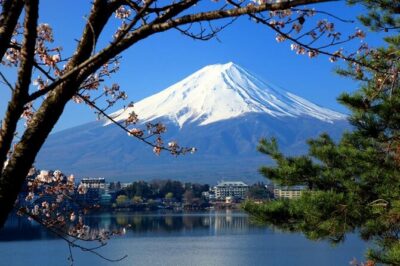
Mt Fuji and Hakone 1-Day Bus Tour Return by Bullet Train
Read our review →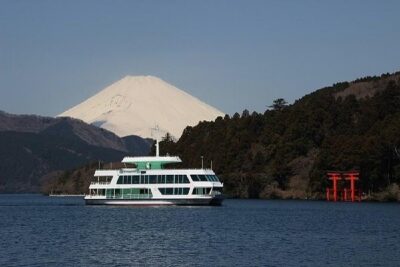
Mt Fuji & Hakone Cruise, Drum Show Bullet Train 1 Day from Tokyo
Read our review →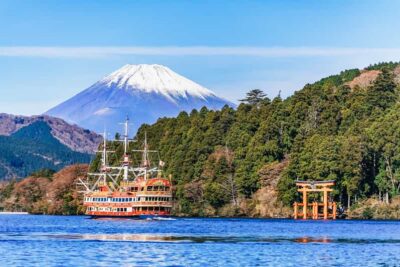
Tokyo Mt Fuji 5th St & Hakone Cruise Bus Tour w/Bullet Train
Read our review →
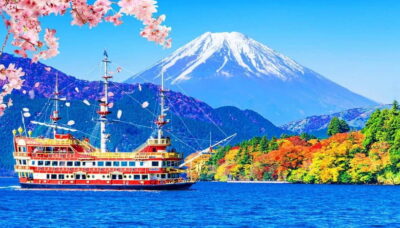
Mt. Fuji Tour, Hakone Ropeway, Owakudani, Lake Ashi
Read our review →
Mt.Fuji,Kawaguchiko Oishi Park,Arakurayama Sengen Park
Read our review →
Mt. Fuji 5th Station & Hakone Cruise 1-Day Bus Tour
Read our review →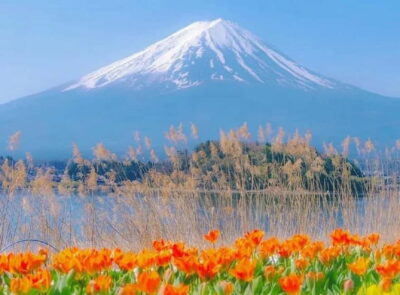
Mt Fuji Top 5 Spots Day Tour: Arakurayama Park,Oshino Hakkai
Read our review →Browse the lists this tour appears in