
Reviewed · SHIBUYA TOURS
Shibuya & Harajuku: Hidden Gems & Highlights Private Tour
Shibuya Crossing is the obvious start, but the best part of this private walk comes after the crowds. Your host can lead you into quieter lanes, family cafés, local food stops, fashion shops, shrines, or places tied to anime and gaming. The questionnaire matters because it gives your guide a useful picture of what you want before you meet.
I especially like two things here: the tour can skip sights you already know, and your guide can help with Tokyo’s tricky transport system when a train ride makes sense. Guides such as Hiroko, Alberto, Veronica, Kay, and Yuta have been praised for their friendly manner and personal recommendations. The main drawback is that the plan may feel loosely structured if you prefer a fixed sightseeing route.
In This Review
- Key points to know before booking
- What this private Tokyo walk is really about
- Starting at Shibuya Crossing and Hachiko
- Harajuku, from Meiji Jingu to Takeshita Street
- Food stops worth making room for
- Finding quieter lanes and everyday Tokyo
- A flexible route can include Shinjuku
- Why the guide makes the difference
- How much time should you book?
- Is $64 per person good value?
- Walking, accessibility, and practical comfort
- Who should book this tour?
- Should you book the Shibuya and Harajuku walk?
- FAQ
- How long does the Shibuya and Harajuku private tour last?
- What is included in the price?
- Can the itinerary be customized?
- Where does the tour begin?
- Are public transport and taxis included?
- What languages are available?
- Can I cancel the booking?
Key points to know before booking
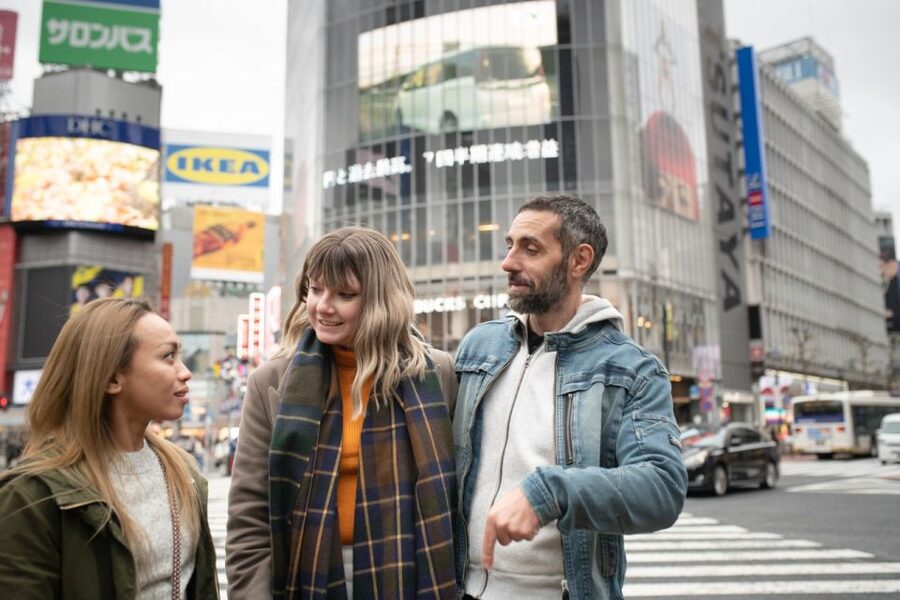
- Your interests shape the route: Fashion, food, shrines, anime, shopping, history, photography, and local life can all guide the day.
- Shibuya Crossing is only the opening act: Expect quieter lanes, cafés, shops, arcades, and less obvious corners after the famous crossing.
- Food is part of the walk: One drink and a tasting are included, while extra meals, snacks, and drinks cost more.
- The tour can connect three districts: Some outings have included Shibuya, Harajuku, and Shinjuku, using local trains between them.
- You get a private host: The pace, stops, and conversation can suit your party, including families and larger groups.
- Choose your time carefully: A two-hour visit gives you an introduction, while four to six hours allows room for food, shopping, shrines, and side trips.
What this private Tokyo walk is really about
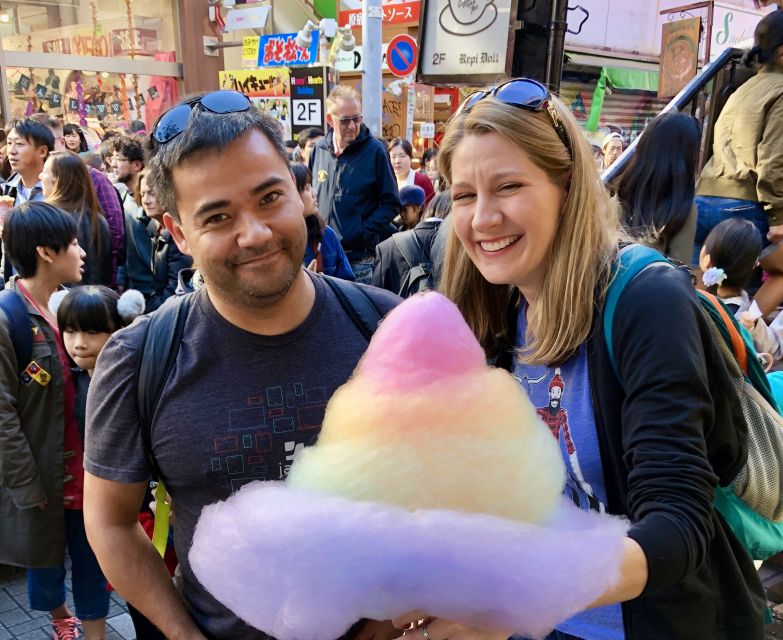
This is not a standard march from one famous photo stop to the next. It is a flexible meeting with a local person who uses your answers from the pre-tour questionnaire to shape the outing.
You might begin at Shibu HACHI BOX near Shibuya Crossing, or arrange pickup from a central Tokyo hotel. From there, your guide can build a route around street fashion, local food, Japanese youth culture, historical sites, shopping, photography, or a mix of several interests.
That flexibility is the tour’s main selling point. If you have already visited Hachiko or Takeshita Street, your guide can spend less time there. If it is your first morning in Tokyo, the route can cover the major sights and help you understand how the districts fit together.
The experience is private, so you are not tied to the pace of a large shared group. That matters in Shibuya and Harajuku, where crowded pavements and complicated stations can make a simple walk feel tiring. You can ask questions as you go, stop for photos, and change direction without holding up strangers.
More Shibuya plans:
- Official Street Go-Kart in Shibuya
★ 5.0 · 3,435 reviews - Tokyo: Street Kart Experience in Shibuya
★ 4.9 · 1,484 reviews - Shibuya Meltdown Nightlife Tour: All-You-Can-Drink Bar Hopping
★ 5.0 · 1,058 reviews
Starting at Shibuya Crossing and Hachiko
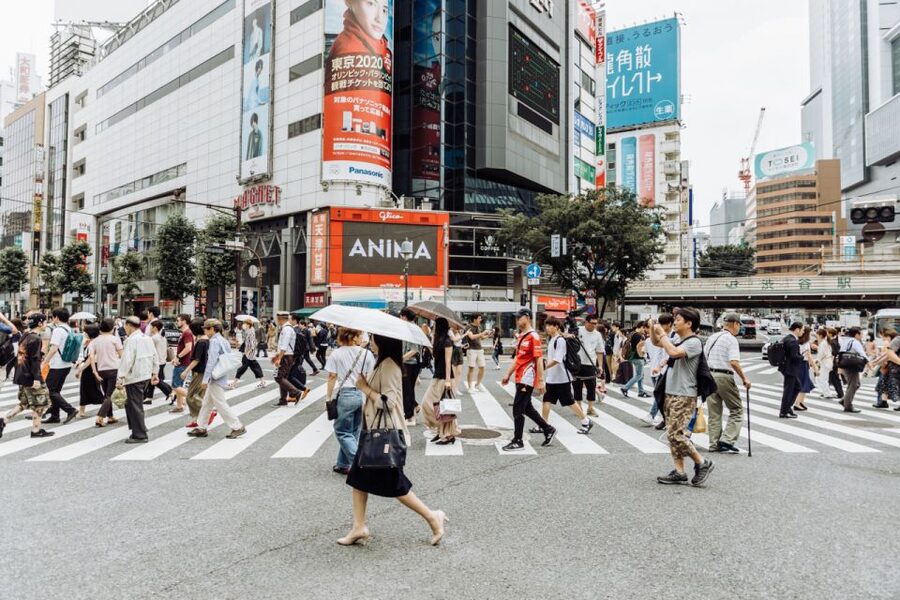
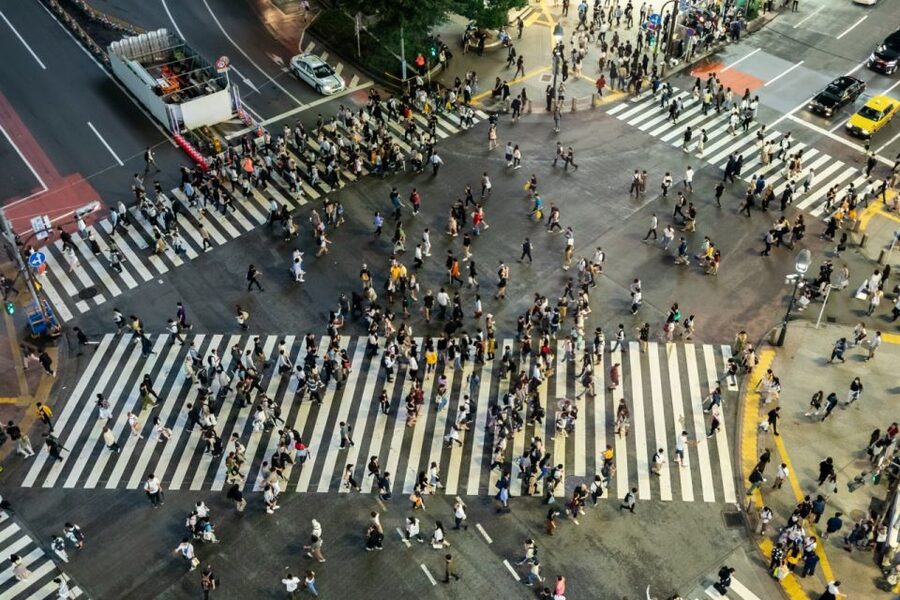
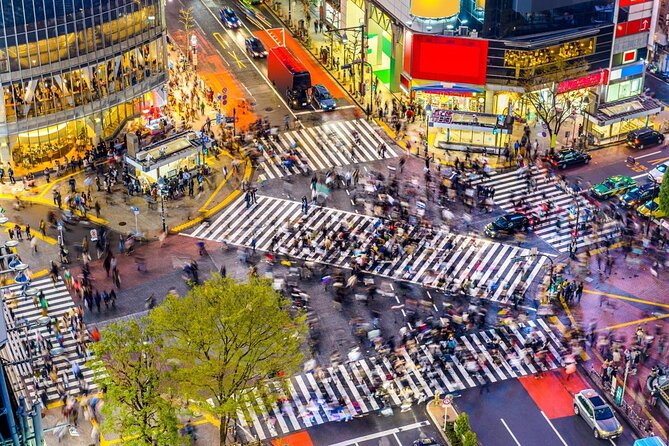
Shibuya Crossing is the natural first stop. You get the famous view of pedestrians streaming across the intersection, surrounded by giant screens, department stores, railway lines, and high-rise buildings.
It is exciting, but it is also easy to treat the crossing as a quick photo and move on. A good host adds context by explaining how Shibuya functions as a meeting point, shopping district, transport hub, and center of youth culture.
The nearby Hachiko statue is another likely stop. It is small compared with the surrounding buildings, and the area around it can be crowded. Your guide can help you find the statue, explain why it matters, and keep the visit brief if you are more interested in food or fashion.
This is also a useful place to ask for help with orientation. Several guides have helped their parties use the metro or local trains, an especially valuable service on a first day in Tokyo. Do not assume transport is included, though. If you travel between districts by train or taxi, those costs are extra.
Harajuku, from Meiji Jingu to Takeshita Street
Harajuku changes quickly from quiet shrine grounds to youth fashion and snack shops. If you want a cultural balance, your guide may take you to Meiji Jingu, where broad paths and wooded grounds offer a sharp contrast to the signs and crowds outside.
One guide, Veronica, suggested collecting goshuin, the calligraphy and stamp records available at shrines and temples. You can buy a goshuincho, or stamp book, and continue collecting in Kyoto or elsewhere in Japan. This is a small idea, but it can turn a short shrine visit into a lasting part of your trip.
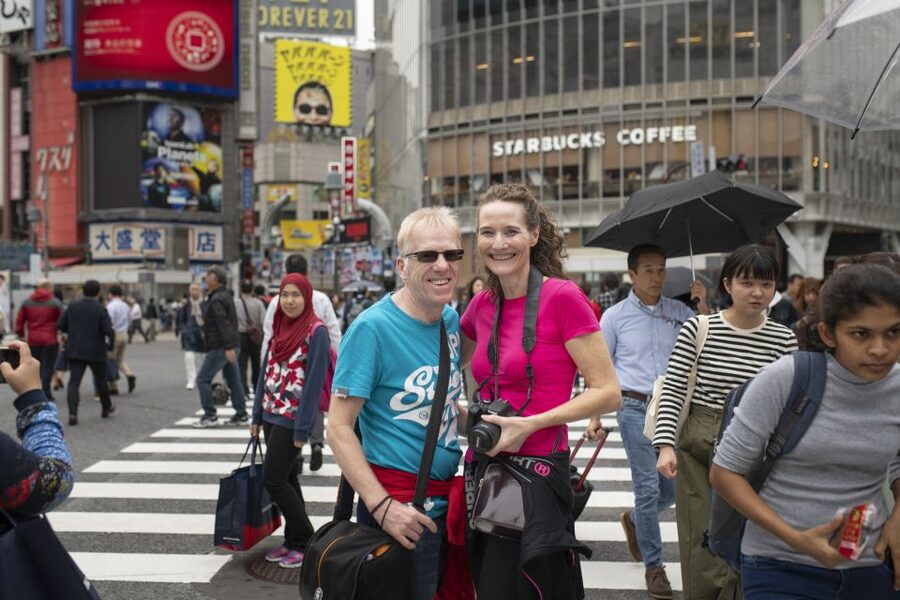
Takeshita Street gives you the other side of Harajuku. It is packed with shops, colorful clothing, sweets, accessories, and young shoppers. The street can be noisy and crowded, so it is not the place for a slow, peaceful stroll. Still, it is one of the clearest places to see the district’s fashion identity.
Your guide can point out what suits your interests rather than simply walking the full length of the street. If you care about clothes, ask about vintage shops and smaller stores. If you are traveling with teenagers, the guide can keep the pace lively and focus on the styles, snacks, and shops that appeal to them.
Cat Street and the area sometimes called Cat Town offer a different mood. The route may include these streets for independent shops, fashion, and a less concentrated feel than Takeshita Street. The exact stops depend on your questionnaire and the time you book.
Food stops worth making room for
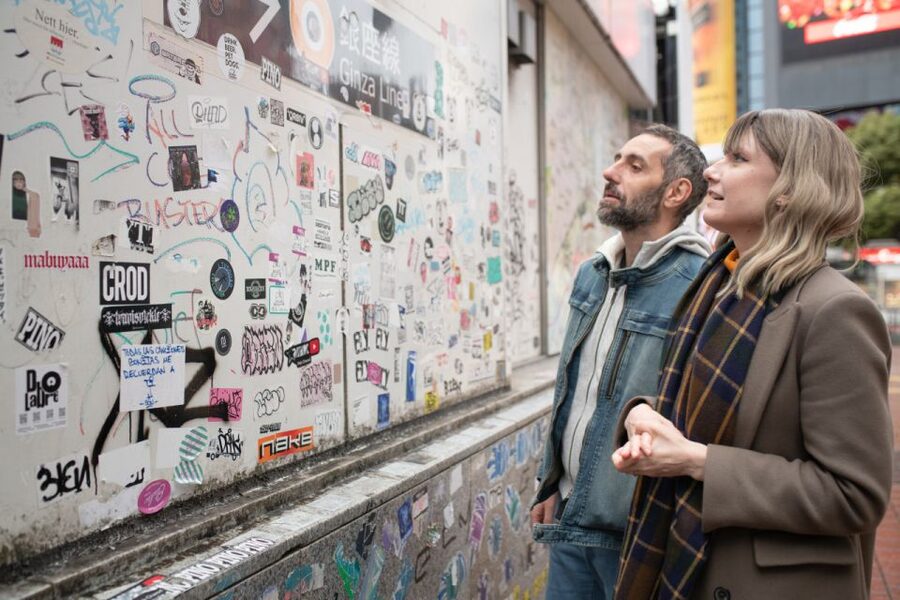
The food element is modest but useful. The tour includes one drink in a café or izakaya and a food tasting along the way. That might mean a small snack rather than a full meal, so budget separately if you want lunch or dinner.
Taiyaki is one possible stop. These fish-shaped cakes are often filled with sweet red bean paste, though the exact filling and shop are not fixed. Harajuku crepes are another likely choice, especially if you want a recognizable local treat in the district most associated with them.
Ramen may also enter the plan. Guides have found vegan ramen for guests, and one outing included a secret vegan ramen restaurant. Since food needs vary, put your dietary requirements in the questionnaire and repeat them when your host contacts you.
I like that the food is handled as part of the neighborhood walk rather than as a formal restaurant appointment. You can eat something small, keep moving, and ask your host what locals choose. The tradeoff is that you do not get a fixed food menu or a set number of tastings. If eating is your main reason for booking, ask your host to build the route around it.
More Harajuku wanders:
- Tokyo Go-Kart Tour Shibuya-Harajuku-Shinjuku (*IDP Required)
★ 5.0 · 217 reviews - Tokyo: Guided Go Kart Tour from Harajuku to Shibuya Crossing
★ 4.5 · 166 reviews - Harajuku Kawaii Fashion and Pop-Culture Tour
★ 5.0 · 94 reviews - Harajuku Private Tour: Kawaii Fashion & Animal Cafe Included
★ 5.0 · 69 reviews
Finding quieter lanes and everyday Tokyo
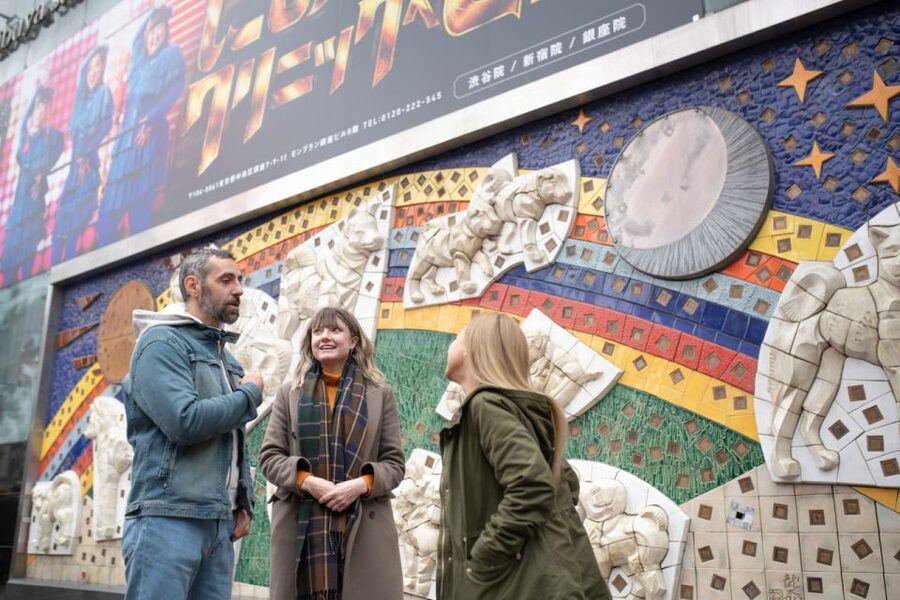
The tour earns its price when it moves away from the obvious sights. Shibuya and Harajuku are known for neon, fashion, and huge crowds, but their side streets can reveal a calmer mix of small restaurants, cafés, bars, workshops, and residential corners.
Past outings have included historical eating and drinking venues, family-run cafés, vintage shops, gaming arcades, themed cafés, and less obvious shopping areas. A rooftop café or another high viewpoint may provide a useful look across the city, though no particular viewpoint is guaranteed.
The best way to get this side of Tokyo is to be specific. Tell your host if you want:
- Independent fashion rather than major brands
- Anime, gaming, or themed cafés
- Local snacks and ramen
- Architecture and older places
- Quiet shrines and photo stops
- Vegan or other dietary choices
- Shopping for teenagers
- Areas you have not seen on a previous Tokyo visit
One guide took returning visitors to places that had changed since their last trip. That is a real advantage of a personal host. Tokyo changes fast, and a route designed around your previous visits can avoid repeating yesterday’s sightseeing.
A flexible route can include Shinjuku
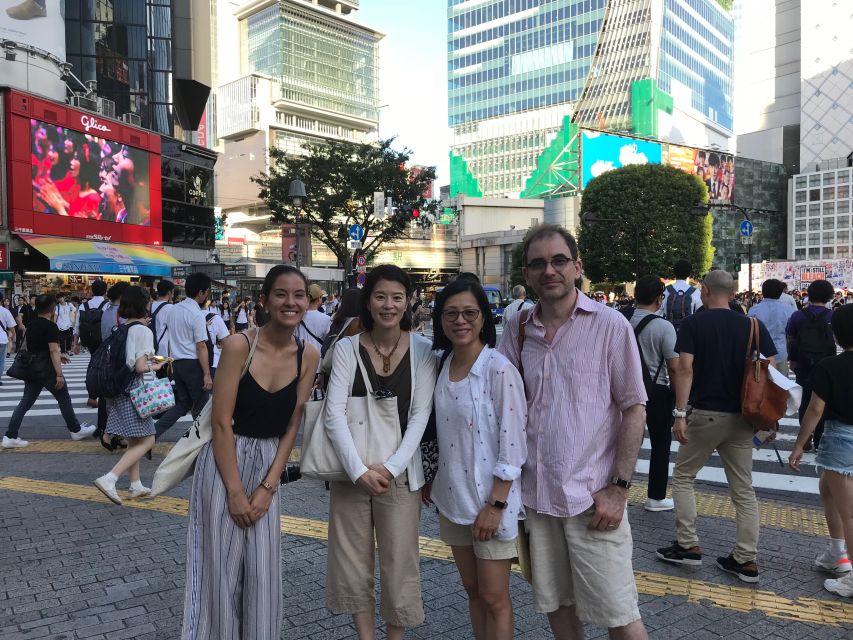
The title centers on Shibuya and Harajuku, but the outing can sometimes stretch into Shinjuku. One six-hour-style day connected all three areas, with local trains linking the districts.
This can work well if you want a first look at Tokyo’s scale. You experience busy stations and streets, then move into smaller lanes and local venues. A guide can also help you find your way back to your hotel or toward a restaurant after the formal tour ends.
The drawback is simple: adding Shinjuku means less time in Shibuya and Harajuku. With only two hours, I would keep the route tight. With four to six hours, adding another area becomes more realistic, especially if you are comfortable paying for local transport and walking at a steady pace.
You should also tell your host if you want to end near a specific restaurant, station, or shopping area. One guide helped a party reach a restaurant and stayed to assist with ordering. Another accompanied a group on the metro back to its hotel. These practical touches can make a big difference after a long day in an unfamiliar city.
Why the guide makes the difference
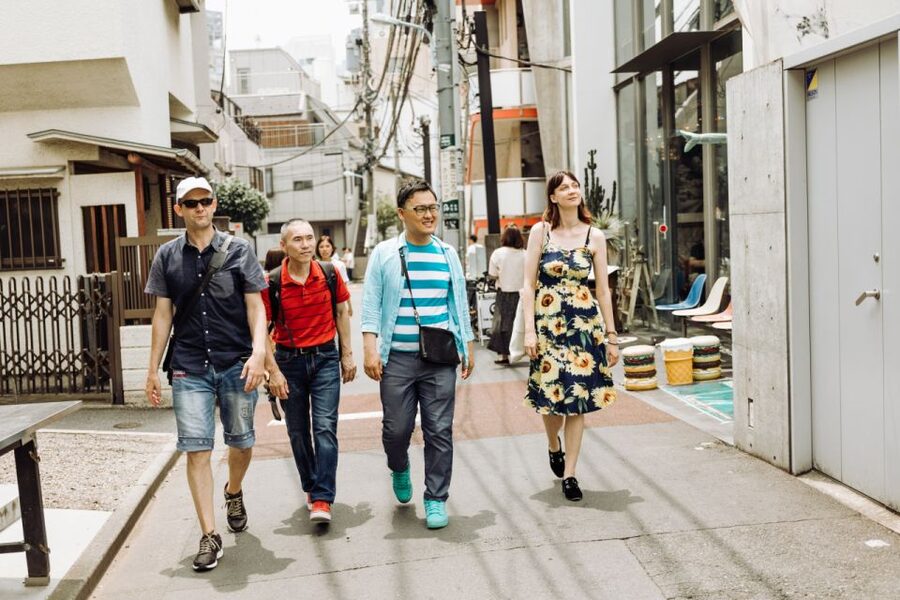
The provider assigns a host after reviewing your personality and interests. That does not guarantee a perfect match, but it is a better starting point than joining a random general tour.
The strongest guide accounts come from hosts who communicate before the outing and adjust the plan as they go. Hiroko was praised for covering a great deal in three hours and guiding her group through crowded streets. Alberto helped a fashion-focused party find favorite shops and shared a convenience-store snack. Yuta combined sightseeing with photography and finished at a restaurant suited to the group.
Other guides have added personal touches, such as photographs, handmade gifts, help with birthday arrangements, and restaurant calls for mixed dietary needs. These details are not promised, but they show what a personal host can do when you explain your plans clearly.
English and Japanese are offered. One guide also spoke Spanish, but you should not assume every host does. If language support is important, ask about it before the date is fixed.
How much time should you book?
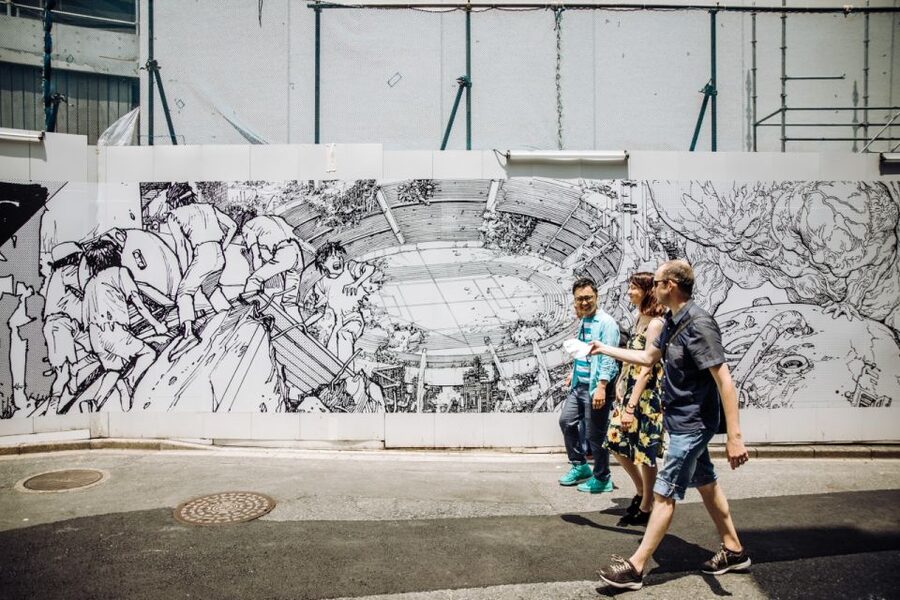
The advertised duration is two to six hours. The right choice depends on your goals.
Two hours: This works as a quick first look. You can cover one district in more detail, or make a brisk connection between a few major sights. It suits a short layover in your Tokyo schedule, but it will not leave much space for browsing shops and stopping for a full meal.
Three hours: This is a useful middle ground. You can combine Shibuya Crossing with Harajuku, add Meiji Jingu or Takeshita Street, and fit in a snack or café stop. Several outings have covered a lot in three hours, but expect steady walking.
Four to six hours: Choose this if you want food, shopping, a shrine, side streets, and possibly Shinjuku. A longer booking also gives your host more room to react to your interests instead of rushing from stop to stop.
Start times are flexible, subject to availability. Morning, afternoon, and evening routes can feel quite different, especially in shopping and entertainment areas. Tell your host if you want daylight for photographs or later hours for neon and food.
Is $64 per person good value?
At $64 per person, the price is reasonable if you use the personal planning well. You are paying for a private walking experience, a host’s time, pre-tour contact, local suggestions, one drink, and a tasting. For a couple or small family, the cost can be worthwhile because the route does not waste time on sights you have already seen.
The value is weaker if you want only a simple checklist of Shibuya and Harajuku highlights. You can see the crossing, Hachiko, Takeshita Street, and many major streets without hiring a private guide.
The price also does not cover extra food, drinks, attraction tickets, trains, or taxis. Those costs can add up, especially on a longer route through three districts. Ask your host to estimate transport before the day begins, and set a food budget if you want ramen or several snacks.
For a first day in Tokyo, I see the fee as a way to reduce wasted time and station confusion. For a return visit, the value depends on how strongly you want local shopping, food, and places beyond your established list.
Walking, accessibility, and practical comfort
This is a walking tour, not a private car outing. Public transport or local taxis may be used between areas, with the cost paid separately.
The activity is listed as wheelchair accessible, but the route is personalized and may include crowded streets, shops, cafés, and train transfers. If you use a wheelchair or have limited stamina, tell the host in advance so the plan can reflect your needs.
Wear comfortable shoes. Even a two-hour route can involve busy pavements and station passages, while a six-hour plan may cover several districts. You can also ask for regular café stops or a slower pace.
Hotel pickup is possible from any central Tokyo hotel. Otherwise, meet at SHIBU HACHI BOX, at 2 Chome-1-1 Dogenzaka in Shibuya. The private format can accommodate families, and one reported booking included 15 people, though you should confirm arrangements for a large party before booking.
Who should book this tour?
I would recommend it most to first-time visitors who want help getting oriented without joining a large group. Families can benefit from the flexible pace, especially when children or teenagers need more engaging stops.
It also suits returning visitors who have already done the standard sights. Put your previous Tokyo experiences in the questionnaire, then ask for smaller shops, food, local streets, or neighborhoods that match your interests.
Food-focused visitors should book only if they are comfortable with a flexible tasting plan rather than a formal food tour. The included snack and drink are a useful bonus, but additional eating costs extra.
Independent-minded travelers who want to control the day will like the format. People who need an exact list of guaranteed stops may prefer a traditional fixed itinerary.
You can cancel up to 24 hours before the experience for a full refund, and reserve now while paying later. That gives you some planning room, but the important decision is still the duration and the interests you send to your host.
Should you book the Shibuya and Harajuku walk?
Book it if you want Tokyo explained by a person who can adapt the day around you. The best use of the tour is not simply seeing Shibuya Crossing. It is pairing the famous sights with a shrine, a snack, a quiet lane, a shop, or a restaurant you would probably miss alone.
Choose at least three hours if you want both Shibuya and Harajuku without rushing. Choose longer if you want Shinjuku, serious shopping, several food stops, or time for spontaneous changes.
Skip it if you are happy navigating Tokyo alone and only want the major landmarks. But if crowded stations, food choices, and the sheer size of Tokyo feel daunting, a private host can give your first day useful shape without taking control of the whole trip.
FAQ
How long does the Shibuya and Harajuku private tour last?
You can choose a duration from two to six hours, depending on availability and the starting time you select.
What is included in the price?
The experience includes a private walking tour, local tips, one drink in a café or izakaya, and a food tasting. Extra food, drinks, attraction tickets, and transport are not included.
Can the itinerary be customized?
Yes. You receive a questionnaire about your personality and interests after booking. Your host then contacts you to suggest an itinerary and adjust it to your preferences.
Where does the tour begin?
Hotel pickup can be arranged from any central Tokyo hotel. The alternative meeting point is SHIBU HACHI BOX, at 2 Chome-1-1 Dogenzaka, Shibuya City, Tokyo 150-0043.
Are public transport and taxis included?
No. This is a walking experience, and public transport or local taxis may be used between sites at an additional cost. Discuss those costs with your host after booking.
What languages are available?
Live guiding is available in English and Japanese.
Can I cancel the booking?
Yes. You can cancel up to 24 hours in advance for a full refund. The reserve-now, pay-later option also lets you hold a place without paying immediately.
New on our Tokyo list
- From Tokyo: Mount Fuji & Hakone Full Day Private Tour★ 4.9 · 25 reviews
- Tokyo Spectacular View Day-Cruise in 90 Minutes★ 5.0 · 25 reviews
- Real Tokyo Runner Club : Daikoku Car Meet Night Tour with JDM Car★ 5.0 · 25 reviews
- 2.5 Hour-Guided Cycle Tour in the Central Tokyo★ 5.0 · 25 reviews
- Ramen Making from Scratch +Akihabara Tour –Cooking Class★ 5.0 · 25 reviews
- [Self-Drive] Tokyo & Daikoku Custom Car Driving Tour★ 4.9 · 25 reviews
- Tokyo: 2-Hour Night Bike Tour of the City’s Hidden Gems★ 4.9 · 25 reviews
- Samurai themed Entertainment show in Shinjuku★ 4.5 · 25 reviews
Shibuya Tours, compared.

Shibuya Meltdown Nightlife Tour: All-You-Can-Drink Bar Hopping
Read our review →
Shibuya Official Street Go-Kart in Shibuya Annex
Read our review →
Premium Go-Kart Tour with Tower & Shibuya Crossing
Read our review →Browse the lists this tour appears in