
Reviewed · TOKYO FOOD TOURS
Tokyo: Shibuya Food Tour (13 dishes and 4 Eateries)
Shibuya is easy to recognize and surprisingly easy to eat badly in. The famous crossing, Hachiko statue, and Center-gai crowds can pull you toward bright, obvious restaurants. This three-hour walk takes a different approach, guiding you through Dogenzaka and the streets around the station for 13 Japanese dishes at four eateries.
I like two things right away: the food is included, so you are not stopping to study menus in a busy neighborhood, and the small group is limited to 10 people. Guides such as Hoshi, Naruto, Kei, and Mat have been praised for their humor, food explanations, and useful restaurant tips. You can try sushi, yakiniku, udon, karaage, dumplings, tuna, drinks, and dessert without doing the research yourself.
The main caution is that the guide makes a big difference. Many tours have a warm, engaging leader, but some outings have offered less background on Shibuya and its food than expected. The route can also feel repetitive, and the Hachiko stop may not always happen as planned.
In This Review
- Key Points Before You Book
- Why Shibuya Works So Well for a Food Walk
- Starting at Shibuya Crossing
- Hachiko and the Short Walk Into Dogenzaka
- Dogenzaka: Izakaya Food and the First Main Tastings
- Center-gai and the Second Hour of Eating
- What the Thirteen Dishes Actually Mean for You
- Dessert, Drinks, and the Last Stop
- The Guide Can Make or Break the Evening
- Group Size, Timing, and Practical Comfort
- Is $77.44 a Fair Price?
- Who Should Book This Shibuya Food Tour?
- My Take: A Useful First Taste of Shibuya
- FAQ
- How long does the Shibuya food tour last?
- How many dishes are included?
- What types of food might be served?
- Are food and drinks included in the price?
- Where does the tour start and finish?
- How many people can join the tour?
- Can I cancel for a full refund?
Key Points Before You Book
- Thirteen tastings at four eateries: The tour covers a broad range of Japanese food, with portions that several groups found filling.
- A local route through Shibuya: You walk around Shibuya Crossing, Hachiko, Dogenzaka, and Center-gai rather than eating in one location.
- Small groups capped at 10: This gives you a better chance to ask questions and keep up in crowded streets.
- Food and drinks are included: The guide orders the group’s selections, so you do not pay separately for the planned tastings.
- Guide quality matters: Hoshi, Naruto, Kei, and Mat have received especially strong praise for their friendliness and food knowledge, but the level of commentary can vary.
- A good evening plan: The tour ends in Shibuya, and the guide can take you to Shibuya Station.
Why Shibuya Works So Well for a Food Walk
Shibuya is often treated as a quick photo stop. You cross the famous intersection, pose beside Hachiko, take in the giant screens, and move on. That gives you the postcard view, but not much sense of how people eat in the area.
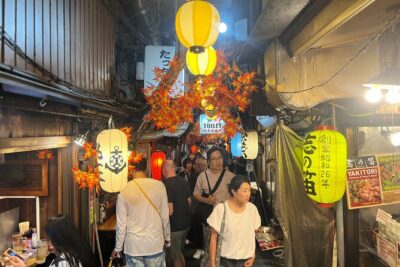
This food walk adds a practical layer. You move through Dogenzaka and Center-gai, two parts of Shibuya filled with small restaurants, bars, izakayas, and shops. The guide handles the route and the ordering, which matters after dark when the streets are crowded and signs can be difficult to read.
I especially like this format for a first evening in Tokyo. You get oriented to the station area, learn where the food streets sit, and finish with a better idea of where you might return on your own. The guide also offers suggestions for later meals during your stay, including places in other cities.
The setting is not a quiet, old-fashioned food quarter. This is modern Shibuya, with dense streets and plenty of noise. If you want a polished cultural presentation or a long explanation at every stop, this may feel light. If you want to eat several kinds of Japanese food while getting your bearings, the location makes sense.
More Tokyo food crawls:
- Tokyo: Shinjuku Food Tour (13 Dishes at 4 Local Eateries)
★ 5.0 · 6,603 reviews - Tokyo: Shinjuku Food Tour (15 Dishes and 4 Eateries)
★ 4.9 · 2,033 reviews - Best of Shinjuku: Izakaya Food Tour (4 Stops, 14+ Tastings)
★ 5.0 · 1,863 reviews
Starting at Shibuya Crossing
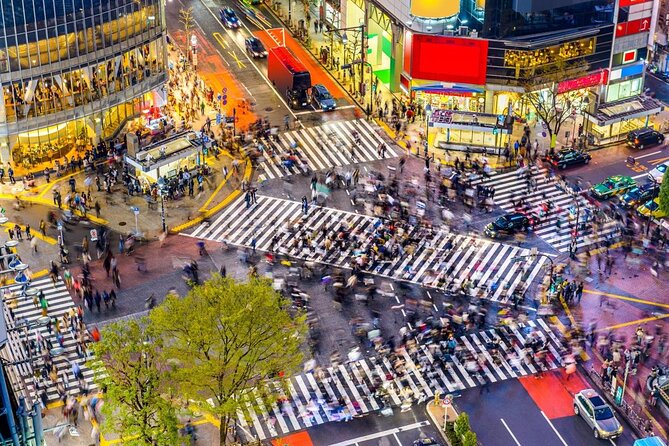
The tour begins at the Kusumoto Building, 1-chome-3-3 Dogenzaka, in Shibuya. From there, the group heads toward Shibuya Crossing, listed as a 15-minute stop.
The crossing is Japan’s most famous pedestrian intersection and one of the best places to understand Shibuya’s scale. Hundreds of people move in several directions when the signals change, while large screens and tall buildings close in around the street. It is a quick stop, not a long sightseeing session, so you should think of it as an introduction to the neighborhood rather than a full guided visit.
This is also where a guide can save time. Shibuya Station has many exits, and the streets around it can feel confusing even when you are standing close to your destination. Follow the meeting instructions carefully and arrive with enough time to locate the building.
One point to keep in mind: the amount of explanation at the crossing depends on the guide. Some guides add useful context and make the stop lively. One less successful outing crossed the street without much information. That is a small problem if food is your priority, but an important one if you are booking the tour mainly for sightseeing.
Hachiko and the Short Walk Into Dogenzaka
The listed route includes a 15-minute stop at Hachiko, the statue honoring Japan’s famously loyal dog. Hachiko is one of Shibuya’s standard meeting points, and the story gives the area a human touch before the evening turns toward food.
You should confirm with your guide that this stop is included on the night you attend. At least one group did not visit the statue and went back afterward. Since Hachiko is close to the station, seeing it independently is simple, but it is still frustrating when a promised stop is missed.
From this central area, the group moves toward Dogenzaka. The walk is part of the experience, not just a way to burn time between restaurants. You begin to see the smaller izakayas and local-style eateries that are easy to overlook when you are focused on the big crossing.
The route is described as an easy walk between stops. Still, Shibuya streets can be crowded, and you should wear comfortable shoes. Keep an eye on the guide at crossings and in station-side crowds, especially if your group includes children.
Dogenzaka: Izakaya Food and the First Main Tastings
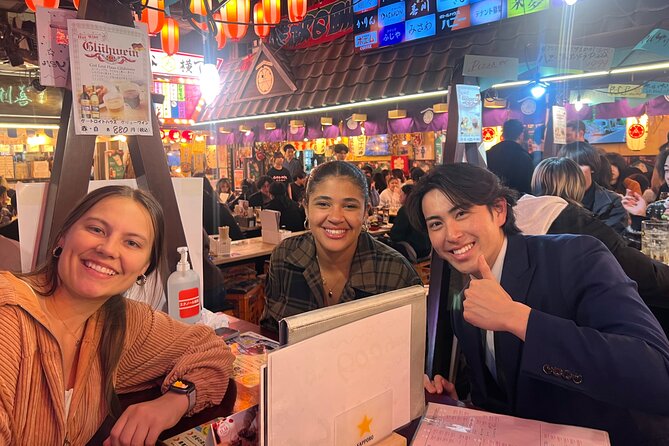
The tour spends about an hour around Dogenzaka, an area known for local izakayas and small shops. This is where the food focus takes over.
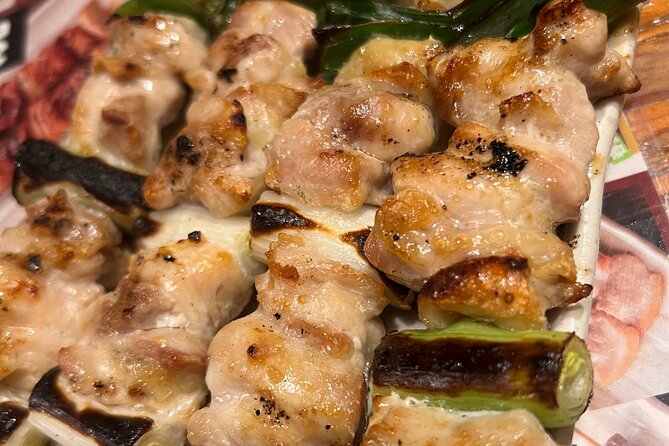
An izakaya is a Japanese drinking spot that serves food to share. The style suits a group tour because you can sample several dishes rather than committing to one large entrée. The included selection may feature dumplings, sushi, different types of tuna, or other dishes from the tour’s broad Japanese menu.
The official food list names sushi, yakiniku, udon, and karaage among the possibilities. Yakiniku brings grilled meat into the evening, while udon offers a very different texture and style from sushi. Karaage, Japanese fried chicken, is familiar enough for cautious eaters but still fits the casual food-bar setting.
The food is ordered for the group, so you do not choose each dish yourself. That is a strength if you want to try things you would not spot on your own. It is less ideal if you have strong preferences or want to control every part of the meal.
Tell the guide about dietary needs as early as possible. The supplied details do not promise a set of vegetarian, vegan, gluten-free, or allergy-specific menus. One group did receive help with accommodations, but you should not assume every restriction can be handled without advance notice.
More Shibuya plans:
- Official Street Go-Kart in Shibuya
★ 5.0 · 3,435 reviews - Tokyo: Street Kart Experience in Shibuya
★ 4.9 · 1,484 reviews - Shibuya Meltdown Nightlife Tour: All-You-Can-Drink Bar Hopping
★ 5.0 · 1,058 reviews - Shibuya Official Street Go-Kart in Shibuya Annex
★ 5.0 · 972 reviews
Center-gai and the Second Hour of Eating
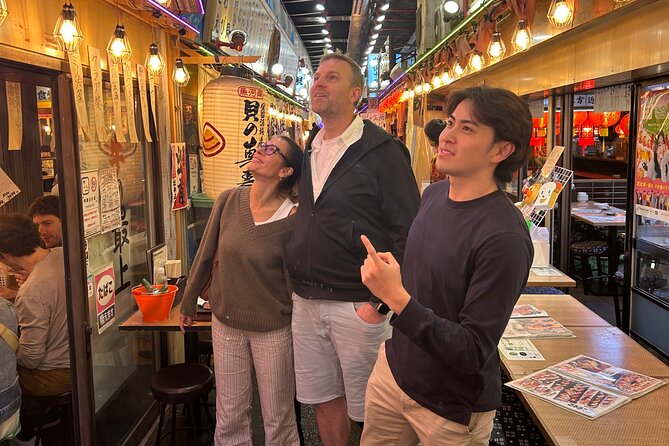
The next major section takes place around Shibuya Center-gai, described as one of the busiest streets in the district. The walk from Dogenzaka keeps you close to the station, and the neighborhood changes in feel as you move through its dense shopping and dining streets.
This is a useful part of the tour for anyone who wants to understand Shibuya beyond its landmarks. You see the places where people shop, meet, drink, and eat, rather than simply photographing the crossing. The guide can point out the difference between the obvious chains and the smaller places used for casual meals.
The route may circle around the station more than once. One group felt that the walk repeated some of the same ground and passed near the starting point again. That does not ruin the evening, but it means the tour is not a carefully staged one-way progression through the entire district.
The payoff is the food. Across the four stops, the menu is designed to give you variety rather than one single specialty. Drinks are included, and the overall amount can be substantial. Several groups found there was enough food to fill a family, while one person advised arriving very hungry.
Alcoholic drinks are served only to people aged 20 or older. If you are under 20, the tour still includes food and drinks, but the alcohol rule applies. The supplied information does not specify the exact nonalcoholic alternatives, so ask your guide at the beginning.
What the Thirteen Dishes Actually Mean for You
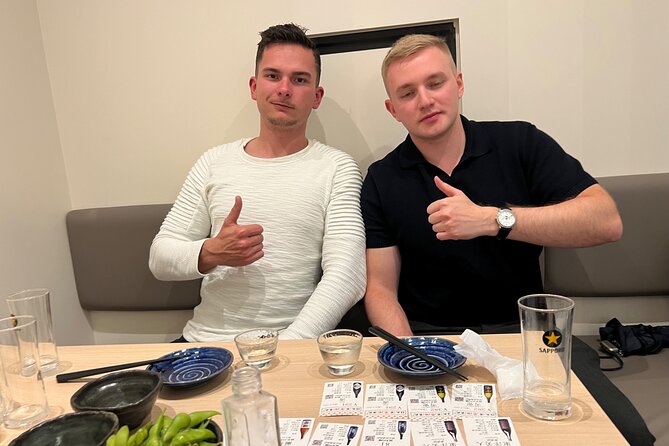
The number 13 sounds generous, but tasting counts can include small portions rather than 13 full meals. Here, the food appears to be arranged across four eateries, with enough variety to create a proper evening meal for many people.
You might taste:
- Sushi and several types of tuna
- Yakiniku
- Udon
- Karaage
- Dumplings
- Japanese drinks
- A final dessert or pastry
The exact combination can vary, and the guide selects the group’s order. This is a useful way to compare textures and flavors across different restaurant settings. You could move from raw fish to grilled meat, noodles, fried chicken, dumplings, and sweets in one night.
I would not book this expecting a formal tasting menu. The appeal is casual discovery. You stop, eat, walk, and repeat. Some food-focused people have found the quality excellent and the choices more unusual than what they would have picked alone. Another person felt the price was high compared with a separate Michelin meal. Both reactions are fair because the value depends on what you want.
You are paying for more than the ingredients. The fee covers the guide, the route, restaurant access, ordering, and the chance to avoid guesswork in a crowded district. If you already know Shibuya well and are comfortable ordering Japanese food, the added value is smaller. If this is your first visit, the guidance can be worth more than the individual dishes alone.
Dessert, Drinks, and the Last Stop
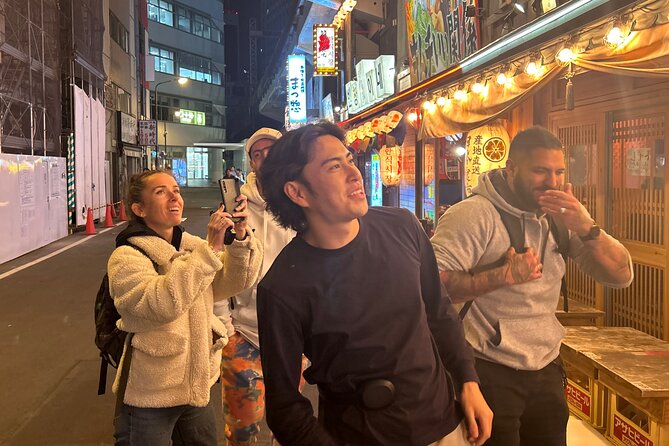
Dessert is served at the final stop. Some groups received pastries that had been ordered ahead because they can sell out. That detail suggests the guide may plan the final tasting rather than simply walk into the nearest sweets shop.
The presentation may be modest. One outing ended in a basement mall area, where the group stood near a service area while receiving pre-ordered pastries. That is not the atmospheric finale you might imagine from a food tour, although the pastry itself can still be good.
This is a useful reminder to keep your expectations practical. The tour’s strongest feature is the range of food and the chance to try several places. It is not designed around elegant dining rooms or carefully presented courses.
Drinks are part of the experience, and several people especially enjoyed the beverage choices. If you are drinking alcohol, remember the minimum age of 20. The tour price includes the planned food and drinks, but any additional order you make is extra.
The Guide Can Make or Break the Evening
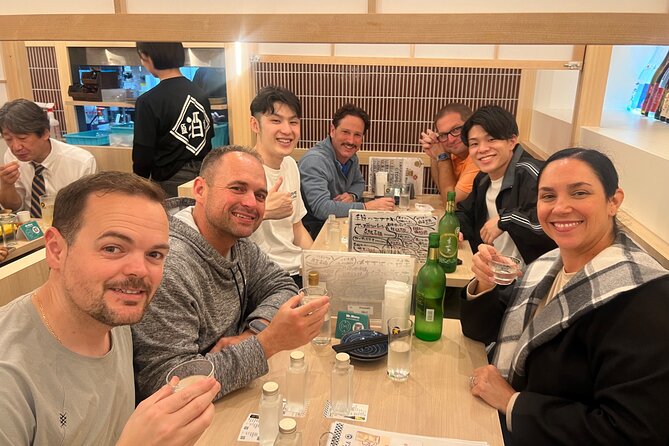
The best guides bring the evening to life. Hoshi has been praised for explaining how to eat each dish, giving clear information in English, and making the group feel comfortable. Naruto is often described as friendly, funny, and good with families and children. Kei has been appreciated for restaurant suggestions and detailed answers about the food. Mat has also been praised for careful explanations and thoughtful attention.
These details matter because the tour is not only a meal. You are walking through a busy part of Tokyo with someone who should explain what you are eating and help you understand the setting.
The weaker experience comes when the guide simply escorts the group from place to place. If there is little explanation at Shibuya Crossing, no story about Hachiko, and limited discussion of the dishes, the tour feels like a pre-arranged dinner rather than a food walk.
Guide assignments can change, so you cannot guarantee a particular person unless the operator confirms it. I would treat the guide as the main variable in your booking decision. If you meet Hoshi, Naruto, Kei, or Mat, you may get the lively, informative evening this format promises. If your guide is less engaged, the food still carries the tour, but the cultural value drops.
Group Size, Timing, and Practical Comfort
The tour lasts about three hours and allows a maximum of 10 people. That is a sensible size for crowded Shibuya streets and small eateries. A large group would be harder to keep together and could overwhelm the restaurants.
The walking is spread across the evening rather than packed into one long march. The stops at Shibuya Crossing and Hachiko each take about 15 minutes, while Dogenzaka and Center-gai receive about an hour each. The food stops are built into those neighborhood visits.
You finish in Shibuya, and the guide can take you to Shibuya Station. This makes the tour easy to pair with a hotel in the area or with onward transportation from the station. The meeting point is near public transportation, and most people can participate.
The activity uses a mobile ticket, which is convenient for an evening booking. Confirmation is provided when you book. The tour requires good weather and a minimum number of participants. If poor weather or low enrollment cancels the outing, you are offered another date or experience, or a full refund.
You can cancel for a full refund up to 24 hours before the start time. Cancellations or changes made inside that 24-hour window are not accepted for a refund.
Is $77.44 a Fair Price?
At $77.44 per person, this is not a bargain food crawl in the narrowest sense. You can certainly find inexpensive meals in Tokyo for less. The question is what you are buying alongside the food.
The price includes 13 tastings, food and drinks, a local English-speaking guide, a walking route, and admission to the local bars and izakayas used during the tour. You also get advice for the rest of your time in Japan. For a first evening in Shibuya, that package can be reasonable, especially if you would otherwise spend time choosing restaurants and figuring out unfamiliar menus.
The value is strongest for first-time visitors, families, and people who want to sample widely. A family group can share many dishes, and the tour has enough food to replace dinner for most people. It is also useful if you want alcohol included and prefer not to manage separate bills at several stops.
The value is weaker for experienced Tokyo diners. If you already know how to navigate Shibuya, can read menus, and prefer to choose your own restaurants, paying for the guide may not feel worthwhile. You may also feel disappointed if you expect a large amount of historical or cultural commentary at every landmark.
Who Should Book This Shibuya Food Tour?
I would recommend it to you if you want a social, low-stress introduction to Japanese food. It suits people who want to try sushi, grilled meat, noodles, fried chicken, dumplings, drinks, and dessert in one evening without spending hours planning.
It is also a good match for families, since the small group and guide support can make a crowded district easier to manage. Children may not eat every dish, but the variety gives them several approachable choices.
Food enthusiasts should book with a clear expectation: the tour offers breadth and local guidance, not a fine-dining meal. Ask questions when you meet your guide. The strongest guides respond well to curiosity and can explain what you are eating, how to approach it, and where to eat later.
I would hesitate if your main goal is a detailed history of Shibuya or a guaranteed visit to every listed sight. The food is more reliable than the sightseeing commentary, and the route can feel somewhat circular.
My Take: A Useful First Taste of Shibuya
This tour earns its price when you use it as an orientation evening. You eat 13 dishes, see key parts of Shibuya, visit four eateries, and leave near the station with ideas for later meals. The best guides add humor, care, and the kind of practical advice that can save you from a poor restaurant choice.
The drawbacks are real. The guide may provide less context than promised, the Hachiko stop can be missed, and the final dessert setting may be plain. At $77.44, you should book for the food variety and local help, not for a polished culinary performance.
If you are new to Tokyo and want an easy way to get started, I would book it, ideally early in your stay. If you are already confident in Shibuya and care most about value per dish, spend the money on a restaurant you choose yourself.
FAQ
How long does the Shibuya food tour last?
The tour lasts approximately three hours.
How many dishes are included?
The experience includes 13 Japanese dishes served across four local eateries.
What types of food might be served?
The planned food can include sushi, yakiniku, udon, karaage, dumplings, tuna, drinks, and dessert. The exact selection is ordered by the guide for the group.
Are food and drinks included in the price?
Yes. Food and drinks are included. Additional food and drinks are not included.
Where does the tour start and finish?
The tour starts at Kusumoto Building, 1-chome-3-3 Dogenzaka, Shibuya, Tokyo. It ends in Shibuya, and the guide can take you to Shibuya Station.
How many people can join the tour?
The tour has a maximum of 10 participants.
Can I cancel for a full refund?
Yes. You can cancel at least 24 hours before the start time for a full refund. The tour may also be rescheduled or refunded if poor weather or insufficient enrollment causes cancellation.
New on our Tokyo list
- From Tokyo: Mount Fuji & Hakone Full Day Private Tour★ 4.9 · 25 reviews
- Tokyo Spectacular View Day-Cruise in 90 Minutes★ 5.0 · 25 reviews
- Real Tokyo Runner Club : Daikoku Car Meet Night Tour with JDM Car★ 5.0 · 25 reviews
- 2.5 Hour-Guided Cycle Tour in the Central Tokyo★ 5.0 · 25 reviews
- Ramen Making from Scratch +Akihabara Tour –Cooking Class★ 5.0 · 25 reviews
- [Self-Drive] Tokyo & Daikoku Custom Car Driving Tour★ 4.9 · 25 reviews
- Tokyo: 2-Hour Night Bike Tour of the City’s Hidden Gems★ 4.9 · 25 reviews
- Buddha, Bamboo & Zen – Bespoke Kamakura Private Walking Tours★ 5.0 · 25 reviews
Tokyo Food Tours, compared.
Shinjuku Food Tour (13 Dishes at 4 Local Eateries)
Read our review →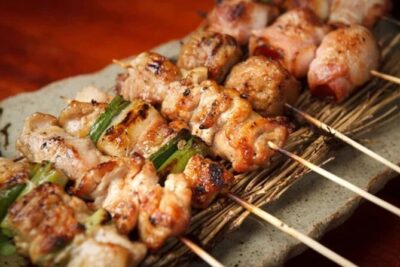
Shinjuku Food Tour (15 Dishes and 4 Eateries)
Read our review →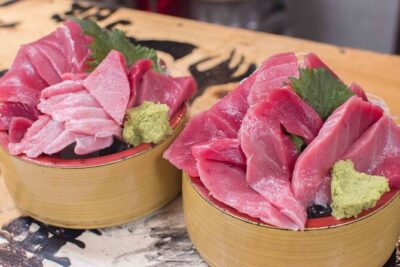
Best of Shinjuku: Izakaya Food Tour (4 Stops, 14+ Tastings)
Read our review →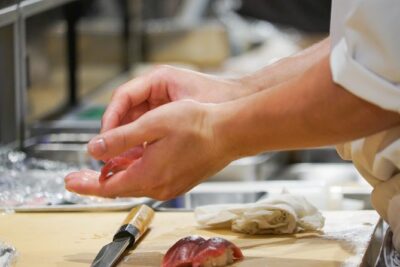
Tokyo Night Foodie Tour in Shinjuku – Seasonal Sushi, Wagyu Beef
Read our review →
Eat and Drink Like a Local: Tokyo Ueno Food Tour-Taverns&Ramen
Read our review →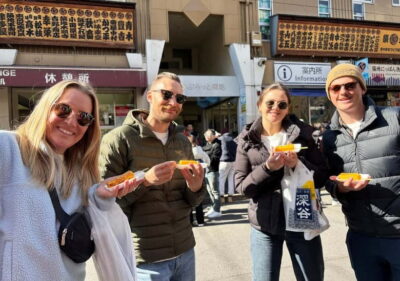
Tsukiji Fish Market: Street Food & Culture Walking Tour
Read our review →Shinjuku Food Tour – 15 Dishes, 3 Drinks, 4 Eateries
Read our review →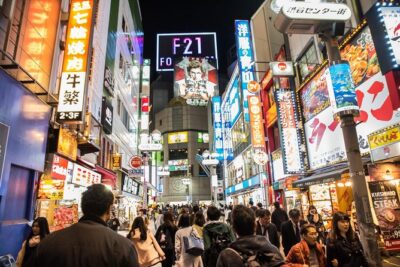
Browse the lists this tour appears in