
Reviewed · JAPANESE CALLIGRAPHY CLASSES
Tokyo: Calligraphy Workshop & Original T-Shirt Creation
The most memorable part of this Shinjuku workshop is not simply writing Japanese characters. You grind a solid inkstick into ink, learn the meaning and order behind your kanji name, then try the brush yourself. I like the hands-on ritual and the chance to leave with art you made, not a shop-bought souvenir. I also like the calm pace, which gives Tokyo’s noise a useful timeout.
The main catch is practical: the original T-shirt costs extra. Your paper artwork is included, but the shirt is optional and one past participant found it pricey. Your finished brushwork may look charmingly imperfect, too. That is part of the fun, but perfectionists should bring a sense of humor.
In This Review
- Key points at a glance
- A quiet art lesson in the middle of Shinjuku
- Changing into workwear and preparing the ink
- Learning the brush before attempting kanji
- Turning your name into a meaningful kanji design
- Making the paper artwork
- The optional T-shirt: fun, but budget for it
- How the English guidance works
- Is $30 good value for two hours?
- Who will enjoy this class most?
- Practical details before you reserve
- Should you book it?
- FAQ
- Where does the calligraphy workshop meet?
- How long does the activity last?
- How much does the workshop cost?
- Is the T-shirt included?
- What is included in the price?
- Is the workshop taught in English?
- How many people can join the class?
- Can children join the workshop?
- What is the cancellation policy?
Key points at a glance
- Make ink the traditional way: Grind a solid inkstick and begin with a quiet, focused task before touching the final paper or shirt.
- Turn your name into kanji: The instructor helps you choose characters and explains their meanings, giving your souvenir a personal link to Japanese language.
- Learn from a professional calligrapher: The sensei demonstrates brush order, spacing, and technique, then gives individual help.
- Work in English: A local host translates the lesson and adds cultural context, with guides such as Hiromi, Nono, Aki, Naoto, and others leading sessions.
- Choose your souvenir: Take home your artwork at no extra charge, or put your calligraphy on an original T-shirt for an additional fee.
- Keep it small and manageable: The two-hour class limits attendance to 10 people and meets by the south exit of Okubo Station.
A quiet art lesson in the middle of Shinjuku
Tokyo is rarely short on stimulation. Shinjuku gives you neon, crowds, train announcements, tall buildings, and enough choices for dinner to cause its own form of fatigue. This calligraphy class takes a different approach. For two hours, you sit with a brush, ink, and a small set of deliberate movements.
The activity is held in Shinjuku, with the meeting point at FamilyMart Okubo Station South Exit Store, 1-23-21 Hyakunincho, Shinjuku-ku. You meet a guide holding a Local Guide Stars sign. The precise meeting point matters here because Okubo and nearby Shinjuku stations can be confusing, and the shop is easier to identify than a general station entrance.
The group can include no more than 10 people. That is a useful limit for a craft lesson. You are not watching a demonstration from the back of a large room while hoping someone notices your crooked brush. The teacher has time to check your strokes and offer corrections. Some sessions may be even smaller, including one-person classes, which provide plenty of individual attention but can also make you feel a little more exposed.
More calligraphy tables:
- Tokyo: Calligraphy on Kanji Fan & Scroll with Drink
★ 5.0 · 210 reviews - Let’s experience calligraphy in YANAKA, Taito-ku, TOKYO !!
★ 5.0 · 127 reviews - Experience all of Japanese culture and Japanese food experience classes “origami, udon, Japanese food, green tea, calligraphy” in 4 hours
★ 5.0 · 105 reviews
Changing into workwear and preparing the ink
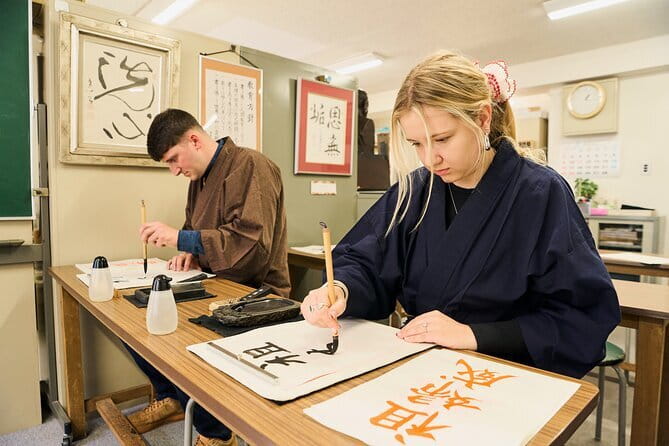
The class begins with a change into traditional Japanese workwear. This is a small touch, but it helps separate the workshop from an ordinary art class. You are not just stopping by to scribble a character before moving on to the next sightseeing stop. The clothing, tools, and process give the lesson a sense of occasion.
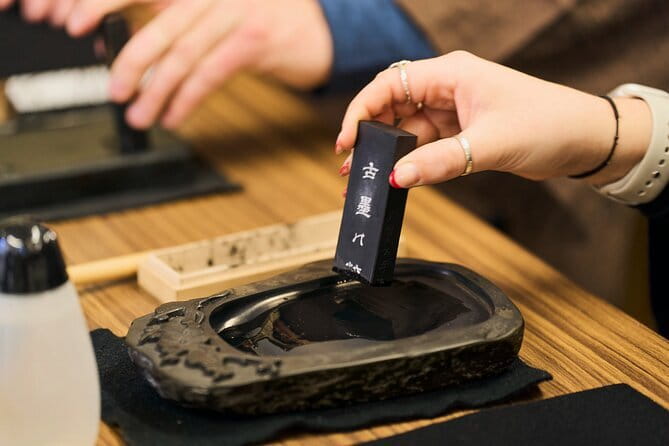
Then comes one of the best parts: preparing the ink. Instead of reaching for a ready-made bottle, you grind a solid inkstick. The movement is slow and repetitive. You add water and work the ink until it reaches a usable consistency.
I like this stage because it explains the meditative side of calligraphy without needing a lecture about mindfulness. You have a simple job to do, and you have to pay attention to it. The room grows quieter because everyone is concentrating. In a busy city, that pause can be worth the admission price by itself.
The activity uses professional calligraphy tools. That does not mean you will suddenly produce museum-quality work. It does mean you are learning with the materials associated with the art rather than a simplified tourist prop. The teacher can show you how the brush, ink, and paper respond to pressure and speed.
Learning the brush before attempting kanji
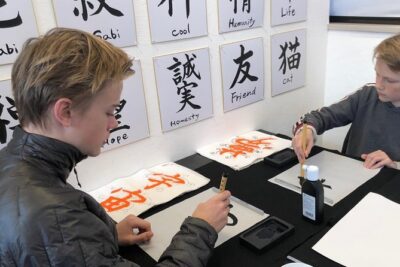
The next step is practice. You learn basic brush techniques before working on your name or final design. Expect guidance on brush position, pressure, stroke order, and how characters sit beside one another.
This matters because Japanese calligraphy is not simply handwriting with a larger brush. The order and direction of each stroke shape the character. Spacing also affects how the finished piece feels. One participant particularly valued learning how to position characters next to one another, while others appreciated repeated demonstrations and tips for making their brushwork cleaner.
You should expect a beginner-friendly lesson, not a professional certification course. The sensei can help you improve, but two hours is enough for an introduction, not mastery. The brush may feel less obedient than you expect. Ink can spread. A line that looked promising at the start can finish with a mind of its own.
That is why the practice sheets are important. You get a chance to understand the tools before committing to your final work. I suggest treating the early attempts as part of the experience rather than judging them too harshly. The goal is to learn how the marks are made and to produce something personal.
Turning your name into a meaningful kanji design

The workshop’s most personal stage is transforming your name into kanji. Japanese names and foreign names do not always have a direct one-to-one translation, so the instructor helps you select characters that fit your name and carry suitable meanings.
This can be more interesting than simply copying a word from a chart. You get some insight into how Japanese characters developed and how meanings work within names. The class may also allow you to choose characters or words that feel special to you. Past participants have used the opportunity to explore the meanings of their names and select their own kanji.
Your English-speaking guide supports this part of the class by translating the instructor’s explanations. Guides have included Hiromi, Nono, Aki, Naoto, Erico, and others, and the names can vary by session. The guide’s role is more than a basic language bridge. The best part of the format is that you can ask what a character means and receive help understanding the cultural context.
The quality of interpretation matters in an art lesson because a small misunderstanding can change the point of your design. The guides have been praised for clear English, patience, and useful explanations about Japanese culture. If you are curious about language, this section will likely be more rewarding than simply copying a decorative symbol.
A few more Tokyo bookings worth comparing
- Sushi Making Tokyo Roll and Authentic Japanese Sushi Class
★ 5.0 · 3,971 reviews - Tokyo: Roll and Authentic Sushi Making Class in Asakusa
★ 4.9 · 1,957 reviews - Tokyo Shinjuku Chopsticks Making Class
★ 5.0 · 1,763 reviews - Tokyo: Sushi Making Class in a Happi Coat near a Famous Spot
★ 4.9 · 1,377 reviews
Making the paper artwork
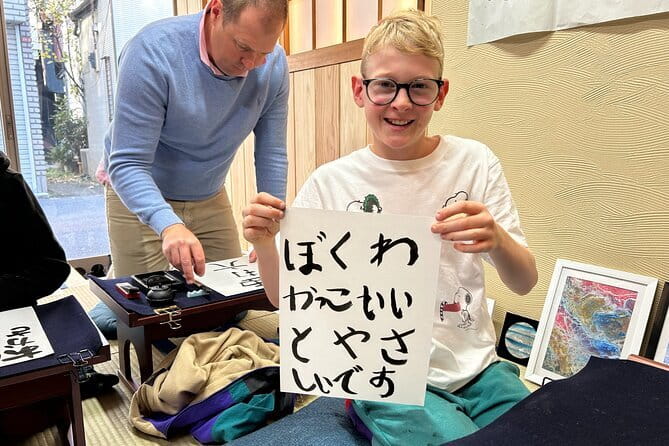
Once you have practiced, you create your original artwork on paper. The instructor demonstrates the form, then you work through your own version. You should expect personal feedback, especially in a small class.
One useful feature is that the lesson does not demand an artist’s background. Children can take part, and the teaching style is designed to be approachable for beginners. A toddler has even received patient attention during a class. Still, young children need to be comfortable sitting still and following directions for parts of the two-hour session.
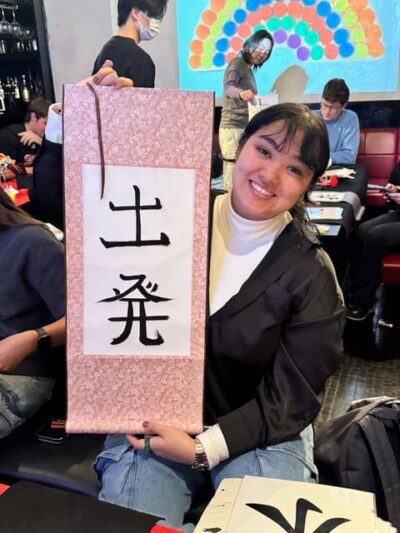
The paper artwork is included, so you have a souvenir even if you decide against the shirt. This is an important value point. You do not have to pay extra to leave with something connected to the class. The teacher may also create a neat version of your name on paper, depending on the session, which gives you a more polished keepsake alongside your own attempt.
The result is not meant to compete with the teacher’s work. A professional sensei with a family tradition in calligraphy can produce strokes that make your efforts look rather humble. That contrast is useful. You see the difference between a practiced art and a first lesson, and you have a better appreciation for the discipline involved.
The optional T-shirt: fun, but budget for it
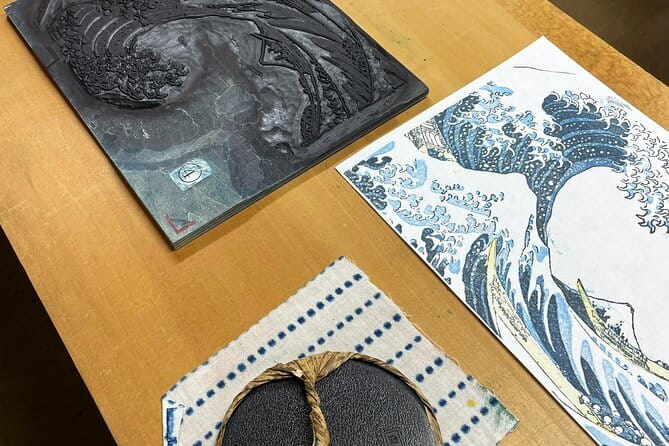
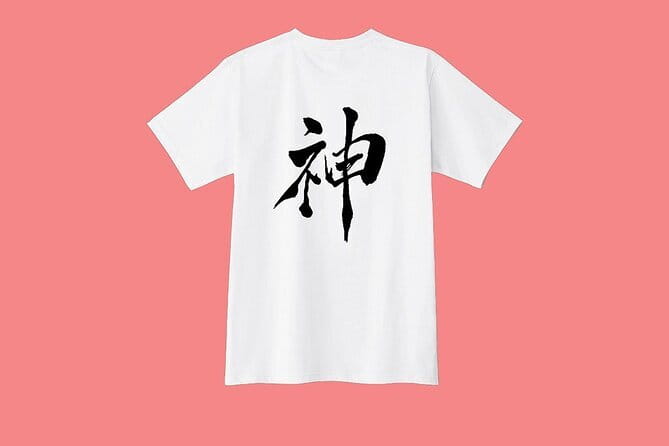
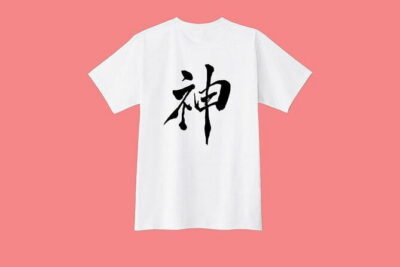
The workshop lets you write your kanji directly on a T-shirt and create a wearable souvenir. This is the playful part of the activity, especially for couples, families, and friends who want a matching or deliberately odd design.
The shirt is not included in the $30 price. The exact extra cost is not provided, but one participant described it as quite expensive. Another participant wished there were a scroll option instead of only a shirt. Keep both points in mind before you book. The T-shirt can be a fun upgrade, but it is not the reason to choose this class if you want the lowest possible cost.
Your brushwork may also look funny on fabric. That is not a flaw in the experience, but you should understand the tradeoff. You are making a personal item under instruction, not ordering a professionally printed garment. If you want a cleaner souvenir, the included paper artwork may suit you better. If you want something wearable and do not mind uneven strokes, the T-shirt adds a memorable twist.
The shirt may be delivered later rather than handed over during the class, based on past experiences involving participants waiting to see their finished shirts. Ask the guide about the current process and delivery arrangements before committing to the extra cost.
How the English guidance works
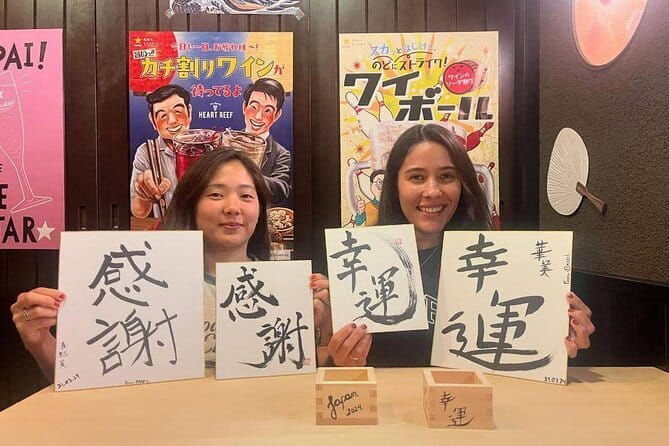
The class is offered in English with a live guide. The calligrapher may teach in Japanese, while the local host translates and helps you follow each stage. This format gives you access to a specialist while keeping the lesson comfortable for English speakers.
The guide can also help with practical details, such as choosing kanji and understanding the instructor’s corrections. Names such as Hiromi, Nono, Aki, Naoto, and Erico appear across different sessions, so you should not book around one particular guide unless the provider confirms who will lead your date.
The strongest reports of the class give equal credit to the sensei and translator. That makes sense. A great calligrapher can demonstrate technique, but a good interpreter helps you understand why the technique matters. The combination is especially useful if you know little about Japanese writing systems.
Is $30 good value for two hours?
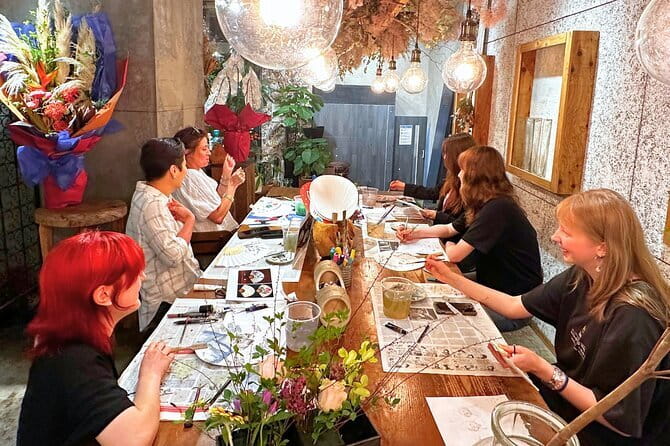
At $30 per person, I consider this a fair price for a two-hour, small-group cultural lesson in central Tokyo. Your fee includes the English guide, use of calligraphy supplies, instruction, and artwork to take home. The professional tools and ink preparation add substance beyond a quick souvenir-making stop.
The value is strongest if you want context and guidance. You could buy a brush and ink elsewhere for less than the cost of a class, but you would not get the explanations, demonstrations, kanji help, or correction from a trained teacher. You would also have to figure out the process yourself.
The value is weaker if your only goal is a cheap T-shirt. The shirt costs extra, and the final result is handmade by a beginner. You are paying for the lesson first and the garment second.
The activity has a 4.9 rating from 105 reviews, with praise focused on the calm atmosphere, patient instruction, English support, and chance to learn from a real sensei. Those strengths match what the structure promises: a small class, a professional instructor, and time to practice rather than rush.
Who will enjoy this class most?
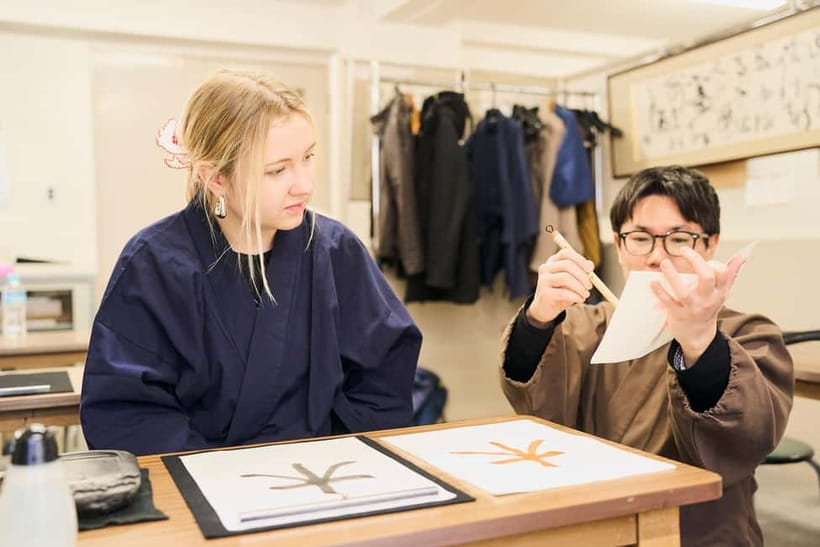
I would recommend it to you if you want a cultural activity that is quieter than a food tour or city sightseeing. It suits art lovers, language enthusiasts, couples, families, and anyone who wants a souvenir with a personal story.
It is also a good choice after a busy morning in Tokyo. The ink grinding and repeated brushwork create a slower rhythm, and several participants described the class as calming or therapeutic. You do not need prior calligraphy experience. Beginners are the intended audience.
Families should consider the two-hour length and the need for some concentration. The activity can work for children, but the youngest participants may need help staying engaged.
I would hesitate to recommend it if you dislike craft activities, want a polished professional product, or need a highly flexible stop. The workshop follows a teaching sequence, and you need to meet at the Okubo location on time. It is also not the best pick if your budget cannot stretch beyond the listed price, since the T-shirt is optional but extra.
Practical details before you reserve
The experience lasts two hours, and starting times vary. Check the available time before booking so it fits your Shinjuku plans. The meeting point is the FamilyMart Okubo Station South Exit Store, and a guide will hold a Local Guide Stars sign.
You can cancel up to 24 hours in advance for a full refund. A reserve-now, pay-later option is also available, which helps if your Tokyo schedule is still changing.
The activity is limited to 10 participants and is conducted in English. Calligraphy supplies are provided for use during the class, and your artwork is included to take home. Original T-shirts are not included.
I suggest wearing something that will not cause stress if a spot of ink finds it. The provided workwear should help protect your clothing, but the supplied information does not promise complete protection. Bring a little patience, too. Your first brush stroke is unlikely to look like the teacher’s.
Should you book it?
Book this workshop if you want to slow down, learn what your chosen kanji means, and make a souvenir with your own uneven but genuine brushwork. The strongest reasons to go are the traditional ink preparation, patient one-to-one help, English interpretation, and small class size.
Skip it if you are mainly shopping for an inexpensive shirt or expect flawless calligraphy in two hours. I would start with the included paper artwork and choose the T-shirt only after confirming its price and delivery details. For most visitors with two spare hours in Shinjuku, this is a thoughtful cultural break and a good value at $30.
FAQ
Where does the calligraphy workshop meet?
Meet at the FamilyMart Okubo Station South Exit Store, located at 1-23-21 Hyakunincho, Shinjuku-ku, Tokyo, Japan. A guide will be holding a Local Guide Stars sign.
How long does the activity last?
The workshop lasts two hours. Available starting times vary, so check the schedule when choosing your date.
How much does the workshop cost?
The listed price is $30 per person.
Is the T-shirt included?
No. The original T-shirt is not included and costs extra. Writing on the T-shirt is optional.
What is included in the price?
The price includes an English guide, calligraphy supplies to use during the class, and your own artwork to take home.
Is the workshop taught in English?
Yes. The activity includes a live English-speaking guide who helps translate the calligrapher’s instruction.
How many people can join the class?
It is a small-group activity limited to 10 participants.
Can children join the workshop?
Yes. The activity is designed to be enjoyable for children, though the class still lasts two hours and includes practice and focused brushwork.
What is the cancellation policy?
You can cancel up to 24 hours in advance for a full refund. A reserve-now, pay-later option is also available.
New on our Tokyo list
- Tokyo Spectacular View Day-Cruise in 90 Minutes★ 5.0 · 25 reviews
- From Tokyo: Mount Fuji & Hakone Full Day Private Tour★ 4.9 · 25 reviews
- Real Tokyo Runner Club : Daikoku Car Meet Night Tour with JDM Car★ 5.0 · 25 reviews
- 2.5 Hour-Guided Cycle Tour in the Central Tokyo★ 5.0 · 25 reviews
- Ramen Making from Scratch +Akihabara Tour –Cooking Class★ 5.0 · 25 reviews
- [Self-Drive] Tokyo & Daikoku Custom Car Driving Tour★ 4.9 · 25 reviews
- Tokyo: 2-Hour Night Bike Tour of the City’s Hidden Gems★ 4.9 · 25 reviews
- Samurai themed Entertainment show in Shinjuku★ 4.5 · 25 reviews
Japanese Calligraphy Classes, compared.
Let’s experience calligraphy in YANAKA, Taito-ku, TOKYO !!
Read our review →
Calligraphy Workshop & Original T-Shirt Creation
Read our review →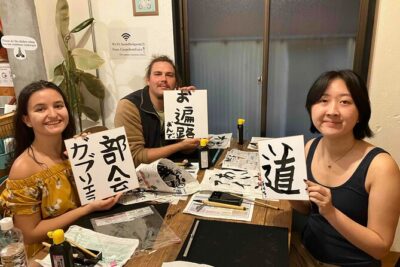
Calligraphy &Make your original folding fan in Asakusa
Read our review →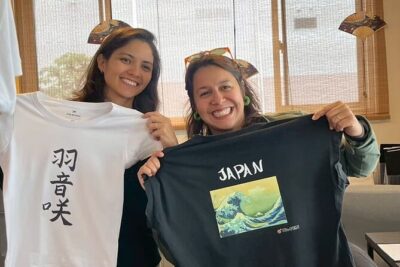
Tokyo Asakusa:Calligraphy & Make T-shirt Activity
Read our review →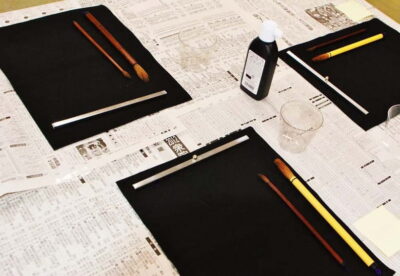
Calligraphy Workshop Craft Your Own Art in Asakusa
Read our review →Browse the lists this tour appears in