Reviewed · TOURS
Tameike: Exploring the Heart of Japanese Politics Tour
Japan’s political center is not usually the first place you think of for a Tokyo tour, and that is exactly why this experience works. In three hours, you move from the formal chambers of the National Diet Building to the spiritual paths of Hie Shrine, then finish with matcha and sweets at a long-established tea shop.
I like the clear mix of politics, religion, and everyday Japanese custom. I also like the small group size, limited to five people, which gives you room to ask about voting, government, shrine etiquette, and daily life. The main drawback is simple: you walk between every stop, and the Diet Building includes stairs, so comfortable shoes are essential.
In This Review
- Key points
- Why Tokyo’s political district makes an unusual tour
- Starting at Kokkai-gijidōmae Station
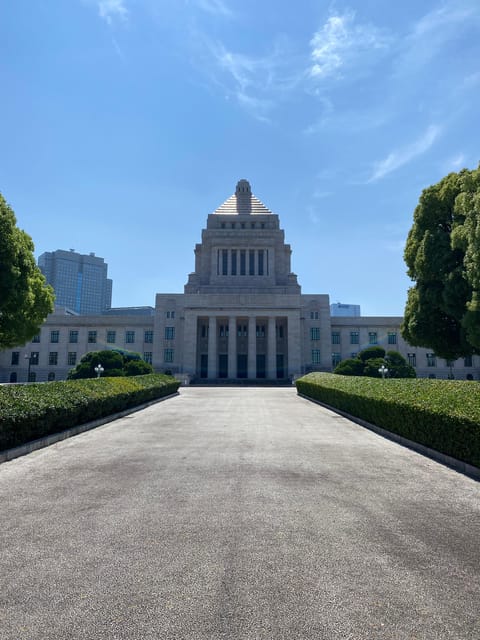
- Inside the National Diet Building
- Walking fifteen minutes to Hie Shrine
- The monkeys and the Thousand Torii Gates
- Matcha and sweets at Dobashi-en
- What $129 gets you
- Who will enjoy this experience most
- Timing, walking, and practical details
- Should you book the Tameike politics tour?
- FAQ
- How long does the Tameike tour last?
- Where does the tour meet?
- Where does the tour finish?
- Is the tour offered in English?
- How many people can join the tour?
- Is tea included?
Key points
- Japan’s government up close: Tour the National Diet Building in English and learn how the country’s political system works.
- A rare small-group setting: With no more than five participants, the guide can spend real time on your questions.
- Hie Shrine’s monkey symbols: See guardian monkey statues, monkey-themed charms, votive tablets, and the Thousand Torii Gates.
- Matcha with local character: End at Dobashi-en with traditional green tea, Japanese sweets, and a souvenir tea gift.
- Useful walking plan: The route takes about three hours, with five minutes to the Diet Building, then two fifteen-minute walks.
- Flexible booking: You can cancel up to 24 hours before the start for a full refund and reserve without paying at once.
Why Tokyo’s political district makes an unusual tour
Many Tokyo sightseeing days focus on neon streets, shopping arcades, or old temples. This tour takes you into a quieter part of central Tokyo, around Tameike and Akasaka, where national politics, Shinto belief, and long-running local business sit close together.
That combination gives the outing a useful rhythm. The National Diet Building provides the civic setting. Hie Shrine explains a different side of Japanese public life, including prayer, good fortune, career hopes, and matchmaking. Dobashi-en brings the pace down with tea and sweets.
I especially like the way the route connects ideas rather than simply collecting attractions. You are not just looking at a government building, then a shrine, then a café. You are learning how formal institutions, religious practice, and ordinary hospitality all fit into modern Japan.
The English-speaking guide is a major part of the value. Megumi, often called Meg, has been singled out as warm, clear, and able to handle questions about Japanese politics as well as everyday customs. You might have a different guide, but the format is built around conversation rather than a memorized speech.
A few more Tokyo bookings worth comparing
- Mt Fuji and Hakone 1-Day Bus Tour Return by Bullet Train
★ 5.0 · 26,383 reviews - 1-Day Tokyo Bus Tour
★ 5.0 · 14,250 reviews - Tokyo: TOKYO SKYTREE® Admission ticket
★ 4.5 · 11,192 reviews
Starting at Kokkai-gijidōmae Station
The meeting point is Kokkai-gijidōmae Station, Exit 1. Look for a guide wearing a navy-blue happi, the traditional Japanese coat. This is a practical meeting arrangement in a busy city, since the clothing gives you an easy visual marker.
From the station, it is about a five-minute walk to the National Diet Building. You do not need a taxi or a second train connection once you arrive at the meeting point. Still, allow enough time to find Exit 1, especially if you are unfamiliar with Tokyo’s large underground stations.
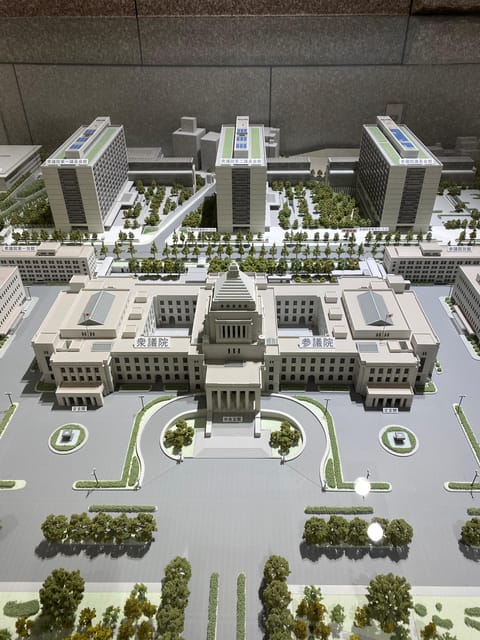
The tour begins with a one-hour guided visit to the National Diet Building. That opening section is the most useful part for anyone who wants more than a quick photograph of the façade.
Inside the National Diet Building
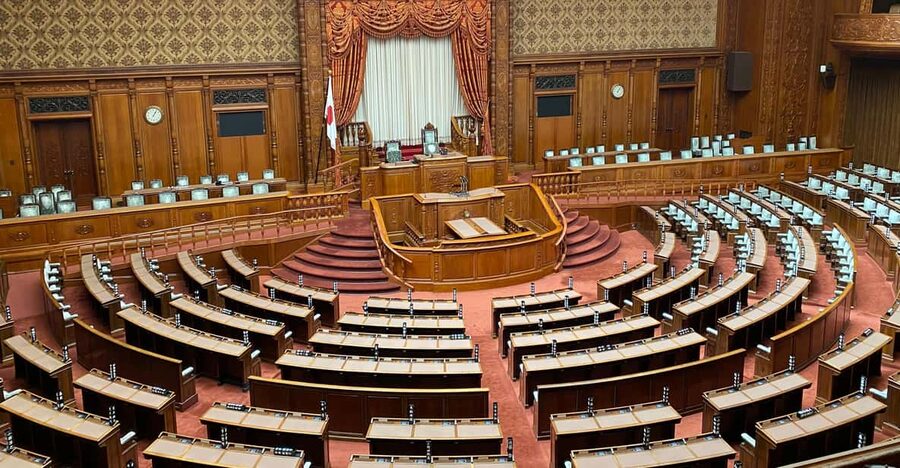
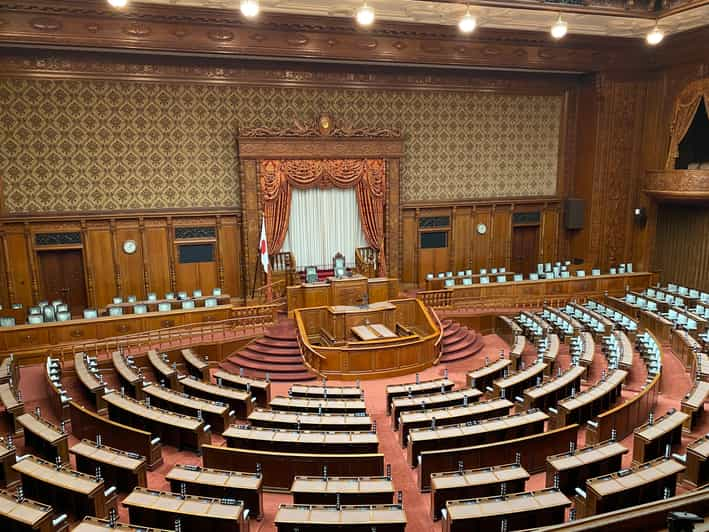
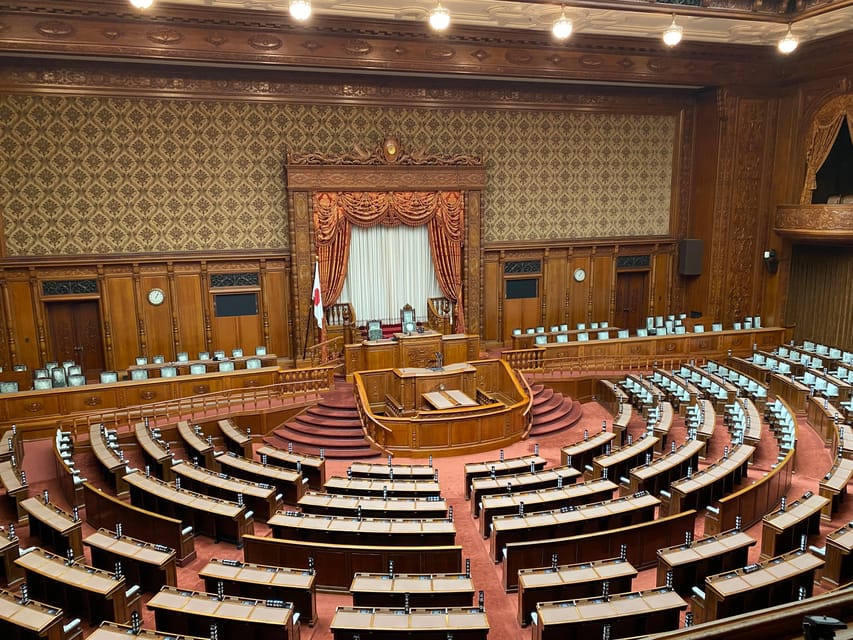
The National Diet Building is known for its grand architecture and its role in Japan’s national government. Inside, the focus is not only on decorative details. Your guide explains the building’s history, the chambers, important political events, and the way the political process works.
The hour goes quickly if you are curious about how Japan is governed. You can ask about voting procedures, the structure of government, and the political decisions made in the building. Several past participants found the chance to talk through the process especially helpful because it turned an unfamiliar system into something easier to picture.
This is also where the small group matters most. In a group of five or fewer, you can ask a follow-up question without feeling as if you are holding up a large crowd. On some dates, the group may be smaller still, even one person, creating a very personal conversation with the guide.
The building visit does involve stairs. That makes comfortable walking shoes more than a polite suggestion. Anyone with limited mobility should take the stair requirement seriously before booking, since the provided information does not promise a fully step-free route.
The political subject matter also shapes the experience. If you want only scenic views and light entertainment, this may feel too instructional. If you enjoy understanding how a country works, the hour gives the rest of the tour more meaning.
Walking fifteen minutes to Hie Shrine
After the Diet Building, you walk for about fifteen minutes to Hie Shrine. The distance is manageable, but it comes after time spent indoors and before another walking section later in the afternoon. Wear shoes suited to pavement and shrine steps rather than stylish but stiff footwear.
Hie Shrine is known as a power spot for career success and matchmaking. That makes it a good counterpoint to the National Diet. At the first stop, you discuss the machinery of government. Here, you see how people seek help, luck, and guidance through Shinto practice.
The guide spends about forty-five minutes showing you around and explaining what you see. This is useful if shrine customs are unfamiliar. You can learn how to worship at a Shinto shrine instead of simply copying the nearest person and hoping for the best.
Same corner of Tokyo, a completely different plan:
- Tokyo: teamLab Planets TOKYO Digital Art Museum Entry Ticket
★ 4.6 · 9,779 reviews - Mt Fuji & Hakone Cruise, Drum Show Bullet Train 1 Day from Tokyo
★ 4.0 · 7,413 reviews - Tokyo: Sumo Show Experience with Chicken Hot Pot and a Photo
★ 4.8 · 6,678 reviews - Tokyo: Shinjuku Food Tour (13 Dishes at 4 Local Eateries)
★ 5.0 · 6,603 reviews
The monkeys and the Thousand Torii Gates
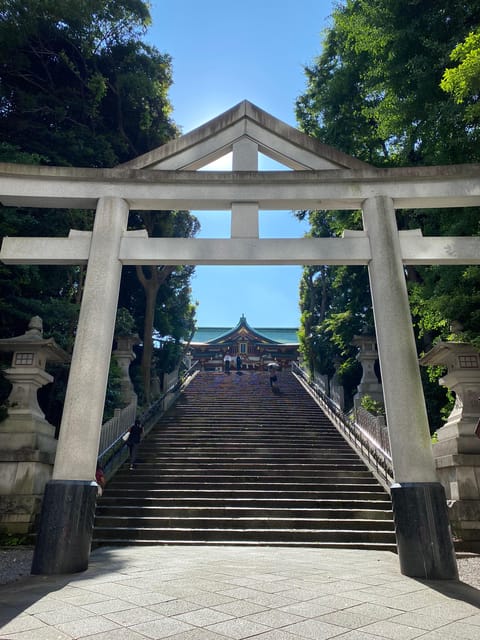
Hie Shrine has a distinctive connection to monkeys. Guardian monkey statues appear at the gate and main hall, while monkey designs also appear on votive tablets and charms. These details give the shrine a clear identity and provide plenty to look for during the visit.
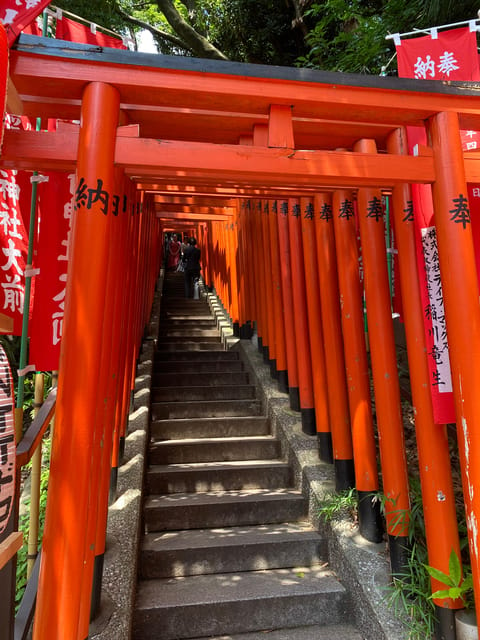
The monkey imagery also makes the shrine feel different from the better-known fox imagery at Fushimi Inari Shrine in Kyoto. The Thousand Torii Gates at Hie Shrine may remind you of Fushimi Inari, but the setting is part of this central Tokyo visit, not a substitute for the Kyoto site.
The torii gates are one of the most memorable visual moments on the route. They offer a compact shrine experience without requiring a separate trip across the country. Your guide can place the gates, monkey symbols, and prayer customs in their cultural setting, which is more useful than simply walking through and taking pictures.
The shrine section is not a long hike, but stairs may be involved. As with the Diet Building, take the walking and steps into account if you have knee, balance, or mobility concerns.
Matcha and sweets at Dobashi-en
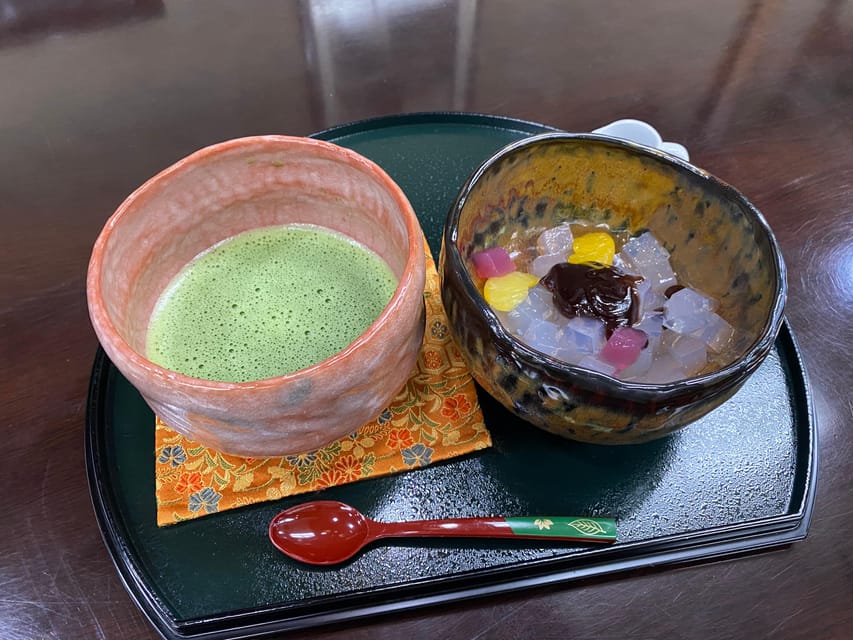
The final walk takes about fifteen minutes and ends at Dobashi-en, a long-established green tea shop. You spend about forty-five minutes here with traditional matcha and Japanese sweets.
This ending is well judged. After the formal setting of the Diet and the steps and paths of Hie Shrine, tea gives you a chance to sit, talk, and let the information settle. The snack is not an afterthought. It adds a direct taste of Japanese tea culture to a tour that has already covered public institutions and religious practice.
You also receive a souvenir tea gift. That small extra makes the $129 price easier to assess, especially if you value an experience that continues after the tour. Do not assume every nearby shop will accept a card, however. Bring cash, since the practical information for this activity warns that some shops may not take credit cards.
The tea stop is best understood as a cultural experience rather than a full meal. If you need lunch, eat beforehand or plan another meal afterward. The supplied details promise tea and local snacks, not a substantial restaurant meal.
What $129 gets you
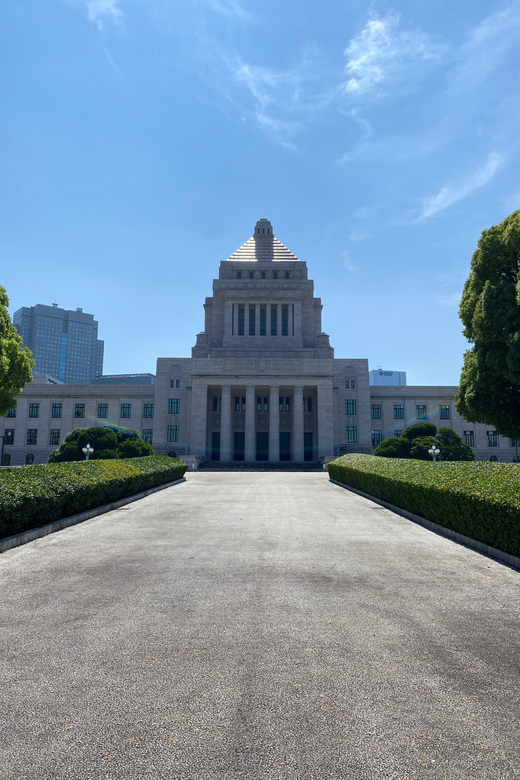
At $129 per person, this is not the cheapest way to spend three hours in Tokyo. You are paying for more than admission, though. The fee includes entry to the National Diet Building, a live English-speaking guide, the Hie Shrine visit, tea and sweets at Dobashi-en, and a souvenir tea gift.
The strongest value comes from the guide’s ability to answer questions. A building visit alone can show you architecture, but it may not explain voting procedures or how political institutions fit together. A shrine visit alone can show you gates and statues, but it may not teach you how to worship or why monkey motifs appear throughout the site.
The group limit of five also matters. A large group can keep the price down, but it usually leaves less space for personal questions. Here, you have a better chance to ask about Japan’s domestic politics, global outlook, social customs, or small details such as why public parks may not have many rubbish bins.
I would recommend the price to someone who values interpretation and personal conversation. If your main goal is to cover as many famous sights as possible, you might spend less by visiting public places on your own. You would also lose the English explanation and the guided access to the Diet Building.
Who will enjoy this experience most
I would choose this tour if you want to understand Japan beyond its postcard sights. It suits first-time visitors who are curious about government, history, Shinto customs, or the way modern Tokyo functions.
It is also a good fit for anyone who enjoys asking questions. The tour is not designed as a silent procession from one photo stop to another. The guide can discuss the political system, shrine etiquette, Japanese customs, and daily life, making the experience more responsive to your interests.
Solo visitors may find the small-group format especially appealing. If you are the only participant on your date, the outing can become an extended one-to-one conversation. Couples and families with older children may also appreciate the manageable three-hour length.
You may want to skip it if you dislike political subjects, have difficulty with stairs, or prefer a relaxed café stop without an educational component. The route is not physically extreme, but it includes walking between locations and stairs at the National Diet Building.
Timing, walking, and practical details
The total duration is three hours. The rough timing is:
- Five minutes on foot from the station to the National Diet Building
- One hour inside the Diet Building
- Fifteen minutes on foot to Hie Shrine
- Forty-five minutes at Hie Shrine
- Fifteen minutes on foot to Dobashi-en
- Forty-five minutes for tea and sweets
The tour finishes at Akasaka-mitsuke Station, written in the meeting information as 赤坂見附駅. That ending is useful because you can continue exploring Akasaka or connect with the rest of Tokyo after the tea stop.
Starting times vary, so you need to check availability for your chosen date. The tour is offered in English and is limited to five participants. The booking terms are friendly for changing plans: cancellation up to 24 hours before the start receives a full refund, and you can reserve now and pay later.
Bring comfortable shoes and some cash. Do not attend if you feel unwell on the day. These are simple points, but they matter more here than on a seated museum visit.
Should you book the Tameike politics tour?
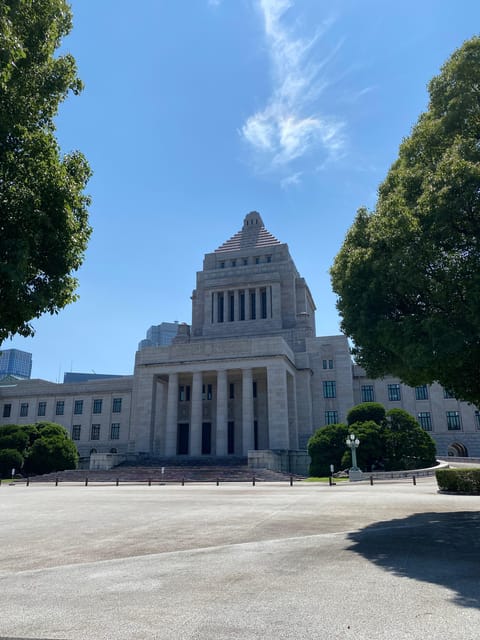
I would book this experience if you want a thoughtful half-day that connects Japanese government, Shinto practice, and tea culture. The National Diet Building gives you access to a part of Tokyo many independent visitors only see from outside, while Hie Shrine and Dobashi-en keep the outing grounded in local customs.
The tour is especially good value for curious people who want a real conversation with an English-speaking guide. Megumi, often known as Meg, has a reputation in the supplied booking details for being kind, clear, and able to discuss both politics and ordinary Japanese life. The five-person limit gives that personal approach room to work.
I would not book it simply to fill three hours with famous sights. This is an educational walking tour, with stairs and a political focus. But if that sounds appealing, the combination is unusual, practical, and hard to reproduce on your own.
FAQ
How long does the Tameike tour last?
The tour lasts three hours, including visits to the National Diet Building and Hie Shrine, walking between stops, and tea and sweets at Dobashi-en.
Where does the tour meet?
The meeting point is Kokkai-gijidōmae Station, Exit 1. The guide wears a navy-blue happi coat.
Where does the tour finish?
The tour finishes at Akasaka-mitsuke Station, written as 赤坂見附駅.
Is the tour offered in English?
Yes. The tour includes a live English-speaking guide.
How many people can join the tour?
It is a small-group experience limited to five participants.
Is tea included?
Yes. The price includes traditional matcha, sweets at Dobashi-en, and a souvenir tea gift.
New on our Tokyo list
- Sumi-e Experience in a relaxing green tea shop in Tokyo★ 5.0 · 3 reviews
- Tokyo : Kamikaze Street Drift Ride★ 5.0 · 3 reviews
- Private Zen Meditation in English in Shinjuku, Tokyo★ 5.0 · 3 reviews
- Onsen Spa in Tokyo and Asakusa Bar Hopping with Local Guide★ 5.0 · 3 reviews
- Easy for everyone! Now you can play handmade mini shamisen and show off to everyone! Musical instruments, sweets and live music★ 5.0 · 3 reviews
- Tokyo: Private Tsukiji Street Food & Sake with Local Guide★ 5.0 · 3 reviews
- Mt Fuji Exploration Tour with Free Japanese Kusa Mochi from Tokyo★ 4.5 · 3 reviews
- Tokyo Tsukiji Fish Market Walking and Exploring Hidden Gems Tour★ 5.0 · 3 reviews
Tours, compared.
Mt Fuji and Hakone 1-Day Bus Tour Return by Bullet Train
Read our review →
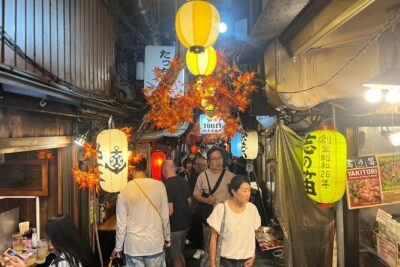
Shinjuku Food Tour (13 Dishes at 4 Local Eateries)
Read our review →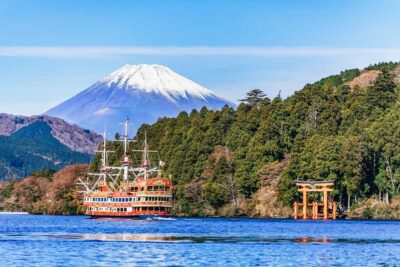
Tokyo Mt Fuji 5th St & Hakone Cruise Bus Tour w/Bullet Train
Read our review →
Flagship 2-Hours Official Street Go-Kart Tour – Tokyo Bay Shop
Read our review →
Mt. Fuji Tour, Hakone Ropeway, Owakudani, Lake Ashi
Read our review →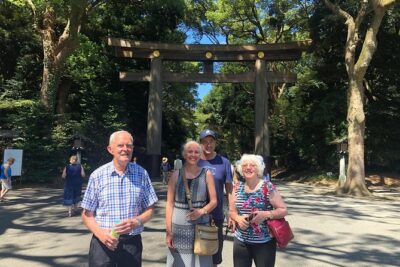
Tokyo 6hr Private Tour with Government-Licensed Guide
Read our review →