Reviewed · TOURS
Tokyo Cyberpunk Street Photo Tour
Tokyo looks made for night photography, but neon alone does not guarantee a good picture. This small-group walk gives you a better chance of bringing home sharp, well-composed images from Kabukicho, Omoide Yokocho, and Shibuya Crossing, rather than a memory card full of blurry signs.
I like two things here. First, the guide works with both full cameras and phones, so you do not need expensive gear. Second, the group is capped at four people, which leaves room for hands-on help with settings, framing, and long exposure. The main caution is the pace: one participant found the guide too fast and lost the group, so stay close and speak up if you need a slower walk.
In This Review
- Key points at a glance
- Why Tokyo after dark works so well for photographs
- Starting in Kabukicho, Shinjuku’s neon core
- Omoide Yokocho and the value of tighter frames
- Taking the train from Shinjuku to Shibuya
- Photographing Shibuya Crossing
- What the instruction is really like
- How to prepare for a better evening
- Who will get the most from this tour
- Is the Tokyo Cyberpunk Street Photo Tour worth booking?
- FAQ
- How long does the Tokyo Cyberpunk Street Photo Tour last?
- What time does the tour start?
- Where does the tour begin?
- Where does the tour end?
- Which places are included?
- Is the train fare included?
- Can I use a smartphone instead of a camera?
- How large is the group?
- Is a professional photography instructor included?
- What happens if bad weather cancels the tour?
Key points at a glance
- Long-exposure practice at Shibuya Crossing: Learn how to turn moving crowds and traffic into flowing lines of light.
- Three strong night locations: Photograph Kabukicho, Omoide Yokocho, and the neon streets around Shibuya.
- Useful for smartphone photographers: Guides have helped visitors improve iPhone contrast, exposure, framing, and focus lock.
- Small group, maximum four people: The format allows personal help with Canon, Fuji, and other camera systems.
- A practical mini-course: Expect demonstrations followed by time to try the technique yourself.
- Price for two people: At $184.99 per group of up to two, the value is strongest when shared by a couple or two friends.
Why Tokyo after dark works so well for photographs
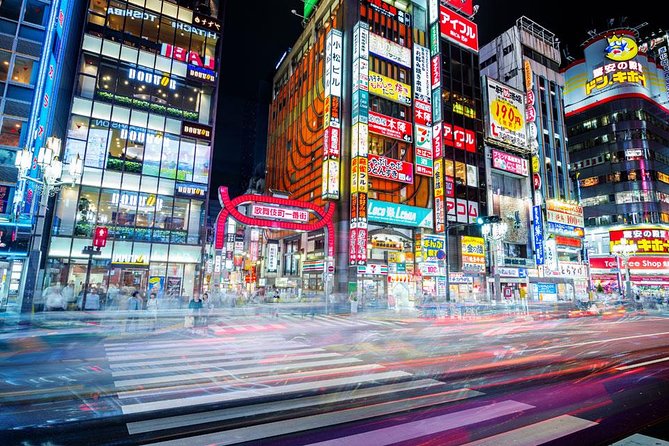
Tokyo at night gives you layers to work with: glowing signs, moving people, narrow lanes, reflective surfaces, and bright station districts. Shinjuku and Shibuya are not just places to photograph, they are working parts of the city, full of commuters, nightlife, restaurants, and entertainment venues.
That matters because good street photography depends on timing and composition. A guide can point out where to stand, what to include at the edge of the frame, and when a passing crowd will add energy rather than block the subject. You still need patience, but you spend less time wandering in search of a usable angle.
This is also a useful first-night activity. It begins in Shinjuku at 7 p.m., when the area is lit up and active, and ends near Shibuya Station. You get an introduction to two major city districts while learning a skill you can use for the rest of your trip.
The experience is listed as about three hours, while the detailed description calls it roughly two and a half hours. The difference may reflect walking, train transfer, and the time spent taking pictures. Plan for an evening commitment rather than a tightly timed class.
A few more Tokyo bookings worth comparing
- Mt Fuji and Hakone 1-Day Bus Tour Return by Bullet Train
★ 5.0 · 26,383 reviews - 1-Day Tokyo Bus Tour
★ 5.0 · 14,250 reviews - Tokyo: TOKYO SKYTREE® Admission ticket
★ 4.5 · 11,192 reviews
Starting in Kabukicho, Shinjuku’s neon core
The meeting point is outside Happy Lemon Keio Shinjuku Shop at 1-chōme-1-4 Nishishinjuku. Shinjuku Station is huge, so allow extra time to find the correct exit and shop. One participant arrived near the station early but still reached the group late because the meeting point was hard to locate.
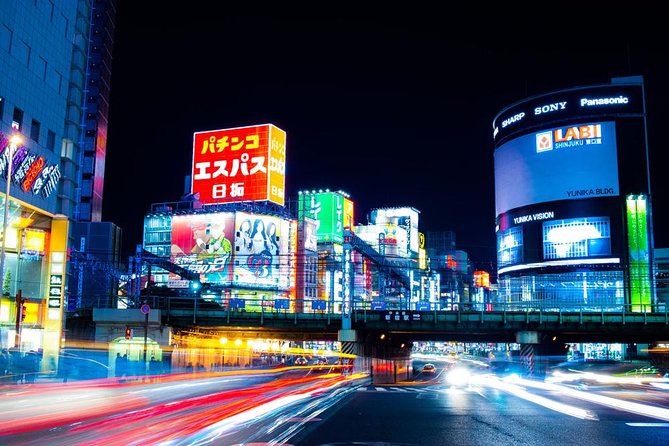
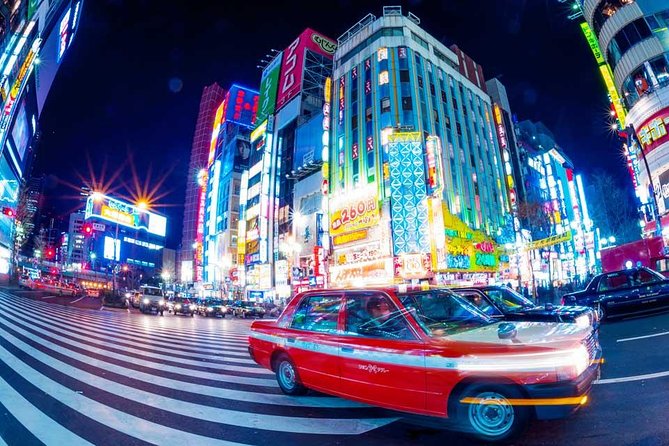
At 7 p.m., the tour moves into Kabukicho, where illuminated signs and evening foot traffic provide the first set of subjects. This is a good place to get comfortable with the camera before tackling the larger crowds of Shibuya. Your guide can help you set shutter speed, exposure, and focus for low-light conditions.
The first hour is especially useful if you are new to night photography. You can test how your camera handles bright signs against dark streets, then make adjustments before the most famous stop later in the evening. If you use a phone, the guide can show you how to control exposure and avoid letting neon lights wash out the whole image.
Kabukicho is also a place where composition matters more than simply pointing at the brightest sign. Look for layers: a person crossing in front of a sign, a narrow view down a side street, or a frame that combines several colors. The guide’s role is to help you notice those choices.
Do not expect a long cultural tour of Shinjuku. The focus is photography. You will receive some local insight, but the evening is built around finding and making images.
Omoide Yokocho and the value of tighter frames
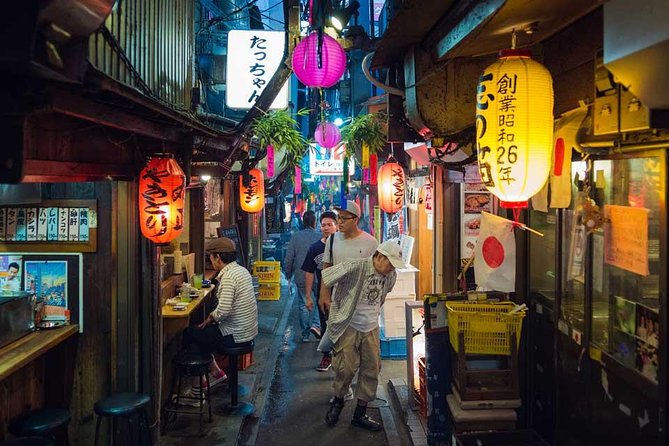
The tour spends about 30 minutes at Omoide Yokocho, also called Memory Lane. Its narrow paths and small dining spots offer a change from Kabukicho’s large signs and open streets.
This stop is useful because it teaches a different kind of night photography. Instead of photographing broad city scenes, you can work with close details, repeating lines, warm light, and compressed spaces. A narrow lane gives you natural frames, but it also makes it harder to avoid clutter. Your guide can suggest where to stand and what to leave out.
The short visit means you should arrive ready to shoot. You may not have time for a long search for the perfect angle, especially if the group is moving toward Shibuya afterward. Keep your camera accessible and make small adjustments rather than changing your entire setup for every frame.
A tripod is suggested in the practical advice for the tour, especially if you want very slow shutter speeds. Still, the supplied information does not say that one is provided, so bring your own if you plan to use one. A camera with some control over shutter speed or overall exposure will give you more room to experiment.
Taking the train from Shinjuku to Shibuya
The move to Shibuya is made by train, with the fare paid separately. This is a small but important cost to remember, since the tour price covers the photography instructor, not every transport expense.
The train transfer also changes the mood of the evening. Shinjuku gives you glowing signs and tighter streets. Shibuya brings wider views, heavier pedestrian movement, and the famous intersection. Keep your group together during the transfer and through the station crowds.
One of the strongest practical points in the feedback is that a good guide will keep checking that everyone is together. That matters in Shibuya, where it is easy to lose sight of a small group. At the same time, the experience depends on communication. If the walking pace feels too quick, tell the guide at once rather than trying to catch up silently.
Same corner of Tokyo, a completely different plan:
- Tokyo: teamLab Planets TOKYO Digital Art Museum Entry Ticket
★ 4.6 · 9,779 reviews - Mt Fuji & Hakone Cruise, Drum Show Bullet Train 1 Day from Tokyo
★ 4.0 · 7,413 reviews - Tokyo: Sumo Show Experience with Chicken Hot Pot and a Photo
★ 4.8 · 6,678 reviews - Tokyo: Shinjuku Food Tour (13 Dishes at 4 Local Eateries)
★ 5.0 · 6,603 reviews
Photographing Shibuya Crossing
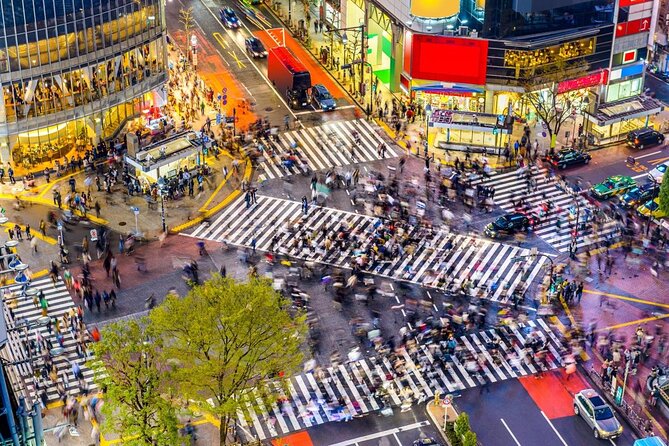
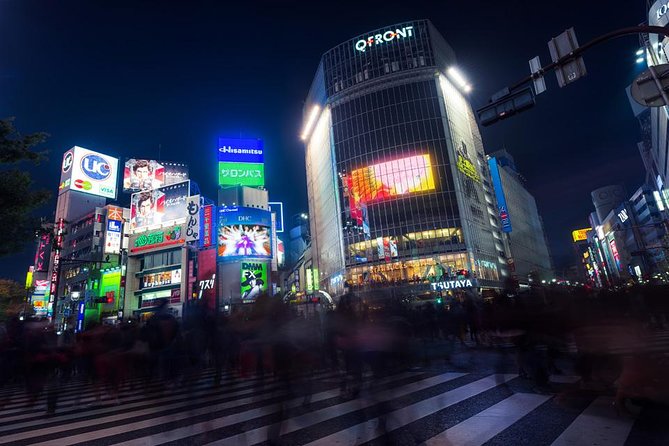
The tour allows about 45 minutes at Shibuya Crossing. This is the visual centerpiece, but it is not automatically the best place for every photograph. The crossing is famous because of its scale and movement, so your challenge is to find a fresh way to show it.
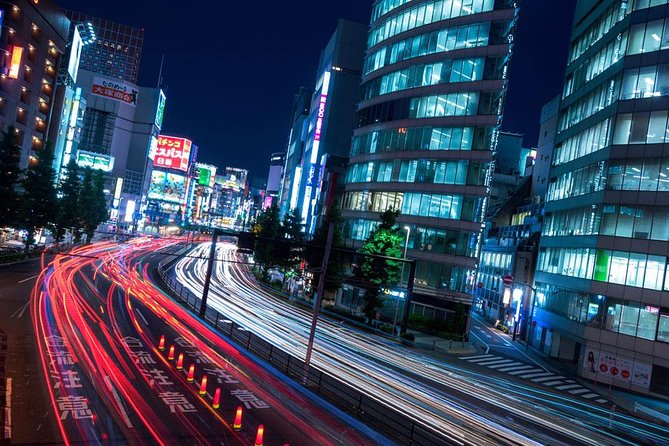
Long exposure is the main technique here. With the right settings, moving people can become soft streaks while the surrounding lights remain visible. A slow shutter can also turn vehicle lights into lines, though bright signage may require careful exposure control.
Your guide can help you choose a position and adjust settings. Several participants valued being shown a workable shooting spot instead of having to spend the whole visit searching. That is where the small-group setup earns its keep: a guide can look at your screen and give a direct correction.
If you are using an iPhone, you can still take part. The instruction has included practical phone tips such as adjusting contrast, controlling the frame, and using the focus or exposure lock. You will not have the same manual control as a dedicated camera, but you can still make stronger night images by managing light instead of relying only on automatic mode.
The crossing is also a good test of patience. The crowd changes every few seconds, so take several versions of the same composition. A guide may help you get the technical settings right, but the best moment still depends on your timing.
The location has a film connection as well. Shibuya Crossing is associated with Blade Runner, which helps explain its futuristic, neon-heavy appeal. The reference is a fun bit of context, but the stop is valuable even if you have never seen the film.
What the instruction is really like
This is best understood as a walking workshop, not a formal photography course. The most effective teaching pattern described by participants is simple: the guide demonstrates a technique, you practice it, and then you receive corrections.
Charles is praised for being patient, cheerful, and attentive to each person. Lukasz, also called Luke in one account, has helped photographers with different cameras and has been especially good at explaining changes they can repeat later. Stephane is described as patient and accommodating, with a focus on composition and making images more distinctive.
Because guides may vary, your exact teaching style will depend on who leads the evening. The common thread is hands-on help rather than a lecture. You should be ready to show your screen, ask questions, and try the advice immediately.
The tour suits a complete beginner, but it also has value for someone who already knows basic camera controls. Experienced photographers can get help with night exposure, long shutter speeds, and finding better positions in crowded spaces. The guide has worked with Canon and Fuji cameras, among others, but the available information does not promise support for every model.
The small group maximum is four, while the price is $184.99 for up to two people. That is not a cheap casual walk, but it is a reasonable shared cost if you and a partner want private-style instruction without booking a fully private photo shoot. For one person, the price feels harder to justify unless improving your night photography is a main goal.
How to prepare for a better evening
Bring the camera or smartphone you plan to use for the rest of your trip. The value comes from learning on your own equipment, not borrowing unfamiliar gear.
If you use a dedicated camera, manual or semi-manual control over shutter speed or exposure will help. A tripod may be useful for long exposures, but it is not included. Keep your kit light enough for several hours of walking and train travel.
Arrive early. The meeting point is near a very large station, and finding the right shop can take longer than expected. Have the address ready and contact the operator if you need more precise directions.
Wear shoes suited to city walking and keep your gear secure in crowded areas. The route finishes at 2-chōme-2-1 Dōgenzaka in Shibuya, near the station, so you do not return to Shinjuku.
The tour requires good weather. If poor weather causes cancellation, you are offered another date or a full refund. If you cancel for your own reason or request a change, the payment is non-refundable, so confirm your plans before booking.
Who will get the most from this tour
I would choose this for a photographer who wants direct help in real city conditions. You do not need advanced skills, and you do not need a large camera. An interest in taking better pictures is enough.
It is also a good match for a couple sharing the $184.99 group price. Two people can take turns shooting and reviewing images while still getting personal attention. A solo photographer may enjoy the instruction, but should weigh the higher per-person cost.
This is less suitable if you want a broad guided tour of Tokyo’s neighborhoods. The evening gives you some local context, but its purpose is to make photographs. One rating described the walk as adequate for seeing the city but limited as a cultural experience. That is a fair distinction.
It may also disappoint if you want a relaxed stroll. The route covers Shinjuku, Omoide Yokocho, and Shibuya, with a train transfer and crowded walking areas. Keep close to the guide, especially if you are not familiar with Tokyo’s stations.
Is the Tokyo Cyberpunk Street Photo Tour worth booking?
I would book it if you want to improve your night images and prefer learning by doing. The combination of Kabukicho’s signs, Omoide Yokocho’s tight lanes, and Shibuya Crossing gives you several types of subjects in one evening.
The strongest value is the instruction. Charles, Lukasz, Stephane, and the other listed guides have helped with camera settings, phone controls, composition, and long exposure. You should not expect a guaranteed collection of perfect images, but you will have better tools for making them.
Book with care if you dislike fast walks, find large stations stressful, or want a history-focused tour. Arrive early, confirm the meeting point, stay with the group, and tell the guide what you want to learn. For the right photographer, this is a focused and practical way to see Tokyo at night.
FAQ
How long does the Tokyo Cyberpunk Street Photo Tour last?
The experience is advertised at about three hours. The detailed schedule describes a photo adventure of roughly two and a half hours, so plan for around an evening of walking, shooting, and transit.
What time does the tour start?
The tour starts at 7 p.m.
Where does the tour begin?
It begins at Happy Lemon Keio Shinjuku Shop, 1-chōme-1-4 Nishishinjuku, Shinjuku City, Tokyo 160-0023, Japan.
Where does the tour end?
It ends at 2-chōme-2-1 Dōgenzaka, Shibuya, Tokyo 150-0043, Japan.
Which places are included?
The route includes Kabukicho District, Omoide Yokocho, and Shibuya Crossing. It also includes travel by train from Shinjuku to Shibuya.
Is the train fare included?
No. The train fare to Shibuya is paid separately.
Can I use a smartphone instead of a camera?
Yes. The guide can provide photography tips for a smartphone, including help with composition and exposure controls.
How large is the group?
The tour has a maximum of four people. The listed price is $184.99 per group for up to two people.
Is a professional photography instructor included?
Yes. A professional photography instructor is included.
What happens if bad weather cancels the tour?
If the operator cancels because of poor weather, you can receive a different date or a full refund. The experience is otherwise non-refundable and cannot be changed for personal cancellation or amendment requests.
New on our Tokyo list
- From Tokyo: Mount Fuji & Hakone Full Day Private Tour★ 4.9 · 25 reviews
- Tokyo Spectacular View Day-Cruise in 90 Minutes★ 5.0 · 25 reviews
- 2.5 Hour-Guided Cycle Tour in the Central Tokyo★ 5.0 · 25 reviews
- Real Tokyo Runner Club : Daikoku Car Meet Night Tour with JDM Car★ 5.0 · 25 reviews
- Ramen Making from Scratch +Akihabara Tour –Cooking Class★ 5.0 · 25 reviews
- [Self-Drive] Tokyo & Daikoku Custom Car Driving Tour★ 4.9 · 25 reviews
- Tokyo: 2-Hour Night Bike Tour of the City’s Hidden Gems★ 4.9 · 25 reviews
- Samurai themed Entertainment show in Shinjuku★ 4.5 · 25 reviews
Tours, compared.
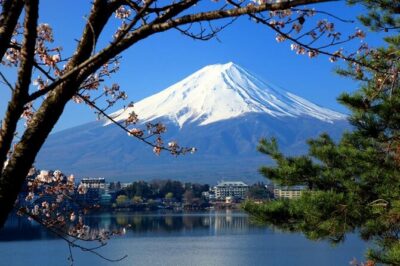
Mt Fuji and Hakone 1-Day Bus Tour Return by Bullet Train
Read our review →
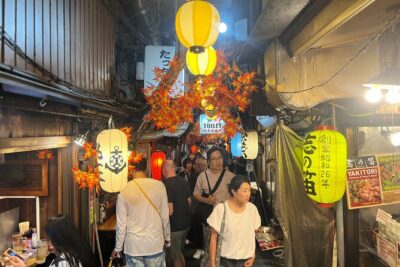
Shinjuku Food Tour (13 Dishes at 4 Local Eateries)
Read our review →
Tokyo Mt Fuji 5th St & Hakone Cruise Bus Tour w/Bullet Train
Read our review →
Flagship 2-Hours Official Street Go-Kart Tour – Tokyo Bay Shop
Read our review →
Mt. Fuji Tour, Hakone Ropeway, Owakudani, Lake Ashi
Read our review →
Tokyo 6hr Private Tour with Government-Licensed Guide
Read our review →