Reviewed · TOURS
Tokyo: Edo Castle & East Garden of the Imperial Palace Tour
The most fascinating part of this two-hour walk is that Tokyo’s modern center gives way to the grounds of Edo Castle, where shoguns once ruled Japan. You’ll follow old walls, foundations, gates, gardens, and stories that help turn a quiet green space into a stage for power, ceremony, and palace life.
I like the slow walking pace, which gives you time to look around rather than hurry from one point to the next. I also like the way guides use pictures, stories, and cultural details to explain what has disappeared, with guides such as Hitoshi, Naoko, Shigeru, and Mikio earning especially warm praise for their clear English and personal care.
The main thing to understand is that this is not a tour of the Imperial Palace itself. The Inner Palace is closed to the public, and the East Gardens are closed on Mondays and Fridays, so check the day before booking. At $42 per person, you are paying for interpretation and company in a free garden, not for a costly admission ticket.
In This Review
- Key points to know before you book
- Why Edo Castle makes this garden walk worthwhile
- Starting at Wadakura Fountain Park
- Inside the East Gardens: castle remains and quiet paths
- History becomes easier with a guide
- Garden design, plants, and the famous koi
- What you will not see
- Is $42 a fair price?
- Who should book this two-hour tour?
- Practical tips for a smoother visit
- Should you book the Edo Castle East Garden Tour?
- FAQ
- Where does the tour meet?
- How long does the tour last?
- Is the Inner Imperial Palace included?
- On which days are the East Gardens closed?
- Is the tour offered in English?
- Is admission to the garden included?
Key points to know before you book
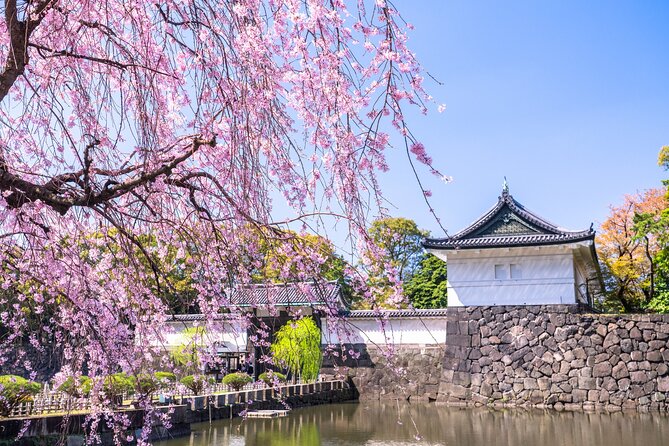
- Edo Castle beneath modern Tokyo: Walk across the former grounds where shoguns governed Japan.
- English guidance with real historical context: Guides explain the Edo period, the imperial family, architecture, plants, and customs.
- A gentle two-hour outing: The route is designed for looking, listening, and taking photographs, not racing through a checklist.
- The famous koi fish: Keep an eye out for the garden’s unusual and much-loved koi.
- Meet at Wadakura Fountain Park: Find the guide in front of the fountain and look for the Gotcha sign.
- Closed Mondays and Fridays: The East Gardens do not open on those days, and the Inner Palace is not part of the visit.
Why Edo Castle makes this garden walk worthwhile
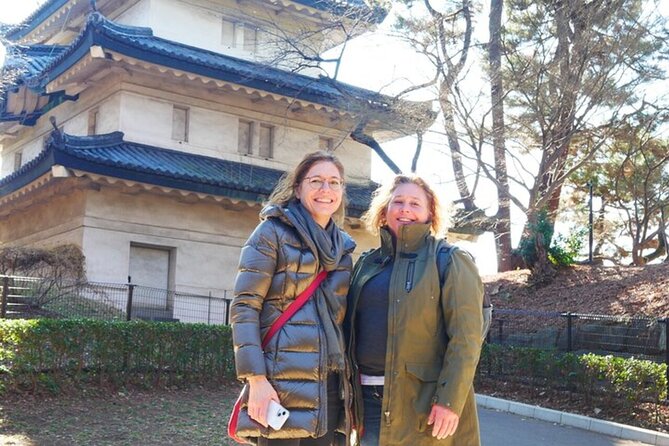
Tokyo can feel like a city of trains, towers, shopping streets, and flashing signs. The East Gardens offer a different view of the capital. They occupy the main grounds of Edo Castle, the political center of Japan during the shogun era, and they let you connect present-day Tokyo with the period when the country was ruled by military leaders.
You won’t see a complete castle rising above the trees. Much of Edo Castle is gone, and that is precisely where a guide earns the $42 fee. Without help, you may see a broad stone base, a wall, a gate, or a carefully planted garden and move on. With a guide, those remains become clues.
Guides use old photographs and visual material to show how the site once looked. Mikio, for example, was praised for explaining former buildings and telling stories about shoguns, daimyo, and ninjas even when little of the original structure remained. That kind of explanation gives the walk purpose. You are not simply touring a park. You are learning how to read the remains of a lost castle town.
The setting also makes the subject easier to absorb. You can pause under trees, look across open lawns, and listen to the guide explain how the grounds changed from military headquarters to imperial property. The walk links Japanese political history with gardens, architecture, ceremony, and daily culture.
A few more Tokyo bookings worth comparing
- Mt Fuji and Hakone 1-Day Bus Tour Return by Bullet Train
★ 5.0 · 26,383 reviews - 1-Day Tokyo Bus Tour
★ 5.0 · 14,250 reviews - Tokyo: TOKYO SKYTREE® Admission ticket
★ 4.5 · 11,192 reviews
Starting at Wadakura Fountain Park
The meeting point is in front of the fountain at Wadakura Fountain Park. Look for a guide holding a sign marked Gotcha. This is a useful detail because the area around the Imperial Palace is open and spacious, and a clear meeting signal saves you from wandering around asking for help.
The tour begins outside the East Gardens, then moves into the former castle grounds. The exact starting time depends on availability, so you need to check when booking. Give yourself enough time to reach Wadakura Fountain Park, especially if this is your first visit to the palace area.
At the entrance, visitors are subject to a baggage inspection. Pack lightly if you can. The operator gives a specific warning about Japanese knives or similar items bought in Tsukiji, Asakusa, or elsewhere. If you plan to shop for such items before the tour, leave them in a coin locker or another secure place before arriving.
That rule is easy to overlook during a day of sightseeing. It can also affect your schedule, so plan shopping around the tour rather than assuming you can carry everything through the entrance.
Inside the East Gardens: castle remains and quiet paths
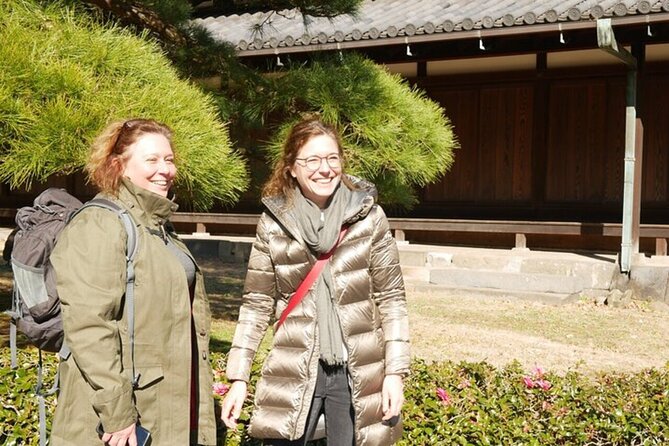
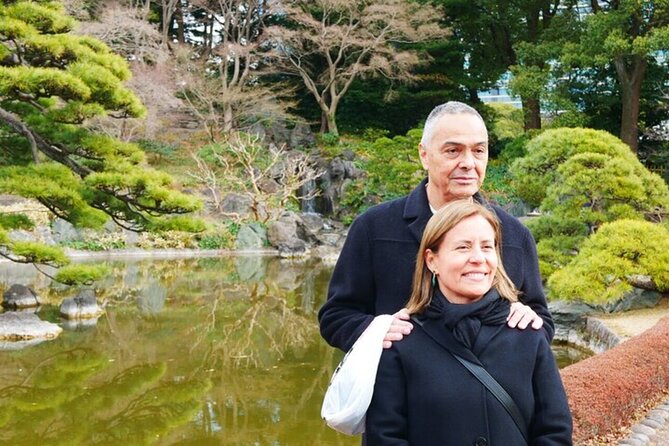
The East Gardens are the heart of the experience. This is where you walk through the former grounds of Edo Castle and hear about the shoguns who ruled Japan from this site.
A good guide will help you notice the relationship between stonework, open space, planted areas, and surviving structures. The gardens are not only pretty. They reflect the importance of the castle and the way power was displayed through scale, access, walls, entrances, and formal spaces.
The tour is described as leisurely, and the repeated praise for its pace is important. You should expect a steady walking visit rather than a hard march. Mike from the United Kingdom called it a slow-paced walk, while several other people appreciated having time to stop and ask questions.
This pace works well if you want to take pictures or are traveling with older family members. Naoko received special praise for patiently leading a group of eight seniors, and Hitoshi took particular care with a visitor who used a wheelchair. Those examples do not guarantee identical arrangements for every group, but they suggest that it is worth telling the operator about your needs when booking.
The garden can also work for families. One guide, Hitoshi, made the subject accessible to a nine-year-old child by explaining Japanese history in an engaging way. Children who enjoy stories about castles, warriors, and unusual animals may get more from this tour than from a silent walk through formal gardens.
History becomes easier with a guide
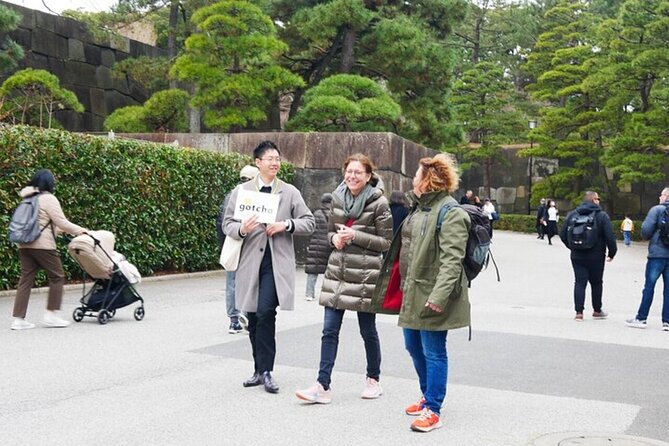
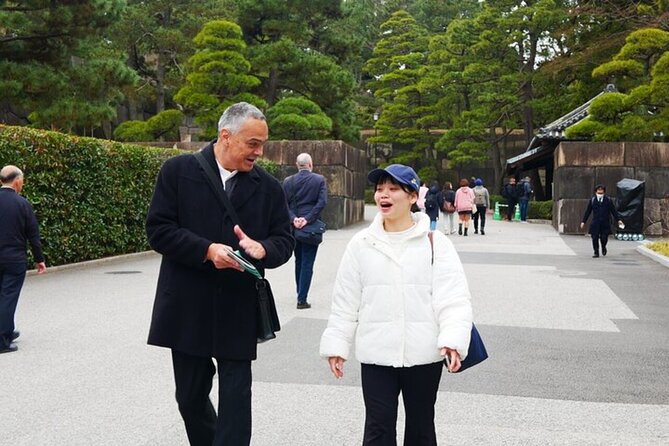
The strongest feature here is the human explanation. You can enter the East Gardens on your own, but the grounds do not automatically explain themselves. A guide gives you a basic timeline, then adds the small details that make the setting memorable.
Shigeru was praised for giving a useful introduction to Japanese history before entering the gardens and then adding cultural facts along the route. Masahito was singled out for being patient, well prepared, and good humored. Ayako focused on the gardens’ significance, plants, and lesser-seen details. These are different guiding styles, but they point to the same benefit: the tour is not limited to naming buildings.
You might hear about the shogun era, the imperial family, Japanese culture, castle architecture, trees, plants, and the way the site changed over time. The exact emphasis will depend on your guide and your questions.
That variation is normal on a live walking tour. It can be a strength because you are speaking with a person rather than listening to a fixed recording. If you are curious about the imperial family, ask about that. If you care more about gardens or castle design, say so. Several guides were praised for answering questions and adjusting to the group’s interests.
The best guides also help with the practical side of Tokyo. Hitoshi and other guides were appreciated for walking people toward a subway station or helping them find their next activity after the tour. That is a welcome bonus, though you should treat it as personal courtesy rather than a guaranteed part of the advertised route.
Same corner of Tokyo, a completely different plan:
- Tokyo: teamLab Planets TOKYO Digital Art Museum Entry Ticket
★ 4.6 · 9,779 reviews - Mt Fuji & Hakone Cruise, Drum Show Bullet Train 1 Day from Tokyo
★ 4.0 · 7,413 reviews - Tokyo: Sumo Show Experience with Chicken Hot Pot and a Photo
★ 4.8 · 6,678 reviews - Tokyo: Shinjuku Food Tour (13 Dishes at 4 Local Eateries)
★ 5.0 · 6,603 reviews
Garden design, plants, and the famous koi
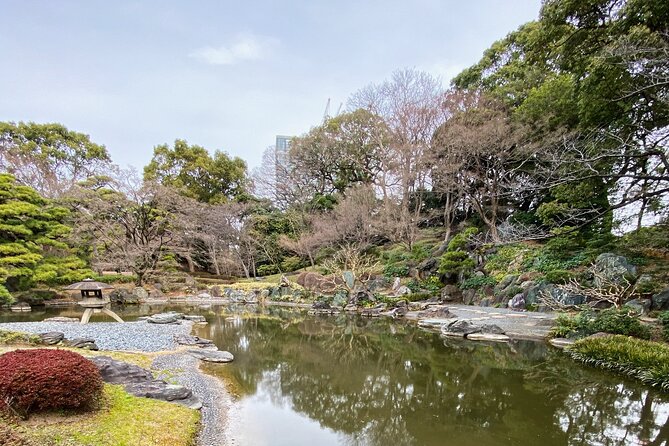
The East Gardens give you more than political history. You will also spend time with Japanese garden design, planted areas, open views, and water features.
The garden portion provides a useful change of pace. After hearing about shoguns and castle walls, you can focus on the arrangement of trees and plants, seasonal color, and the way a garden can frame a historic site. The guides point out details you might pass without noticing, including the significance of particular trees and plants.
The koi are one of the tour’s distinctive details. The experience specifically highlights a one-of-a-kind magical breed of koi, so keep your eyes open near the garden’s water areas and ask your guide to point them out. The information provided does not identify the breed, and it is best not to expect a formal fish presentation. Think of the koi as a memorable detail within the larger walk.
The garden’s appeal will vary with the season and weather. Cherry blossoms can add extra color in spring, and Masahito went out of his way to show one group blossoms in a nearby park. That stop was not described as a standard part of the route, so regard it as a possible extra rather than a promise.
Rain does not necessarily ruin the visit. One group completed the walk in heavy rain and still found the guide’s explanations worthwhile. Still, bring suitable rainwear and shoes if the forecast looks poor. Much of the experience takes place outdoors, and wet paths can make a two-hour walk less comfortable.
What you will not see
The name Imperial Palace can create the wrong expectation. This tour does not take you inside the Inner Palace, and the main palace buildings are not open to the public as part of this activity.
Instead, you visit the East Gardens on the former grounds of Edo Castle. You should book this tour for the history, castle remains, garden setting, and guided interpretation, not for an interior palace visit or a royal residence tour.
That limitation is not a flaw in the tour itself, but it matters when comparing options. If your main goal is to see palace interiors, this will not meet it. If you want a calm historical walk in central Tokyo, the East Gardens are the right focus.
The gardens are also closed on Mondays and Fridays. Do not treat those as flexible sightseeing days. Choose another date, or you may arrive at a closed entrance.
Is $42 a fair price?
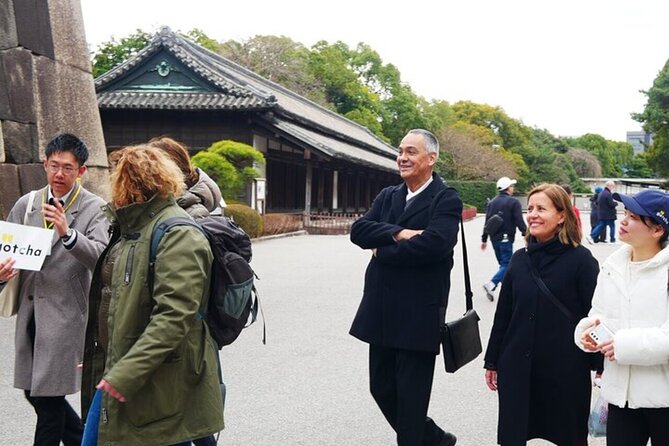
The East Gardens themselves are free to enter, which makes the price question straightforward. At $42, the admission value comes from the live English-speaking guide, not from access to an exclusive paid monument.
For an independent visitor who enjoys reading signs and doing background research, the price may feel high for two hours in a free garden. Mateo made exactly this comparison, noting that the same amount could cover a full-day excursion to Nikko or Mount Fuji. That is a fair concern.
I see better value if you are new to Japanese history, short on time, or want an organized introduction before visiting other sites. Two hours is long enough to establish the main story without taking over your day. It also gives you a useful starting point for understanding Tokyo’s transition from Edo-period rule to the modern capital.
The value rises for families, older visitors, or anyone who wants a slower pace. A guide can answer questions, take photographs, show visual aids, help with directions, and adjust the rhythm of the walk. Those extras are not the same as admission, but they can make the experience easier and more rewarding.
Free cancellation up to 24 hours before the start and a reserve-now, pay-later option also reduce the risk of fitting this into a changing Tokyo schedule. Still, compare the price with your own priorities. If you want a major day trip, spend the money elsewhere. If you want a focused history lesson in a peaceful central setting, $42 is reasonable.
Who should book this two-hour tour?
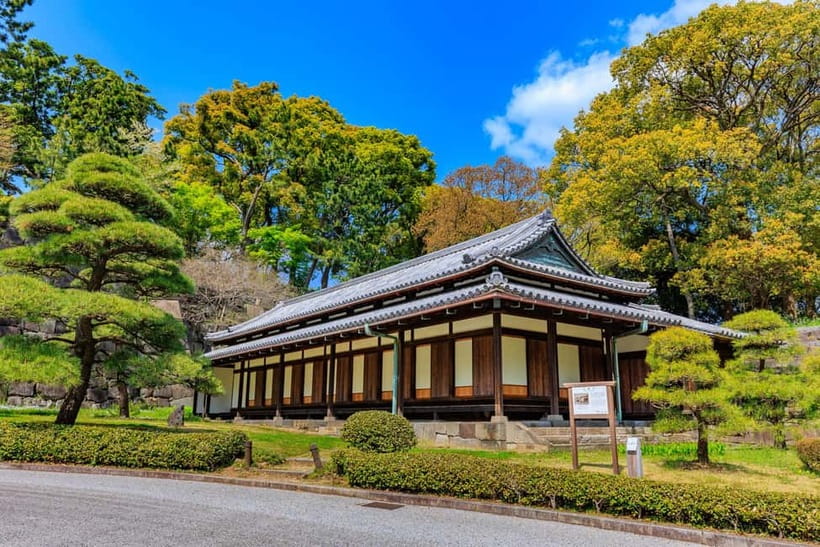
I would choose this walk for a first visit to Tokyo when I want historical context without giving up half a day. It also suits anyone who looks at old walls and castle foundations and wants to understand what they are seeing.
It is a good match for:
- Families who want Japanese history explained in plain English
- Older people who prefer a measured pace and frequent stops
- Visitors interested in shoguns, emperors, castle sites, and gardens
- People who like taking photographs but want help finding meaningful views
- Anyone who wants a short activity near central Tokyo
It may not suit you if you dislike guided groups, prefer to explore alone, or expect to enter the palace. The route is outdoors, the garden has closure days, and the tour is short enough that it offers an introduction rather than a full study of Japanese history.
Guide quality is an important part of the experience. The strongest feedback centers on Hitoshi, Naoko, Shigeru, Masahito, Mikio, Ayako, and several other guides who were praised for clear English, patience, cultural insight, and help beyond the formal route. You cannot usually choose your guide, but the high overall rating of 4.7 from 112 ratings suggests a reliable standard.
Practical tips for a smoother visit
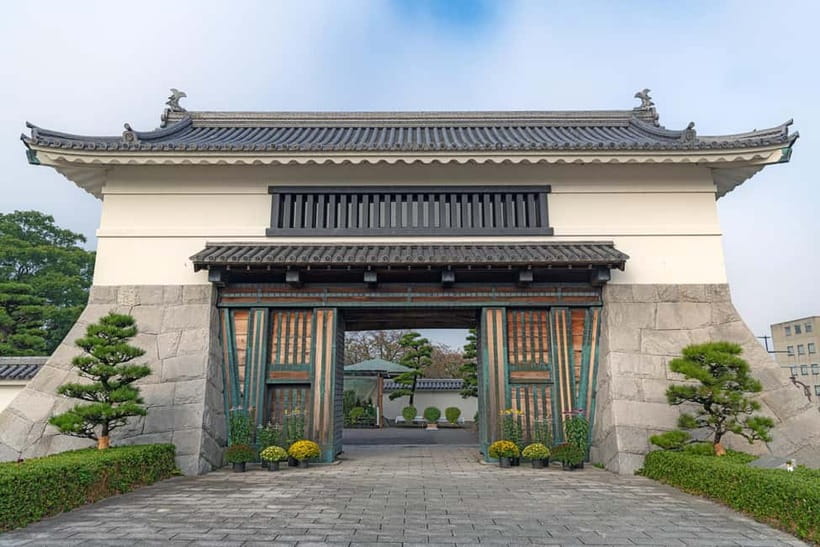
Wear comfortable shoes. Two hours is not a strenuous trek, but you will be walking outdoors and stopping often.
Arrive at Wadakura Fountain Park with time to find the fountain and the Gotcha sign. Keep your bags easy to inspect, and do not bring knives or similar items through the entrance.
Check the calendar before you pay. The East Gardens are closed Mondays and Fridays, and the Inner Palace is not included on any day.
Bring weather protection. A sunny day will make the gardens more pleasant, but the tour can still work in rain if you dress for it. Ask your guide about photo stops, seasonal plants, and the koi, since those small details can make the walk more personal.
If you have mobility needs, tell the operator ahead of time. Hitoshi was praised for assisting a wheelchair user, and other guides adjusted their pace for seniors and small groups. The provided information does not promise a fully accessible route, so advance communication is the sensible approach.
Should you book the Edo Castle East Garden Tour?
Book it if you want the East Gardens to make sense, not just look attractive. The walk turns castle foundations, walls, plants, and open spaces into a connected story about shoguns, emperors, and Tokyo’s past.
Skip it if you mainly want to enter the palace or if $42 feels too steep for a free garden. For everyone else, especially first-time visitors, families, and history-minded people, this is a well-paced introduction with strong English guidance and plenty of room for questions. The combination of Edo Castle remains, garden scenery, koi, and a helpful local guide makes two hours a sensible use of a Tokyo morning or afternoon.
FAQ
Where does the tour meet?
Meet your guide in front of the fountain at Wadakura Fountain Park. The guide will be holding a sign that says Gotcha.
How long does the tour last?
The guided walking tour lasts two hours and returns to Wadakura Fountain Park.
Is the Inner Imperial Palace included?
No. The tour visits the East Gardens on the former grounds of Edo Castle, but it does not enter the Inner Palace.
On which days are the East Gardens closed?
The East Gardens are closed on Mondays and Fridays.
Is the tour offered in English?
Yes. The activity includes a live English-speaking guide.
Is admission to the garden included?
The walking tour includes the guide and the East Gardens visit. The garden itself is free to enter, so the $42 price pays mainly for the guided experience and historical interpretation.
New on our Tokyo list
- From Tokyo: Mount Fuji & Hakone Full Day Private Tour★ 4.9 · 25 reviews
- Tokyo Spectacular View Day-Cruise in 90 Minutes★ 5.0 · 25 reviews
- Real Tokyo Runner Club : Daikoku Car Meet Night Tour with JDM Car★ 5.0 · 25 reviews
- 2.5 Hour-Guided Cycle Tour in the Central Tokyo★ 5.0 · 25 reviews
- Ramen Making from Scratch +Akihabara Tour –Cooking Class★ 5.0 · 25 reviews
- [Self-Drive] Tokyo & Daikoku Custom Car Driving Tour★ 4.9 · 25 reviews
- Tokyo: 2-Hour Night Bike Tour of the City’s Hidden Gems★ 4.9 · 25 reviews
- Samurai themed Entertainment show in Shinjuku★ 4.5 · 25 reviews
Tours, compared.
Mt Fuji and Hakone 1-Day Bus Tour Return by Bullet Train
Read our review →
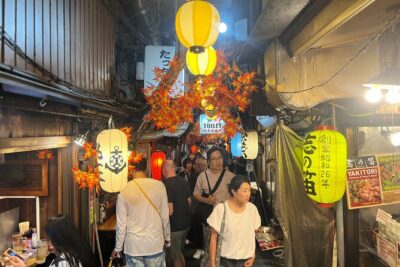
Shinjuku Food Tour (13 Dishes at 4 Local Eateries)
Read our review →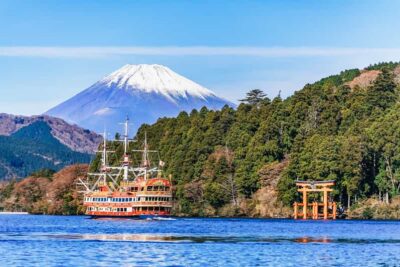
Tokyo Mt Fuji 5th St & Hakone Cruise Bus Tour w/Bullet Train
Read our review →
Flagship 2-Hours Official Street Go-Kart Tour – Tokyo Bay Shop
Read our review →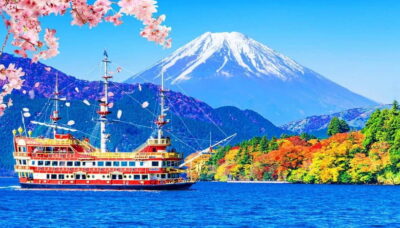
Mt. Fuji Tour, Hakone Ropeway, Owakudani, Lake Ashi
Read our review →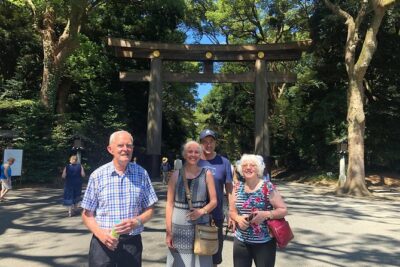
Tokyo 6hr Private Tour with Government-Licensed Guide
Read our review →