Reviewed · TOURS
Tokyo Full Course Tour: Explore 10 Must-See Sights & Hidden Gems
Tokyo is easiest to understand when you connect its very different neighborhoods in one day. This tour does just that, moving from quiet Meiji Shrine to noisy Shibuya, old Tsukiji, imperial Marunouchi, electric Akihabara, and temple-filled Asakusa.
I like the small maximum group of five, which gives Sam, Takashi, or another local guide room to answer questions and keep the metro moves organized. I also like the practical lesson built into the day: you learn how to use Tokyo public transport while seeing places you might struggle to connect on your own.
The catch is simple: this is a serious walking day. Some people found the pace brisk and the full seven hours tiring, while others found it comfortable. Your enjoyment will depend on your shoes, stamina, and tolerance for a tightly packed schedule.
In This Review
- Key points to know before booking
- Why this route works for a first Tokyo day
- 9:30 at Yoyogi, then the quiet paths of Meiji Shrine
- Harajuku brings fashion and youth culture
- Hachiko and Shibuya Crossing
- Tsukiji combines lunch, worship, and food culture
- The Imperial Palace is an outside view
- Marunouchi and Tokyo Station show modern Tokyo
- Akihabara switches to Japanese subculture
- Senso-ji and Asakusa finish the day with old Tokyo
- The guides make the transport practical
- How tiring is seven hours?
- Is $78.18 good value?
- Who should book this Tokyo day?
- FAQ
- How long does the Tokyo Full Course Tour last?
- Where does the tour begin?
- Where does the tour end?
- Is transportation included?
- Is lunch included?
- How large is the group?
- What happens if bad weather cancels the tour?
- Should you book it?
Key points to know before booking
- Ten major Tokyo areas in one day: The route covers Meiji Shrine, Harajuku, Shibuya, Tsukiji, the Imperial Palace area, Marunouchi, Tokyo Station, Akihabara, and Asakusa.
- Sam and Takashi are named guides: Sam is especially noted for clear English, cultural explanations, and easy subway instruction. Takashi has also adjusted the route helpfully for an individual guest.
- The metro is part of the lesson: Transportation is not included, so you pay your own fares and should prepare a Suica or PASMO card.
- Lunch is separate: Sushi at Tsukiji is expected to cost about $13, though restaurant pricing and choice may vary.
- The route runs from Yoyogi to Asakusa: You begin at 9:30 a.m. near Yoyogi Station and finish at Asakusa Station.
- Expect a fast, active day: The tour suits people with moderate physical fitness who are happy to walk and stay with the guide.
Why this route works for a first Tokyo day
Tokyo can feel like several cities stitched together. A shrine path may lead to a youth fashion street, which leads to a giant crossing, which leads to a fish market. Then the mood shifts again to palace walls, office towers, electronics shops, and one of Japan’s best-known Buddhist temples.
That contrast is the main value here. You are not spending the whole day in one district. Instead, you get a working introduction to Tokyo’s religious life, royal symbolism, food culture, shopping districts, public transport, and modern pop culture.
At $78.18 per person, the tour is reasonably priced for a seven-hour guided day, particularly with a group capped at five. Still, the price does not include metro fares, lunch, snacks, or drinks. You are paying for route planning and local guidance, not an all-inclusive package.
I see this as a useful orientation day early in a Tokyo visit. Afterward, you can return to the neighborhoods that caught your interest and explore them at a slower pace.
A few more Tokyo bookings worth comparing
- Mt Fuji and Hakone 1-Day Bus Tour Return by Bullet Train
★ 5.0 · 26,383 reviews - 1-Day Tokyo Bus Tour
★ 5.0 · 14,250 reviews - Tokyo: TOKYO SKYTREE® Admission ticket
★ 4.5 · 11,192 reviews
9:30 at Yoyogi, then the quiet paths of Meiji Shrine
The day begins at Yoyogi Station at 9:30 a.m. Be on time. Late arrivals are not allowed to join, and there is no refund for missing the start.
Meiji Jingu offers a calm opening. Its wooded approach and traditional setting provide a clear contrast with the city streets nearby. You have about 30 minutes here, enough to see the main area and hear about the shrine’s place in Japanese society and history.
This is also where the guide’s cultural role matters. The tour is not only a photo stop. You can learn about shrine etiquette, Japanese values, and how daily life connects with religious custom. Take your time with the basic manners, such as how to behave at a shrine, because these small details make later visits more meaningful.
The short stop means you will not have time for a slow wander through every path. If Meiji Shrine is a personal priority, you may want to return independently.
Harajuku brings fashion and youth culture
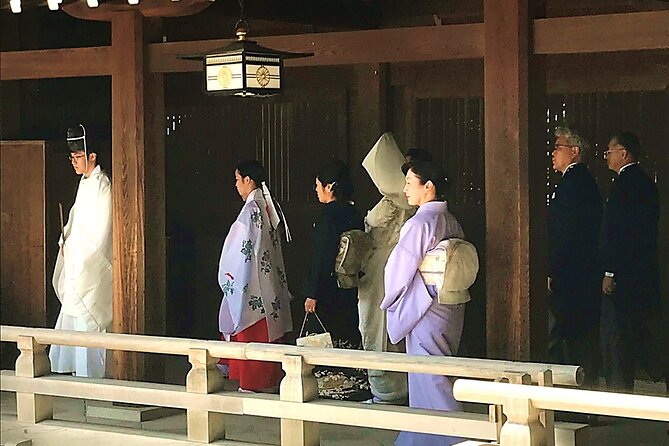
Harajuku is listed as an optional fashion-street stop, with about 30 minutes available. The contrast with Meiji Shrine is the point: within a short walk, the setting shifts from solemn and traditional to youthful and commercial.
You may get a quick look at the area’s fashion culture and street life. The schedule does not allow for a long shopping session, so think of this as a first look rather than a retail outing.
That limitation is useful for a broad overview, but less useful if you want to browse shops, buy clothing, or spend time sampling every side street. Keep your purchases light. You still have much of Tokyo ahead of you.
Hachiko and Shibuya Crossing
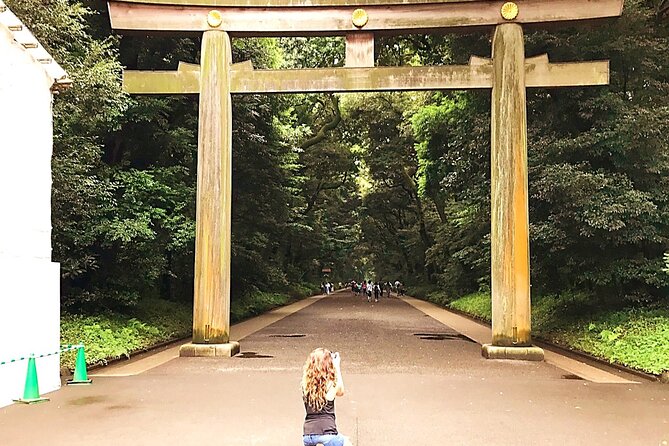
The route then heads to Hachiko, the famous dog statue, followed by Shibuya Scramble Crossing. Each stop receives roughly 30 minutes.
Hachiko is a small stop with a large place in Tokyo’s public memory. Your guide can explain why the statue matters and how it became a meeting point. It is also a practical landmark in one of the city’s busiest areas.
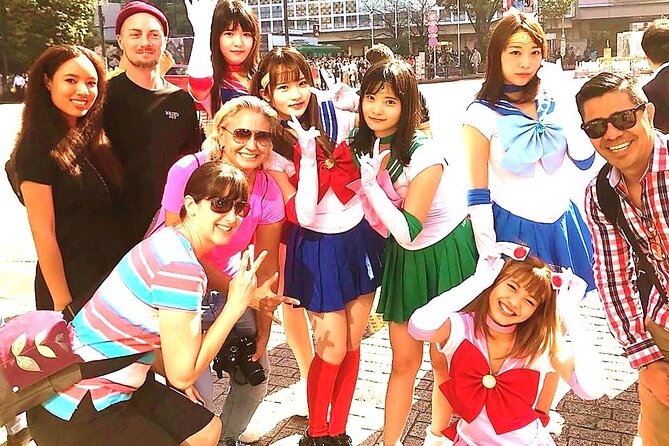
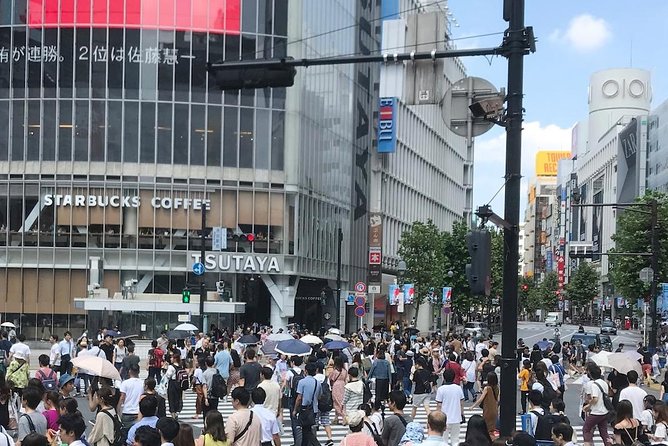
At Shibuya Crossing, you get the classic Tokyo scene: several streams of people moving across the intersection from every direction. The experience is less about a single monument and more about seeing how the city handles density, timing, and movement.
The guide helps you understand the area instead of simply pointing at the crossing. You can also ask about Japanese public manners and everyday routines. This is one of the places where Sam’s approach has been especially useful, with clear explanations and a good sense of how to keep the group moving.
Thirty minutes is enough for a look, photos, and context. It is not enough for department-store shopping or a long cafe break.
Same corner of Tokyo, a completely different plan:
- Tokyo: teamLab Planets TOKYO Digital Art Museum Entry Ticket
★ 4.6 · 9,779 reviews - Mt Fuji & Hakone Cruise, Drum Show Bullet Train 1 Day from Tokyo
★ 4.0 · 7,413 reviews - Tokyo: Sumo Show Experience with Chicken Hot Pot and a Photo
★ 4.8 · 6,678 reviews - Tokyo: Shinjuku Food Tour (13 Dishes at 4 Local Eateries)
★ 5.0 · 6,603 reviews
Tsukiji combines lunch, worship, and food culture
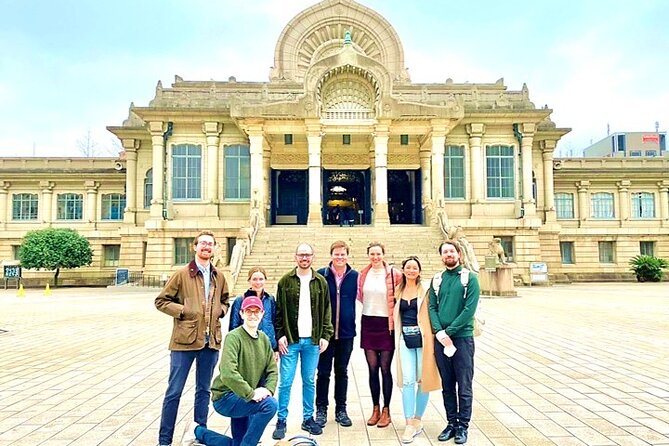
Tsukiji is one of the more useful sections of the day because it combines a meal with a traditional market area and a temple visit.
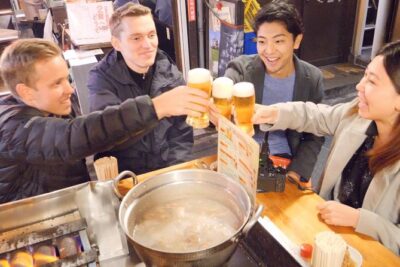
Lunch comes first at a sushi restaurant, with an estimated cost of about $13. Food is not included, and you should carry cash. The exact restaurant experience can affect your impression of this portion. One person found the selected restaurant more expensive than expected and would have preferred more choice, so ask your guide what the lunch plan is if restaurant flexibility matters to you.
After eating, you visit Tsukiji Hongwanji Temple. Its distinctive architecture and active religious setting offer a different view of Tokyo from the shrines earlier in the day. You have around 30 minutes, which is enough to look around and hear about the temple’s role.
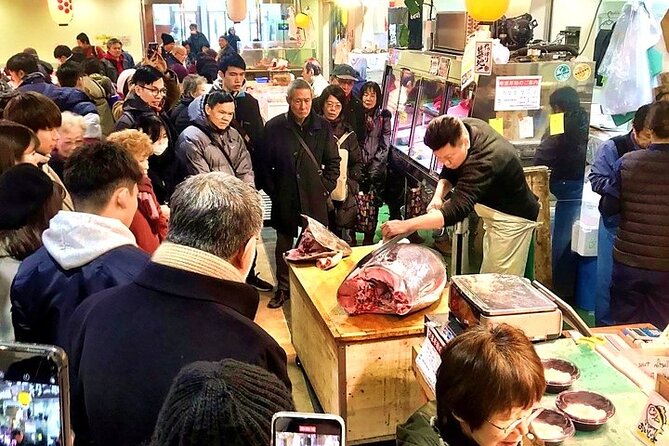
The traditional Tsukiji fish market area follows. This is a good place to notice how food fits into city life. You may find stalls, small shops, and local specialties, but the supplied schedule does not promise tastings or specific purchases. Bring cash if you hope to buy food.
The market stop can be busy and crowded, and lunch uses part of the available time. That is a fair trade if you want a broad introduction. It is less ideal if your main goal is a long, leisurely food crawl.
The Imperial Palace is an outside view
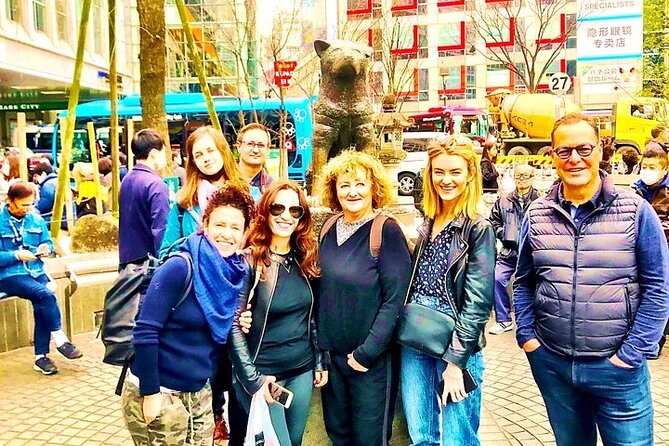
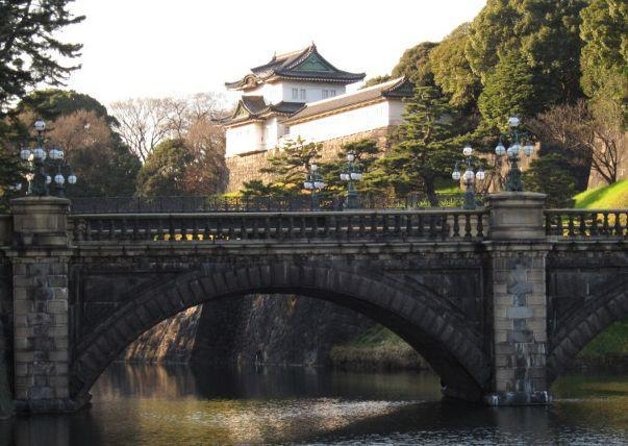
The Imperial Palace portion is a walk outside the grounds, with about 30 minutes set aside. Do not book this expecting an interior palace tour or a long garden visit.
The value lies in the setting and explanation. You see the formal exterior area and learn about the imperial institution, Japanese history, and the way tradition fits into the modern capital. Your guide can give context that is difficult to get from a quick photo stop.
This is another place where the schedule favors breadth. You will see the area, not explore every corner of it. If you want a slower palace visit, plan a separate outing.
Marunouchi and Tokyo Station show modern Tokyo
Marunouchi is described as the center of Japan’s economy. The area gives you a look at Tokyo’s business side, with major offices and wide city spaces near the palace district.
The route continues to Tokyo Station’s Marunouchi forecourt. Tokyo Station is one of the city’s key transport hubs, and seeing it with someone who understands the system is useful. The station can be confusing, even when you know where you want to go, so the guide’s explanations about public transport have practical value beyond this tour.
This section also helps connect old and new Tokyo. Imperial grounds sit close to financial offices, commuter routes, department stores, and a major rail station. You get to see the capital as a place where ceremony and commerce operate side by side.
Again, the 30-minute stop is an introduction. You will not have time to investigate the entire station complex or shop around Marunouchi.
Akihabara switches to Japanese subculture
Akihabara brings a sharp change in mood. The district is associated with electronics, games, anime, manga, and other parts of Japanese subculture. The tour allows about 30 minutes here.
This is a useful stop if you are curious about modern Japanese entertainment but do not know where to begin. Your guide can explain what you are seeing and point out the character of the area without requiring you to plan a route through it yourself.
The short visit will not satisfy a serious collector. You will not have time to compare shops carefully or hunt for a specific item. Think of Akihabara as a guided introduction, then return on your own if you want a full shopping session.
Senso-ji and Asakusa finish the day with old Tokyo
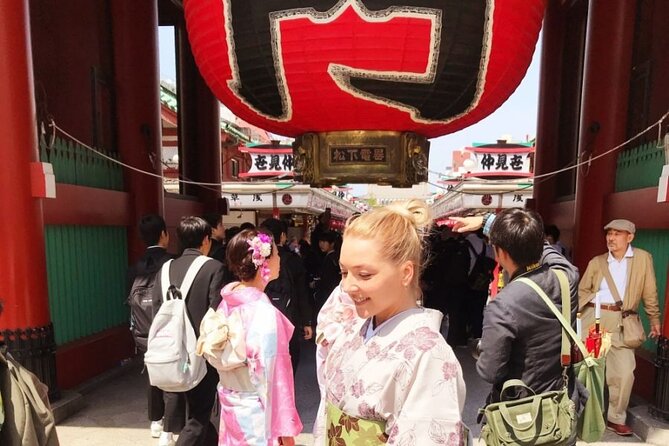
The final major area is Asakusa, home to Senso-ji, Tokyo’s oldest Buddhist temple according to the tour description. This is one of the city’s most popular sights, and the approach gives you a strong finish after the modern districts earlier in the day.
Senso-ji offers a chance to learn about Buddhist practice, temple etiquette, and the traditions that remain part of city life. Nearby Asakusa Shrine adds another layer, since the temple and shrine represent different religious traditions within the same historic area.
The tour gives about 30 minutes to each listed stop. That is enough to see the key points and learn the basics, but the area deserves more time if you enjoy architecture, street food, souvenirs, or quiet observation.
You finish at Asakusa Station, not back at Yoyogi. This is convenient if you plan to continue sightseeing in eastern Tokyo, but remember that you are responsible for your own return route or onward metro fare.
The guides make the transport practical
The strongest part of the experience is the human guidance. Sam is repeatedly singled out for good English, preparation, warmth, and clear explanations of Japanese history and culture. He also teaches simple Japanese words and makes the subway feel less intimidating.
Takashi has also shown flexibility by changing the route for one guest. That matters because Tokyo days rarely go perfectly, especially when weather, energy levels, or personal interests get in the way.
The route uses both walking and metro travel. Fares are not included, so prepare a Suica or PASMO card before arrival and keep cash available for food and other small costs. The provider warns that transportation and city streets can be confusing, even for Japanese residents. That is precisely why a small guided group can save time.
You must stay with the guide. If you separate from the group, the host cannot search for you, and there is no refund. This is not a flexible hop-on, hop-off outing.
How tiring is seven hours?
Plan for a full day on your feet. The tour requires a moderate level of fitness, and several stops involve walking between stations, streets, shrines, and market areas.
The pace may feel sensible to one person and rushed to another. You have roughly 30 minutes at many stops, plus the time needed to navigate the metro. That structure keeps the route moving, but it leaves little room for sitting down or lingering.
Wear comfortable shoes. Eat a sensible breakfast. Carry water, cash, and a charged phone. If you tire easily, have knee or mobility concerns, or prefer long meals and slow museum visits, this may not be your best Tokyo day.
The tour does not accept people who are unwell or under the influence of alcohol. Anyone under 18 must be with a guardian, and children under 13 require a private-tour request.
Is $78.18 good value?
For a maximum of five people, $78.18 is a fair price if you want route planning, local explanation, and help with the metro. The tour fee includes consumption tax, but not transportation or food.
The real value is time. Tokyo’s rail system is efficient but complicated, and linking this many districts alone can consume much of a day. A local guide can show you the basic layout and help you avoid spending your first hours trying to decode stations.
The tradeoff is depth. You are paying for access to many areas, not extended time at each one. Add the sushi lunch, metro fares, drinks, and possible snacks to your budget. If you would rather focus on two or three neighborhoods, a slower private visit may suit you better.
Who should book this Tokyo day?
I would choose this tour if you are visiting Tokyo for the first time, have only a few days, and want a strong sense of the city’s range. It is also useful if public transport makes you nervous or if you want cultural explanations rather than a simple list of photo stops.
It suits active adults and older children who can walk for much of the day. The small group is a real advantage for questions and navigation.
I would skip it if you want freedom to choose lunch, spend an hour shopping in Harajuku, linger at Senso-ji, or stop whenever your feet need a break. The fixed route and no-refund late-arrival rule require commitment.
The experience needs good weather. If poor weather causes cancellation, you are offered another date or a full refund. Otherwise, the booking is non-refundable and cannot be changed.
FAQ
How long does the Tokyo Full Course Tour last?
The tour lasts approximately seven hours.
Where does the tour begin?
It begins at Yoyogi Station, at 1 Chome-34 Yoyogi, Shibuya, Tokyo. The start time is 9:30 a.m.
Where does the tour end?
The tour ends at Asakusa Station, at 1-chōme-1-3 Asakusa, Taito City, Tokyo.
Is transportation included?
No. You pay your own transportation expenses. A Suica or PASMO transport card is recommended.
Is lunch included?
No. Food and drinks are separate. Sushi lunch is estimated at about $13, and you should have cash ready.
How large is the group?
The tour has a maximum of five travelers.
What happens if bad weather cancels the tour?
You will be offered a different date or a full refund if the experience is canceled because of poor weather.
Should you book it?
Book this tour if you want to see a wide slice of Tokyo in one active day and prefer having Sam, Takashi, or another local guide handle the route and explain the culture. The small group, practical subway instruction, and mix of temples, markets, business districts, and modern subculture give you a useful first map of the city.
Just go in with the right expectations. This is not a slow stroll. It is a fast-moving introduction to twelve named stops, with your own transport and lunch costs added. Bring good shoes, an IC card, cash, and enough energy to stay with the group until Asakusa.
New on our Tokyo list
- Sumi-e Experience in a relaxing green tea shop in Tokyo★ 5.0 · 3 reviews
- Tokyo : Kamikaze Street Drift Ride★ 5.0 · 3 reviews
- Private Zen Meditation in English in Shinjuku, Tokyo★ 5.0 · 3 reviews
- Onsen Spa in Tokyo and Asakusa Bar Hopping with Local Guide★ 5.0 · 3 reviews
- Easy for everyone! Now you can play handmade mini shamisen and show off to everyone! Musical instruments, sweets and live music★ 5.0 · 3 reviews
- Tokyo: Private Tsukiji Street Food & Sake with Local Guide★ 5.0 · 3 reviews
- Mt Fuji Exploration Tour with Free Japanese Kusa Mochi from Tokyo★ 4.5 · 3 reviews
- Tokyo Tsukiji Fish Market Walking and Exploring Hidden Gems Tour★ 5.0 · 3 reviews
Tours, compared.
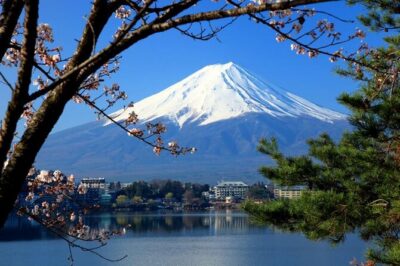
Mt Fuji and Hakone 1-Day Bus Tour Return by Bullet Train
Read our review →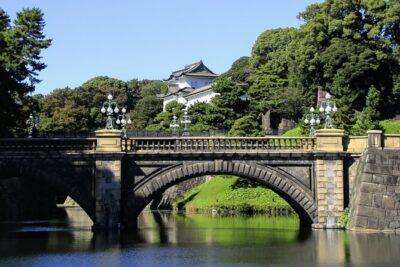
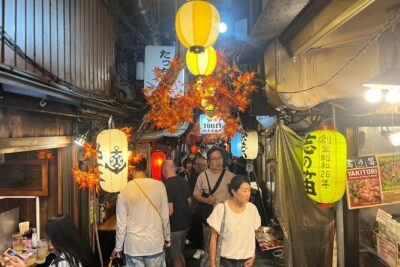
Shinjuku Food Tour (13 Dishes at 4 Local Eateries)
Read our review →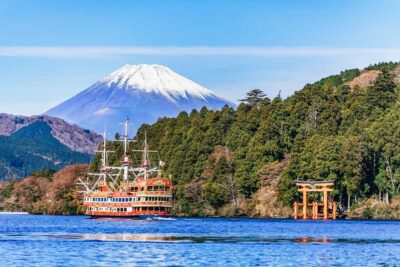
Tokyo Mt Fuji 5th St & Hakone Cruise Bus Tour w/Bullet Train
Read our review →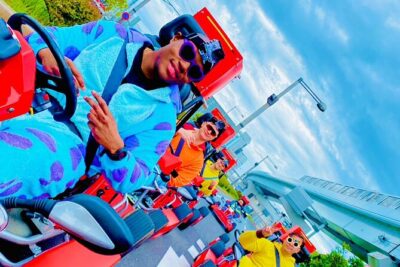
Flagship 2-Hours Official Street Go-Kart Tour – Tokyo Bay Shop
Read our review →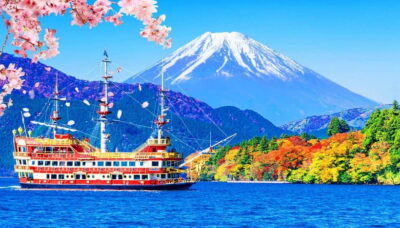
Mt. Fuji Tour, Hakone Ropeway, Owakudani, Lake Ashi
Read our review →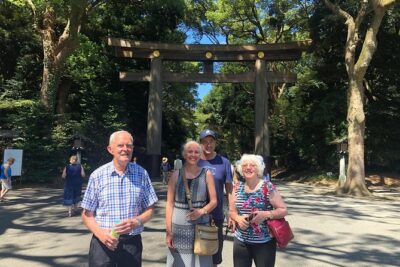
Tokyo 6hr Private Tour with Government-Licensed Guide
Read our review →