Reviewed · TOURS
Tokyo: Full Course Tour: Explore 10 Must-Sees & Hidden Gems
Tokyo rewards curiosity, but its size can eat up your first day. This seven-hour walking and metro tour gives you a quick working map of the city, from the quiet forest of Meiji Jingu to Shibuya’s famous crossing, Tsukiji’s food stalls, old Asakusa, and neon Akihabara.
I like two things right away: the route mixes famous sights with ordinary local stops such as Seven-Eleven, and the small group of no more than seven people leaves room for questions. I also like that Sam and Yasuko have been praised for explaining etiquette, history, transport, and daily life rather than simply pointing at buildings.
The trade-off is simple: you cover a lot of ground. Expect around 20,000 steps, metro changes, and brief visits instead of long, quiet time at each site. If you have back trouble, low fitness, a pregnancy, or limited mobility, this is not the right day out.
In This Review
- Key points at a glance
- Why this makes sense on your first day
- Starting at Yoyogi and meeting Tokyo’s convenience stores
- Meiji Jingu, a forest break in central Tokyo
- Shibuya through Hachiko and the scramble crossing
- Tsukiji Honganji and lunch among the market stalls
- The Imperial Palace, Marunouchi, and Tokyo Station
- Akihabara and the everyday side of pop culture
- Sensoji and Asakusa’s older Tokyo
- What the seven hours really feel like
- Is $77 a fair price?
- Who should book this Tokyo day?
- My take: a fast, useful introduction to Tokyo
- FAQ
- How long does the Tokyo tour last?
- How many people can join the group?
- What language is the tour conducted in?
- Where does the tour meet?
- Are transportation fares included?
- Are food and drinks included?
- Are entrance tickets required for the attractions?
- What should I bring?
- Does the tour operate in the rain?
- Can I cancel for a full refund?
- Is the tour suitable for people with mobility issues?
Key points at a glance
- Up to 10 major Tokyo stops: The day links Meiji Jingu, Shibuya, Tsukiji, the Imperial Palace area, Akihabara, and Asakusa.
- A useful first-day orientation: You learn how to use Tokyo’s trains, behave in shrines and temples, and find food and shops later on your own.
- Born-and-raised Japanese guides: Sam and Yasuko are two named guides praised for clear explanations and kind, helpful service.
- All listed attractions are free to enter: Your main extra costs are transport, food, and drinks.
- A very active schedule: Plan for roughly 20,000 steps, rain or shine, with comfortable shoes and no large luggage.
- Good for a short stay: The tour suits a first visit, a stopover, or anyone who wants to choose which areas deserve a longer return visit.
Why this makes sense on your first day
Tokyo can feel less like one city than a collection of separate cities joined by rail. Meiji Jingu, Shibuya, Tsukiji, the Imperial Palace, Akihabara, and Asakusa each have a different mood, and reaching them efficiently takes practice.
That is the real value here. You are not paying for entry tickets or a private vehicle. You are paying for a local guide who organizes the day, handles the transitions, and helps you understand what you are seeing.
The English-speaking guides are Japanese locals, and the strongest praise has gone to Sam and Yasuko. Sam has been described as an excellent introduction to Tokyo, while Yasuko is noted for her warm manner, clear answers, maps, and strong grasp of local customs. Your guide’s name and photo are sent after booking, so you will know whom to meet.
The group is limited to seven. That matters in Tokyo, where a large group can become scattered at train stations and crossings. A small party also makes it easier to ask about restaurant choices, shrine behavior, shopping, or the best areas to revisit later.
A few more Tokyo bookings worth comparing
- Mt Fuji and Hakone 1-Day Bus Tour Return by Bullet Train
★ 5.0 · 26,383 reviews - 1-Day Tokyo Bus Tour
★ 5.0 · 14,250 reviews - Tokyo: TOKYO SKYTREE® Admission ticket
★ 4.5 · 11,192 reviews
Starting at Yoyogi and meeting Tokyo’s convenience stores
The meeting point is outside the west exit ticket gate at JR Yoyogi Station. Be precise here. The tour leaves on time, and late arrivals cannot join.
Beginning with Seven-Eleven may sound odd beside Tokyo’s grand temples, but it is one of the smarter choices on the route. A Japanese convenience store, or konbini, is part of everyday life. You can look at the snacks, drinks, prepared food, and small services that make these shops so useful.
This is also a gentle start for anyone still adjusting to Japan. You get a first look at how packaging, payment, queuing, and quick meals work before the day moves into major sightseeing areas. Bring cash in Japanese yen, since some small shops and food stops accept cash only.
Meiji Jingu, a forest break in central Tokyo
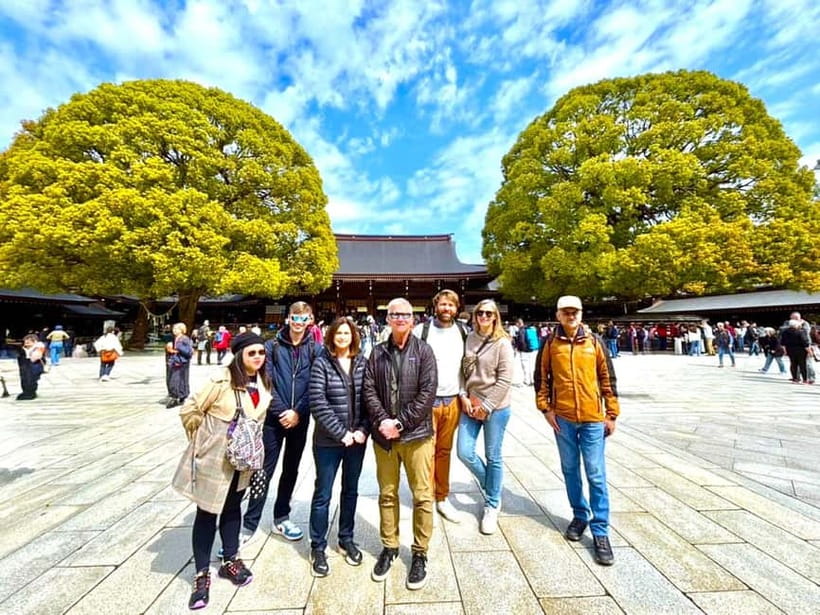
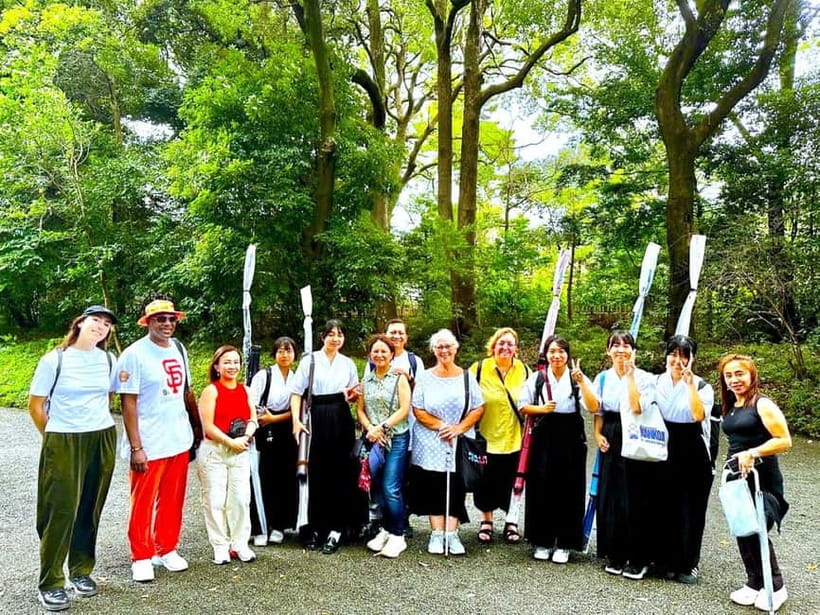
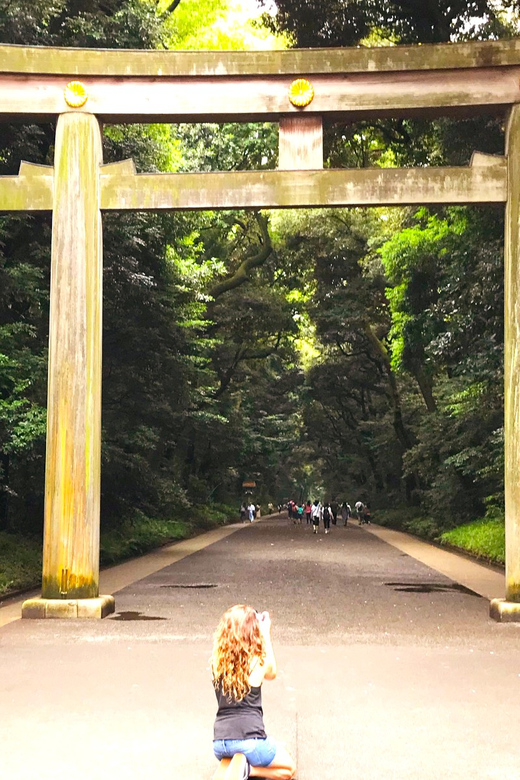
Meiji Jingu gives the day an early change of pace. The shrine sits in a wooded setting that feels far removed from nearby traffic and department stores.
Your guide can explain basic Shinto customs, how to behave at the entrance, and what the shrine means within modern Japan. This is not just a photo stop. It is a chance to learn the simple actions and courtesies that make later shrine visits more comfortable.
The drawback is the walking. Shrine grounds require steady movement, and the route is not designed for a slow, extended visit. Still, this stop gives you an important contrast: Tokyo is not only towers, advertisements, and trains.
Shibuya through Hachiko and the scramble crossing
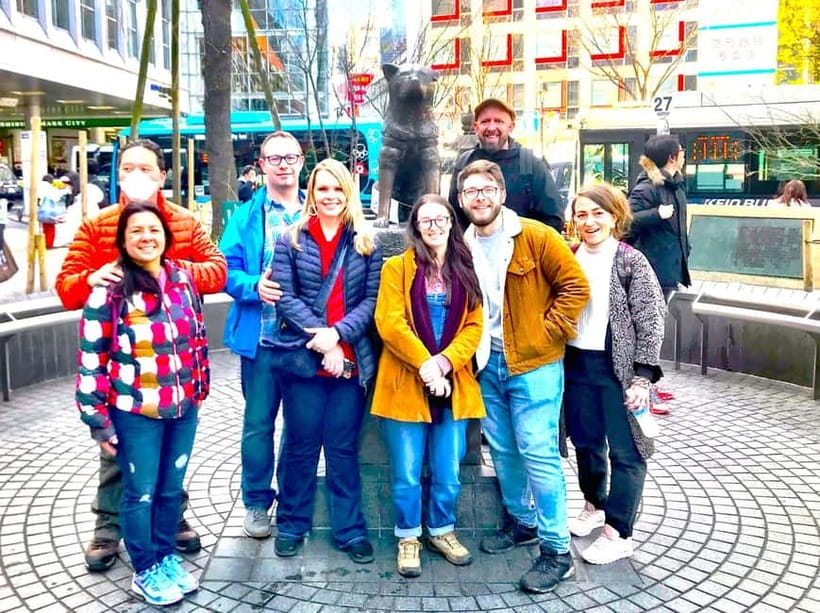
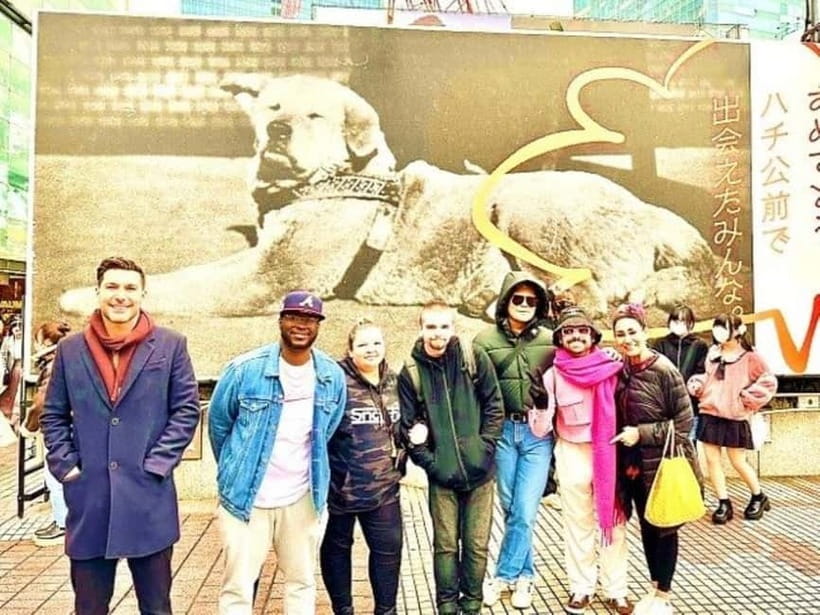
Shibuya brings you back into the city’s current pulse. At Hachiko, you learn the true story behind the famous dog statue and its place in Tokyo’s public life.
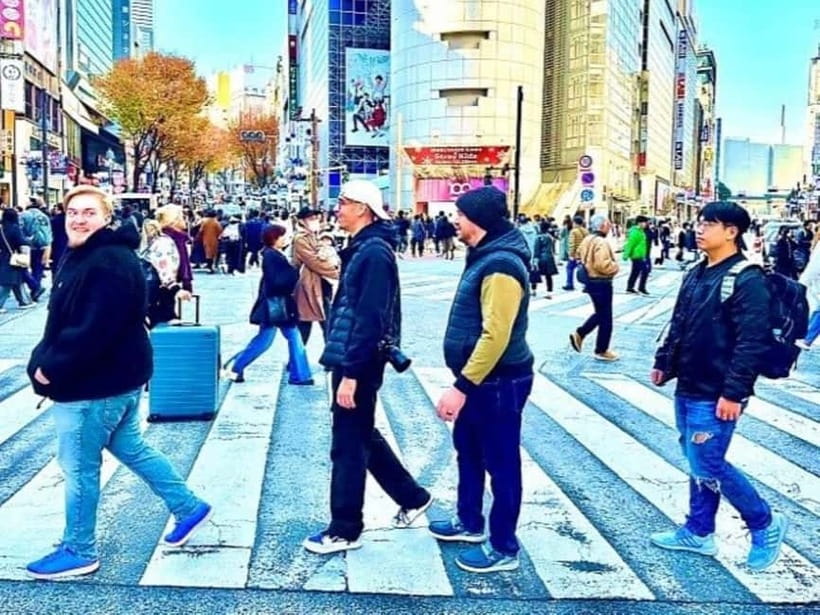
The nearby Shibuya Scramble Crossing is the big visual moment. When the signals change, people move across the intersection from several directions, creating the classic Tokyo scene. You get the chance to cross it yourself and take photographs.
I like the way this pair of stops works. Hachiko gives the area an emotional story, while the crossing shows the scale and rhythm of present-day Tokyo. You are not seeing a single landmark in isolation. You are learning why this district has become such a powerful symbol of the city.
Expect crowds, noise, and limited time for photographs. If you want careful street photography or a long look at the surrounding shops, you will need to return later.
Same corner of Tokyo, a completely different plan:
- Tokyo: teamLab Planets TOKYO Digital Art Museum Entry Ticket
★ 4.6 · 9,779 reviews - Mt Fuji & Hakone Cruise, Drum Show Bullet Train 1 Day from Tokyo
★ 4.0 · 7,413 reviews - Tokyo: Sumo Show Experience with Chicken Hot Pot and a Photo
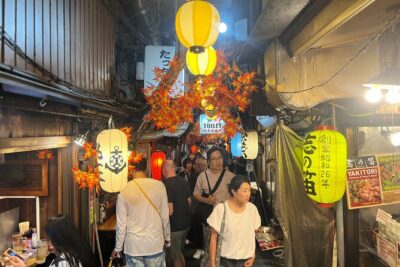
★ 4.8 · 6,678 reviews - Tokyo: Shinjuku Food Tour (13 Dishes at 4 Local Eateries)
★ 5.0 · 6,603 reviews
Tsukiji Honganji and lunch among the market stalls
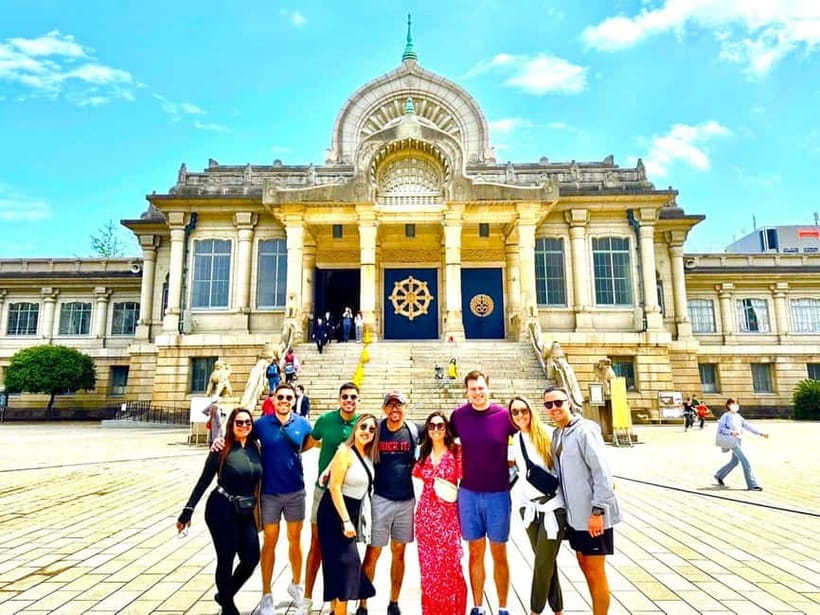
Tsukiji Honganji Temple is one of the route’s more unusual stops. Its Indian-inspired exterior and stained glass make it unlike the standard temple image many people bring to Japan.
The guide adds useful context here by explaining the site’s religious and architectural character. Even if you have seen many temples, this building gives you something different to look at.
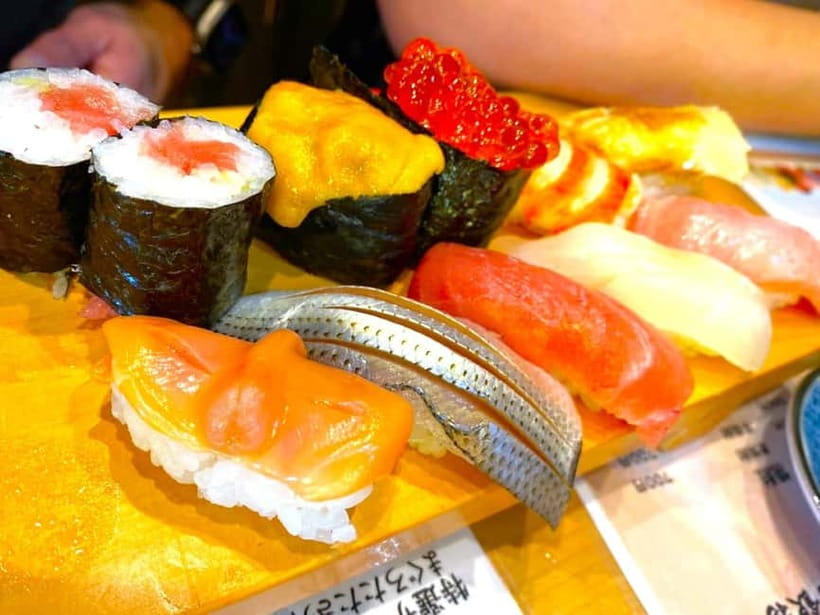
Next comes the Tsukiji Outer Market, still one of Tokyo’s best places to browse food shops and small eateries. The route introduces you to seafood, Wagyu, snacks, and other local specialties. Food and drinks are not included, so lunch is your own expense.
Vegetarian and vegan choices are available, which is useful, though you should tell the guide about your needs early. The market can be crowded, and cash is important. You may find that some small businesses do not take cards.
Tsukiji is also where the day can feel most tempting to linger. Seven hours is a tight frame, so you will get an introduction rather than a full food crawl. I would note the stalls or restaurants you want to revisit and return on another morning.
The Imperial Palace, Marunouchi, and Tokyo Station
The Imperial Palace area connects Tokyo’s present-day business center with its former political heart. You walk around the grounds associated with Edo Castle, including the impressive stone walls.
The point is not to enter every palace building. Instead, you see the setting and learn how Tokyo developed around the seat of power. Your guide can help place the city’s past alongside the modern districts you have already visited.
Marunouchi provides another sharp change. Sleek office towers sit close to the Imperial Palace grounds, giving you a clear view of old and new Tokyo in one walk.
Tokyo Station is the visual finish to this section. Its red-brick exterior offers a strong contrast to the glass towers around it, while the station itself remains one of the city’s major transport hubs.
This portion is especially useful for orientation. You are learning where central Tokyo’s main districts sit in relation to one another. The limitation is that the route focuses on exterior areas and street-level views, not extended palace or station exploration.
Akihabara and the everyday side of pop culture
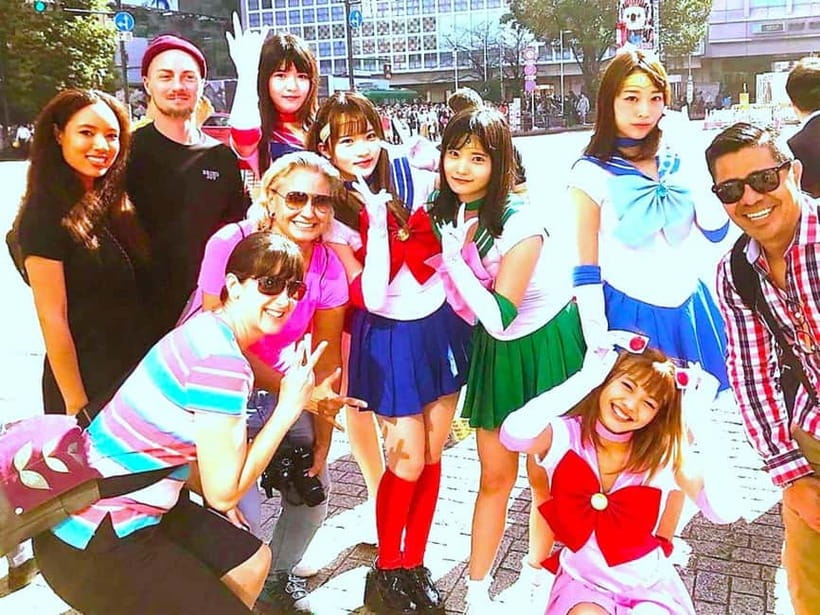
Akihabara changes the subject again. Known as Electric Town, it is associated with anime, gaming, electronics, and Japanese pop culture.
The stop helps prevent a common mistake: treating Tokyo only as a museum of temples and old streets. Modern entertainment culture is part of the city too, and Akihabara gives you a look at that side of Japan.
Your guide can explain what makes the district important and point out areas worth returning to. Because the tour does not include shopping budgets or attraction tickets, you should treat this as an introduction rather than a planned buying session.
You might find the shift from the Imperial Palace to Akihabara especially striking. That contrast is one of the day’s strengths. Tokyo changes character quickly, and the route lets you see those changes without spending a full day in only one neighborhood.
Sensoji and Asakusa’s older Tokyo
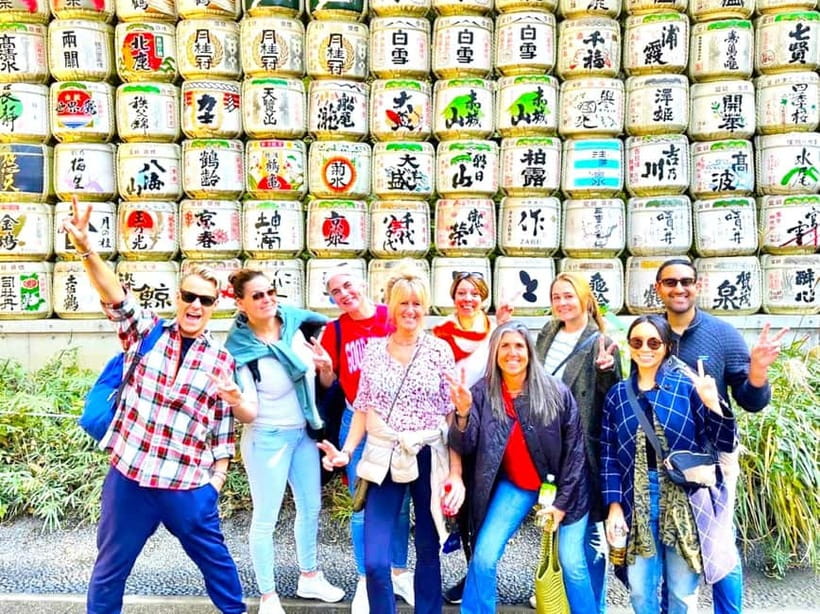
Sensoji is Tokyo’s oldest temple and one of the most recognizable religious sites in the city. The approach through Kaminarimon Gate leads you into Asakusa, a district tied closely to old Tokyo.
This stop gives you another chance to practice temple etiquette and ask questions about Buddhist and Shinto traditions. The guide can also explain the difference between Sensoji and the nearby Asakusa Shrine, which is a Shinto site.
Asakusa Shrine is smaller and quieter than Sensoji. Its location within the same broader temple area makes it a useful lesson in how different religious traditions exist side by side in Japan.
Asakusa is likely to be one of the places you want to revisit. The tour gives you the layout and the main cultural points, but a short stop cannot cover every lane, shop, or food option. Keep your schedule flexible if you plan to return.
What the seven hours really feel like
The tour uses the metro between areas and explores each destination on foot. Transportation is not included, and the expected cost is about 1,500 JPY, or roughly $10, for Metro and JR fares.
You need a pre-charged Suica, Pasmo, or Icoca card. This is more than a minor detail. Having your transport card ready prevents delays at ticket machines and lets the group keep moving.
The walking total is about 20,000 steps. Wear sporty shoes and easy-moving clothes. High heels, oversize luggage, baby strollers, and baby carriages are not allowed.
Rain does not automatically cancel the day. Bring an umbrella or raincoat, since the tour continues in wet weather. You should also bring water and cash, although only the cash requirement is specifically stated as essential for shops and small food stops.
There is no alcohol on the tour, and you need to stay with the group. The guide cannot leave the party to search for someone who wanders off, so punctuality and attention matter.
Is $77 a fair price?
At $77 per person, the price is reasonable for a small-group day with a professional English-speaking guide, provided you want orientation more than deep visits.
All listed attractions are free to enter, so the price is not covering admission. Your extra costs are transport, lunch, snacks, and drinks. Add about $10 for rail fares and set aside money for Tsukiji or convenience-store food.
The value comes from the route and the explanations. On your own, you can visit these areas for less, but you will spend time planning train connections, finding the right exits, and deciding what each place means. The tour compresses that work into one day.
I would not choose it if you prefer slow mornings, long meals, or a single neighborhood explored in detail. I would choose it if you have a short stay and want a reliable first look before deciding where to spend the rest of your time.
Who should book this Tokyo day?
This suits you best if you:
- Are visiting Tokyo for the first time
- Have only one free day or a short stopover
- Want help with trains, etiquette, and daily customs
- Prefer a small group to a large coach
- Enjoy switching between temples, markets, business districts, and pop culture
- Can comfortably walk about 20,000 steps
It is not suitable for children under 13, pregnant people, wheelchair users, people with back problems, anyone with a cold, or anyone with a low level of fitness. People under 18 need an adult, and anyone under 13 would need a private tour, though the activity specifically says it is not suitable for children under 13.
Free cancellation is available up to seven days before the tour for a full refund. After that, the strict punctuality and health rules matter, since no refund is provided in the listed cases.
My take: a fast, useful introduction to Tokyo
I would book this tour near the beginning of a Tokyo stay, not at the end. The guide’s advice on transport, food, manners, and neighborhood layout can save you time for the rest of your visit.
Sam and Yasuko receive the strongest praise for their warmth, patience, and ability to explain more than basic sightseeing. You should still expect a brisk day, plenty of walking, and limited time at each location.
Book it if you want to get your bearings fast and see how Tokyo’s different districts connect. Skip it if your idea of a good day means sitting down often, avoiding public transport, or exploring one shrine or market at length.
FAQ
How long does the Tokyo tour last?
The tour lasts seven hours.
How many people can join the group?
The group is limited to seven participants.
What language is the tour conducted in?
The live tour guide speaks English.
Where does the tour meet?
The meeting point is outside the ticket gate at the west exit of JR Yoyogi Station, at 1-chōme-34 Yoyogi, Shibuya City, Tokyo.
Are transportation fares included?
No. Metro and JR fares are separate and cost approximately 1,500 JPY, or about $10.
Are food and drinks included?
No. Lunch at Tsukiji, snacks, drinks, and other food purchases are separate.
Are entrance tickets required for the attractions?
All attractions on the tour are free to enter, according to the activity information.
What should I bring?
Bring comfortable shoes, cash, rain gear, and a pre-charged Suica, Pasmo, or Icoca transport card.
Does the tour operate in the rain?
Yes. The tour proceeds in rain, so you should bring an umbrella or raincoat.
Can I cancel for a full refund?
You can cancel up to seven days in advance for a full refund.
Is the tour suitable for people with mobility issues?
No. The tour is not suitable for wheelchair users, pregnant people, people with back problems, people with a cold, or people with a low level of fitness.
New on our Tokyo list
- From Tokyo: Mount Fuji & Hakone Full Day Private Tour★ 4.9 · 25 reviews
- Tokyo Spectacular View Day-Cruise in 90 Minutes★ 5.0 · 25 reviews
- Real Tokyo Runner Club : Daikoku Car Meet Night Tour with JDM Car★ 5.0 · 25 reviews
- 2.5 Hour-Guided Cycle Tour in the Central Tokyo★ 5.0 · 25 reviews
- Ramen Making from Scratch +Akihabara Tour –Cooking Class★ 5.0 · 25 reviews
- [Self-Drive] Tokyo & Daikoku Custom Car Driving Tour★ 4.9 · 25 reviews
- Tokyo: 2-Hour Night Bike Tour of the City’s Hidden Gems★ 4.9 · 25 reviews
- Samurai themed Entertainment show in Shinjuku★ 4.5 · 25 reviews
Tours, compared.
Mt Fuji and Hakone 1-Day Bus Tour Return by Bullet Train
Read our review →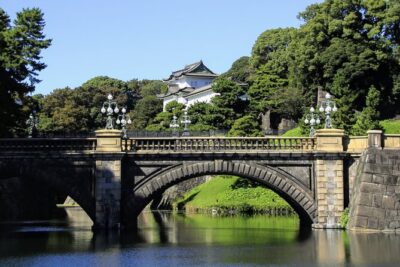
Shinjuku Food Tour (13 Dishes at 4 Local Eateries)
Read our review →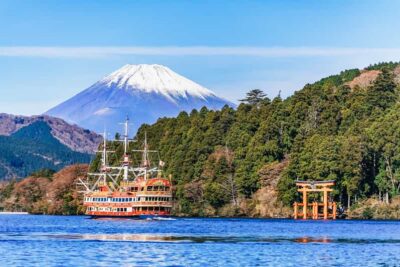
Tokyo Mt Fuji 5th St & Hakone Cruise Bus Tour w/Bullet Train
Read our review →
Flagship 2-Hours Official Street Go-Kart Tour – Tokyo Bay Shop
Read our review →
Mt. Fuji Tour, Hakone Ropeway, Owakudani, Lake Ashi
Read our review →
Tokyo 6hr Private Tour with Government-Licensed Guide
Read our review →