
Reviewed · MT FUJI AREA TOURS
Tokyo: Mount Fuji Day Trip with Scenic & Local Stops
Mount Fuji is the star, but this six-stop day trip gives you more than a single lookout. You’ll move from a hilltop pagoda view to old village springs, broad lakes, a quirky convenience-store photo, and a swan-feeding stop. It is a busy day, yet the route covers a good slice of the Fuji area without mandatory shopping stops.
I like the low $44 price, especially since round-trip transport and a bilingual guide are included. I also like the practical photo help at places such as Niikurayama Asama Park and Hikawa Clock Shop. The main drawback is the pace: the trip can take about 10 hours, and cloudy weather may hide Fuji for much of the day.
In This Review
- Key points to know before booking
- Six ways to see Mount Fuji in one long day
- Niikurayama Asama Park and the classic Fuji frame
- Hikawa Clock Shop and a retro street view
- Oshino Hakkai’s clear springs and village ponds
- Lake Kawaguchi, the main water view
- Fuji Lawson and the playful convenience-store shot
- Lake Yamanaka and swans by the water
- What the $44 price really covers
- The real risk is weather, not the route
- Who should book this Fuji day trip?
- Should you book it?
- FAQ
- How long does the Mount Fuji day trip last?
- What places does the tour visit?
- Is Mount Fuji guaranteed to be visible?
- Is transportation from Tokyo included?
- What languages are available?
- Are meals included?
- Is a guide included?
- What should I bring?
- Can children feed the swans?
- Can I cancel for a refund?
Key points to know before booking
- Six distinct Fuji viewpoints: You’ll photograph the mountain from parks, village streets, lakes, and even a Lawson store.
- Niikurayama Asama Park requires uphill walking: Bring comfortable, non-slip shoes and consider a telephoto lens.
- The route mixes famous shots with local scenery: Oshino Hakkai’s springs and Lake Yamanaka’s swans add variety to the photo stops.
- Guides vary by departure: Will, Yuan, Tim, Agnes, and Yulina are among the guides named for this experience.
- The $44 fare covers the basics: Transport, guide service, and Fuji spring mochi are included, but meals and personal insurance are not.
- Weather and traffic control the day: Weekend congestion, early closures, and cloud cover can change the schedule.
Six ways to see Mount Fuji in one long day
This is a sightseeing and photography circuit rather than a hike up Mount Fuji. You leave Tokyo by vehicle and spend the day moving between six well-known places around the mountain.
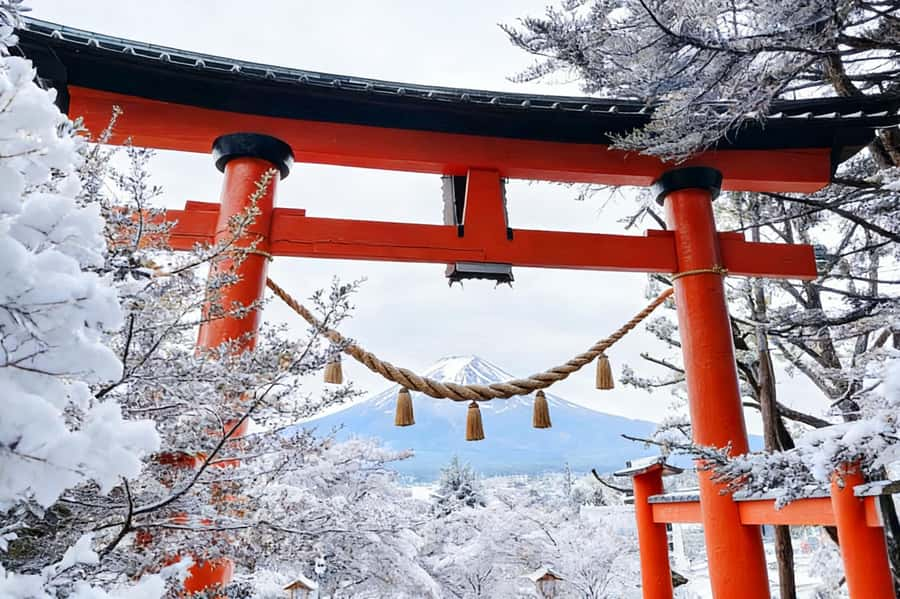
The route works because each stop gives you a different picture of Fuji. At one point, the mountain frames a pagoda and red shrine architecture. Later, it appears behind a clock shop, reflects in a lake, or rises above a bright blue-and-white Lawson sign.
That variety matters. If clouds cover the summit at one stop, you still have several more chances. But you should keep your expectations realistic. The schedule is full, and the mountain may remain hidden all day. One recent outing caught only a brief glimpse at Lake Kawaguchi because of clouds, yet the lakes and other sights still made the trip worthwhile.
The vehicle ride is also part of the calculation. The full day can run close to 10 hours, depending on traffic and the meeting point. That makes this a practical choice if you want one organized Fuji day from Tokyo, but not if you prefer lingering for hours at one location.
More Mt Fuji days from Tokyo:
- Mt Fuji and Hakone 1-Day Bus Tour Return by Bullet Train
★ 5.0 · 26,383 reviews - Mt Fuji & Hakone Cruise, Drum Show Bullet Train 1 Day from Tokyo
★ 4.0 · 7,413 reviews - Tokyo Mt Fuji 5th St & Hakone Cruise Bus Tour w/Bullet Train
★ 4.4 · 5,024 reviews
Niikurayama Asama Park and the classic Fuji frame
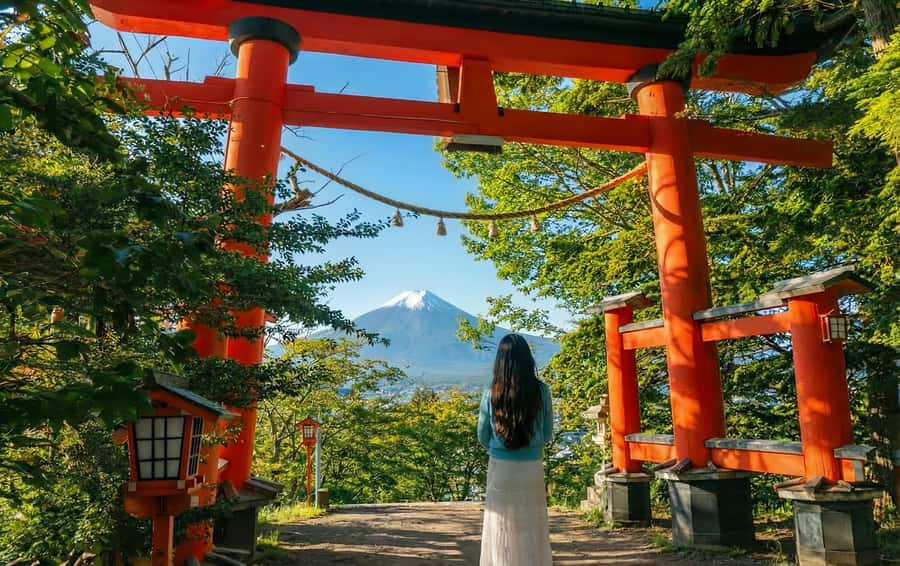
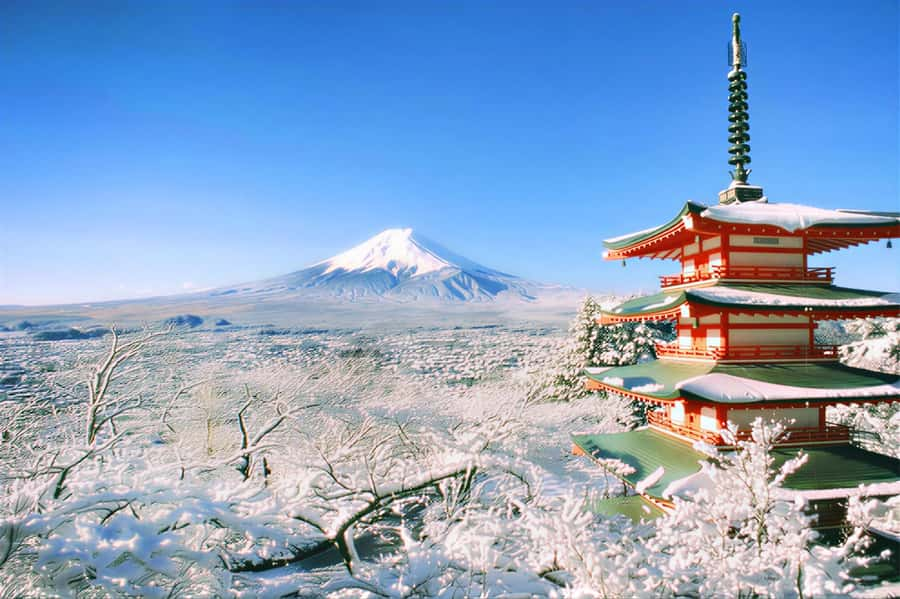
The first major stop is Niikurayama Asama Park, famous for its broad view of Mount Fuji with the Chureito Pagoda and surrounding town below. From the hilltop observatory, you can look across a postcard-style scene that changes with the season.
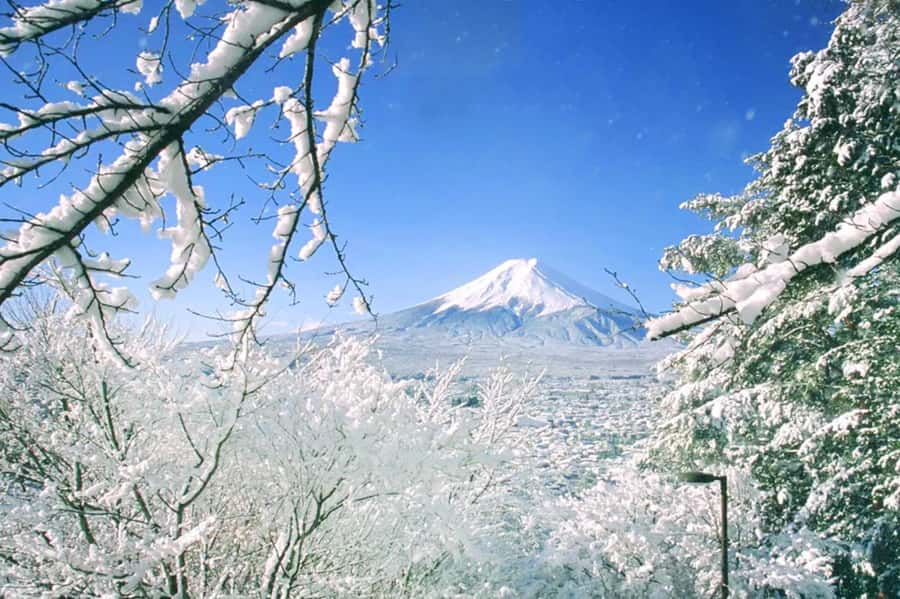
Spring brings cherry blossoms. Fall adds colored leaves. When snow covers Fuji, the contrast is especially strong. Clear winter air often gives you the best chance of a sharp mountain outline, though the trip operates across changing conditions and no view is guaranteed.
You should expect uphill walking here. The supplied booking advice specifically recommends non-slip shoes, and that is sensible for mountain paths and steps. A telephoto lens is also suggested for this stop, useful if you want to compress the pagoda, town, and Fuji into one tight image.
Your guide may offer composition advice, such as how to place the pagoda and summit in the frame. Guides named for different departures include Will, Yuan, Tim, Agnes, and Yulina, but you should not assume a particular person will lead your date.
This stop is one of the tour’s strongest photo opportunities, but it can also be crowded, especially during cherry blossom season and other peak periods. Allow yourself enough time for the view, but do not expect a quiet private overlook.
Hikawa Clock Shop and a retro street view
Hikawa Clock Shop gives you a very different Fuji photograph. Here, Mount Fuji rises beyond a traditional-looking street and the clock tower, creating a composed urban scene rather than a wide-open mountain vista.
The attraction is the contrast: ordinary local streets in the foreground, Fuji in the distance, and the clock structure tying the image together. Your guide provides a hands-on explanation of the familiar clock tower and Fuji composition, which can help if you are trying to reproduce the classic shot rather than simply point your camera at the mountain.
This stop is best for people who enjoy the details around a famous view. The street setting gives you a feel for how Fuji appears in daily Japanese life, not only from a purpose-built viewing platform.
Crowding is the catch. It is an established photo stop, so you may need patience around the best angles. Keep your movements respectful in this local setting, and listen to the guide about where to stand.
Oshino Hakkai’s clear springs and village ponds
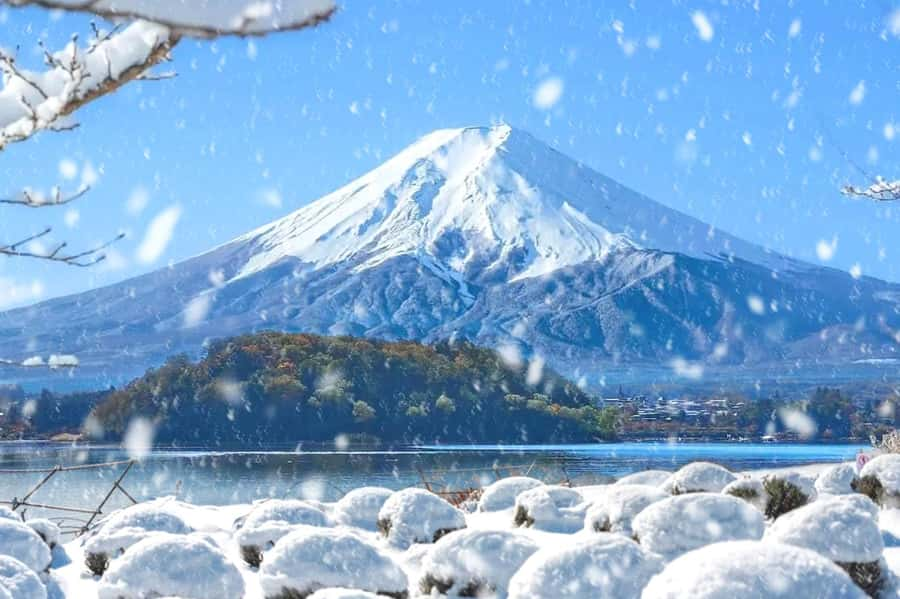
Oshino Hakkai changes the rhythm of the day. Instead of chasing a single mountain frame, you stroll through a traditional village known for crystal-clear natural springs.
The ponds are filled with koi, and the water is the main attraction. On a clear day, the springs offer close-up subjects that contrast nicely with the larger Fuji views elsewhere. The village setting also gives you something to see when clouds obscure the summit.
This is a useful stop for anyone who wants more than a series of identical lookout points. You can photograph water, fish, traditional buildings, and village details. The walk is also a chance to slow down briefly before returning to the vehicle.
The stop is still part of a tightly timed route. You will not have unlimited time to explore every corner, and the area can be crowded. Use the visit for a focused walk rather than expecting a full village tour.
More day trips out of Tokyo:
- 1-Day Tokyo Bus Tour
★ 5.0 · 14,250 reviews - Tokyo: DisneySea 1-Day Passport
★ 4.5 · 2,726 reviews - Tokyo Disneyland 1-Day Passport
★ 4.6 · 2,512 reviews - Tokyo: Mt. Fuji 5th Station & Hakone Cruise 1-Day Bus Tour
★ 4.2 · 2,381 reviews
Lake Kawaguchi, the main water view
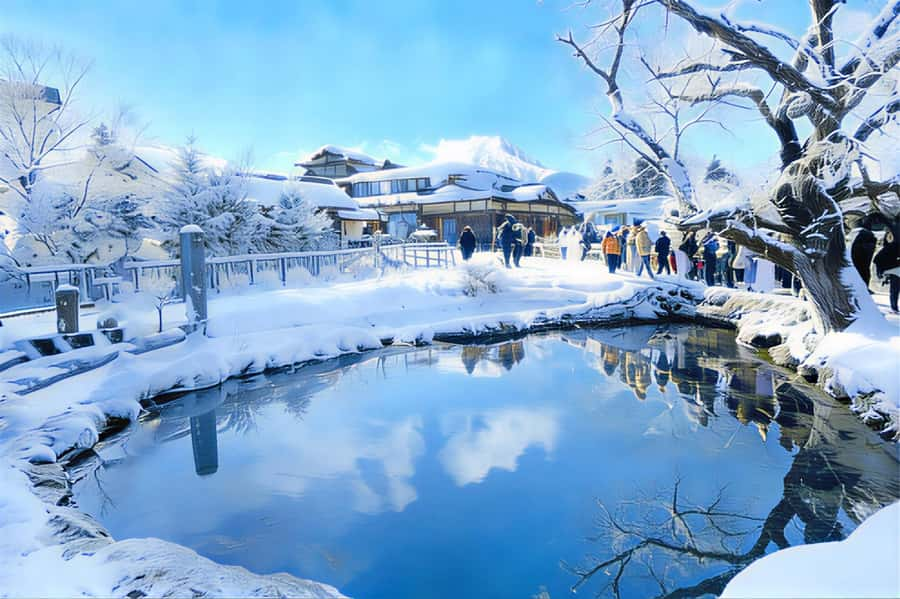
Lake Kawaguchi is often the visual high point of the day. It is one of Fuji’s Five Lakes and is known for broad views across the water toward the mountain.
When conditions are calm and clear, the lake can reflect Fuji like a mirror. This is the stop where weather matters most. Wind, cloud, and changing light can turn a perfect reflection into a partial view, so do not treat the famous image as guaranteed.
There is also a seasonal photo opportunity for more dynamic Fuji images. The exact activity can depend on the time of year and conditions, so ask your guide what is available on the day.
Lake Kawaguchi gives you room to make wider photographs than at the clock shop or Asama Park. Bring your camera, but keep your plans flexible. One of the strongest accounts of this outing noted that clouds hid most of Fuji, but a short glimpse appeared here. That is a useful reminder: sometimes the best mountain view arrives between weather breaks.
Fuji Lawson and the playful convenience-store shot
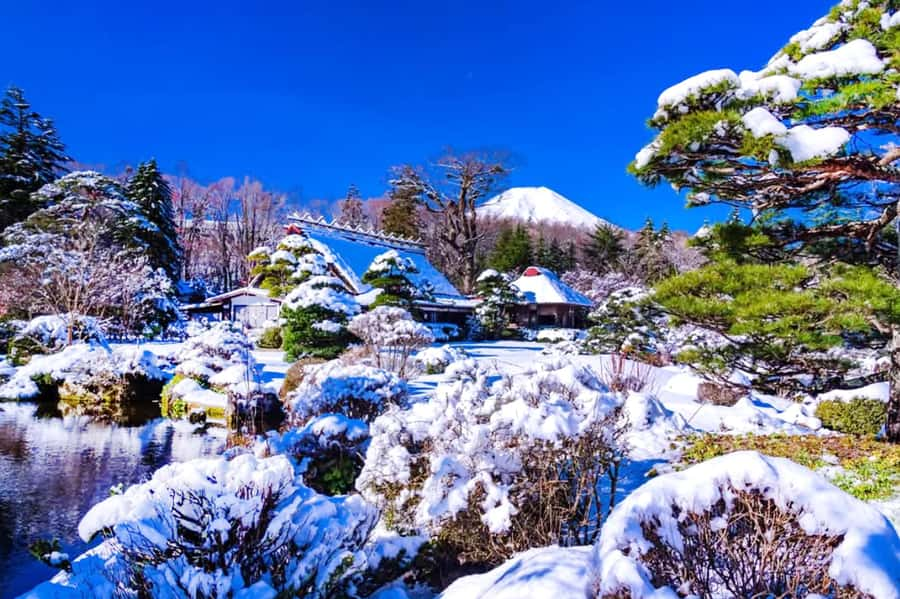
The Fuji Lawson stop is the most modern and lighthearted part of the route. You’ll photograph the familiar blue-and-white Lawson branding with Mount Fuji behind it.
This is not a deep cultural visit, and it is not meant to be. The appeal is the contrast between a standard Japanese convenience store and one of the country’s most famous natural sights. It is a quick, recognizable image for your phone or social feed.
Your guide can also recommend Fuji-limited snacks. The tour includes a Fuji spring mochi snack, but other food purchases are personal expenses. Bring cash, as it is listed among the items to carry.
The stop may feel less meaningful if you prefer temples, gardens, and traditional architecture. I see it as a short visual break that adds humor and variety to the day, not as a major sightseeing experience.
Lake Yamanaka and swans by the water
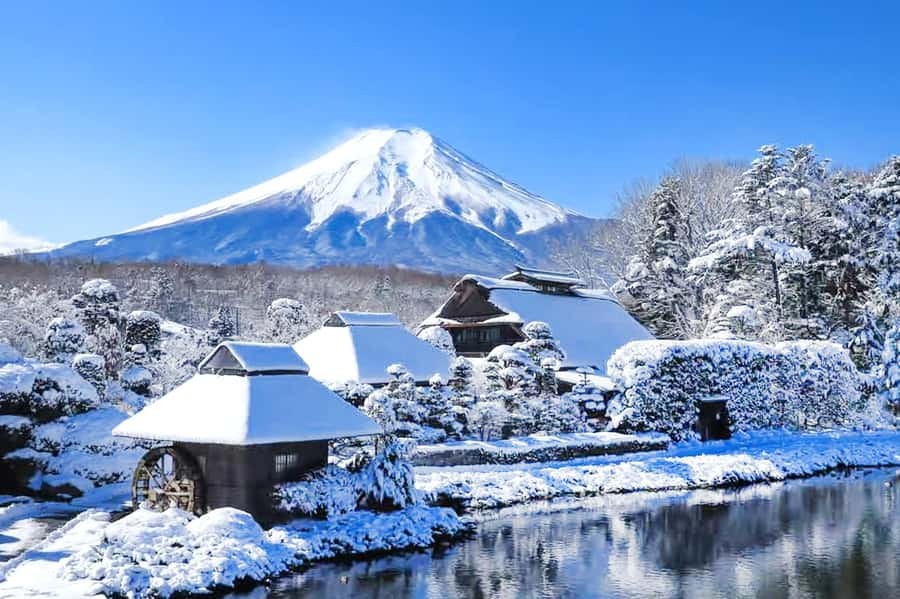
The final stop is Lake Yamanaka, where you can feed swans with Mount Fuji as a backdrop. This is the most relaxed and family-friendly part of the route.
Swan feeding is suitable for all ages, so it gives children a simple activity after a long day of walking and riding. Adults may appreciate the quiet water and the chance to watch the birds rather than line up for another formal photo.
The setting also gives you one more opportunity for a Fuji image, provided the weather cooperates. If clouds have blocked the mountain earlier, you may still get a late opening here, but you should not count on it.
Because this is the last stop, your energy level matters. Wear comfortable shoes from the start, and keep your camera accessible. The day asks you to get in and out of the vehicle several times, so light packing helps.
What the $44 price really covers
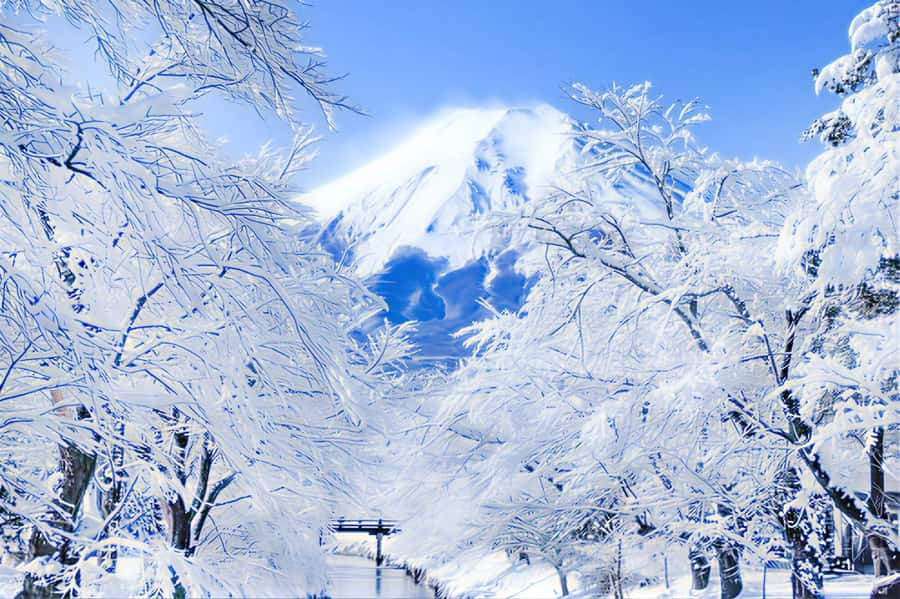
At $44 per person, this is an inexpensive way to reach several Fuji-area sights from Tokyo. Round-trip transport is included, along with an English and Chinese guide and a Fuji spring mochi snack.
The value comes from the number of stops and the lack of required shopping visits or paid add-ons. You are paying for access and coordination, not for meals or a private guide. Several departures have been praised for safe driving, clean buses, comfortable seats, and careful organization, though the exact vehicle and group arrangement can vary.
You need to budget separately for lunch, other snacks, personal purchases, and any extra costs connected with luggage. Food and drinks are not allowed in the vehicle, so follow the operator’s rules rather than assuming you can eat during the ride.
The guide service is worth understanding. The driver also serves as the guide in small daily groups. English commentary may be limited, and there is no commentary while the driver is driving. Since international guests may share the vehicle, multilingual service may not mean a full English-only experience.
That arrangement keeps the price low, but it is less detailed than a private specialist tour. Guides such as Will, Yuan, Tim, Agnes, and Yulina have been praised for kindness, organization, cultural information, humor, and photography help. The individual guide for your date is not guaranteed.
The real risk is weather, not the route
Mount Fuji is famously shy. A clear forecast can change, and a cloudy day can hide the summit at every major viewpoint.
The tour handles this by shifting time to other stops if facilities close because of weather. Traffic, early closures, and attraction conditions can also shorten visits or change the order. On weekends and holidays, delays are more likely.
For that reason, I would not book this trip on the same day as a flight or Shinkansen departure. Avoid a tight evening plan too. A 10-hour estimate is useful, but Tokyo traffic can stretch the day.
There are no refunds for disruptions caused by force majeure such as severe weather, traffic, or disasters. No-shows, late arrivals, and personal cancellations also do not qualify for refunds. You can cancel up to 24 hours in advance for a full refund under the stated policy.
The meeting point may vary depending on the option you choose. Once booked, it remains unchanged on the departure day, and changes require three days’ notice. Read that information carefully before leaving your hotel.
Who should book this Fuji day trip?
I would recommend it to you if you want a broad first look at the Fuji area without arranging several trains and buses. It suits photographers who enjoy collecting different compositions, families who like the swans and ponds, and budget-conscious visitors who want transport included.
It is also useful if your main goal is to see Fuji from several angles. The route gives you a better chance than a single lookout, though no tour can control the clouds.
I would hesitate if you dislike long vehicle days, crowds, fixed schedules, or repeated photo stops. The outing is not suitable for pregnant women, people with mobility impairments, wheelchair users, or people over 70, according to the stated restrictions. The uphill paths at Asama Park also deserve serious consideration.
Bring comfortable shoes, a camera, cash, and a layer suitable for changing conditions. A telephoto lens is especially helpful at Asama Park. Personal travel and accident insurance are not included, so buy your own if you want that protection.
Should you book it?
Book this tour if you want maximum Fuji-area coverage for a low price and can accept a fast, weather-dependent day. The six stops are varied enough to keep the route from feeling repetitive, and the guides add useful photo and cultural advice.
Skip it if you need a relaxed pace, guaranteed Fuji views, or detailed English commentary throughout the drive. For most first-time visitors with one free day from Tokyo, the combination of transport, six viewpoints, and no forced shopping makes the $44 fare a sensible buy. Just leave your evening open and hope the mountain shows itself.
FAQ
How long does the Mount Fuji day trip last?
The trip takes about 10 hours in total, though traffic, weather, weekend congestion, and attraction closures can affect the timing.
What places does the tour visit?
The route includes Niikurayama Asama Park, Hikawa Clock Shop, Oshino Hakkai, Lake Kawaguchi, Fuji Lawson Store, and Lake Yamanaka.
Is Mount Fuji guaranteed to be visible?
No. Cloud cover can block the mountain, and the schedule may be adjusted because of weather. You may still see Fuji briefly from one of the lakes or other stops.
Is transportation from Tokyo included?
Yes. Round-trip transport from Tokyo is included, and the activity ends back at the meeting point.
What languages are available?
The tour offers Chinese and English service. In small daily groups, the driver also serves as the guide, and English commentary may be limited. There is no commentary while the driver is driving.
Are meals included?
No. Meals are not included, and other personal expenses are separate. Food and drinks are not allowed in the vehicle.
Is a guide included?
Yes. An English and Chinese bilingual guide is included. Guides named for different departures include Will, Yuan, Tim, Agnes, and Yulina, but a specific guide is not guaranteed.
What should I bring?
Bring comfortable shoes, a camera, and cash. A telephoto lens is recommended for Niikurayama Asama Park, and non-slip shoes are useful for mountain paths.
Can children feed the swans?
Yes. Swan feeding at Lake Yamanaka is described as suitable for all ages.
Can I cancel for a refund?
You can cancel up to 24 hours in advance for a full refund. There are no refunds for no-shows, late arrivals, personal cancellations, or disruptions caused by force majeure.
New on our Tokyo list
- Sumi-e Experience in a relaxing green tea shop in Tokyo★ 5.0 · 3 reviews
- Tokyo : Kamikaze Street Drift Ride★ 5.0 · 3 reviews
- Private Zen Meditation in English in Shinjuku, Tokyo★ 5.0 · 3 reviews
- Onsen Spa in Tokyo and Asakusa Bar Hopping with Local Guide★ 5.0 · 3 reviews
- Easy for everyone! Now you can play handmade mini shamisen and show off to everyone! Musical instruments, sweets and live music★ 5.0 · 3 reviews
- Tokyo: Private Tsukiji Street Food & Sake with Local Guide★ 5.0 · 3 reviews
- Mt Fuji Exploration Tour with Free Japanese Kusa Mochi from Tokyo★ 4.5 · 3 reviews
- Tokyo Tsukiji Fish Market Walking and Exploring Hidden Gems Tour★ 5.0 · 3 reviews
Mt Fuji Area Tours, compared.
Mt Fuji and Hakone 1-Day Bus Tour Return by Bullet Train
Read our review →
Mt Fuji & Hakone Cruise, Drum Show Bullet Train 1 Day from Tokyo
Read our review →
Tokyo Mt Fuji 5th St & Hakone Cruise Bus Tour w/Bullet Train
Read our review →
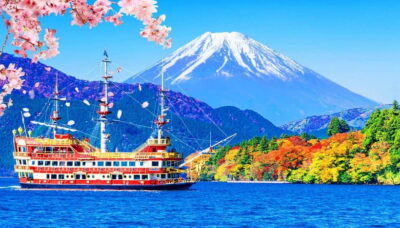
Mt. Fuji Tour, Hakone Ropeway, Owakudani, Lake Ashi
Read our review →
Mt.Fuji,Kawaguchiko Oishi Park,Arakurayama Sengen Park
Read our review →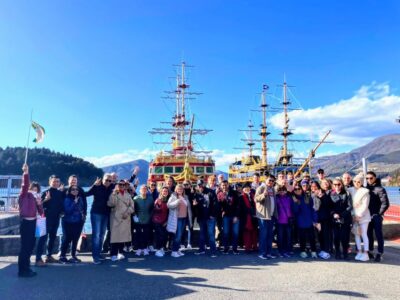
Mt. Fuji 5th Station & Hakone Cruise 1-Day Bus Tour
Read our review →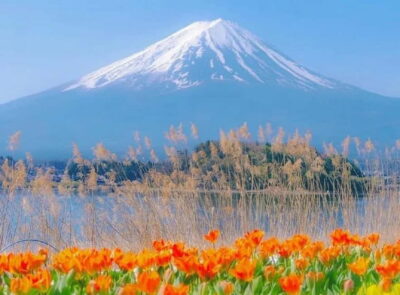
Mt Fuji Top 5 Spots Day Tour: Arakurayama Park,Oshino Hakkai
Read our review →Browse the lists this tour appears in