
Reviewed · MT FUJI AREA TOURS
Tokyo: Mount Fuji Must-see Attractions One Day Sightseeing Tour
Mount Fuji is the star here, but the best part is the variety of views around it. In one long day, you move from a traditional thatched-roof village to lakeside parks, a centuries-old shrine, a famous pagoda, and clear mountain springs. The tour also saves you the trouble of sorting out regional buses and train connections from Tokyo.
I like the well-planned mix of scenery and culture, and I like that guides such as Kevin, Yulina, Andrew, and Maddy explain local history instead of simply pointing out photo stops. The $60 price also covers the air-conditioned vehicle and entry fees, which makes this a practical option.
The main drawback is timing. Several stops are short, and a group of up to 45 people can make busy places feel crowded. Mount Fuji visibility is also never guaranteed, so you need to see this as a full regional sightseeing day, not a promise of one perfect mountain photograph.
In This Review
- Key points to know before booking
- What this Tokyo to Fuji day actually gives you
- Saiko Iyashi no Sato Nemba and its thatched roofs
- Lake Kawaguchi, the classic Fuji viewpoint
- Oishi Park and the changing seasonal display
- A quick view from the Kawaguchiko Natural Living Center
- Arakurayama Sengen Park and Chureito Pagoda
- Arakura Fuji Sengen Shrine and its long religious story
- Oshino Hakkai and the eight clear springs
- Guides, commentary, and the group experience
- Weather, crowds, and the limits of the photographs
- Is $60 a fair price for this itinerary?
- Who should book this Mount Fuji tour?
- Should you book it?
- FAQ
- How long does the tour last?
- What places does the tour visit?
- Is transportation included?
- Is lunch included?
- Are entrance fees included?
- Can I be sure I will see Mount Fuji?
- How large can the group be?
- Can I cancel for a full refund?
Key points to know before booking
- Seven stops in about 10 hours: You see a broad selection of Fuji-area sights without arranging regional transport yourself.
- Chureito Pagoda is not the first stop: The famous pagoda comes late in the day, when cloud or fading light can affect the view.
- The itinerary favors variety: You get a traditional village, lakes, flowers, a shrine, a pagoda, and spring-fed ponds.
- Guides add real value: Kevin, Yulina, Andrew, Maddy, and Mrs. Yuan are praised for clear timing instructions, local explanations, and friendly presentation.
- Bring lunch money and patience: Lunch is not included, and the schedule can feel rushed at the most popular photo stops.
- Weather controls the experience: Clouds can hide Fuji completely, even when the surrounding sights remain attractive.
What this Tokyo to Fuji day actually gives you
This is a sightseeing circuit, not a climb of Mount Fuji. You leave Tokyo for the Fuji Five Lakes region, spending about 10 hours on the road and at the stops. The coach is air-conditioned, and admission fees are included where they apply.
That setup is useful if you want to see Mount Fuji without building a complicated day around train times and local buses. The route covers a lot of ground, though, so expect a full day with regular departures, short visits, and a fair amount of time in transit.
The maximum group size is 45 people. That does not mean every departure will reach that number, but you should be ready for a standard large-group coach experience rather than a private tour. Your guide will generally explain the next stop, give you a meeting time, and let you explore on your own.
That last point matters. This is not a tour where the guide walks every person around every corner. You receive commentary and instructions, then have free time to see each site at your own pace. Guides have been praised for keeping the schedule clear, which helps when the day contains seven stops.
More Mt Fuji days from Tokyo:
- Mt Fuji and Hakone 1-Day Bus Tour Return by Bullet Train
★ 5.0 · 26,383 reviews - Mt Fuji & Hakone Cruise, Drum Show Bullet Train 1 Day from Tokyo
★ 4.0 · 7,413 reviews - Tokyo Mt Fuji 5th St & Hakone Cruise Bus Tour w/Bullet Train
★ 4.4 · 5,024 reviews
Saiko Iyashi no Sato Nemba and its thatched roofs
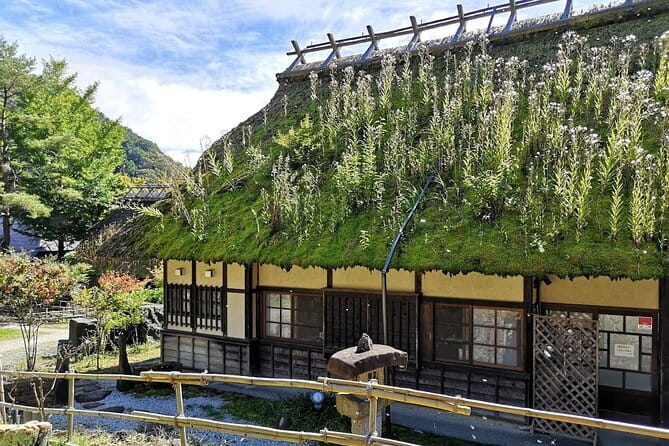
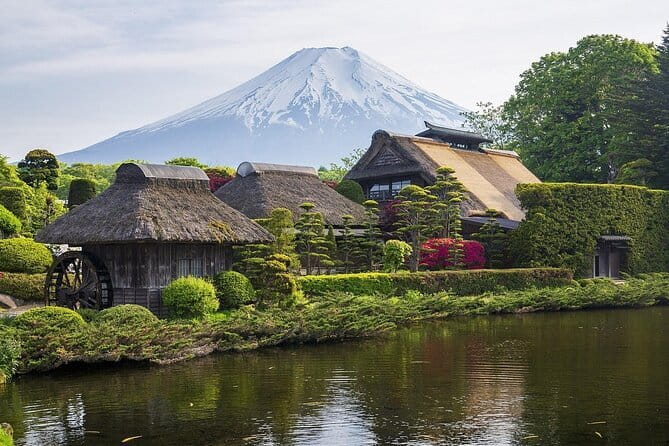
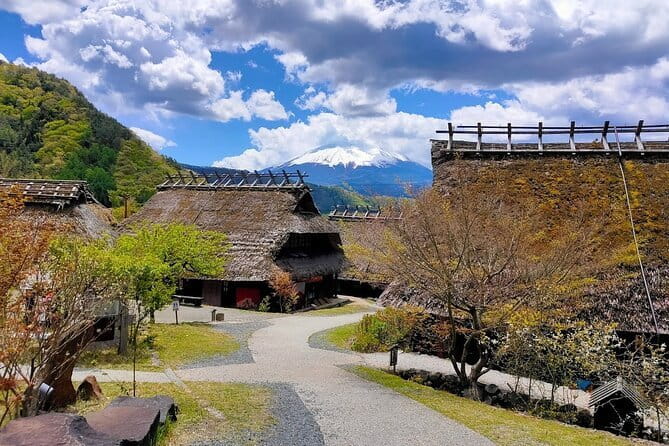
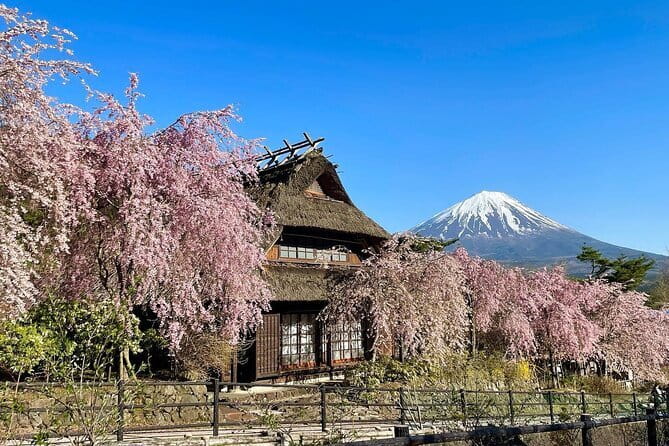
The first stop is Saiko Iyashi no Sato Nemba, a traditional Japanese village near Lake Saiko. You have about an hour here, with admission included.
The village is known for its thatched-roof houses and views toward Mount Fuji. It also carries a sobering local story. A landslide during a typhoon destroyed the original settlement in 1966, and the site now presents traditional village life in a scenic setting.
This is one of the more distinctive stops because it gives you something beyond the usual lake and mountain photograph. The roofs, rural setting, and background peak create a strong sense of place. If you enjoy craft displays, old-style architecture, or quieter cultural sites, this may be one of your favorite parts of the day.
An hour is enough for a useful look, but not for lingering over every house. If your priority is the famous pagoda image, you may wish the schedule gave more time here to someone else. The stop works best when you treat it as a compact cultural visit, not a full museum outing.
Lake Kawaguchi, the classic Fuji viewpoint
Lake Kawaguchi is the main scenic anchor of the route. The lake is one of the Fuji Five Lakes and is known for its irregular shoreline, which creates many different angles toward the mountain.
The official stop here lasts about 20 minutes, with no separate admission fee. That is enough to step out, take photographs, and look across the water, but it is not enough for a relaxed lakeside walk.
Your view depends heavily on the weather. Fuji is famously difficult to predict, and low clouds can block the mountain even when the lake itself looks beautiful. Several people had a good day around the lake without seeing the peak clearly, so keep your expectations flexible.
I would bring a phone or camera that is ready before you leave the coach. With only 20 minutes, you do not want to spend the whole stop getting organized. If Fuji appears, you can make the most of the brief window. If it does not, the water and surrounding scenery still give you a pleasant break from Tokyo.
Oishi Park and the changing seasonal display
Oishi Park is a short 25-minute stop on the shore of Lake Kawaguchi. It is known for seasonal plant displays, with the appearance changing through the year. Cherry blossoms, lavender, red autumn foliage, kochia, snow, and reeds each give the park a different look.
This stop is especially appealing if you visit during autumn, when the colors add another layer to the Fuji views. In other seasons, the flowers may be the main attraction. The park is a good example of why the tour can still work when Fuji is hidden: there is something to see at ground level as well as across the lake.
The limitation is time. Twenty-five minutes goes quickly if you want both photographs and a proper walk. You may find yourself choosing between the flower displays, the lake, and the mountain viewpoint.
More day trips out of Tokyo:
- 1-Day Tokyo Bus Tour
★ 5.0 · 14,250 reviews - Tokyo: DisneySea 1-Day Passport
★ 4.5 · 2,726 reviews - Tokyo Disneyland 1-Day Passport
★ 4.6 · 2,512 reviews - Tokyo: Mt. Fuji 5th Station & Hakone Cruise 1-Day Bus Tour
★ 4.2 · 2,381 reviews
A quick view from the Kawaguchiko Natural Living Center
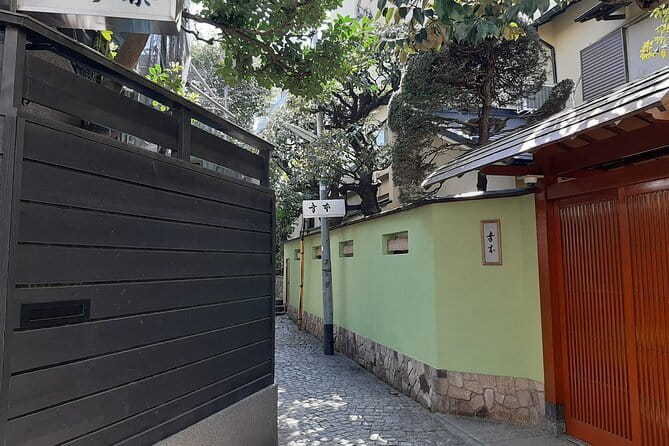
The Kawaguchiko Natural Living Center receives only about 10 minutes. The key reason to stop is the second-floor view, where you can frame a red torii gate with Mount Fuji in the background.
This is a very specific photo opportunity rather than a full attraction. If the sky is clear, the composition can be striking: red shrine architecture, the mountain, and the surrounding Fuji area in one frame.
Ten minutes is enough for the intended photograph, but do not expect time to browse slowly. Listen carefully for the meeting instructions and return promptly. A short stop like this can create delays for the whole group if people lose track of the clock.
Arakurayama Sengen Park and Chureito Pagoda
Arakurayama Sengen Park is the most important stop for many people. You have about an hour here, and there is no separate admission fee.
The famous view combines Chureito Pagoda, Mount Fuji, and the town below. Chureito is a five-story pagoda, and the scene is one of the most recognizable images associated with Japan. The park is described as one of the key places for photographers to visit, and it is easy to understand why.
The catch is that reaching the best viewpoint involves walking uphill and climbing steps. The supplied information does not give an exact step count or accessibility details, so you should be prepared for a climb rather than assuming the coach can take you directly to the photo platform.
One hour gives you a reasonable chance to reach the viewpoint, take pictures, and return to the meeting point. It may still feel short if the area is crowded or if you want to explore the park beyond the pagoda.
The order of this stop deserves attention. Chureito comes near the end of the day, and one person found that the weather had worsened by then. For a clear Fuji photograph, earlier would arguably be better, but the operator may be balancing traffic, opening conditions, and the timing of the other sites.
If this image is your main reason for booking, keep the next day open as a backup for an independent visit. That way, a cloudy afternoon does not decide the success of your entire Fuji experience.
Arakura Fuji Sengen Shrine and its long religious story
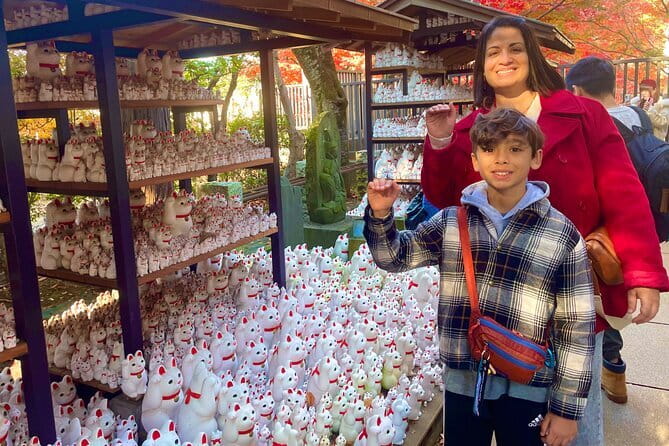
The Arakura Fuji Sengen Shrine receives about 15 minutes. It was built in 705 and has more than 1,300 years of religious history. The shrine is associated with prayers for well-being and family happiness.
The site also connects directly to Mount Fuji’s volcanic past. After a large eruption in 807 caused widespread fear, the shrine held religious rites. That detail gives useful context to the many shrines around Fuji, where worship and the mountain’s natural power have long been closely linked.
Fifteen minutes is a quick visit. You can see the grounds and absorb the atmosphere, but you will not have much time for a slow exploration. The shrine works well as a cultural counterpoint to the nearby pagoda, especially if your guide explains the relationship between the two sites.
Oshino Hakkai and the eight clear springs

The final stop is Oshino Hakkai, where you have about an hour. This World Heritage Site is known for eight clear springs formed by snowmelt from Mount Fuji. The springs are also recognized among Japan’s famous waters.
You can taste the spring water for free. That small detail makes the visit more interactive than simply looking across a lake or taking another distant mountain photo. The village setting gives you time to walk around, see the water, and absorb a different view of Fuji’s connection to local life.
This stop can feel more commercial and crowded than Saiko Iyashi no Sato Nemba. The area is heavily visited, and the tour may share the site with other coaches. If you are seeking a quiet rural encounter, Oshino Hakkai may not deliver that. If you want a convenient stop with clear springs, local sights, and a simple activity, it earns its place on the route.
Some people felt that the lake and spring village received more time than the pagoda and thatched-roof village deserved. That is a useful warning for photographers and architecture fans. The schedule is designed to give every site a turn, not to maximize time at your personal favorite.
Guides, commentary, and the group experience
The guide can make or break a long coach day. The strongest guide feedback centers on clear explanations, friendly energy, and good control of meeting times.
Kevin is praised for detailed historical information and practical travel tips. Yulina has been noted for teaching Japanese words connected with the places visited. Andrew is praised for explaining each location clearly and giving precise pickup instructions. Maddy is described as entertaining and well informed about the route, while Mrs. Yuan is described as warm and pleasant.
You should expect live commentary during the trip, followed by independent time at many stops. That balance suits you if you like background information but do not want to stay shoulder to shoulder with a guide all day.
The large group is the tradeoff. You must watch the clock, remember the coach location, and stay aware of instructions. A late return at one stop can affect everyone else.
Weather, crowds, and the limits of the photographs
Mount Fuji visibility is the tour’s biggest unknown. Low clouds can hide the mountain from Lake Kawaguchi, Oishi Park, the Natural Living Center, and Chureito Pagoda. You may still have a scenic day, but the iconic Fuji image is never assured.
For the best odds, consider the season and the forecast when choosing your date, though even a promising forecast cannot guarantee a clear peak. Autumn colors can add beauty, and the village, springs, shrine, and flowers remain worthwhile in cloudy weather.
Crowds are another practical concern. The pagoda, lake areas, and Oshino Hakkai are popular coach stops. You may spend part of your hour waiting for a clear photo or moving around other groups.
The coach experience can vary. It is air-conditioned, but comfort is not guaranteed to be identical on every departure. One account described an older bus without Wi-Fi and found it uncomfortable. Bring water, a phone charger, and something to occupy you during the longer road portions.
Is $60 a fair price for this itinerary?
At $60 per person, the tour offers solid value if you want convenience. You get round-trip transport from Tokyo, an air-conditioned vehicle, live commentary, and included fees, while visiting seven Fuji-area sites.
Lunch is not included, and personal expenses are extra. The schedule also means you are paying for access to many places rather than extended time at one site. That distinction matters.
I see this as a good value for a first visit to the Fuji region, especially if you would otherwise need to research trains, buses, local connections, and admission arrangements. It is less appealing if you prefer slow travel, quiet locations, or complete control over how long you stay at the pagoda and village.
Free cancellation is available up to 24 hours before the start time. Changes or cancellations inside that window are not accepted for a refund, so keep that deadline in mind when weather forecasts begin to change.
Who should book this Mount Fuji tour?
I would recommend it to you if:
- You have only one day available from Tokyo.
- You want several different Fuji viewpoints rather than one attraction.
- You prefer a coach to arranging public transport.
- You value guide commentary and local background.
- You are comfortable with a long day and a large group.
- You can accept that clouds may hide Mount Fuji.
I would hesitate if your top goal is a quiet, flexible visit to Chureito Pagoda. I would also think twice if you dislike fixed schedules, short photo stops, or coach groups that may reach 45 people.
When booking, mention any stroller or large luggage. If you are traveling with relatives or friends who booked separately, tell the provider at least one day ahead so you can avoid being assigned to different vehicles.
Should you book it?
Book this tour if you want an efficient first look at the Mount Fuji region for a reasonable price. The route gives you more than a single viewpoint, and the strongest guides add useful history, Japanese vocabulary, timing help, and travel advice.
Do not book it expecting a private outing or a guaranteed Fuji photograph. The day is long, some stops are brief, crowds are possible, and the pagoda comes late enough that poor weather can work against you.
For most first-time visitors with limited time in Tokyo, I think the convenience and range of sights make the $60 worthwhile. Just treat the mountain as a welcome possibility, not the only reason to go.
FAQ
How long does the tour last?
The tour lasts approximately 10 hours.
What places does the tour visit?
The stops are Saiko Iyashi no Sato Nemba, Lake Kawaguchi, Oishi Park, the Kawaguchiko Natural Living Center, Arakurayama Sengen Park, Arakura Fuji Sengen Shrine, and Oshino Hakkai.
Is transportation included?
Yes. Round-trip transfers from Tokyo are provided in an air-conditioned vehicle.
Is lunch included?
No. Lunch is not included, and personal expenses are also excluded.
Are entrance fees included?
All fees and taxes are included. The listed admission ticket for Saiko Iyashi no Sato Nemba is included, while the other listed stops have no separate admission charge.
Can I be sure I will see Mount Fuji?
No. Mount Fuji visibility depends on weather conditions, and low clouds can hide the mountain.
How large can the group be?
The activity can have a maximum of 45 travelers.
Can I cancel for a full refund?
Yes, if you cancel at least 24 hours before the experience start time. Cancellations or changes made less than 24 hours before the start time are not accepted for a refund.
New on our Tokyo list
- Tokyo : Kamikaze Street Drift Ride★ 5.0 · 3 reviews
- Private Zen Meditation in English in Shinjuku, Tokyo★ 5.0 · 3 reviews
- Sumi-e Experience in a relaxing green tea shop in Tokyo★ 5.0 · 3 reviews
- Onsen Spa in Tokyo and Asakusa Bar Hopping with Local Guide★ 5.0 · 3 reviews
- Easy for everyone! Now you can play handmade mini shamisen and show off to everyone! Musical instruments, sweets and live music★ 5.0 · 3 reviews
- Tokyo: Private Tsukiji Street Food & Sake with Local Guide★ 5.0 · 3 reviews
- Mt Fuji Exploration Tour with Free Japanese Kusa Mochi from Tokyo★ 4.5 · 3 reviews
- Tokyo Tsukiji Fish Market Walking and Exploring Hidden Gems Tour★ 5.0 · 3 reviews
Mt Fuji Area Tours, compared.
Mt Fuji and Hakone 1-Day Bus Tour Return by Bullet Train
Read our review →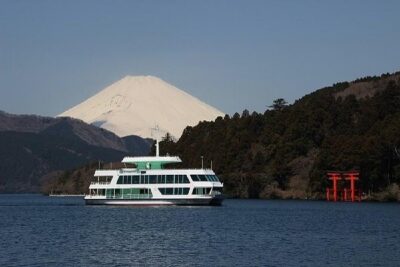
Mt Fuji & Hakone Cruise, Drum Show Bullet Train 1 Day from Tokyo
Read our review →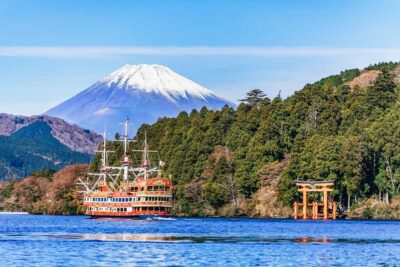
Tokyo Mt Fuji 5th St & Hakone Cruise Bus Tour w/Bullet Train
Read our review →
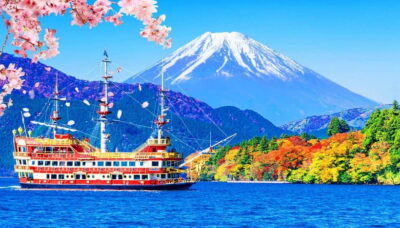
Mt. Fuji Tour, Hakone Ropeway, Owakudani, Lake Ashi
Read our review →
Mt.Fuji,Kawaguchiko Oishi Park,Arakurayama Sengen Park
Read our review →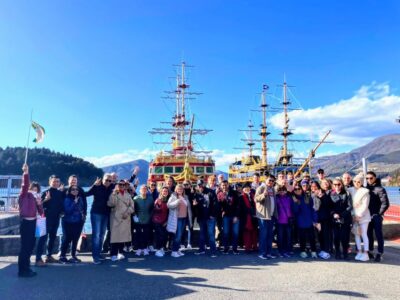
Mt. Fuji 5th Station & Hakone Cruise 1-Day Bus Tour
Read our review →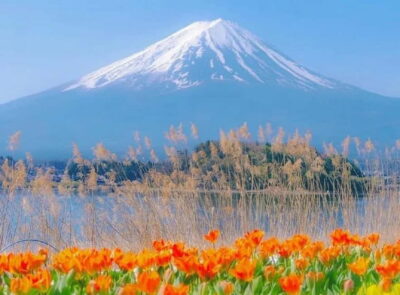
Mt Fuji Top 5 Spots Day Tour: Arakurayama Park,Oshino Hakkai
Read our review →Browse the lists this tour appears in