
Reviewed · TOKYO TRAVEL ESSENTIALS
Tokyo Pre Japan Planning Kit Itineraries, Food & Survival
Tokyo is too big for one tidy guided walk, and that is the useful idea behind this four-day digital itinerary. You get a ready-made route through major districts, but you decide when to start, what to skip, and how long to linger.
I like the freedom to shape each day, and I like the practical extras: local food recommendations and a Japanese survival card. The main drawback is that this is a compact planning guide, not a fully narrated tour, and one buyer found it was only about eight pages. You must also download it before you leave, since one unfortunate booking arrived too late to use.
In This Review
- Key points to know before booking
- What this Tokyo planning kit really is
- Day 1: Tsukiji, Asakusa, and a free Tokyo view
- Day 2: Imperial grounds, Harajuku style, and Shibuya lights
- Day 3: Ueno market life and Akihabara’s pop culture
- Day 4: Odaiba, Shinjuku Gyoen, and Tokyo after dark
- The food advice and Japanese survival card
- Is $26.06 good value for a four-day Tokyo plan?
- Who will get the most from this experience?
- How to use the plan without feeling rushed
- Should you book this Tokyo itinerary?
- FAQ
- How long does the Tokyo planning kit last?
- Is this a guided tour with a person present?
- What materials are included?
- How much does the experience cost?
- Which Tokyo areas are included?
- Are admission tickets included?
- Where does the activity start and end?
- Can I cancel for a full refund?
Key points to know before booking
- Four flexible days: Follow the suggested stops or treat them as a menu of Tokyo ideas.
- No physical guide: You explore independently with a mobile ticket and self-guided PDF.
- Strong first-time coverage: The plan includes Tsukiji, Asakusa, Shibuya, Harajuku, Ueno, Akihabara, Odaiba, and Shinjuku.
- Useful extras: You receive local food recommendations, a Japanese survival card, and a discount on an eSIM.
- Good value for a group: At $26.06 for up to 15 people, the cost can be very low when shared.
- Plan ahead: Free cancellation is available until 24 hours before the start time, but late changes and refunds are not accepted.
What this Tokyo planning kit really is
Think of this as a city plan in your pocket, not a tour with a person leading you from one stop to another. The experience lasts about four days, begins from a general point in Shinjuku City, and can be used at any time during the stated opening hours of midnight to 11:30 p.m., Monday through Sunday.
That broad schedule matters in Tokyo. You may want an early morning market visit one day, a slow garden afternoon the next, and a late night in Shinjuku after dinner. A fixed tour would make that harder. Here, you can start and stop as you please.
The guide’s greatest value is decision-making. Tokyo offers so many districts, stations, shrines, shops, food streets, gardens, and viewpoints that the hardest part is often choosing what deserves your limited time. This plan gives you a sensible four-day frame so you spend less time researching and more time walking.
Still, keep your expectations in check. There is no physical guide, no live commentary, no arranged transport, and no admission package. You receive a PDF itinerary and supporting travel information. You are responsible for getting between districts, checking opening details, and deciding how closely to follow the plan.
More arrival practicalities:
- Japan: eSIM with Unlimited Local 4G/5G Data
★ 4.5 · 163 reviews - Unlimited WiFi Router – Haneda Airport (Tokyo) Pickup
★ 3.5 · 23 reviews - Tokyo: Pre Japan Planning Kit: Itineraries, Food & Survival
★ 4.9 · 18 reviews
Day 1: Tsukiji, Asakusa, and a free Tokyo view
The first day begins with Tsukiji Fish Market, once one of the world’s largest and busiest seafood markets. The suggested visit lasts two hours, and admission is free.
Tsukiji is a strong opening stop because it gives you an immediate sense of Tokyo’s food culture. The market area is associated with seafood trade, food stalls, and early-day energy. Even without a paid ticket, you can spend money on breakfast or small bites as you wander.
The timing deserves thought. Tsukiji is best treated as a morning stop, not something to squeeze in after lunch. The itinerary does not force you to arrive at a particular hour, which is helpful, but you should plan this part of the day before building in later stops.
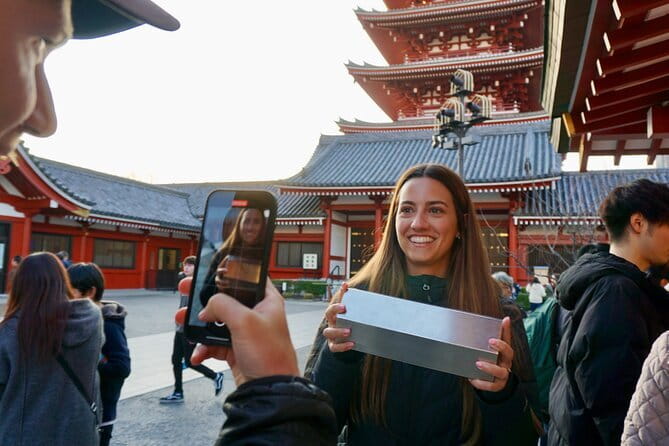
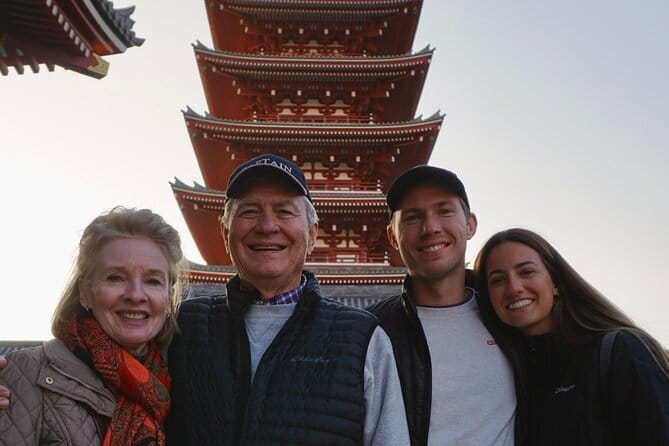
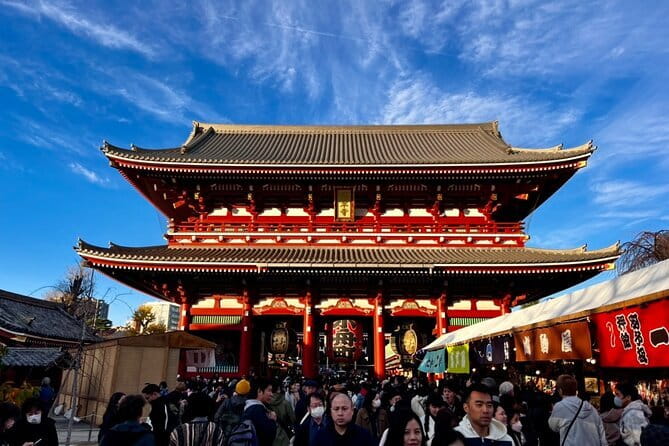
From Tsukiji, the plan moves to Asakusa Sensoji, Tokyo’s oldest and most iconic Buddhist temple. Allow about two hours, with no admission fee listed for the stop.
Asakusa gives your first day a very different mood. Kaminarimon, the temple’s famous entrance gate, leads toward Nakamise shopping street and the temple grounds. This is the place to look for traditional Japanese atmosphere, religious architecture, souvenirs, and a slower pace than Tokyo’s business districts.
I like the contrast between Tsukiji and Asakusa. One centers on food and commerce, the other on temple culture and tradition. You are not simply checking off famous addresses. You are seeing two sides of the city within one day.
The final named stop is the Tokyo Metropolitan Government Building Observation Decks, known here as the Tokyo Metropolitan Skyview. The suggested visit lasts one hour, and admission is free.
The observation decks on the 45th floor offer broad views across Tokyo. This is a particularly smart inclusion for a low-cost guide because it gives you a major city view without adding an observatory ticket to your budget.
The day includes three clear stops, with additional suggestions left flexible. Do not treat the listed times as strict appointments. Two hours at Tsukiji may be enough for a quick breakfast and walk, while Asakusa could easily take longer if you visit shops or pause around the temple.
Day 2: Imperial grounds, Harajuku style, and Shibuya lights
Day 2 begins at the Imperial Palace, the historic residence of Japan’s Emperor. The suggested visit lasts two hours, and the listed admission is free.
The East Gardens are the practical focus for sightseeing, with open green spaces and historic structures in central Tokyo. This is a useful morning choice if you want a break from neon signs and crowded commercial streets.
The palace area also helps you understand Tokyo’s unusual scale. Modern office towers and busy roads surround a large historic compound. You can move from the city’s political center to shopping districts without leaving the metropolitan core.
Next comes Harajuku Station, with two hours suggested for the area. Harajuku is known for fashion, independent shops, street style, and Takeshita Street.
This stop is less about a single monument and more about watching Tokyo’s youth culture in motion. You might find quirky shops, bold clothing, and a different pace from the Imperial Palace. The plan gives you room to browse instead of pushing you toward one particular store.
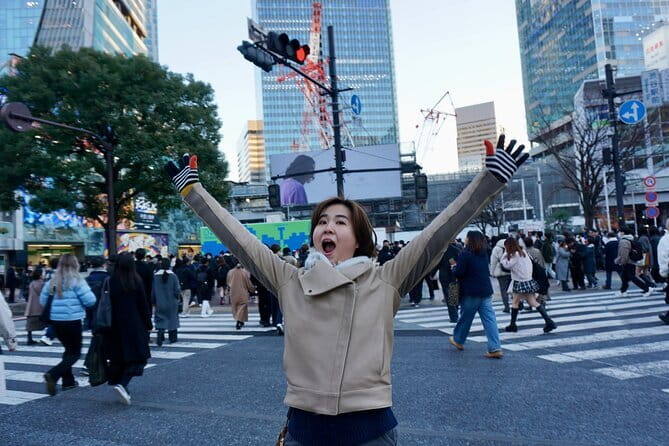
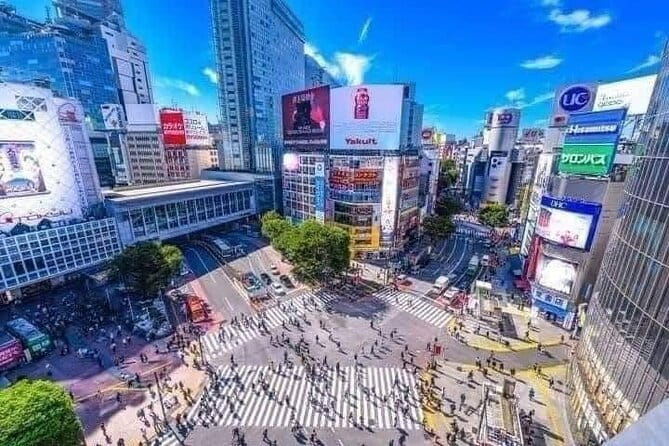
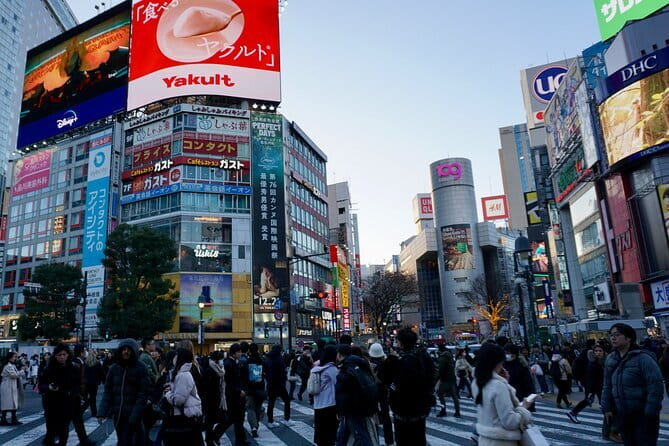
The day ends at Shibuya Crossing, with two hours suggested. The crossing is famous for its multi-directional pedestrian movement, giant advertisements, and high-rise surroundings.
You can experience Shibuya simply by crossing, then taking in the view from the surrounding streets. The area is also a natural place to pause for food or continue shopping, though this guide does not include meal reservations or entry tickets.
I like the order of this day. The Imperial Palace offers space and calm, Harajuku brings fashion and youthful energy, and Shibuya closes with Tokyo at its most recognizable. The limitation is that all three areas can demand more than two hours if you shop, eat, or explore beyond the central points.
Day 3: Ueno market life and Akihabara’s pop culture
Day 3 focuses on two districts with very different identities. Begin at Ueno Ameyoko, a lively open-air market street where you can browse food, clothing, seafood, and other goods.
The suggested visit lasts three hours, longer than most individual stops in the plan. That extra time makes sense. Market streets reward unhurried wandering, and you may want to stop for snacks or compare shops rather than rush through.
Ueno Ameyoko brings a more everyday commercial side of Tokyo into the plan. It is not only about grand sights. It is about shopping streets, food counters, and the pleasure of following your curiosity for a few blocks.
The second stop is Akihabara, with two hours suggested. This district is known for electronics, anime, games, gadgets, and Japanese pop culture merchandise.
Akihabara works best when you have a clear interest in its subject. If you enjoy electronics, games, anime, or related collecting, two hours may pass quickly. If those topics do not appeal to you, the district may be worth shortening while you give more time to Ueno or another part of Tokyo.
This is one of the better examples of the kit’s flexible design. You do not need to pretend every stop suits every person. Use Akihabara as a focused option, not an obligation.
The travel plan provides several additional suggestions around the named stops, but the repeated wording makes clear that these are optional ideas rather than a tightly developed guided route. That is convenient for independent planning, though it also confirms that you should not expect detailed commentary for every street or attraction.
A few more Tokyo bookings worth comparing
- Mt Fuji and Hakone 1-Day Bus Tour Return by Bullet Train
★ 5.0 · 26,383 reviews - 1-Day Tokyo Bus Tour
★ 5.0 · 14,250 reviews - Tokyo: TOKYO SKYTREE® Admission ticket
★ 4.5 · 11,192 reviews - Tokyo: teamLab Planets TOKYO Digital Art Museum Entry Ticket
★ 4.6 · 9,779 reviews
Day 4: Odaiba, Shinjuku Gyoen, and Tokyo after dark
The final day begins in Odaiba District, a futuristic island in Tokyo Bay. The suggested visit lasts two hours, with free admission listed for the district itself.
Odaiba is a change of scenery from older Asakusa or market-centered Tsukiji. Its appeal is modern architecture, waterfront views, entertainment facilities, and attractions such as the giant Gundam statue and teamLab Borderless.
The itinerary does not include admission to paid attractions, so budget separately if you want to enter one. That is important because the district can be enjoyed as an outdoor stop, but some of its most famous attractions may require their own tickets.
Next, head to Shinjuku Gyoen National Garden, with two hours suggested. Admission is not included, unlike many of the other listed stops.
The garden combines Japanese, English, and French styles and offers a quiet change after Odaiba’s modern setting. Its central location makes it a practical place to slow down before the evening portion of the day.
Because an admission fee applies, check your spending plan before arriving. The guide clearly identifies this cost, which helps you avoid assuming every stop is free.
The day finishes in Shinjuku at night, with three hours suggested. Neon signs, izakayas, karaoke bars, and crowds create a classic Tokyo evening.
This is a good final chapter because Shinjuku feels most alive after dark. You can use the food recommendations included with the kit to help choose where to eat, although the material does not provide a personal guide or guaranteed reservation.
The three-hour suggestion gives you enough time for dinner and a walk, but your evening remains your own. You can make it a food-focused night, look for karaoke, or simply explore the illuminated streets.
The food advice and Japanese survival card
The food recommendations are one of the most useful additions because eating in Tokyo can be both exciting and confusing when you have limited time. You receive personal food suggestions from locals, giving you another layer of help beyond the sightseeing route.
The available information does not name specific restaurants, dishes, or neighborhoods in the food section, so I would treat these recommendations as prompts rather than a complete dining plan. They can help you decide where to eat, but you should not assume that meals, reservations, or food tastings are included.
The Japanese survival card is also practical. The details of the phrases are not specified, but the purpose is clear: give you basic support for everyday situations. That is especially useful when you are exploring without a guide who can answer questions in person.
An eSIM discount is included as another convenience. The discount itself is not described, so check the terms before relying on it as your only phone connection. Still, the combination of itinerary, food advice, language help, and a connectivity discount makes this more useful than a bare list of sightseeing stops.
Is $26.06 good value for a four-day Tokyo plan?
At $26.06 per group of up to 15 people, the price is modest if you share it. A couple can split the cost, and a larger group can bring the per-person price down sharply.
The value depends on what you want. If you need a private guide, detailed cultural explanations, tickets, transport, or a carefully timed route, this will not replace a traditional tour. You would pay separately for trains, meals, and any attraction with an entrance charge.
If you mainly want a sensible plan and help narrowing Tokyo’s choices, the price is easier to justify. The four days cover many of the city’s best-known districts, while the flexible format lets you adapt the schedule to your energy, weather, and interests.
I would not buy it at the last minute. One purchase went unused because the document arrived after departure, and a duplicate purchase did not receive a refund after requests went unanswered. Download and check the material well before your trip, and be careful not to purchase it twice.
The experience has a 4.4 rating from eight reviews, with several strong scores and one serious complaint about timing and refund handling. That small sample suggests useful planning help, but it is not enough to promise a polished guide for every kind of visitor.
Who will get the most from this experience?
This kit suits you best if you:
- Are visiting Tokyo for four or five days and want a ready-made structure.
- Prefer independent sightseeing to a group walking tour.
- Like choosing your own meal times and changing plans during the day.
- Want major Tokyo districts in one broad plan.
- Appreciate practical extras such as food advice, language help, and an eSIM discount.
- Are willing to handle public transportation and admission costs yourself.
It is less suitable if you want a person beside you explaining temples, solving navigation problems, or adjusting the plan in real time. It is also not ideal if you want highly detailed background information for every stop.
The maximum group size is listed as 15, but that does not mean you join a 15-person group. It refers to the number of people who can use the booking. Since this is self-guided, your group explores on its own.
How to use the plan without feeling rushed
Use the four days as broad neighborhood groupings, not appointments. Day 1 links food, temple culture, and a city view. Day 2 moves from the Imperial Palace to Harajuku and Shibuya. Day 3 pairs Ueno with Akihabara. Day 4 combines Odaiba, a garden, and Shinjuku at night.
You can also shorten any stop. The first buyer who praised the plan did not follow it exactly, and that is probably the right approach. The strength here is having good options, not obeying every suggested hour.
Check the included PDF as soon as you book. Save it to your phone, read the food recommendations before you need them, and note which stop has paid admission. Since the material is digital, your phone battery and internet access matter even though no special equipment is required.
The activity is near public transportation, and most people can participate. No special physical requirement is given, but Tokyo’s large districts naturally involve walking and station transfers, so you should shape the schedule around your own pace.
Should you book this Tokyo itinerary?
Book it if you want inexpensive structure with plenty of freedom. The route covers a useful mix of old Tokyo, modern Tokyo, food districts, shopping streets, gardens, viewpoints, and nightlife. The local food recommendations and survival card add real practical value.
Skip it if you expect a live guide, deep explanations, included admissions, or a detailed day-by-day travel book. The PDF is compact, and its usefulness depends on your willingness to make decisions once you are in the city.
For a first visit lasting four to five days, I think this is a sensible planning aid, especially when shared with others. Just buy it before departure, confirm the download, and use it as a flexible framework rather than a tour you must complete stop by stop.
FAQ
How long does the Tokyo planning kit last?
The suggested experience covers approximately four days.
Is this a guided tour with a person present?
No. It is self-guided, and there is no physical tour guide included.
What materials are included?
You receive a self-guided PDF itinerary, personal Tokyo food recommendations from locals, a Japanese survival card, and a discount on an eSIM.
How much does the experience cost?
The price is $26.06 per group, with up to 15 people allowed on one booking.
Which Tokyo areas are included?
The suggested stops include Tsukiji Fish Market, Asakusa, the Tokyo Metropolitan Government Building Observation Decks, the Imperial Palace, Harajuku, Shibuya Crossing, Ueno, Akihabara, Odaiba, Shinjuku Gyoen National Garden, and Shinjuku.
Are admission tickets included?
Most listed stops show free admission, but admission to Shinjuku Gyoen National Garden is not included. The plan also does not include tickets for paid attractions in Odaiba.
Where does the activity start and end?
The stated start point is Shinjuku City, Tokyo, Japan. The activity ends back at the meeting point.
Can I cancel for a full refund?
Yes, if you cancel at least 24 hours before the experience start time. Cancellations or changes made within 24 hours are not accepted for a refund.
New on our Tokyo list
- Sumi-e Experience in a relaxing green tea shop in Tokyo★ 5.0 · 3 reviews
- Tokyo : Kamikaze Street Drift Ride★ 5.0 · 3 reviews
- Private Zen Meditation in English in Shinjuku, Tokyo★ 5.0 · 3 reviews
- Onsen Spa in Tokyo and Asakusa Bar Hopping with Local Guide★ 5.0 · 3 reviews
- Easy for everyone! Now you can play handmade mini shamisen and show off to everyone! Musical instruments, sweets and live music★ 5.0 · 3 reviews
- Tokyo: Private Tsukiji Street Food & Sake with Local Guide★ 5.0 · 3 reviews
- Mt Fuji Exploration Tour with Free Japanese Kusa Mochi from Tokyo★ 4.5 · 3 reviews
- Tokyo Tsukiji Fish Market Walking and Exploring Hidden Gems Tour★ 5.0 · 3 reviews