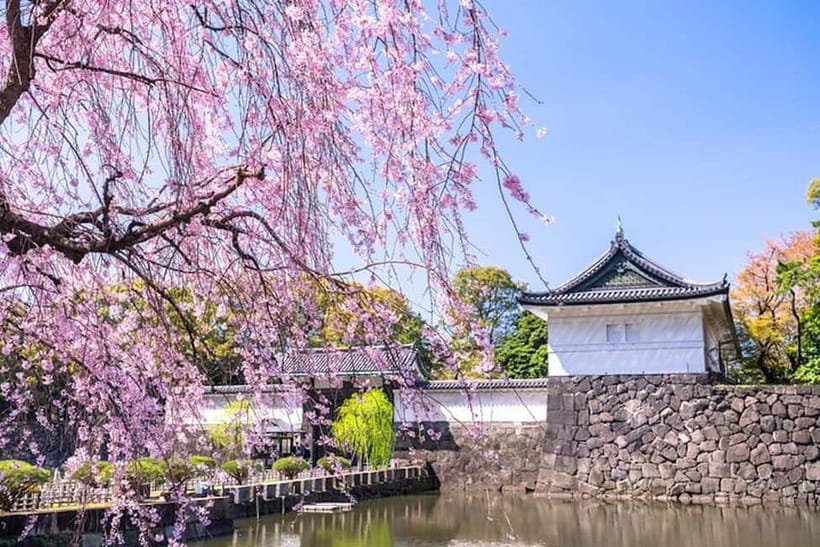
Reviewed · TOURS
Tokyo: Pvt. Tour – Edo Castle & Imperial Palace East Gardens
Edo Castle once ruled the heart of Tokyo, and its remaining walls, moats, gates, and gardens give you a surprisingly calm way to understand that power. I like the private format, which lets your guide adjust the pace, and I like the two-hour length, enough for useful history without eating up half your day.
The gardens are beautiful, especially when flowers or autumn color are in season, but this is not a palace interior tour. You cannot enter the area where the Emperor resides, and a baggage inspection takes place at the entrance.
In This Review
- Key points to know before you book
- Why Edo Castle matters in modern Tokyo
- Meeting your guide at Wadakura Fountain Park
- The Main Gate and the first look at the castle defenses
- Stone walls, moats, and the scale of Edo Castle
- Ninomaru Garden and seasonal changes
- What the history adds to the scenery
- Is two hours enough?
- The value of the $63 price
- How the guides shape the experience
- Who should book this Tokyo walking tour?
- Should you book the Edo Castle and Imperial Palace East Gardens tour?
- FAQ
- Where does the tour meet?
- How far is the meeting point from Otemachi Station?
- How far is it from Tokyo Station?
- How long does the tour last?
- Is this a private tour?
- Is the tour offered in English?
- Can I enter the Imperial Palace or the Inner Palace?
- Is there a baggage inspection?
- What should I do with Japanese knives or similar items?
- What is included in the price?
Key points to know before you book
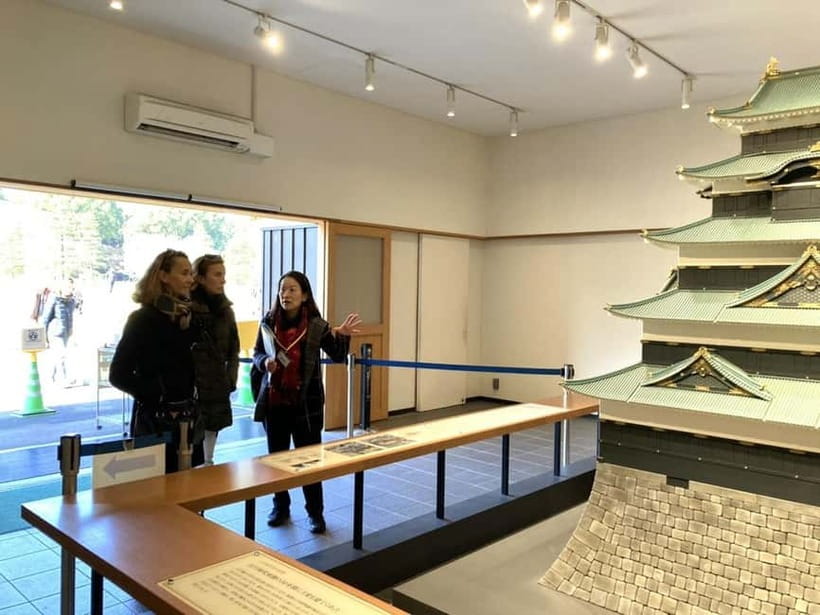
- Walk through the former grounds of Edo Castle, including huge stone walls, moats, the historic Main Gate, and the ruins of the castle keep.
- Enjoy a private English-language tour, with guides such as Yoshi-san, Yuji, Mari, Naoko, and Masahito praised for clear explanations and flexible pacing.
- See Ninomaru Garden, a traditional Japanese garden with cherry blossoms, irises, seasonal flowers, koi, and autumn leaves depending on the time of year.
- Meet at an easy central location, in front of Starbucks at Wadakura Fountain Park, about three minutes from Otemachi Station Exit D2.
- Plan around the two-hour visit, which works well before lunch, after arriving in Tokyo, or as part of a day around Marunouchi and Tokyo Station.
- Remember the main limit, the tour stays outside the Inner Palace and does not include the Emperor’s residence.
Why Edo Castle matters in modern Tokyo
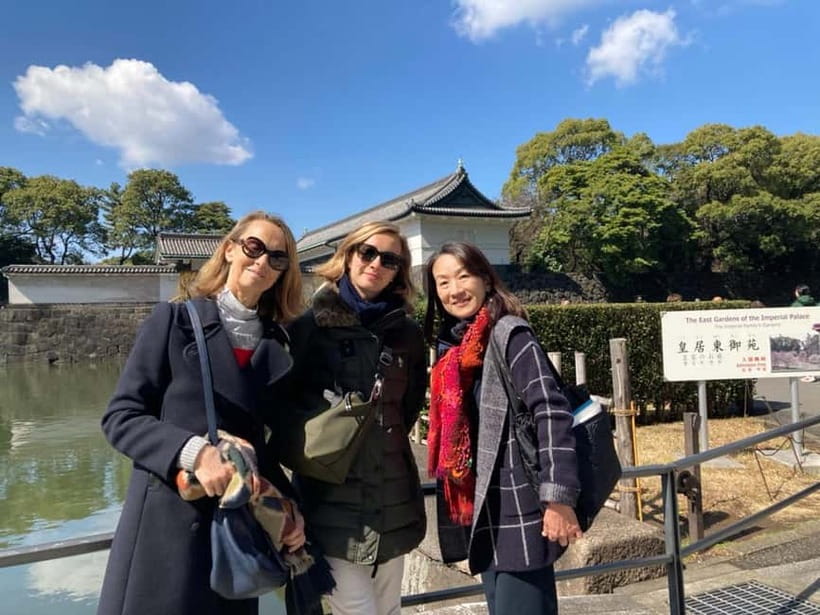
Tokyo can feel like a city of trains, towers, shops, and neon. Then you reach the Imperial Palace grounds and the mood changes. Wide moats, thick stone walls, clipped trees, and open lawns create breathing room in the middle of the capital.
The important point is that this is not simply a pretty park. The East Gardens occupy part of the former Edo Castle site, once the political center of Japan under the shoguns. As you walk, your guide connects the surviving structures to the scale and purpose of the old castle complex.
The castle was not just a home for a ruler. It was a fortified seat of government, surrounded by defenses and controlled entrances. The remaining stones and moats help you picture how formidable the site once was, even though much of the original wooden architecture has disappeared.
I find this kind of setting especially useful early in a Tokyo visit. You get a quick introduction to the Edo period, the shoguns, Japanese garden design, and the relationship between old authority and modern Tokyo. The information gives later visits to temples, shrines, and historic districts more meaning.
A few more Tokyo bookings worth comparing
- Mt Fuji and Hakone 1-Day Bus Tour Return by Bullet Train
★ 5.0 · 26,383 reviews - 1-Day Tokyo Bus Tour
★ 5.0 · 14,250 reviews - Tokyo: TOKYO SKYTREE® Admission ticket
★ 4.5 · 11,192 reviews
Meeting your guide at Wadakura Fountain Park
The meeting point is in front of Starbucks in Wadakura Fountain Park. Look for a guide holding a sign marked gotcha. This detail matters because the park and surrounding office district can feel larger than expected, especially if you are arriving from Tokyo Station.
From Tokyo Metro Otemachi Station, Exit D2 is about a three-minute walk away. From the Marunouchi Central Exit at Tokyo Station, allow about ten minutes on foot. Give yourself a little extra time if you are unfamiliar with Tokyo station passages and office streets.
The starting point is practical rather than scenic in the traditional sightseeing sense. Wadakura Fountain Park puts you close to the palace grounds, so the tour begins without a long ride or a wasted transfer. You meet your guide, confirm the group, and head toward the entrance.
Because this is a private group, you are not tied to the pace of a large crowd. That can make a real difference for families, older travelers, or anyone who wants to stop for photographs and questions. Several guides, including Yuji and Mari, received praise for walking at a comfortable pace and keeping the route easy to follow.
The Main Gate and the first look at the castle defenses
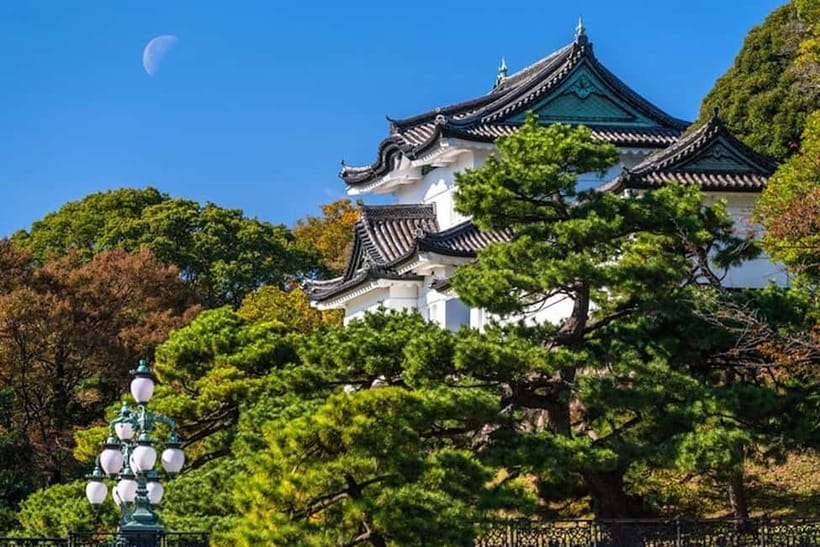
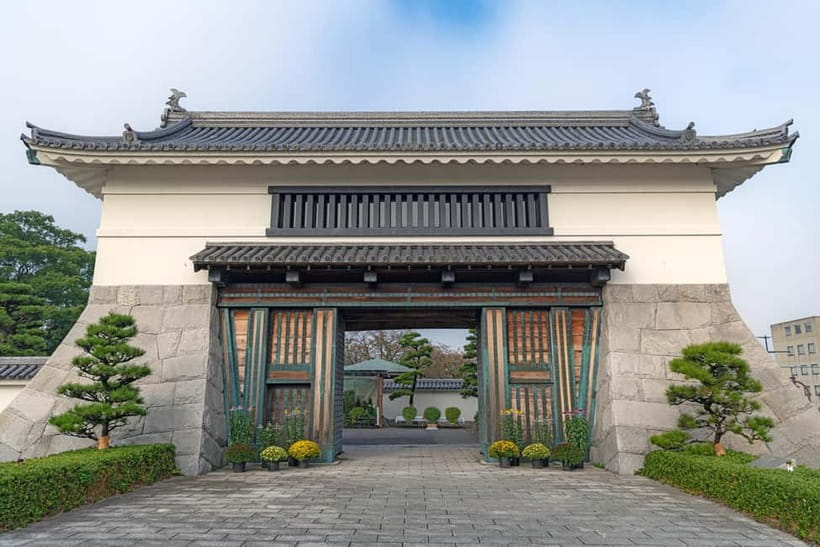
One of the first meaningful sights is the historic Main Gate, with its traditional guardhouse and carefully controlled entrance. It also gives you an early glimpse of how old Japanese architecture exists beside modern security arrangements.
This is a good place to listen closely. A gate can seem like a simple photo stop when you visit alone, but its position and design make more sense when someone explains how people entered the castle and how the site was protected.
Before entering the grounds, expect a baggage inspection. The warning is practical: if you have bought Japanese knives or other objects that could be used as weapons in Tsukiji, Asakusa, or elsewhere, leave them in a coin locker or similar storage before meeting the guide.
That rule could catch you off guard if you plan a market visit beforehand. The simplest plan is to visit the palace gardens before shopping for knives or other restricted items, or store them before the tour.
Stone walls, moats, and the scale of Edo Castle
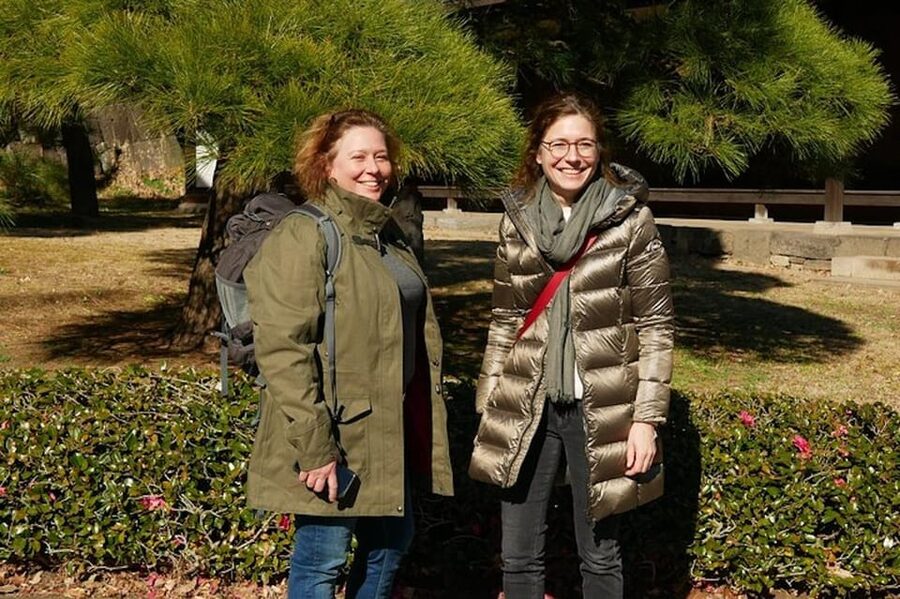
The castle ruins are the strongest historical part of the walk. Massive stone walls and broad moats show the effort that went into defending and organizing the site. You also see the remains connected with the castle keep, which help you understand that Edo Castle was far larger than the peaceful gardens suggest today.
Do not expect a complete castle with furnished rooms and reconstructed towers. Much of what you see is architectural evidence rather than a fully restored building. That is both the attraction and the limitation.
A guide adds value here by helping you read the ruins. Masahito, one of the guides praised for this tour, was described as explaining the gardens and palace area clearly while answering questions with care. Another guide, Naoko, was especially good at linking the buildings, past and present residents, gardens, and even the koi.
The private format also gives you room to ask the questions that interest you. You might focus on castle defenses, the shoguns, Japanese customs, palace life, or garden design. If your guide does not know an answer immediately, Masahito was reported to have contacted another guide for clarification, a useful sign of good practical service.
Same corner of Tokyo, a completely different plan:
- Tokyo: teamLab Planets TOKYO Digital Art Museum Entry Ticket
★ 4.6 · 9,779 reviews - Mt Fuji & Hakone Cruise, Drum Show Bullet Train 1 Day from Tokyo
★ 4.0 · 7,413 reviews - Tokyo: Sumo Show Experience with Chicken Hot Pot and a Photo
★ 4.8 · 6,678 reviews - Tokyo: Shinjuku Food Tour (13 Dishes at 4 Local Eateries)
★ 5.0 · 6,603 reviews
Ninomaru Garden and seasonal changes
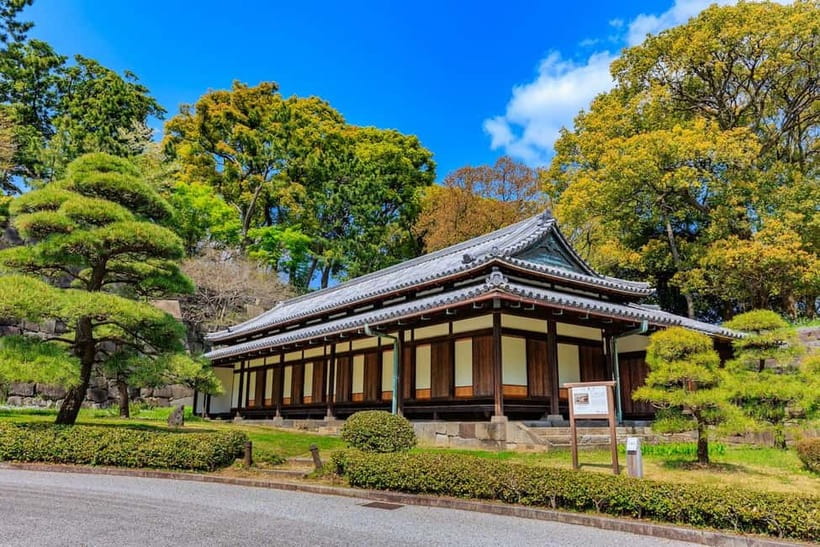
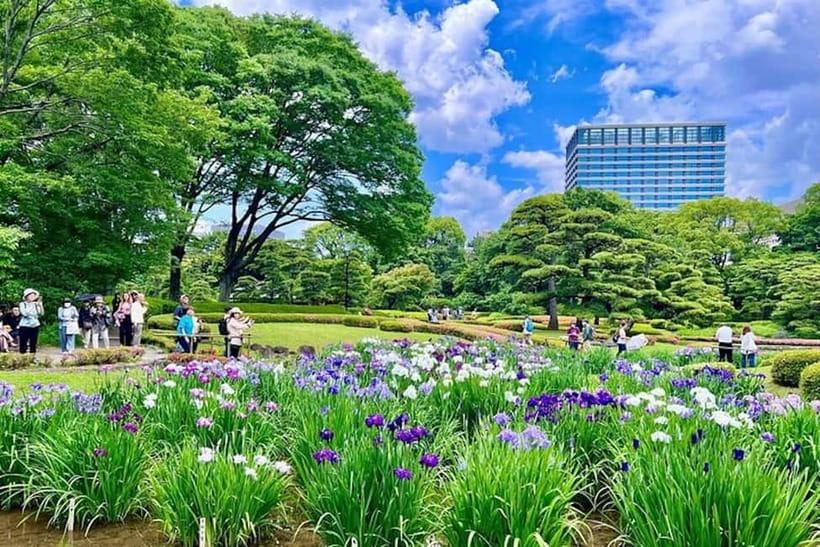
Ninomaru Garden is the gentler side of the tour. Here, the hard edges of the castle give way to ponds, planted areas, winding paths, and traditional Japanese garden design. Its appeal changes with the calendar.
In spring, cherry blossoms may be the main attraction, though flowering dates vary. One April visit found that the cherry blossoms and other flowers were not fully out yet, so you should avoid booking with the assumption that peak color is guaranteed on a particular date.
Summer brings irises and other seasonal flowers. Autumn can bring warm-colored leaves. Winter is quieter and may offer fewer flowers, but the garden’s structure, water, stones, and carefully planned views remain central to the experience.
The garden is also a useful place to slow down. You are not racing from one famous building to another. Instead, your guide points out details you might pass without noticing, including the koi and the way the garden reflects Japanese ideas about space, balance, and seasonal change.
The private arrangement works well here. You can stop for photos, ask about a particular plant, or spend a little longer at a pleasing view. Yuji was praised for adapting his pace to a family, while Yoshi-san was noted for strong English and interesting facts about the palace buildings and garden.
What the history adds to the scenery
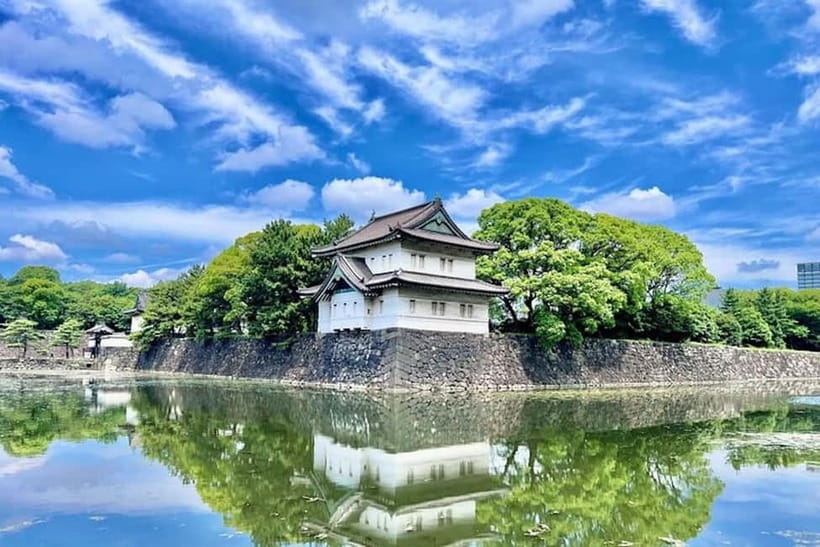
Without context, a garden can become a pleasant but forgettable walk. With context, the same path becomes part of a story about power, ceremony, defense, and change.
Your guide explains Japan’s imperial past and the Edo period while you move through the grounds. The setting helps keep the history grounded. Instead of hearing a long lecture in a museum, you see the walls, gates, moats, and planted spaces connected to the story.
The tour is also a reminder that the Imperial Palace and Edo Castle are related but not identical experiences. The East Gardens occupy former castle grounds, while the Inner Palace is the Emperor’s residence. This activity does not take you inside the palace itself.
That distinction should shape your expectations. If you want furnished palace rooms or an interior visit, this is not the right tour. If you want a historical walk through a major site with an English-speaking guide, the East Gardens offer a more accessible option.
Is two hours enough?
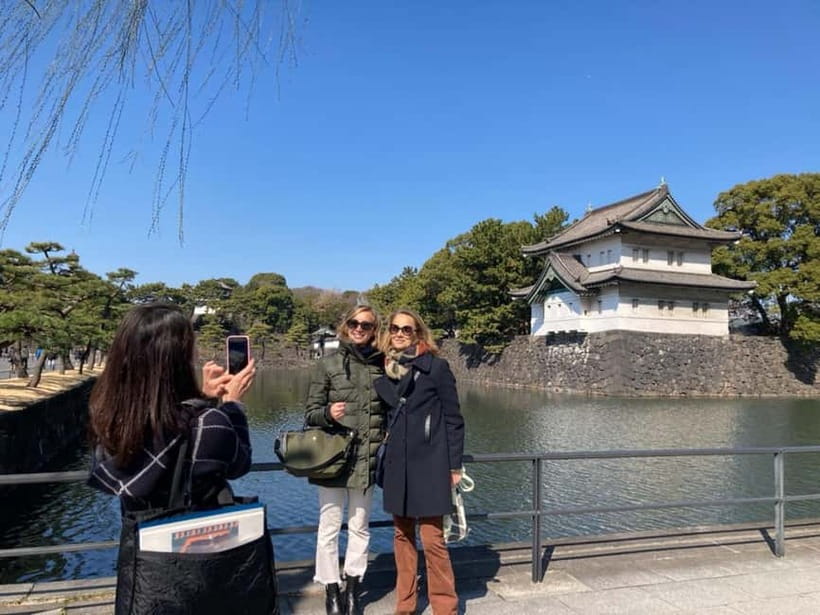
Two hours is a sensible length for this experience. It gives you time to see the main historical features and Ninomaru Garden without turning the outing into a half-day commitment.
I would treat it as a focused introduction rather than an exhaustive visit. The route covers the Main Gate, castle ruins, moats, stone walls, and garden areas, but you should not expect every corner of the palace grounds.
The timing fits neatly into a wider Tokyo day. You could pair it with Tokyo Station and the Marunouchi district, continue toward Ginza, or use it as a calm break from shopping and city streets. Since the meeting point is close to Otemachi and Tokyo Station, it is also convenient for a first or last sightseeing stop in central Tokyo.
The private group format makes the short duration more productive. A guide who can keep your party moving at the right speed is more useful than a long tour that spends too much time waiting for a large group.
The value of the $63 price
At $63 per person, this is not the cheapest way to walk through a public garden. The East Gardens can be appreciated independently, and confident visitors who enjoy reading signs or researching in advance may decide to go alone.
The price makes more sense if you value interpretation. You are paying for a private English-speaking guide who can explain what you are seeing, answer questions, adjust the pace, and point out details that are easy to miss.
For families, the value is stronger. A private guide can keep children involved with stories about castle walls, moats, gates, gardens, and koi instead of forcing everyone to follow a fixed group rhythm. A family tour led by Yuji was praised for its comfortable pace, and another family described the experience as a highlight of a Tokyo visit.
It can also suit first-time visitors who want historical orientation without committing to a long museum tour. The cost is easier to justify if this is one of your main history-focused activities in Tokyo. If you mainly want photographs and a quiet stroll, save the money and walk independently.
The flexible booking terms add some practical value. You can reserve now and pay later, and cancellation is allowed up to 24 hours before the start for a full refund. Check the available start times when booking, since the tour lasts two hours.
How the guides shape the experience
The clearest strength of this tour is the guide service. Names associated with especially positive experiences include Hiroshito, Yoshi-san, Masahito, Mari, Naoko, Yuji, Ishida, and David.
You should not assume you will receive a particular guide unless the booking specifically confirms one. Still, the pattern is clear: the best part of the experience depends on having a guide who can explain the site in natural English and respond to your interests.
Yuji was praised for being welcoming, attentive, and helpful with directions after the tour. He also adjusted his walking speed for a family. Mari was described as prompt and organized, leading the route in a clear order. Naoko was noted for sharing details about buildings, residents, koi, and garden features.
I like the practical help as much as the historical explanation. If you are new to Tokyo, a guide who can point you toward the right station entrance afterward can save time and stress. David, Ishida, Chichiro, and others were also praised for friendly, flexible service and strong English.
The activity has an overall rating of 4.8 from 63 reviews, with repeated praise for guides being punctual, kind, informative, and adaptable. That does not remove the need to set realistic expectations, but it suggests that guide quality is a dependable part of the booking.
Who should book this Tokyo walking tour?
I would recommend it to you if you want:
- A short introduction to Edo-period and imperial history
- A private tour rather than a large shared group
- Clear English explanations at a major Tokyo site
- A relaxed walk through gardens and castle ruins
- Help noticing details you might miss alone
- A central activity near Tokyo Station and Otemachi
It is particularly suitable for families, first-time visitors, and people who prefer history explained in plain language. It also works for anyone who wants a quiet green setting without leaving central Tokyo.
I would hesitate if your main goal is entering the Imperial Palace. You cannot visit the Inner Palace on this tour. I would also think twice if you have already researched Edo Castle thoroughly and are happy exploring gardens without assistance.
Wear comfortable walking shoes and check the season before booking if flowers are important to you. Spring blossoms and autumn leaves are never guaranteed on a specific date, and one April visit found the blooms were still slow to appear.
Should you book the Edo Castle and Imperial Palace East Gardens tour?
Book it if you want the former Edo Castle grounds to make sense, not just look attractive. The stone walls, moats, gate, ruins, and Ninomaru Garden become much more meaningful when an English-speaking guide connects them to Japan’s shoguns and imperial past.
At $63 per person, the tour is best value for people who want personal explanation and an easy pace. The two-hour schedule is efficient, the meeting point is convenient, and the private format gives you flexibility.
Skip it if you need an interior palace visit or prefer to explore public gardens independently. For everyone else, this is a well-sized introduction to one of Tokyo’s most important historical sites, with enough scenery to keep the walk enjoyable and enough context to make the visit stick.
FAQ
Where does the tour meet?
Meet your English-speaking guide in front of Starbucks in Wadakura Fountain Park. Look for a sign board marked gotcha.
How far is the meeting point from Otemachi Station?
The meeting point is about a three-minute walk from Tokyo Metro Otemachi Station Exit D2.
How far is it from Tokyo Station?
It is about a ten-minute walk from the Marunouchi Central Exit at Tokyo Station.
How long does the tour last?
The guided walking tour lasts two hours.
Is this a private tour?
Yes. The activity is arranged for a private group rather than a large shared group.
Is the tour offered in English?
Yes. The live tour guide language is English.
Can I enter the Imperial Palace or the Inner Palace?
No. The tour does not go inside the Imperial Palace or the Inner Palace where the Emperor resides.
Is there a baggage inspection?
Yes. Visitors are subject to a baggage inspection when entering the Imperial Palace grounds.
What should I do with Japanese knives or similar items?
If you bought Japanese knives or other objects that could be used as weapons in Tsukiji, Asakusa, or elsewhere, leave them in a coin locker or similar storage before the meeting.
What is included in the price?
The price includes the guide and the walking tour of the East Gardens. It does not include entry to the Inner Palace, which is not part of the activity.
New on our Tokyo list
- From Tokyo: Mount Fuji & Hakone Full Day Private Tour★ 4.9 · 25 reviews
- Tokyo Spectacular View Day-Cruise in 90 Minutes★ 5.0 · 25 reviews
- Real Tokyo Runner Club : Daikoku Car Meet Night Tour with JDM Car★ 5.0 · 25 reviews
- 2.5 Hour-Guided Cycle Tour in the Central Tokyo★ 5.0 · 25 reviews
- Ramen Making from Scratch +Akihabara Tour –Cooking Class★ 5.0 · 25 reviews
- [Self-Drive] Tokyo & Daikoku Custom Car Driving Tour★ 4.9 · 25 reviews
- Tokyo: 2-Hour Night Bike Tour of the City’s Hidden Gems★ 4.9 · 25 reviews
- Samurai themed Entertainment show in Shinjuku★ 4.5 · 25 reviews
Tours, compared.
Mt Fuji and Hakone 1-Day Bus Tour Return by Bullet Train
Read our review →
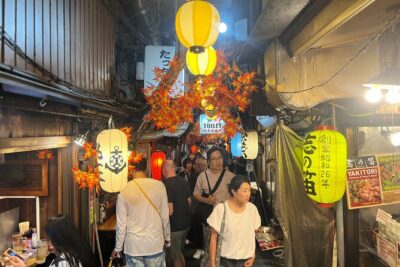
Shinjuku Food Tour (13 Dishes at 4 Local Eateries)
Read our review →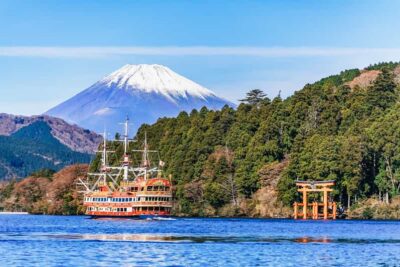
Tokyo Mt Fuji 5th St & Hakone Cruise Bus Tour w/Bullet Train
Read our review →
Flagship 2-Hours Official Street Go-Kart Tour – Tokyo Bay Shop
Read our review →
Mt. Fuji Tour, Hakone Ropeway, Owakudani, Lake Ashi
Read our review →
Tokyo 6hr Private Tour with Government-Licensed Guide
Read our review →