Reviewed · TOURS
Tokyo’s Imperial Palace & Nihonbashi Tour
Tokyo’s best surprise on this tour comes after the palace gardens. You move from Edo Castle ruins to Nihonbashi’s old merchant quarter, where shops selling dashi, nori, knives, washi paper, and regional food keep traditional crafts in daily use. It is a useful link between Japan’s political past and its living food and craft culture.
I like the two-part design: the East Gardens give you history and open space, while Nihonbashi gives you hands-on tastes and shopping. I also like the practical help of a local guide, especially when you are navigating Tokyo’s train system and trying to understand unfamiliar food or craft traditions. The main drawback is that the tour covers a lot of ground in four hours, and the palace itself is not opened for a full interior visit.
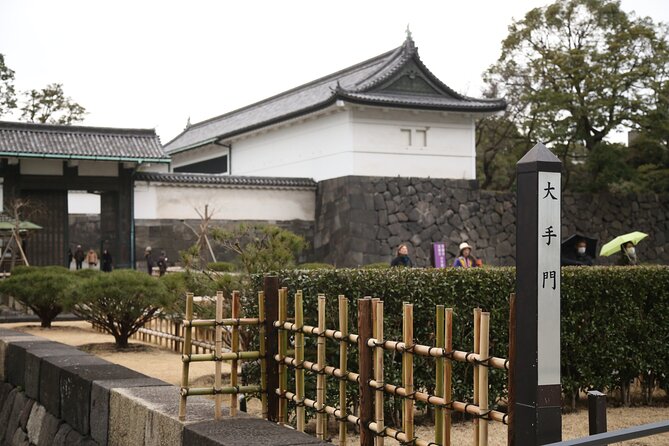
- Edo Castle remains: Walk through Otemon Gate and see foundations and grounds tied to the Tokugawa shoguns.
- Four centuries of commerce: Nihonbashi introduces old businesses that still sell everyday Japanese goods.
- Food with a story: Taste dashi stock, sample roasted nori, and finish with a Japanese sake set.
- Traditional crafts: Visit a long-running knife shop and a washi paper store, with paper-making included when available.
- Two departure choices: Morning or afternoon timing helps fit this half-day outing into a Tokyo schedule.
- A lot of walking: Plan for palace paths, city streets, and a subway transfer to Nihonbashi.
In This Review
- A half-day link between Edo power and modern Tokyo
- Starting at Tokyo Station and walking toward the palace
- Otemon Gate and the East Gardens of Edo Castle
- Moving to Nihonbashi by Tokyo subway
- Dashi at Ninben, Japan’s soup-stock foundation
- Roasted nori at Yamamoto Noriten Honten
- Kiya and the appeal of Japanese kitchen knives
- Ozu Washi and a traditional paper lesson
- Toyama Prefecture Antenna Shop and sake tasting
- Guide quality and language support
- Walking, weather, and the right pace
- Who gets the most from this tour
- Should you book the Imperial Palace and Nihonbashi Tour?
- FAQ
- How long does the tour last?
- Where does the tour begin?
- Where does the tour end?
- Does the tour enter the Imperial Palace buildings?
- Is admission to the East Gardens included?
- Is transportation included?
- What food and drink are included?
- Is washi paper-making included?
- How large can the group be?
- Can I cancel for a full refund?
A half-day link between Edo power and modern Tokyo
This tour is designed for someone who wants more than a photo stop at the Imperial Palace. It begins near Tokyo Station, then moves through the palace grounds before shifting to Nihonbashi, one of Tokyo’s oldest commercial areas.
The contrast is the point. At the palace, you get broad paths, trees, stone walls, gates, and traces of the old castle. In Nihonbashi, you see shops where food, paper, knives, and regional products are still sold. I find that combination more useful than spending four hours on palace history alone.
The tour runs about four hours and accepts a maximum of 28 people. That is small enough for a guide to manage, though the experience can feel more personal when the group is smaller. Some departures have included two guides, which can help with questions and pace.
The price is $101.72 per person. That is not cheap for a half-day walk, especially since the East Gardens are free to enter and you pay for your own transport to the meeting point. The value comes from the guide, the arranged visits, tastings, and the way the stops are connected. If you would happily explore shops on your own, the cost may feel high. If you want context and help navigating, it is easier to justify.
Starting at Tokyo Station and walking toward the palace
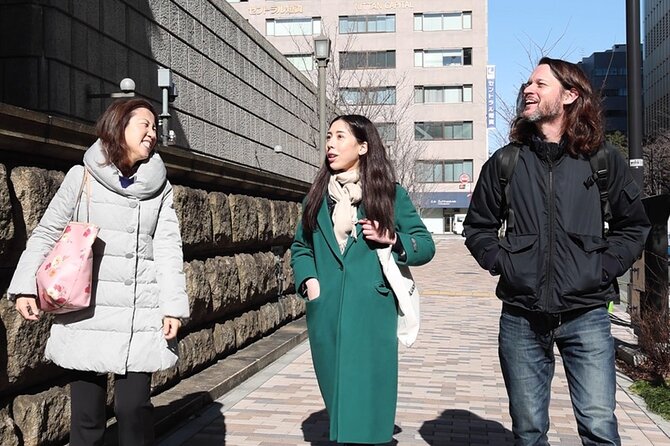
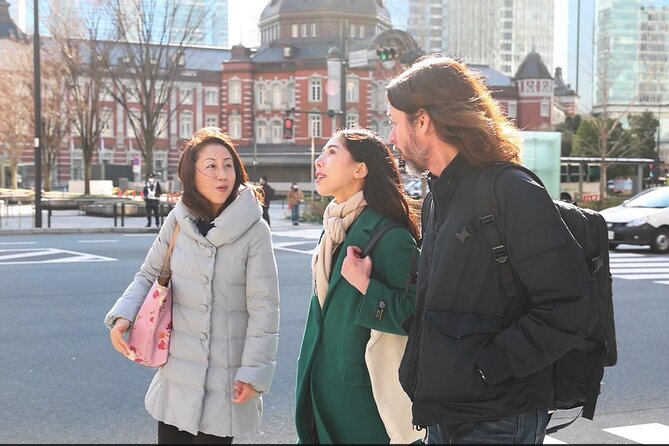
The meeting point is Tokyo Station at 1 Chome-9 Marunouchi, Chiyoda City. Tokyo Station is a large, busy transport hub, so give yourself enough time to find the exact meeting point rather than arriving at the last minute.
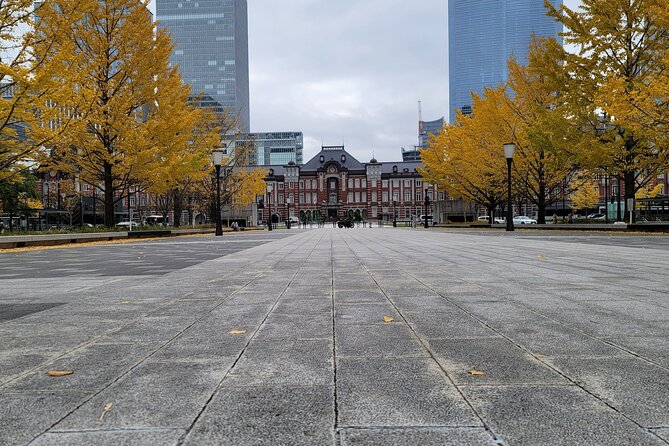
From there, the group walks along a ginkgo-lined avenue toward the Imperial Palace. The first palace stop lasts about 15 minutes and covers the outer grounds. You can expect trees, stonework, palace walls, and views connected with the present Imperial residence, but do not expect to enter the private palace buildings.
This distinction matters. The tour title may suggest an interior palace visit, yet the main public experience is the outer grounds and East Gardens. You should book it for the gardens, gates, castle remains, and explanation of the site, not for rooms inside the Imperial Palace.
A few more Tokyo bookings worth comparing
- Mt Fuji and Hakone 1-Day Bus Tour Return by Bullet Train
★ 5.0 · 26,383 reviews - 1-Day Tokyo Bus Tour
★ 5.0 · 14,250 reviews - Tokyo: TOKYO SKYTREE® Admission ticket
★ 4.5 · 11,192 reviews
Otemon Gate and the East Gardens of Edo Castle
The East Gardens are the longest stop, with about an hour set aside for walking and explanation. You enter through Otemon Gate, once the main entrance to Edo Castle, the seat of the Tokugawa shoguns.
The gardens include cherry trees, pine trees, seasonal flowers, broad paths, and the remains of the old castle complex. The castle itself is gone, so the appeal lies in reading the site through its walls, foundations, gates, open spaces, and changing plant life.
This is where a guide earns the fee. You can walk through the gardens without paying admission, but it is easy to see only a pleasant park unless someone explains what the gates and ruins meant. Guides such as Mari, Yoshi, Toyo, Yama-san, Kudo-san, Eriko, and Andy Watanabe have been singled out for clear explanations, patience, humor, or attention to guest interests.
The pace is not a race, but you will be on your feet. Spring can bring cherry blossoms and azaleas, while summer heat can be serious. One participant had the tour shortened because of hot weather, and another described difficult walking in heavy rain. Bring water in warm months and sensible footwear in any season.
Moving to Nihonbashi by Tokyo subway
After the palace, the tour heads to Nihonbashi. The supplied information describes a short journey, and past outings have used the Tokyo subway. This transfer is part of the experience, but it also takes time that could otherwise be spent in a shop.
Nihonbashi has been a major commercial center for more than 400 years and marked the beginning of Japan’s national highway network from the early seventeenth century. The area now mixes department stores, polished shopping streets, old specialty businesses, and modern Tokyo traffic.
You finish in Nihonbashi rather than returning to Tokyo Station. That is convenient if you want to keep shopping or eating in the district. The nearest stations are Nihombashi Station, served by the Toei Asakusa, Metro Ginza, and Metro Tozai lines, and Mitsukoshimae Station, served by the Metro Ginza and Metro Hanzomon lines.
Dashi at Ninben, Japan’s soup-stock foundation
Ninben Nihombashi Main Store is devoted to dashi, the soup stock used in many Japanese dishes, from noodle soups to hot pots. You receive a sample of dashi as part of the tour.
This is a small tasting, but it can change how you understand Japanese food. Dashi is easy to overlook when it is hidden inside a finished soup. Here, the guide can connect the flavor to everyday cooking and show why a simple broth matters so much.
The stop is planned for about 20 minutes. That is enough for a taste and a short explanation, not a full cooking lesson. Availability can also change. One outing found the dashi business closed, so the stop was missed. If this shop is especially important to you, ask the operator before departure how closures are handled.
Same corner of Tokyo, a completely different plan:
- Tokyo: teamLab Planets TOKYO Digital Art Museum Entry Ticket
★ 4.6 · 9,779 reviews - Mt Fuji & Hakone Cruise, Drum Show Bullet Train 1 Day from Tokyo
★ 4.0 · 7,413 reviews - Tokyo: Sumo Show Experience with Chicken Hot Pot and a Photo
★ 4.8 · 6,678 reviews - Tokyo: Shinjuku Food Tour (13 Dishes at 4 Local Eateries)
★ 5.0 · 6,603 reviews
Roasted nori at Yamamoto Noriten Honten
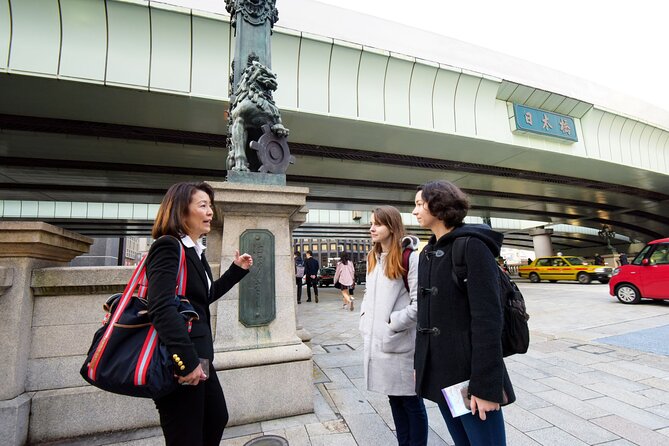
Yamamoto Nori has sold nori seaweed since 1849. The planned visit lasts about 20 minutes and introduces the range of seaweed products. The tour description also says you can watch staff roast nori.
This stop is strongest when the roasting demonstration and explanation take place. You get to connect a familiar sushi ingredient with the production and retail traditions behind it. If the shop is operating only as a retail stop, the visit may feel more like browsing packaged products than seeing a working process.
That is a useful expectation to set before booking. You are visiting a historic specialty store, not taking a full seaweed-making class. The value depends on how active the shop is on the day.
Kiya and the appeal of Japanese kitchen knives
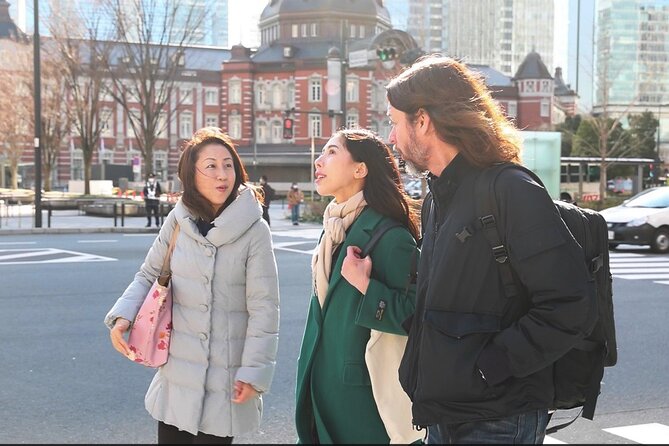
Kiya Nihombashi Main Branch dates to 1792 and carries hundreds of utensils. Its selection includes traditional Japanese knives as well as more modern European styles.
For cooks, this may be the most tempting stop. You can compare knife shapes and browse tools that are difficult to find in one place at home. The tour gives you an introduction, but buying a knife is optional and any purchase is your own expense.
The original plan refers to seeing knife sharpening, yet the actual experience may focus more on the shop and its products. Do not expect a long practical sharpening lesson unless the guide confirms one for your date. Still, the shop offers a concrete look at a craft connected to Japanese kitchens, rather than a generic souvenir stop.
Ozu Washi and a traditional paper lesson
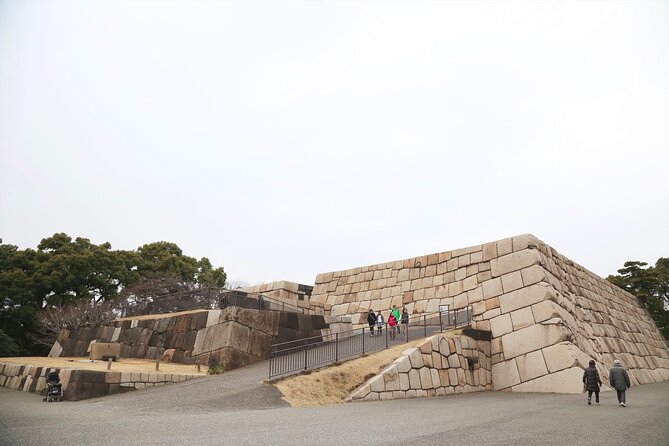
Ozu Washi is scheduled for about an hour, making it the most substantial Nihonbashi stop. You see washi, traditional Japanese paper, along with stationery and other paper goods. The activity description includes making a sheet of washi.
This is the stop with the most variation to check in advance. The paper museum and store can be fascinating, and a film or explanation of paper-making adds useful context. However, the hands-on sheet-making session may require advance booking, carry a separate fee, or fill up. One outing did not include the paper-making activity because the available session was full.
If making paper is a priority, contact True Japan Tour before you commit and ask whether your departure includes it. If it is unavailable, the store and paper display can still be worthwhile, but the experience becomes more observational.
Toyama Prefecture Antenna Shop and sake tasting
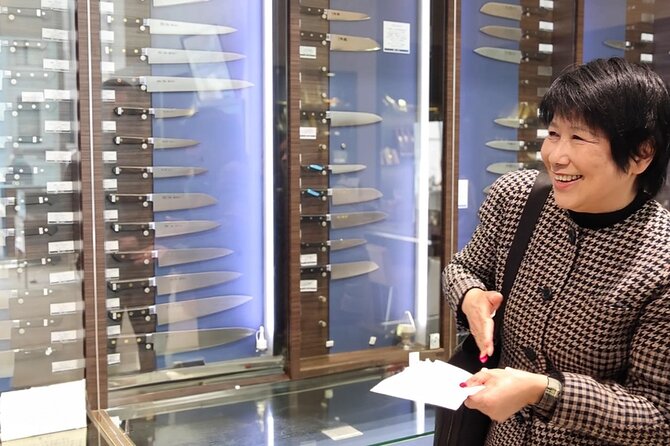
The tour ends at the Toyama Prefecture Antenna Shop, a regional store selling products from Toyama on the Sea of Japan coast. This is a smart final stop because it shifts the focus from Tokyo to regional Japan.
The included Japanese sake set is served here. Past outings have included three sake samples, though the exact selection can vary. You should expect tasting rather than a full brewery tour or formal sake class.
The store also gives you a chance to browse food and gifts from Toyama. The tour ends in Nihonbashi, so you can continue shopping or find a meal nearby without crossing the city again.
Guide quality and language support
A nationally accredited tour guide-interpreter is included, and language help is one of the practical reasons to choose this outing. Strong guides have adjusted the pace for heat, rain, age, questions, and physical limits. Guides including Mari, Kishy, Yoshi, and Andy have been praised for making the history lively and answering questions well.
Guide quality can vary. One poor experience involved very limited English and missed stops, while most of the supplied comments describe guides who were kind, clear, and helpful. That range is worth taking seriously. The tour is better when the guide explains why a shop matters instead of simply leading you inside.
The group limit is 28 people. Families, couples, and solo visitors can all fit the format. If you prefer a quiet private tour, this is not that product, though a small departure may feel close to private guiding.
Walking, weather, and the right pace
Four hours sounds modest, but this is an active half-day. You walk through palace grounds, along city streets, through shops, and possibly through subway stations. One outing involved substantial walking in the rain, and another was shortened because of heat.
Wear comfortable shoes and check the forecast. The cancellation terms allow a full refund if you cancel at least 24 hours before the start time. If the operator cancels because of poor weather or too few participants, you are offered another date or a full refund.
Morning and afternoon departures make planning easier. A morning tour leaves your evening free, while an afternoon tour can work well after a slow start or a visit to another Tokyo sight.
Who gets the most from this tour
I would choose this tour if you want a first look at Tokyo that combines history, local food, shopping, and public transport. It works especially well for first-time visitors who want to understand how the palace area relates to the older merchant districts.
It also suits families and older visitors who value a guide’s help. Guides have adjusted timing and route choices for physical limitations, though you should still be comfortable walking for much of the four hours.
I would skip it if your main goal is to enter the Imperial Palace buildings, take a dedicated sake class, or spend a long time at one museum. You might also prefer independent sightseeing if you already know Tokyo’s train system and enjoy researching specialty shops yourself.
Should you book the Imperial Palace and Nihonbashi Tour?
Book it if you want a guided introduction to two very different parts of central Tokyo. The strongest elements are the East Gardens, the Edo Castle setting, the old Nihonbashi businesses, dashi tasting, and the sake finish.
Before paying $101.72, confirm three things: the exact guide language, whether the dashi and nori stops are operating, and whether washi paper-making is included on your date. Those details can change the value of the tour. With a strong guide and open shops, it is a memorable half-day. With closures and little explanation, it can feel like an expensive walk past stores you could enter alone.
FAQ
How long does the tour last?
The tour lasts approximately four hours.
Where does the tour begin?
It begins at Tokyo Station, located at 1 Chome-9 Marunouchi, Chiyoda City, Tokyo 100-0005, Japan.
Where does the tour end?
The tour ends in Nihonbashi, Chuo City, Tokyo 103-0027, Japan.
Does the tour enter the Imperial Palace buildings?
The tour visits the palace outer grounds and the East Gardens. The provided details do not indicate entry into the Imperial Palace buildings.
Is admission to the East Gardens included?
Yes. Entrance into the East Gardens of the Imperial Palace is included.
Is transportation included?
Transportation to the meeting point is not included. The tour may use the Tokyo subway to reach Nihonbashi, but the supplied information does not state that transport costs are included.
What food and drink are included?
A sample of dashi soup stock and a Japanese sake set are included. Other food and beverages are not included.
Is washi paper-making included?
The tour information describes making a sheet of washi as part of the Ozu Washi visit. Availability may vary, and some sessions may require advance booking or an additional fee.
How large can the group be?
The maximum group size is 28 travelers.
Can I cancel for a full refund?
Yes. You can cancel at least 24 hours before the experience start time for a full refund. Changes or cancellations made less than 24 hours in advance are not accepted for a refund.
New on our Tokyo list
- From Tokyo: Mount Fuji & Hakone Full Day Private Tour★ 4.9 · 25 reviews
- Tokyo Spectacular View Day-Cruise in 90 Minutes★ 5.0 · 25 reviews
- Real Tokyo Runner Club : Daikoku Car Meet Night Tour with JDM Car★ 5.0 · 25 reviews
- 2.5 Hour-Guided Cycle Tour in the Central Tokyo★ 5.0 · 25 reviews
- Ramen Making from Scratch +Akihabara Tour –Cooking Class★ 5.0 · 25 reviews
- [Self-Drive] Tokyo & Daikoku Custom Car Driving Tour★ 4.9 · 25 reviews
- Tokyo: 2-Hour Night Bike Tour of the City’s Hidden Gems★ 4.9 · 25 reviews
- Buddha, Bamboo & Zen – Bespoke Kamakura Private Walking Tours★ 5.0 · 25 reviews
Tours, compared.
Mt Fuji and Hakone 1-Day Bus Tour Return by Bullet Train
Read our review →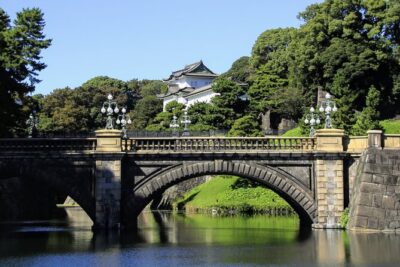
Shinjuku Food Tour (13 Dishes at 4 Local Eateries)
Read our review →
Tokyo Mt Fuji 5th St & Hakone Cruise Bus Tour w/Bullet Train
Read our review →
Flagship 2-Hours Official Street Go-Kart Tour – Tokyo Bay Shop
Read our review →
Mt. Fuji Tour, Hakone Ropeway, Owakudani, Lake Ashi
Read our review →
Tokyo 6hr Private Tour with Government-Licensed Guide
Read our review →