
Reviewed · MT FUJI AREA TOURS
Tokyo:Sea of Mount Fuji, Hakone Ropeway, Ōwakudani, Enoshima
Lake Ashi, a steaming volcanic valley, and sea-level Enoshima make this three-part Fuji outing unusually varied. You get Mount Fuji from the water, from above the Owakudani volcano, and, on a clear day, from across Sagami Bay. The famous pirate ship and ropeway are the day’s best set pieces.
I like the careful transport plan and the guides’ practical help. Aki sends clear meeting details, while guides such as Belle, Pin, Jimmy, and Augustin are praised for keeping groups together and adding useful history and photography tips. I also like the black eggs at Owakudani and the chance to sample Enoshima food.
The catch is time. Ten hours covers a lot of ground, but Enoshima gets only a short visit, and traffic can turn the return to Tokyo into a long ride. Mount Fuji is never guaranteed, so book this for the mix of scenery, not only for one photograph.
In This Review
- At a glance: what this day delivers
- Why this Hakone and Enoshima combination works
- Lake Ashi and the classic Hakone view
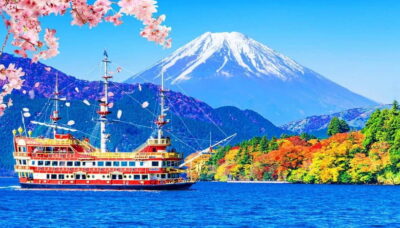
- The 25-minute Hakone pirate ship cruise
- Riding above Owakudani on the Hakone Ropeway
- Owakudani and the seven-year black egg
- Reaching Enoshima and Sagami Bay
- The Sea-Mount Fuji viewpoint
- How the long day feels on the road
- Guide support and group rhythm
- What to bring for Fuji, volcano, and sea
- Who should book this day trip?
- Should you book the Hakone and Enoshima tour?
- FAQ
- How long does the tour last?
- What languages are available?
- Are the pirate ship and ropeway tickets included?
- Is Mount Fuji guaranteed to be visible?
- What food should I expect to buy during the day?
- Can I bring a stroller or large luggage?
- Is the tour suitable for everyone?
At a glance: what this day delivers
- Three Fuji viewpoints: See the mountain from Lake Ashi, the Hakone Ropeway area, and the coast near Enoshima when skies are clear.
- A 25-minute pirate-ship cruise: Ride across Lake Ashi with the Hakone mountains and shrine torii in view.
- Owakudani’s sulfur valley: Watch steam rise from active volcanic ground and try the black eggs said to add seven years to your life.
- A guided Enoshima walk: Visit Hetsunomiya Shrine, the Bronze Torii, Zuishinmon Gate, and Benzaiten Nakamise Dori.
- A practical Tokyo escape: Round-trip transport, an air-conditioned vehicle, guide, tolls, parking, fuel, taxes, and environmental fees are included.
- A weather-dependent payoff: Clear winter days can produce superb Fuji views, while clouds and rain may hide the mountain completely.
Why this Hakone and Enoshima combination works
This is not a slow Hakone holiday. It is a full-day sampler that links three different settings: an inland mountain lake, a volcanic hot zone, and a coastal island. I find that variety valuable if you have limited time in Tokyo and want more than the usual city sights.
The day also removes a fair amount of planning. Hakone transport can involve several separate tickets and connections, and Enoshima is in another direction altogether. Here, you ride in an air-conditioned vehicle between major stops, with an English or Chinese guide helping with timing and ticket arrangements.
At $50 per person, the value is good if the cruise and ropeway are included in your chosen option. The advertised price covers transport and operating costs, but the sightseeing cruise and ropeway may require separate payment unless you select an option that includes them. Check that detail carefully before booking, since those are two of the tour’s main attractions.
The high rating of 4.9 from 84 ratings fits the strongest pattern in the feedback: guides are praised for clear instructions, patience, humor, and keeping the day on schedule. Aki’s detailed messages, Jimmy’s WhatsApp updates, and guides such as Kishida, Kyo, Pin, Belle, and Augustin are useful examples of the hands-on style you can expect, though your guide will depend on the date.
More Mt Fuji days from Tokyo:
- Mt Fuji and Hakone 1-Day Bus Tour Return by Bullet Train
★ 5.0 · 26,383 reviews - Mt Fuji & Hakone Cruise, Drum Show Bullet Train 1 Day from Tokyo
★ 4.0 · 7,413 reviews - Tokyo Mt Fuji 5th St & Hakone Cruise Bus Tour w/Bullet Train
★ 4.4 · 5,024 reviews
Lake Ashi and the classic Hakone view
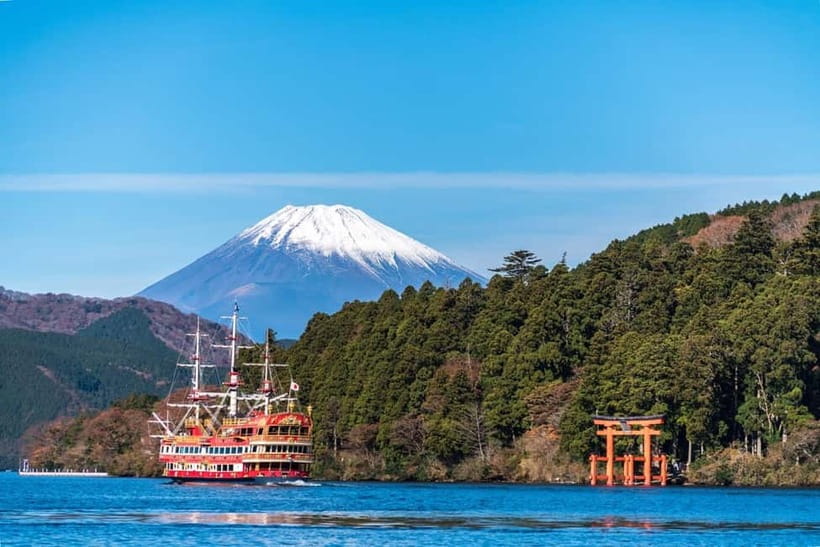
Lake Ashi was formed after volcanic activity in Hakone thousands of years ago. Today, it is one of Japan’s most recognizable scenic spots, with wooded mountains around the water and Mount Fuji often visible beyond them.
The first lake stop is listed as a 20-minute photo and sightseeing break. That is enough to get your bearings, frame the water, and look for the red torii gate associated with Hakone Shrine. It is not enough for a full lakeside walk, so keep your camera ready and do not expect a relaxed afternoon beside the shore.
The view depends heavily on weather. Several winter departures had cold but clear skies, giving excellent Fuji views from more than one location. In cloudy or rainy conditions, the mountain can disappear even when you are close to it. The lake and forest still make a pleasant stop, but the famous composition may not appear.
I recommend checking the forecast before you go and keeping your expectations flexible. A clear morning does not guarantee a clear afternoon, and traffic or weather can alter the order of the stops.
The 25-minute Hakone pirate ship cruise
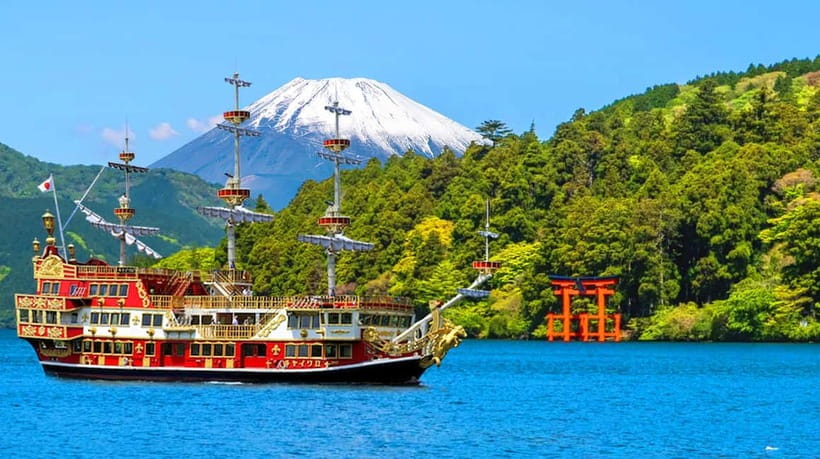
The Hakone Sightseeing Cruise uses ornate pirate-themed vessels that cross Lake Ashi. The ride lasts about 25 minutes, giving you a quick change from the road to open water.
Head outside when you can. The fresh air and open deck make the boat more enjoyable than simply looking through a bus window, and you may see the wooded slopes, the torii gate, and Mount Fuji in one broad view. The ship itself is part of the fun, especially for families and anyone who wants a memorable contrast with Tokyo’s trains and buildings.
This is a scenic transfer, not a long cruise. You will not have hours to settle in or explore every part of the vessel. If the boat is busy, move efficiently when boarding and follow your guide’s return instructions.
The cruise is also one of the tour’s optional-cost points. Admission is not included in every booking option. Your guide can help with ticket purchases, but you should carry cash because some local shops may not accept cards.
For anyone unable to take the boat, the tour provides a bus alternative. That keeps the route possible, but you will miss the lake-level experience and the best chance to enjoy the ship’s deck.
Riding above Owakudani on the Hakone Ropeway
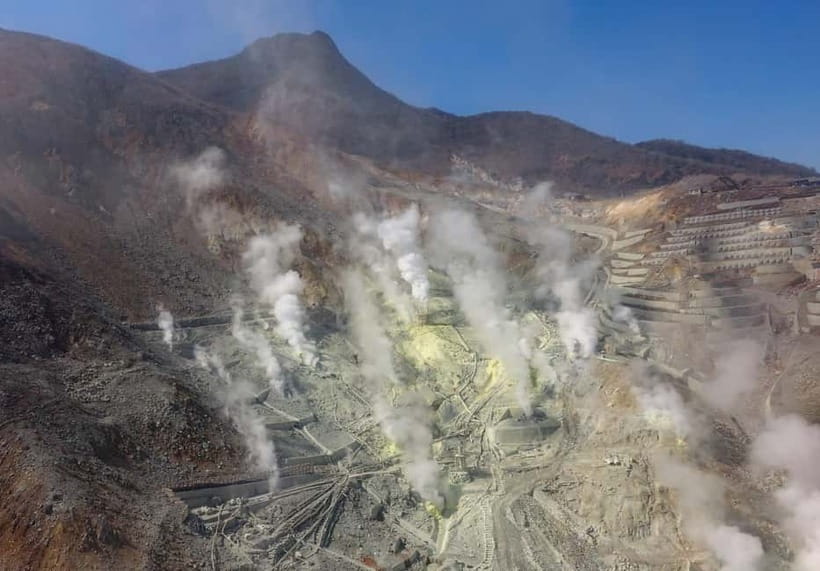
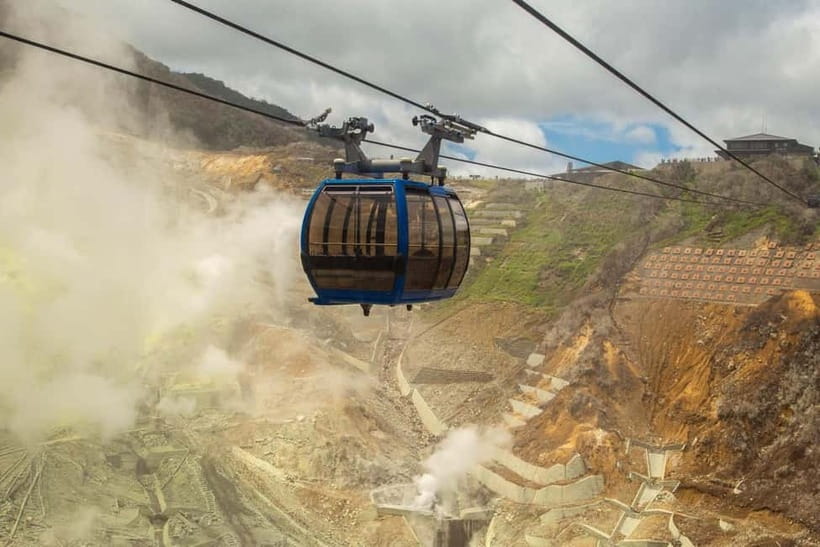
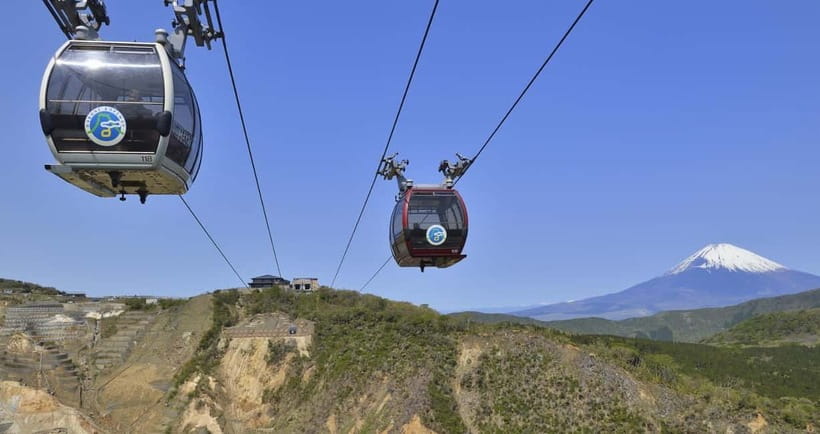
The ropeway is the other major highlight. During the roughly 25-minute cable-car ride, you rise above Hakone’s volcanic valley and look down on steaming ground marked by sulfur vents and rust-colored earth.
Owakudani is the kind of place where the scenery feels active rather than still. Steam rises from cracks, the air carries a mineral smell, and the valley shows clear signs of heat below the surface. That makes this more than a standard mountain viewpoint. You are seeing a living volcanic area.
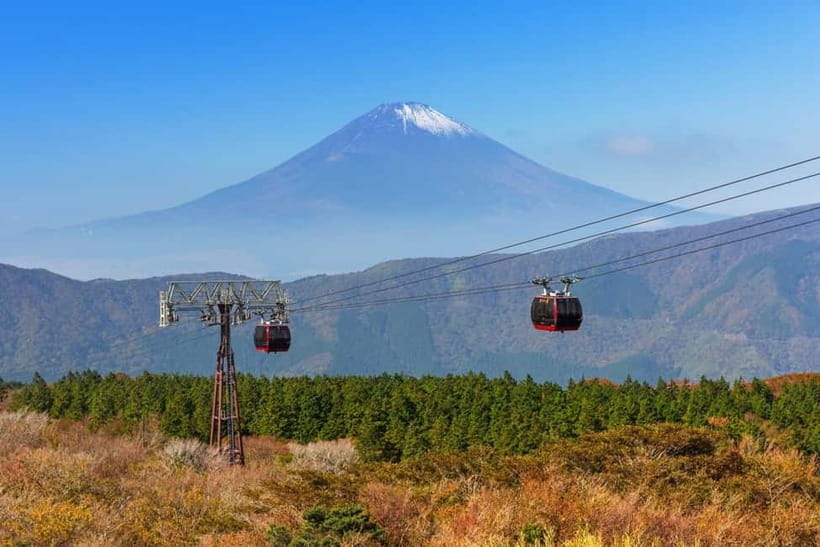
The ropeway can also provide some of the best Fuji views of the day. On clear conditions, the mountain’s outline appears beyond Lake Ashi, creating a layered view of volcano, lake, and peak. Winter is often a strong season for visibility, but no season guarantees it.
The cable car is another option-dependent admission, so confirm the booking terms. A bus is available for anyone who cannot ride the ropeway. One useful practical detail from the day’s arrangements is that the group may ride the ropeway in one direction and return by van, depending on the exact schedule. Listen closely to the guide so you know where and when to regroup.
More Hakone trips and passes:
- Tokyo: Mt. Fuji Tour, Hakone Ropeway, Owakudani, Lake Ashi
★ 4.7 · 4,002 reviews - Tokyo: Mt. Fuji 5th Station & Hakone Cruise 1-Day Bus Tour
★ 4.2 · 2,381 reviews - Private Tour to Mt. Fuji and Hakone (Fully Licenced Operator)
★ 5.0 · 1,910 reviews - Mt Fuji & Hakone Cruise, Drum Show Bus 1 Day from Tokyo
★ 4.0 · 1,287 reviews
Owakudani and the seven-year black egg
The Owakudani stop lasts about 30 minutes. That is a short visit, but it gives you time to see the steaming valley, take photographs, and try kuro-tamago, the famous black eggs.
These eggs are hard-boiled in sulfur-rich hot spring water, which darkens the shells. Local legend says eating one adds seven years to your life. The food is simple, inexpensive, and tied directly to the place, making it more interesting than an ordinary snack from a roadside shop.
Bring cash. The tour information warns that many local shops may not accept credit cards, and you may also want money for Enoshima snacks later. Your guide can help you buy tickets and point out what is worth trying.
The sulfur smell can be strong. If you are sensitive to mineral odors or have altitude-related concerns, take the safety restrictions seriously. This experience is not suitable for people with altitude sickness, and the tour is not recommended for pregnant women or wheelchair users.
Reaching Enoshima and Sagami Bay
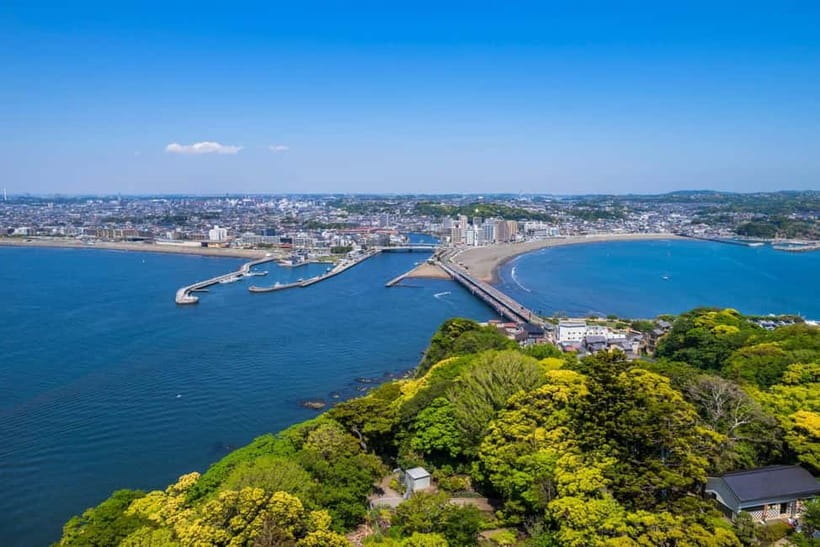
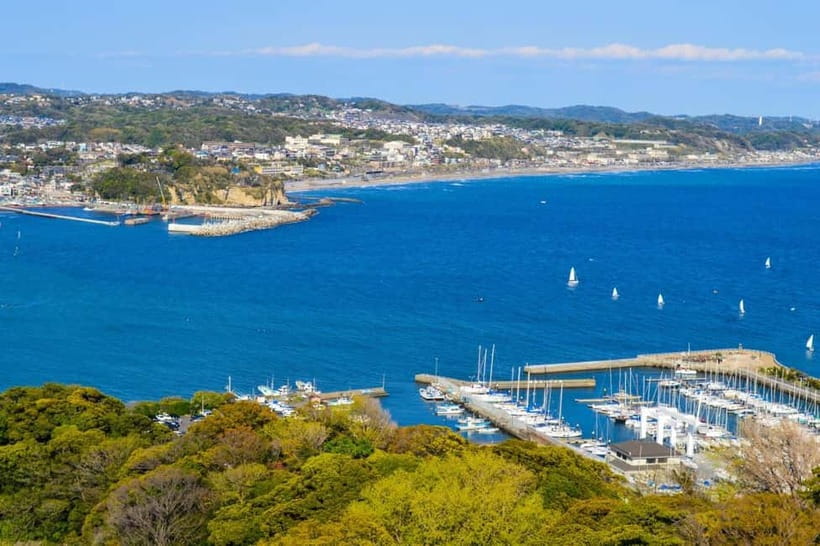
Enoshima changes the mood completely. After Hakone’s mountain air and volcanic steam, you reach a small island surrounded by the waters of Sagami Bay, with shrines, stone steps, sea views, and food stalls.
The schedule includes about 30 minutes for Enoshima Island itself, followed by visits around the shrine area. You will see Hetsunomiya Shrine, the Bronze Torii, Zuishinmon Gate, and Benzaiten Nakamise Dori. These stops give you a compact introduction to the island’s religious sites and approach streets.
The Bronze Torii marks the entrance to the shrine district. From there, the route leads through Benzaiten Nakamise Dori, where you can look for local foods such as anchovy dishes, seaweed rolls, and Shonan milk ice cream. The available time is limited, so I would choose food before browsing. If you stop for a full meal, you may have little time left for the island’s upper paths.
The stone steps require a reasonable level of mobility. The tour is not suitable for wheelchair users, and the schedule is not designed for a slow island exploration. You may get a taste of Enoshima rather than a complete visit.
That is the main complaint I would anticipate from independent-minded visitors: you may wish for more time here. One person specifically wanted longer to explore the island, try street food, and visit the cave. This excursion does not promise the cave, an overnight stay, or a full Enoshima day, so book it as an introduction.
The Sea-Mount Fuji viewpoint
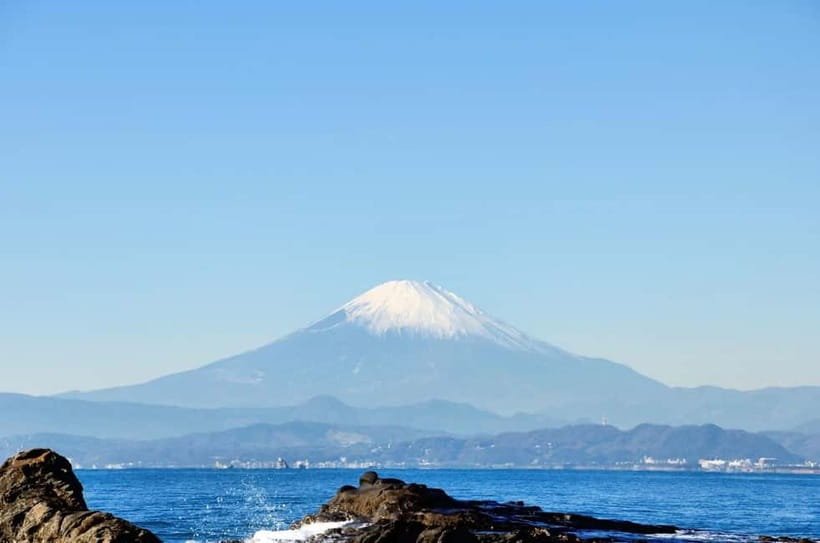
The final coastal focus is Sagami Bay, where the island and shoreline can frame Mount Fuji across the sea. This is the source of the tour’s Sea of Mount Fuji idea: the mountain appears not only from inland Hakone but also from the coast.
The itinerary allows about 20 minutes for a Sagami Bay photo and sightseeing stop. On a clear day, the view can be striking, with open water in front and Fuji on the horizon. On a cloudy day, you may see only the sea and distant coastline.
The guide can help with photography. Several guides are praised for pointing out good photo spots, taking pictures, and explaining what should not be missed. Still, treat the coastal view as a bonus rather than a promise. Weather is the deciding factor.
How the long day feels on the road
The total duration is 10 hours, and a substantial part of that day is spent driving between Tokyo, Hakone, and Enoshima. That is the price of combining places that are not next door to one another.
The included vehicle has air conditioning, and the bus or van is described as clean and comfortable. If the vehicle fills, the seating may feel tight, especially during the longer stretches. Curtains and headrests are available in the vehicle, but you should still bring water and a small snack for the road.
Food is not included, and you cannot eat in the vehicle. Pack something for the journey if you need regular meals, then use Enoshima for a local snack or lunch. One useful warning is that popular food items may sell out later in the day, so if the first restaurant or menu does not appeal to you, decide quickly rather than spending the entire break looking around.
Peak seasons, weekends, public holidays, and New Year can bring heavy traffic. Keep evening plans flexible. A same-night dinner reservation with a strict start time is a poor match for this trip.
Guide support and group rhythm
The guide is a major part of the experience. English and Chinese guiding is offered, and the strongest guide feedback focuses on clear communication, humor, patience, and care with timing.
Expect repeated reminders about meeting points and departure times. That is necessary here because the route has several short stops and transport changes. Guides such as Kishida, Kyo, Pin, Belle, Jimmy, Aki, and Augustin are praised for keeping people together, explaining Japanese history and customs, and offering practical tips.
The pace is organized rather than leisurely. You will need to return to the vehicle promptly and accept that one beautiful stop may end before you feel finished. That tradeoff lets you see much more than you could comfortably arrange by public transport in one day.
What to bring for Fuji, volcano, and sea
I would prepare for changing conditions. Hakone and Owakudani can feel chilly, while Enoshima may feel more open and breezy.
Bring:
- A warm layer, even outside winter
- Comfortable shoes for stone steps and short walks
- Cash for black eggs, snacks, and possible attraction tickets
- Water and a snack for the vehicle
- A charged phone or camera
- Weather protection if rain is forecast
Do not bring large luggage without notifying the operator in advance. Strollers and large bags should also be declared when booking. Smoking and eating inside the vehicle are not allowed.
The cancellation terms are forgiving: you can cancel up to 24 hours ahead for a full refund, and you can reserve now and pay later. The meeting point cannot be changed on the day, so check your assigned location carefully and request any change at least one day before departure. One listed central Tokyo meeting point is Tokyo Mode Gakuen, 1-chome-5-1 Marunouchi, at STAND T.
Who should book this day trip?
I would choose this tour if you want maximum variety in one day and prefer a guide and vehicle to a complicated transport plan. It suits first-time visitors, families who want a clear schedule, and anyone eager to see Fuji from several settings.
It also works well during a short Tokyo stay. You get a lake cruise, a cable-car ride, volcanic scenery, shrine streets, coastal views, and local snacks without arranging separate day trips.
I would not choose it if your priority is a long Hakone hot-spring stay, a serious hike, or several relaxed hours in Enoshima. You should also reconsider if you need guaranteed accessibility, dislike long road journeys, or have a fixed evening appointment.
People aged 70 and above must sign a travel waiver on arrival, and the activity is not suitable for people over 70 according to the stated restrictions. Pregnant women, wheelchair users, and people with altitude sickness should not book it.
Should you book the Hakone and Enoshima tour?
Book it if you see the cruise and ropeway as part of the value and can accept weather risk. At $50, the combination of transport, guide support, and included operating costs is attractive, but confirm whether both attraction tickets are included in your selected option.
The strongest version of this day comes with clear skies, especially in colder months. You may see Fuji from Lake Ashi, Owakudani, and Sagami Bay, then finish with black eggs and Enoshima food. If clouds hide the mountain, the cruise, volcano, shrines, and coast still provide a worthwhile day, but not the full Fuji payoff advertised by the route.
FAQ
How long does the tour last?
The experience lasts 10 hours. Traffic, weather, weekends, public holidays, and peak seasons can affect the schedule and return time.
What languages are available?
Live guiding is available in English and Chinese.
Are the pirate ship and ropeway tickets included?
Admission depends on the option you choose. The sightseeing cruise and ropeway are not included in every option, so check the booking details before paying.
Is Mount Fuji guaranteed to be visible?
No. Fuji visibility depends on weather conditions, clouds, and rain. Check the forecast before departure.
What food should I expect to buy during the day?
Meals and drinks are not included. At Owakudani, you can buy the famous black eggs. Enoshima has local foods including anchovies, seaweed rolls, and Shonan milk ice cream.
Can I bring a stroller or large luggage?
You must indicate when booking if you are bringing a stroller or large luggage. Eating and smoking are not allowed inside the vehicle.
Is the tour suitable for everyone?
It is not suitable for pregnant women, wheelchair users, people with altitude sickness, or people over 70. People aged 70 and above are also asked to sign a travel waiver on arrival.
New on our Tokyo list
- From Tokyo: Mount Fuji & Hakone Full Day Private Tour★ 4.9 · 25 reviews
- Tokyo Spectacular View Day-Cruise in 90 Minutes★ 5.0 · 25 reviews
- Real Tokyo Runner Club : Daikoku Car Meet Night Tour with JDM Car★ 5.0 · 25 reviews
- 2.5 Hour-Guided Cycle Tour in the Central Tokyo★ 5.0 · 25 reviews
- Ramen Making from Scratch +Akihabara Tour –Cooking Class★ 5.0 · 25 reviews
- [Self-Drive] Tokyo & Daikoku Custom Car Driving Tour★ 4.9 · 25 reviews
- Tokyo: 2-Hour Night Bike Tour of the City’s Hidden Gems★ 4.9 · 25 reviews
- Buddha, Bamboo & Zen – Bespoke Kamakura Private Walking Tours★ 5.0 · 25 reviews
Mt Fuji Area Tours, compared.
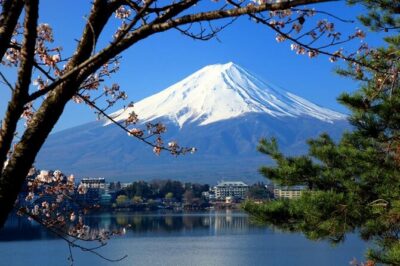
Mt Fuji and Hakone 1-Day Bus Tour Return by Bullet Train
Read our review →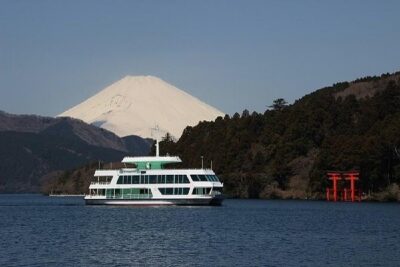
Mt Fuji & Hakone Cruise, Drum Show Bullet Train 1 Day from Tokyo
Read our review →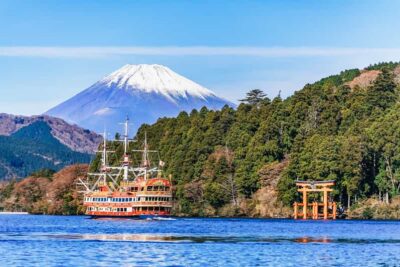
Tokyo Mt Fuji 5th St & Hakone Cruise Bus Tour w/Bullet Train
Read our review →
Mt. Fuji Tour, Hakone Ropeway, Owakudani, Lake Ashi
Read our review →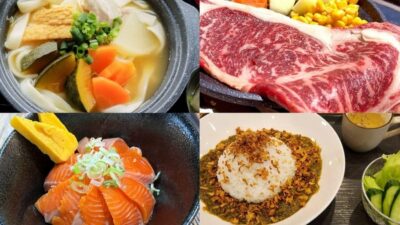
Mt.Fuji,Kawaguchiko Oishi Park,Arakurayama Sengen Park
Read our review →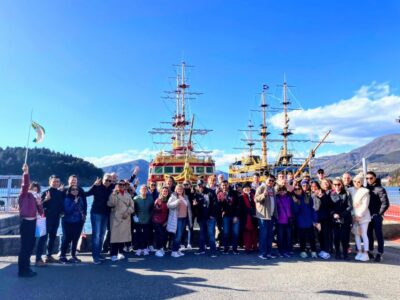
Mt. Fuji 5th Station & Hakone Cruise 1-Day Bus Tour
Read our review →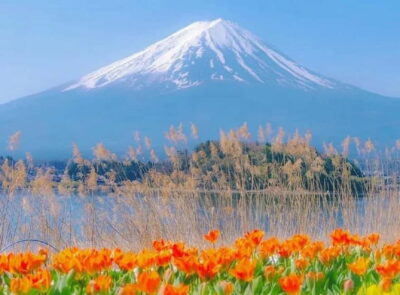
Mt Fuji Top 5 Spots Day Tour: Arakurayama Park,Oshino Hakkai
Read our review →Browse the lists this tour appears in