
Reviewed · ANIME & POP CULTURE TOURS
Akihabara – Discover the Otaku Culture & Experience the Maid Cafe
Akihabara is more than anime figures and giant electronic stores. This four-hour walk shows you the wider otaku culture, from crane games and purikura photo booths to retro consoles, trading cards, cosplay shops, snacks, and the neighborhood’s local roots. I like the small group limit of eight, and I like that the route takes you into shops you might skip on your own. The tour also includes a maid café visit with a non-alcoholic drink.
The main drawback is that the experience moves quickly, with about 30 minutes spent walking between stops. If you want a specialist anime guide or a long shopping session in one store, this may feel rushed. The Wednesday theatrical maid show also requires a separate reservation and is not included in the advertised tour price.
In This Review
- Key points at a glance
- Why this Akihabara walk is different
- Starting at 1 p.m. near Sotokanda
- Taito Station: crane machines and purikura
- Super Potato and the pull of old games
- Don Quijote and Radio Kaikan
- Junk Street, Mandarake, and Rashionban
- ONODEN and the choice of what to buy
- Japanese trading cards at Fukufuku TCG
- The maid café visit and what to expect
- The Wednesday theatrical show
- What the $103.93 price delivers
- Guide style and the limits of the format
- Who should book this Akihabara experience?
- FAQ
- How long does the Akihabara tour last?
- What time does the tour start?
- Where does the tour begin and end?
- How many people can join the tour?
- Is the maid café visit included?
- Are alcohol and extra drinks included?
- Is the Wednesday maid theatrical show included?
- Should you book it?
Key points at a glance
- Eight-person maximum: A small group makes it easier to ask questions and adjust the pace around your interests.
- Otaku culture beyond anime: You see retro games, trading cards, purikura, arcades, cosplay, food, and maid cafés.
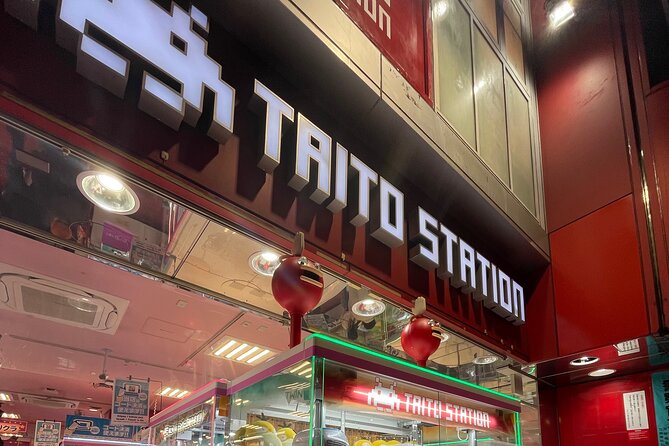
- Hands-on arcade stop: Taito Station includes crane machines and Japanese photo booths, with admission included.
- Maid café included: The standard visit includes coffee or tea, while extra drinks and alcohol cost more.
- Wednesday show option: A one-hour theatrical performance may be added, but you must reserve it separately.
- Plan ahead: The tour begins at 1 p.m., lasts about four hours, and is often booked around 44 days ahead.
Why this Akihabara walk is different
Many people arrive in Akihabara with one clear goal: buy anime merchandise, find a favorite game, or take photos beneath the enormous shop signs. That works, but it can leave you with only a thin idea of the district.
This tour gives you a guided introduction to several parts of modern Akihabara culture. You move from arcades to old consoles, from trading cards to cosplay, and then into the carefully staged world of a maid café. You also hear about how Akihabara developed from an electronics district into a major center for otaku interests.
I like this wider approach. The tour does not treat otaku culture as a synonym for anime alone. The information provided for the experience points to anime as only one part of the picture, alongside games, Vocaloid, cards, electronics, cosplay, food, and other interests.
The group size matters here. With no more than eight people, you have a better chance to ask what a store sells, why a particular machine matters, or how to identify merchandise that fits your interests. A private tour would offer more control, but this format gives you personal attention without the price of a fully private outing.
More anime and pop-culture days:
- Official Street Go-Kart Tour – Akihabara
★ 5.0 · 1,578 reviews - Tokyo Go Kart: Asakusa, Skytree, and Akihabara **IDP MUST**
★ 5.0 · 988 reviews - Akihabara Anime & Game Adventure Walking Tour (Group or Private)
★ 5.0 · 404 reviews
Starting at 1 p.m. near Sotokanda

The meeting point is at 1-chōme-17-4 Sotokanda, Chiyoda City, near public transportation. The tour starts at 1 p.m. and ends back at the meeting point.
An afternoon start works well if you want a relaxed morning elsewhere in Tokyo. It also gives you time to reach Akihabara after lunch. You should arrive with comfortable shoes, since the route involves walking from shop to shop and includes about 30 minutes of transit time between locations.
The tour requires a moderate level of physical fitness. Nothing in the information suggests a strenuous walk, but you will be on your feet for much of the four hours. Keep your shopping bags under control, too. Akihabara has a way of turning a quick look at one shelf into a purchase.
Taito Station: crane machines and purikura
The first stop is Taito Station Akihabara, where you see Japanese crane machines and try purikura machines. The stop lasts about 20 minutes, and admission is included.
Crane machines are a useful first look at Japanese arcade culture. They are not simply ordinary prize machines. Their layouts, prizes, and controls can feel unfamiliar, and even watching other people play can tell you something about the local arcade scene.
Purikura is another strong introduction. These photo booths let you create highly edited pictures with filters and decorations. The experience is social and playful, and it shows a side of Japanese pop culture that can be easy to miss if you only visit retail stores.
Twenty minutes is enough for an introduction, but not enough for endless attempts at a difficult crane machine. If you already enjoy arcades, you may want to return later on your own and spend more time there.
Super Potato and the pull of old games
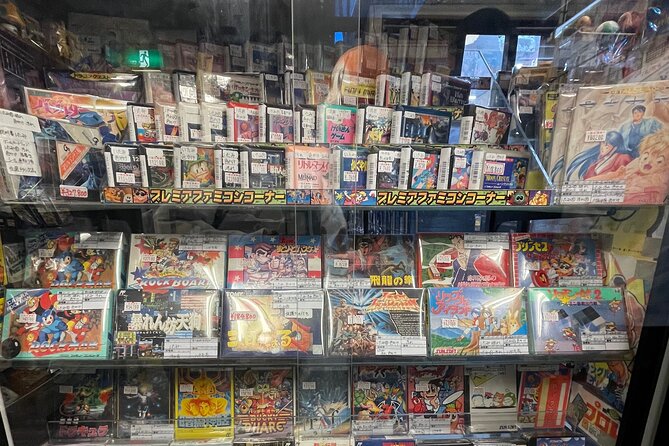
At Super Potato, the group visits a popular shop for old video games and consoles. The stop lasts about 20 minutes, and there is no separate admission fee.
This is one of the most useful stops for anyone interested in game culture. You can look at the older hardware, browse games, and see how the store presents its collection. The focus is not only on current releases or fashionable character goods. It points you toward the earlier electronic culture that helped shape Akihabara.
The short visit is best treated as an introduction. You may find something you want to buy, but the group cannot wait while you inspect every shelf. Ask the guide for help if you are trying to understand what you are seeing. That is where the tour can save you time and confusion.
A few more Tokyo bookings worth comparing
- Mt Fuji and Hakone 1-Day Bus Tour Return by Bullet Train
★ 5.0 · 26,383 reviews - 1-Day Tokyo Bus Tour
★ 5.0 · 14,250 reviews - Tokyo: TOKYO SKYTREE® Admission ticket
★ 4.5 · 11,192 reviews - Tokyo: teamLab Planets TOKYO Digital Art Museum Entry Ticket
★ 4.6 · 9,779 reviews
Don Quijote and Radio Kaikan
The route continues to Don Quijote Akihabara for about 20 minutes. Here, you see several anime-related sections and may have a chance to see the AKB48 Hall.
Don Quijote is known for its crowded, tightly packed retail style. The Akihabara branch adds another layer, with pop-culture goods among its many departments. For a first-time visitor, the store can be exciting but hard to read. A guide helps give the stop a purpose instead of leaving you to wander through floors of merchandise.
Akihabara Radio Kaikan follows, with about 15 minutes devoted to the origins of local otaku culture. This is an important pause in the route because it connects the shops you are seeing today with the district’s earlier identity.
The tour also includes a look at the roots of Akihabara as an electronics area and what it was like in the past. The supplied details do not specify an exact building or display for this part, so you should expect an explanation while walking through the area rather than a long museum visit.
Junk Street, Mandarake, and Rashionban
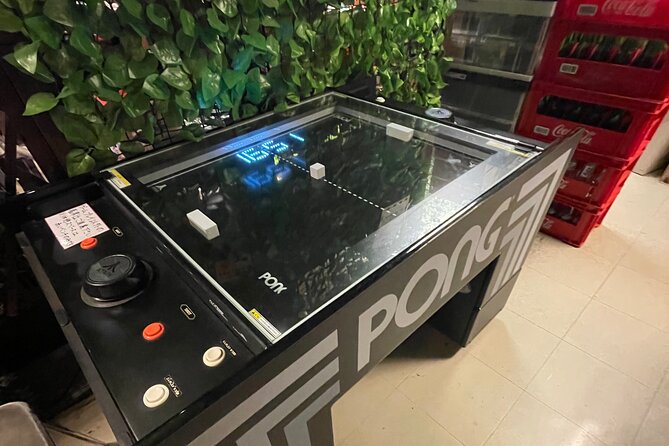
The next Akihabara section lasts about 25 minutes and includes Junk Street, Mandarake, and Rashionban. You also get a chance to see local food and potentially pick up snack foods.
This is where the route becomes particularly useful for someone who wants to browse beyond the most obvious shops. Mandarake and Rashionban appeal to collectors, and the older or secondhand focus can give you a different view of Akihabara retail culture.
You may find manga, figures, cards, or other merchandise, but the exact selection changes. That unpredictability is part of the appeal, though it also means you should not arrive expecting one exact item to be available.
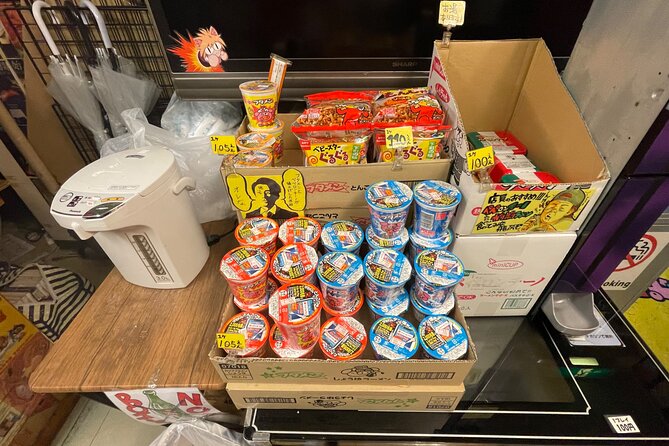
The food element helps break up the shopping stops. Akihabara is not only about what you buy. Snacks and street food are part of the experience, and the tour includes pop-culture snacks along the way. The included food is modest, so do not treat it as a full meal.
ONODEN and the choice of what to buy
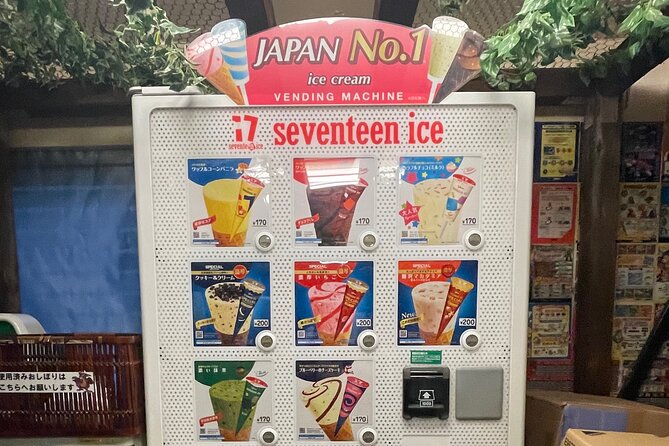
At ONODEN, you spend about 30 minutes looking at cosplay and anime-themed goods. There is no separate admission fee.
This stop gives you time to consider what you actually want to take home. A good guide can explain the difference between browsing for fun and buying something that fits your interests. The shop is also a chance to see how cosplay and anime merchandise are presented in Akihabara’s retail world.
Thirty minutes is more generous than the 15-minute Radio Kaikan stop, but it still is not a long shopping period. If you are serious about buying, note the store names and return after the tour. I would avoid carrying large purchases through the rest of the walk if you can help it.
Japanese trading cards at Fukufuku TCG
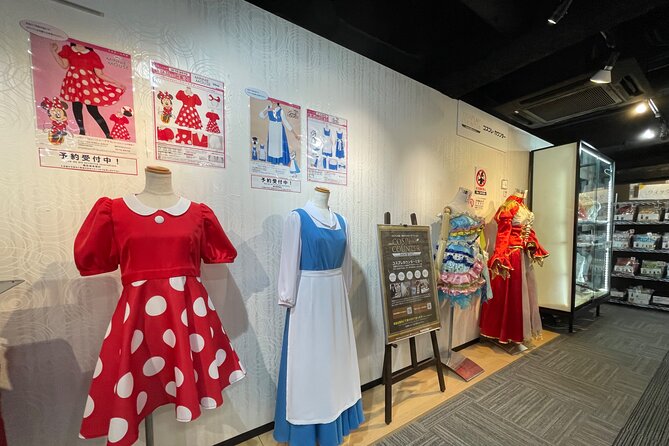
The Fukufuku Trading Card Shop stop lasts about 15 minutes. The focus is Japanese trading-card games, which appeal to younger fans and adults alike.
This short visit broadens the tour again. You are not limited to manga and anime figures. Trading cards have their own collecting habits, visual language, and communities, and the guide can help you understand what makes the shop important.
If cards are your main interest, fifteen minutes may not be enough. Still, the stop works well as a first orientation. You can see the kinds of products available and decide if you want to return later with more time.
The maid café visit and what to expect
The tour’s longest scheduled stop is a one-hour visit to a major maid café chain in Akihabara. A coffee or tea drink is included, along with the café experience.
A maid café is built around performance, role-play, and a deliberately playful fantasy setting. Staff members interact with customers in character, and the atmosphere is different from an ordinary coffee shop. You should approach it as a cultural experience rather than simply a place to grab a drink.
For many people, the guide’s presence is helpful. The format can seem strange if you do not know what is expected, and a basic explanation makes it easier to take part without feeling awkward. The tour presents the café as a way to see the fantasy world for yourself, rather than asking you to make assumptions from photos online.
The included drink is non-alcoholic. If you want alcohol or a second drink, you pay for it yourself. That detail matters because the $103.93 price covers the stated tour inclusions, not every possible café purchase.
The one-hour visit gives the café enough time to feel like a real part of the experience. It also takes up a quarter of the tour, so anyone who dislikes staged entertainment should think carefully before booking. You can enjoy the arcade and shop stops without loving the maid café, but the café is not a minor add-on.
The Wednesday theatrical show
On Wednesdays, you may choose an additional theatrical maid show. The performance lasts about one hour and features active maids who work in real maid cafés.
This is separate from the standard maid café visit. The details state that reservations are required and that admission is not included. The schedule information also describes the additional stop as an optional Wednesday-only tour element.
If the show is your main reason for booking, confirm the reservation before you commit. One poor experience came from someone who expected the show and learned too late that it needed separate handling. The safest approach is to treat the standard café and the theatrical performance as two different products.
That distinction also explains the mixed expectations the tour can create. Someone seeking a specialist anime performance may feel disappointed by a general otaku introduction. Someone who wants a broader look at Akihabara may find the standard route a better fit.
What the $103.93 price delivers
At $103.93 per person, this is not a cheap walking tour. The value depends on how much you want guidance and how many of the stops you would discover on your own.
You are paying for about four hours of a small-group introduction, a guide, arcade and purikura access at Taito Station, pop-culture snacks, a hot drink at the maid café, and a structured route through shops that can be confusing on a first visit. The maximum of eight helps justify the price because the guide can respond to individual interests.
You are not paying for every purchase, alcoholic drinks, second café drinks, or the Wednesday theatrical show. You also should not expect a full meal. If you mainly want to shop at one specific store, use your money for the merchandise and explore independently.
I think the price is easier to justify for a first visit, for families, or for someone who wants context instead of random browsing. It is less attractive for an experienced Akihabara shopper who already knows the district and speaks enough Japanese to manage the shops alone.
Guide style and the limits of the format
The strongest part of the guide service is its ability to help you understand what you are seeing. Families have found the guides accommodating, with attention paid to children’s interests. Other participants have appreciated explanations of manga, Animate, games, and the origins of Akihabara.
At the same time, you should not expect every guide to be an anime specialist. The tour covers several types of otaku culture, and the guide may know the district broadly rather than sharing your particular obsession. The supplied information does not provide guide names, so you cannot select a specific person in advance.
That broad approach is useful for a mixed group. One person might care about games, another about Vocaloid, and another about cosplay or cards. It is less ideal if you want a detailed lecture on one narrow subject.
The tour is also not private. The guide has to balance different interests and keep the group moving. Ask questions early, especially at the first few stops, so the guide knows what matters to you.
Who should book this Akihabara experience?
I would recommend this tour to you if:
- It is your first visit to Akihabara.
- You want an introduction to several parts of otaku culture.
- You enjoy games, cards, cosplay, anime, or Japanese pop culture.
- You prefer a small group to wandering alone.
- You are curious about maid cafés but want some guidance.
- You are traveling with children or family members who have different interests.
I would hesitate if you want a slow shopping day, a private specialist guide, or a long theatrical maid performance. The route offers range, not unlimited time at each stop.
Book well ahead if your dates are fixed. The activity is often reserved around 44 days in advance, and confirmation arrives within 48 hours, subject to availability. Free cancellation is available up to 24 hours before the start time. A minimum number of participants is required, so a cancellation by the operator may lead to another date, another experience, or a full refund.
FAQ
How long does the Akihabara tour last?
The experience lasts approximately four hours.
What time does the tour start?
The tour starts at 1 p.m.
Where does the tour begin and end?
It begins at ジェイアール東日本コンサルタンツ 東京管理所, 1-chōme-17-4 Sotokanda, Chiyoda City, Tokyo 101-0021, Japan, and ends back at the meeting point.
How many people can join the tour?
The group is limited to a maximum of eight participants.
Is the maid café visit included?
Yes. The tour includes a maid café visit and one non-alcoholic coffee or tea drink.
Are alcohol and extra drinks included?
No. Alcoholic beverages and any second drink must be paid for separately.
Is the Wednesday maid theatrical show included?
No. The Wednesday-only theatrical show requires a separate reservation, and admission is not included.
Should you book it?
Book this experience if you want Akihabara explained as a complete pop-culture district rather than a row of anime shops. The combination of arcades, purikura, retro games, trading cards, cosplay, snacks, local roots, and a maid café gives you a useful first orientation.
Skip it if your priority is specialized anime expertise or hours of uninterrupted shopping. For most first-time visitors, though, the eight-person limit and varied route make the $103.93 cost reasonable, especially if Akihabara feels confusing and you want to know where to return after the tour.
New on our Tokyo list
- Sumi-e Experience in a relaxing green tea shop in Tokyo★ 5.0 · 3 reviews
- Tokyo : Kamikaze Street Drift Ride★ 5.0 · 3 reviews
- Private Zen Meditation in English in Shinjuku, Tokyo★ 5.0 · 3 reviews
- Onsen Spa in Tokyo and Asakusa Bar Hopping with Local Guide★ 5.0 · 3 reviews
- Easy for everyone! Now you can play handmade mini shamisen and show off to everyone! Musical instruments, sweets and live music★ 5.0 · 3 reviews
- Tokyo: Private Tsukiji Street Food & Sake with Local Guide★ 5.0 · 3 reviews
- Mt Fuji Exploration Tour with Free Japanese Kusa Mochi from Tokyo★ 4.5 · 3 reviews
- Tokyo Tsukiji Fish Market Walking and Exploring Hidden Gems Tour★ 5.0 · 3 reviews
Anime & Pop Culture Tours, compared.


Tokyo Go Kart: Asakusa, Skytree, and Akihabara **IDP MUST**
Read our review →
Akihabara Anime & Game Adventure Walking Tour (Group or Private)
Read our review →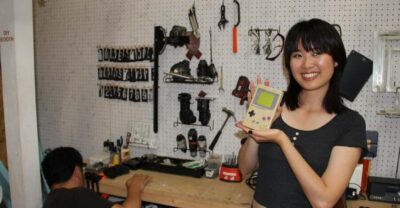

Akihabara Tailor-made Private Tour for Anime Fans
Read our review →
Ramen Making from Scratch +Akihabara Tour –Tokyo Cooking Class
Read our review →
Manga Drawing Workshop Guided by Pro Manga Artist
Read our review →Browse the lists this tour appears in