
Reviewed · ANIME & POP CULTURE TOURS
Akihabara Anime & Game Adventure Walking Tour (Group or Private)
Akihabara is easy to enjoy and surprisingly easy to misunderstand. This tour gives you a ready-made route through retro game shops, anime stores, arcades, capsule toys, and maid cafe culture, with a guide to explain what you are seeing. It is a useful first look at Tokyo’s otaku center, especially if the bright signs and packed shelves feel like too much to sort out alone.
I like the small group size, capped at seven, and the fact that the maid cafe admission and one drink are included. I also like the chance to ask questions as you go, rather than trying to decode Japanese store signs and local customs by yourself. The main caution is value: some guides add real context and tailor the walk to your interests, while a few visitors felt they were simply led from shop to shop.
- Super Potato sets the tone: A short stop at this retro game shop brings old Nintendo-era memories, consoles, and Japanese gaming culture into focus.
- The maid cafe is included: You receive entry and one drink, while food, extra drinks, and the optional live performance cost more.
- Groups stay small: The maximum is seven people, which gives the guide room to answer questions and adjust the route.
- Akihabara gets overwhelming quickly: The tour helps you choose worthwhile stops instead of wandering through every crowded, narrow shop.
- Purikura adds a hands-on souvenir: A Japanese photo booth experience is included, and a Polaroid with a maid is available for purchase.
- Guide quality matters: Guides such as Ryo, Seina, Ai, Yuki, Naoki, Kenji, Taka, and Tommy have earned warm praise, but the experience can vary from one guide to another.
In This Review
- Akihabara in Three Hours
- Super Potato and the Pull of Retro Games
- Akiba Culture Zone and the Art of Browsing
- Gachapon Hall and Small, Silly Souvenirs
- The Maid Cafe: Included, Unusual, and Not for Everyone
- Taito Station and the Arcade Side of Akiba
- Purikura, Vending Machines, and the Last Glimpse
- What the Guide Adds, and Where the Tour Can Fall Short
- Is $90.86 a Fair Price?
- Heat, Food, Timing, and Other Practical Notes
- Who Should Book This Akihabara Walk?
- Should You Book It?
- FAQ
- How long does the Akihabara Anime and Game Adventure Walking Tour last?
- Where does the tour meet?
- Where does the tour end?
- What is included at the maid cafe?
- Is the maid cafe always the same?
- How many people can join the group?
- Can I cancel for a full refund?
Akihabara in Three Hours
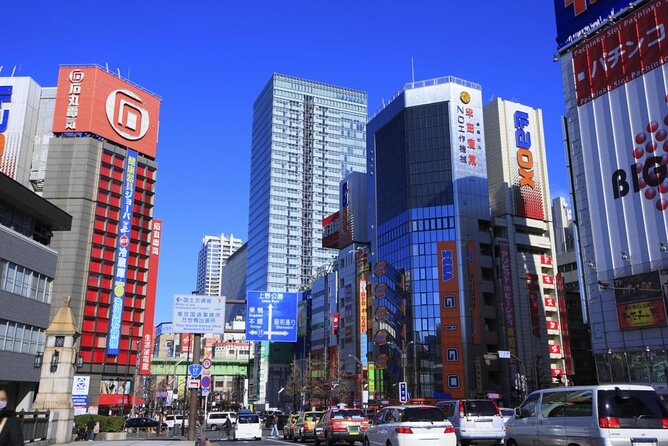
This is not a museum tour with a long lecture. It is a walking introduction to a district built around games, anime, manga, electronics, idols, arcades, and unusual bits of Japanese pop culture.
The route lasts about three hours, though the exact timing can shift. You meet outside the JR Akihabara Electric Town Gate, at the Travel Service Center at 1 Chome-17 Sotokanda. The activity returns to the same meeting point.
That starting point matters. Akihabara Station is large, and the Electric Town side is the one you want for the district’s famous signs and specialty shops. Arrive with enough time to find the correct exit. One complaint about the experience involved confusion over the meeting location, so do not rely on a vague station rendezvous.
The group limit of seven is a real plus. Your guide can stop when you spot a game, figure, or character you recognize. Families have also found the format useful, with one guide, Naoki, praised for adjusting the pace and interests for children, including a child with autism.
Still, three hours goes fast. You will get a sampler, not an exhaustive tour of every anime floor and arcade. If your main goal is serious shopping, use the walk to learn the neighborhood, then return on your own with a list.
Super Potato and the Pull of Retro Games
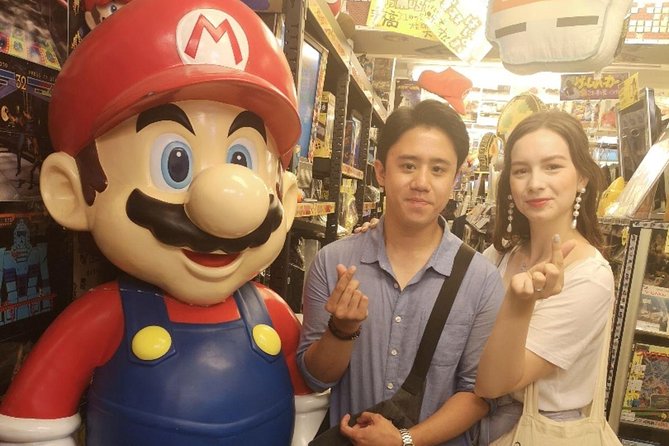
The first stop is Super Potato, a retro video game store and one of the clearest introductions to Akihabara’s gaming identity. You have about 30 minutes here, with no separate admission charge.
The appeal is simple. You can see older Japanese consoles, game cartridges, and the kind of hardware that helped shape the country’s gaming culture. It is especially rewarding if you grew up with classic Nintendo, Sega, or arcade games, but you do not need to be a dedicated collector to enjoy the visual time travel.
This is also a practical shopping stop. The shelves can be packed, and a guide can help explain what you are looking at or point out items connected to Japanese gaming. Some guides have taken participants to additional vintage game shops and lesser-known arcades, which is where the tour can begin to feel more personal.
Do not expect a long historical talk every time. The quality of the stop depends heavily on how much your guide explains and how closely the group’s interests match retro gaming. If you mainly want current anime merchandise, Super Potato may be interesting but not the highlight.
More anime and pop-culture days:
- Official Street Go-Kart Tour – Akihabara
★ 5.0 · 1,578 reviews - Tokyo Go Kart: Asakusa, Skytree, and Akihabara **IDP MUST**
★ 5.0 · 988 reviews - Tokyo: Gameboy Mod Workshop at Akihabara
★ 5.0 · 253 reviews
Akiba Culture Zone and the Art of Browsing
Next comes Akiba Culture Zone, with around 30 minutes to look at anime goods, idol material, figures, and the general store culture that defines the area.
Akihabara shopping can be a strange mix of delight and confusion. Floors are often devoted to narrow categories, displays are crowded, and the best item for you may be several levels up a small staircase. A guide can save time by steering you toward stores that fit your tastes rather than asking you to inspect every shelf.
This is where the tour works best for first-time visitors. You can ask about popular characters, Japanese fan habits, and the difference between the various kinds of shops. Guides including Ryo and Yuki have been praised for adjusting the route to specific interests, while Ai has been singled out for anime and electronics trivia.
The tradeoff is that the shopping stops can feel brief. If you are hunting a particular figure, manga series, or collectible, thirty minutes may not be enough. Write down the stores you want to revisit and return after the tour.
Gachapon Hall and Small, Silly Souvenirs
The 15-minute stop at Akihabara Gachapon Hall is short but lively. Gachapon machines dispense small capsule toys, often based on anime characters, animals, food, everyday objects, or odd comic ideas.
You do not need to spend money to enjoy the stop, but this is one place where a few hundred yen can create a fun souvenir. The appeal lies in the surprise. You choose a machine, turn the handle, and accept whatever comes out. Some machines carry rare items or newer releases, so the selection changes.
For families, this may be the easiest stop to enjoy together. It is tactile, quick, and less demanding than browsing several floors of merchandise. For serious collectors, the fifteen-minute limit is not enough to inspect everything, but it gives you a useful first look at the hall.
Keep your expectations in check. Gachapon is a playful part of Akihabara culture, not a major attraction that needs a long visit. The guide’s explanations add value by showing why these machines are such a common part of Japanese entertainment.
The Maid Cafe: Included, Unusual, and Not for Everyone

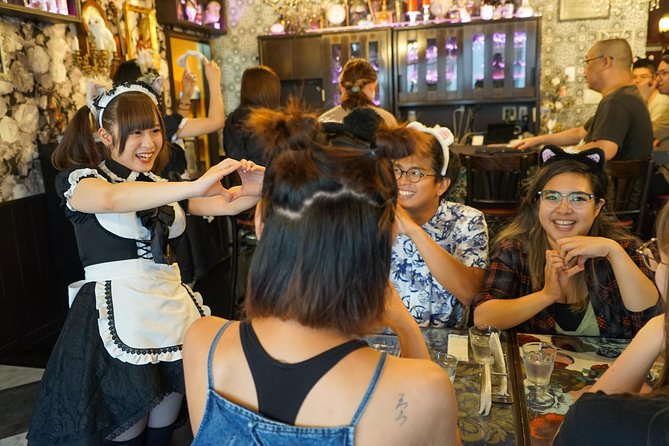
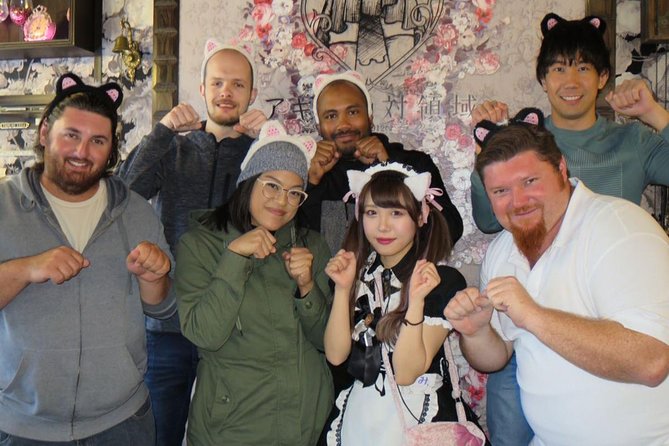
The maid cafe takes about an hour and is the tour’s biggest planned experience. Entry and one drink are included, which makes this easier than trying to choose a cafe and manage the visit alone.
A maid cafe is performance-based hospitality. The maids may use playful greetings, encourage simple spells over food or drinks, and create a theatrical setting built around cute character behavior. For many people, it is their first direct encounter with a style of entertainment strongly associated with Akihabara.
Your guide helps with the basic customs and translation, which is valuable if you are unsure how to respond. Several guides, including Taka, have also helped participants with reservations and explained what was happening. If the cafe feels strange at first, that is normal. The point is to see a distinct slice of Akihabara culture, not to pretend you have wandered into an ordinary coffee shop.
The cafe is also the area where expectations matter most. Some people describe it as funny, memorable, and far more enjoyable than expected. Others found the visit flat or felt the particular cafe lacked energy. The cafe may change depending on circumstances, so no specific venue is guaranteed.
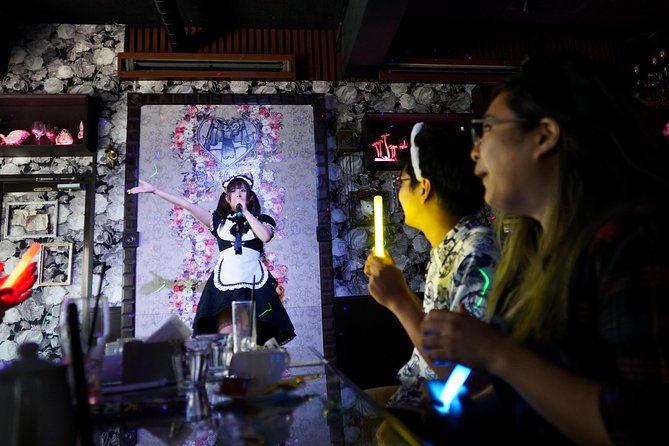
The included drink covers the basic visit, but extra food and drinks cost more. A maid live performance is optional and listed at ¥1,430 per person. A Polaroid photo with a maid is also available for purchase. The included Japanese purikura photo booth experience is separate from that paid Polaroid option.
If you are traveling with children, explain the format before you go. The experience can be harmless fun, but it is intentionally theatrical and may not suit every family. Guides should also ask before taking photographs. One serious complaint involved unwanted photos of children, and the provider acknowledged that photo procedures needed better handling. You have every right to set clear limits.
More walking routes in Tokyo:
- Tokyo Tsukiji Fish Market Food and Culture Walking Tour
★ 5.0 · 3,184 reviews - Tokyo: Imperial Palace and Shogun Historical Walking Tour
★ 5.0 · 2,251 reviews - Tokyo: Shinjuku Local Bar and Izakaya Guided Walking Tour
★ 4.9 · 1,794 reviews - Tokyo: Tsukiji Fish Market Food and Walking tour
★ 5.0 · 1,724 reviews
Taito Station and the Arcade Side of Akiba
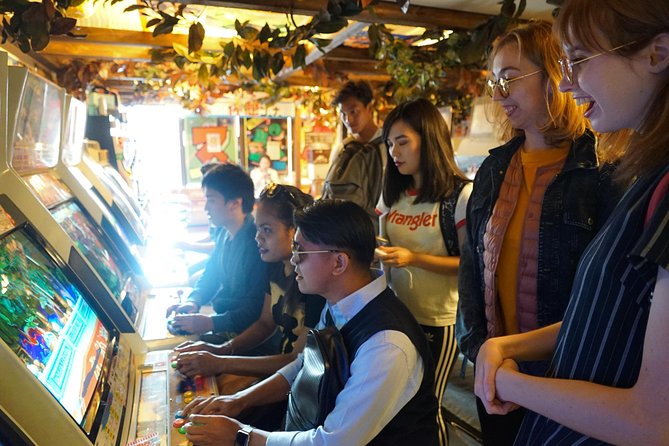
Taito Station Akihabara is about a three-minute walk from the station and easy to spot thanks to its large Space Invaders sign. The tour allows about 25 minutes here.
This is the arcade portion of the walk. You may see classic machines, newer games, prize machines, and the layered noise that makes Japanese game centers feel different from a quiet console shop. The stop gives you a chance to play rather than only look.
The experience is strongest if you enjoy arcade games or want to see how Japanese game centers work. One guide, Seina, was praised for her energy, and other guides have taken groups to vintage arcade spots that would be easy to miss. A few people found the gaming portion less exciting, especially when the available machines did not match their interests.
You should also budget for any games you want to play. The tour includes the guided visit, not unlimited credits. Treat Taito Station as a chance to sample the arcade and note machines or floors you want to explore later.
Purikura, Vending Machines, and the Last Glimpse

The final part of the route covers about 15 minutes in Akihabara and may include cosplay-related sights or the district’s unusual vending machines. The specific details can change, but the aim is to show the stranger, more visual side of the neighborhood.
The included purikura experience is a nice touch. These Japanese photo booths let you take decorated photos with digital effects and stickers. It is a small activity, but it gives you something to do together and a souvenir that is more personal than a purchased key ring.
This short final stop can feel rushed. If the group has spent extra time in shops, the last portion may become a quick look rather than a full activity. That is another reason to think of the tour as an introduction. You are learning what deserves a second visit, not finishing Akihabara in one afternoon.
What the Guide Adds, and Where the Tour Can Fall Short
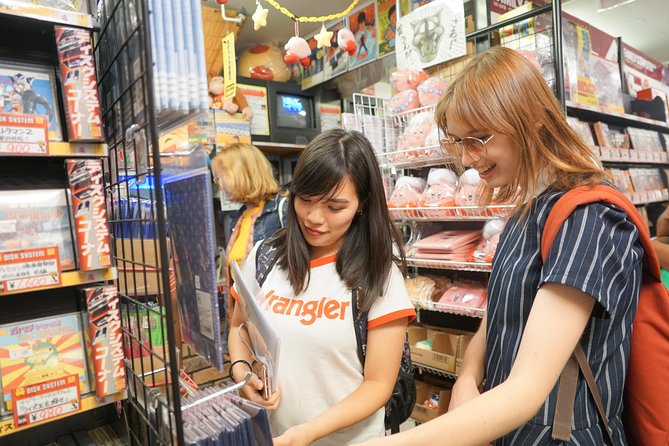
The guide is the main reason to book this experience instead of walking through Electric Town alone. The best guides do three jobs: they explain the neighborhood, translate the odd moments, and adjust the route to the group.
Ryo has been praised for finding anime stores that match specific interests. Seina has been described as energetic and helpful. Ai is valued for anime trivia, while Yuki has tailored visits for first-time guests. Naoki has received praise for patience with children, and Taka has helped with cafe arrangements and translation.
A good guide can also give you local context about how Akihabara has changed, from its electronics roots to its current mix of anime, gaming, idols, and cafes. That background turns a row of bright signs into something easier to understand.
But do not book this expecting a formal specialist lecture at every stop. Some participants felt the guide offered little information and that they could have seen more alone. Others were unhappy with the number of shops visited or felt the arcade and cafe time did not justify the cost.
One guide-related complaint described unprofessional comments, unwanted photography, and behavior that made a family uncomfortable. This appears to be an individual conduct issue, not a feature of the itinerary, but it is worth taking seriously. If a guide’s behavior concerns you, speak up during the tour and contact the operator afterward.
The private option may suit you better if you need a highly specific pace or shopping plan, but the supplied details do not state its price or exact format. For mobility concerns, contact MagicalTrip before booking and explain your needs clearly. The route involves walking and entering busy shops, and the group format may limit changes to the meeting point or route.
Is $90.86 a Fair Price?
At $90.86 per person, this is not the cheapest way to see Akihabara. You can walk through Electric Town for free, browse Super Potato without paying admission, and choose your own arcade and cafe visits.
The price makes more sense when you value help with the maid cafe, translation, a planned route, and a small group. You also receive maid cafe entry, one drink, and the purikura experience. If you are nervous about entering a maid cafe or unsure which parts of Akihabara deserve your time, those practical benefits have real value.
The tour is less convincing for experienced anime shoppers, confident solo explorers, or anyone who wants long browsing time. You may spend much of the walk climbing through packed shops and looking at merchandise rather than learning formal history. The best value comes when you use the tour as your first Akihabara orientation, then return independently to the shops that fit your interests.
The 96 percent recommendation rate and 4.8 rating from 404 ratings suggest that the experience usually works well, but the low scores show the risk clearly: the guide’s effort and the cafe choice can shape your day. I would book it for access and guidance, not simply for admission to places you could enter on your own.
Heat, Food, Timing, and Other Practical Notes
Tokyo summers are hot and humid. Bring water, wear a hat, and expect the walking to feel harder in the midday heat. Indoor shops offer shade, but the route still includes outdoor walking between stations, stores, and arcades.
The tour is near public transportation, and most people can participate. The maximum group size is seven. The meeting and ending point is outside the JR Akihabara Electric Town Gate, at the Travel Service Center, 1 Chome-17 Sotokanda.
Food and dietary needs require care. The provider cannot guarantee allergy-free food or cater to all dietary restrictions because food is prepared in kitchens outside its control. Substitutions may not be possible at every stop, though the operator says it will try to compensate at another stop.
You receive booking confirmation at the time of reservation and a mobile ticket. Cancellation is free up to 24 hours before the start time for a full refund. Changes or cancellations inside 24 hours are not accepted for a refund, and poor weather may lead to a new date or full refund.
Who Should Book This Akihabara Walk?
I would recommend this tour to a first-time Akihabara visitor who wants structure. It is also a good match for anime fans, retro game fans, families with older children, and anyone curious about maid cafes but uneasy about going alone.
It can work for a mixed-interest group too. One person can focus on figures and games while another enjoys the cafe, photos, and neighborhood atmosphere. A flexible guide may help bridge those different interests.
I would skip it if you already know Akihabara well, need hours for careful shopping, or want a serious history tour. I would also think twice if you dislike theatrical cafes, crowded shops, narrow stairways, or unplanned browsing.
Should You Book It?
Book this if you want a three-hour orientation with a small group, a maid cafe visit arranged for you, and a guide who can answer questions as you explore. The strongest version of the tour feels like an introduction from an enthusiastic local, with useful detours and a route that saves you time.
Do not book it expecting every stop to be thrilling or every guide to deliver the same level of detail. Go in with a short list of your anime or gaming interests, confirm the meeting point, protect your photo privacy, and plan to revisit your favorite shops afterward. For a first taste of Akihabara’s playful side, the tour can be a smart start. For experienced fans, it is mainly worth paying for the guidance and cafe access.
FAQ
How long does the Akihabara Anime and Game Adventure Walking Tour last?
The tour lasts approximately three hours, though the timing may vary during the route.
Where does the tour meet?
The meeting point is outside the Electric Town Gate of JR Akihabara Station, at the Travel Service Center at 1 Chome-17 Sotokanda, Chiyoda City, Tokyo 101-0021.
Where does the tour end?
The activity ends back at the meeting point.
What is included at the maid cafe?
Maid cafe entry and one drink are included. Additional food and drinks cost extra, and the optional maid live performance is listed at ¥1,430 per person.
Is the maid cafe always the same?
No. The maid cafe may vary depending on the situation.
How many people can join the group?
The tour has a maximum of seven participants.
Can I cancel for a full refund?
Yes. You can cancel at least 24 hours before the experience start time for a full refund. Cancellations or changes made less than 24 hours before the start time are not accepted for a refund.
New on our Tokyo list
- From Tokyo: Mount Fuji & Hakone Full Day Private Tour★ 4.9 · 25 reviews
- Tokyo Spectacular View Day-Cruise in 90 Minutes★ 5.0 · 25 reviews
- Real Tokyo Runner Club : Daikoku Car Meet Night Tour with JDM Car★ 5.0 · 25 reviews
- 2.5 Hour-Guided Cycle Tour in the Central Tokyo★ 5.0 · 25 reviews
- Ramen Making from Scratch +Akihabara Tour –Cooking Class★ 5.0 · 25 reviews
- [Self-Drive] Tokyo & Daikoku Custom Car Driving Tour★ 4.9 · 25 reviews
- Tokyo: 2-Hour Night Bike Tour of the City’s Hidden Gems★ 4.9 · 25 reviews
- Samurai themed Entertainment show in Shinjuku★ 4.5 · 25 reviews
Anime & Pop Culture Tours, compared.


Tokyo Go Kart: Asakusa, Skytree, and Akihabara **IDP MUST**
Read our review →

Akihabara Tailor-made Private Tour for Anime Fans
Read our review →
Ramen Making from Scratch +Akihabara Tour –Tokyo Cooking Class
Read our review →
Manga Drawing Workshop Guided by Pro Manga Artist
Read our review →
Tokyo’s Must-Sees: 5-hour Tsukiji, Akihabara & Asakusa Tour
Read our review →Browse the lists this tour appears in