
Reviewed · ANIME & POP CULTURE TOURS
Tokyo: Gameboy Mod Workshop at Akihabara
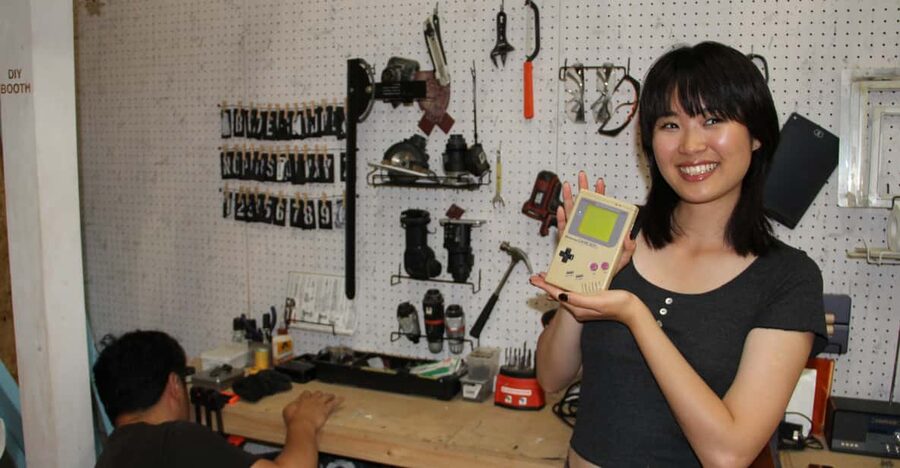
The best part of this Akihabara workshop is that you do not simply buy a retro Game Boy and carry it home. You choose the colors and parts, take the machine apart, and put it back together with patient help from the team. I like the short history lesson, and I like that even beginners can take part without prior electronics skills.
I also like the small four-person limit and the chance to choose games after the build. The main drawback is the price: at $360 per person, this is a serious purchase, not a casual two-hour activity. You also need to climb to the second floor because there is no elevator or escalator.
In This Review
- Key points to know before booking
- Why this is more than a Game Boy purchase
- The opening history lesson and hands-on console display
- Choosing colors, buttons, and the look of your console
- Taking apart the original and rebuilding your own
- Testing the improved Game Boy before you leave
- Finding classic games in Akihabara
- Is $360 per person a fair price?
- Who will get the most from this workshop?
- Practical details for your Akihabara visit
- Should you book the Game Boy mod workshop?
- FAQ
- Where does the Game Boy workshop take place?
- How long does the workshop last?
- How much does the workshop cost?
- How many people can join each session?
- What languages are available?
- Do I need previous electronics or Game Boy experience?
- Which Game Boy model do I build?
- What can I customize?
- Do I take the Game Boy home?
- Are games available to buy?
Key points to know before booking
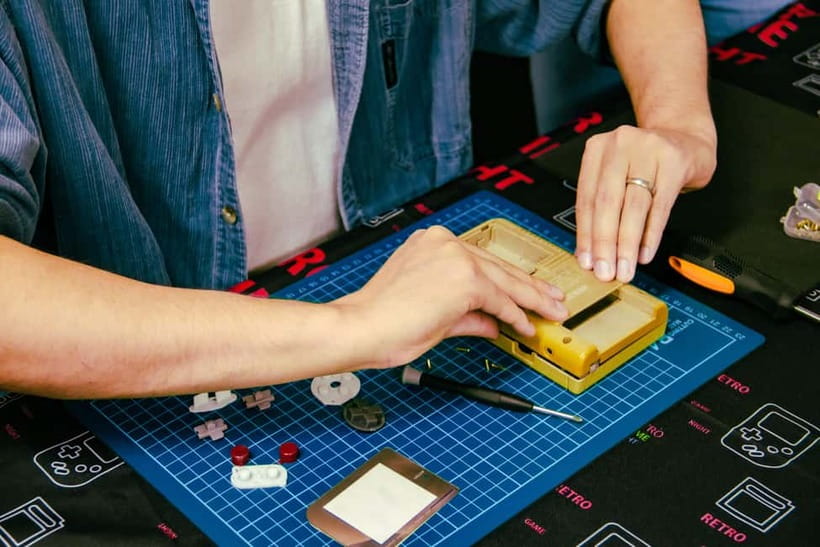
- Build a DMG-01 Game Boy: Take apart and rebuild a classic original-style Game Boy with supplied parts.
- Choose your own design: Pick the case color, buttons, screen surround, power rocker, and other available details.
- Learn from local enthusiasts: Gabi, Franz, Shio San, Ro, and the wider team lead the session in English and Japanese.
- Expect a small class: The group is limited to four people, so help is close at hand.
- Take home a working console: Your finished Game Boy is tested before you leave, and games are available to buy.
- Plan for stairs and time: The workshop lasts two hours and takes place on the second floor of the Wakita Building.
Why this is more than a Game Boy purchase
Akihabara is full of shops selling games, figures, electronics, and old Nintendo hardware. That makes it an obvious place for a Game Boy workshop, but the appeal here is different from simply hunting through store shelves.
You create the souvenir yourself. The finished console has the practical value of a playable handheld, but it also carries the memory of sitting at a workbench in Tokyo and making design choices of your own. I find that far more personal than buying a standard gray Game Boy from a shop.
The workshop centers on the original DMG-01 model, the chunky first-generation Game Boy familiar to many players from the late 1980s and 1990s. You learn about its place in Nintendo’s handheld story, then work directly with the hardware. The session links Tokyo’s gaming culture with a hands-on activity, which gives it more substance than a standard shopping stop.
You do not need to arrive as an electronics expert. The instruction is designed for different skill levels, from complete beginners to people who already know their way around retro consoles. The staff explain the process clearly, check the work as you go, and step in quickly if something needs attention.
More anime and pop-culture days:
- Official Street Go-Kart Tour – Akihabara
★ 5.0 · 1,578 reviews - Tokyo Go Kart: Asakusa, Skytree, and Akihabara **IDP MUST**
★ 5.0 · 988 reviews - Akihabara Anime & Game Adventure Walking Tour (Group or Private)
★ 5.0 · 404 reviews
The opening history lesson and hands-on console display
The session begins with an introduction to the Game Boy and other Nintendo handheld systems. The team uses actual consoles for demonstrations, giving you a chance to see the changes across generations rather than hearing only a short sales pitch.
This opening matters because it puts the original Game Boy in context. You see why the system remains important to handheld gaming and how its design influenced later consoles. For someone who grew up with a Game Boy, this can bring back strong memories. For younger participants, it provides a useful explanation of why a simple monochrome handheld still has such a loyal following.
The history portion is also a good feature for family groups. A parent can share a childhood favorite with a child, while the child gets a practical look at old technology. One family used the session for a 13-year-old, while another brought children aged 10 and 13. The format gives younger makers something real to handle, instead of asking them to watch from the side.
The staff’s enthusiasm is part of the appeal. Gabi, Franz, and Shio San are among the team members named by participants, while Ro is also singled out for leading a memorable session. The exact staff lineup can vary, but you should expect English and Japanese instruction and a team comfortable speaking with people at different levels.
Choosing colors, buttons, and the look of your console
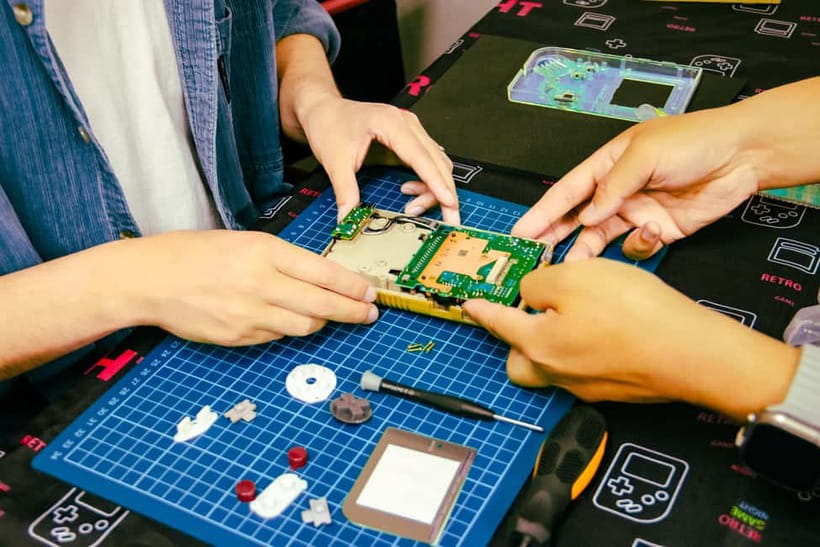
After the introduction, you select the appearance of your Game Boy. The choices include the outer shell, buttons, screen surround, power rocker, and other supplied components. The selection is broad enough to make the decision personal rather than limiting you to one or two standard combinations.
This is where the workshop becomes creative. You can choose a single color for a clean look, or combine different colors for something less traditional. One participant made a special variant by mixing colors instead of using a matching set. That option is useful if you want a souvenir that clearly belongs to you and does not look like a factory model.
Do not rush this stage. The class lasts two hours, and the staff allow time for decisions. If you are the kind of person who needs to compare several combinations, you should have room to do so. You can also ask the team for practical guidance if you are unsure which colors or parts work well together.
The customization is not only cosmetic. The workshop includes a screen change, buttons, and case parts, and the finished machines described by participants include an improved backlit screen and other modernized features. The precise options available can vary, so it is sensible to confirm the current parts selection when booking if a particular modification matters to you.
Taking apart the original and rebuilding your own
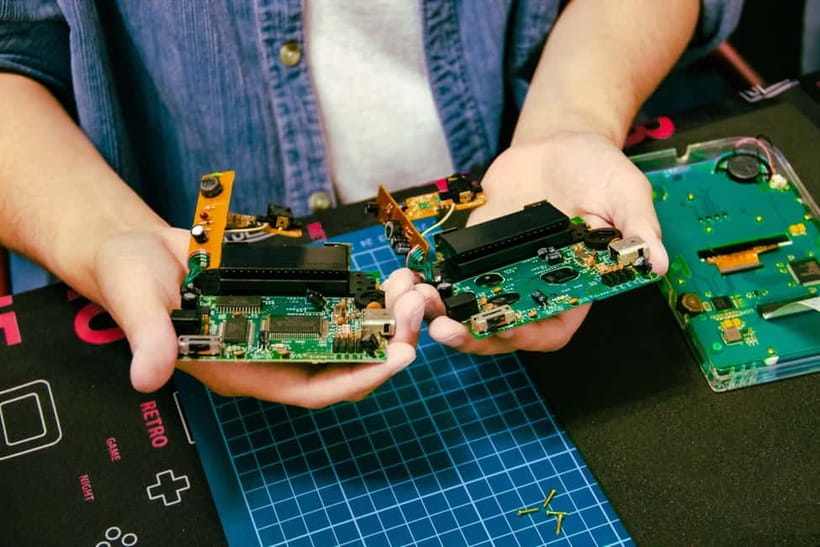
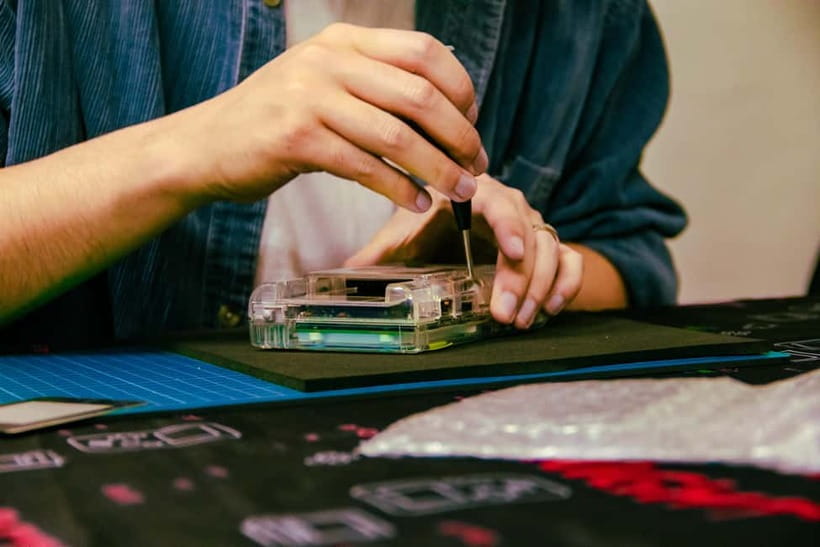
The central activity is the actual build. You take apart a Game Boy, examine the useful components, and work with the new case and parts under close instruction. You are not left alone with a pile of screws and a hopeful guess.
The team walks you through each step and checks the work. That makes the workshop accessible to beginners, but it also keeps the process interesting for people who already enjoy electronics. You get to see how an iconic handheld is put together and understand the relationship between the shell, controls, screen, and internal board.
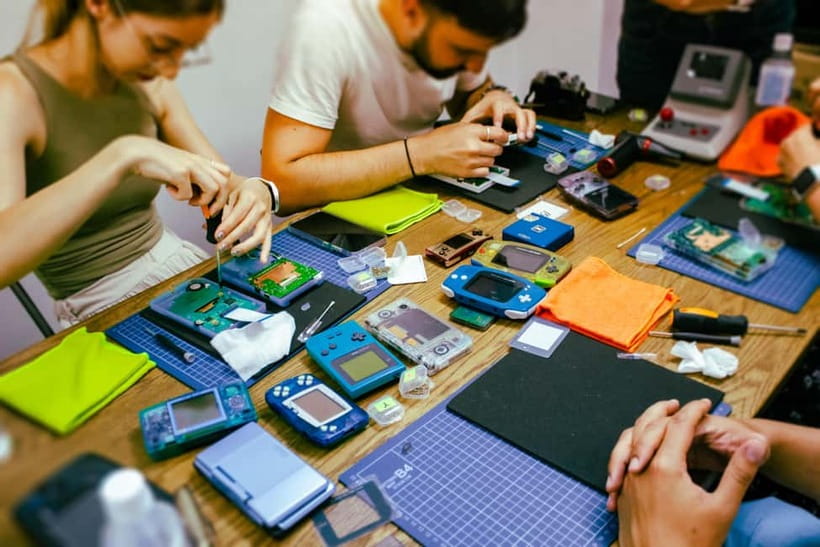
This is a careful activity, not a quick craft project. You need to follow instructions and pay attention to small components. The staff are patient, and the small group means assistance is close by. With a maximum of four participants, an instructor can spend time with each person instead of giving one rushed demonstration to a crowded room.
I would choose this workshop over a larger class if you want to ask technical questions. The team is happy to explain details about the hardware, the history of handheld consoles, and the changes made during the build. You can enjoy the process at a relaxed pace while still finishing within the two-hour session.
The group format also works well for solo visitors. You do not need to bring a group to enjoy it. At the same time, booking with a partner, friend, or family member gives you a shared project, with each person free to make a different design.
A few more Tokyo bookings worth comparing
- Sushi Making Tokyo Roll and Authentic Japanese Sushi Class
★ 5.0 · 3,971 reviews - Tokyo: Roll and Authentic Sushi Making Class in Asakusa
★ 4.9 · 1,957 reviews - Tokyo Shinjuku Chopsticks Making Class
★ 5.0 · 1,763 reviews - Tokyo: Sushi Making Class in a Happi Coat near a Famous Spot
★ 4.9 · 1,377 reviews
Testing the improved Game Boy before you leave
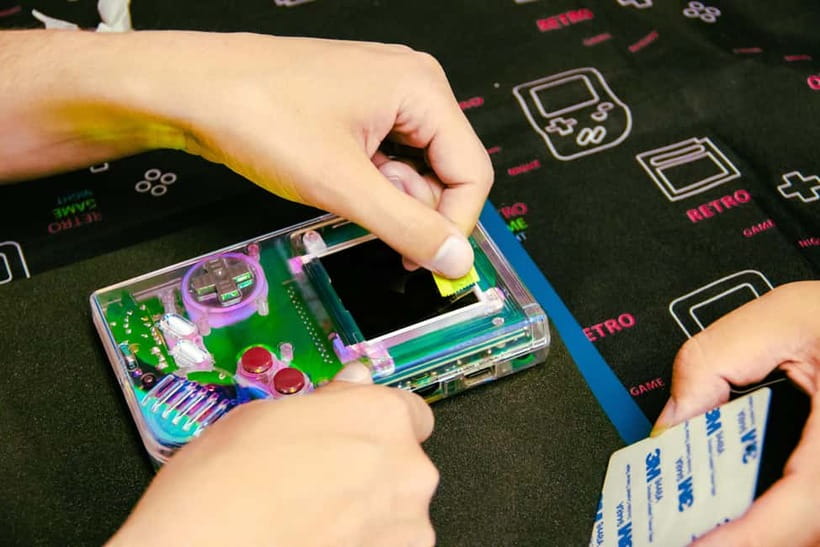
The build is not finished when the final case part goes on. The staff check that the console works before you leave. That final inspection is important because it gives you confidence that your souvenir is ready to play, not simply attractive on a shelf.
The modernized screen is a major practical benefit. Original Game Boy screens are famously basic, and a backlit replacement makes the console easier to use than an untouched vintage unit. The details of the board and extra features depend on the current workshop setup, but the aim is to give you a playable machine with updated parts while retaining the character of the original.
Some participants received a protective case for displaying and storing the finished Game Boy. Since the supplied information does not promise a case for every booking, treat this as a possible extra rather than a guaranteed inclusion. The Game Boy itself, the workshop activity, supplied parts, and staff guidance are included.
You should leave with a console that is more than a display object. It is built for playing, and the next step is choosing what to play on it.
Finding classic games in Akihabara
The workshop has a selection of retro games available to buy. You can pick up familiar titles such as Tetris, Mario, Kirby, or Dr. Mario, along with Japanese and international games. One part of the package includes a 1,000 yen game, and you are able to purchase additional games if you want a larger collection.
This is convenient because it saves you from making a separate search through Akihabara after the workshop. It also lets you test the new console with a game that suits your taste. If you already own Game Boy cartridges, bring your plans for those into the decision, but the available shop selection gives first-time buyers an easy starting point.
Prices may compare well with other Akihabara stores. The information provided includes direct comparisons with Super Potato, where some of the same titles were reportedly around 40 percent more expensive. Prices and stock can change, so I would not book the activity solely as a bargain game-shopping trip. The real value is the build, with the game selection acting as a useful bonus.
Is $360 per person a fair price?
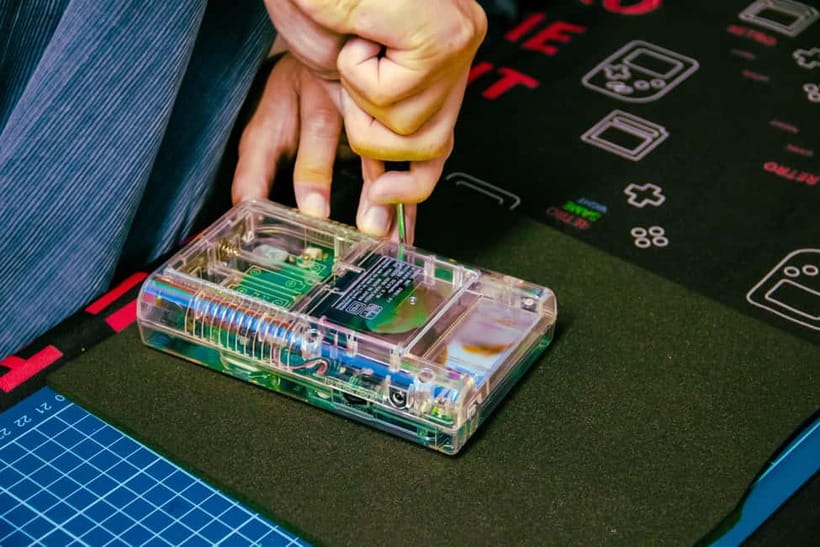
At $360 per person, this workshop is expensive beside ordinary sightseeing in Tokyo. You can visit an arcade, browse Akihabara’s shops, or buy a standard used Game Boy for much less.
The price makes more sense when you consider what is bundled into the session. You receive a vintage DMG-01 base, replacement and customization parts, a screen upgrade or screen-related modification, expert instruction, the history presentation, hands-on assembly, testing, and a working console to take home. You also receive the time and labor needed to prepare enough retro hardware for a very small class.
That does not make the price small. It makes the purchase easier to judge. If you only want to play old games, this is probably not the most economical route. If you want a personalized handheld, practical instruction, and a strong Tokyo memory in one package, the cost is easier to justify.
I would compare it with the price of the souvenir you might otherwise buy. A shirt or mass-produced character item can be fun, but it will not carry the same personal connection. This Game Boy is a keepsake you help create, and it remains useful after the trip.
Who will get the most from this workshop?
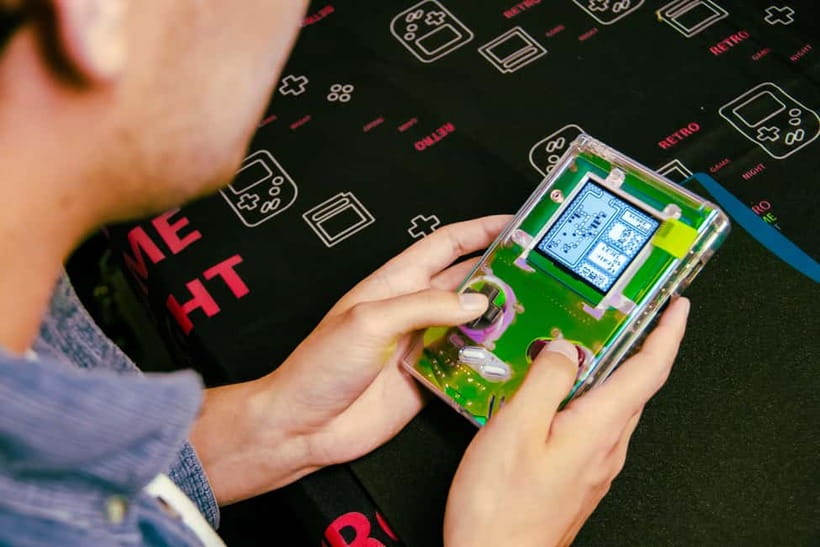
This is a natural choice for Nintendo fans and people who grew up playing Game Boy. It also suits anyone interested in electronics, design, or repair. You do not need technical experience, so the workshop is not limited to serious modders.
It works particularly well as a gift. One person booked it for a partner who had grown up playing Game Boy, and the build became a personal way to reconnect with that childhood interest. Couples can create matching or contrasting consoles, while families can turn the session into a shared parent-child activity.
Solo visitors should feel comfortable booking. The class is small, the staff are conversational, and the work gives you something to focus on. You can also bring a non-participating family member along in some circumstances, but check the booking conditions if someone wants to attend without building a console.
This is less suitable if you dislike making choices, handling small parts, or spending a large amount on a niche souvenir. It is also not a good fit if stairs are difficult for you, since the workshop is upstairs without an elevator or escalator.
Practical details for your Akihabara visit
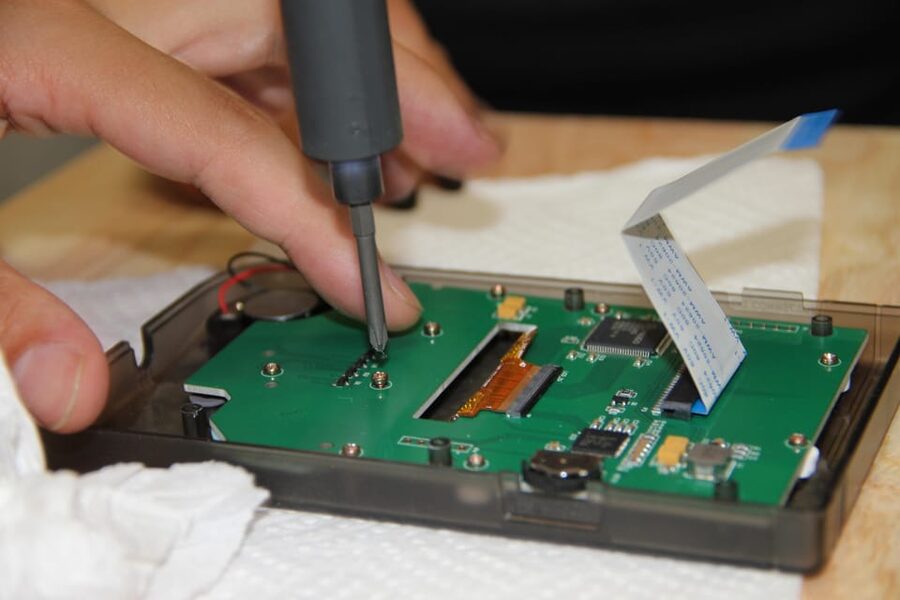
The workshop is in the Wakita Building in Akihabara, on the second floor. Follow the provided address carefully, then allow a little time to find the building and climb the stairs. The venue does not have elevator or escalator access.
The activity lasts two hours, with starting times based on availability. A maximum of four participants keeps the session personal and gives you a better chance to receive one-to-one help.
Instruction is offered in English and Japanese. Multilingual assistants guide the assembly, so you can ask questions during the build rather than simply copying a demonstration.
The activity includes free cancellation up to 24 hours before the scheduled start for a full refund. A reserve-now, pay-later option is also available, which helps if your Tokyo schedule is still shifting. Since the workshop has limited places, book ahead if you are visiting during a busy period.
Should you book the Game Boy mod workshop?
I would book this if you want a personal Tokyo souvenir and already have some interest in Nintendo, retro games, or hands-on making. The strongest reasons are the small class, patient instruction, wide choice of colors, useful screen upgrade, and the chance to test or buy games before leaving.
I would skip it if your main goal is cheap entertainment or simple Game Boy ownership. You are paying for the guided build and the memory attached to it, not only for a handheld console.
For the right person, this is one of Akihabara’s more memorable ways to spend two hours. You leave with a working Game Boy that reflects your choices, plus a better understanding of the machine that helped define portable gaming.
FAQ
Where does the Game Boy workshop take place?
It takes place on the second floor of the Wakita Building in Akihabara, Tokyo. Follow the provided address to find the venue.
How long does the workshop last?
The activity lasts two hours. Available starting times depend on the schedule when you book.
How much does the workshop cost?
The listed price is $360 per person.
How many people can join each session?
The group is limited to four participants.
What languages are available?
The instructors and assistants provide guidance in English and Japanese.
Do I need previous electronics or Game Boy experience?
No. The workshop is designed for beginners as well as people with more experience, and the staff guide you through the process.
Which Game Boy model do I build?
You personalize and rebuild a vintage Game Boy DMG-01.
What can I customize?
Available choices include the case color, buttons, screen surround, power rocker, screen, and other supplied parts.
Do I take the Game Boy home?
Yes. You leave with your completed, functioning Game Boy.
Are games available to buy?
Yes. The workshop has Japanese and international retro games available to purchase. One 1,000 yen game is included, and you can buy additional games.
New on our Tokyo list
- From Tokyo: Mount Fuji & Hakone Full Day Private Tour★ 4.9 · 25 reviews
- Tokyo Spectacular View Day-Cruise in 90 Minutes★ 5.0 · 25 reviews
- Real Tokyo Runner Club : Daikoku Car Meet Night Tour with JDM Car★ 5.0 · 25 reviews
- 2.5 Hour-Guided Cycle Tour in the Central Tokyo★ 5.0 · 25 reviews
- Ramen Making from Scratch +Akihabara Tour –Cooking Class★ 5.0 · 25 reviews
- [Self-Drive] Tokyo & Daikoku Custom Car Driving Tour★ 4.9 · 25 reviews
- Tokyo: 2-Hour Night Bike Tour of the City’s Hidden Gems★ 4.9 · 25 reviews
- Buddha, Bamboo & Zen – Bespoke Kamakura Private Walking Tours★ 5.0 · 25 reviews
Anime & Pop Culture Tours, compared.
Tokyo Go Kart: Asakusa, Skytree, and Akihabara **IDP MUST**
Read our review →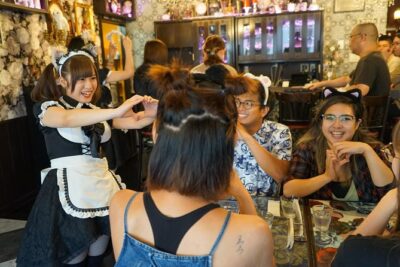
Akihabara Anime & Game Adventure Walking Tour (Group or Private)
Read our review →
Akihabara Tailor-made Private Tour for Anime Fans
Read our review →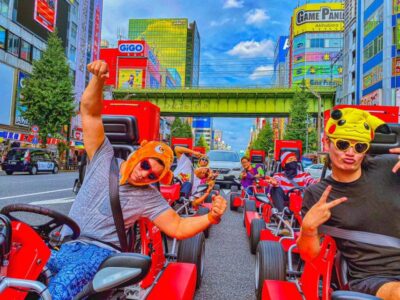
Ramen Making from Scratch +Akihabara Tour –Tokyo Cooking Class
Read our review →
Manga Drawing Workshop Guided by Pro Manga Artist
Read our review →
Tokyo’s Must-Sees: 5-hour Tsukiji, Akihabara & Asakusa Tour
Read our review →Browse the lists this tour appears in