
Reviewed · SHIBUYA TOURS
Easy Japanese Speaking Experience and Meet Locals in Shibuya
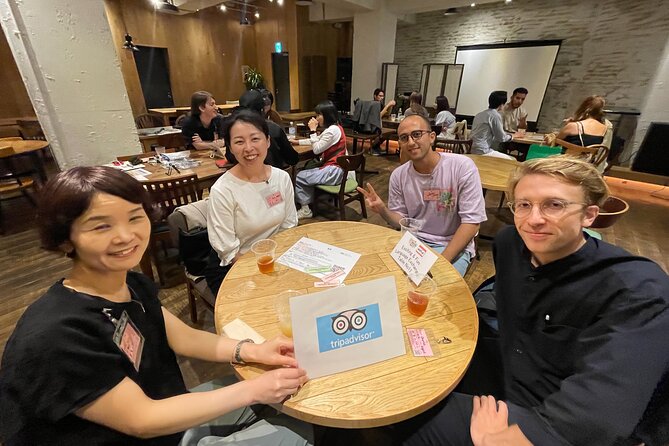
The best part of this Shibuya experience is that you get real conversation with Japanese locals, not a classroom drill. At Jinnan Cafe, staff place Japanese and international participants in small groups, provide topic cards, and rotate seats so you can speak with several people during the two-hour evening.
I like the low-pressure setup and the included drink, which gives everyone an easy way to begin talking. I also like the useful local advice: you can ask about places to visit, daily life, and Japanese expressions you will actually hear. The main drawback is the price, $53 per person, which is a lot for a meetup built around conversation and one drink.
In This Review
- Key points to know before you book
- Why this Shibuya language exchange works
- Arriving at Jinnan Cafe in Shibuya
- How the two-hour conversation is organized
- Practicing Japanese without classroom pressure
- The included drink and the value of the setting
- What the strongest experiences have in common
- Asking locals for better Japan advice
- Who should book this experience
- Practical details that affect your decision
- Should you book the Shibuya Japanese speaking experience?
- FAQ
- Where does the Japanese speaking experience take place?
- When is the event held?
- How long does the experience last?
- Is Japanese fluency required?
- How are the conversation groups arranged?
- Is a drink included?
- How many people can attend?
- Can I cancel for a refund?
Key points to know before you book
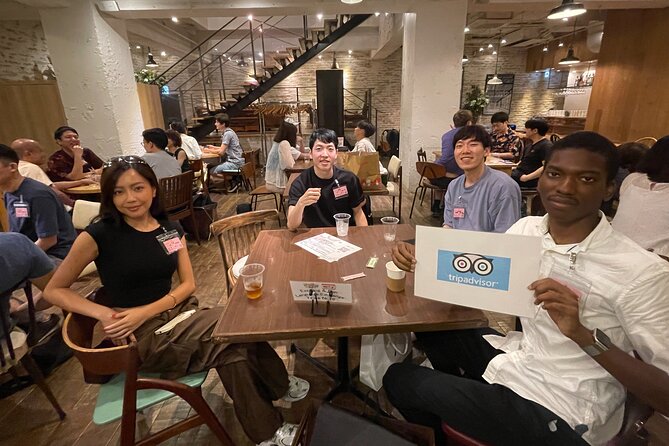
- Small groups of three or four: Japanese and international participants are mixed together for easier conversation.
- Several seat changes: Staff rotate the groups so you can speak with more than one set of people.
- Topic cards are provided: You do not need to arrive with a list of questions.
- One drink is included: Choose one soft drink or alcoholic beverage. Snacks cost extra.
- Tuesday evening timing: The event runs from 7:30 to 9:30 p.m. at Jinnan Cafe in Shibuya.
- Good for solo visitors: The format is designed to help you start talking, even if your Japanese is very limited.
Why this Shibuya language exchange works
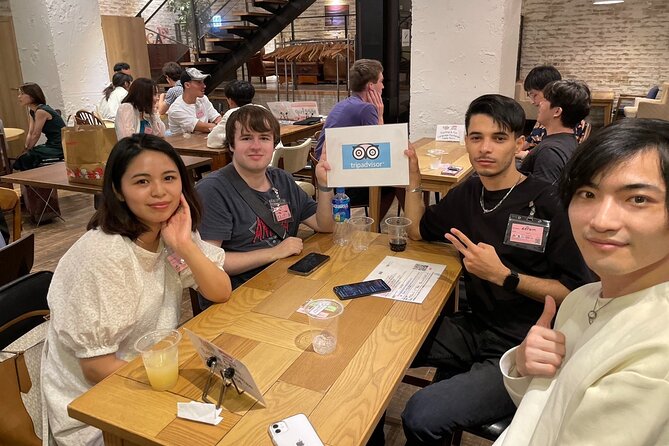
Many language exchanges are really informal social gatherings. You show up, recognize nobody, and hope someone nearby feels equally brave. This event adds enough structure to prevent that awkward first stretch.
Staff prepare seats and topic cards, then divide the group into units of three or four. Each group includes a mix of Japanese and international participants. That small size matters. In a large room, a shy speaker can disappear. In a group of four, you have a reasonable chance to speak, listen, and ask a follow-up question without fighting for space.
You do not need to speak Japanese well to join. The event is meant for people interested in Japanese, including beginners. English is part of the exchange, so the arrangement is not one-sided. You can practice Japanese, help a local practice English, and switch back and forth when a sentence gets stuck.
I especially like the use of topic cards. They give you a starting point when introductions are over and the table goes quiet. They also help keep the conversation moving beyond the usual questions about where you are from and how long you are staying.
More Shibuya plans:
- Official Street Go-Kart in Shibuya
★ 5.0 · 3,435 reviews - Tokyo: Street Kart Experience in Shibuya
★ 4.9 · 1,484 reviews - Shibuya Meltdown Nightlife Tour: All-You-Can-Drink Bar Hopping
★ 5.0 · 1,058 reviews
Arriving at Jinnan Cafe in Shibuya
The meeting place is Jinnan Cafe. After ordering your drink on the first floor, you check in at the reception on the B1 floor. Staff then prepare your seat and direct you into the conversation groups.
That two-level arrangement is worth noting. You should not simply order a drink and wait at a random table upstairs. The check-in point is downstairs, so allow a little time to find the right place and get settled before the 7:30 p.m. start.
The cafe is near public transportation, which helps when you are fitting the event into an evening in Shibuya. The scheduled session runs from 7:30 to 9:30 p.m. on Tuesdays. This is a useful time slot if you have spent the afternoon sightseeing, but it also means you should plan dinner around the event. Snacks are not included.
The event has a maximum of 20 participants. That is small enough for staff to manage the seat changes and large enough to provide a mix of ages, backgrounds, and speaking levels. The exact turnout can vary, but the format is built around a social room rather than private tutoring.
How the two-hour conversation is organized
The activity is described as a Japanese and English language exchange for locals and internationals from around the world. Staff do more than hand you a drink and leave you alone. They arrange the seating, supply conversation prompts, and change seats during the session.
The stated format includes scheduled periods of English conversation, with the itinerary indicating a 15-minute conversation structure. The available description is cut off before explaining the entire sequence, so I would not promise a precise minute-by-minute timetable. You can expect organized conversation periods and several chances to change partners.
This setup gives you two useful kinds of practice. First, you repeat familiar introductions with different people. That helps you get past the first-sentence nerves. Second, you hear different speaking styles and accents, which is closer to ordinary conversation than repeating lines with one instructor.
The seat changes are one of the strongest practical features. If you happen to land in a quiet group, the next rotation gives you another chance. If you click with your first table, you can still continue talking afterward if the gathering allows it. The event description specifically notes the option of continuing the conversation after the scheduled session.
You should treat the topic cards as support, not homework. Use them when you need help, then let the conversation wander naturally. A question about food can lead to neighborhood suggestions. A question about hobbies can lead to useful vocabulary. That is where the exchange becomes more than a language exercise.
Practicing Japanese without classroom pressure
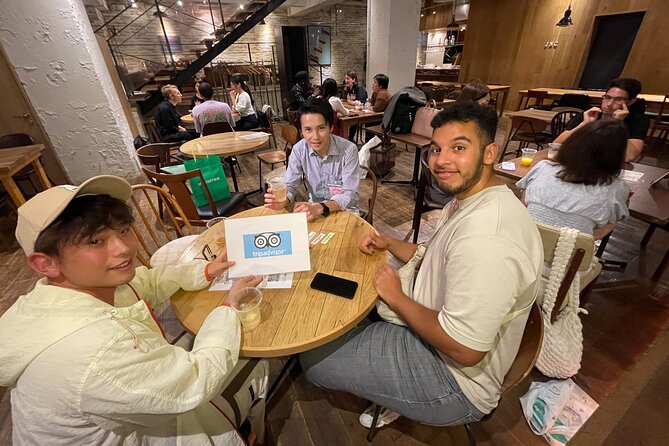
A formal Japanese lesson has clear advantages: a teacher can correct grammar, explain pronunciation, and set a steady curriculum. This experience does not promise that kind of instruction. Its value lies elsewhere.
You get a chance to test the Japanese you already know in a relaxed social setting. If you have studied greetings, ordering phrases, travel questions, or basic descriptions, this is a place to use them with another person. You can also ask for a more natural way to say something instead of relying only on a textbook phrase.
The atmosphere is intended to be stress-free. That does not mean every conversation will be equally easy. Some people will speak more than others, and the amount of Japanese you use may depend on the group. Still, the small tables and staff-led rotations reduce the risk of spending the whole night talking with one person in English.
I would not book this as a substitute for serious language study. You will not receive a private lesson, written correction, or a guaranteed level-based class. Book it for speaking practice, social contact, and the chance to ask locals questions that a guidebook cannot answer as well.
A few more Tokyo bookings worth comparing
- Mt Fuji and Hakone 1-Day Bus Tour Return by Bullet Train
★ 5.0 · 26,383 reviews - 1-Day Tokyo Bus Tour
★ 5.0 · 14,250 reviews - Tokyo: TOKYO SKYTREE® Admission ticket
★ 4.5 · 11,192 reviews - Tokyo: teamLab Planets TOKYO Digital Art Museum Entry Ticket
★ 4.6 · 9,779 reviews
The included drink and the value of the setting
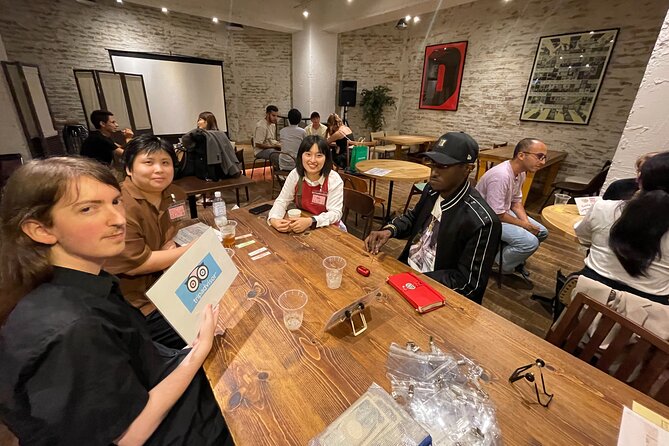
One soft drink or alcoholic beverage is included. That sounds like a small detail, but it serves a useful social purpose. Holding a drink and having a cafe setting makes the opening minutes feel less formal. It also means the advertised price includes something beyond admission and staff organization.
At $53, though, you should consider what you are paying for. The drink alone does not justify the cost. The value comes from the organized format, staff support, group changes, and access to several conversation partners in one evening.
For someone who wants to meet people and practice Japanese but does not want to arrange a series of uncertain conversations alone, that structure may be worthwhile. For someone who simply wants a cheap place to chat over a beverage, the price will feel high.
Snacks are not included. If you need food, plan to eat before or after, or budget separately. Since the session ends at 9:30 p.m., you may prefer to have dinner before heading to Jinnan Cafe.
What the strongest experiences have in common
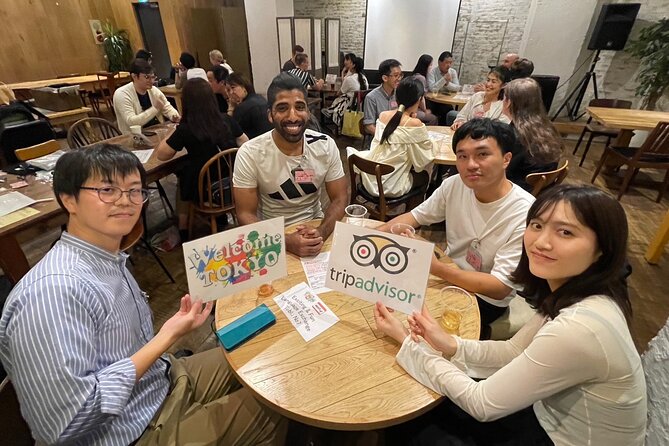
The most consistent praise centers on the welcoming mood, useful Japanese practice, and the range of people at the event. I would expect the evening to work best when you take an active role.
Go in ready to introduce yourself several times. Mention your Japanese level honestly. Ask the other person to slow down if needed, and offer the same courtesy when someone is practicing English. A language exchange works when both sides get speaking time.
Solo visitors are well suited to this format. You do not need to bring a friend, and joining a small group gives you an immediate social starting point. People have used the event to make friends, practice Japanese, teach English, and meet interesting people while visiting Tokyo.
The room can also feel full, especially when attendance approaches the 20-person limit. That can be a plus if you want variety, but it may be less appealing if you prefer quiet, one-to-one conversation. The event is social by design, not a calm private coaching session.
Asking locals for better Japan advice
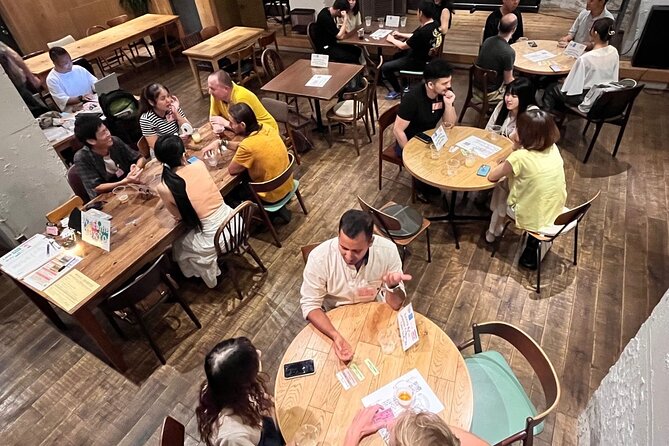
The most useful conversations may not be about grammar. Ask participants what they like to eat, where they spend time, what Japanese phrases sound natural, or which customs confuse first-time visitors. You may receive practical suggestions for the rest of your trip.
Keep your questions specific. Instead of asking for the best place in Tokyo, ask what they would do with one free evening in Shibuya. Instead of asking if your Japanese is correct, ask how they would say a particular sentence to a friend. Specific questions are easier to answer and lead to better conversation.
The event can also help you understand how much Japanese you can manage outside a study setting. You may discover that listening is harder than reading, or that you know more useful phrases than you thought. That kind of honest test is valuable before you attempt a longer conversation at a shop, restaurant, or station.
Who should book this experience
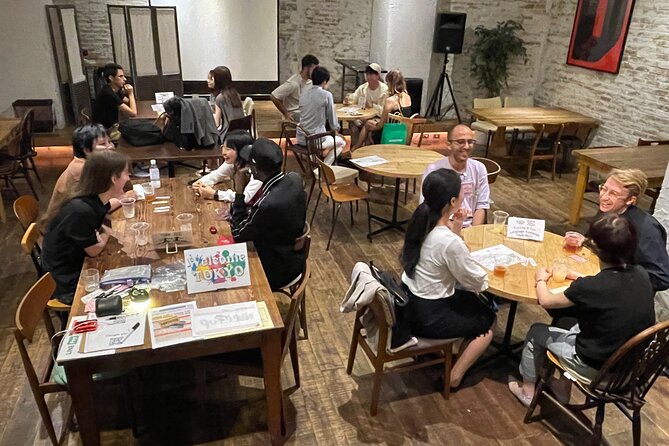
I would recommend it most strongly to:
- Japanese beginners who want to speak without a formal class
- Intermediate learners who need more listening and conversation practice
- Solo visitors hoping to meet people in Tokyo
- English speakers willing to help Japanese participants practice English
- Visitors who want local suggestions during their stay
- Anyone who likes organized social events rather than unplanned meetups
It is less suitable if you want a professional language lesson, sightseeing, or a tightly scheduled cultural tour. There is no sightseeing route and no named guide providing a lecture. The central activity is conversation.
You should also think about your comfort with group interaction. Staff help organize the room, but you still need to introduce yourself, answer questions, and keep a conversation going. The topic cards make that easier, though they do not remove the social part of the event.
Practical details that affect your decision
The experience lasts about two hours and takes place on Tuesday evenings from 7:30 to 9:30 p.m. It is held at Jinnan Cafe in Shibuya. The event is near public transportation, and confirmation is provided when you book.
A mobile ticket is available, which is convenient if you are moving around Tokyo with your phone. The maximum group size is 20, and most people can participate. The supplied information does not give a required Japanese level, so beginners can consider it.
The $53 price is per person and includes all fees and taxes, admission to the experience, and one soft drink or alcoholic beverage. Snacks are not included.
Free cancellation is available if you cancel at least 24 hours before the local start time. Cancellations or changes made inside that 24-hour window are not accepted for a refund. That policy is fairly simple, but keep the Tuesday evening schedule in mind before booking.
Should you book the Shibuya Japanese speaking experience?
Book it if you want a structured way to practice Japanese and meet people without committing to a full class. The small groups, topic cards, rotating seats, and included drink address the usual problems of language meetups. You get several chances to speak, and solo participation is practical.
Skip it if $53 feels too high for a social event, or if you want detailed grammar instruction and personal correction. The best return comes when you value human contact, local conversation, and a bit of organized help getting started.
For the right visitor, this is a useful Tuesday evening in Tokyo: relaxed, social, and focused on language you can actually use.
FAQ
Where does the Japanese speaking experience take place?
It takes place at Jinnan Cafe in Shibuya, Tokyo. The venue is near public transportation.
When is the event held?
The experience is scheduled on Tuesdays from 7:30 p.m. to 9:30 p.m.
How long does the experience last?
The activity lasts approximately two hours.
Is Japanese fluency required?
No specific Japanese level is stated, and the experience welcomes people who are interested in Japanese even if they cannot speak it well.
How are the conversation groups arranged?
Staff place attendees into small groups of three or four people, mixing Japanese and international participants.
Is a drink included?
Yes. One soft drink or alcoholic beverage is included. Snacks are not included.
How many people can attend?
The experience has a maximum capacity of 20 participants.
Can I cancel for a refund?
Yes, you can receive a full refund if you cancel at least 24 hours before the experience start time. Cancellations or changes made less than 24 hours before the start are not refunded.
New on our Tokyo list
- From Tokyo: Mount Fuji & Hakone Full Day Private Tour★ 4.9 · 25 reviews
- Tokyo Spectacular View Day-Cruise in 90 Minutes★ 5.0 · 25 reviews
- Real Tokyo Runner Club : Daikoku Car Meet Night Tour with JDM Car★ 5.0 · 25 reviews
- 2.5 Hour-Guided Cycle Tour in the Central Tokyo★ 5.0 · 25 reviews
- Ramen Making from Scratch +Akihabara Tour –Cooking Class★ 5.0 · 25 reviews
- [Self-Drive] Tokyo & Daikoku Custom Car Driving Tour★ 4.9 · 25 reviews
- Tokyo: 2-Hour Night Bike Tour of the City’s Hidden Gems★ 4.9 · 25 reviews
- Samurai themed Entertainment show in Shinjuku★ 4.5 · 25 reviews
Shibuya Tours, compared.

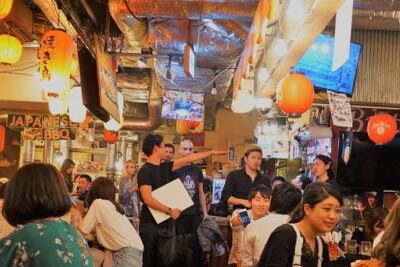
Shibuya Meltdown Nightlife Tour: All-You-Can-Drink Bar Hopping
Read our review →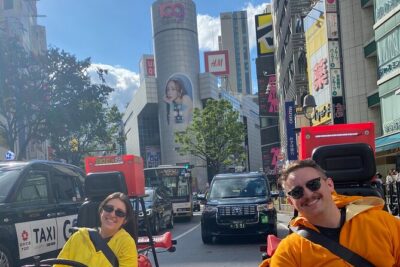
Shibuya Official Street Go-Kart in Shibuya Annex
Read our review →
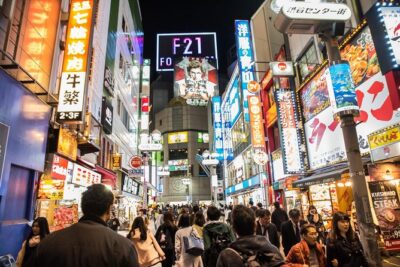
Premium Go-Kart Tour with Tower & Shibuya Crossing
Read our review →Browse the lists this tour appears in