
Reviewed · JAPANESE COOKING CLASSES
Fishing with Mt. Fuji Views and Japanese Home Cooking Experience
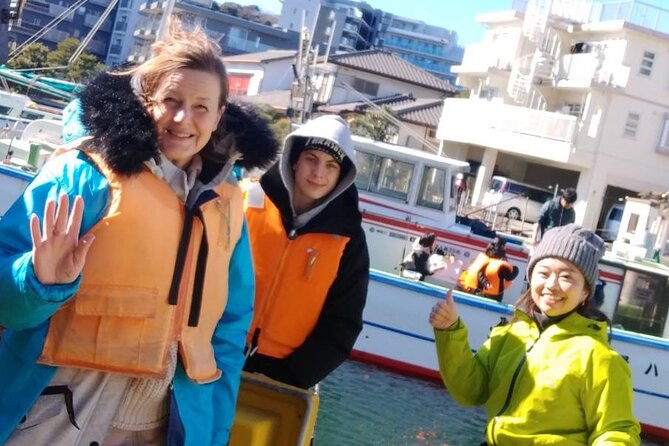
The best part of this Yokohama outing is the complete fish-to-table experience. You meet Naomi at Kanazawa-Hakkei Station, fish for Japanese whiting from a boat, then turn your catch into lunch. On a clear day, Mount Fuji may appear offshore, which gives the morning a fine bonus.
I like the small maximum of three participants, which keeps instruction personal, and I like that beginners do not need to bring gear or know how to bait a hook. The main drawback is the early 6:30 a.m. start, plus an extra boat fee of 5,000 to 7,000 JPY per person.
In This Review
- Key points to know before booking
- A Yokohama morning that ends at your own lunch
- Meeting Naomi at Kanazawa-Hakkei Station
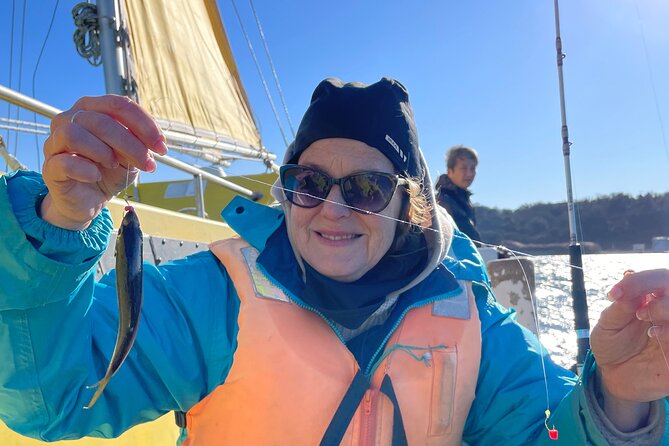
- Three hours fishing for Japanese whiting
- Keeping an eye out for Mount Fuji
- Returning to Arakawaya for fish preparation
- Lunch made from your catch
- Is the $247.14 price good value?
- Who should book this fishing experience?
- Practical planning for the boat
- Should you book it?
- FAQ
- Where does the tour meet?
- What time does the experience start?
- How long does the experience last?
- Is fishing equipment included?
- Is the boat fee included in the listed price?
- Can beginners join?
- What happens if the weather is poor?
Key points to know before booking
- Fish, clean, and cook your own catch: The day moves from boat fishing to a hands-on Japanese meal.
- Naomi guides beginners in English: She helps with bait, fishing technique, fish preparation, and cooking.
- Mount Fuji is a weather bonus: You may see it from the water, but visibility is never promised.
- The boat fee is extra: Budget another 5,000 to 7,000 JPY, payable on the day by cash or card.
- Prepare for wind, sun, and seasickness: Bring waterproof layers, snacks, drinks, sun protection, and medicine taken before boarding.
- The outing is not suitable for everyone: Children under 16, pregnant people, those with food restrictions, and anyone uncomfortable with live bait or fish should not join.
A Yokohama morning that ends at your own lunch
This experience gives you something that a standard sightseeing stop cannot: a meal with a clear connection to the place and the work behind it. You are not simply served a plate of seafood. You help catch it, learn how it is handled, and sit down to eat what you prepared.
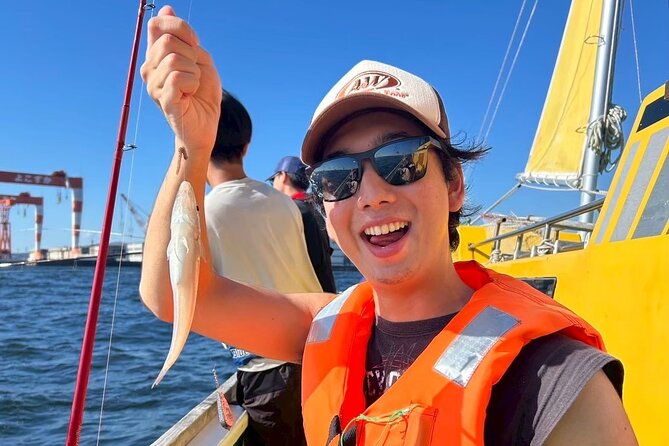
The target is usually shirogisu, or Japanese whiting. It is a popular local fish, though your catch can vary with the day and sea conditions. You might catch several fish, or you might have a slower morning. Nature gets the final say, so you should book this for the experience rather than a guaranteed haul.
The day lasts about eight and a half hours, with roughly three hours on the water. That makes it a full outing, not a quick add-on before lunch. I would set aside the entire morning and afternoon, then avoid scheduling a distant attraction right afterward.
More Cooking Classes in Yokohama
- Yokohama: Manga/Anime Art & Cooking Experience in a Tatami Room
★ 5.0 · 7 reviews - Yokohama Manga Art & Japanese Cooking Experience
★ 5.0 · 5 reviews - Let’s make Wagashi at private home in Yokohama, suburban Tokyo
★ 5.0 · 4 reviews
Meeting Naomi at Kanazawa-Hakkei Station
Your meeting point is Kanazawa-Hakkei Station in Yokohama, at 15-1 Seto, Kanazawa Ward. The station is near public transportation, and from there you walk a few minutes to Arakawaya, the cozy fishing lodge.
The 6:30 a.m. start matters. You need enough time to reach the station without rushing, and the early hour can be especially demanding if you are staying in central Tokyo or another part of Yokohama. Sleep well the night before. That advice is practical, since tiredness can make seasickness worse.
At the lodge, Naomi gives you a short introduction before you head to the boat. The mood is meant to be informal, more like spending the day with a local friend than attending a formal class. Still, listen closely to the safety instructions. You will be on a shared boat, and the captain’s directions take priority.
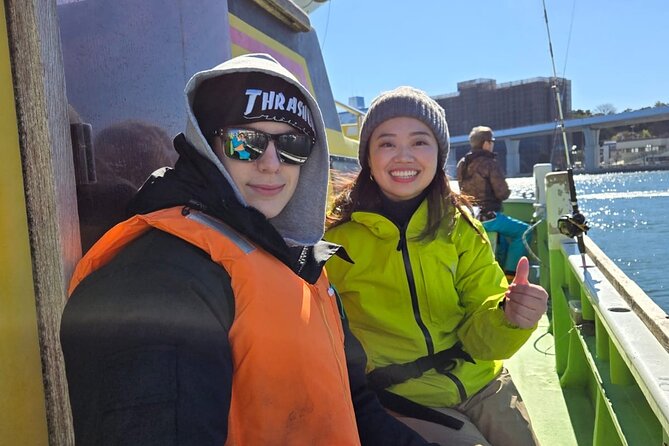
The tour has a maximum of three participants for the booked activity, but the boat itself is shared rather than private. That distinction is important. You get a small-group guide, but you should not expect a private charter or complete control over the boat’s schedule.
Three hours fishing for Japanese whiting
Once aboard, you receive the equipment needed for the fishing session: rod, reel, live bait, tackle, life jacket, and a towel. You do not need to pack a fishing kit or buy bait beforehand.
If you have never fished, Naomi can show you how to set the bait yourself and explain the basic method clearly. That beginner-friendly help is one of the strongest reasons to choose this outing. You can arrive with no fishing background and still take part rather than simply watch.
The boat ride brings sea air, movement, and changing conditions. It also brings the main physical demands of the day. There is no shade on the boat, and the water can be cold and windy. Rain or splashes may leave you wet, so waterproof pants and a waterproof jacket are more useful than a city raincoat.
Your clothing should work under a life jacket. Wear warm layers that are thin enough to fit comfortably, and bring extra protection for your ears, head, and face in colder weather. In warm, sunny conditions, use a ventilated hat, sunglasses, sunscreen, and two or three towels. Disposable heat packs can help in cold weather.
Bring enough drinks and light snacks for about three hours at sea. Lunch comes later, so do not assume the meal included at the lodge will cover the fishing period. The provided soft drinks are welcome, but your own water and snacks are still part of sensible preparation.
Seasickness deserves serious attention. The boat may rock, and the instructions specifically advise taking medicine in advance, since taking it late may not help much. If you easily get seasick, this is probably the wrong activity for you. The tour also asks people with health problems that limit outdoor activity not to join.
Fishing results vary. One participant described catching enough fish for a generous meal, and another group reported catching about 15 fish per person on a good day. Treat those numbers as examples, not promises. The catch depends on nature, and the fishing time may be shortened or changed because of weather.
You are targeting one main type of fish, and you cannot clean or eat fish on the boat. The fishing session is for catching and learning. Preparation takes place after you return to land.
Keeping an eye out for Mount Fuji
The possibility of seeing Mount Fuji adds visual appeal to the morning, but it should not be your only reason for booking. The view depends on weather and your position on the water, so clouds, haze, or the boat’s location may hide it completely.
On a clear day, looking toward the horizon while you fish can make the outing feel especially memorable. You get the sea breeze, the working harbor setting, and the chance to see Japan’s most famous mountain from offshore. If the mountain is not visible, the fishing and cooking still make up the core of the experience.
I appreciate that the Fuji promise is presented as a possibility rather than a guarantee. That is the honest way to handle any weather-dependent view.
Same corner of Yokohama, a completely different plan:
- Authentic Sumo Experience in Tokyo: Enter the Sanctuary
★ 5.0 · 603 reviews - EVO, WRX, Skyline – JDM Night Run to Daikoku Car Meet
★ 4.9 · 478 reviews - Tokyo: Best Price Daikoku Parking Area JDM Car Meet
★ 4.9 · 192 reviews - Daikoku & Tokyo Private JDM Tour by 700HP R34 GT-R
★ 4.9 · 101 reviews
Returning to Arakawaya for fish preparation
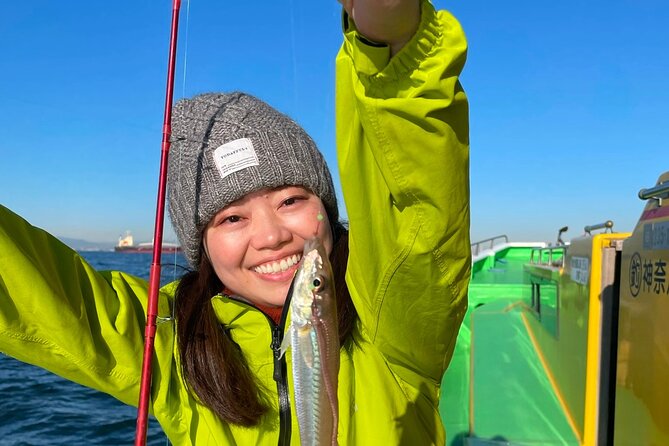
After about three hours, you return to the port and go back to the lodge. This is where the outing changes from outdoor activity to practical food lesson.
You learn how to clean and prepare the fish, with Naomi guiding the process in English. You do not need previous kitchen experience, though you do need to be comfortable handling fish. Live bait and fish are part of the activity from beginning to end, so this is not a good choice for someone who prefers a purely observational cooking class.
The menu changes according to the catch and the day. Possible dishes include sashimi, tempura, and grilled fish. That variety is part of the fun, but it also means you should not book expecting one fixed menu.
The cooking stage gives the morning a useful sense of purpose. Instead of putting the fish aside after catching it, you learn how it becomes food. Making tempura or sushi with your own catch can be a more lasting memory than simply ordering those dishes at a restaurant.
Food allergies and dietary restrictions are listed as reasons not to join. Since the menu depends on freshly caught fish and the activity involves shared preparation, you should not assume that substitutions can be arranged. Ask before booking if you have any uncertainty.
Lunch made from your catch
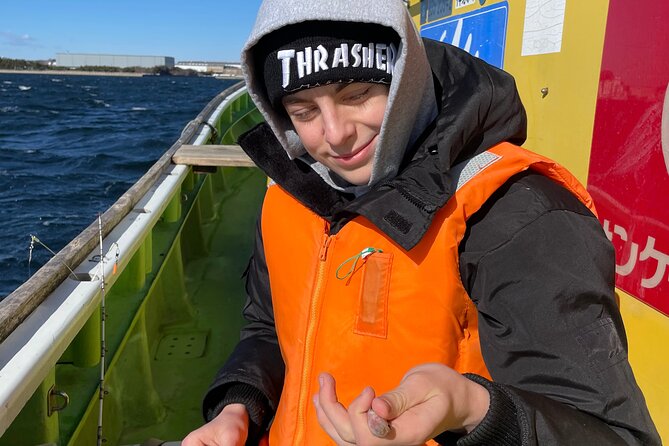
Lunch includes dishes prepared from the fish you caught, along with soft drinks. When the catch is good, you may cook several types of dishes and have enough food to feel properly full. When the catch is small, the meal will naturally be more limited.
That uncertainty is part of the value. You are paying for an active coastal experience, instruction, equipment, and a meal tied to your own work. You are not paying only for the amount of seafood on the plate.
The cooking is also where Naomi’s role matters most. She helps turn unfamiliar steps into something manageable, from cleaning the fish to preparing it for sashimi, frying it as tempura, or grilling it. The experience is especially suited to people who enjoy learning by doing.
The end point is the original meeting area, so you do not need to arrange a separate return transfer. You will likely be ready for a quiet afternoon afterward. Eight and a half hours, an early start, several hours at sea, and hands-on cooking make this a substantial day.
Is the $247.14 price good value?
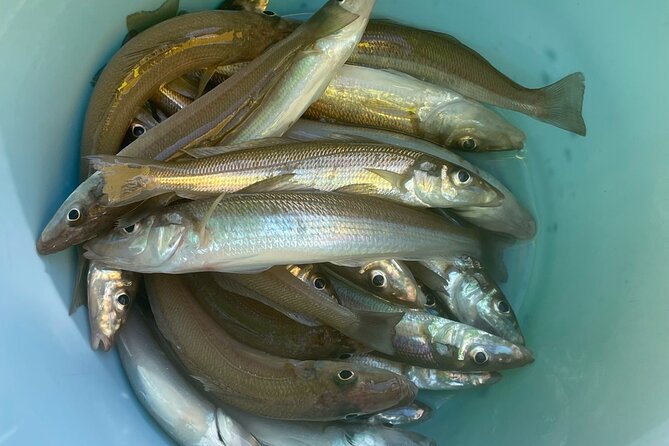
The listed cost is $247.14 per person, with the boat fee of 5,000 to 7,000 JPY charged separately on the day. That extra payment changes the real budget, so include it before deciding. Transportation to Kanazawa-Hakkei Station is also your responsibility.
At first glance, the total may seem high for a fishing trip. The price makes more sense when you count what is included: fishing gear, live bait, tackle, life jacket, towel, cooking tools, English-language guidance on the boat and in the kitchen, lunch, and soft drinks.
You are also buying access to a local activity that is difficult to arrange on your own. A first-time fisher would need to locate a boat, rent gear, understand the fishing method, find a place to prepare the catch, and work out the cooking. Here, those pieces fit into one guided day.
The value is strongest if you care about participation and personal instruction. If you only want a cheap seafood lunch or a guaranteed Fuji view, the price is harder to justify. If you want a small, active experience that combines sea time, local food, and a guide who works closely with you, it becomes easier to defend.
Remember that the catch is not guaranteed. The cost does not guarantee a certain number of fish, a particular menu, or a view of Mount Fuji.
Who should book this fishing experience?
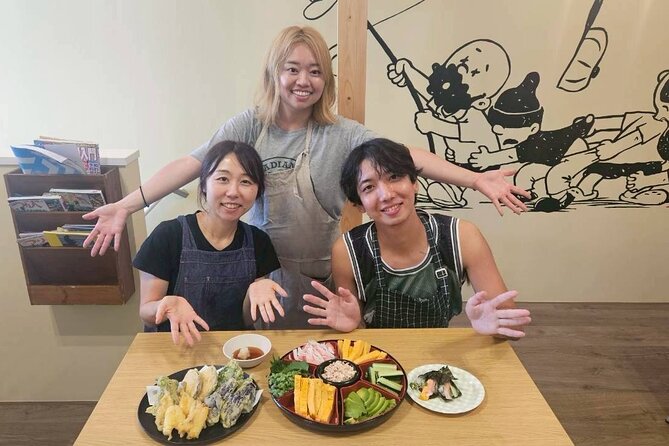
I would recommend it to solo visitors, couples, and small family groups with children aged 16 or older. It suits people who want a break from temples, museums, and city streets, and who enjoy trying an everyday activity with local guidance.
First-time fishers are welcome. The strongest praise centers on clear instruction, patient help, and the pleasure of catching fish even without prior skill. Naomi has been singled out for helping participants bait hooks, fish carefully, and prepare the catch afterward.
This is also a good choice for people interested in Japanese home cooking but who want more than a standard cooking lesson. You begin with a raw ingredient from the sea, then follow it through cleaning and preparation to lunch.
I would not choose it for anyone who dislikes live bait, cannot handle fish, gets seasick easily, or has a health condition that limits outdoor activity. Pregnant people and children under 16 are excluded. Food allergies and dietary restrictions are also listed as reasons not to participate.
Practical planning for the boat
Pack for two very different conditions: bright sun and cold spray. The boat has no shade, but it can also be windy and wet. Your best kit includes:
- Warm, thin layers under the life jacket
- Waterproof jacket and pants
- Hat or cap, sunglasses, and sunscreen
- Two or three towels
- Drinks and snacks for roughly three hours
- Seasickness medicine taken before boarding
- Disposable heat packs in cold weather
Wear clothing you do not mind getting damp or dirty. Follow the captain’s instructions and keep the life jacket on during fishing.
The guide plans to contact you through WhatsApp the day before. Add the guide’s contact and check your messages, since you will be told then if weather or sea conditions have caused a cancellation. If the activity is canceled for poor weather, you can choose another date or receive a full refund. Your own cancellation is different: the booking is non-refundable and cannot be changed.
Japanese law requires you to provide your address and an emergency contact on the day. Have that information ready rather than trying to produce it while the group is preparing to leave.
Should you book it?
Book this experience if you want a full, hands-on day and the idea of catching your own lunch sounds better than simply ordering it. Naomi’s English guidance, the small booked group, included gear, and beginner-friendly instruction make the fishing approachable. The home cooking afterward gives the experience a satisfying finish.
Think twice if you need a fixed menu, guaranteed fish, a private boat, or a relaxed start. The boat fee is extra, the sea can be rough, the morning begins at 6:30, and the weather controls both the fishing schedule and the Fuji view.
For the right person, this is a memorable way to connect Yokohama’s coast with Japanese food. Pack carefully, take seasickness precautions early, and book it for the fishing and cooking rather than for a promised catch or mountain view.
FAQ
Where does the tour meet?
Meet at Kanazawa-Hakkei Station, at 15-1 Seto, Kanazawa Ward, Yokohama, Kanagawa 236-0027. From the station, you walk a few minutes to Arakawaya fishing lodge.
What time does the experience start?
The start time is 6:30 a.m.
How long does the experience last?
The experience lasts approximately 8 hours and 30 minutes. About three hours are spent fishing at sea.
Is fishing equipment included?
Yes. Fishing gear includes a rod, reel, live bait, tackle, life jacket, and a towel. Cooking tools are also included.
Is the boat fee included in the listed price?
No. The boat fee is an additional 5,000 to 7,000 JPY, payable on the day by cash or credit card.
Can beginners join?
Yes. No fishing experience is needed, and an English-speaking guide provides instruction. Beginners should still be comfortable handling live bait and fish.
What happens if the weather is poor?
The activity may be canceled or shortened because of weather or sea conditions. If it is canceled for poor weather, you will be offered another date or a full refund.
New on our Yokohama list
- Yokohama and Kamakura 6hr Private Trip Government-Licensed Guide★ 5.0 · 25 reviews
- Tokyo Full Day Tour with Licensed Guide and Vehicle from Yokohama★ 5.0 · 26 reviews
- Daikoku & Tokyo JDM Night Tour in R34 or TopSecret R35 GT-R★ 4.8 · 27 reviews
- Yokohama: Guided Cup Noodles Museum Tour & Make Your Own Cup★ 4.9 · 27 reviews
- Tokyo: Kamakura and Yokohama Private Day Trip with Guide★ 4.6 · 27 reviews
- Private Kamakura plus Yokohama Tour – English Speaking Driver★ 4.5 · 28 reviews
- Japanese Tea Ceremony at Private Home in Yokohama, suburban Tokyo★ 5.0 · 32 reviews
- Yokohama 4hr Private Tour with Government-Licensed Guide★ 5.0 · 34 reviews
Japanese Cooking Classes, compared.
Ramen & Gyoza Cooking Class in Tokyo with Local Supermarket Visit
Read our review →
Easy Ramen Cooking Experience in Kabukicho, Shinjuku
Read our review →
Ramen and Sushi Cooking Class with Sake Pairing Set in Tokyo
Read our review →
Tokyo Washoku 4-hour Cooking Class: From Market to Table
Read our review →
TokyoSumoShow, ChickenHotPot, and Mochi-Pounding by Pro Wrestlers
Read our review →
Professional Ramen & Gyoza with Ramen Chef in a restaurant!
Read our review →
Small-Group Wagyu Beef and 7 Japanese Dishes Tokyo Cooking Class
Read our review →Browse the lists this tour appears in