
Reviewed · TOKYO FOOD TOURS
Tokyo: Wagyu and 7 Japanese Dishes Cooking Class
The best part of this Tokyo class is that Wagyu is only one piece of a full Japanese meal. You also make dashi from scratch, roll a Japanese omelet, prepare miso soup, shape dorayaki pancakes, and learn the small habits that make everyday Japanese food taste right. I like the hands-on format and the friendly, homey studio. I also like that most recipes are simple enough to repeat at home.
The one thing to consider is the pace. Seven dishes, or eight parts of the meal when the Wagyu course is counted, is a lot to prepare in about three hours. You will learn useful methods, but this is not a slow, advanced knife-skills workshop.
In This Review
- Key Points Before You Book
- A Full Japanese Meal, Not Just a Wagyu Demonstration
- What You Cook During the 2.5 Hours
- Start with Japanese basics
- Make dashi and miso soup
- Prepare side dishes and stuffed tofu
- Cook the Wagyu course
- Finish with dorayaki
- Why the English-Speaking Instruction Matters
- The Residential Tokyo Setting
- The Small Group Makes a Difference
- Clean Equipment and a Comfortable Room
- Is $67 a Fair Price?
- Who Will Get the Most From This Class?
- Practical Details That Matter
- Should You Book the Wagyu and Seven Dishes Class?
- FAQ
- How long does the Wagyu and Japanese cooking class last?
- How many dishes will I prepare?
- Is the class taught in English?
- What is included in the price?
- Can dietary requirements be accommodated?
- Where is the cooking studio?
- Is the class suitable for beginners and solo participants?
Key Points Before You Book
- Wagyu takes the starring role: Prepare it as part of a Japanese hotpot-style meal, then eat it with the dishes you made.
- Dashi is made from scratch: You learn the basic stock behind many Japanese soups and sauces.
- Seven dishes create a full meal: Expect a broad menu with appetizers, soup, meat, side dishes, and a sweet finish.
- Small groups keep the class personal: The maximum is eight people, with English-speaking instructors guiding each step.
- Recipes are practical souvenirs: The instructors explain ingredient swaps and ways to find Japanese staples outside Japan.
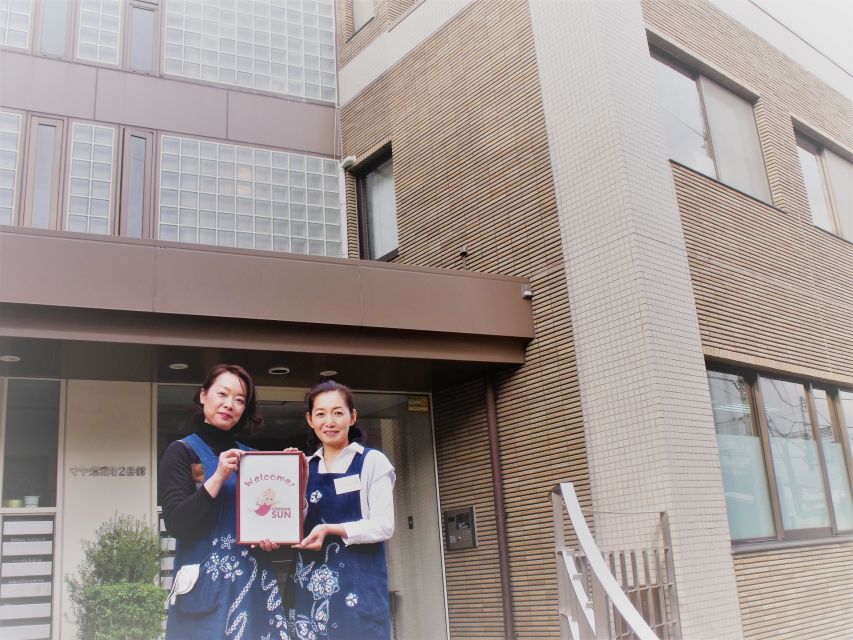
- The studio needs careful navigation: It is on the second floor of a beige residential building in Shinjuku, with the right-hand entrance and intercom number 314.
A Full Japanese Meal, Not Just a Wagyu Demonstration
Many Tokyo cooking classes focus on one familiar dish. This one takes a broader route. You prepare a meal that moves through several parts of Japanese home cooking, from a small opening dish to soup, vegetables, meat, and dessert.
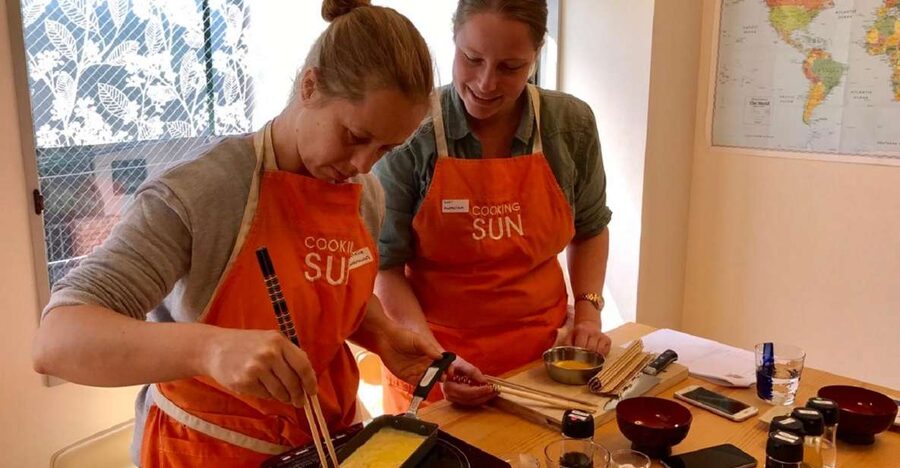
The menu can include a rolled egg omelet, dashi-based miso soup, accordion-cut cucumber salad, sesame potato salad, tofu stuffed with ground chicken, ginger, and edamame, Wagyu sukiyaki hotpot, and dorayaki made with rice flour pancakes. The exact seasonal details may vary, but the structure is clear: you are not simply watching a chef sear beef.
That variety is the class’s main strength. You leave with a better sense of how Japanese meals are built. A dish may look plain, yet its flavor depends on careful stock, a balanced sauce, fresh ingredients, or the right texture. You get to work with those building blocks yourself.
I especially like the place of dashi in the lesson. Dashi is a foundation of Japanese cooking, and making it from scratch gives you a useful reference point. It helps explain why miso soup, sauces, and other dishes taste different from versions made with ordinary western stock.
More cooking classes in Tokyo:
- Ramen & Gyoza Cooking Class in Tokyo with Local Supermarket Visit
★ 5.0 · 823 reviews - Tokyo: Easy Ramen Cooking Experience in Kabukicho, Shinjuku
★ 4.6 · 321 reviews - Ramen and Sushi Cooking Class with Sake Pairing Set in Tokyo
★ 5.0 · 291 reviews
What You Cook During the 2.5 Hours
The activity lasts about three hours, with roughly two and a half hours devoted to cooking. That leaves time to sit down and eat the meal you prepared.
Start with Japanese basics
The instructors begin by introducing the ingredients, tools, and general flow of the meal. English is used throughout, and the teaching is designed for beginners. You receive demonstrations before trying each task yourself.
This is a good format if Japanese food is new to you. You can ask about ingredients such as red miso and white miso, learn why certain products are used, and hear practical suggestions for substitutions. The explanations also touch on food customs and the background of the dishes, including what to say before and after eating.
The early dishes are useful because they teach habits rather than flashy tricks. Cutting a cucumber in an accordion pattern, for example, is a small technique, but it changes the texture and presentation. Making a Japanese omelet gives you a feel for handling eggs in a different style.
Make dashi and miso soup
The soup course offers one of the most useful lessons in the class. You prepare dashi from scratch, then use it as the base for miso soup.
This teaches an important point about Japanese cooking: the flavor often comes from layering a few carefully chosen ingredients rather than adding a long list of seasonings. The class gives you a chance to taste and understand that base while the instructors explain the ingredients and their role.
If you do not eat fish, pay close attention to the dietary information when booking. The cooking school says it can substitute ingredients for dietary needs, including allergies, gluten-free diets, religious restrictions, and vegetarian preferences. Tell the school about your needs when you reserve, rather than waiting until you arrive.
More Tokyo food crawls:
- Tokyo: Shinjuku Food Tour (13 Dishes at 4 Local Eateries)
★ 5.0 · 6,603 reviews - Tokyo: Shinjuku Food Tour (15 Dishes and 4 Eateries)
★ 4.9 · 2,033 reviews - Best of Shinjuku: Izakaya Food Tour (4 Stops, 14+ Tastings)
★ 5.0 · 1,863 reviews - Tokyo Night Foodie Tour in Shinjuku – Seasonal Sushi, Wagyu Beef
★ 5.0 · 1,161 reviews
Prepare side dishes and stuffed tofu
The vegetable and tofu dishes add variety to the meal. A sesame potato salad gives you a familiar format with Japanese flavors, while the cucumber salad brings crunch and a lighter note.
The tofu dish is more involved. You prepare tofu stuffed with ground chicken, ginger, and edamame. It shows how Japanese cooking can combine soft, delicate textures with a savory filling.
These recipes are also more useful for home cooking than a highly specialized restaurant dish. You can take the general method back to your own kitchen and adjust ingredients depending on what is available.
Cook the Wagyu course
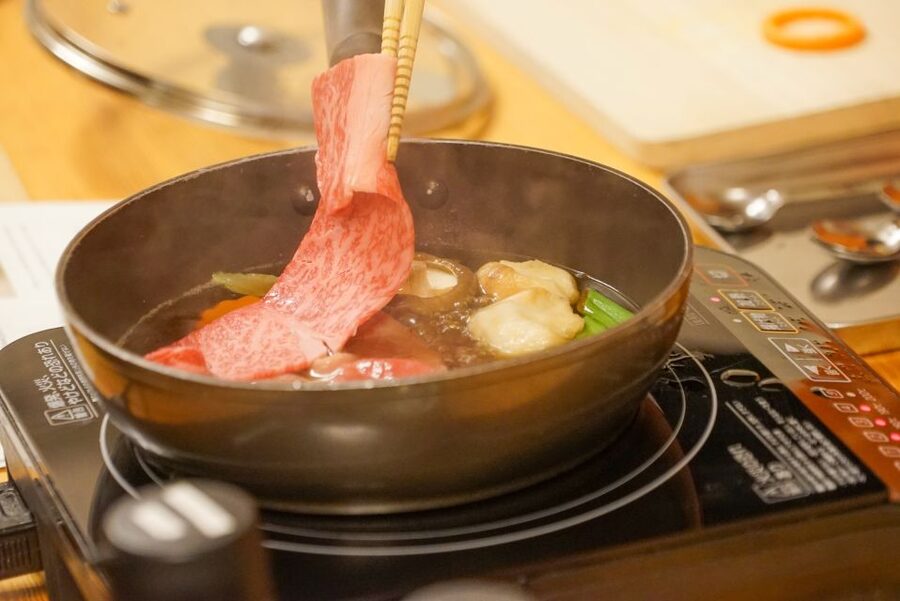
The Wagyu is the main attraction, but it works best as part of the whole menu. You prepare a sukiyaki-style hotpot, giving the beef a place within a classic Japanese meal rather than treating it as a stand-alone steak lesson.
Sukiyaki is a sensible choice for a group class. It lets you work with tender beef and a savory-sweet sauce without requiring advanced restaurant equipment. The final dish highlights Wagyu’s soft texture and rich flavor.
You should not book this class expecting a detailed lesson on beef grading, regional Wagyu producers, or professional searing. The focus is Japanese cooking at home, with Wagyu as the special main course. That is a better match for anyone who wants useful recipes and a taste of an important Japanese ingredient.
Finish with dorayaki
Dessert is made with rice flour pancakes in the style of dorayaki. The sweet finish gives the class a welcome change of pace after the savory dishes.
Making dessert yourself also helps the meal feel complete. You are not simply handed a Wagyu plate at the end. You sit down to a full spread that includes the food you prepared from start to finish.
Why the English-Speaking Instruction Matters
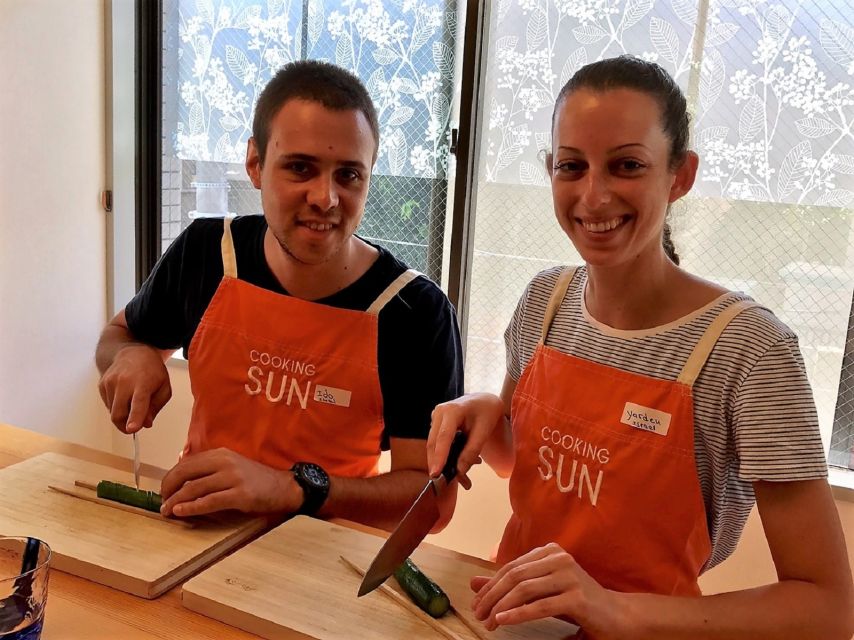
The instructors guide you step by step, demonstrate the methods, and explain the ingredients in clear English. That matters in a class with several dishes, because you need to understand not only what to do, but also when to do it.
The teaching team has included instructors named Yuki, Yuko, Kaori, and Bifuka. The cooking school may assign different staff on different dates, but the format remains focused on patient demonstrations and practical help.
I like the balance between prepared ingredients and hands-on work. Some advance preparation is needed to keep seven dishes moving, but you still take part in the important steps. You chop, mix, season, cook, assemble, and taste rather than watching a long demonstration from the sidelines.
The instructors also share tips that can save you frustration at home. They can suggest ways to find Japanese ingredients abroad and explain possible substitutions. This makes the recipes more useful than a souvenir cookbook filled with products you cannot buy after returning home.
The Residential Tokyo Setting
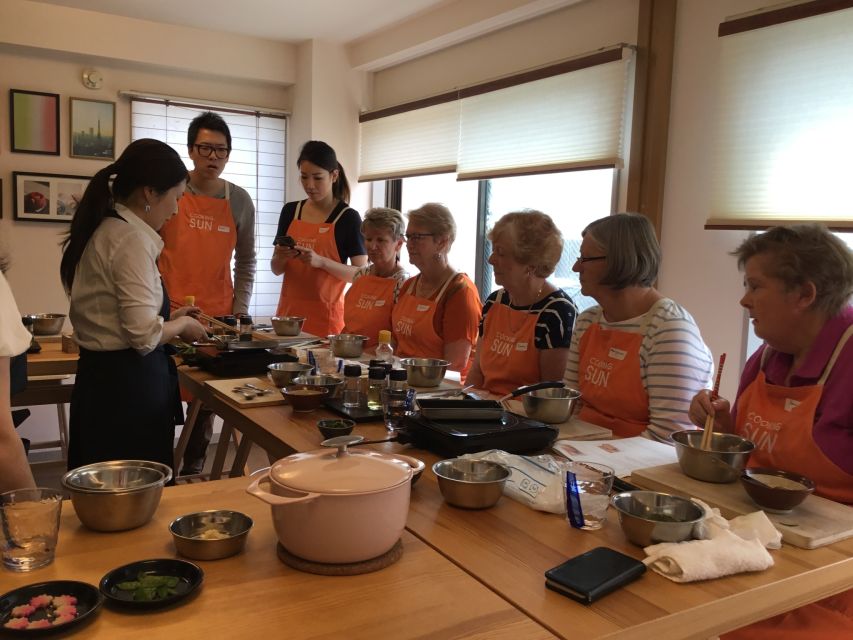
Cooking Sun Tokyo is in a quiet residential area of Shinjuku, not in a large storefront on a busy shopping street. The studio is on the second floor of a beige residential building.
Finding it takes a little care. At the entrance, you will see two doors. Use the door on the right, then press 314 on the intercom to call the studio.
If you have mobile data, search Google Maps for Cooking Sun Tokyo, using the address Shinanomachi 18-39, Shinjuku-ku, Tokyo. If you do not have Wi-Fi, save the directions before leaving your hotel and check the detailed directions in advance.
This setting is worth noting because the residential location is part of the experience. You see an ordinary neighborhood that you might otherwise pass by while moving between major Tokyo sights. At the same time, the location means you should not treat the entrance like a place for a driver to wait.
Private vehicles are welcome, but your driver should not stop in front of the building or idle in the neighborhood. Use a nearby coin-operated parking lot if waiting is necessary.
The Small Group Makes a Difference
The group is limited to eight participants. That is a useful size for a cooking class because the instructors can demonstrate a technique and still keep an eye on each person’s work.
You will likely share the room and meal with people from different countries. The cooking tasks create an easy reason to talk, and the final meal gives everyone time to compare results and enjoy the food together.
The class also suits solo visitors. One solo woman described it as a comfortable and rewarding activity, and the small group format helps prevent the experience from feeling awkward if you arrive alone.
Families can take part as well. An 11-year-old participant joined one family group, and the menu was considered simple enough to follow while still offering plenty of variety. Teenagers may enjoy the mix of cooking and eating, especially the Wagyu course and dessert.
Clean Equipment and a Comfortable Room
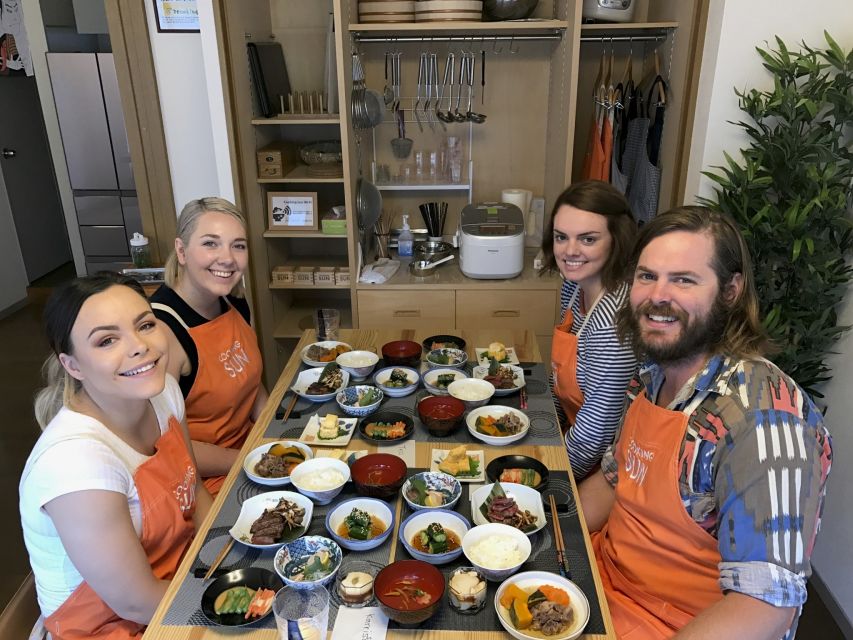
The studio provides ingredients and utensils, along with an apron and towel. You do not need to pack cooking equipment or worry about bringing special clothing.
The room has been described as clean, bright, and well prepared, with good knives, pans, tables, and cooking tools. That is important when you are moving between several dishes. A cramped or poorly organized kitchen would make this menu tiring, but the setup is intended to keep the work moving.
You should still expect an active session. Seven dishes require standing, preparing ingredients, listening, and switching between tasks. The class is friendly and accessible for beginners, but it is not a passive tasting.
Is $67 a Fair Price?
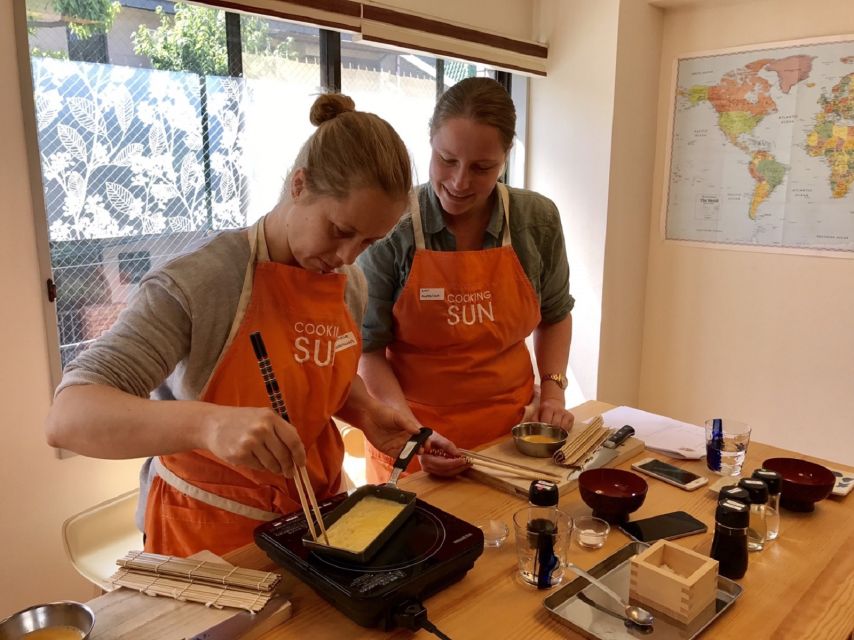
At $67 per person, this class offers solid value if you want more than one recipe. Your fee covers the cooking instruction, all ingredients, utensils, apron and towel rental, welcome tea, recipes, and the meal you prepare.
The value comes from the range of food. A Wagyu dish alone could justify a special meal in Tokyo, but here you also receive instruction in dashi, miso soup, side dishes, tofu, egg preparation, and dessert. You are paying for a meal plus a practical lesson, not simply for a restaurant serving.
The recipes add lasting value. If you only want to taste Wagyu, a restaurant may be faster and more suitable. If you want to understand everyday Japanese food and recreate parts of it at home, the class makes better use of your money.
Transportation is not included. You arrange your own way to the studio, so allow extra time to find the residential building. The location is in Shinjuku-ku, but the exact route matters more than the district name.
Who Will Get the Most From This Class?
I would recommend this activity to you if you:
- Want an introduction to Japanese home cooking rather than sushi alone
- Enjoy hands-on activities and do not mind a busy schedule
- Prefer a full meal with several flavors and textures
- Want recipes that can be adapted outside Japan
- Are traveling solo, as a couple, with friends, or with older children
- Would like a Tokyo activity away from the main sightseeing routes
It is also a good choice early in your visit. Learning about dashi, miso, common ingredients, meal structure, and Japanese food customs can make later restaurant meals more meaningful.
You may want another kind of class if your main goal is advanced knife work, professional plating, or a slow study of one dish. The instruction is practical and beginner-friendly, not a chef-training course. The large menu means you get breadth instead of deep practice with a single technique.
Practical Details That Matter
The class takes about three hours and starts at set times, so check availability when booking. The cooking portion runs about two and a half hours, followed by time to enjoy the meal.
A welcome tea is included, as are recipes, ingredients, utensils, apron rental, and towel rental. Hotel pickup and transportation are not included.
If you have allergies or other dietary requirements, provide the details during booking. Ingredient substitutions are available for many needs, including vegetarian, gluten-free, religious, and allergy-related requests.
You can cancel up to 24 hours before the activity for a full refund. A reserve-now, pay-later option is also available, which helps if your Tokyo schedule is still changing.
Should You Book the Wagyu and Seven Dishes Class?
Book it if you want to eat well and learn something you can use after Japan. The Wagyu is a strong draw, but the real value is the range of basic dishes and the explanation of how Japanese flavors fit together.
I would place it near the start of a Tokyo visit, especially if you enjoy food and want context for the rest of your trip. Just save the directions, allow time to find the building, and arrive ready to work. If you want a relaxed tasting with little participation, choose a restaurant instead. For a friendly, practical introduction to Japanese cooking at $67, this class is an excellent pick.
FAQ
How long does the Wagyu and Japanese cooking class last?
The activity lasts three hours. About two and a half hours are spent preparing the dishes, followed by time to eat the meal you made.
How many dishes will I prepare?
The class includes seven Japanese dishes, with eight parts in total when the Wagyu main course is counted. The meal includes appetizers, soup, side dishes, a meat course, and dessert.
Is the class taught in English?
Yes. The instructors speak English and guide you through the recipes, ingredients, techniques, and cultural background.
What is included in the price?
The price includes recipes, all ingredients and utensils, a towel, apron rental, and welcome tea. Hotel pickup and transportation are not included.
Can dietary requirements be accommodated?
Yes. Ingredient substitutions can be arranged for food allergies, gluten-free diets, religious restrictions, vegetarian preferences, and other dietary needs. You should provide the details when booking.
Where is the cooking studio?
The studio is at Shinanomachi 18-39, Shinjuku-ku, Tokyo, in a beige residential building on the second floor. At the entrance, use the right-side door and press 314 on the intercom.
Is the class suitable for beginners and solo participants?
Yes. The class is designed for beginners and has a maximum of eight participants. It is also suitable for solo visitors, couples, families, and groups.
More Workshops in Tokyo
- Sushi Making Tokyo Roll and Authentic Japanese Sushi Class
★ 5.0 · 3,971 reviews - Tokyo: Roll and Authentic Sushi Making Class in Asakusa
★ 4.9 · 1,957 reviews - Tokyo Shinjuku Chopsticks Making Class
★ 5.0 · 1,763 reviews - Tokyo: Sushi Making Class in a Happi Coat near a Famous Spot
★ 4.9 · 1,377 reviews
New on our Tokyo list
- From Tokyo: Mount Fuji & Hakone Full Day Private Tour★ 4.9 · 25 reviews
- Tokyo Spectacular View Day-Cruise in 90 Minutes★ 5.0 · 25 reviews
- Real Tokyo Runner Club : Daikoku Car Meet Night Tour with JDM Car★ 5.0 · 25 reviews
- 2.5 Hour-Guided Cycle Tour in the Central Tokyo★ 5.0 · 25 reviews
- [Self-Drive] Tokyo & Daikoku Custom Car Driving Tour★ 4.9 · 25 reviews
- Tokyo: 2-Hour Night Bike Tour of the City’s Hidden Gems★ 4.9 · 25 reviews
- Ramen Making from Scratch +Akihabara Tour –Cooking Class★ 5.0 · 25 reviews
- Samurai themed Entertainment show in Shinjuku★ 4.5 · 25 reviews
Tokyo Food Tours, compared.
Shinjuku Food Tour (13 Dishes at 4 Local Eateries)
Read our review →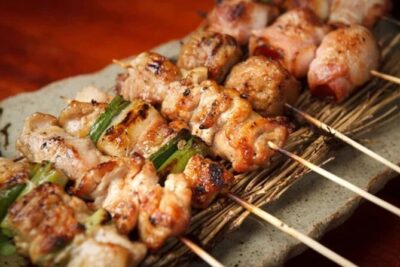
Shinjuku Food Tour (15 Dishes and 4 Eateries)
Read our review →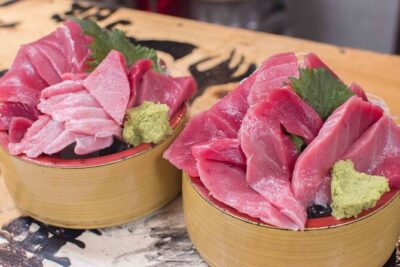
Best of Shinjuku: Izakaya Food Tour (4 Stops, 14+ Tastings)
Read our review →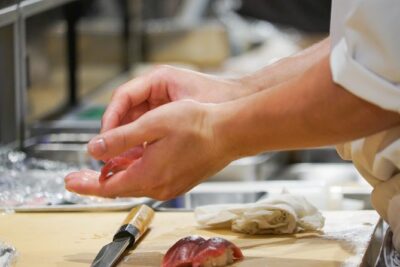
Tokyo Night Foodie Tour in Shinjuku – Seasonal Sushi, Wagyu Beef
Read our review →
Eat and Drink Like a Local: Tokyo Ueno Food Tour-Taverns&Ramen
Read our review →
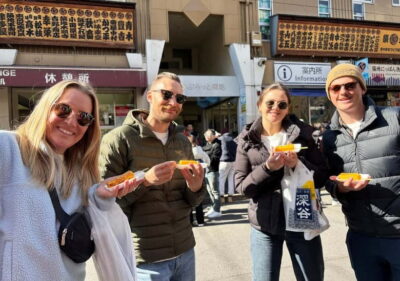
Tsukiji Fish Market: Street Food & Culture Walking Tour
Read our review →Shinjuku Food Tour – 15 Dishes, 3 Drinks, 4 Eateries
Read our review →Browse the lists this tour appears in