
Reviewed · JAPANESE COOKING CLASSES
Ramen & Gyoza Cooking Class in Tokyo with Local Supermarket Visit
Tokyo food culture is not only about slurping noodles at a famous shop. At YUCa’s Japanese Cooking, you step into a real home kitchen, learn to make ramen and gyoza, and then eat what you prepared. The setting in residential Nishiogu gives the morning a more personal feel than a restaurant meal.
I like the warm teaching style of YUCa and the chance to see how Japanese home cooking works. I also like the small maximum group of seven, which gives the class a friendly social feel. The main thing to check is the optional supermarket tour, since it may not take place every time.
In This Review
- Key points
- A home kitchen instead of a restaurant counter
- What happens from 10:00 to 10:15
- Building ramen from a simple base
- Folding gyoza while the ramen cooks
- Eating the meal you prepared
- The optional supermarket visit from 12:30 to 13:00
- What makes YUCa the central part of the experience
- Group size and hands-on expectations
- Price, location, and overall value
- Who should book this Tokyo cooking class
- Should you book YUCa’s ramen and gyoza class?
- FAQ
- Where does the ramen and gyoza cooking class take place?
- What time does the activity start?
- How long does the cooking class last?
- What dishes will I make?
- Is the supermarket visit included?
- Is a vegetarian option available?
- Can I provide other dietary requirements?
- What is the maximum group size?
- Can I cancel for a full refund?
Key points
- Cook in YUCa’s own Tokyo home kitchen: This is a personal food lesson, not a large culinary school.
- Make two Japanese staples: You prepare ramen and minced pork gyoza, then eat the finished meal.
- A good class for mixed skill levels: The instructions are designed for beginners, families, teenagers, and experienced home cooks.
- Expect some demonstration-style teaching: One kitchen means not every step may be equally hands-on.
- See a residential side of Tokyo: The class takes place outside the main sightseeing core in Nishiogu.
- The supermarket visit is optional: It is scheduled after the cooking, from about 12:30 to 1:00, so confirm the arrangement before booking if it is a main reason for you.
A home kitchen instead of a restaurant counter
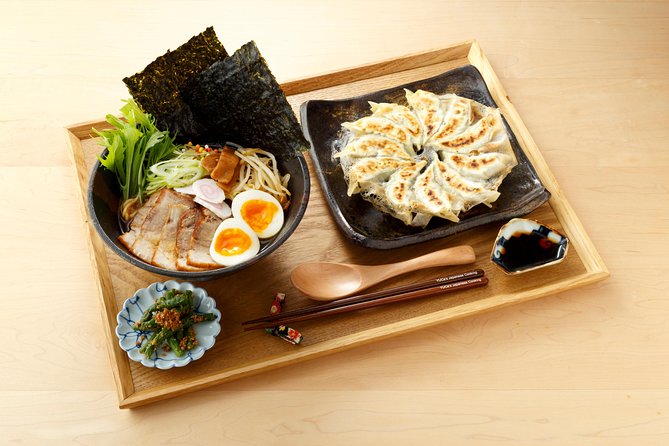
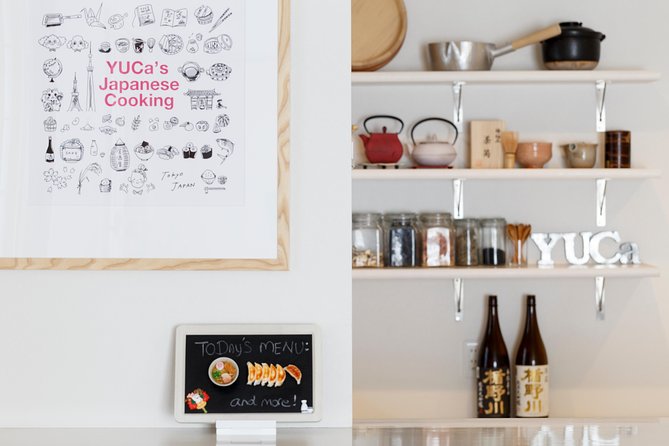
The appeal here is simple: you do not just order ramen, you learn the basic process behind it. YUCa welcomes you into her home kitchen, explains Japanese food and daily life, and guides the group through a meal that feels practical enough to attempt again at home.
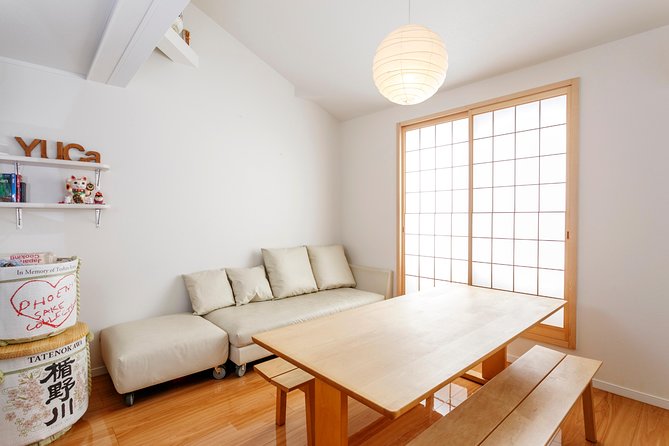
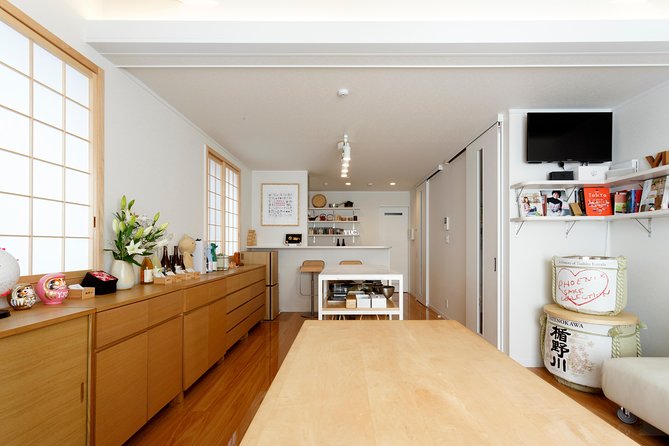
That home setting matters. You get a glimpse of a typical Japanese kitchen and a more ordinary part of Tokyo, rather than spending the whole morning in a purpose-built cooking studio. The class also creates easy conversation with the other people in the group, which can be a nice change from sightseeing on your own.
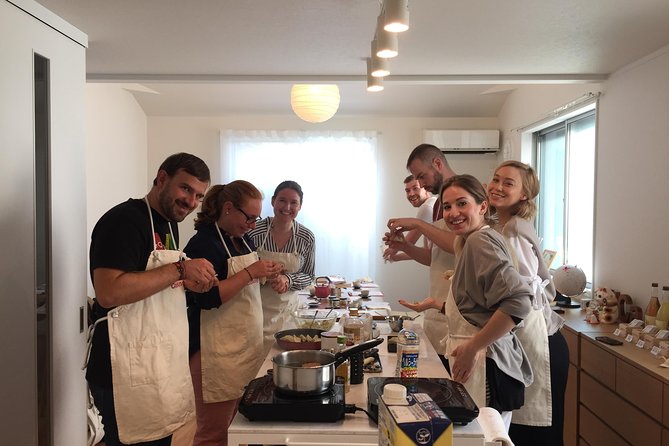
The group can include couples, families, teenagers, grandparents, and solo participants. The maximum is seven people, so this is far more personal than a large commercial workshop. Still, the kitchen has only one main cooking area, and the class is not an individual workstation format.
More ramen stops:
- Eat and Drink Like a Local: Tokyo Ueno Food Tour-Taverns&Ramen
★ 5.0 · 957 reviews - Tokyo: Ramen Tasting Tour with 6 Mini Bowls of Ramen
★ 4.9 · 432 reviews - Tokyo: Easy Ramen Cooking Experience in Kabukicho, Shinjuku
★ 4.6 · 321 reviews
What happens from 10:00 to 10:15
The meeting time is 10:00 am at YUCa’s Japanese Cooking, 2-chōme-34-8 Nishiogu, Arakawa City, Tokyo 116-0011. The activity ends at the same place, and the location is near public transportation.
The opening gives you time to arrive, settle in, and meet YUCa and the rest of the group. Because the class takes place in a residential area, allow time to find the exact address. One participant used a car service to reach the house and found that convenient, but public transportation is also listed as nearby.
At 10:15, YUCa gives a short lesson on Japanese home cooking and lifestyle. This introduction is useful because it places the recipes in everyday context. You are not simply following a set of foreign ingredients. You are learning how two familiar Japanese dishes fit into home meals and how different ingredients can change the result.
YUCa teaches in English, and the instructions are described as easy to follow. She also adds cultural details during the cooking, and one distinctive touch is writing participants’ names in Japanese characters based on their pronunciation.
Building ramen from a simple base
The cooking portion begins at about 10:30 and runs until 12:30. The class covers ramen and gyoza, with different vegetables and meat included in the teaching.
Ramen can look like a complicated dish when you see a restaurant kitchen working at speed. Here, the process is broken into manageable stages. You learn how the broth and seasonings come together, prepare the components, and later assemble the bowl. The format is aimed at producing a good lunch while also giving you a recipe you can try at home.
This is especially useful for people who love Japanese food but do not cook much. The class is not presented as advanced chef training. Instead, it shows you an approachable route to a familiar meal. You leave with a clearer idea of how to season the soup, handle the noodles, and combine the toppings.
There is one point to keep in mind. Some of the ramen work can be more about measuring and combining prepared elements than making every component from scratch. One participant felt that adding small amounts of powder or liquid was less hands-on than expected. If you want a full technical lesson on long-simmered broth, noodle production, or advanced knife work, this class may feel light.
For most holiday cooks, though, that simplicity is part of the value. You get a practical recipe rather than a process that takes all day. The food is made for tasting during the session, so you can see how the steps affect the final bowl.
Folding gyoza while the ramen cooks
The gyoza portion adds the most tactile work. You prepare the filling with minced pork and vegetables, place it in wrappers, and fold the dumplings by hand.
This is the part that tends to work well for children and adults together. Families with children aged 9, 13, and 14 found the dumpling-making especially enjoyable, and teenagers also took part successfully. Folding gyoza is easy to start and hard to perfect, which gives the room a relaxed, playful mood.
You do not need polished cooking skills. YUCa demonstrates the steps and helps the group along. The point is not to produce identical dumplings. It is to learn the basic handling, filling, and folding techniques, then cook and eat the results.
The timing is sensible. While the ramen components need attention or cooking time, you work on the gyoza. This keeps the 2.5-hour session moving instead of leaving you waiting around. It also gives you two different tasks: assembling a noodle soup and shaping dumplings.
You should expect shared participation rather than constant individual cooking. With one kitchen and a group of up to seven, YUCa may demonstrate a step before different people take turns or help with part of the preparation. That can feel less active than a class where every person has a stove, but it also lets you watch the technique clearly.
More cooking classes in Tokyo:
- Ramen and Sushi Cooking Class with Sake Pairing Set in Tokyo
★ 5.0 · 291 reviews - Tokyo: Wagyu and 7 Japanese Dishes Cooking Class
★ 4.9 · 273 reviews - Tokyo Washoku 4-hour Cooking Class: From Market to Table
★ 5.0 · 253 reviews - TokyoSumoShow, ChickenHotPot, and Mochi-Pounding by Pro Wrestlers
★ 5.0 · 226 reviews
Eating the meal you prepared
The best part of the schedule comes at the end of the cooking: you assemble and taste the ramen and gyoza together.
The meal gives the lesson a clear reward. You do not just carry away notes or watch someone else cook. You sit down with the food you helped make and judge the result for yourself. The portions are intended as a meal, though one participant thought they could be larger.
I would treat this as a generous lunch experience rather than a substitute for a large restaurant feast. The main value is the combination of cooking and tasting. You get to notice the texture of the dumpling wrappers, the seasoning in the filling, and the way the ramen comes together in the bowl.
The meal also makes the activity work for non-cooks. You can enjoy the social setting and Japanese food even if you are not planning to become a regular dumpling maker. At the same time, keen home cooks receive recipes and methods they can repeat after returning home.
The optional supermarket visit from 12:30 to 13:00
After the cooking and tasting, a local supermarket visit may take place from about 12:30 to 1:00. This is a useful addition for anyone who wants to understand Japanese ingredients beyond the class.
A supermarket can answer practical questions that a cooking lesson cannot. You can ask YUCa about unfamiliar packages, seasonings, vegetables, and everyday Japanese food products. It also shows you a more ordinary neighborhood than the major sightseeing districts.
The location in Nishiogu is part of the experience. You get to see a less tourist-focused area of Tokyo, and the supermarket offers a window into daily shopping habits. This short visit can be particularly helpful if you want to cook Japanese food at home and need to know what to buy.
Do not assume the supermarket visit is guaranteed. It is marked optional, and some participants did not receive it. In one case, a personal situation meant the person needed to return to a hotel, while other people understood the tour to be an old or inconsistent part of the description. If the supermarket is your main reason for choosing this class, contact the provider before booking and confirm that it will be available on your date.
What makes YUCa the central part of the experience
The recipes matter, but YUCa is the main reason this class works. Her teaching style is warm, energetic, and patient. She explains the food as she goes, welcomes questions, and makes an effort to involve everyone.
That matters in a home kitchen. A class can feel awkward if the host is distant or if beginners are left behind. Here, the atmosphere is designed to be social and encouraging. You may cook with people from different countries, exchange travel stories, and learn about Japan through food rather than a formal lecture.
YUCa also teaches cultural details along with the recipe. Her own home, kitchen, and hospitality give the class a personal quality. You see the space where the food is prepared, not only a polished room set up for demonstrations.
The tone is suitable for families, too. Children have clear jobs during the gyoza preparation, and the class can hold the attention of older children and teenagers. Couples and solo participants can also fit in comfortably, though a solo booking may not be possible because the activity requires at least two people per reservation.
Group size and hands-on expectations
The maximum group size is seven people. That is small enough for direct contact with the teacher, but you should understand what small means here. It does not mean every person has a separate counter, cutting board, and cooking station.
Several aspects are hands-on: shaping gyoza, helping prepare ingredients, assembling ramen, and tasting the finished dishes. Other steps may be demonstrated by YUCa or completed through shared tasks. If you want to spend every minute chopping, stirring, and cooking independently, ask about the class format before you commit.
I see this as a good balance for families and mixed groups. A complete beginner can watch carefully, then try the technique without the pressure of managing an entire meal alone. An experienced cook may wish for more advanced work, but can still enjoy the cultural setting and the chance to compare methods.
The class lasts about two and a half hours, including the lesson, cooking, and meal. That is long enough to feel substantial but short enough to fit into a busy Tokyo plan. The optional supermarket visit can extend the morning to about 1:00.
Price, location, and overall value
The price is $122.70 per person. That is not a cheap lunch, but you are paying for more than two dishes. The fee covers a guided food lesson, access to a private home kitchen, the meal you prepare, cultural explanation, and a small-group setting capped at seven people.
The value is strongest if you care about learning. You can eat ramen and gyoza for less at a Tokyo restaurant, often with no advance planning. This class earns its price by giving you a recipe, cooking practice, personal contact with YUCa, and a look at a residential part of the city.
It also works well as a family activity. Instead of paying for several separate attractions, you spend a morning making lunch together. Children can take part, older relatives can join, and the food provides a shared focus.
The location adds some travel time compared with a class in central Tokyo. That is a drawback if your schedule is tight or if you want to move directly to another major sight. I would not choose this activity for convenience alone. I would choose it because the residential setting and home kitchen are part of what you are paying for.
The experience had been booked more than five times in the previous week and carried a 5 out of 5 rating from 823 ratings, with 100 percent recommendation shown in the supplied tour information. Those figures suggest strong satisfaction, but the more useful lesson is to read the format carefully: the class is friendly and successful for most people, while the supermarket stop and level of hands-on work need realistic expectations.
Who should book this Tokyo cooking class
I would recommend it most strongly to:
- Families who want an activity that works across several ages
- Couples looking for a personal food experience
- First-time cooks who want clear instruction
- Visitors who enjoy meeting other people during a trip
- Anyone hoping to recreate ramen and gyoza at home
- Food lovers who want to see a residential side of Tokyo
You may want another type of class if you need professional culinary training, a dedicated cooking station, or a guaranteed supermarket tour. You may also prefer a central Tokyo activity if getting to Nishiogu would make your day difficult.
Vegetarian participation is available, but you must advise the provider when booking. You should also give notice about any other dietary requirements. The menu includes minced pork gyoza as described, so do not wait until arrival to explain restrictions.
Free cancellation is available when you cancel at least 24 hours before the 10:00 am start. Changes or cancellations inside that window are not accepted for a refund, and the activity requires a minimum of two people per booking.
Should you book YUCa’s ramen and gyoza class?
Book it if you want a friendly, personal morning built around food, culture, and a meal you help create. The strongest features are YUCa’s welcoming teaching, the home-kitchen setting, the family-friendly gyoza work, and the chance to see a quieter Tokyo neighborhood.
Before paying, be clear about two points. This is partly demonstration-style, not a fully independent cooking lab, and the supermarket visit is optional rather than certain. If those limits suit you, the $122.70 price buys a memorable and useful experience, not simply another restaurant lunch.
FAQ
Where does the ramen and gyoza cooking class take place?
The class takes place at YUCa’s Japanese Cooking, 2-chōme-34-8 Nishiogu, Arakawa City, Tokyo 116-0011, Japan.
What time does the activity start?
The meeting time is 10:00 am.
How long does the cooking class last?
The activity lasts approximately 2 hours and 30 minutes. The listed schedule runs from 10:00 am until about 12:30 pm, with an optional supermarket visit until 1:00 pm.
What dishes will I make?
You will learn to prepare ramen and gyoza. The gyoza uses minced pork, and the class includes different vegetables and meat as part of the recipes.
Is the supermarket visit included?
The supermarket visit is optional and is scheduled after the cooking and tasting, from about 12:30 to 1:00 pm. Since it may not take place on every date, confirm its availability with the provider if it is important to you.
Is a vegetarian option available?
Yes. A vegetarian option is available, but you must advise the provider when booking.
Can I provide other dietary requirements?
Yes. You should advise the provider of any specific dietary requirements at the time of booking.
What is the maximum group size?
The class has a maximum of seven people.
Can I cancel for a full refund?
Yes, if you cancel at least 24 hours before the experience start time. Cancellations or changes made less than 24 hours in advance are not refunded or accepted.
More Workshops in Tokyo
- Sushi Making Tokyo Roll and Authentic Japanese Sushi Class
★ 5.0 · 3,971 reviews - Tokyo: Roll and Authentic Sushi Making Class in Asakusa
★ 4.9 · 1,957 reviews - Tokyo Shinjuku Chopsticks Making Class
★ 5.0 · 1,763 reviews - Tokyo: Sushi Making Class in a Happi Coat near a Famous Spot
★ 4.9 · 1,377 reviews
New on our Tokyo list
- From Tokyo: Mount Fuji & Hakone Full Day Private Tour★ 4.9 · 25 reviews
- Tokyo Spectacular View Day-Cruise in 90 Minutes★ 5.0 · 25 reviews
- 2.5 Hour-Guided Cycle Tour in the Central Tokyo★ 5.0 · 25 reviews
- Real Tokyo Runner Club : Daikoku Car Meet Night Tour with JDM Car★ 5.0 · 25 reviews
- Ramen Making from Scratch +Akihabara Tour –Cooking Class★ 5.0 · 25 reviews
- [Self-Drive] Tokyo & Daikoku Custom Car Driving Tour★ 4.9 · 25 reviews
- Tokyo: 2-Hour Night Bike Tour of the City’s Hidden Gems★ 4.9 · 25 reviews
- Samurai themed Entertainment show in Shinjuku★ 4.5 · 25 reviews
Japanese Cooking Classes, compared.
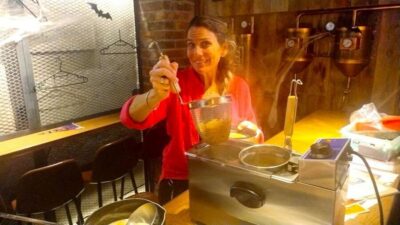
Easy Ramen Cooking Experience in Kabukicho, Shinjuku
Read our review →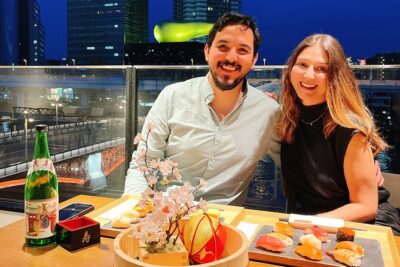
Ramen and Sushi Cooking Class with Sake Pairing Set in Tokyo
Read our review →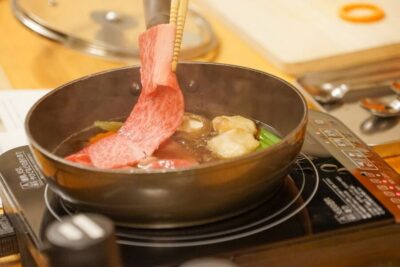
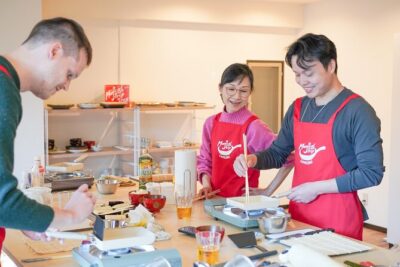
Tokyo Washoku 4-hour Cooking Class: From Market to Table
Read our review →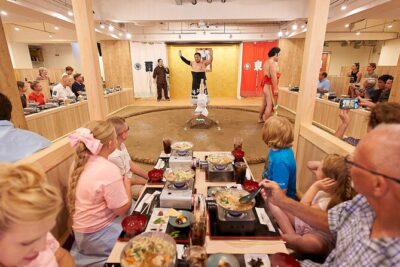
TokyoSumoShow, ChickenHotPot, and Mochi-Pounding by Pro Wrestlers
Read our review →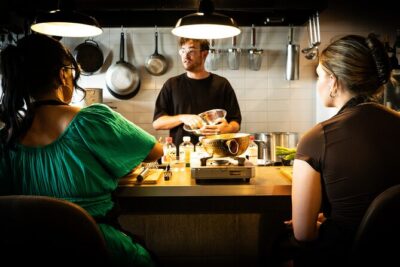
Professional Ramen & Gyoza with Ramen Chef in a restaurant!
Read our review →
Small-Group Wagyu Beef and 7 Japanese Dishes Tokyo Cooking Class
Read our review →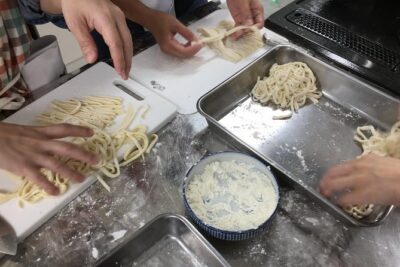
Private Home Cooking in Yanaka – Local Flavors in a Warm Setting
Read our review →Browse the lists this tour appears in