
Reviewed · JAPANESE COOKING CLASSES
Ramen and Sushi Cooking Class with Sake Pairing Set in Tokyo
The appeal here is simple: you do not just eat Japanese food, you learn how sushi comes together and how ramen gets its character. In a small class of eight or fewer, instructors such as Sato, Ryushi, Alex, Taka, and Kaori can give you close help instead of shouting directions across a crowded kitchen.
I especially like the hands-on sushi practice and the sake pairing, which turns lunch into a lesson in taste. The river view also adds a pleasant setting, and the friendly teaching style helps first-time cooks relax. The main consideration is that ramen is reportedly more customizable than hands-on, so the sushi portion may feel like the stronger cooking lesson.
In This Review
- Key Points
- A Three-Hour Food Lesson in Tsukishima
- Why Eight People Makes a Difference
- Making Sushi, One Step at a Time
- Ramen Broth and Pork Belly
- Sake Pairing With the Food
- The Teaching Style: Friendly, Clear, and Personal
- A Tokyo View With Your Meal
- What the $79.59 Price Buys You
- Who Will Enjoy This Class Most
- Booking, Timing, and Cancellation
- Should You Book the Ramen and Sushi Class?
- FAQ
- Where does the cooking class take place?
- How long does the experience last?
- What dishes will I prepare?
- Is sake included?
- How large is the class?
- Is the instructor English-speaking?
- Is hotel pickup included?
- Can I cancel for a refund?
Key Points
- Small groups of up to eight: You get personal help with rolling, shaping, and assembling your food.
- Three Japanese food skills in one class: Make sushi, prepare ramen broth, and sample sake with your meal.
- Useful home-cooking advice: The instructors explain techniques meant to work in your own kitchen.
- A social, relaxed setting: The class includes food stories, laughter, and even a quiz about sushi and ramen.
- A filling meal: You eat the sushi and ramen you help prepare, including pork belly ramen according to class feedback.
- Convenient Tsukishima location: The class begins and ends at HAUS Tsukishima, near public transportation.
A Three-Hour Food Lesson in Tsukishima
This cooking class takes place at HAUS Tsukishima in Chuo City, at 2-chome 13-5 Tsukuda, Tokyo 104-0051. The address puts you in Tsukishima, an area known for its connection to Tokyo’s waterways and traditional food culture, though the class itself is the main reason to come here.
Plan on about three hours from start to finish. That is enough time to learn, cook, sit down to eat, and enjoy the sake without making the activity swallow your whole day. I would place it between sightseeing plans rather than at the end of a packed morning, since you will want time to enjoy the meal instead of watching the clock.
The class finishes back at the meeting point. There is no hotel pickup or drop-off, so you need to make your own way to HAUS Tsukishima. The meeting point is near public transportation, which makes this easier to fit into a Tokyo itinerary, but check the exact route and allow time to find the building.
More sake and whisky sessions:
- Sake Tasting Masterclass in Shinjuku (8+ Varieties with a Pro)
★ 5.0 · 271 reviews - Sake Omakase in Tokyo: Guided Tasting by Certified Sommeliers
★ 5.0 · 239 reviews - Tasting All Types of Sake with Sommelier
★ 5.0 · 151 reviews
Why Eight People Makes a Difference
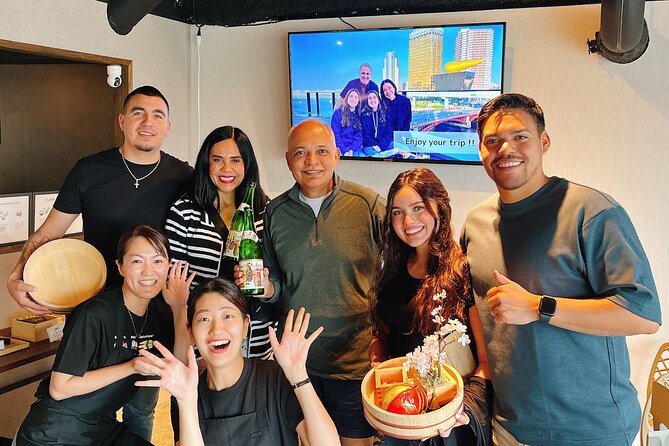
The maximum group size is eight. That number matters more in a cooking class than it does on a standard walking tour. When you are trying to shape sushi or follow a new kitchen method, a teacher needs to see what your hands are doing.
The small format also lets the class feel more like a shared meal than a formal demonstration. You can ask questions, watch another person’s technique, and get help before a small mistake becomes a ruined dish. A class may have fewer than eight people. One reported session had only a few participants, which made the instruction especially close.
The instructors are English-speaking, and the teaching style is built around practical guidance. Names connected with the teaching team include Sato, Ryushi, Alex, Taka, and Kaori. The exact instructor can vary, but the repeated description is of a warm, polite team that keeps the mood easy.
That friendliness is not just a nice extra. Cooking unfamiliar food can be awkward at first, especially when you are handling sushi rice or trying to make a neat roll. A calm teacher helps you focus on the technique rather than worry about getting it perfect.
Making Sushi, One Step at a Time
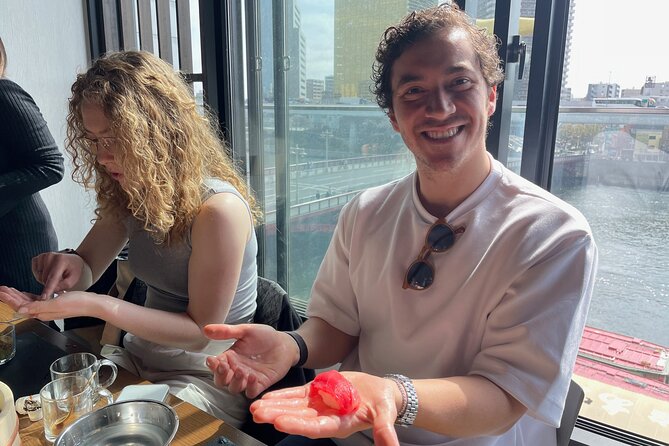
Sushi is the most visibly hands-on part of the class. You prepare and shape your own pieces, then eat what you make. This gives the lesson a clear payoff: the food on your plate is connected to the movements you just learned.
If you have tried to learn sushi at home from videos, you will understand the value of in-person correction. A video can show the right motion, but it cannot tell you why your rice is sticking too much, why a roll is loose, or how much filling is enough. Here, the instructor can guide you through those small points as you work.
The class also covers professional tips and tricks that are intended for home cooking. That does not mean you will leave ready to run a sushi counter. It does mean you can take away practical methods instead of a single meal that exists only in the classroom.
The sushi itself is part of the meal, not just a practice exercise. You prepare it, sit down, and eat it afterward. That makes the lesson useful for food-focused visitors who want both instruction and lunch or dinner.
One appealing detail is the class’s food quiz, which covers facts and history connected with sushi and ramen. This adds context without turning the session into a lecture. You learn why the dishes matter while your hands are busy making them.
Ramen Broth and Pork Belly
The ramen portion focuses on preparing savory broth from scratch. That phrase deserves a little care. The class teaches the process of building the broth, but not every part of the ramen appears to involve the same amount of hands-on work as the sushi.
You may have more room to customize the ramen than to construct it from the ground up. That can be a plus if you like choosing flavors and toppings, but it may disappoint you if your main goal is a long, technical ramen workshop. The class gives you an introduction to the dish rather than a full professional ramen apprenticeship.
The meal includes ramen, and pork belly is a particular part of the bowl that has received praise. You will not leave hungry. The combination of sushi, ramen, and sake makes this a substantial food experience, not a quick sample with a few bites.
I like the balance between cooking and eating here. Making a complete bowl of ramen from every component could take far longer than three hours, and a visitor’s schedule rarely allows that. This class gives you a useful look at the broth and assembly while keeping enough time for the meal and cultural explanation.
More sushi mornings and classes:
- Sushi Making Tokyo Roll and Authentic Japanese Sushi Class
★ 5.0 · 3,971 reviews - Tokyo: Roll and Authentic Sushi Making Class in Asakusa
★ 4.9 · 1,957 reviews - Make Sushi and Create Unforgettable Memories in Tokyo
★ 5.0 · 1,413 reviews - Tokyo: Sushi Making Class in a Happi Coat near a Famous Spot
★ 4.9 · 1,377 reviews
Sake Pairing With the Food
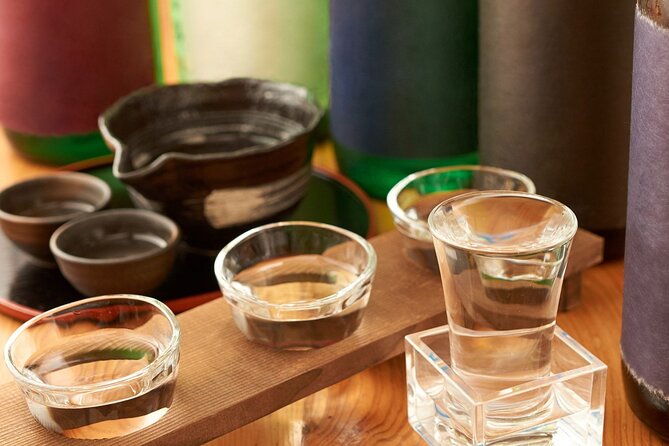
Sake is included with the class and is selected to complement the dishes. This makes the tasting more useful than simply adding a drink to the table. You can compare how sake works with sushi and ramen, then think about those pairings when you order food elsewhere in Japan.
The sake is described as smooth and high quality, with a few choices available. The information does not specify the breweries, styles, or number of pours, so do not book this expecting a formal sake certification course. Think of it as a guided introduction alongside a Japanese meal.
The pairing also gives the class a natural rhythm. You cook, taste, ask questions, and then return to the food. For adults who enjoy learning through a meal, this is one of the better reasons to choose this class over a basic sushi lesson.
All drinks are included, but you should still drink at your own pace. Anyone avoiding alcohol should confirm the available alternatives directly with the provider before booking, since the supplied details do not list nonalcoholic options.
The Teaching Style: Friendly, Clear, and Personal
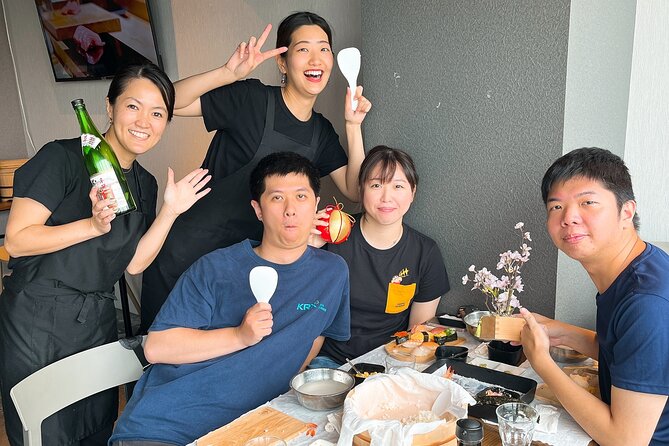
The strongest theme of this experience is the human side of the class. The instructors are repeatedly described as smiling, polite, warm, and easy to spend time with. That matters because the class depends on participation. You are not sitting quietly while a chef performs everything at the front.
Sato is specifically named in several accounts, along with colleagues such as Ryushi, Alex, Taka, and Kaori. The team appears comfortable working with couples, siblings, and small mixed groups. A brother and sister enjoyed the class together, while another couple found the instructor charming and reassuring.
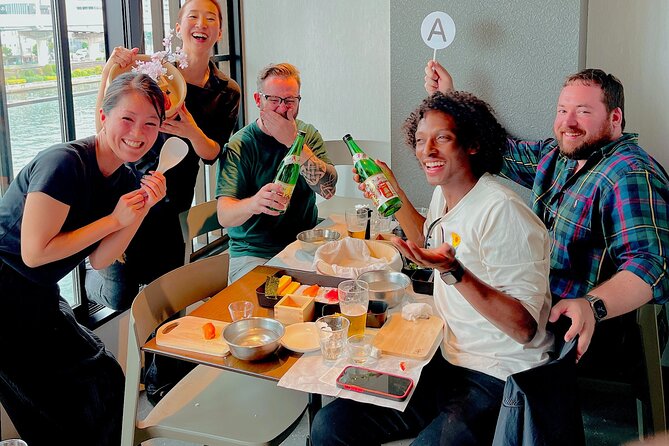
Expect an informal atmosphere rather than a stiff cooking school. There is room for humor and conversation, and the food stories help connect the recipes to Japanese culture. The class is still structured, though. You receive step-by-step help, ingredients are supplied, and the meal is part of the planned experience.
The atmosphere may be especially useful if you are nervous about joining a group activity alone or with a partner who does not cook. You do not need to arrive as a food expert. The point is to learn by doing.
A Tokyo View With Your Meal
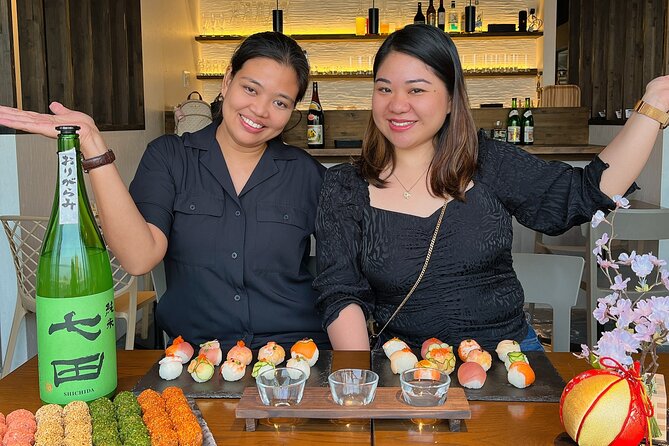
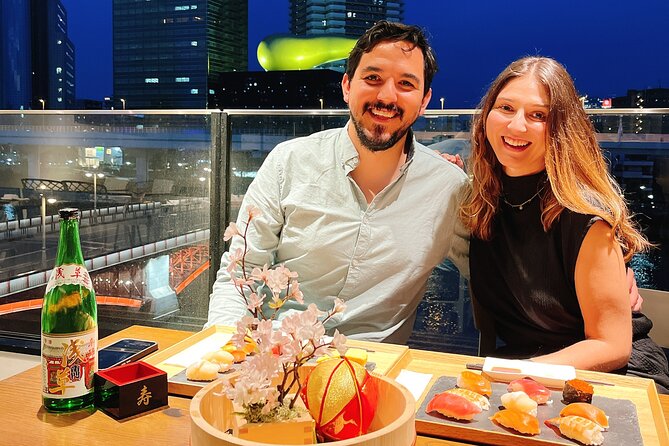
The setting includes a view over the river. That is a small detail, but it changes the feel of the meal. After working in the kitchen, you can sit down with your sushi, ramen, and sake in a setting that feels connected to Tokyo rather than sealed inside a generic classroom.
The view is not the central attraction, and the supplied details do not promise a particular landmark or room orientation. Still, it adds atmosphere and helps explain why some people describe the setting as one of the highlights.
Tsukishima also gives the class a different flavor from the busiest sightseeing districts. You are not simply stopping at a restaurant in Shibuya or Ginza. You are heading to a local Tokyo neighborhood for a small food lesson, then returning to the same meeting point when it ends.
What the $79.59 Price Buys You
At $79.59 per person, this class sits in the midrange for a three-hour Tokyo food activity. The value depends on what you want. If you only want to eat sushi and ramen, you can spend less at a restaurant. If you want instruction, drinks, ingredients, a meal, and cultural context in one sitting, the price is easier to justify.
The included items are:
- An English-speaking instructor
- Ingredients for the cooking class
- The meal you prepare
- All drinks, including the sake pairing
You are paying for more than the raw ingredients. The small group size is a major part of the price because personal instruction takes more staff time than a large demonstration. You also avoid having to buy specialty ingredients just to try the dishes once.
For someone who already cooks Japanese food often, the class may offer limited technical value, especially if you are seeking advanced ramen work. For a first-time sushi maker, a food-focused couple, or a visitor who wants a memorable meal with a practical skill attached, the cost looks fair.
The class was booked more than five times in the previous week, and it carries a five-out-of-five rating from 291 reviews with 100 percent recommendation. Those figures suggest strong demand, so small-group spaces may be worth reserving ahead of time.
Who Will Enjoy This Class Most
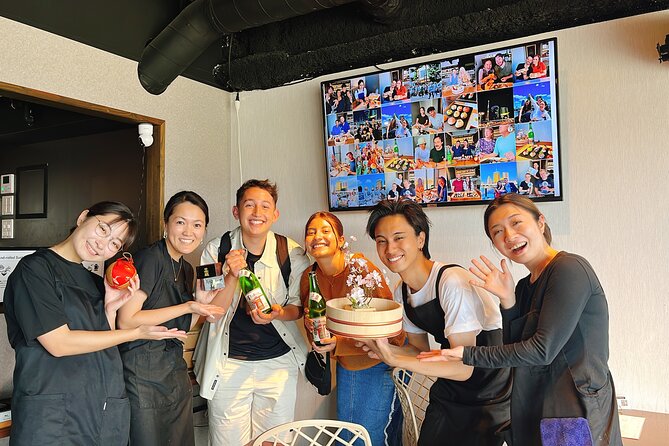
I would recommend this experience to you if food is one of your main reasons for visiting Tokyo. It suits people who want to get involved, not just watch a chef prepare a dish.
It is a particularly good match for:
- Couples looking for a shared activity
- Families with older children who can take part in food preparation
- First-time sushi makers
- Visitors who want to learn dishes they can try at home
- Adults interested in sake as well as Japanese cooking
- Anyone seeking a relaxed indoor activity for part of the day
You should think twice if you want a highly technical ramen course or a long, market-based food tour. The ramen component is not described as equally hands-on, and the class stays in one location. It is also not a sightseeing tour of Tokyo.
Service animals are allowed, and the meeting point is near public transportation. The experience ends where it starts, which keeps the logistics simple. Hotel transport is not included.
Booking, Timing, and Cancellation
You receive confirmation when you book, and the activity uses a mobile ticket. Keep the ticket easy to access on your phone when you arrive.
The cancellation rule is straightforward but strict near the start time. You receive a full refund if you cancel at least 24 hours before the experience. Cancellations or changes made within 24 hours are not accepted and are not refunded. The cutoff uses Tokyo local time, so check the time carefully if you are booking from another country.
Because the group is capped at eight, I would not wait until the last minute if the class fits your schedule. At the same time, give yourself enough flexibility to reach Tsukishima comfortably. A late arrival could cost you part of the instruction, and the class works best when you can follow each stage from the beginning.
Should You Book the Ramen and Sushi Class?
Book it if you want a friendly, hands-on food lesson with a real meal at the end. The strongest reasons are the small group, patient instruction, sushi practice, included sake, and the chance to hear the stories behind two central Japanese dishes.
The class is less compelling if you are looking only for advanced ramen technique or a broad tour of Tokyo’s food scene. Ramen appears to be more customizable than fully hands-on, and the experience stays at one cooking venue.
For most food-loving visitors, though, $79.59 buys a useful mix of instruction, culture, and dinner. You leave with more than a full stomach. You also have a better chance of making sushi at home without relying on guesswork.
FAQ
Where does the cooking class take place?
The class begins at HAUS Tsukishima, Japan, 104-0051 Tokyo, Chuo City, Tsukuda, 2-chome 13-5.
How long does the experience last?
The class lasts approximately three hours.
What dishes will I prepare?
You will make sushi and prepare savory ramen broth from scratch. The meal also includes ramen, with pork belly included according to the class details described.
Is sake included?
Yes. All drinks are included, including sake selected to pair with the dishes.
How large is the class?
The maximum group size is eight people.
Is the instructor English-speaking?
Yes. An English-speaking instructor leads the class.
Is hotel pickup included?
No. Hotel pickup and drop-off are not included. You make your own way to the meeting point, which is near public transportation.
Can I cancel for a refund?
Yes. You can receive a full refund if you cancel at least 24 hours before the experience start time. Cancellations or changes within 24 hours are not refunded.
More Cooking Classes in Tokyo
- Tokyo: Wagyu and 7 Japanese Dishes Cooking Class
★ 4.9 · 273 reviews - Tokyo Washoku 4-hour Cooking Class: From Market to Table
★ 5.0 · 253 reviews - TokyoSumoShow, ChickenHotPot, and Mochi-Pounding by Pro Wrestlers
★ 5.0 · 226 reviews - Professional Ramen & Gyoza with Ramen Chef in a restaurant!
★ 5.0 · 223 reviews
More Ramen Stops
- Eat and Drink Like a Local: Tokyo Ueno Food Tour-Taverns&Ramen
★ 5.0 · 957 reviews - Ramen & Gyoza Cooking Class in Tokyo with Local Supermarket Visit
★ 5.0 · 823 reviews - Tokyo: Ramen Tasting Tour with 6 Mini Bowls of Ramen
★ 4.9 · 432 reviews - Tokyo: Easy Ramen Cooking Experience in Kabukicho, Shinjuku
★ 4.6 · 321 reviews
New on our Tokyo list
- Tokyo Spectacular View Day-Cruise in 90 Minutes★ 5.0 · 25 reviews
- From Tokyo: Mount Fuji & Hakone Full Day Private Tour★ 4.9 · 25 reviews
- Real Tokyo Runner Club : Daikoku Car Meet Night Tour with JDM Car★ 5.0 · 25 reviews
- 2.5 Hour-Guided Cycle Tour in the Central Tokyo★ 5.0 · 25 reviews
- Ramen Making from Scratch +Akihabara Tour –Cooking Class★ 5.0 · 25 reviews
- [Self-Drive] Tokyo & Daikoku Custom Car Driving Tour★ 4.9 · 25 reviews
- Tokyo: 2-Hour Night Bike Tour of the City’s Hidden Gems★ 4.9 · 25 reviews
- Samurai themed Entertainment show in Shinjuku★ 4.5 · 25 reviews
Japanese Cooking Classes, compared.
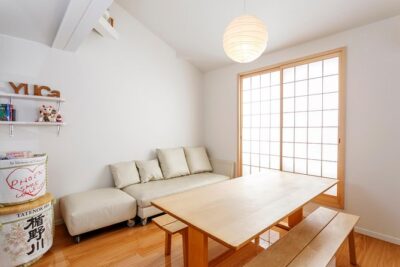
Ramen & Gyoza Cooking Class in Tokyo with Local Supermarket Visit
Read our review →
Easy Ramen Cooking Experience in Kabukicho, Shinjuku
Read our review →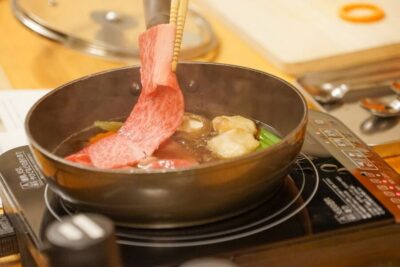
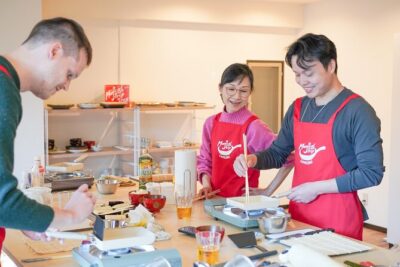
Tokyo Washoku 4-hour Cooking Class: From Market to Table
Read our review →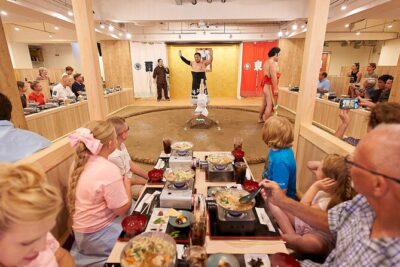
TokyoSumoShow, ChickenHotPot, and Mochi-Pounding by Pro Wrestlers
Read our review →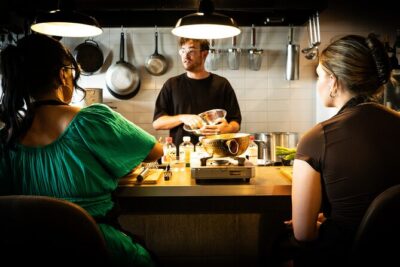
Professional Ramen & Gyoza with Ramen Chef in a restaurant!
Read our review →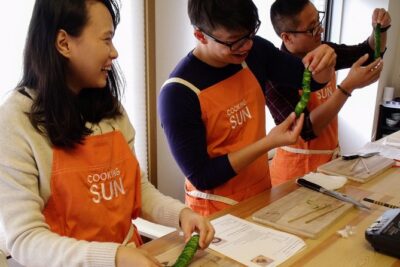
Small-Group Wagyu Beef and 7 Japanese Dishes Tokyo Cooking Class
Read our review →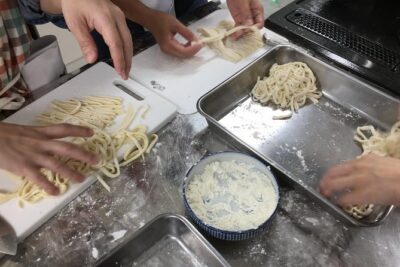
Private Home Cooking in Yanaka – Local Flavors in a Warm Setting
Read our review →Browse the lists this tour appears in