
Reviewed · ANIME & POP CULTURE TOURS
Harajuku : Blend of Tradition & Pop Culture for Family Tour
Harajuku gives you two very different Tokyo experiences in one compact walk: the quiet cedar grounds of Meiji Shrine, followed by the candy-colored energy of Takeshita Street. The final stop, a micro pig café, gives children and adults a chance to get close to animals in a cozy setting.
I like the clear contrast between old and new Japan, and I like the small group size of six. Guide Shingo has a friendly, humorous approach and can answer a wide range of questions. The main consideration is time: two hours goes quickly, and the café entrance fee is extra.
In This Review
- Key points at a glance
- Why this two-hour Harajuku walk works
- Meeting at Harajuku Station
- Walking through the Meiji Shrine forest
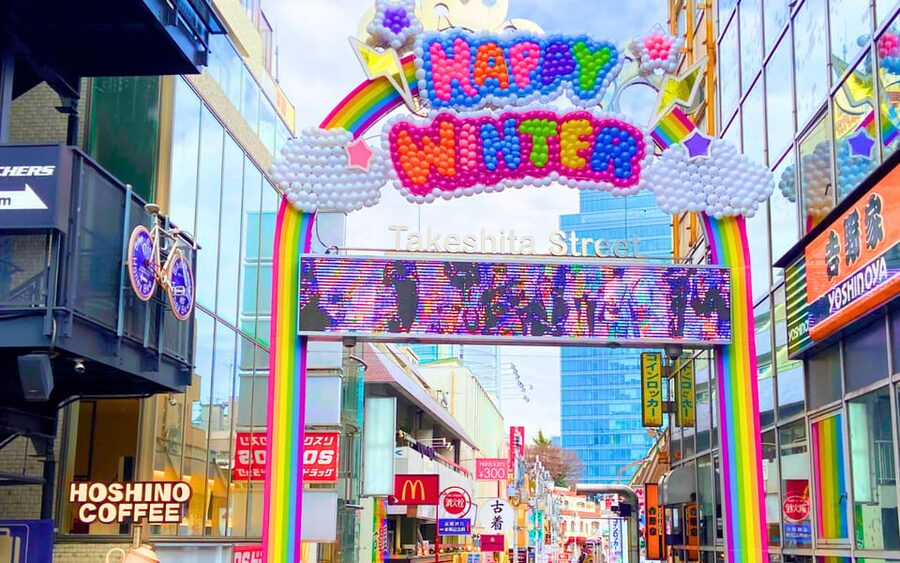
- Takeshita Street and Harajuku’s kawaii culture
- Meeting the micro pigs at mipig cafe
- What the guide adds
- The real value of $48 per person
- Timing, accessibility, and practical preparation
- Who should book this Harajuku experience?
- Should you book it?
- FAQ
- How long does the Harajuku tour last?
- Where does the tour meet?
- Where does the tour end?
- What places are included in the route?
- Is the animal café admission included?
- Is lunch included?
- What language is the tour conducted in?
- How many people can join the group?
- Is the tour suitable for people with animal allergies?
Key points at a glance
- Meiji Shrine rituals: Learn how to approach a Shinto shrine and worship respectfully.
- Takeshita Street in 30 minutes: See Harajuku’s famous kawaii shops, fashion, and photo spots.
- Micro pig café visit: Meet the animals at mipig cafe, subject to availability.
- Small-group format: With no more than six participants, the guide can give more personal attention.
- Family-friendly contrast: Quiet shrine grounds and playful pop culture suit mixed-age groups.
- Easy central meeting points: Begin at JR Harajuku Station or Meiji-Jingumae Station.
Why this two-hour Harajuku walk works

This tour is built around contrast. You begin at a major spiritual site, where the mood is quiet and respectful. Soon after, you are walking through one of Tokyo’s best-known youth districts, with colorful clothing, sweets, character goods, and unusual cafés.
That change of mood is the main reason to book. A shrine visit on its own can feel calm but formal, while Harajuku’s shopping streets can feel exciting but chaotic. Placing the two together helps you understand why Tokyo is not one single experience. Traditional customs and modern youth culture share the same neighborhood.
The tour costs $48 per person for two hours. That is a fair price if you want an English-speaking guide to explain shrine etiquette, organize the route, and help your family make sense of Harajuku’s visual overload. It is less compelling if you are happy to walk independently and only want to browse shops, since the café admission and lunch are not included.
The group limit of six matters. Harajuku can be crowded, and a smaller party makes it easier to hear explanations and ask questions. It also gives the guide some room to respond to your group. When one family was the only booking, the guides offered to adjust the tour, which is useful if you are traveling with children or have a particular interest.
More anime and pop-culture days:
- Official Street Go-Kart Tour – Akihabara
★ 5.0 · 1,578 reviews - Tokyo Go Kart: Asakusa, Skytree, and Akihabara **IDP MUST**
★ 5.0 · 988 reviews - Akihabara Anime & Game Adventure Walking Tour (Group or Private)
★ 5.0 · 404 reviews
Meeting at Harajuku Station
You can meet at JR Harajuku Station’s East Exit if you arrive on the JR Yamanote Line. If you use the metro, the meeting point is Meiji-Jingumae Station at Exit 2.
The tour ends back at Harajuku Station, so the route is simple to fit into a day of sightseeing. You will not need to arrange a separate ride between the main stops. Bring water and wear shoes suitable for walking. The tour takes place outdoors for much of its length, so prepare for changing weather.
The starting point is useful for families because Harajuku is easy to connect with other Tokyo plans. After the walk, your guide can suggest a place for lunch, though the meal itself is not included. Since the tour ends at the same station area, you can continue shopping, visit nearby attractions, or catch a train without a long transfer.
Walking through the Meiji Shrine forest
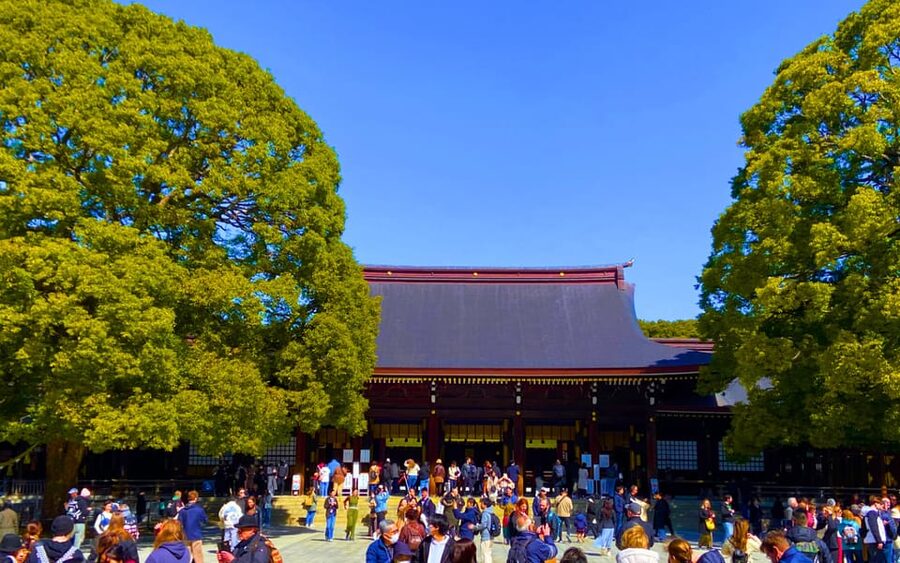
The first hour is devoted to Meiji Shrine, one of Tokyo’s most important spiritual landmarks. The shrine is dedicated to Emperor Meiji and Empress Shoken, and its grounds offer a sharp change from the busy streets outside.
The walk through the shrine grounds is a chance to slow down. Your guide explains the site’s background and the religious customs connected with a Shinto visit. You learn how to approach the shrine and how to worship properly, rather than simply taking photographs and moving on.
This instruction is especially useful if you are unfamiliar with Japanese religious practices. Small actions, such as how you behave at the entrance and what you do at the worship area, can feel confusing when no one explains them. A guide gives you a framework without turning the visit into a lecture.
The shrine also helps children see a different side of Tokyo. They may not remember every historical detail, but the quiet paths, large wooden structures, and formal rituals offer a clear contrast with the cartoon characters and sweets waiting later in the tour. I like that the experience does not treat tradition as a museum display. You are shown how the place is used and why respectful behavior matters.
Keep in mind that this is still a walking visit. The full hour at Meiji Shrine may feel long to a child who is eager to reach the café, especially if your family prefers fast-moving attractions. The comfortable-shoe advice is practical, not decorative. You will be on your feet throughout the experience.
Takeshita Street and Harajuku’s kawaii culture
After the shrine, the tour turns toward Takeshita Street for about 30 minutes. This is the heart of Harajuku’s kawaii culture, with playful fashion, colorful storefronts, quirky goods, and plenty of places to take photos.
The guide’s role here is more useful than simply pointing out shops. Takeshita Street can seem like a wall of signs and crowds if you do not know what you are looking at. A local guide can direct you toward notable spots and explain why Harajuku became associated with youthful fashion and cute design.
Thirty minutes is enough for an introduction, but not enough for serious shopping. You will get a guided look at the area, then need to return on your own if you want to buy clothing, snacks, or souvenirs. That short timing is a benefit if you have young children who tire easily, but a limitation if Harajuku shopping is your main reason for visiting.
I would treat this section as a sampler rather than a shopping session. Take note of the stores and streets you like, then come back after the tour with more time. The guide can help you see the area before you decide where to spend your money.
Because the street is busy and visually intense, stay close to the group. The small party size helps, but Harajuku remains a crowded part of Tokyo. Families should set a simple meeting rule in case someone stops to look at a shop window.
More Harajuku wanders:
- Tokyo Go-Kart Tour Shibuya-Harajuku-Shinjuku (*IDP Required)
★ 5.0 · 217 reviews - Tokyo: Guided Go Kart Tour from Harajuku to Shibuya Crossing
★ 4.5 · 166 reviews - Shibuya & Harajuku: Hidden Gems & Highlights Private Tour
★ 4.7 · 139 reviews - Harajuku Kawaii Fashion and Pop-Culture Tour
★ 5.0 · 94 reviews
Meeting the micro pigs at mipig cafe
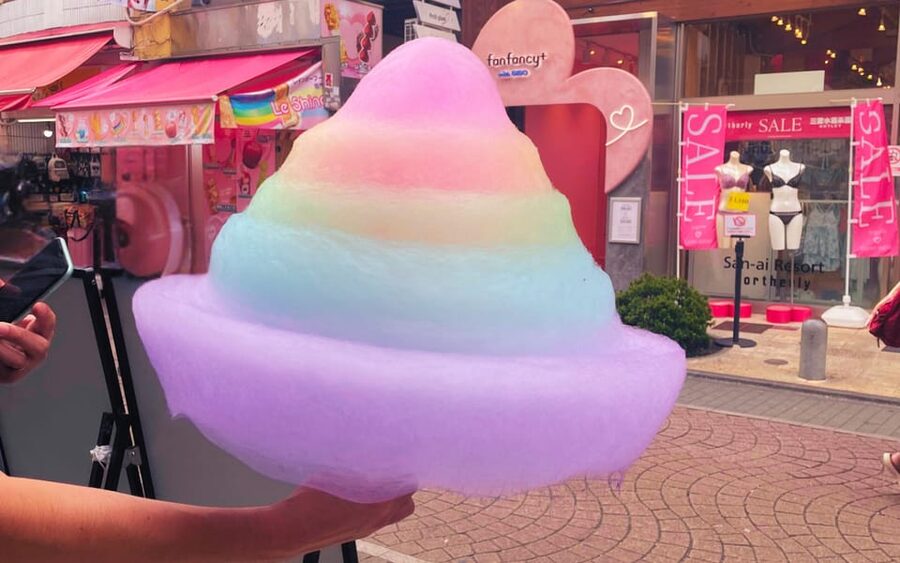
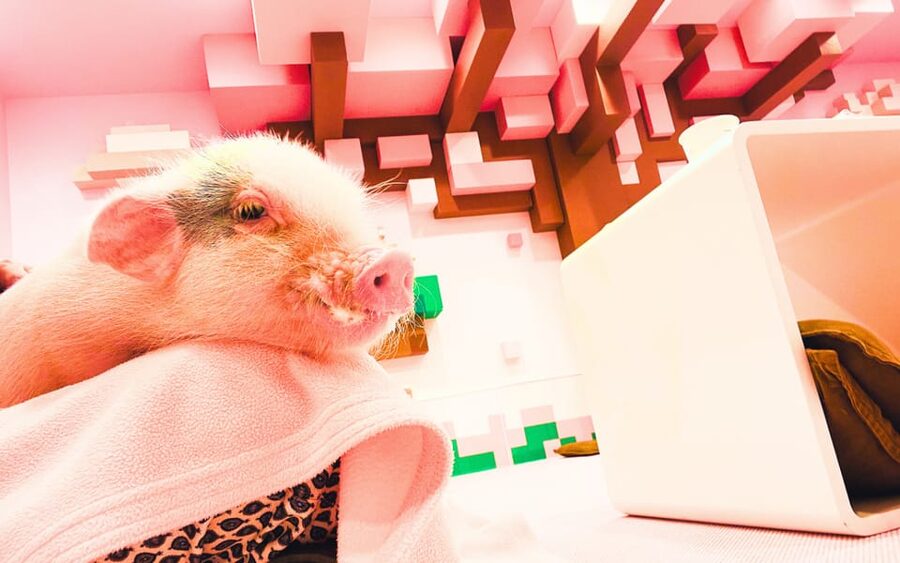
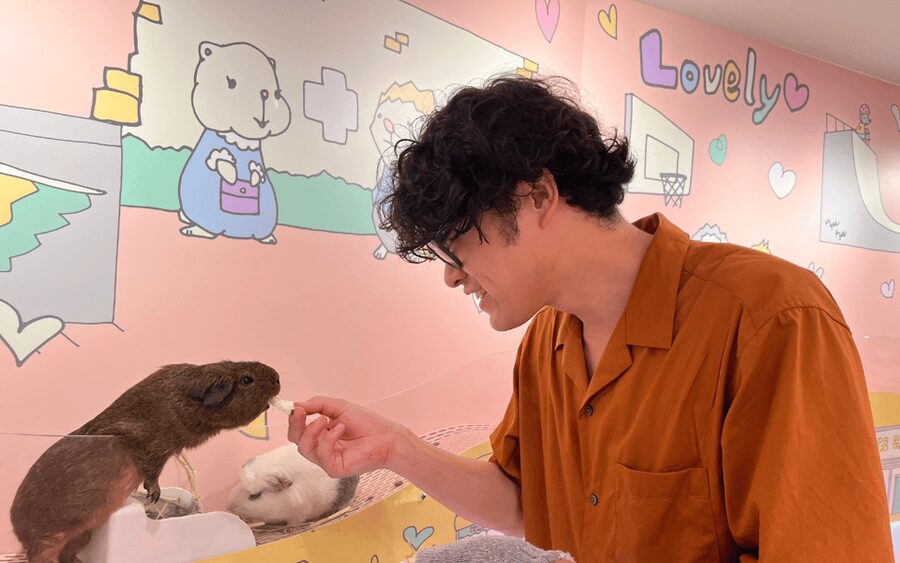
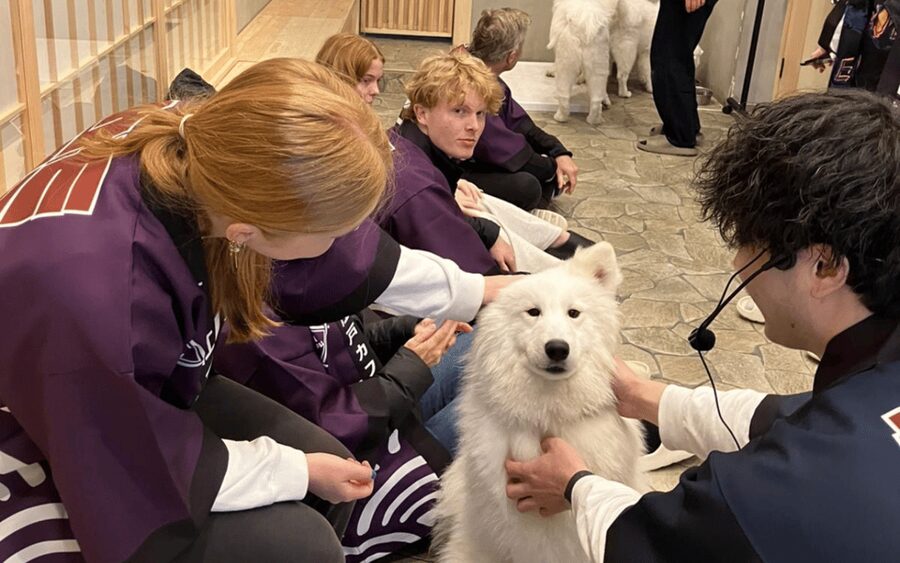
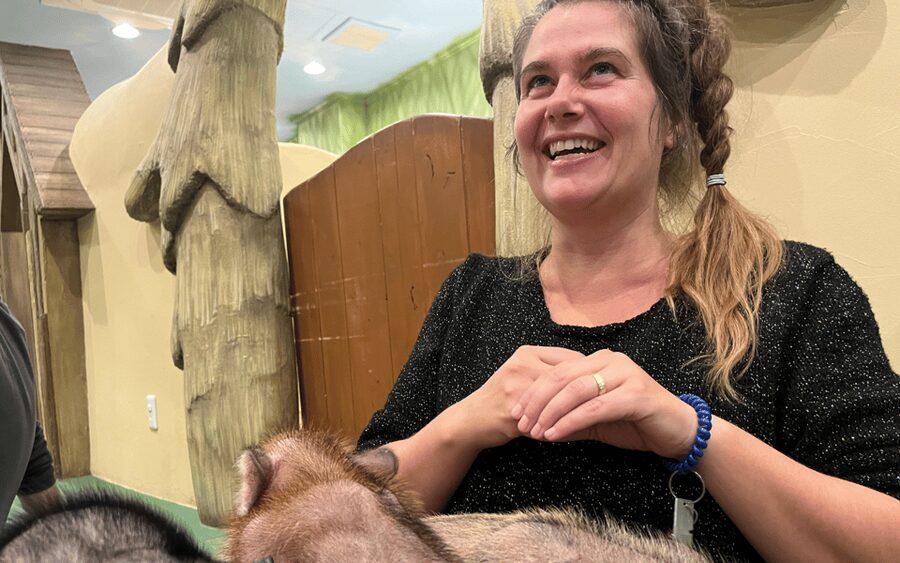
The final 30 minutes are scheduled for mipig cafe, an animal café where you can meet micro pigs. For many families, this is the most memorable part of the walk. If you have never petted a pig, the café offers a very different animal encounter from a standard pet café.
The setting is described as cozy and friendly, which suits a short visit. You can expect time for a photo stop and a close look at the animals. This is a strong choice for children who enjoy animals, and it gives the tour a playful ending after the more formal shrine visit.
The café admission is not included in the $48 tour price. You should budget for that separate cost, and the visit is subject to availability. That condition matters, since the animal café is a featured stop but cannot be treated as guaranteed in every circumstance.
You should also skip this tour if anyone in your group has animal allergies. Even if the café visit is brief, close contact with animals may not be comfortable or suitable for everyone. Ask about the café arrangement before booking if this is a concern.
The café stop also keeps the tour appealing to mixed-age groups. Adults receive cultural context at the shrine and a local view of Harajuku, while children get a clear reward at the end. That balance is one of the strongest reasons to consider this outing for a family.
What the guide adds

The guide is not just there to lead you from one address to the next. At Meiji Shrine, you receive practical instruction about worship and Japanese religious customs. On Takeshita Street, the guide helps connect the shops and fashion to Harajuku’s pop-culture identity.
Shingo is named as one of the guides for this experience. His style is friendly, humorous, and conversational, making the walk feel more like exploring with a well-informed local than following a large tour group. He can answer a wide range of questions, which is helpful when your family wants to move beyond the prepared explanation.
The small group limit gives that style room to work. With up to six people, you can ask about food, customs, shopping, or the meaning of something you notice along the way. If your group is the only family booked, the guides may offer some customization.
That flexibility should not be overstated. The tour still follows the main plan of Meiji Shrine, Takeshita Street, and the café. But a little adjustment can make a big difference when you are traveling with children, especially if they need a slower pace or have a strong interest in animals and pop culture.
The real value of $48 per person

At $48 per person, this is not the cheapest way to walk through Harajuku. You can visit Meiji Shrine and Takeshita Street without paying for a guide. The price makes more sense if you value explanations, a planned route, and the convenience of combining three stops in two hours.
The animal café fee is separate, so compare the total cost before you book. Lunch is also separate, although the guide will provide local recommendations afterward. Transportation to and from the meeting point is not included, but the central station locations make access straightforward.
I see the best value for families who want an organized introduction to Harajuku. You are paying to avoid guesswork, learn the proper shrine customs, and keep the outing moving. You are also paying for a small group rather than a crowded walk with limited time for questions.
Independent visitors may find the price harder to justify. If you already understand shrine etiquette and have a full shopping plan, you may prefer to spend your money on the café and explore at your own pace. The tour is most useful when you want context and a family-friendly structure.
Timing, accessibility, and practical preparation
The experience lasts two hours, with about one hour at Meiji Shrine, 30 minutes on Takeshita Street, and 30 minutes at the micro pig café. Starting times vary, so check availability when booking.
The tour is wheelchair accessible, according to the activity details. Still, the route includes walking through shrine grounds and busy streets, so you should discuss any specific mobility needs with the provider before reserving.
Wear comfortable shoes and bring water. A camera is worthwhile for the shrine grounds, Takeshita Street, and the café, provided photography follows the rules of each location. Smoking is not allowed during the activity.
Free cancellation is available up to 24 hours before the start time, and you can reserve now and pay later. Those terms are helpful if your Tokyo schedule is still changing. The tour is conducted in English.
Who should book this Harajuku experience?
I would recommend it most strongly to families visiting Tokyo for the first time, especially those with children who need a mix of cultural interest and hands-on fun. The micro pigs give the outing a memorable finish, while the shrine provides substance beyond shopping and photos.
It also suits adults who want a short, guided introduction to Harajuku rather than a full-day tour. The two-hour length leaves room for lunch and further exploring. You can use the guide’s recommendations to shape the rest of your day.
You may want another option if your group has animal allergies, dislikes walking, or plans to spend several hours shopping on Takeshita Street. The café visit depends on availability, and its admission costs extra. You should also consider the $48 price alongside those added costs.
Should you book it?
Book this tour if you want Harajuku explained in a compact, family-friendly format. The strongest features are the careful introduction to Meiji Shrine, the small group of no more than six, and the unusual chance to meet micro pigs.
Skip it if you prefer unstructured shopping or already know the area well. For most families, though, the pairing of shrine customs, kawaii culture, and an animal café makes good use of two hours, with enough free time left to continue exploring on your own.
FAQ
How long does the Harajuku tour last?
The tour lasts two hours.
Where does the tour meet?
You meet at the East Exit of JR Harajuku Station if arriving on the JR Yamanote Line. If you arrive by metro, meet at Exit 2 of Meiji-Jingumae Station.
Where does the tour end?
The tour ends back at Harajuku Station.
What places are included in the route?
The route includes Meiji Shrine, Takeshita Street, and mipig cafe in Harajuku, subject to café availability.
Is the animal café admission included?
No. The animal café entrance fee is not included in the tour price.
Is lunch included?
No. Lunch is not included, but the guide provides local lunch recommendations after the tour.
What language is the tour conducted in?
The live tour guide speaks English.
How many people can join the group?
The tour is a small-group experience limited to six participants.
Is the tour suitable for people with animal allergies?
No. The experience is not suitable for people with animal allergies because it includes a visit to an animal café.
New on our Tokyo list
- Sumi-e Experience in a relaxing green tea shop in Tokyo★ 5.0 · 3 reviews
- Tokyo : Kamikaze Street Drift Ride★ 5.0 · 3 reviews
- Private Zen Meditation in English in Shinjuku, Tokyo★ 5.0 · 3 reviews
- Onsen Spa in Tokyo and Asakusa Bar Hopping with Local Guide★ 5.0 · 3 reviews
- Easy for everyone! Now you can play handmade mini shamisen and show off to everyone! Musical instruments, sweets and live music★ 5.0 · 3 reviews
- Tokyo: Private Tsukiji Street Food & Sake with Local Guide★ 5.0 · 3 reviews
- Mt Fuji Exploration Tour with Free Japanese Kusa Mochi from Tokyo★ 4.5 · 3 reviews
- Tokyo Tsukiji Fish Market Walking and Exploring Hidden Gems Tour★ 5.0 · 3 reviews
Anime & Pop Culture Tours, compared.

Tokyo Go Kart: Asakusa, Skytree, and Akihabara **IDP MUST**
Read our review →
Akihabara Anime & Game Adventure Walking Tour (Group or Private)
Read our review →

Akihabara Tailor-made Private Tour for Anime Fans
Read our review →
Ramen Making from Scratch +Akihabara Tour –Tokyo Cooking Class
Read our review →
Manga Drawing Workshop Guided by Pro Manga Artist
Read our review →Browse the lists this tour appears in